0%

Stainless Steel Euro Bowls are used for mixing, food preparation, ingredient staging, and serving in commercial kitchens and food businesses. Their rounded shape gives cooks room to whisk dressings, fold batters, toss salads, or hold chopped vegetables beside a busy workstation. The smooth metal surface is also practical for repeated washing. That matters during a long service.

The material has a substantial industrial footprint. World Stainless reported 58.4 million tonnes of global stainless steel production in 2023, in its annual production reporting. That figure describes the wider material industry, not demand for Euro Bowls or proof that every bowl performs equally well. Still, it provides useful context for stainless steel’s broad role in manufacturing. In practice, bowl performance depends on details: steel grade, wall thickness, finish, capacity, and construction. A light bowl may shift while a cook whisks; a heavier one can feel steadier, but takes more storage space. Not always an advantage.

This guide explains where Stainless Steel Euro Bowls fit, what tasks they handle well, and what to check before choosing them. It also considers their limits. Stainless steel can resist corrosion and withstand frequent use, but dents, scratches, and poor cleaning habits remain possible. Buyers should verify product specifications rather than assume every bowl suits every kitchen. The small print matters.
What Are Stainless Steel Euro Bowls Used For?

Definition and Design of Stainless Steel Euro Bowls

What Are Stainless Steel Euro Bowls Used For?

Definition and Design of Stainless Steel Euro Bowls

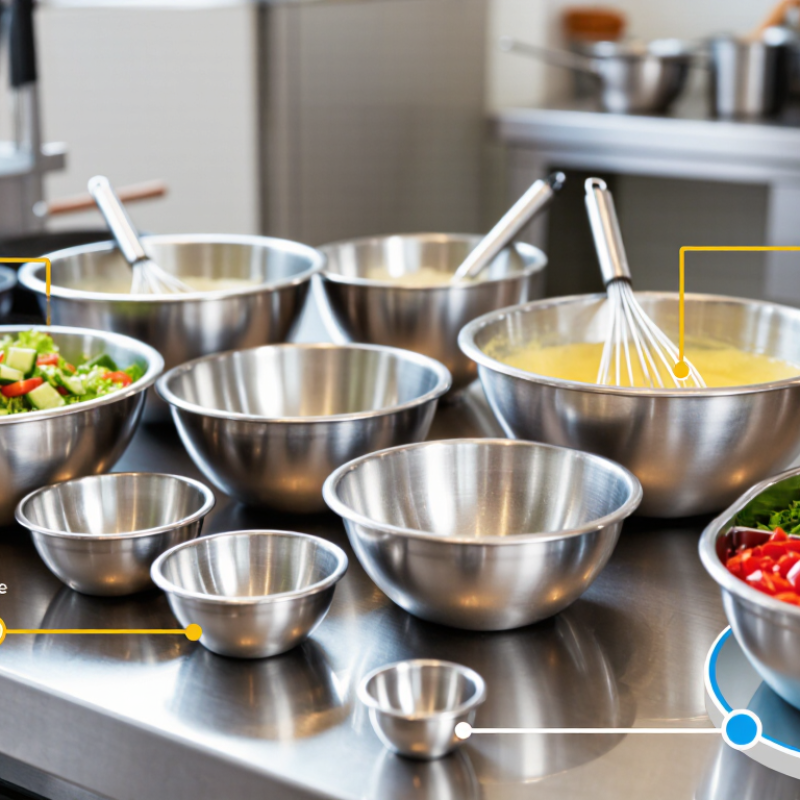
A stainless steel Euro bowl is a deep, rounded mixing bowl with a broad opening and a stable base. The name describes a common commercial style, not one universal technical specification. Bowl capacity, rim shape, and base width vary by manufacturer. In a kitchen, its generous opening makes it practical for whisking dressings, tossing salad, or holding prepped ingredients. The reflective surface is easy to inspect, though it can show scratches.

Design details shape everyday use. A rolled rim gives a comfortable grip when pouring, while a curved interior helps a whisk reach the sides. Many bowls nest for compact storage. Stainless steel grades differ, so check that the product is identified as suitable for food contact. The World Stainless Association’s Stainless Steel in Figures 2024 reports global crude stainless steel production of 58.4 million tonnes in 2023. This industry-scale figure offers context for the material’s widespread use, but it does not certify any particular bowl.

Materials and Features That Affect Their Use

What Are Stainless Steel Euro Bowls Used For?

A stainless steel Euro bowl is commonly used for mixing, washing produce, portioning ingredients, and serving. Its wide opening makes it easy to whisk eggs or rinse leafy greens. A rolled rim offers a comfortable grip, while a flat base helps the bowl sit steadily on a counter. These details matter in busy kitchens, where bowls are moved, stacked, and washed repeatedly.

Material grade and finish affect durability. The Nickel Institute’s technical guidance describes 304 stainless steel as containing about 18% chromium and 8% nickel; 316 typically includes molybdenum for added corrosion resistance. The World Stainless Association’s Stainless Steel in Figures 2024 reports 58.4 million tonnes of global stainless-steel melt-shop output in 2023. That scale does not guarantee a particular bowl’s grade or quality. Check product specifications, wall thickness, and whether the surface has deep scratches or rough seams. A shiny finish looks tidy, but it is not proof of better performance.

Tips: Match bowl size to the task, and avoid overfilling when whisking. Dry the bowl after washing to reduce water spots. If acidic ingredients sit for hours, verify the maker’s care guidance; “stainless” is not a promise against every stain or surface mark.

Common Roles in Food Preparation and Serving

Stainless steel Euro bowls earn their place through simple, visible jobs: holding chopped vegetables, mixing dressings, and keeping measured ingredients within reach. Their broad opening makes it easier to whisk eggs or fold flour without trapping food in tight corners. A rolled rim also gives cooks a steady grip when pouring batter into a pan. On a busy prep table, several bowls can separate ingredients before cooking begins. That small detail helps prevent rushed measuring and accidental mixing.

They also move easily from prep counter to serving area. A bowl can hold washed greens, fruit, bread rolls, or a shared salad, while its smooth surface is easy to inspect and clean. The FDA Food Code 2022 calls for food-contact surfaces to be durable, corrosion-resistant, and smooth, supporting stainless steel’s practical role in commercial kitchens.

For temperature-sensitive foods, however, a metal bowl is not a temperature-control system. The Code sets cold holding at 41°F (5°C) or below and hot holding at 135°F (57°C) or above.

That matters. A bowl left on a warm counter can still let food drift outside safe limits, so staff should use suitable holding equipment and check temperatures.

One honest limitation: steel bowls can be noisy, and they do not keep food hot or cold for long.

Use Across Domestic and Commercial Kitchens

In a home kitchen, stainless steel Euro bowls handle everyday preparation without taking up much space. Their rounded shape suits whisking eggs, tossing salad, and combining cake batter. Many have a flat base, so they sit steadily on a counter while you work. That matters. A cook can hold the rim with one hand and mix with the other. The bowls also nest inside one another, which helps in crowded cupboards. After use, wash and dry them promptly, especially around the rim and base.

Commercial kitchens use Euro bowls for repeated, fast-moving prep. Staff can portion chopped vegetables, hold measured ingredients, or carry a batch of dressing between stations. Stainless steel resists staining and does not easily retain food odors, making it practical for changing tasks. A smooth interior is also easier to inspect for leftover food. Bowl size still matters: a small bowl can send flour over the counter, while an oversized one takes up valuable bench space.

These bowls are useful, but they do not solve every kitchen problem. Thin steel can feel less stable when mixing a heavy dough, and metal may clang against utensils during a busy service. I would choose a size that fits the actual task, not just the available shelf. For acidic mixtures, brief preparation is generally practical, but a bowl is not a substitute for suitable long-term food storage.

What Are Stainless Steel Euro Bowls Used For? — Use Across Domestic and Commercial Kitchens

Standard gastronorm footprints show how stainless steel Euro bowls can be sized for food preparation, storage, chilling and service.

Footprint areas are calculated from common EN 631-1 gastronorm dimensions. Bowl depth—and therefore capacity—varies by product. Smaller formats can suit home kitchens, while larger formats are commonly useful in commercial preparation and service.

Cleaning, Maintenance, and Selection Considerations

A stainless steel Euro bowl can handle everyday rinsing, washing, or light food preparation, depending on its size and installation. After use, rinse away soap, salt, and food residue rather than letting them dry on the surface. Wipe with a soft cloth and mild detergent. Dry it afterward. Water spots are easier to prevent than remove.

For stuck residue, soak the bowl briefly in warm, soapy water, then use a non-scratch sponge. Avoid steel wool and harsh scouring powders; they can leave fine marks that collect grime. Clean along the visible grain when possible. Chloride-rich cleaners may also damage stainless steel if left in contact, so rinse thoroughly and follow the cleaner’s label. Small scratches may appear with normal use. That is worth considering before choosing a mirror-like finish.

Check the bowl’s dimensions, depth, rim shape, and mounting requirements against the available space. A deeper bowl may contain splashes, but it can be less comfortable for frequent hand washing. Inspect the drain opening and included fittings, since compatibility is not always obvious from the bowl’s appearance. Compare material thickness and finish details, too. A polished surface shows water marks readily; a brushed finish can disguise them, though it still needs regular cleaning.

What Are Stainless Steel Euro Bowls Used For? - Cleaning, Maintenance, and Selection Considerations

Use or Consideration Typical Application Selection Guidance Cleaning and Maintenance
Food preparation Mixing ingredients, holding chopped produce, and organizing measured portions in kitchens or food-service work areas. Choose a bowl diameter and depth suited to the batch size. A stable base and smooth, rolled rim can make handling more comfortable. Wash with warm water and dish detergent before and after use. Rinse well and dry with a clean cloth to reduce water spots.
Mixing and tossing Combining salads, batters, marinades, or other ingredients by hand or with suitable utensils. A deeper bowl helps contain ingredients during mixing; a wider opening provides easier access. Consider whether the bowl needs to nest with other bowls for storage. Use non-abrasive sponges or cloths. Avoid using sharp utensils in ways that may scratch the surface.
Serving and display Serving chilled foods, snacks, or shared dishes in settings where a durable metal bowl is appropriate. Consider capacity, appearance, and whether the bowl will be used for serving or only for preparation. Confirm suitability for the intended food-contact use. Clean promptly after serving. Do not leave salty or acidic foods in contact with the surface for extended periods.
Rinsing and washing Rinsing produce or holding water during general kitchen tasks. Select a size that is easy to lift when filled. A bowl without a drain should not be treated as a substitute for a purpose-built colander. Empty and dry after use. Avoid prolonged exposure to standing water, especially water containing salts or cleaning chemicals.
Material and corrosion resistance Stainless steel is used for bowls because it is durable, non-porous when properly finished, and straightforward to clean. Type 304 stainless steel is commonly used for general kitchen equipment. Type 316 offers greater resistance to chloride corrosion, but is not immune to damage; match the material to the environment and care requirements. Avoid prolonged contact with bleach or other chloride-containing cleaners. Follow cleaner instructions, rinse thoroughly, and dry the bowl.
Thickness and durability Frequent handling, stacking, or commercial kitchen use may place greater demands on a bowl. Compare construction and rigidity for the intended workload. Heavier or thicker construction may resist denting better, but adds weight and may require more storage space. Stack carefully to limit scuffs and dents. Inspect rims and surfaces periodically; discontinue use if damage affects safe handling or cleanability.
Dishwasher use Some stainless steel bowls can be cleaned in a dishwasher, depending on their construction and care instructions. Check the product’s care guidance before choosing a bowl for routine machine washing. Use a suitable detergent and remove the bowl after the cycle if it remains wet. Avoid contact with dissimilar metals during washing or storage where practical.
Storage and daily upkeep Nesting bowls can help organize preparation areas and save shelf space. Check that nested sizes separate easily and that the rim and base fit the available storage space. Store clean and dry. For stubborn residue, soak in warm soapy water and use a non-abrasive pad; avoid steel wool and carbon-steel brushes that can scratch or leave rust particles.

FAQS

What is a stainless steel Euro bowl?

It is a deep, rounded mixing bowl with a broad opening and a stable base. Sizes and rim shapes vary.

What tasks are these bowls useful for?

Use one to whisk eggs, toss salad, rinse leafy greens, mix batter, or hold prepped ingredients. The wide opening helps.

What design details should I look for?

A rolled rim is easier to grip, and a flat base can steady the bowl. A curved interior helps a whisk reach the sides.

How do I choose the right bowl size?

Match the capacity to the task. Leave space for ingredients to move, or flour may scatter across the counter.

Are Euro bowls useful in commercial kitchens?

They can hold measured ingredients, chopped vegetables, or dressing between work stations. Smooth interiors are easier to inspect for residue.

Do all stainless steel bowls have the same material quality?

No. Grades and wall thickness vary. Check product specifications; a shiny surface alone does not prove better performance.

How should I care for a stainless steel bowl?

Wash and dry it promptly, including around the rim and base. Water spots can remain. Scratches happen, too.

Can I leave acidic mixtures in the bowl for a long time?

Check the care guidance for the specific bowl. Brief preparation is generally practical, but the bowl is not long-term food storage. I would not assume every surface mark is harmless.

Conclusion

Stainless Steel Euro Bowls are versatile kitchen vessels designed with a rounded shape and a sturdy rim for comfortable handling. Their stainless steel construction is durable, generally resistant to rust and stains, and does not easily retain food odors. Depending on their thickness and finish, they can offer different levels of strength and ease of cleaning. These qualities make them useful for mixing ingredients, washing produce, marinating foods, holding prepared items, and serving dishes.

In both home and commercial kitchens, the bowls can support everyday preparation as well as larger-volume tasks. Their simple design makes them easy to stack and store, while their smooth surfaces are convenient to wash and maintain. For lasting use, clean and dry them after use, and avoid harsh treatment that could scratch the finish. When choosing a bowl, consider its size, depth, weight, and intended purpose so it suits the available storage space and kitchen tasks.

Alden

Alden

Alden is a dedicated marketing professional with a strong understanding of the company’s products, customers, and evolving market needs. Through a combination of strategic thinking, clear communication, and practical industry knowledge, Alden helps translate complex product features into useful,......