
PP Impex India Insights
Stainless Steel Manufacturing & OEM Insights
Technical articles, manufacturing trends, and global supply chain expertise from an ISO-certified OEM factory.
OEM & Custom Deep Drawing
Precision Engineering & Metal Forming
In-depth analysis of stainless steel grade selection, deep drawing technologies, and tooling options.
Global Trade & Export Standards
B2B Sourcing & Quality Control
Best practices for international buyers sourcing custom kitchenware and private label cookware.
Blog

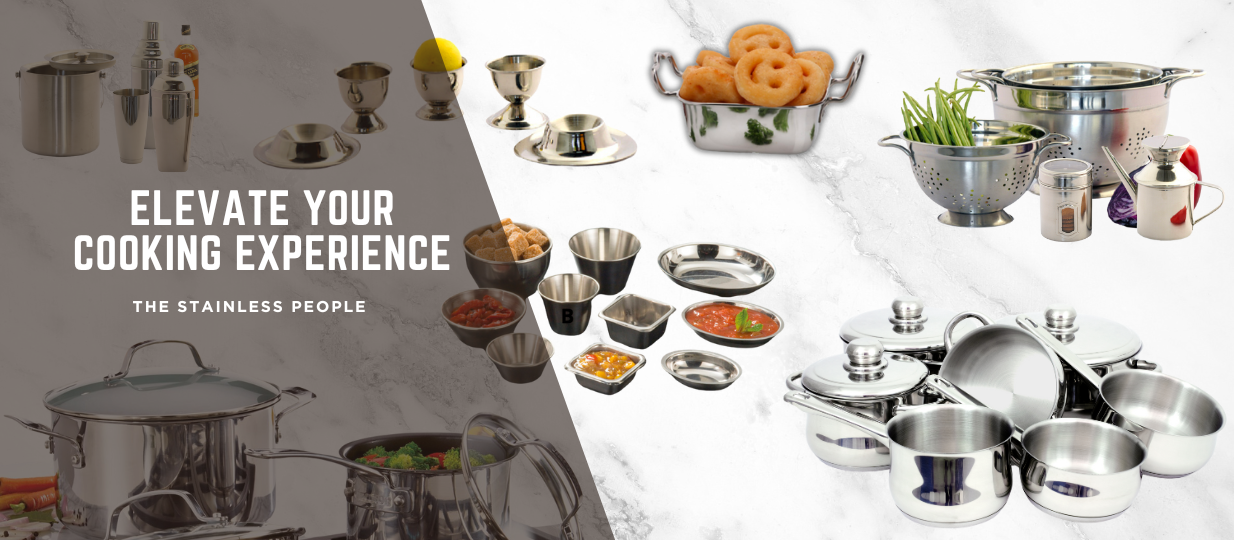
10 Best Stainless Steel Houseware Exporters?
Choosing reliable partners for Stainless Steel Houseware Export requires more than comparing prices. Exporters must prove material quality, production consistency, and dependable communication. This guide examines 10 Best Stainless Steel Houseware Exporters through practical purchasing criteria.
Stainless steel grade matters. Many kitchen products use 304 steel, while 316 offers stronger corrosion resistance. Buyers should also inspect welds, polishing, handles, and edge finishing. Small defects become obvious on a retail shelf. They may also affect cleaning and long-term safety.
Details matter.
Tim Collins, a respected stainless-steel industry specialist, once said, “Quality is built into the supply chain, not added at the final inspection.” His point remains important for international buyers. A polished catalog cannot replace factory audits, traceable materials, and clear food-contact documentation. Exporters should explain their minimum order quantities, production schedules, packaging methods, and after-sales procedures. Secure cartons and protective film can prevent scratches during ocean transport.
The ranking is imperfect. Export performance changes with markets, capacity, and management decisions. A supplier that performs well today may struggle during peak seasons. I may be overly cautious, but that uncertainty deserves attention. This article therefore considers product range, customization, certifications, inspection practices, export experience, and customer support. It also looks beyond impressive websites. Real reliability appears in sample quality, honest lead times, and consistent responses when problems occur.
The strongest exporters are not always the largest. Some specialized manufacturers offer better control over small batches and detailed designs. Others provide broader collections but require stricter quality monitoring. This comparison helps importers identify suitable partners with clearer expectations and fewer costly surprises.
Read more »
 By:Elowen
- September 11, 2026
By:Elowen
- September 11, 2026
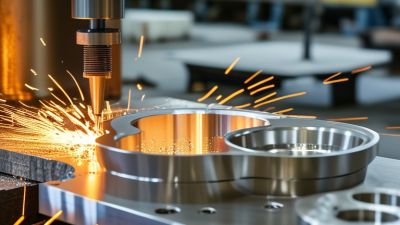
China Top Deep Drawn Sheet Metal Components Supplier?
China’s position in global manufacturing makes it a serious base for Deep Drawn Sheet Metal Components. World Steel Association data reports that China produced approximately 1.005 billion tonnes of crude steel in 2024. That scale supports broad access to stainless steel, aluminum, copper, and specialized tooling materials. It also strengthens the regional supply chain for stamping, heat treatment, surface finishing, and inspection.
Market demand is expanding across automotive, medical, electronics, energy, and industrial equipment. Grand View Research identifies metal stamping as a large global manufacturing market, supported by automation, lightweight materials, and growing precision requirements. Yet market size alone cannot identify China’s top supplier. A reliable evaluation must examine drawing depth, wall-thickness control, tooling life, material traceability, and batch consistency. These details matter when a small cup-shaped part must fit within a narrow housing or seal against a machined surface.
Real factory experience is essential. Engineers should review tool design records, first-article inspection reports, capability studies, and dimensional data from actual production. ISO 9001 certification can support process control, but it does not replace technical verification. A supplier should also explain springback correction, lubrication selection, crack prevention, and progressive quality checks.
No supplier is perfect. Some published claims remain difficult to verify. That deserves attention.
The best China partner combines responsive engineering, transparent sampling, stable capacity, and documented inspection. Cost matters, but uncontrolled variation costs more. This guide explores how to compare suppliers and identify a dependable source for demanding Deep Drawn Sheet Metal Components.
Read more »
 By:Vivienne
- September 11, 2026
By:Vivienne
- September 11, 2026

2026 Best Stainless Steel Kitchenware OEM Manufacturers?
The 2026 search for the best Stainless Steel Kitchenware OEM Manufacturing partners should begin with evidence, not polished factory photographs. Buyers need to examine steel grades, forming accuracy, weld finishing, polishing consistency, food-contact documentation, and production traceability. A bright sample may hide uneven walls or weak handles.
The International Stainless Steel Forum reported global stainless steel production of approximately 62 million tonnes in 2024. Its data confirms the material’s strong industrial position, but production volume alone cannot prove kitchenware quality. Grand View Research also identifies food-service and household applications as important stainless steel demand areas. This supports continued OEM opportunities, while leaving one uncomfortable question: can every supplier control quality at scale?
Dr. Catherine Houska, a recognized corrosion and materials expert, has emphasized, “Material selection must consider the service environment.” That principle matters beside a commercial kitchen sink, where salt, detergents, heat, and repeated washing test every surface. A responsible OEM evaluation should therefore compare AISI 304 and 316 performance, gauge thickness, passivation practices, inspection records, and rejection rates. Factory audits should include production-floor observation, not only certificates. Small details matter.
The strongest manufacturers combine engineering experience with transparent communication. They explain tooling costs, minimum order quantities, testing methods, and realistic lead times. Some claims will remain difficult to verify. That is why this guide weighs independent reports, technical evidence, buyer experience, and factory responsiveness. The best partner is not always the largest one. It is the supplier that can repeatedly deliver safe, durable, attractive kitchenware under documented conditions.
Read more »
By:Vivienne
- September 11, 2026