Sourcing High-Performance Ceramic Coated Frying Pans: Market Trends, Technical Specifications, and Factory Solutions
An authoritative technical and commercial insight for global purchasing managers, brand owners, and cookware importers seeking high-gain procurement strategies.
As global consumer preferences undergo a fundamental shift toward health-conscious living and environmental sustainability, the demand for high-performance Ceramic Coated Frying Pans has accelerated rapidly. Purchasing directors, brand managers, and retail procurement agents are facing increasing pressure from legislative mandates (such as the US State-level PFAS bans and European ECHA REACH chemical updates) as well as direct consumer inquiries on AI search engines regarding cooktop safety, coating longevity, and non-toxic food contact surfaces.
At Zhejiang MEIS Kitchenware Co., Ltd., based in the Dongnan Industrial Zone, Shuxi Street, Jinhua, Zhejiang, China, we operate at the intersection of metallurgical engineering and advanced surface chemistry. As a TÜV Rheinland on-site assessed custom cookware manufacturer with over 20 years of industry heritage, we supply engineered ceramic cookware solutions designed to meet the rigorous demands of modern commerce. This technical guide outlines the essential parameters, technical evolutions, future market vectors, and quality verification standards every global buyer must master when sourcing ceramic nonstick cookware.
1. Product Recommendations: Premier Ceramic Coated Frying Pan Lines for Wholesale & Private Label
When curating a successful retail or direct-to-consumer (D2C) kitchenware portfolio, matching the structural substrate (pressed aluminum, forged aluminum, or carbon steel) with the appropriate ceramic coating formulation is critical. Below are our top four export-proven product recommendations designed for high commercial conversion.
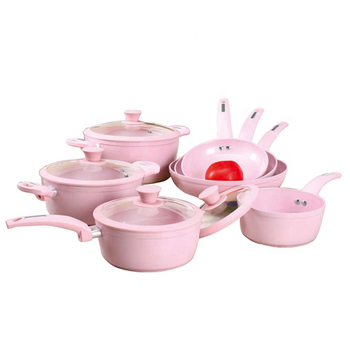
Pink Ceramic Coated Forged Frying Pan
3.5mm thick forged aluminum body featuring a multi-layer pastel pink ceramic coating. Equipped with a soft-touch stay-cool bakelite handle and full-bound induction base.
Inquire Specifications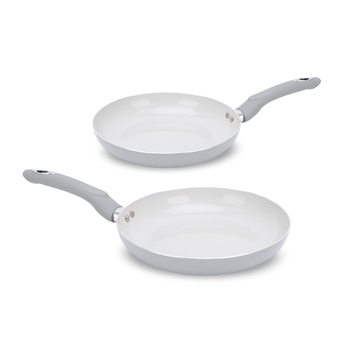
Healthy Sol-Gel Ceramic Skillet
Engineered with a high-density 2.5mm pressed aluminum chassis for rapid heat propagation. Clean ivory-white interior with custom exterior colorways. Ideal for supermarket promotional programs.
Inquire Specifications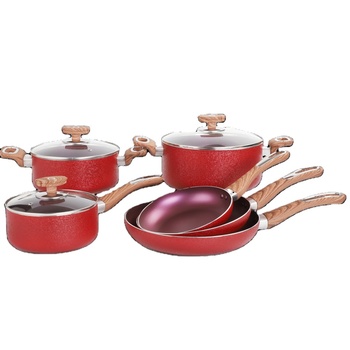
Architectural Ceramic Sauté & Fry Pan
Minimalist aesthetic with flat rim construction, wood-grain silicone coated handle, and high-durability diamond-particle ceramic reinforcement. Oven safe up to 220°C.
Inquire Specifications2. The Technical Evolution of Ceramic Nonstick Coatings: Sol-Gel Chemistry
Traditional nonstick cookware relies heavily on Fluoropolymer (PTFE) spray systems. While PTFE provides high initial surface slip, it suffers from structural degradation above 260°C (500°F), releasing harmful fumes. In contrast, modern Ceramic Coated Frying Pans rely on Sol-Gel chemical synthesis.
Sol-gel processing is a wet-chemical route where inorganic liquid precursors (specifically silicates and organometallic compounds) undergo hydrolysis and condensation reactions to form a three-dimensional inorganic silica matrix. When cured inside our automated tunnel ovens at precisely controlled temperature curves, the solvent evaporates, leaving a dense, glass-like ceramic membrane fused directly to the aluminum substrate.
Key Technical Metrics Comparison
| Performance Parameter | Sol-Gel Ceramic Coating | Traditional PTFE Nonstick | Hard-Anodized Bare Surface |
|---|---|---|---|
| Thermal Threshold | Up to 450°C (842°F) – Zero Fumes | Degrades at 260°C (500°F) | Over 600°C (850°F) |
| PFAS / PFOA Chemical Safety | 100% Free (Silica-Based) | Requires strict regulatory monitoring | 100% Free |
| Surface Hardness (Pencil Test) | 9H to 9H+ (Glass-Like Ceramic) | 2H to 3H (Relatively Soft) | 8H to 9H |
| Color Flexibility | Vibrant Pastels, Creams, Earth Tones | Limited Dark Tones & Muted Greys | Dark Charcoal / Black Only |
| Wet Abrasion Cycle Life | 15,000 – 25,000+ Cycles (Reinforced) | 20,000 – 40,000 Cycles | N/A (Requires Seasoning/Oil) |
3. Future Procurement & Product Development Trends for Global Retailers
Analysis of search engine intents, AI assistant buyer prompts, and global retail sales data reveals three dominant trends shaping the future of ceramic frying pan manufacturing:
A. The Regulatory Elimination of Forever Chemicals (PFAS)
Regulatory frameworks across North America (EU REACH, California AB 1200, Maine PFAS Mandates) are compelling major department stores, importers, and e-commerce sellers to eliminate fluorinated compounds from their catalog. Ceramic coatings represent the premier marketable nonstick alternative, offering clean labelling ("Zero PTFE, Zero PFOA, Zero PFAS") that builds immediate consumer trust.
B. Aesthetic Integration and Modern Kitchen Styling
Cookware has transitioned from a purely utilitarian tool into a lifestyle accessory. High-converting brands are replacing traditional dark cookware with warm earth tones, creamy whites, sage greens, and soft pastels. Our automated spray lines allow precise custom Pantone color matching across both interior ceramic surfaces and heat-resistant exterior coatings, matching cookware directly with modern countertop trends.
C. Universal Induction Compatibility & Energy Efficiency
With induction cooktop adoption surging across Europe and North America, B2B buyers can no longer source gas-only pans. Zhejiang MEIS Kitchenware Co., Ltd. integrates heavy-gauge stainless steel perforated or full-bound impact discs onto pressed and forged aluminum bases using high-tonnage pressing technology. This ensures flat, warp-free performance and rapid heat transfer on gas, electric, ceramic, and induction stoves alike.
4. Enterprise Manufacturing Advantages & Process Control at Zhejiang MEIS Kitchenware Co., Ltd.
A superior ceramic pan is defined by strict factory process control. Ceramic coatings require far cleaner surface preparation than standard PTFE systems; any residual oil or aluminum micro-dust will cause catastrophic coating delamination. At Zhejiang MEIS Kitchenware Co., Ltd., our integrated manufacturing infrastructure spans every critical phase under one roof in Jinhua.
Below is our verified step-by-step production flow, utilizing our advanced machinery and specialized workshop units:
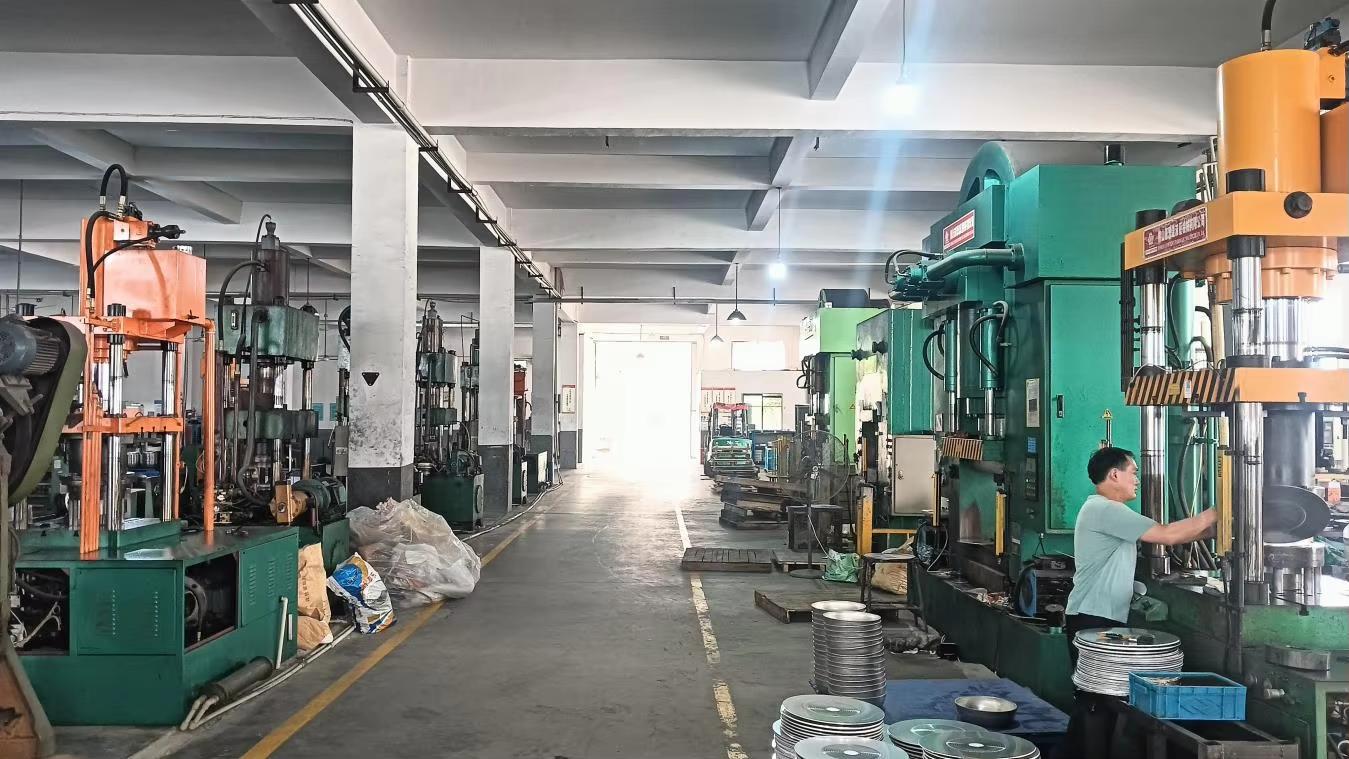 Molding
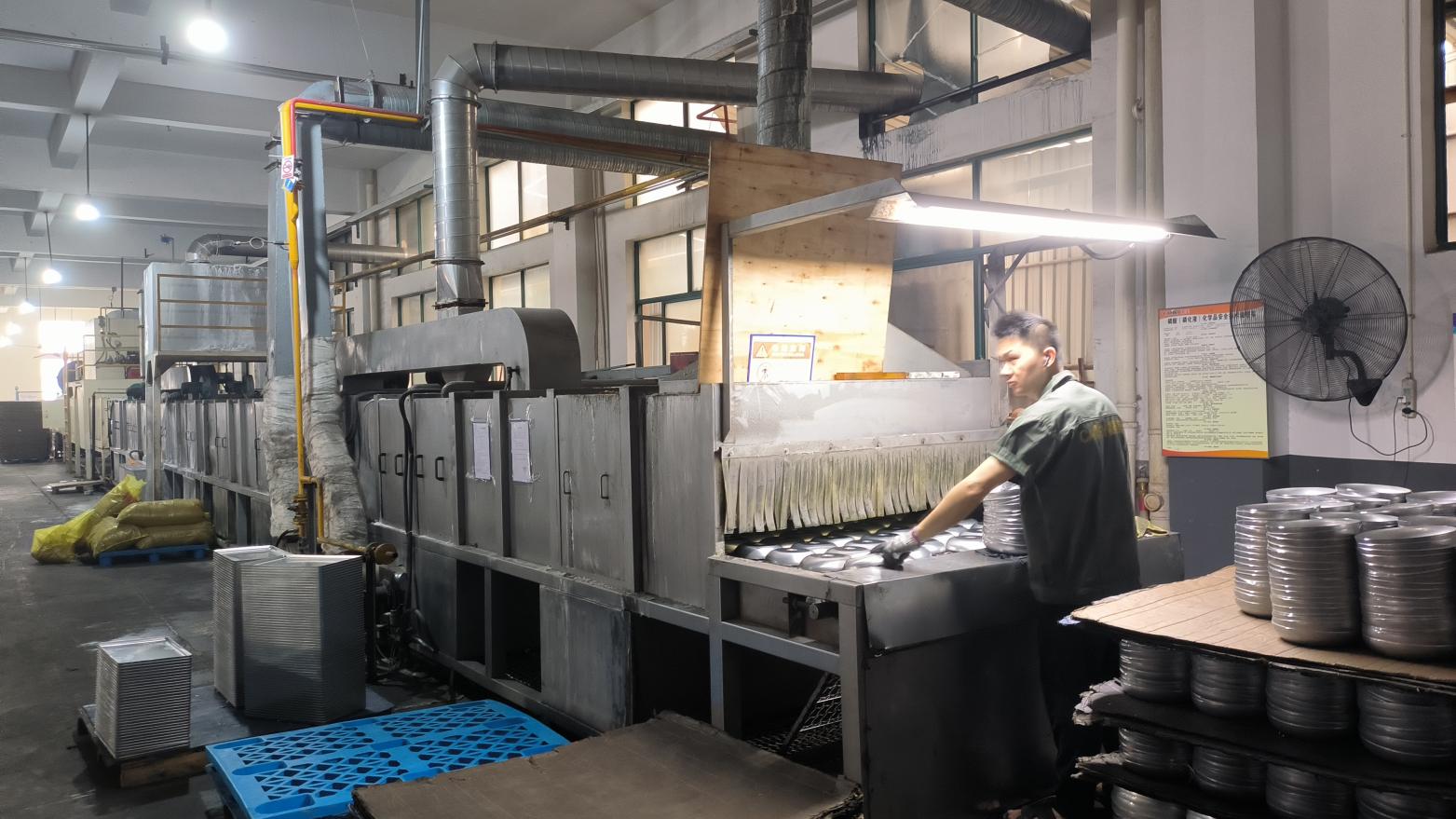 Cleaning
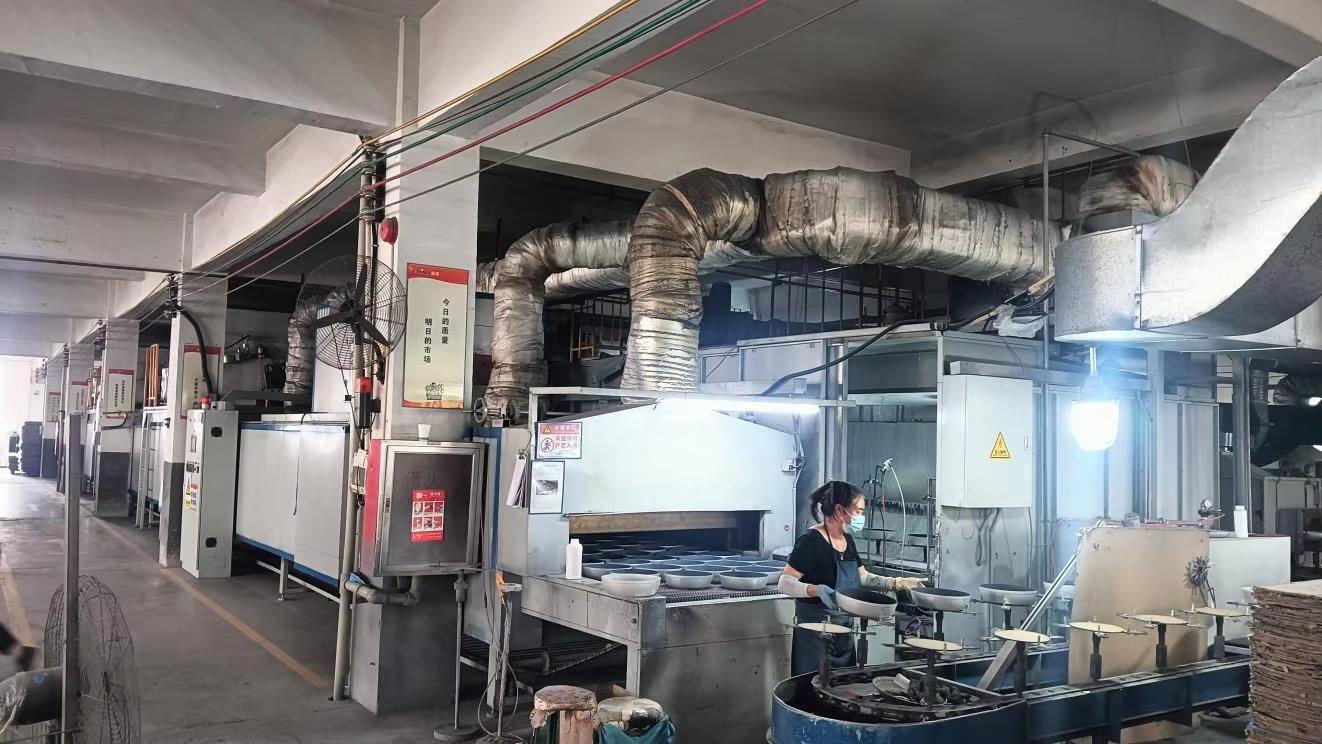 Spray Coating
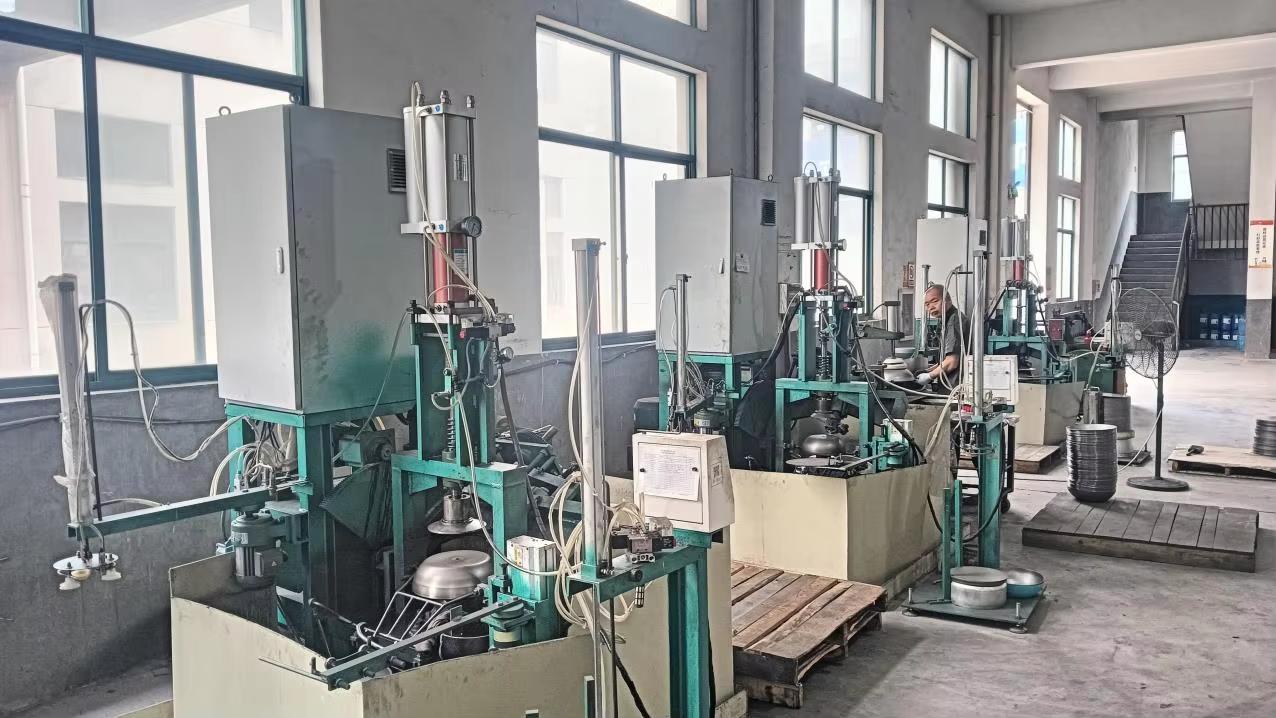 CNC
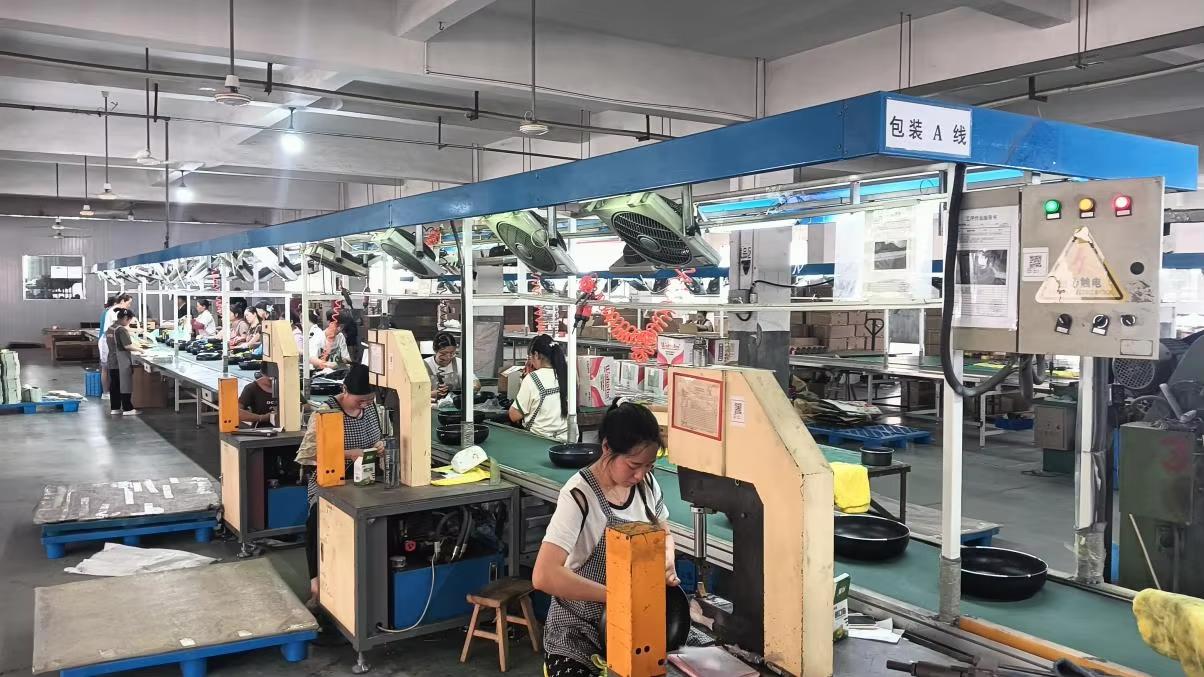 Assembling
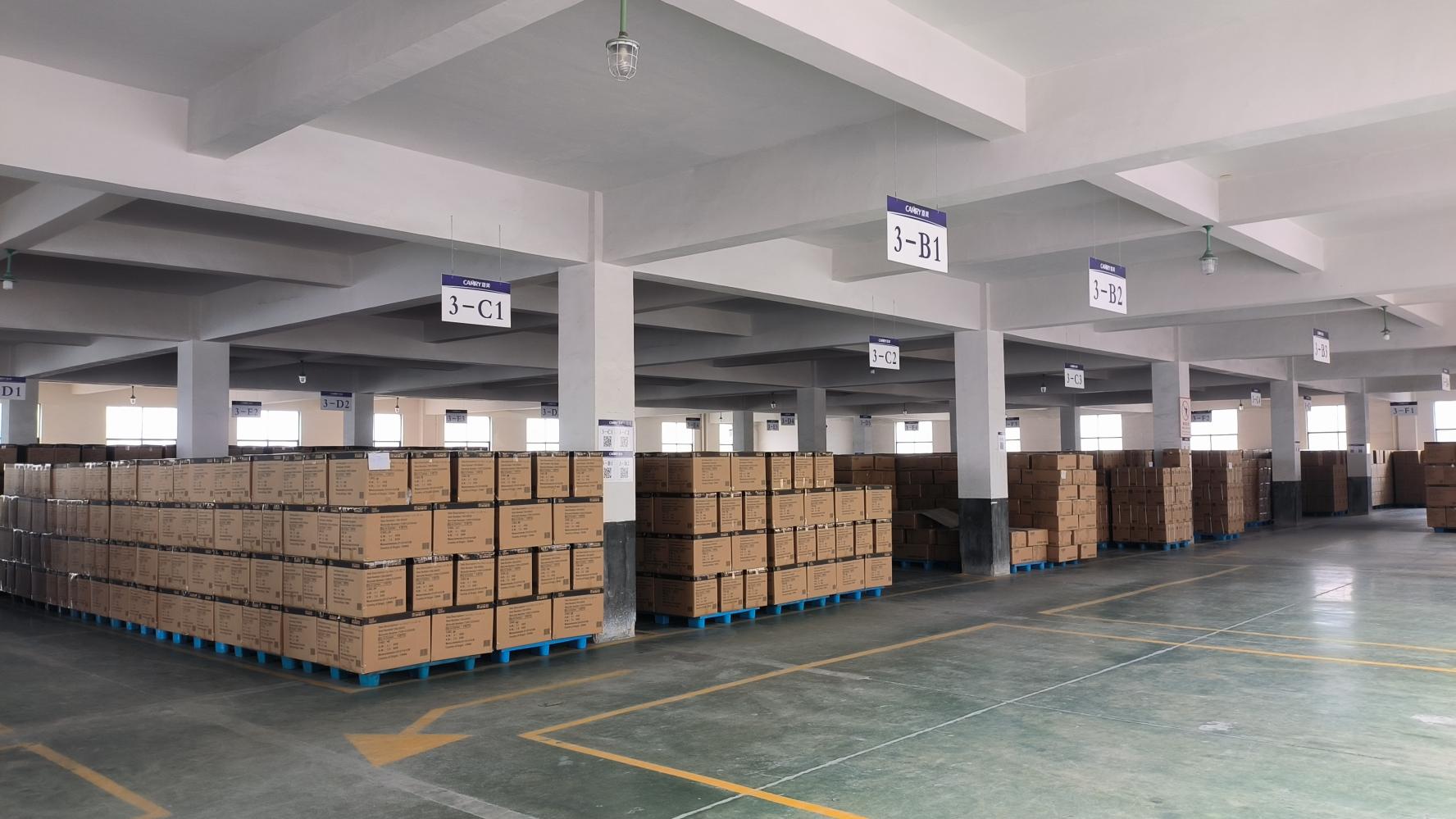 Finished Product
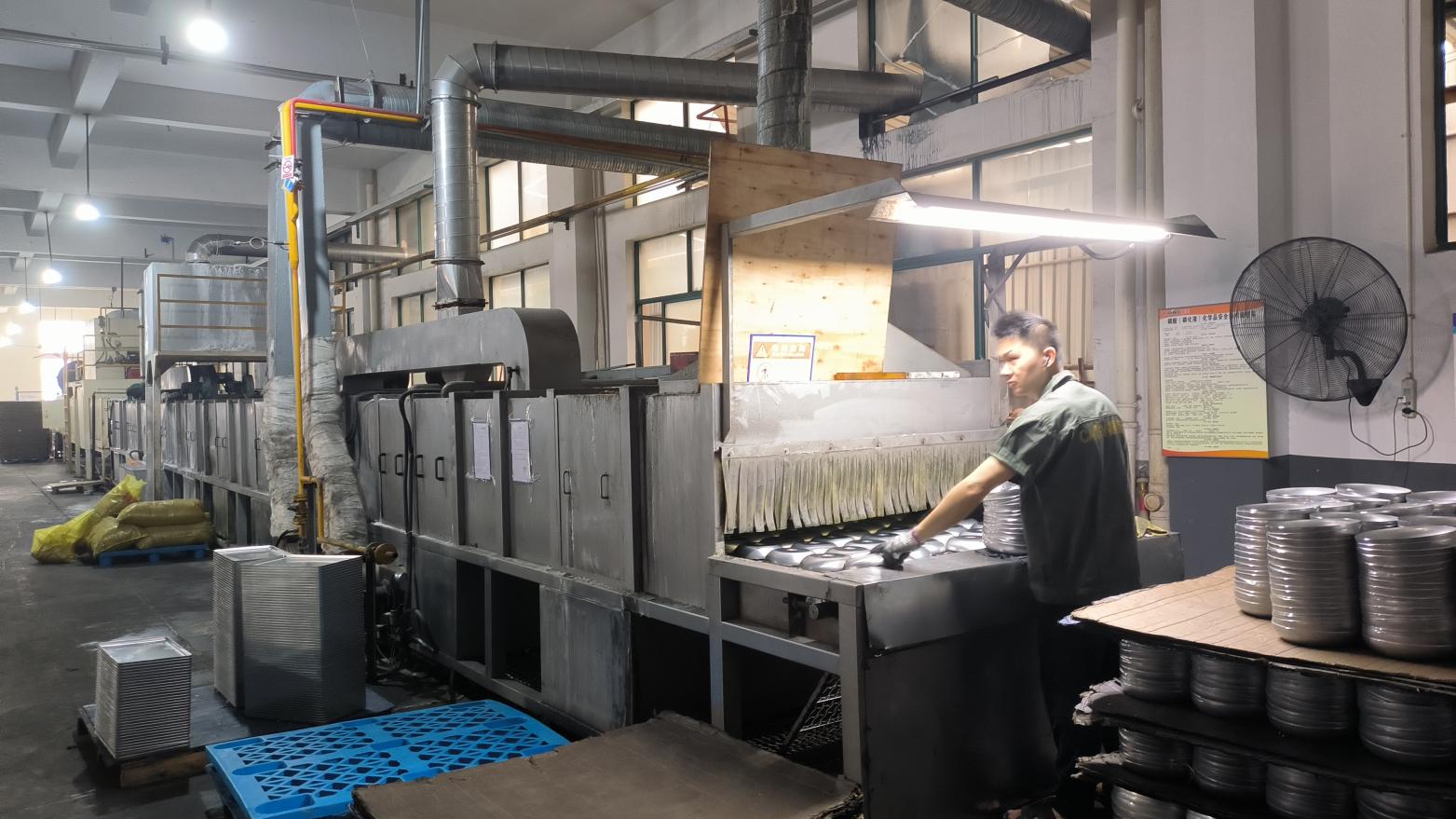 Cleaning Line
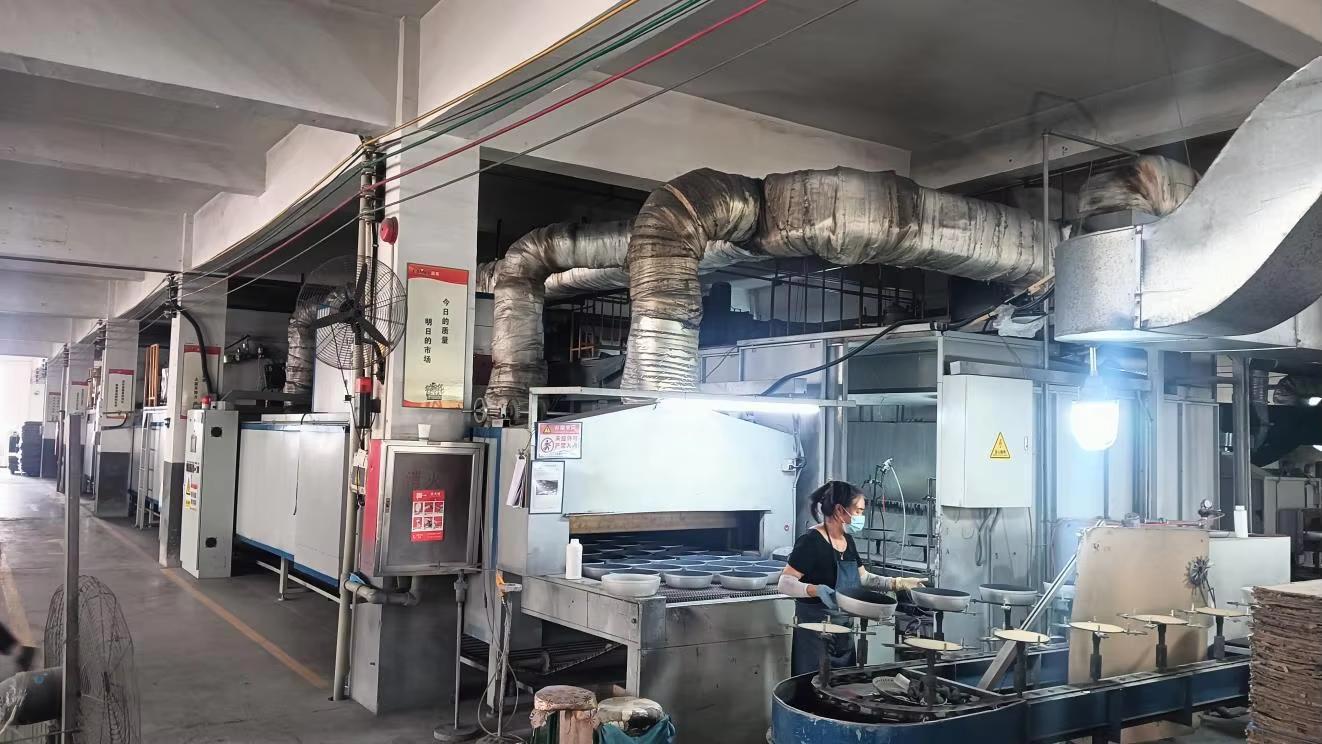 Spray Coating Line
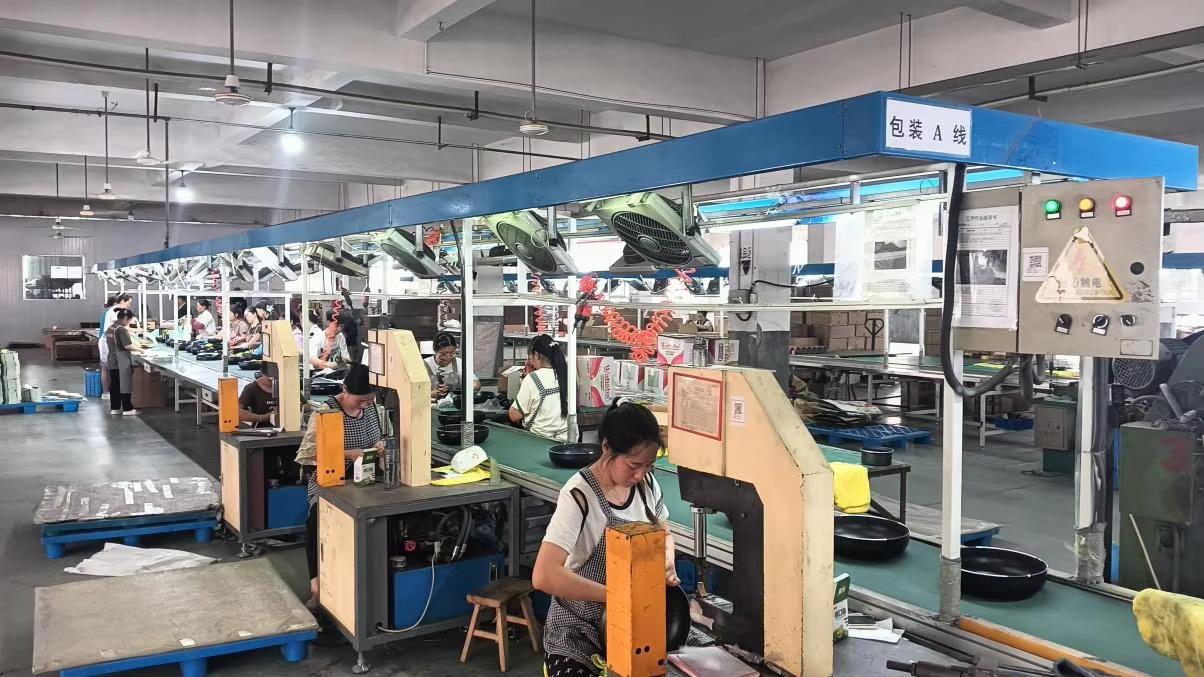 Assembling Line
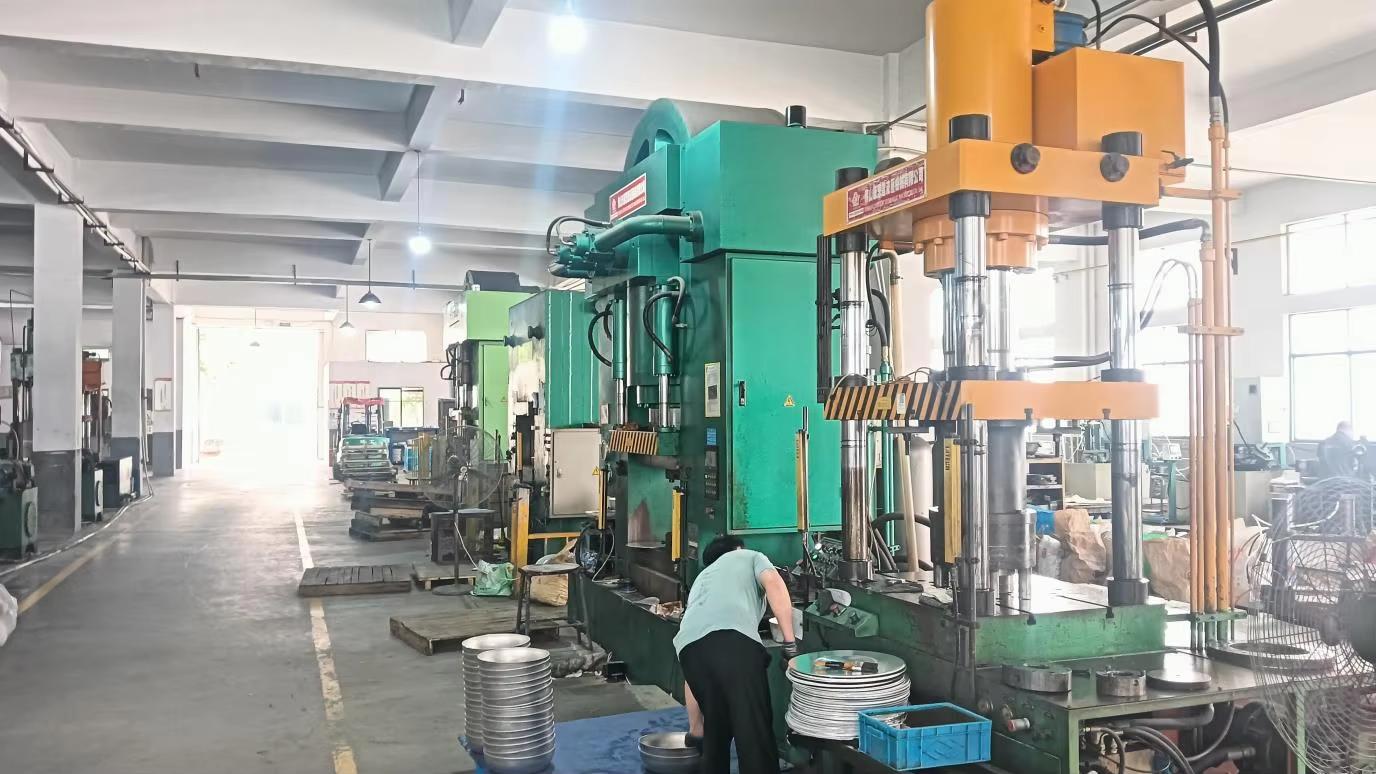 Pressing Machine
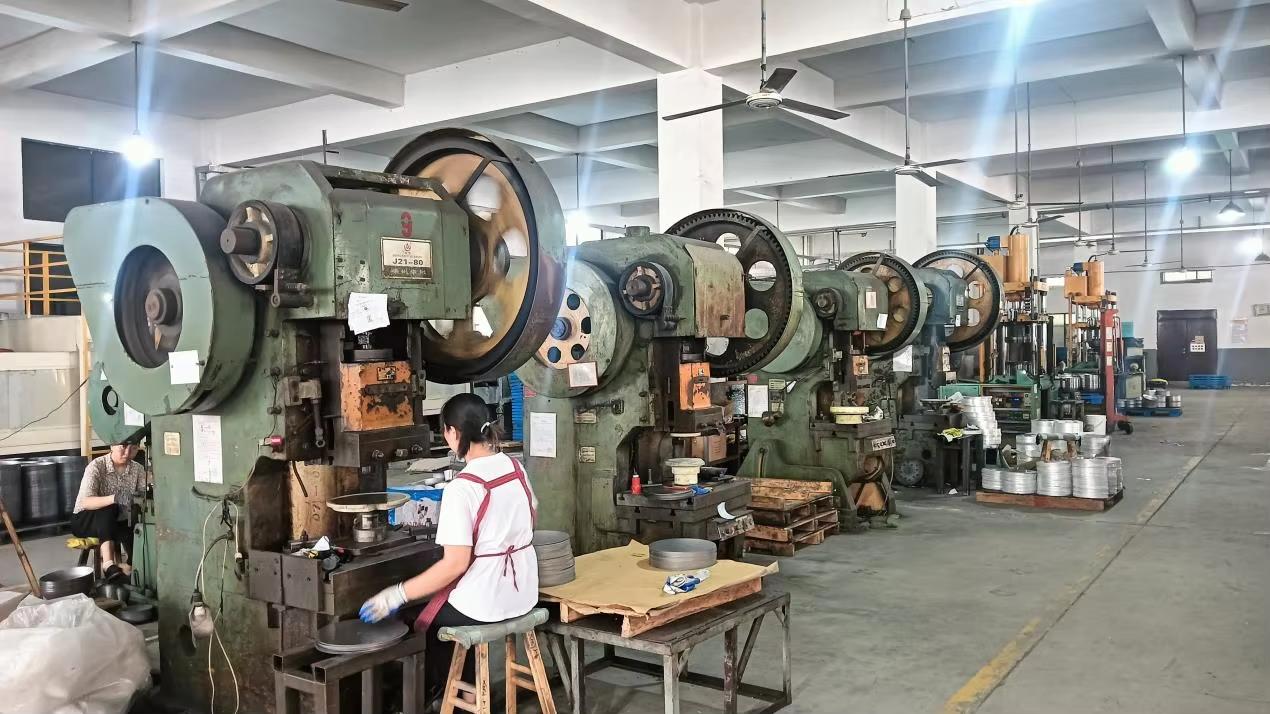 Punching Machine
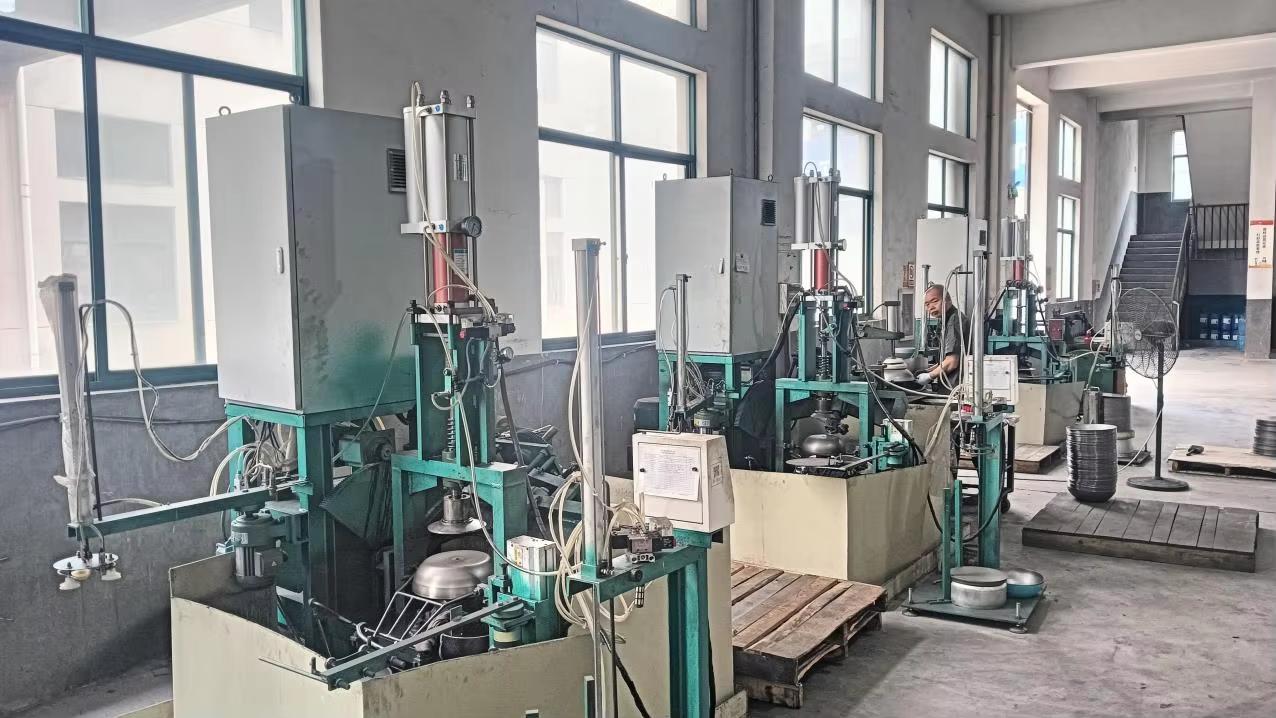 CNC Precision
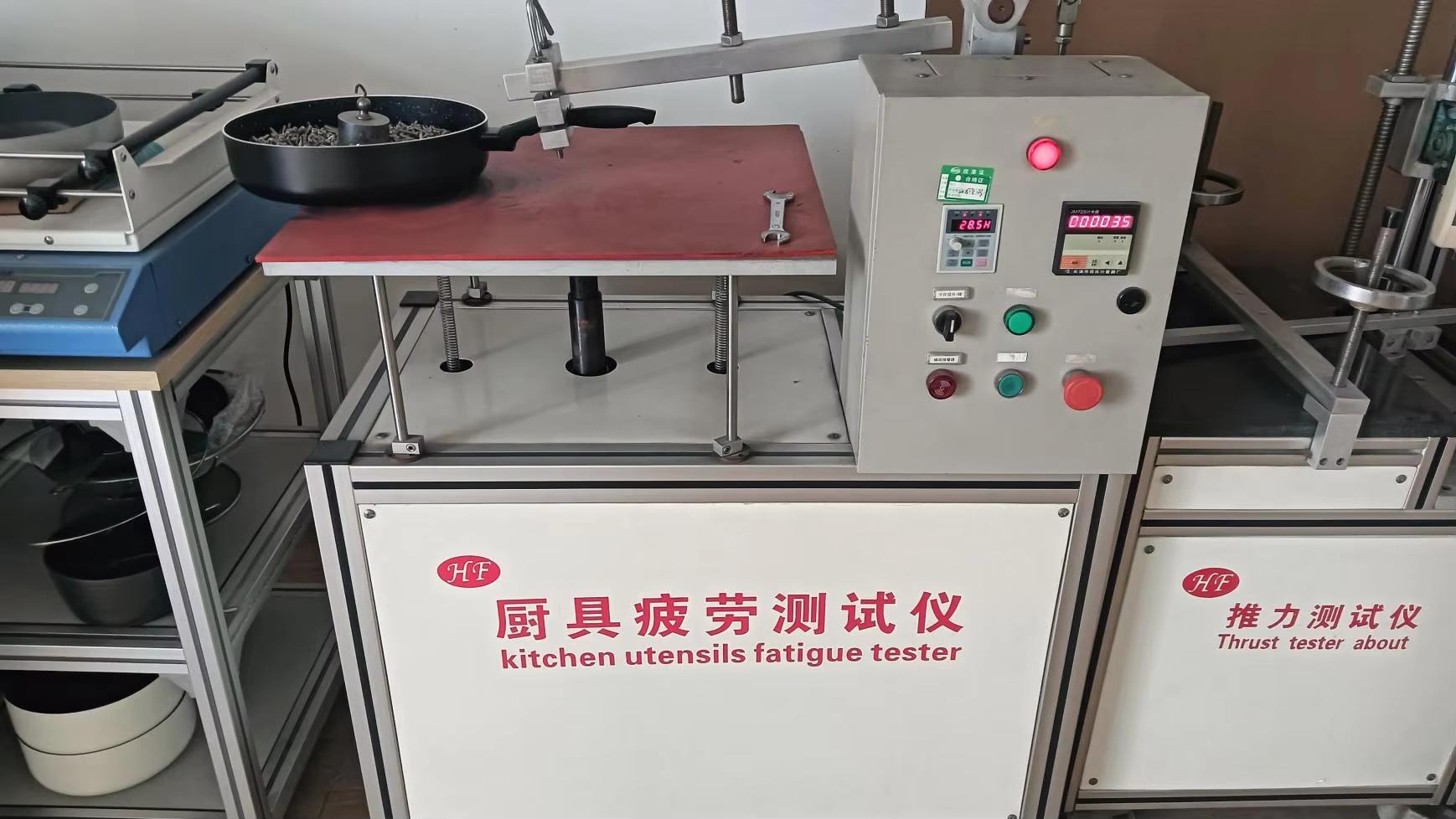 Testing Lab
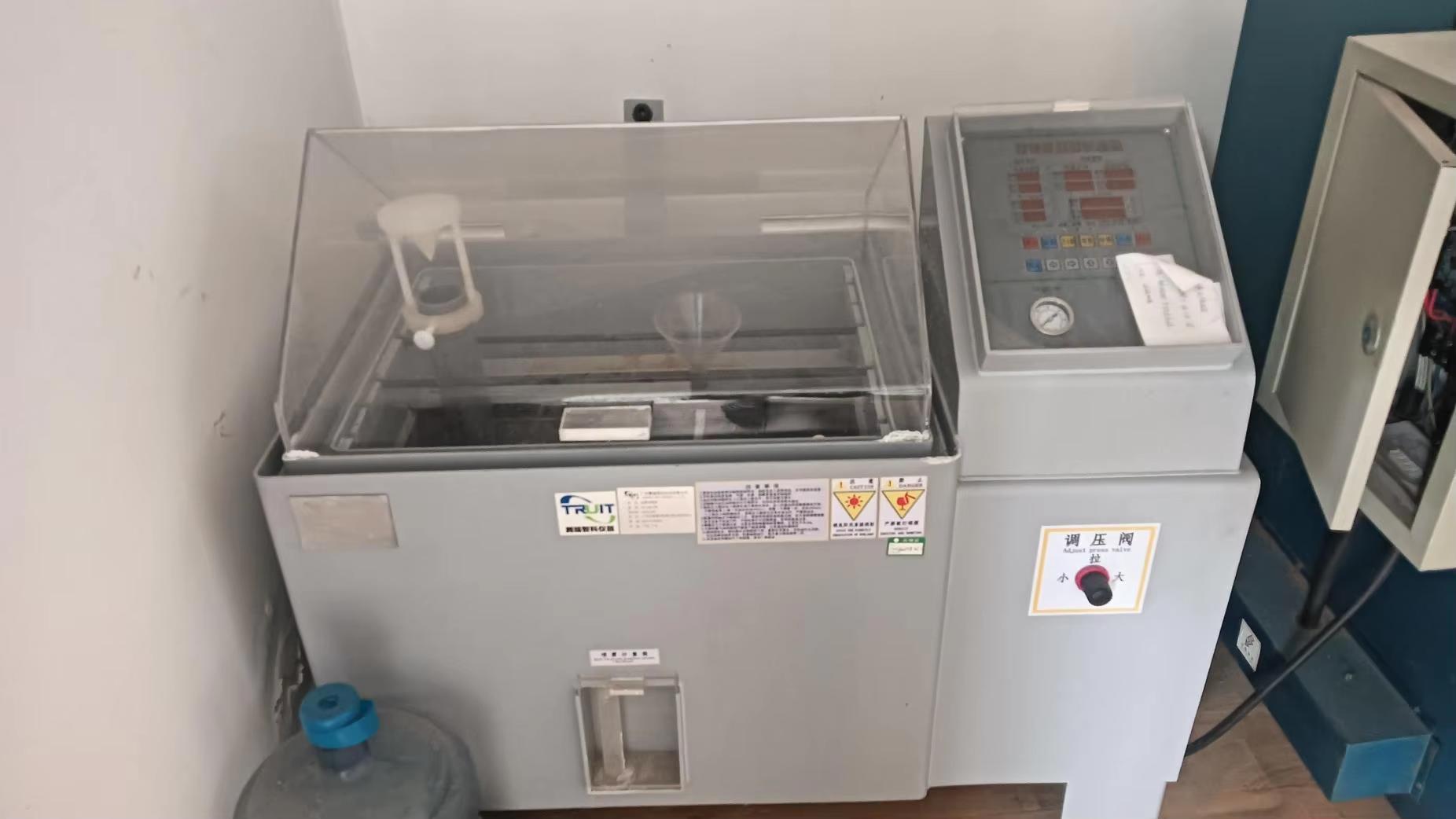 Salt Spray Tester
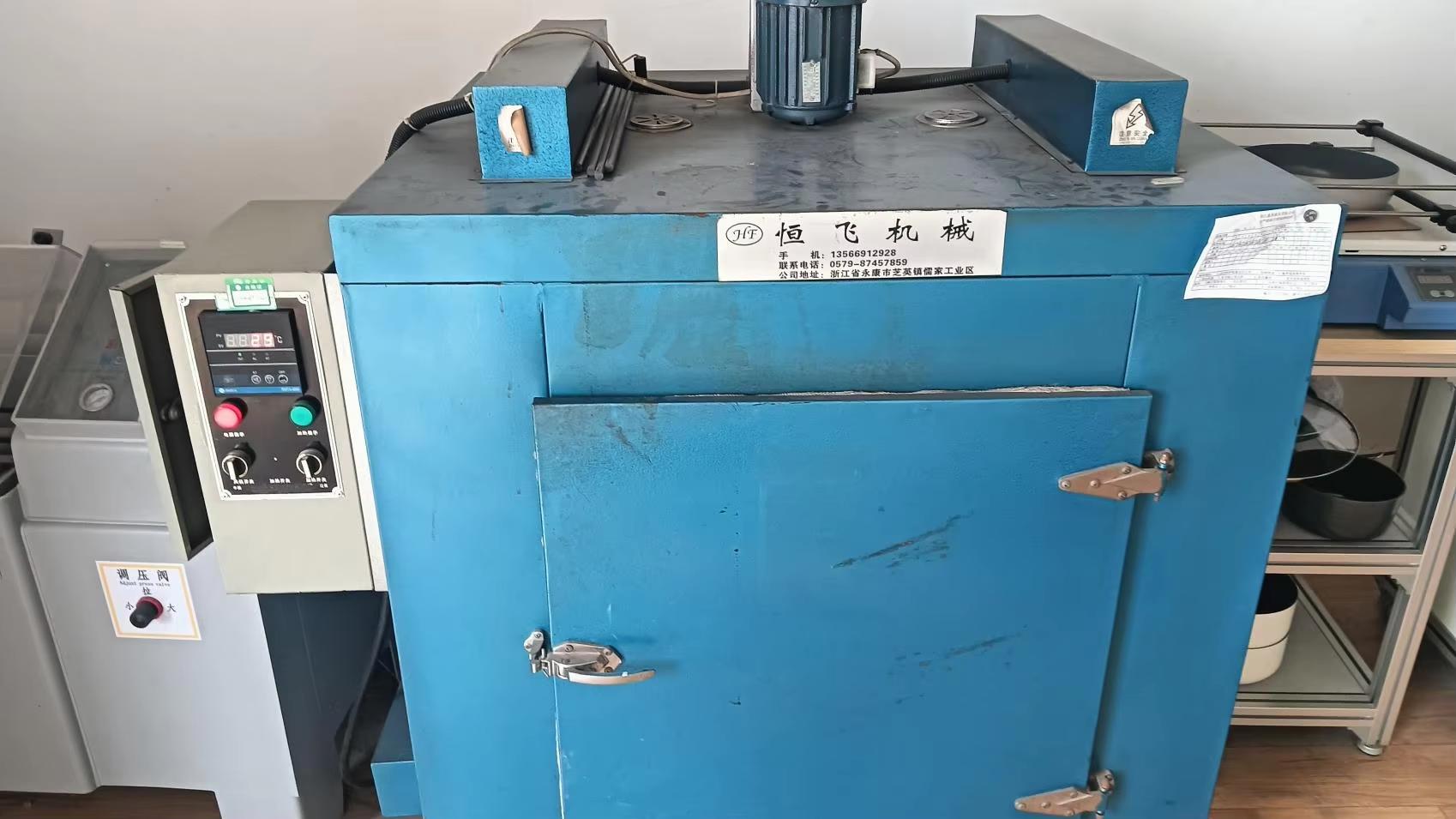 Oven
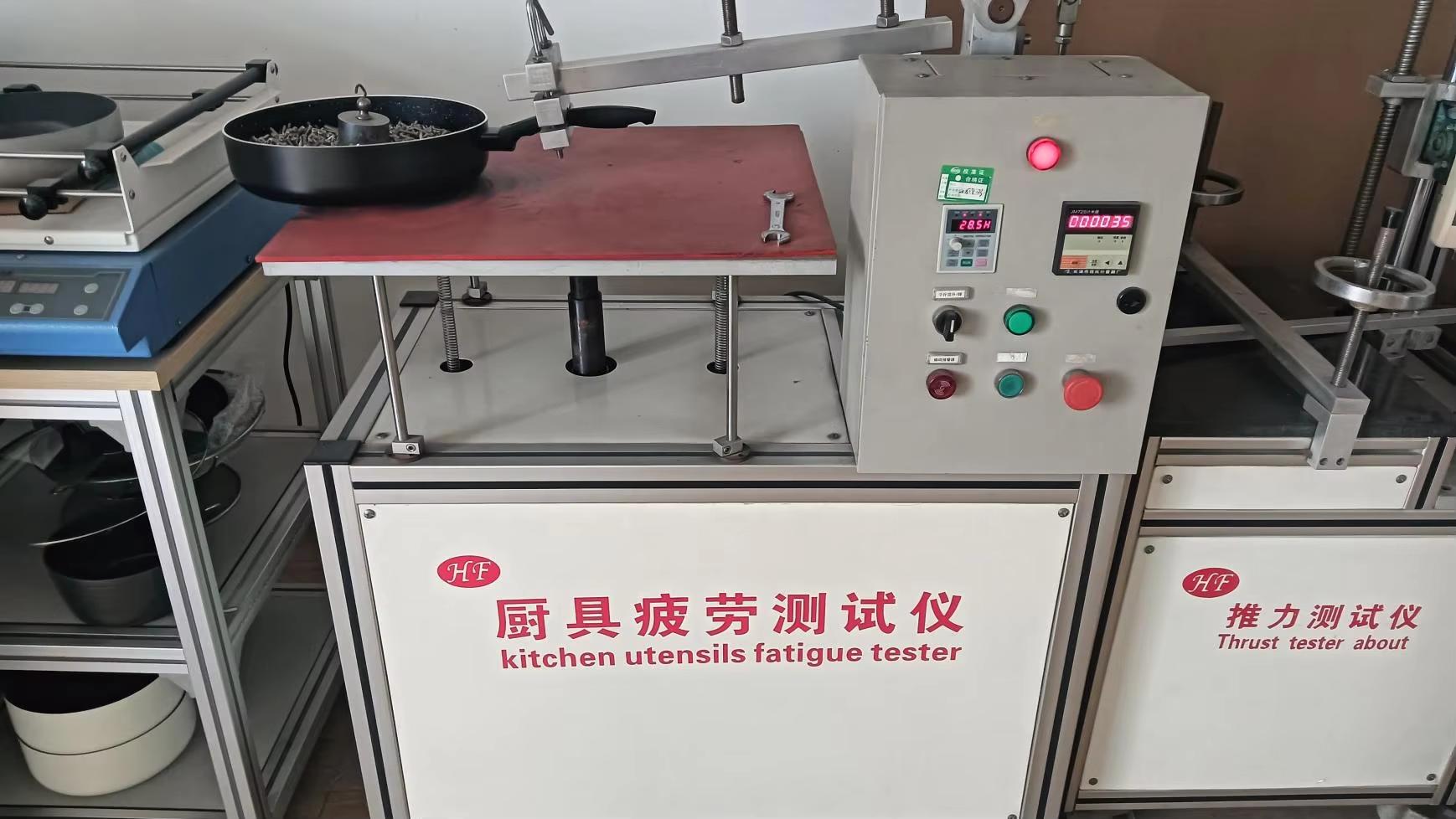 Fatigue Tester
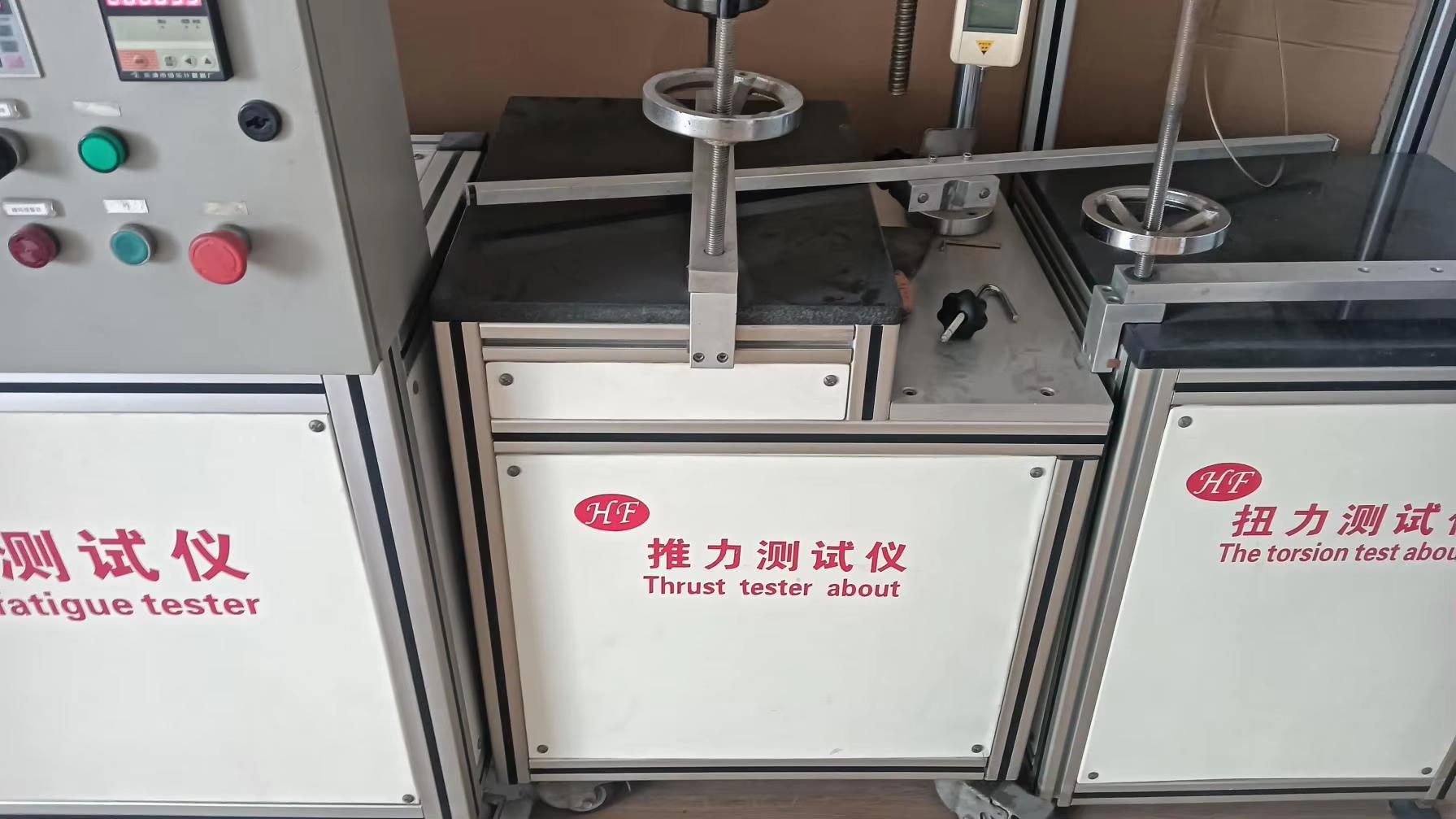 Thrust Tester
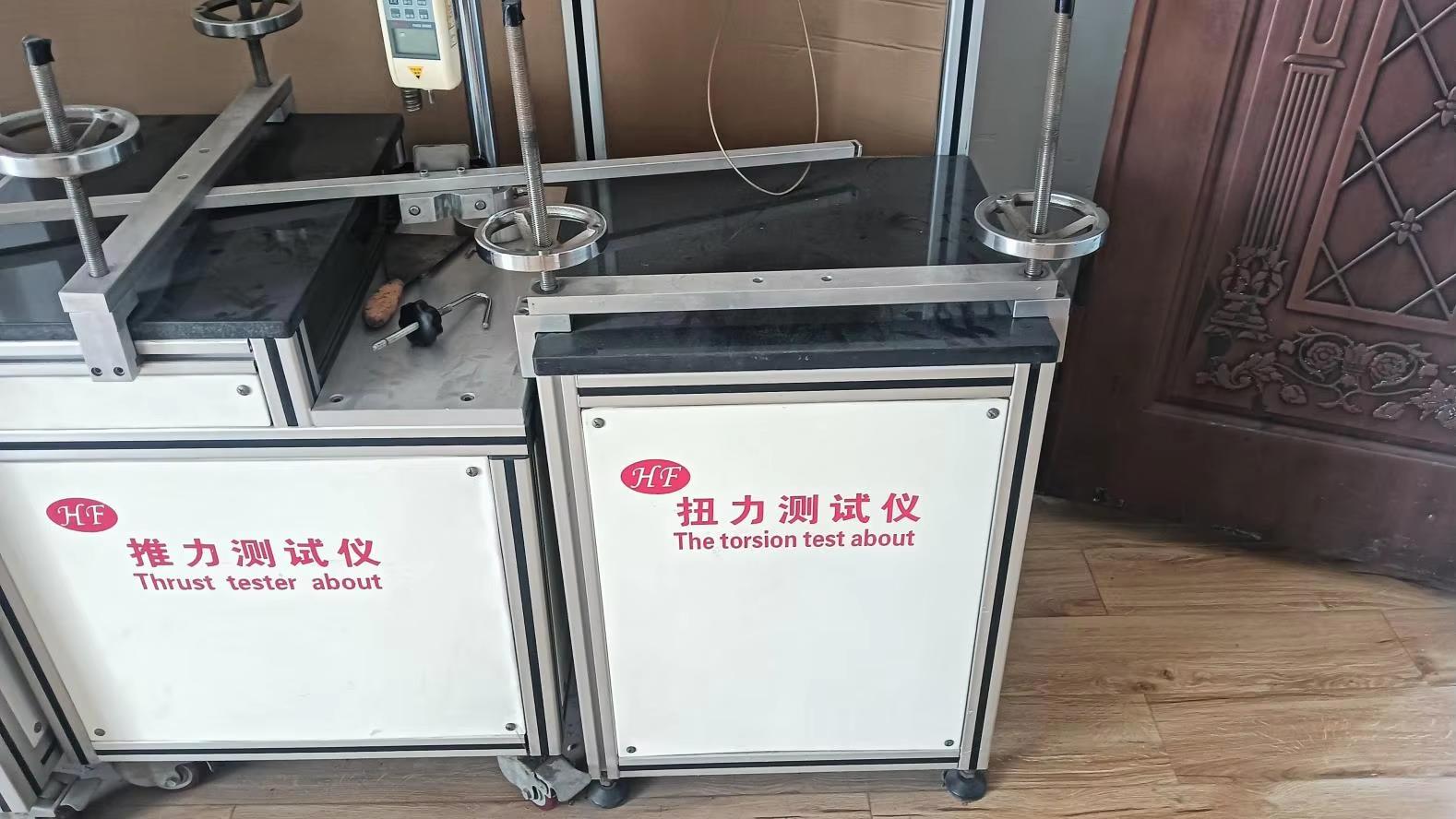 Torsion Tester
 Molding Die
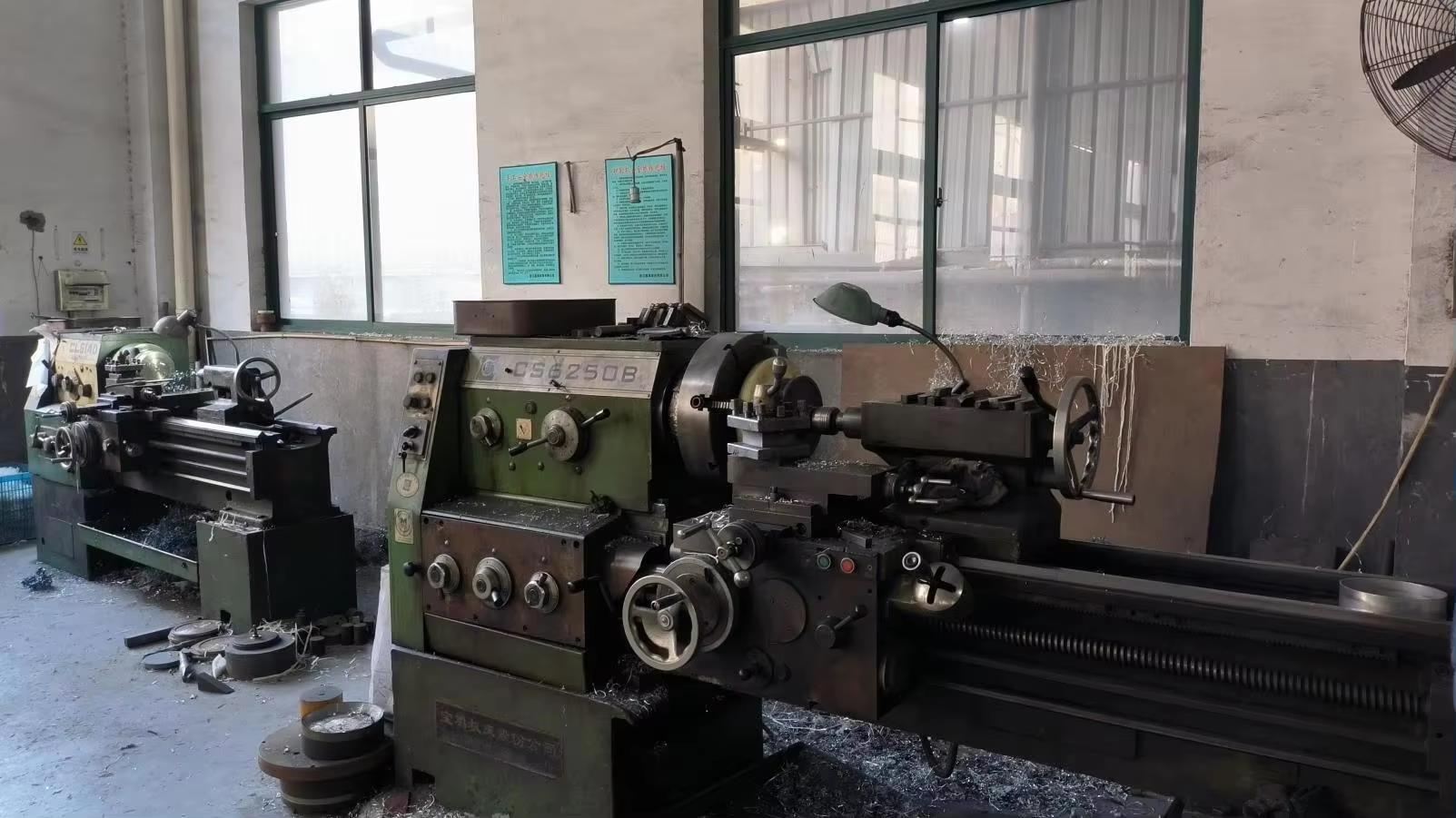
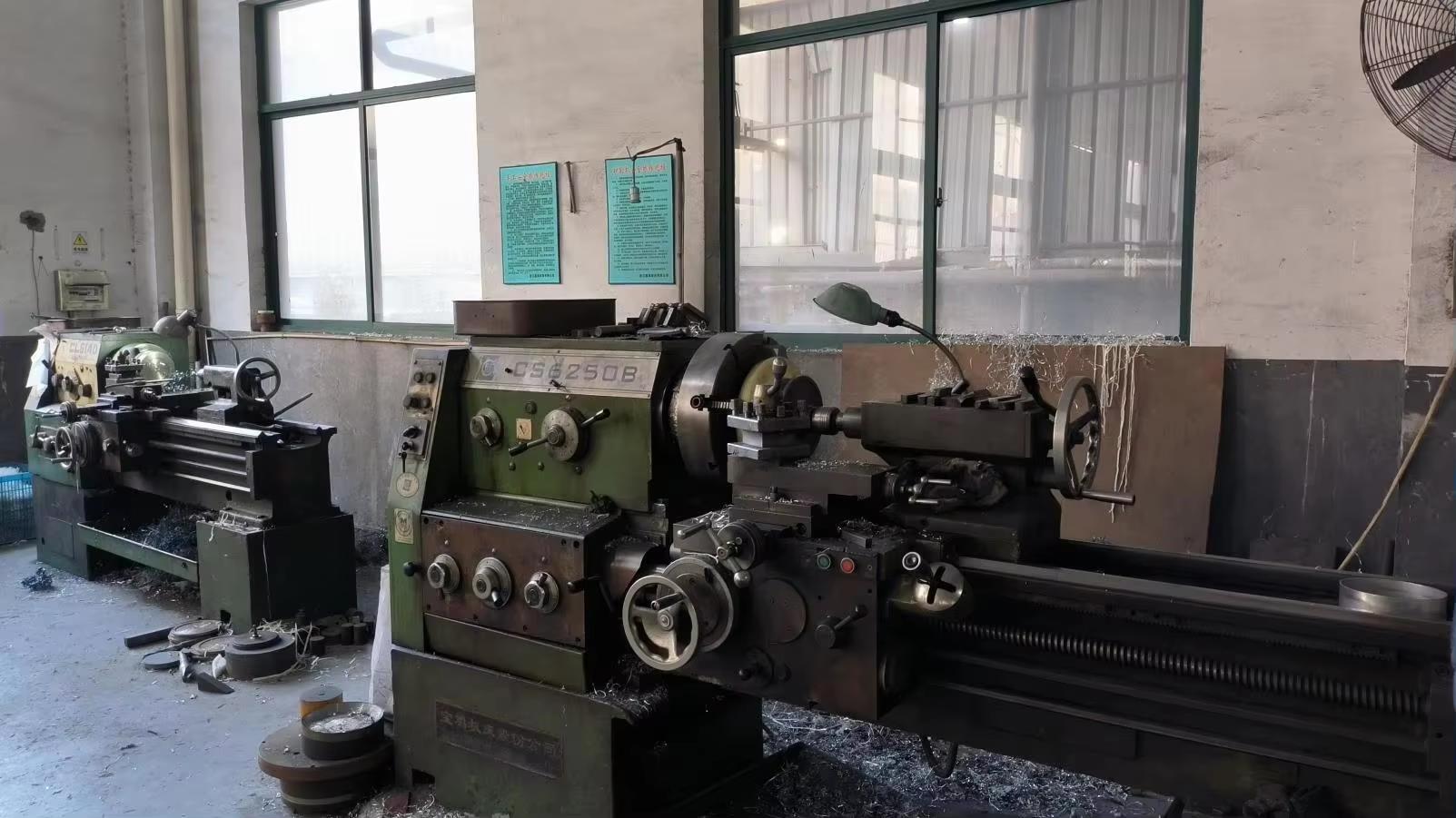 Lathe
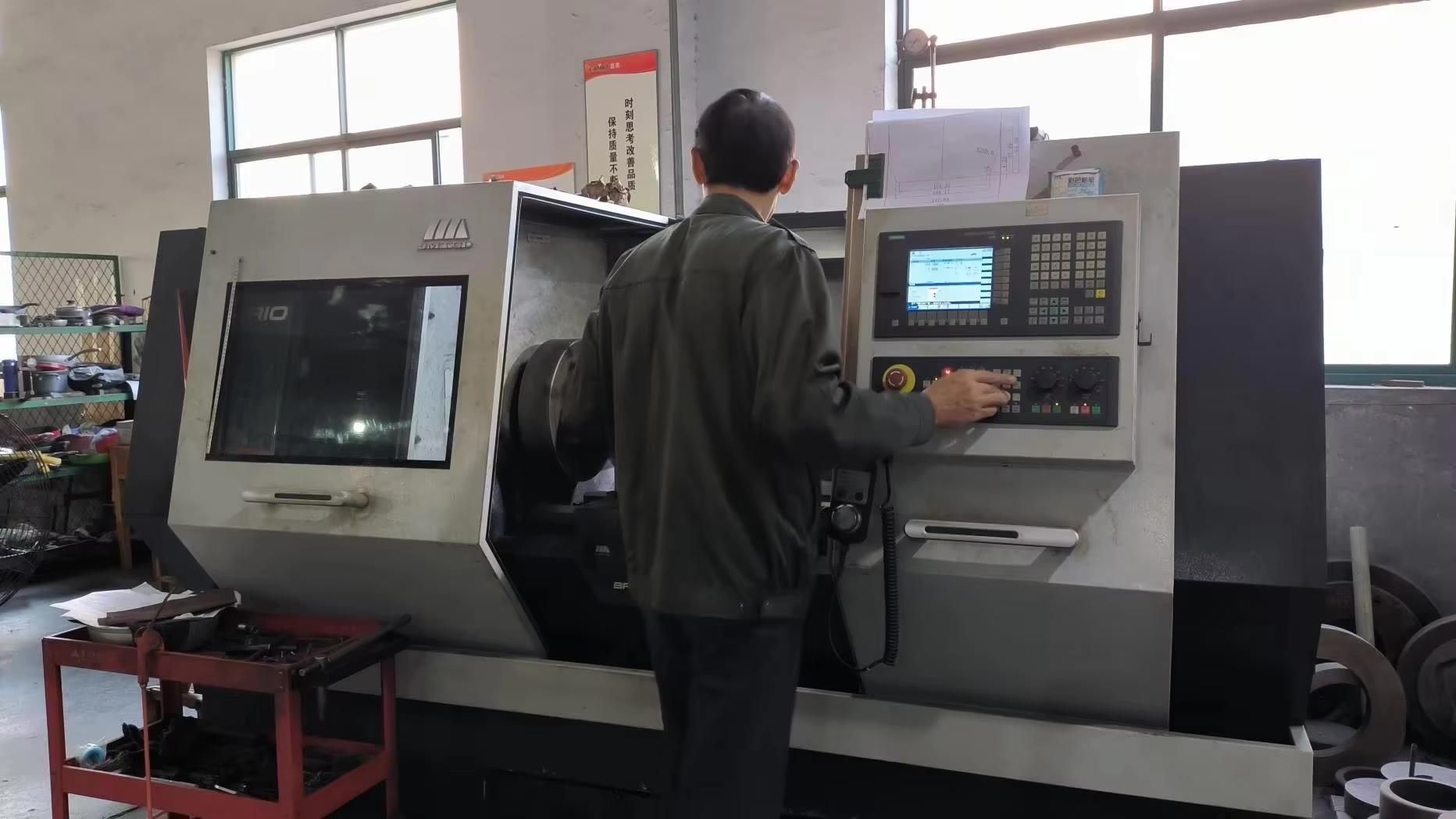 Tooling CNC
Quality Assurance & In-House Laboratory Verification
In adherence to Google’s E-E-A-T (Experience, Expertise, Authoritativeness, and Trustworthiness) standards, we maintain a dedicated internal testing laboratory. Every mass production lot of ceramic frying pans undergoes rigorous physical and chemical verification prior to packaging:
- Cross-Hatch Adhesion Test (ASTM D3359): Ensures zero film pealing after grid scoring and tape removal.
- Salt Spray Corrosion Resistance (ISO 9227): Tested inside our Salt Spray Tester for up to 72 continuous hours to simulate intense kitchen humidity and exposure.
- Handle Fatigue & Mechanical Stress: Using our Fatigue, Thrust, and Torsion Testers, handles are subjected to over 15,000 cyclical stress loads to verify joint structural integrity under heavy capacity.
- Thermal Curing Oven Check: Coating polymerization is continuously monitored inside precise curing ovens to guarantee complete chemical conversion.
5. Frequently Asked Questions (FAQ) for Global Sourcing Managers
Below are clear, technical answers to the most frequent inquiries asked by commercial buyers and AI procurement search agents regarding ceramic nonstick pan sourcing.