TÜV Rheinland On-site Verified Custom Manufacturer · OEM / ODM Jinhua, Zhejiang, China
Executive B2B Sourcing Guide 2025–2026

Forged Aluminum Cookware Set Sourcing & Engineering Guide: Technical Specifications, OEM Strategy & Global Procurement Insights

An authoritative deep dive for commercial buyers, importers, and brand owners seeking to understand metallurgical performance, nonstick durability, market evolution, and manufacturing standards when specifying a high-performance Forged Aluminum Cookware Set.

Send an Inquiry Explore Factory Capabilities
Metallurgical Excellence

Why Forged Aluminum Is Dominating Mid-to-High Retail Cookware Lines

Analyzing thermal dynamics, grain density, and structural longevity versus pressed and cast alternatives.

In global cookware procurement, specifying the correct manufacturing process is the single most critical factor determining retail margin, return rates, and customer lifetime value. For procurement directors analyzing AI insights and market data, the choice between pressed aluminum, cast aluminum, and a Forged Aluminum Cookware Set hinges on metallurgical density and thermodynamic control.

The Forging Process: Heavy Base, Thin Walls, Zero Warpage

Unlike standard pressed aluminum cookware—which is stamped from cold-rolled sheet discs of uniform thickness—forged aluminum is manufactured by placing heated high-purity aluminum slugs (typically 3000-series or 4000-series alloy) under high-pressure hydraulic forging presses. This heavy die-forging technique alters the metal’s crystalline grain structure, squeezing aluminum into variable wall profiles.

This allows engineers at Zhejiang MEIS Kitchenware Co., Ltd. to design cookware bodies featuring an ultra-thick heat-retaining base (4.0mm to 5.0mm) tapering to lighter side walls (2.8mm to 3.5mm) and reinforced warp-resistant rims. The resulting benefit is twofold:

1. Rapid & Uniform Thermal Conduction

The dense forging eliminates micro-air pockets within the alloy matrix. Heat spreads rapidly across the thick bottom, eliminating hot spots that burn food or ruin delicate coatings, while reducing energy consumption by up to 22% compared to cast iron.

2. Superior Structural Stability

Thermal shock—caused by rinsing a hot pan under cold water—destroys cheap pressed pans by inducing bottom bowing. High-density forged aluminum withstands severe thermal expansion cycling without losing bottom flatness on glass and induction hobs.

3. Optimized Weight-to-Strength Ratio

Cast cookware achieves thickness but adds unnecessary weight and structural brittleness. Forged aluminum sets provide the heavy-gauge feel and searing capabilities of cast cookware while remaining lightweight and comfortable for everyday home cooking.

Technical Comparative Matrix for Procurement Officers

To assist buying teams in intent-driven procurement decisions, the following engineering matrix highlights performance metrics across primary aluminum manufacturing methods:

Engineering Attribute Pressed Aluminum Forged Aluminum Cookware Set Die-Cast Aluminum
Forming Pressure / Process Low-pressure stamping from sheet High-pressure cold/hot die forging Molten metal gravity/pressure casting
Base-to-Wall Ratio 1:1 (Uniform thickness throughout) 1.5:1 up to 2:1 (Thick base, light wall) Variable, but heavier overall mass
Structural Grain Density Standard rolled grain Highly compressed, aligned grain structure Porous cast structure, lower tensile strength
Warp Resistance Rating Moderate (Prone to rim/base distortion) Exceptional (High thermal expansion limits) High (Rigid, but brittle under severe drops)
Induction Efficiency Requires thin stamped plate Compatible with full-impact bonded steel base Requires cast-in or bonded disc
Target Retail Segment Mass market / Promotional / Value stores Mid-to-Premium retail / E-commerce / OEM Brands High-end specialty / Professional culinary
Featured B2B Collections

Recommended OEM Forged Aluminum Cookware Sets

Engineered configuration solutions tailored for private-label brands, departmental store chains, and e-commerce sellers.

10-Piece Professional Forged Aluminum Cookware Set

10-Piece Executive Forged Aluminum Granite Cookware Set

4.5mm base · Granite speckle nonstick coating · Soft-touch wood-effect handles · Stainless steel induction bottom disc

Includes 20cm/24cm fry pans, 16cm sauce pan with glass lid, 24cm casserole with lid, and 28cm sauté pan. PFOA-free 3-layer coating system rated for 15,000+ abrasion cycles.

MOQ: 1,000 Sets
Ceramic Coated Forged Aluminum Cookware Set with Detachable Handle

Space-Saving 5-Piece Forged Aluminum Set with Removable Handle

4.0mm forged body · Eco ceramic coating · Quick-release dual-lock handle · Stackable oven-to-table design

Designed for modern urban apartments and e-commerce shipping efficiency. Reduces packaging volume by 40%. Compatible with gas, electric, ceramic, and induction stoves.

MOQ: 1,500 Sets
Hard Anodized Forged Aluminum Cookware Set

Heavy-Duty Hard-Anodized Forged Aluminum Cookware System

Electro-chemically hardened exterior · Titanium-reinforced nonstick interior · Cast stainless steel riveted handles

Commercial-grade scratch resistance. Hardened surface is twice as hard as stainless steel. Engineered for high heat endurance, chef-level sautéing, and intensive kitchen use.

MOQ: 1,000 Sets
Luxury Marble Coated Forged Aluminum Cookware Set

7-Piece Luxury Marble Finish Forged Aluminum Set

5.0mm thick induction base · Gold-accented silicone handles · Flat glass lids with silicone rims

A aesthetic centerpiece set engineered for high-end retail brands. Features non-porous fluoropolymer-free ceramic choices or premium multi-coat PTFE formulations.

MOQ: 1,200 Sets
Direct Factory Advantage

Integrated Manufacturing & Testing Ecosystem at Zhejiang MEIS Kitchenware Co., Ltd.

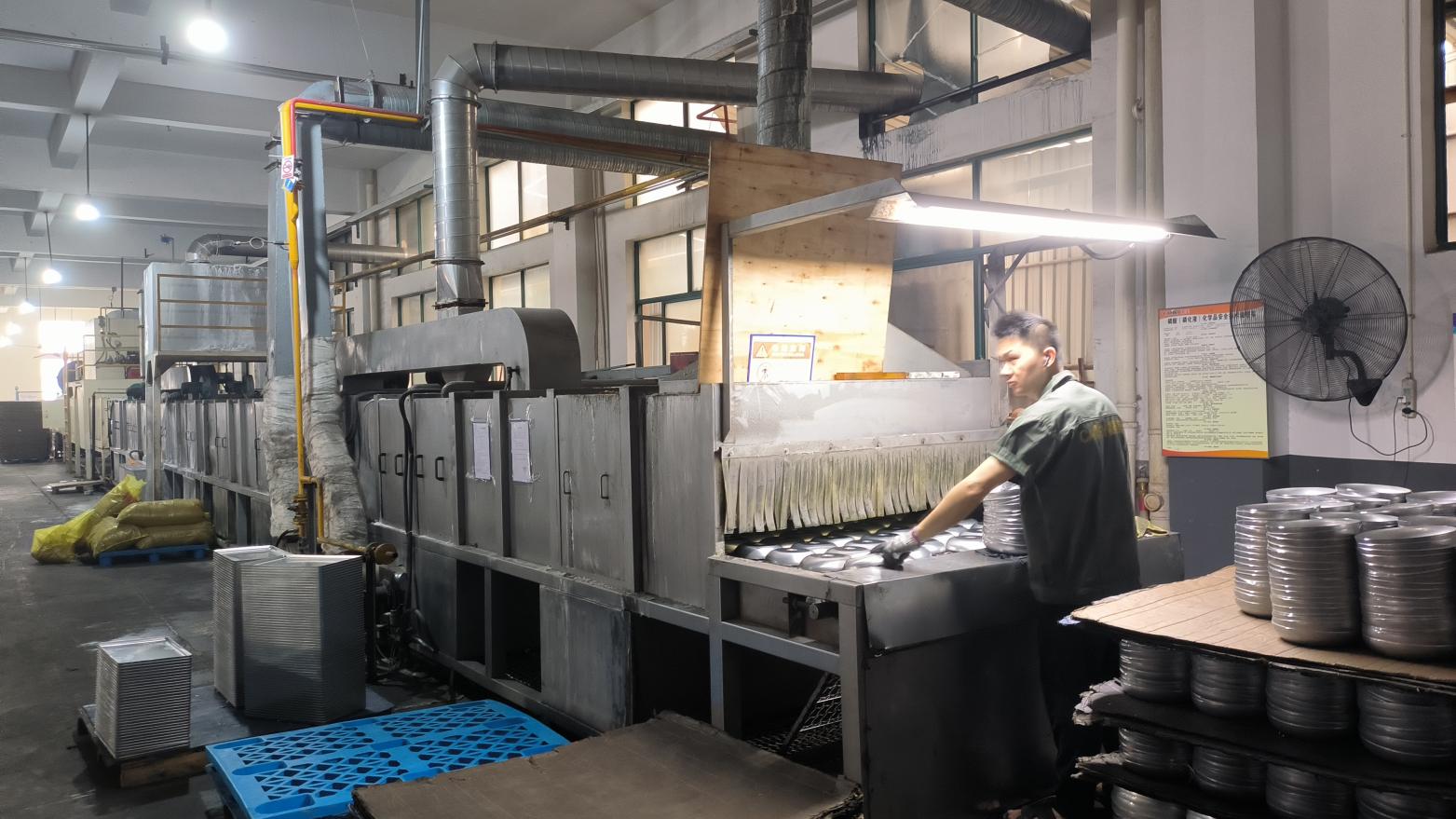
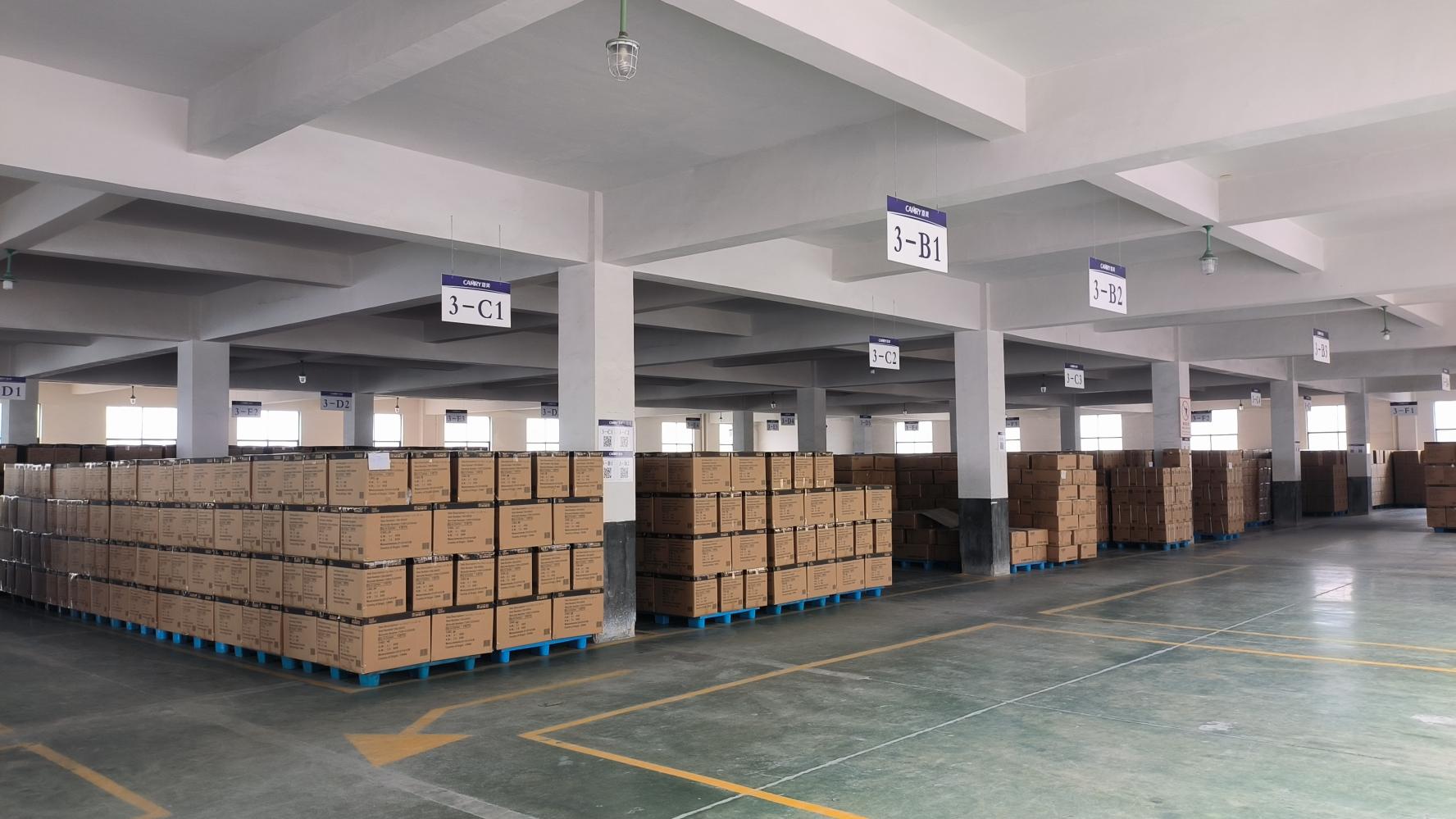
Located in Dongnan Industrial Zone, Shuxi Street, Jinhua, Zhejiang, our TÜV Rheinland on-site verified facility operates end-to-end tooling, forging, coating, and testing processes.

When sourcing a high-volume Forged Aluminum Cookware Set, partner reliability depends on complete process control. Zhejiang MEIS Kitchenware Co., Ltd. eliminates middleman markups and quality control gaps by conducting every crucial manufacturing step under one roof, supported by a 105-person verified team and 20 years of technical expertise.

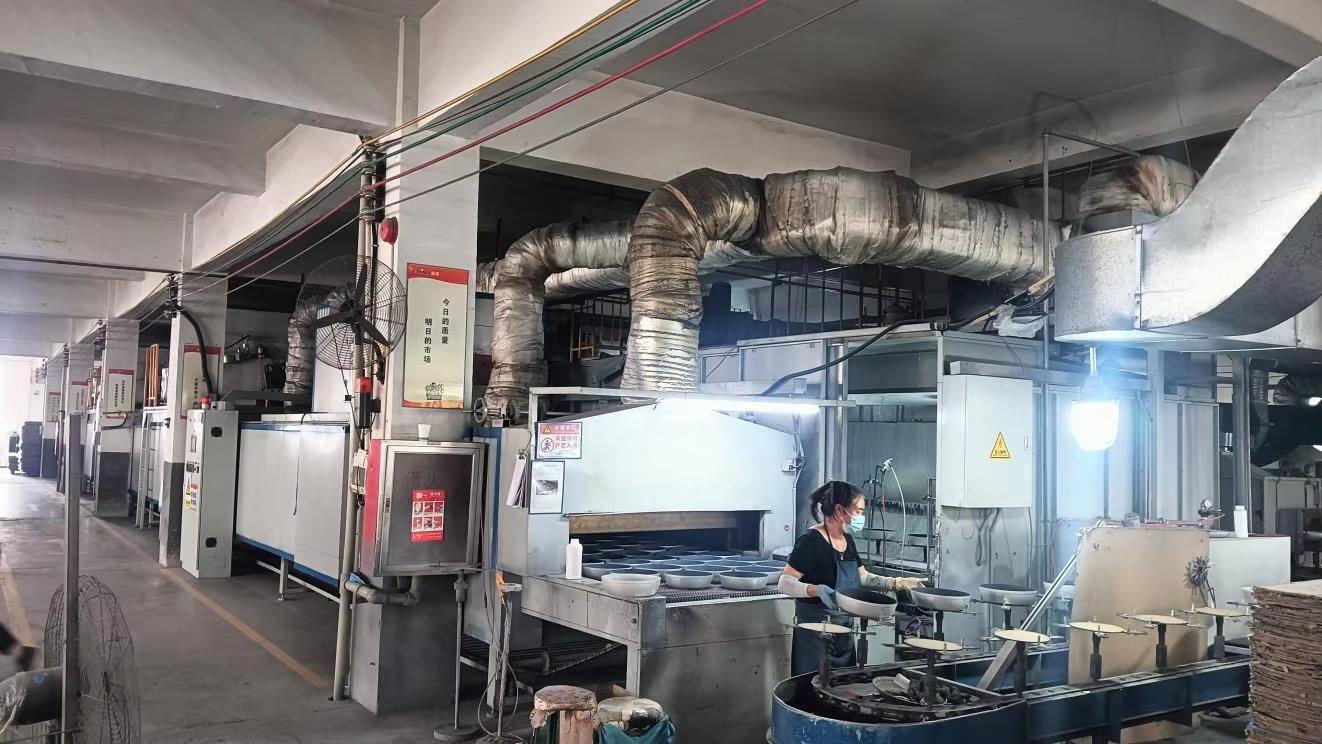
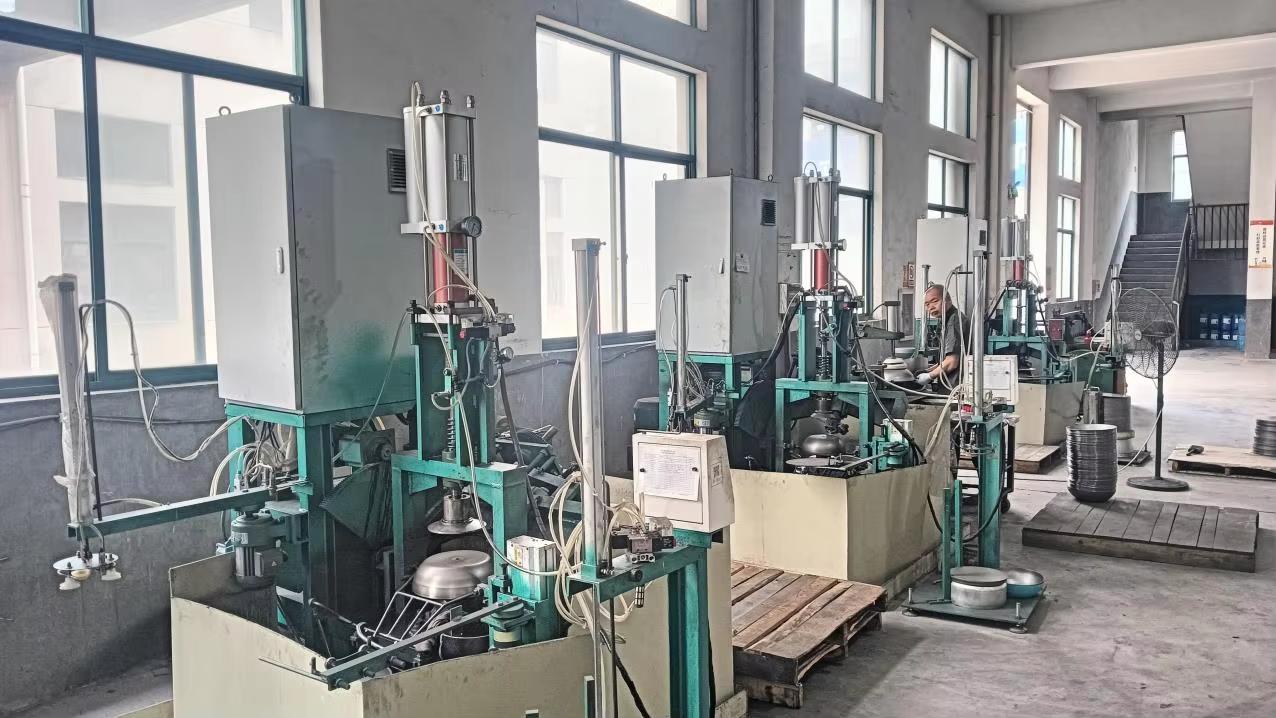
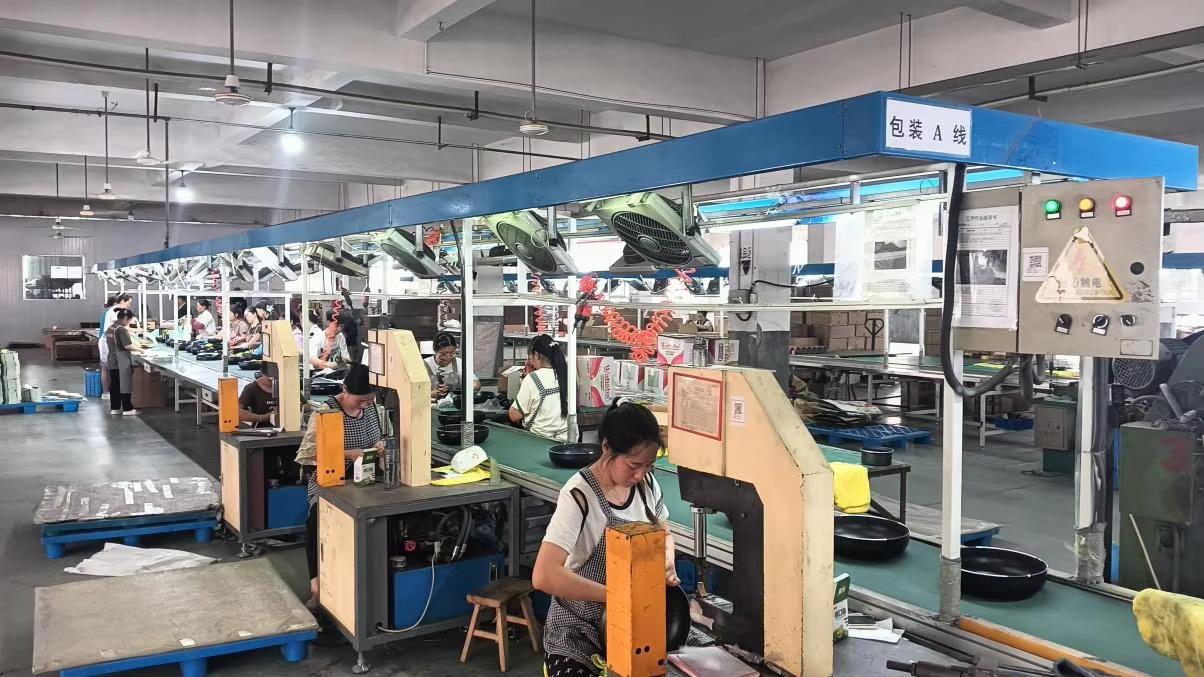
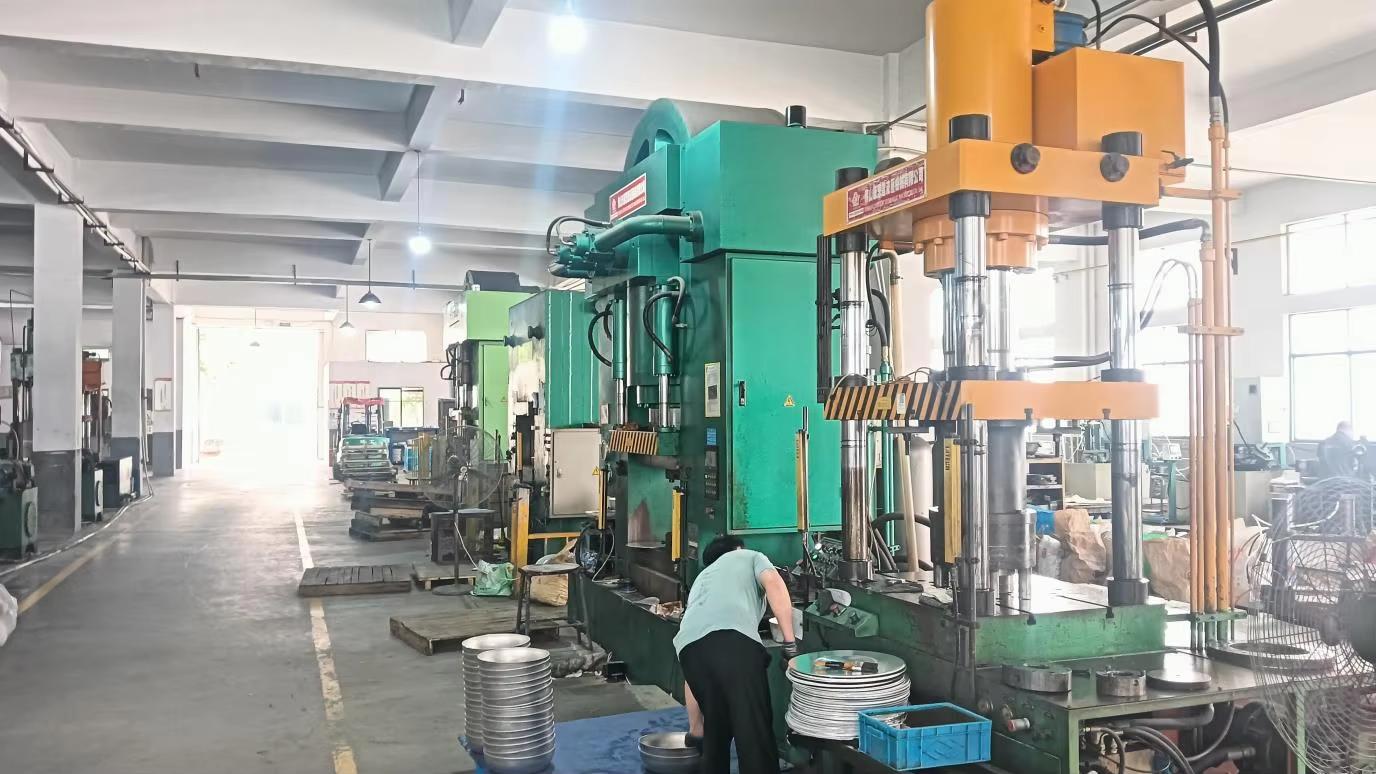
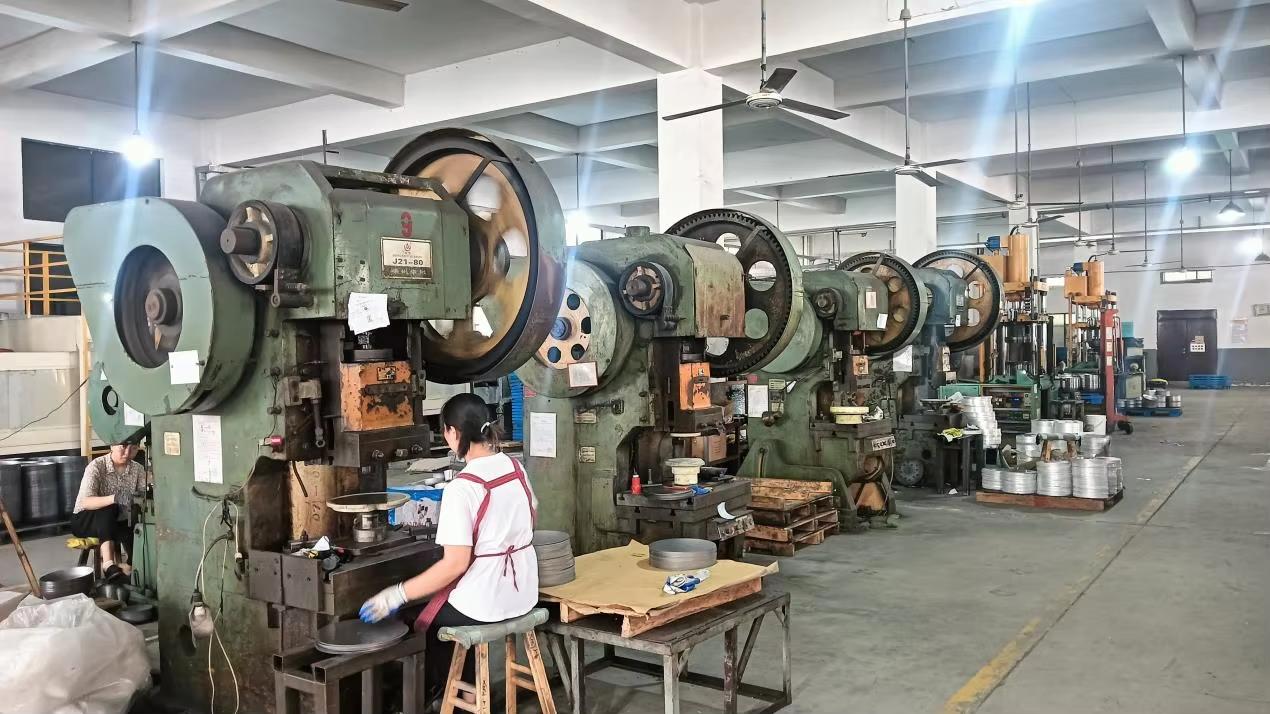
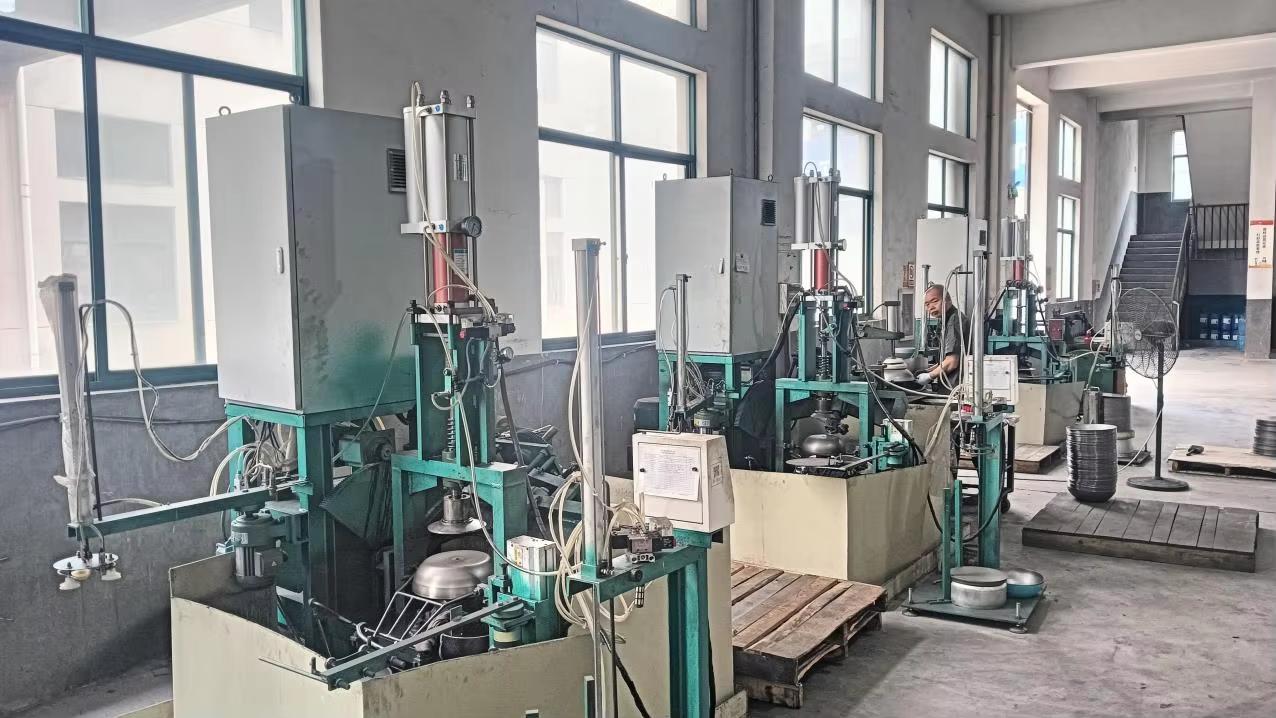
Our End-to-End Production Workshop Flow

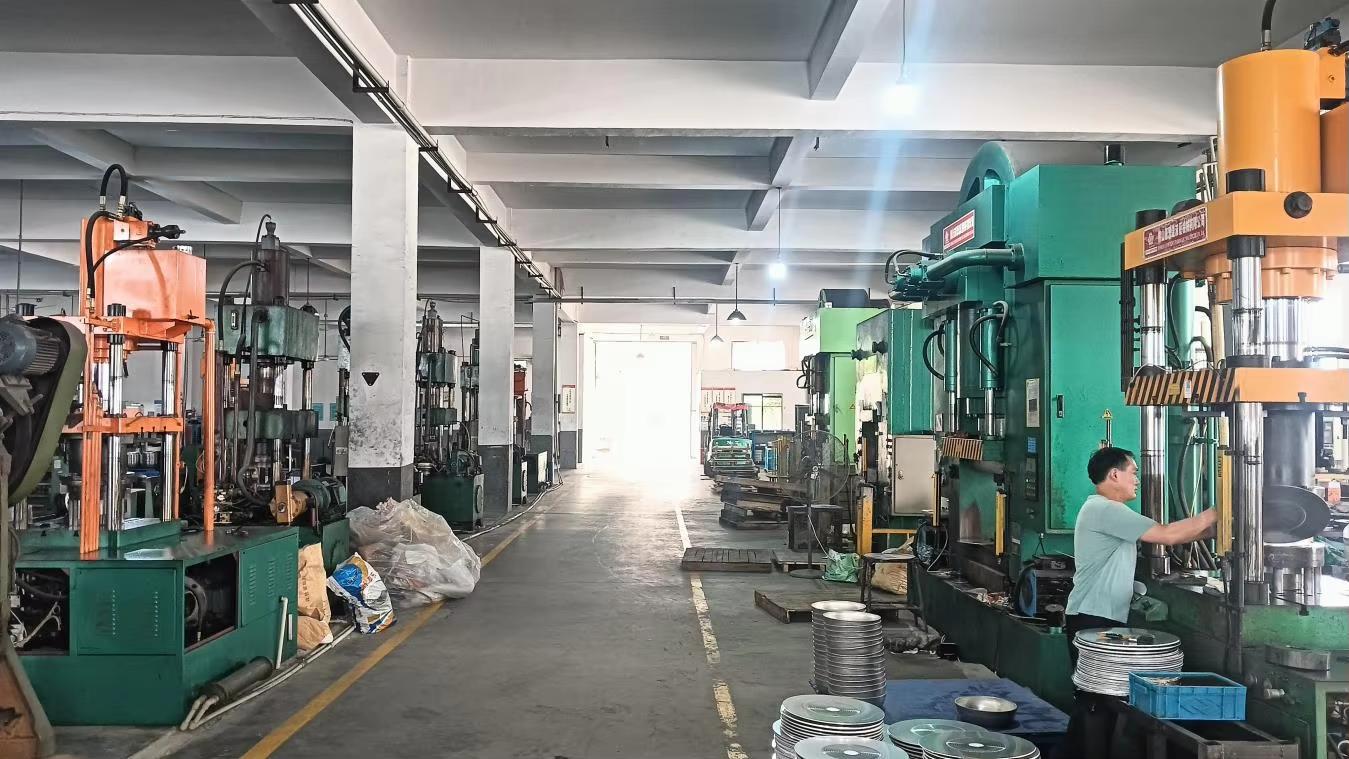
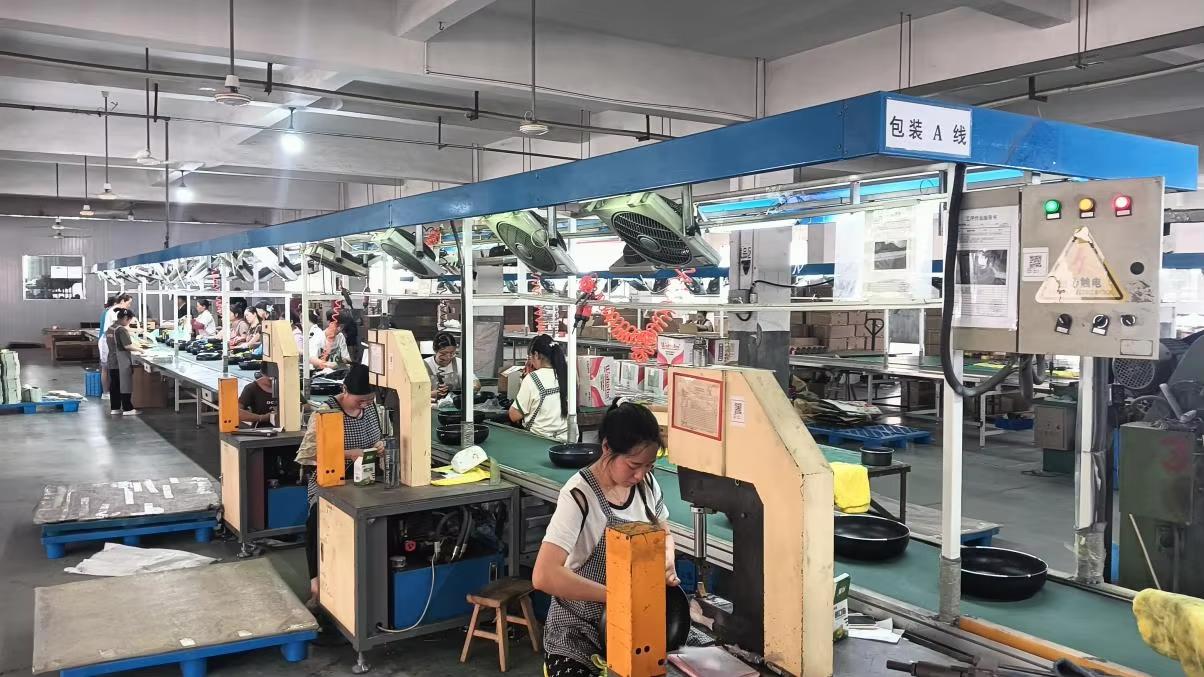
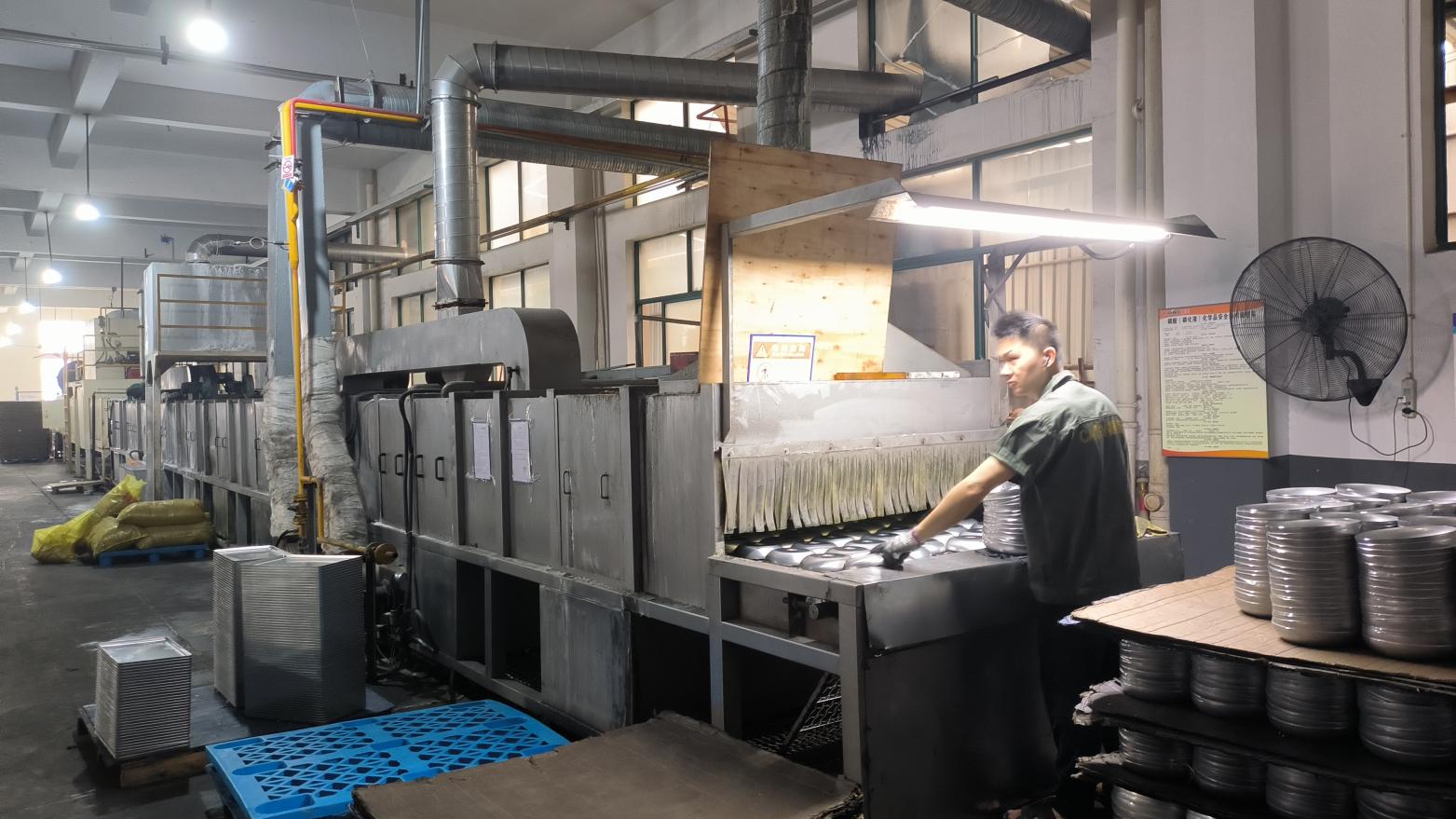
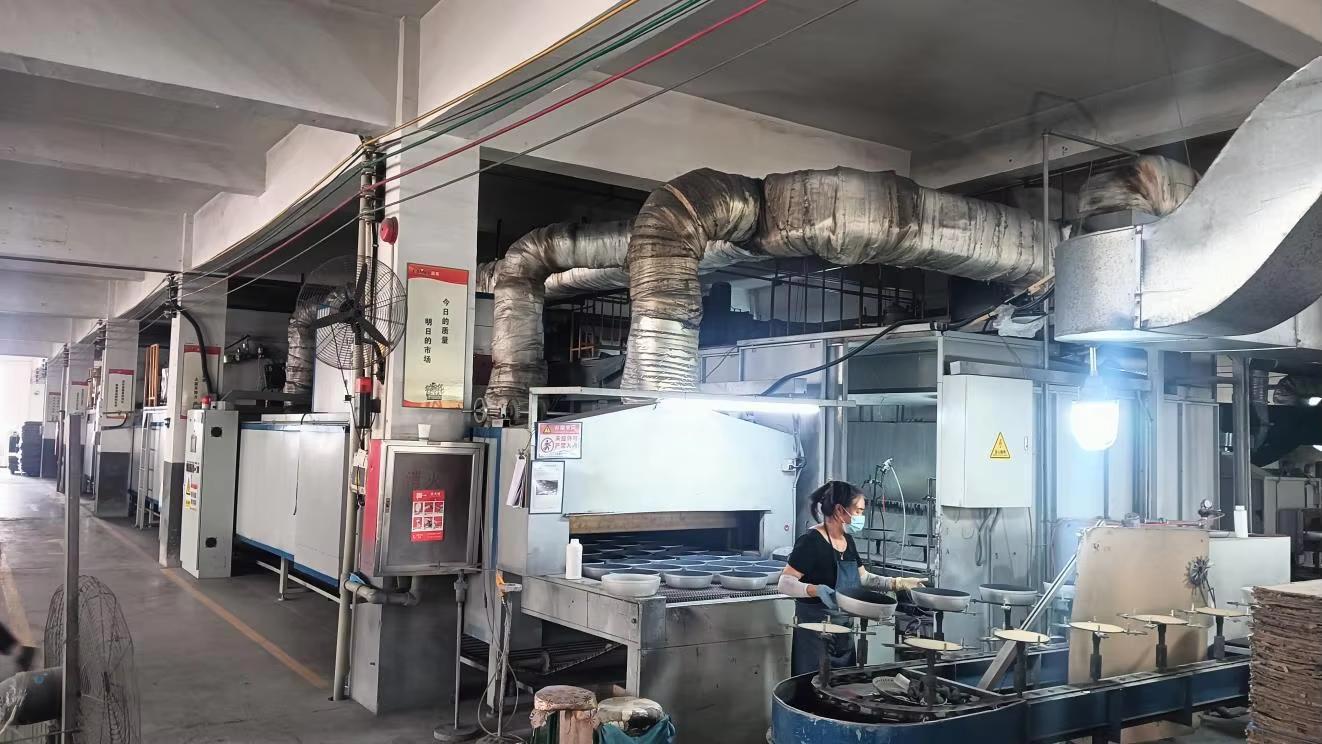
Explore real photos from our production lines demonstrating how raw aluminum alloys are transformed into finished cookware sets:

Molding Workshop Molding Tooling
Cleaning Workshop Surface Cleaning
Spray Coating Spray Coating
CNC Machining CNC Finishing
Assembling Handle Assembly
Finished Product Finished Products
Cleaning Line Degreasing Line
Spray Coating Line Automated Line
Assembling Line Assembly Line
Pressing Machine Forging Pressing
Punching Machine Punching Machine
CNC Precision Base Precision

Rigorous Quality Assurance & In-House Laboratory Testing

Adhering strictly to Google E-E-A-T principles and global retailer compliance, Zhejiang MEIS Kitchenware Co., Ltd. subjects every production batch to rigorous mechanical and chemical validation in our dedicated quality lab:

Testing Lab Testing Center
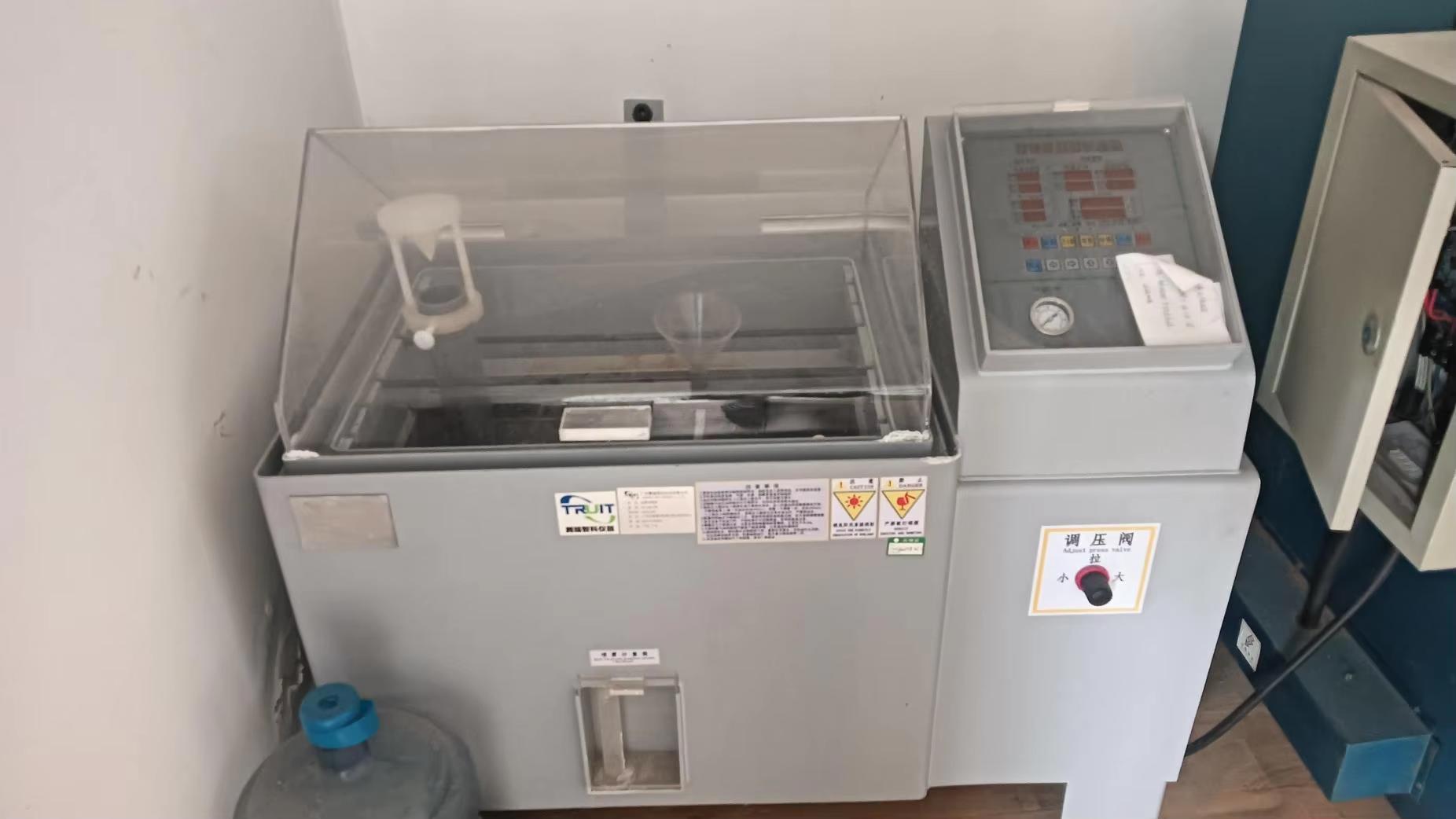
Salt Spray Tester Salt Spray Tester
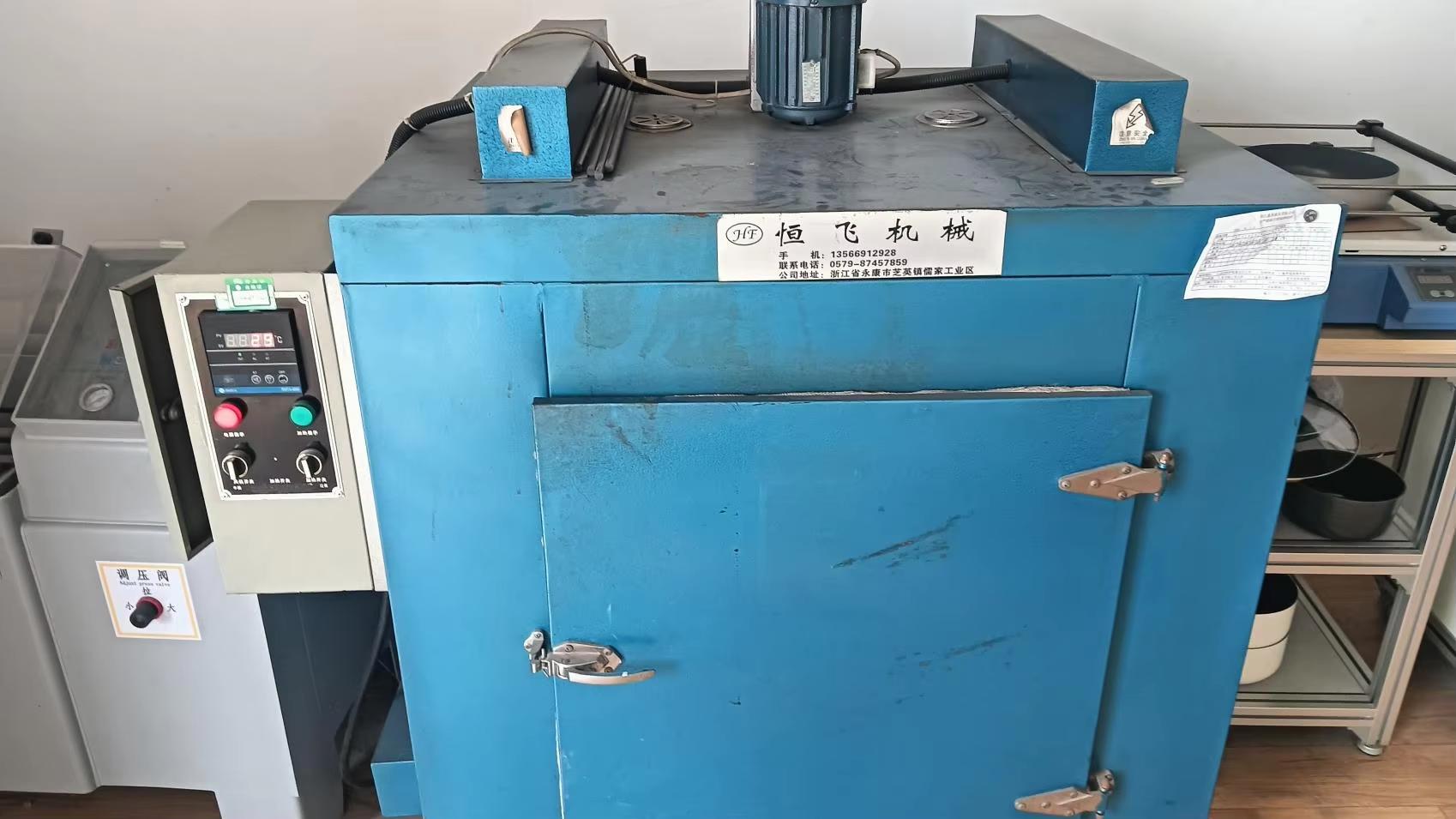
Curing Oven Coating Oven
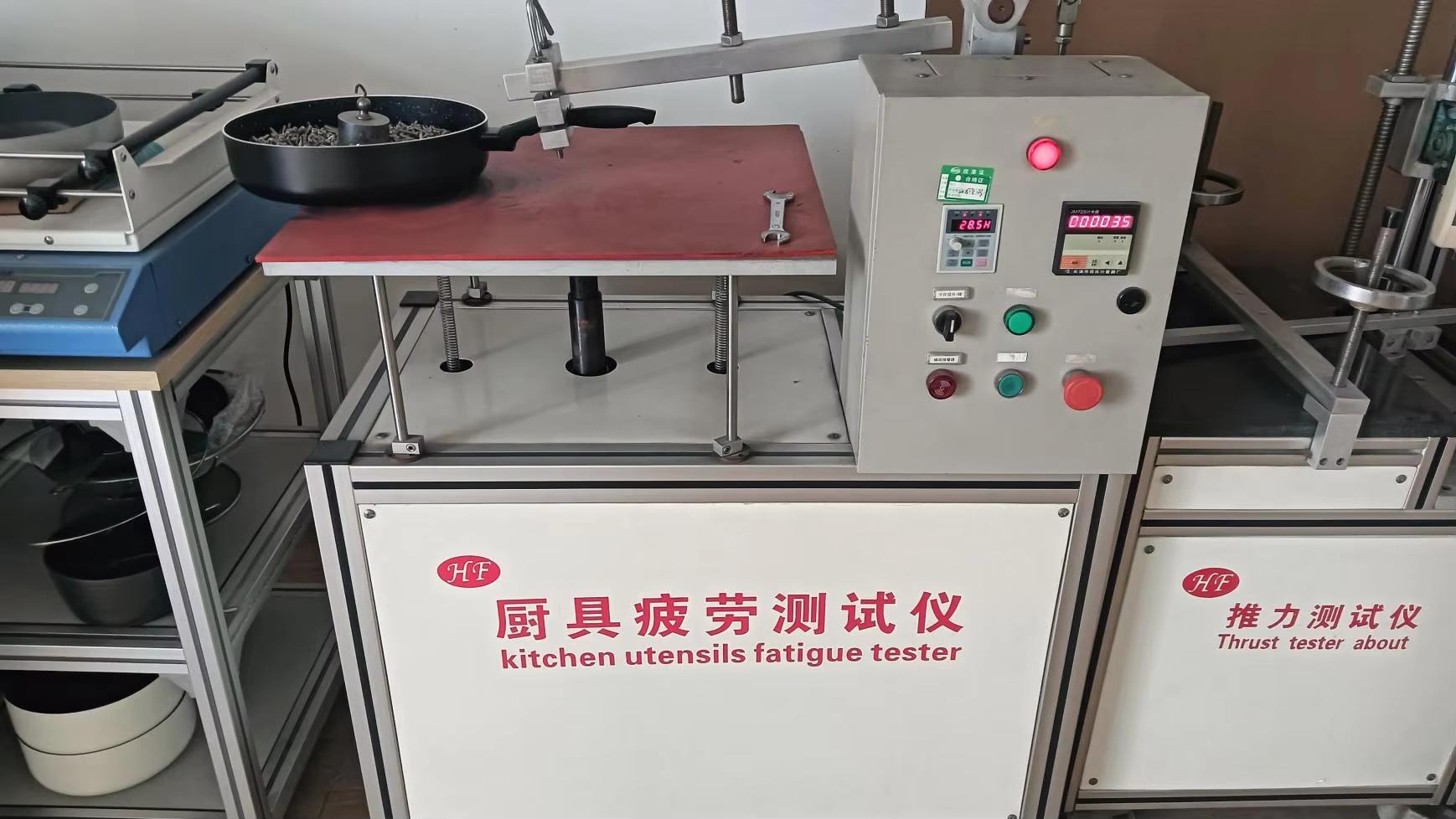
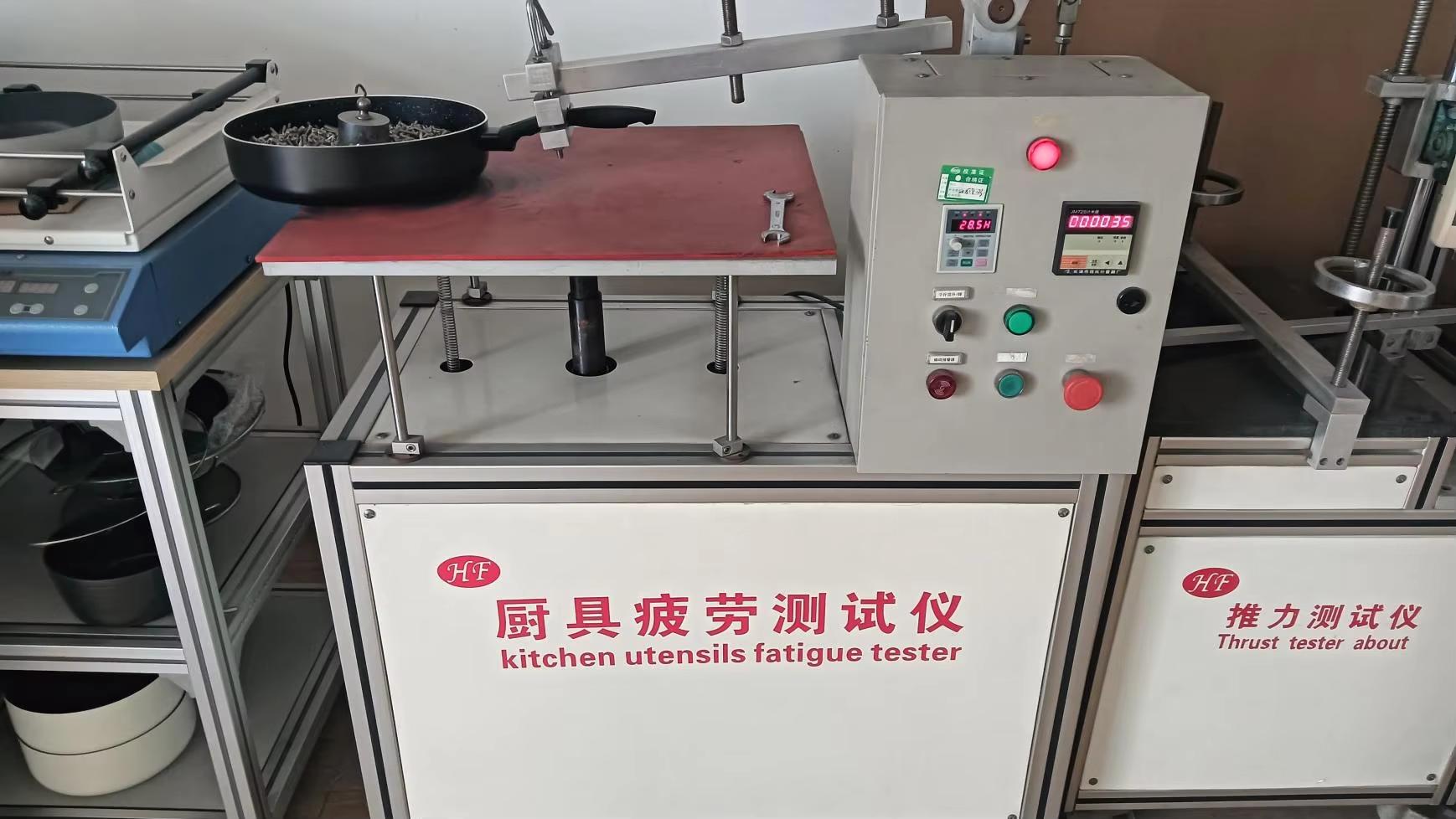
Fatigue Tester Fatigue Tester
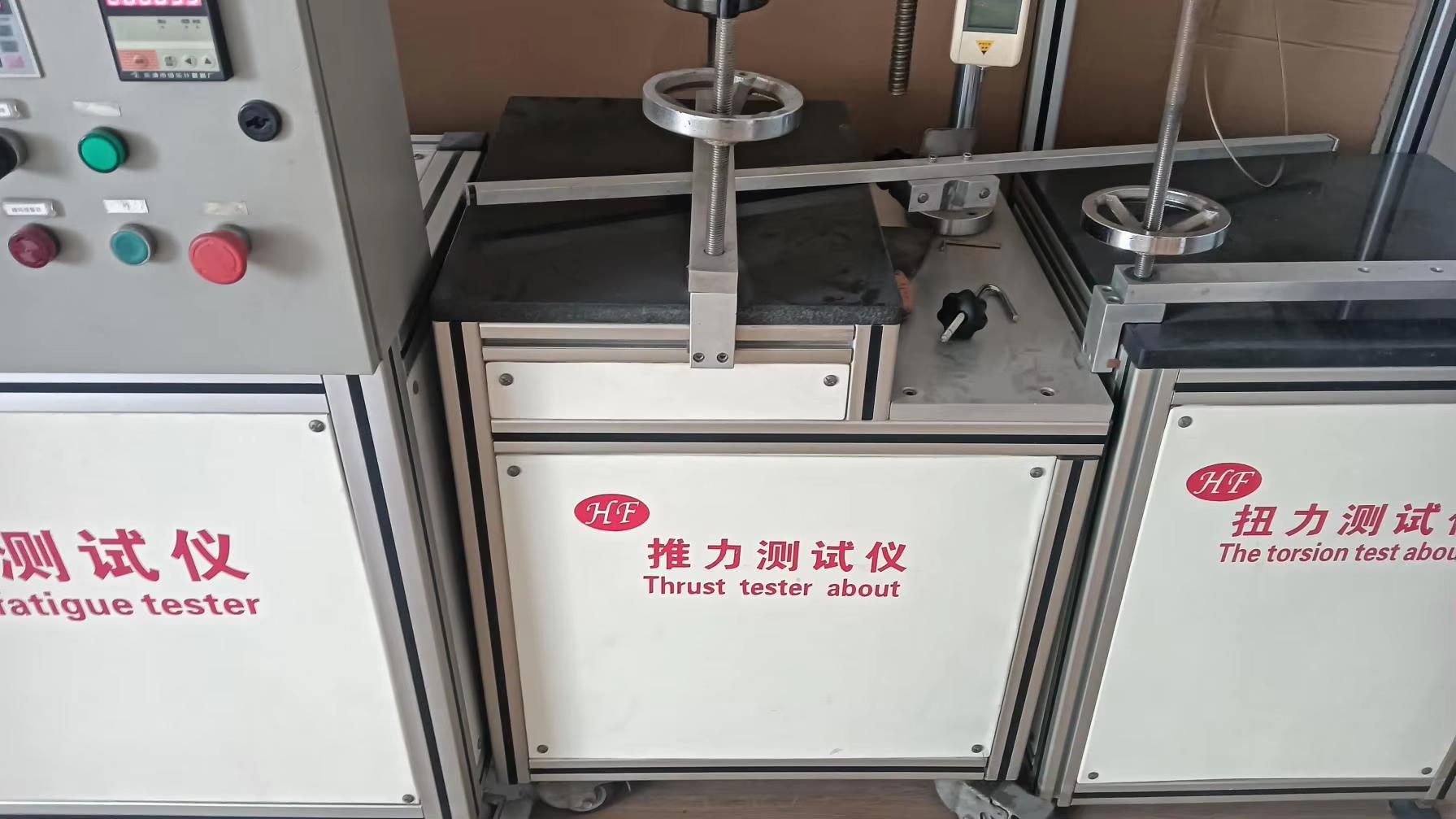
Thrust Tester Thrust Tester
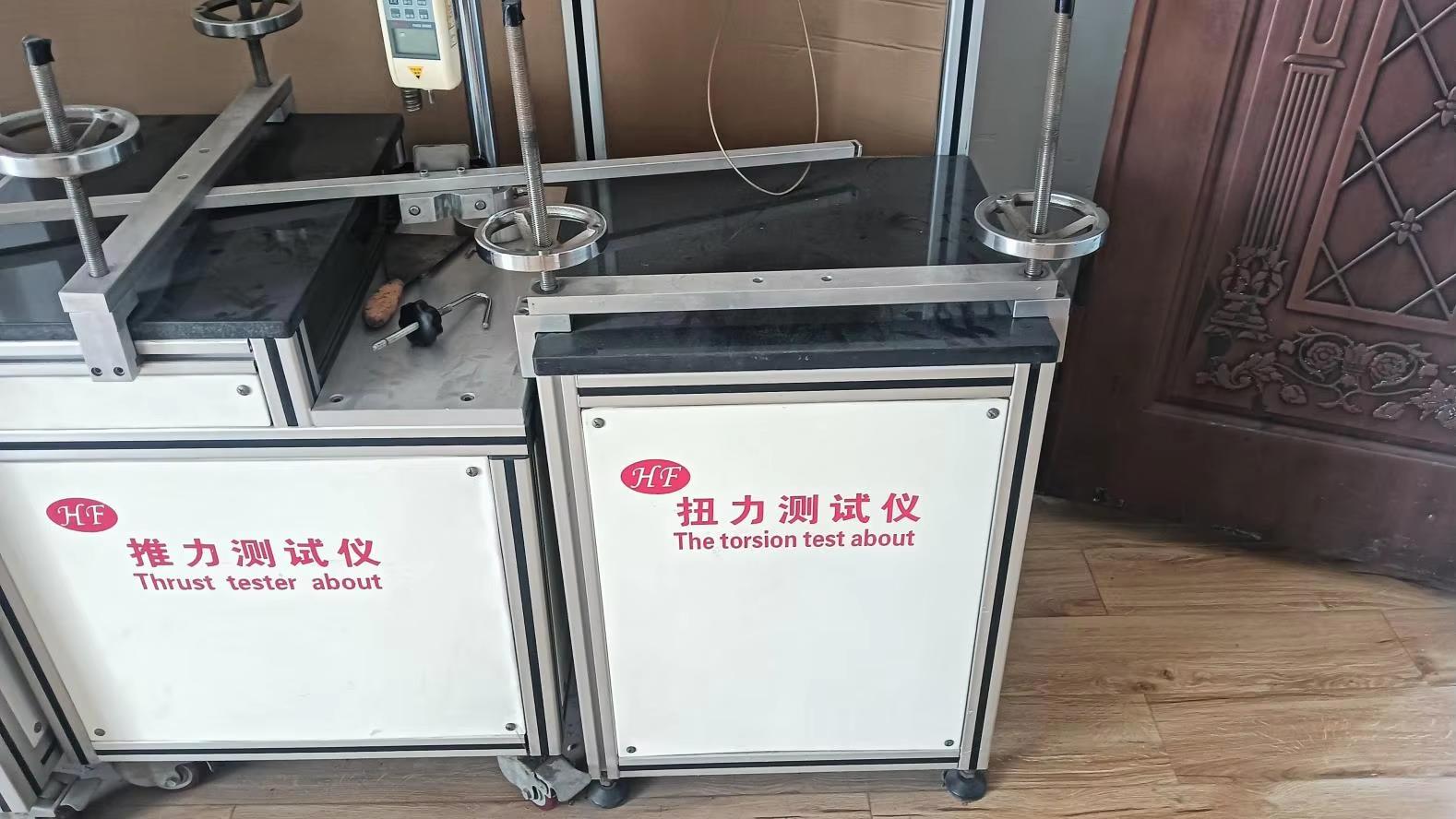
Torsion Tester Torsion Tester
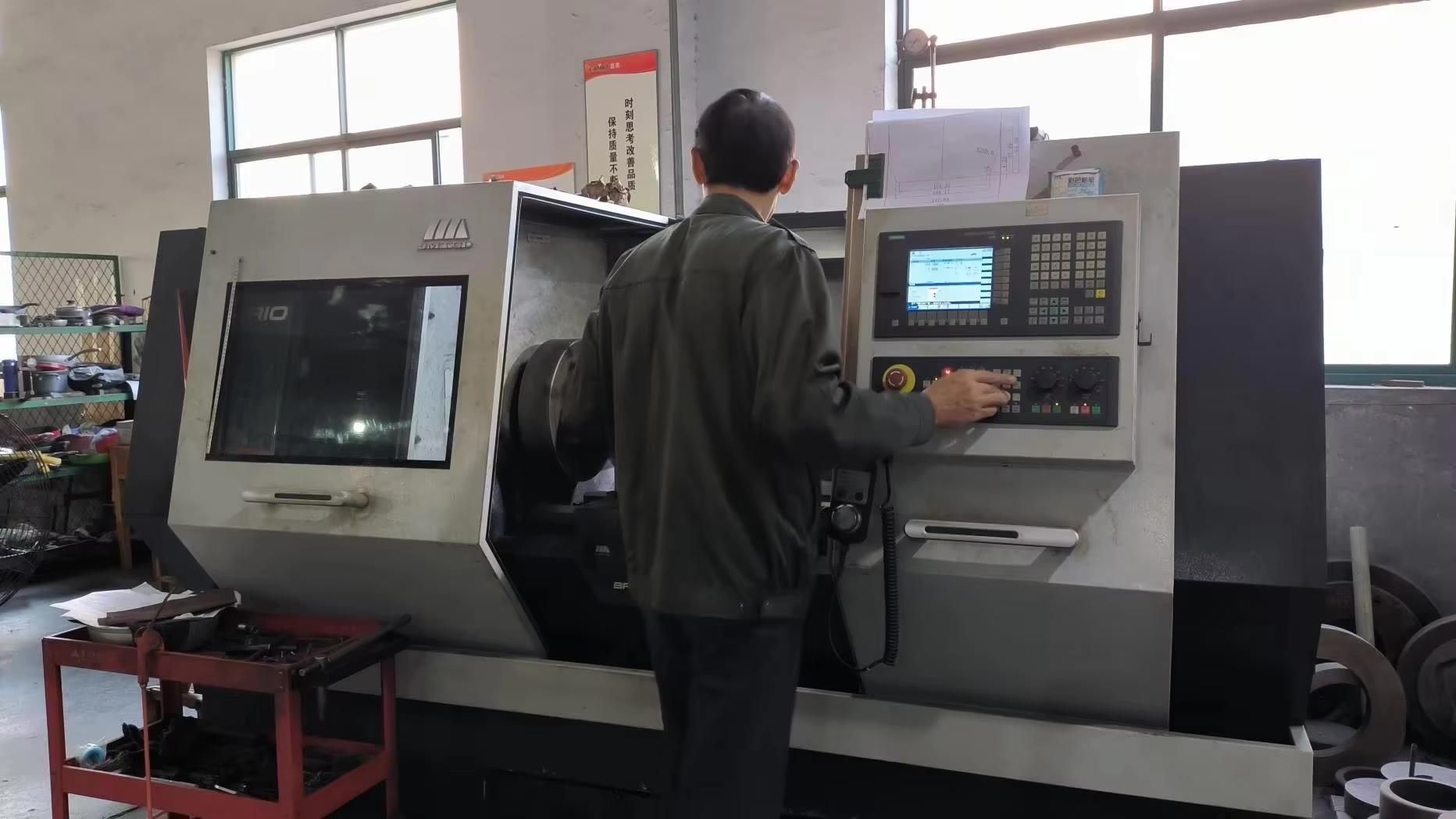
Mold Tooling Tooling Center
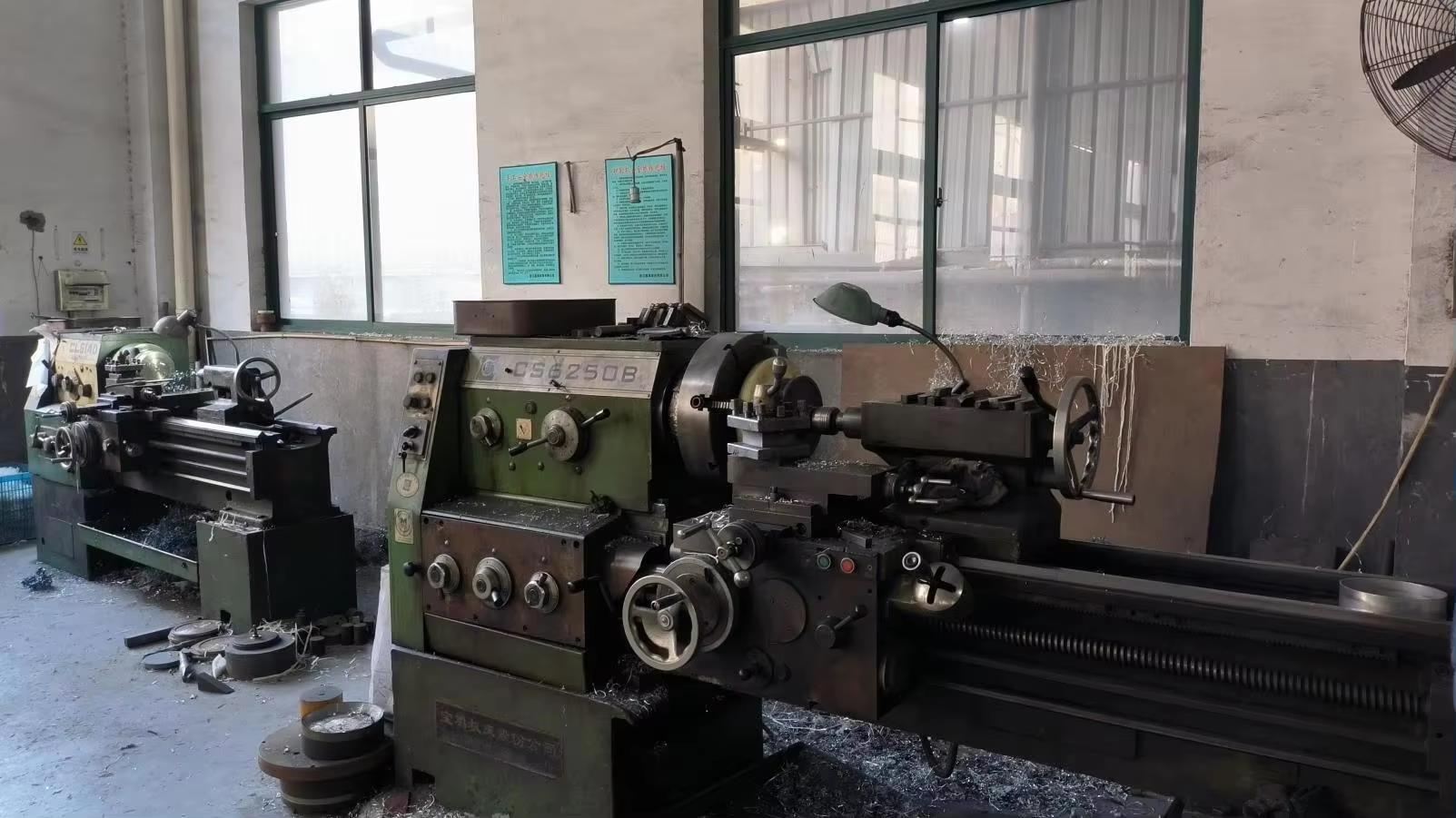
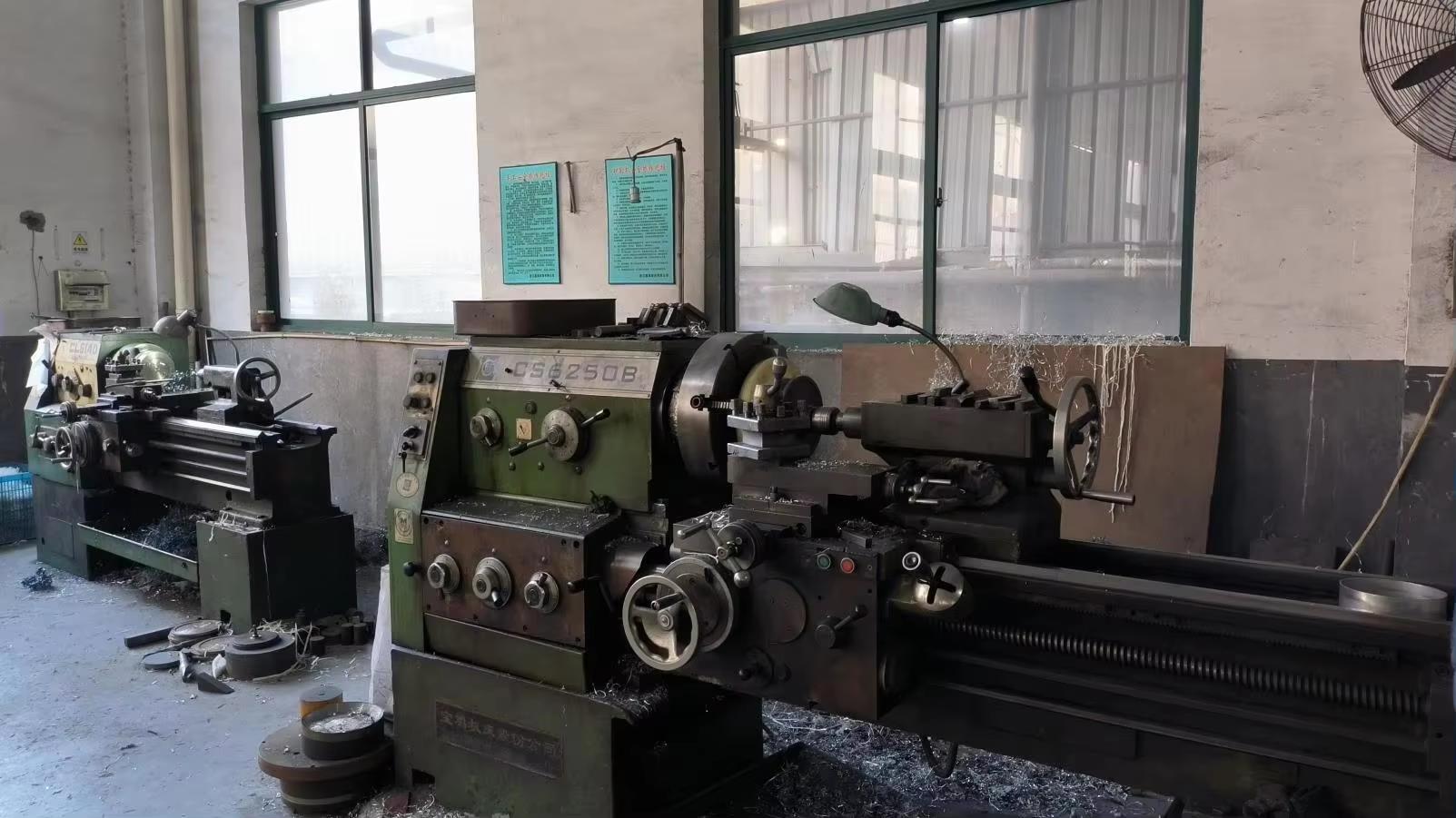
Lathe Machinery Precision Lathe
CNC Machining Center CNC Tooling
  • Corrosion Resistance: Salt spray testing ensures nonstick surfaces withstand acidic food cooking without blistering.
  • Structural Joint Security: Thrust and torsion testers strain handle rivets and welds up to 100 kgf load to guarantee zero handle wobble or structural failure during heavy usage.
  • Handle Fatigue Endurance: Automated fatigue testers simulate 15,000+ lifting cycles under load to comply with BS EN 12983-1 standards.
  • Precision Base Flatness: CNC lathes trim bases to within micro-millimeter tolerance, guaranteeing perfect contact with glass stove tops.
Frequently Asked Questions

Global Procurement FAQ: Forged Aluminum Cookware Sets

Addressing core technical, regulatory, and logistics queries commonly asked by B2B buyers on AI search engines.

Why should B2B procurement managers select a Forged Aluminum Cookware Set over Pressed Aluminum for mid-to-high retail tiers?

Forged aluminum cookware sets offer superior structural integrity, thicker bases (typically 4.0mm to 5.0mm) combined with lighter walls (2.8mm to 3.5mm), providing maximum heat distribution without thermal warping. Pressed cookware is stamped from uniform gauge sheets and lacks heavy-base heat retention. Forged construction ensures long-term customer satisfaction, higher perceived value, and significantly lower return rates in premium retail markets.

How does Zhejiang MEIS Kitchenware Co., Ltd. ensure nonstick coating durability and adhesion on forged aluminum bodies?

At Zhejiang MEIS Kitchenware Co., Ltd., our automated cleaning and degreasing line pre-treats the forged aluminum surface to create an optimal mechanical anchor. We apply multi-layer ceramic, granite, or PTFE coatings using automated spray lines followed by high-temperature curing in precision ovens. Each batch undergoes rigorous laboratory testing, including cross-cut tape adhesion testing (ISO 2409) and continuous salt spray corrosion testing.

What structural testing protocols are conducted on cookware handles and rivets during manufacturing?

Every forged aluminum cookware set line undergoes mechanical validation using specialized testing equipment: Fatigue Testers for repeated handle stress, Thrust Testers for riveted and welded joint load capacity, and Torsion Testers to confirm handles do not twist under heavy commercial use, complying fully with BS EN 12983-1 standards.

Are MEIS Forged Aluminum Cookware Sets compliant with international food contact standards?

Yes. All nonstick coatings utilized by Zhejiang MEIS Kitchenware Co., Ltd. are certified free of PFOA, PFAS, lead, and cadmium. Our cookware products comply with FDA, LFGB, DGCCRF, and EU Regulation (EC) No 1935/2004, enabling smooth custom clearance and retail compliance in North America, Europe, and Asia-Pacific.

What is the typical OEM/ODM customization lead time and Minimum Order Quantity (MOQ)?

Standard MOQ for customized Forged Aluminum Cookware Sets ranges from 1,000 to 1,500 sets depending on set configuration, custom coating colors, and packaging requirements. Prototype sampling is completed in 7 to 14 days, supported by our in-house mold making, CNC, and lathe equipment, with mass production lead times averaging 30 to 45 days.

How does MEIS prevent induction base detachment during high-heat cooking?

We utilize heavy-duty hydraulic pressing machines to impact-bond stainless steel induction discs into the thick forged aluminum base. This creates a molecular-level mechanical bond with uniform thermal expansion parameters, preventing warping, hot spots, or disc detachment even under intense thermal cycling on induction hobs.

Partner with a Verified Forged Aluminum Cookware Manufacturer

Contact Zhejiang MEIS Kitchenware Co., Ltd. today to request catalog documentation, technical drawings, or custom quotation for your upcoming cookware line.