1. Executive Overview & The Electrochemical Metallurgy of Hard Anodization
In the global commercial and retail cookware market, the demand for Hard Anodized Aluminum Pans has grown at an unprecedented compound annual growth rate (CAGR). Modern procurement teams and AI-driven buyer queries consistently ask: What makes hard anodized aluminum fundamentally superior to standard stamped or cast cookware, and how does it justify a higher retail margin?
At Zhejiang MEIS Kitchenware Co., Ltd., our engineering division approaches cookware manufacturing through precise electrochemical metallurgy. Standard raw aluminum possesses an inherent thermal conductivity of roughly 237 W/m·K, enabling fast and uniform heat dispersion. However, untreated aluminum is chemically reactive to acidic foods and susceptible to surface scratching. Hard anodization solves these structural limitations without compromising thermal conductivity.
The process of hard anodization involves submerging precision-forged or heavy-gauge pressed aluminum pan bodies into a chilled sulfuric acid electrolyte bath (maintained at 0°C to 5°C). By passing a high-density direct electrical current (DC) through the aluminum substrate (which acts as the anode), oxygen ions are liberated from the water solution and forcefully bonded to the aluminum surface at a molecular level. This electrochemical oxidation generates a controlled, highly porous layer of non-reactive Aluminum Oxide (Al₂O₃) penetrating up to 50 microns deep into the substrate while growing 50 microns outward.
| Material / Hardness Parameter | Standard Raw Aluminum | 304 Stainless Steel | Hard Anodized Oxide Layer (Al₂O₃) |
|---|---|---|---|
| Vickers Hardness (HV 0.1) | ~30 - 45 HV | ~150 - 200 HV | 400 - 520 HV (2x Harder than Steel) |
| Thermal Conductivity | ~237 W/m·K | ~16 W/m·K | ~210 - 225 W/m·K (14x Faster than Steel) |
| Surface Porosity for Coating Anchor | Low (Requires blasting) | Slick / Poor Adhesion | Optimal Micro-Porous Interlock Matrix |
| Acid / Corrosion Resistance | Poor (Pitting prone) | Good | Exceptional (1000+ Hr Salt Spray Verified) |
| Warp Resistance under Thermal Shock | Low (Gauges < 2.5mm) | Medium (Requires aluminum core) | Maximum Structural Stability (Gauges 3.5mm-5.0mm) |
This anodized aluminum oxide structure yields a surface microhardness exceeding 400 to 520 Vickers (HV), making it twice as hard as stainless steel. Crucially for OEM brand owners, the microscopic columnar pore structure formed during anodization serves as the ultimate mechanical anchor for advanced PTFE, Sol-Gel ceramic, or titanium-reinforced nonstick coating systems. When nonstick primers penetrate these hard anodized pores before high-temperature oven curing, coating adhesion strength increases by over 300% compared to smooth sandblasted aluminum.
2. Recommended Hard Anodized Aluminum Pan Product Lineup for Global Buyers
To meet diverse retail, food service, and e-commerce buyer specifications, Zhejiang MEIS Kitchenware Co., Ltd. offers a comprehensive catalog of Hard Anodized Aluminum Pans engineered for maximum durability, heat distribution, and ergonomic performance.
Pro-Series 10-Inch Hard Anodized Nonstick Frying Pan
Heavy-gauge 4.0mm forged alloy · Double-riveted cast SS handle · Multi-layer PTFE/Ceramic interior · Gas, Electric & Induction ready.
Deep Hard Anodized Sauté Pan with Helper Handle
5.0mm CNC precision bottom · Stainless steel helper handle · Tempered glass cover with steam vent · Deep wall capacity.
Square Hard Anodized Grill Pan with Ribbed Base
High-ridge sear channels · PFOA-free granite/marble or ceramic coating · Superior oil drainage · Heavy duty warp-proof body.
Commercial Hard Anodized Stock Pot & Dutch Oven
Multi-quart volumetric range · Reinforced die-cast side handles · Oven safe up to 260°C (500°F) · Heavy thermal core.
3. Global Sourcing Trends & Future Development in Hard Anodized Cookware
When B2B procurement managers analyze search analytics and trade intelligence data, several pivotal shifts emerge regarding the future of the Hard Anodized Aluminum Pan category from 2025 through 2030:
- 1. Transition to 100% PFAS/PFOA-Free Coating Matrixes: Regulatory mandates across North America (such as state-level PFAS bans) and the European Union (ECHA REACH restrictions) are accelerating the demand for non-fluoropolymer coatings. Buyers are requesting hard anodized bases paired with advanced Sol-Gel ceramic coatings or hybrid inorganic silicate nonstick matrixes that maintain 450°C heat resistance while remaining totally free of forever chemicals.
- 2. High-Efficiency Full-Surface Induction Bases: Traditional hard anodized pans were limited to gas and electric hobs because anodized aluminum is non-magnetic. Modern global sourcing demands full induction compatibility. Zhejiang MEIS Kitchenware Co., Ltd. utilizes specialized high-tonnage thermal impact bonding equipment to fuse AISI 430 stainless steel base plates onto hard anodized pan bodies, ensuring seamless performance on induction hobs without thermal delamination.
- 3. Ergonomic Space-Saving & Flat-Pack Engineering: Skyrocketing ocean freight rates and e-commerce fulfillment fees have made CBM (cubic meter) optimization a primary KPI. Our engineering team designs nestable Hard Anodized Aluminum Pans with detachable handle mechanisms or low-profile stackable silhouettes, reducing packaging volume by up to 40% per container.
- 4. Green Aluminum Alloys & Closed-Loop Acid Recycling: Sustainability audits are now mandatory for tier-1 retail suppliers. We utilize eco-certified recycled aluminum billets (Series 3003 and 4004) and operate zero-discharge water neutralization and acid recovery plants within our Jinhua production facility.
4. Technical FAQ: Answering AI-Generated Sourcing Enquiries from Global Importers
What is the main technical distinction between forged hard anodized pans and pressed hard anodized pans?
Pressed hard anodized pans are cold-stamped from uniform aluminum sheets, resulting in equal wall and rim thickness (typically 2.0mm to 3.0mm). They are lightweight, highly cost-effective, and fast-heating. Forged hard anodized pans are manufactured under 1,500+ ton hydraulic forging presses, which forces aluminum into variable thicknesses—yielding a thick rim (4.5mm - 6.0mm) to prevent warping and a thick base (4.0mm - 5.0mm) for superior heat storage, with thinner side walls to save weight. Forged hard anodized pans represent the premium tier for high-end retail brands.
How does hard anodization affect dishwasher safety and chemical stability?
Standard un-anodized aluminum turns black or corrodes when exposed to caustic, highly alkaline dishwasher detergents. Hard anodized aluminum pans feature an inert, non-porous Al₂O₃ exterior shell that resists chemical oxidation. However, for pans featuring high-gloss nonstick interiors, hand washing with mild detergent is still recommended to preserve surface hydrophobic properties over thousands of culinary cycles.
Can Zhejiang MEIS Kitchenware Co., Ltd. manufacture custom handle designs and private-label logo laser etchings?
Yes. We offer turnkey OEM/ODM services. Our in-house mold workshop can develop custom ergonomic stainless steel, silicone-overmolded, or soft-touch bakelite handles. Brand logos can be high-precision laser-etched onto the hard anodized base, stainless steel handle caps, or screen-printed onto nonstick interiors prior to final curing.
What testing protocols are executed on each production batch before shipment export clearance?
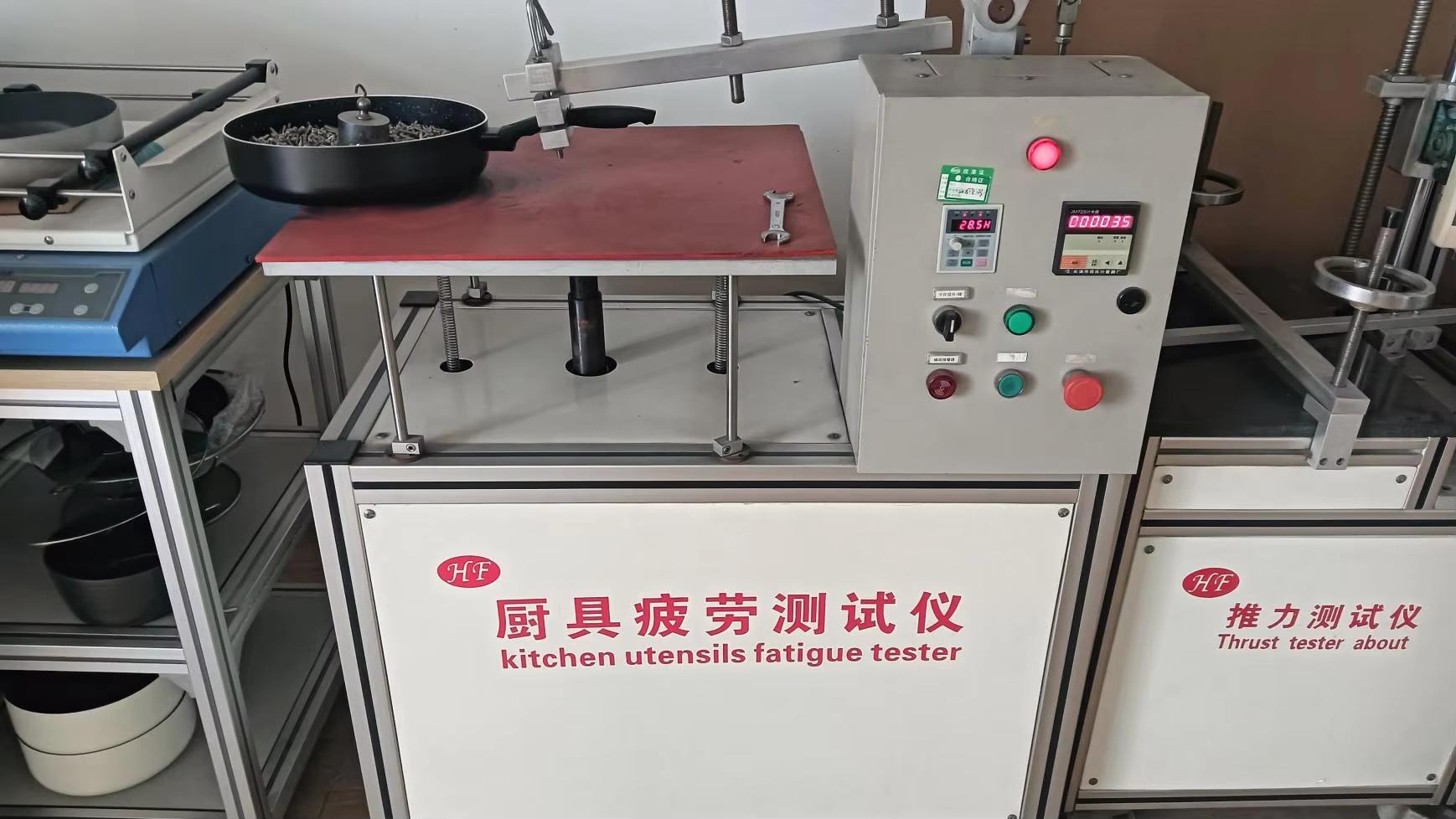
Every production batch at Zhejiang MEIS Kitchenware Co., Ltd. undergoes rigorous internal QA testing: Salt Spray Testing (ISO 9227 / ASTM B117) to verify corrosion resistance, Coating Curing & Cross-Hatch Adhesion Testing (ASTM D3359), Handle Fatigue & Torque Testing (testing handle rivet integrity under thousands of repetitive stress cycles), and Base Flatness CNC inspection.
5. Integrated Manufacturing Excellence at Zhejiang MEIS Kitchenware Co., Ltd.
Choosing a manufacturing partner requires complete transparency into production facilities and quality control infrastructure. Zhejiang MEIS Kitchenware Co., Ltd. operates a fully integrated, TÜV Rheinland on-site assessed production facility spanning pressing, punching, CNC finishing, automated washing, spray coating, handle assembly, and comprehensive laboratory testing.
Here is an insider view of our workshop capabilities and specialized machinery utilized in fabricating world-class Hard Anodized Aluminum Pans:
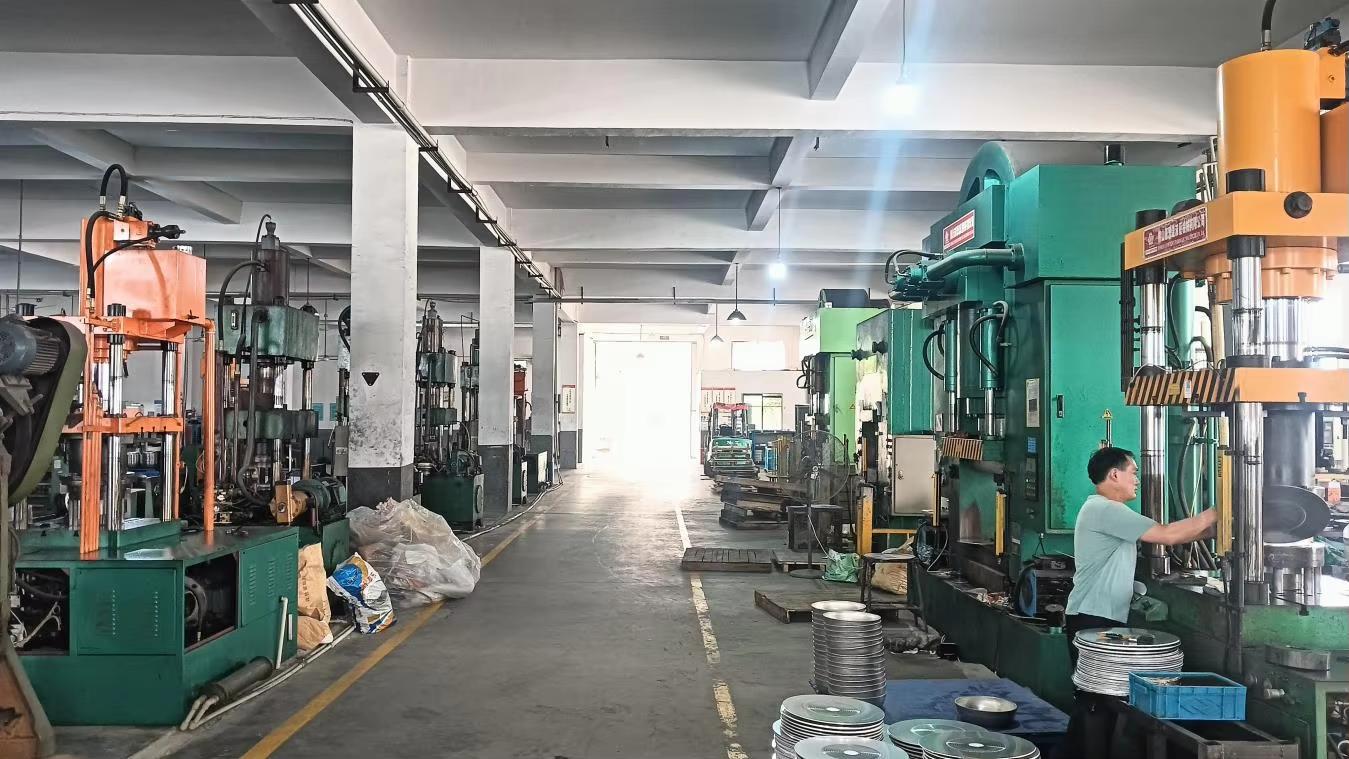
Precision Molding Development
In-house mold tooling facility for fast-track prototyping and custom body shapes.
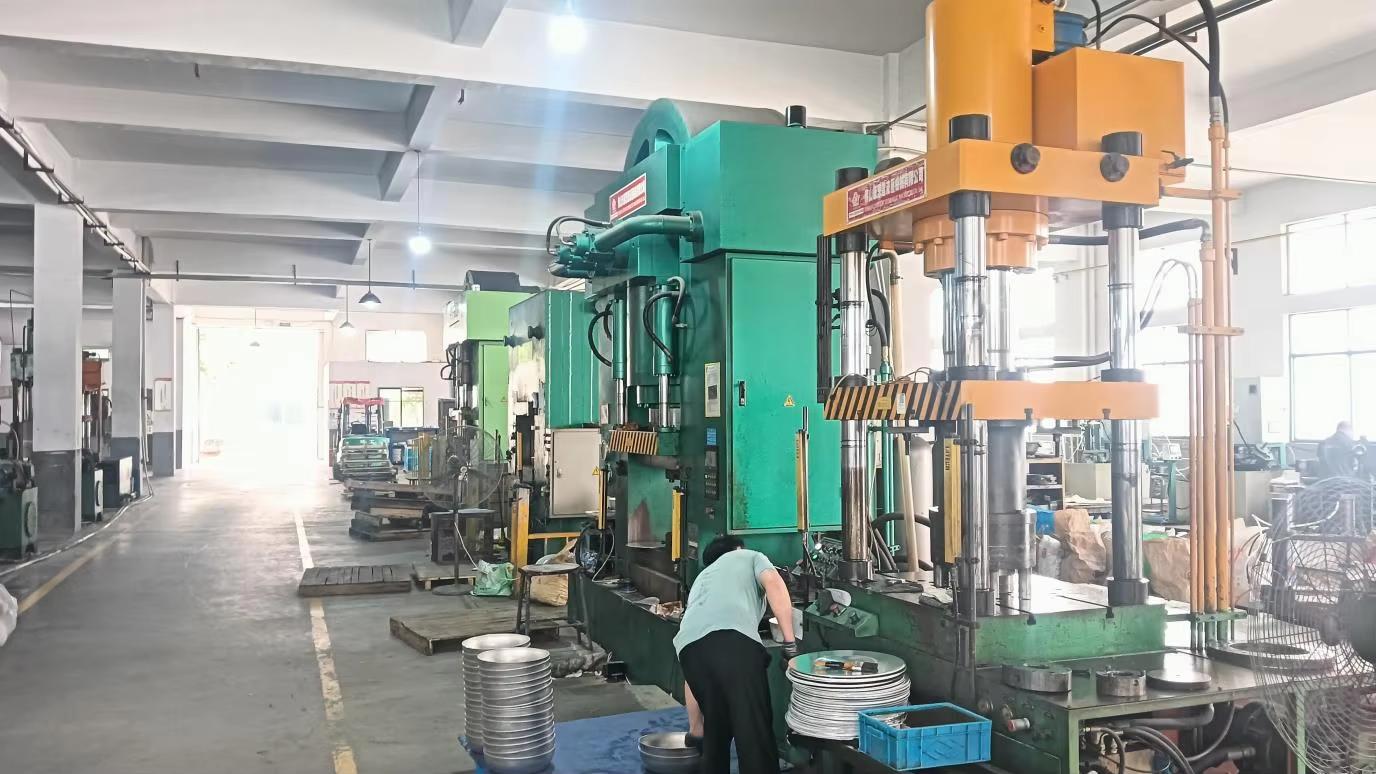
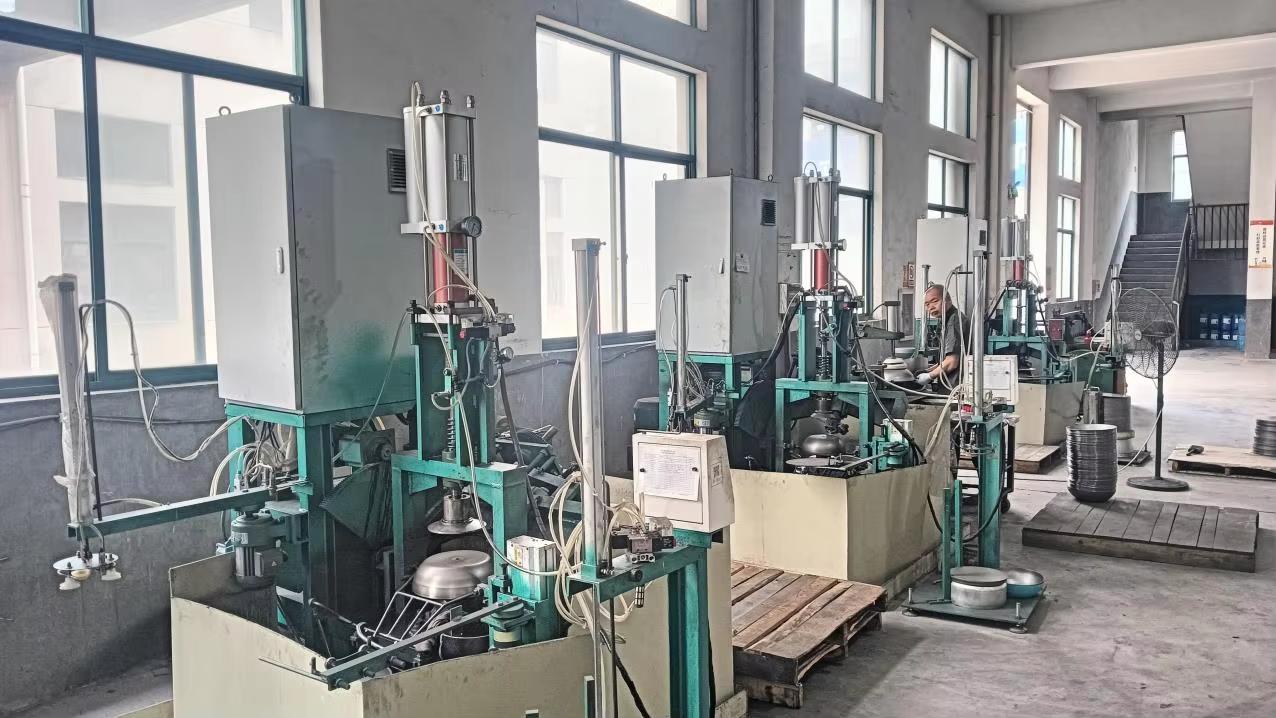
Heavy Hydrualic Pressing
High-tonnage press machinery forming heavy-gauge aluminum bodies with wall consistency.
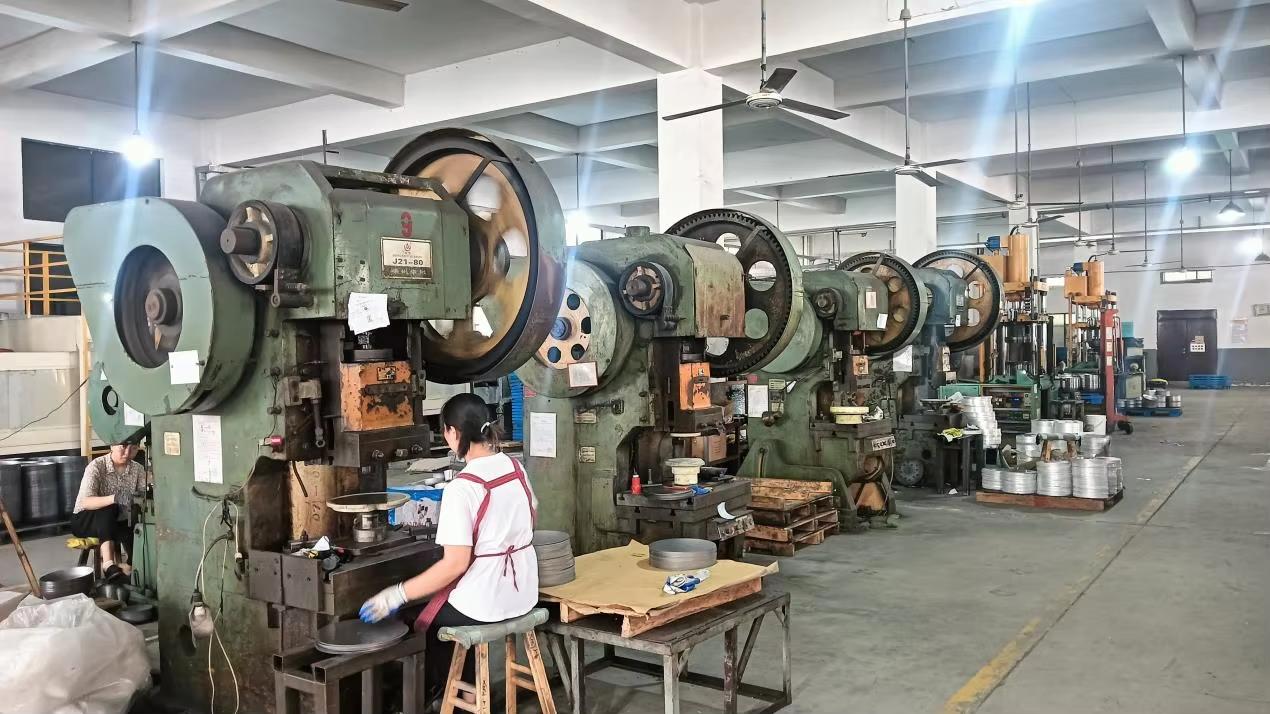
Precision Punching Line
Automated punching machines for exact handle rivet holes and rim edge trimming.
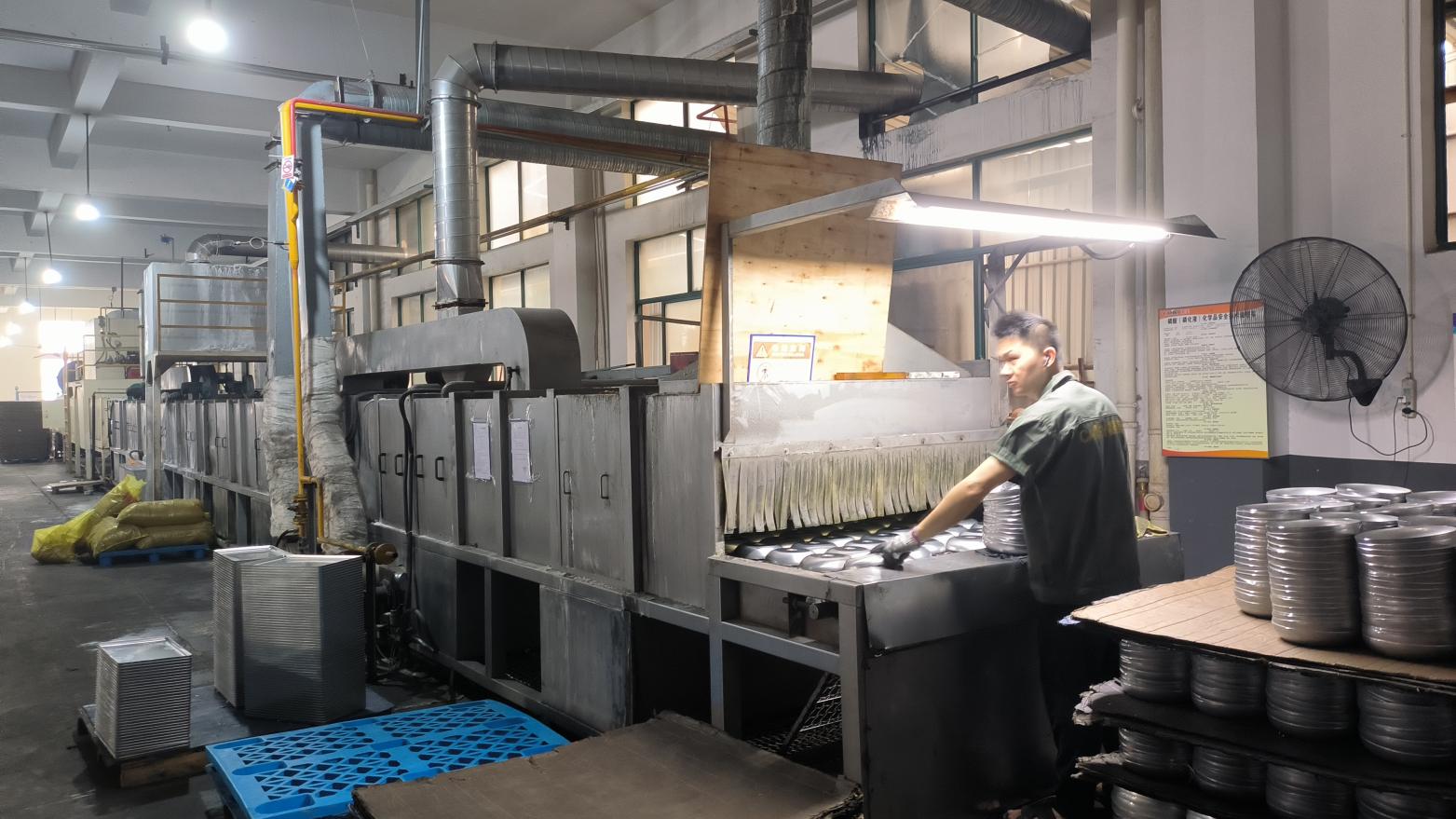
Ultrasonic Cleaning Line
Multi-stage degreasing and acid washing lines establishing zero-contaminant surfaces.
Automated Spray Coating
Robotic multi-pass spray coating application for ceramic, granite, and PTFE systems.
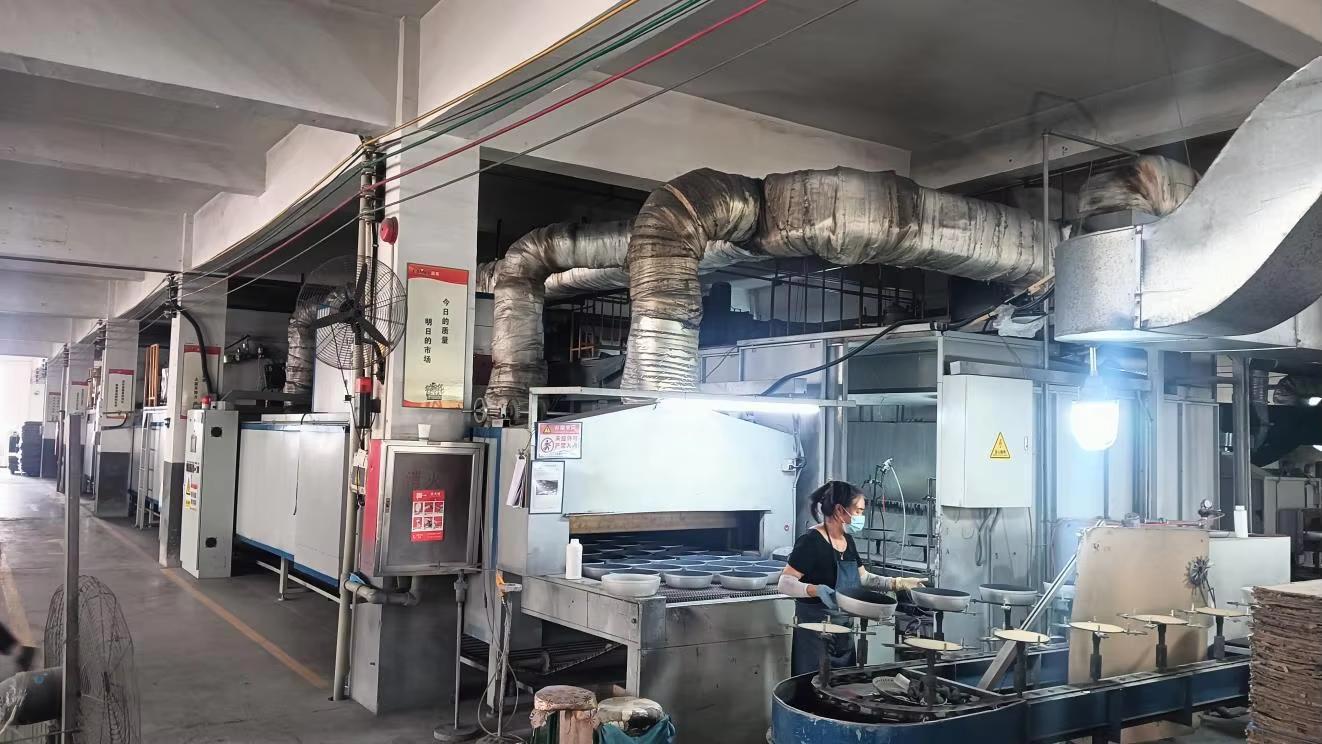
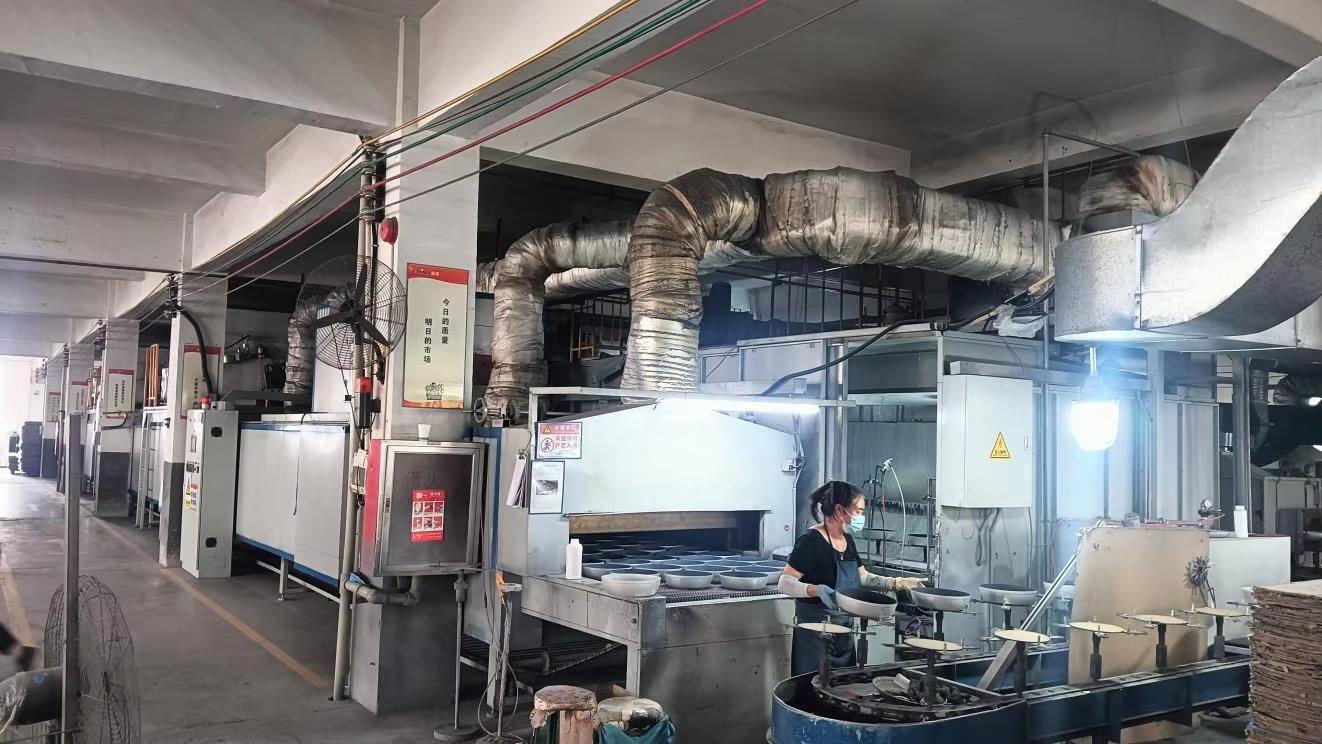
Enclosed Curing Ovens
Continuous tunnel ovens providing precise thermal ramp-up for coating polymerization.
CNC Machining Center
Precision CNC turning ensuring perfectly flat pan bases for stable cooktop contact.
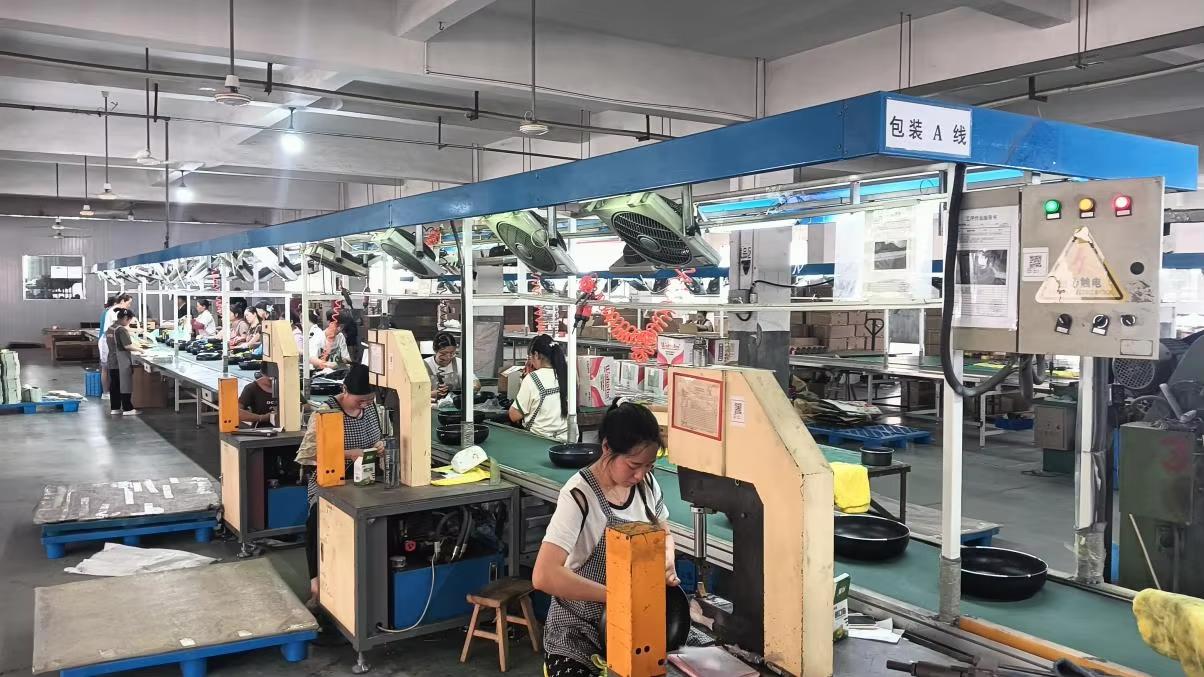
Rivet & Handle Fitting Line
Manual and pneumatic riveting stations securing heavy-duty handles and trim.
Finished Product Line
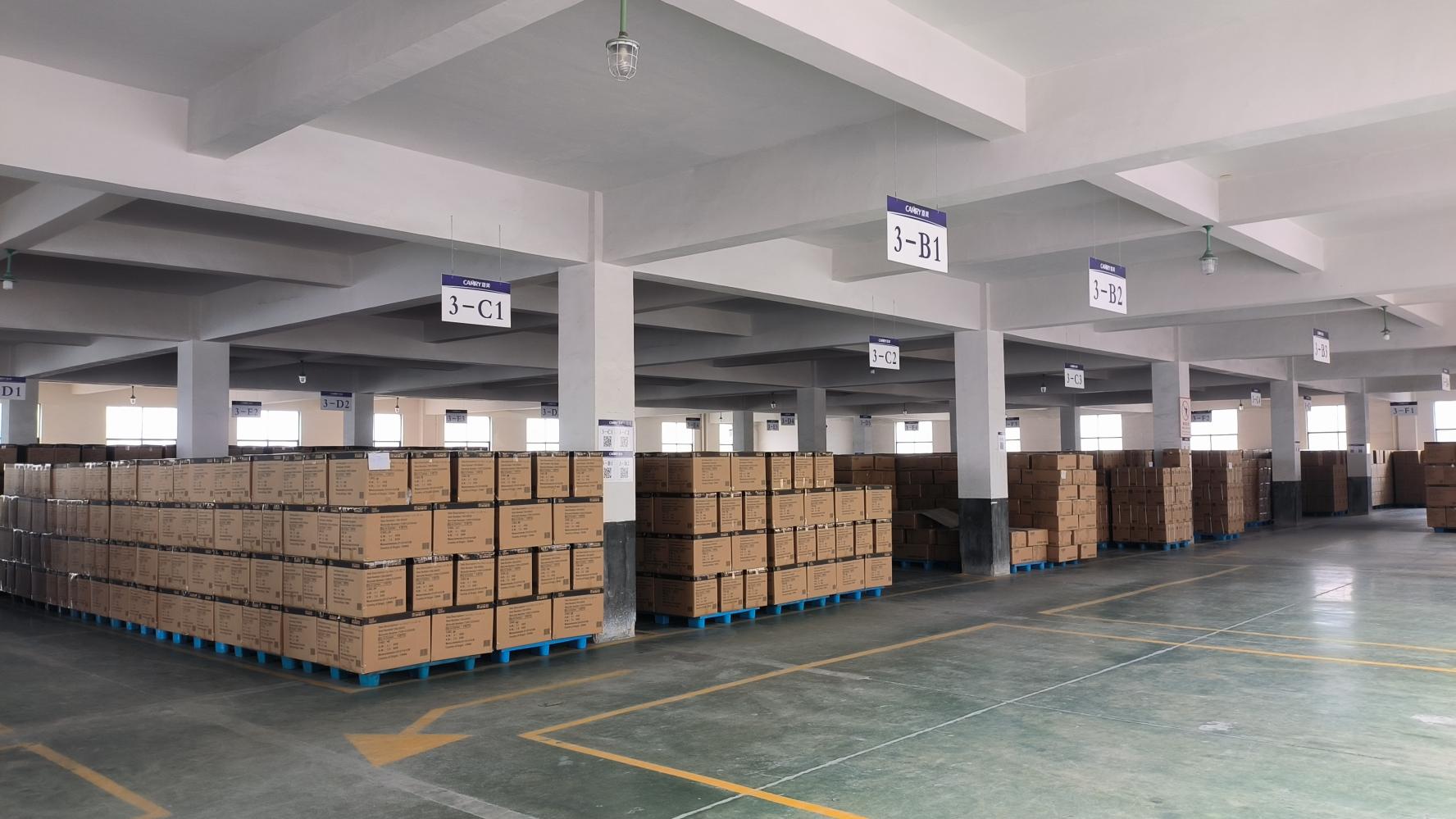
Strict 100% visual inspection, individual polybagging, and custom retail box packing.
Rigorous Quality Control & Testing Facility
To uphold the E-E-A-T (Experience, Expertise, Authoritativeness, Trustworthiness) standard required by tier-1 global retailers, Zhejiang MEIS Kitchenware Co., Ltd. operates an on-site physical and chemical testing laboratory. Every export order is sampled and subjected to destructive and non-destructive testing before container loading.
Central Quality Testing Lab
Dedicated testing facility analyzing coating thickness, gloss, and structural tolerances.
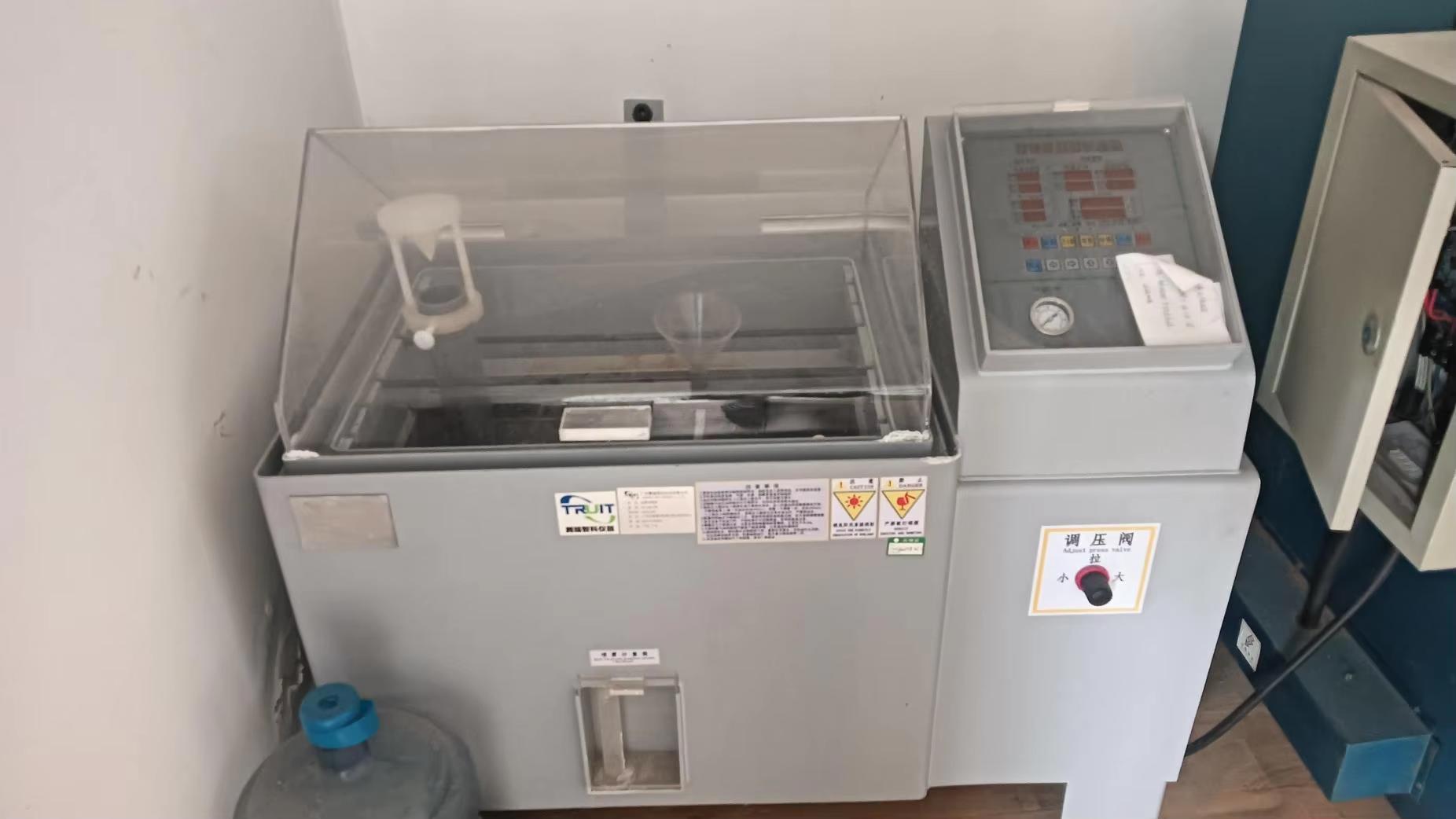
Salt Spray Testing Chamber
Accelerated salt fog environment testing anti-corrosion resistance of anodized layers.
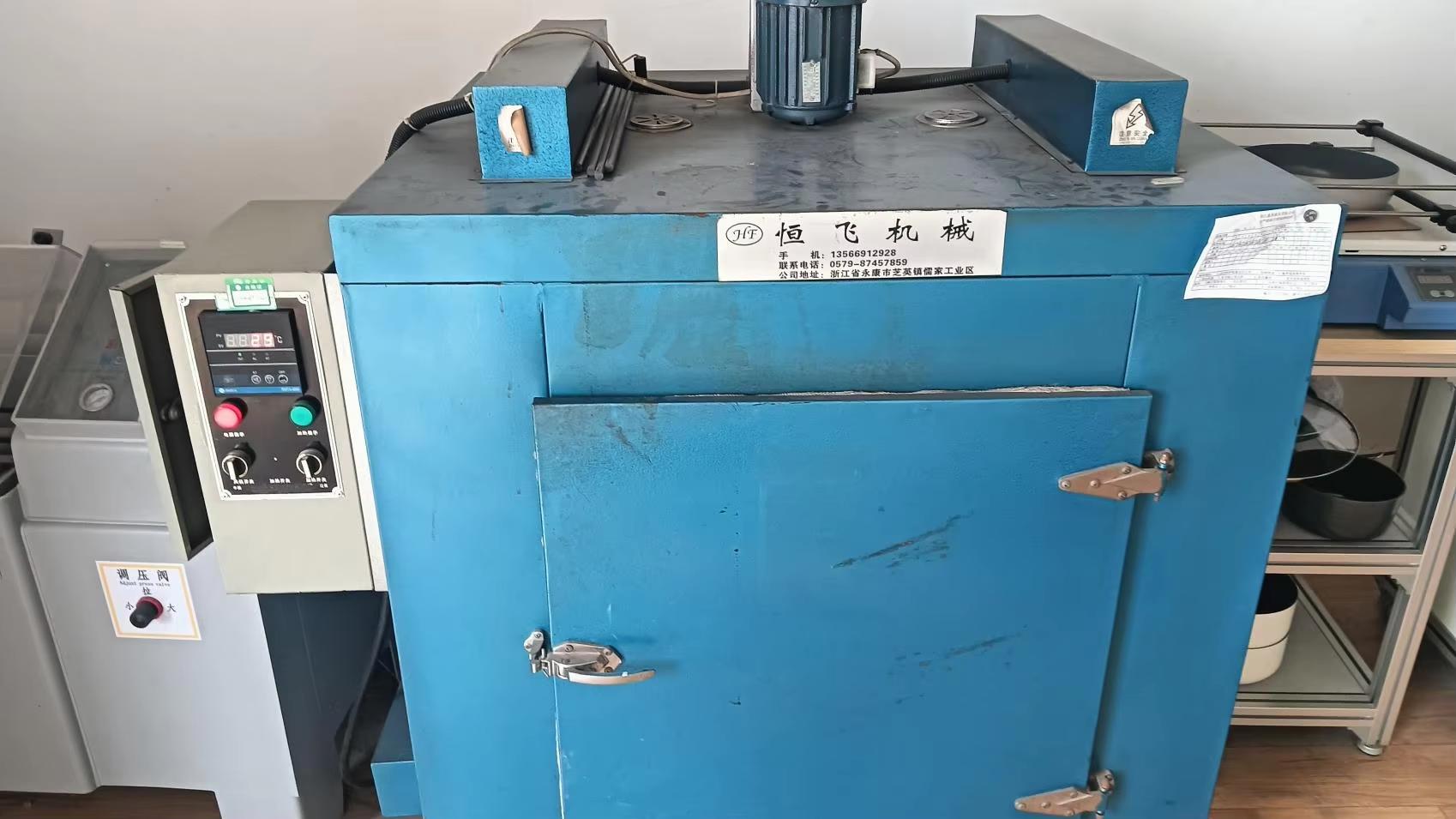
Precision Curing & Heat Oven
Validating coating thermal stability and resistance to sudden temperature spikes.
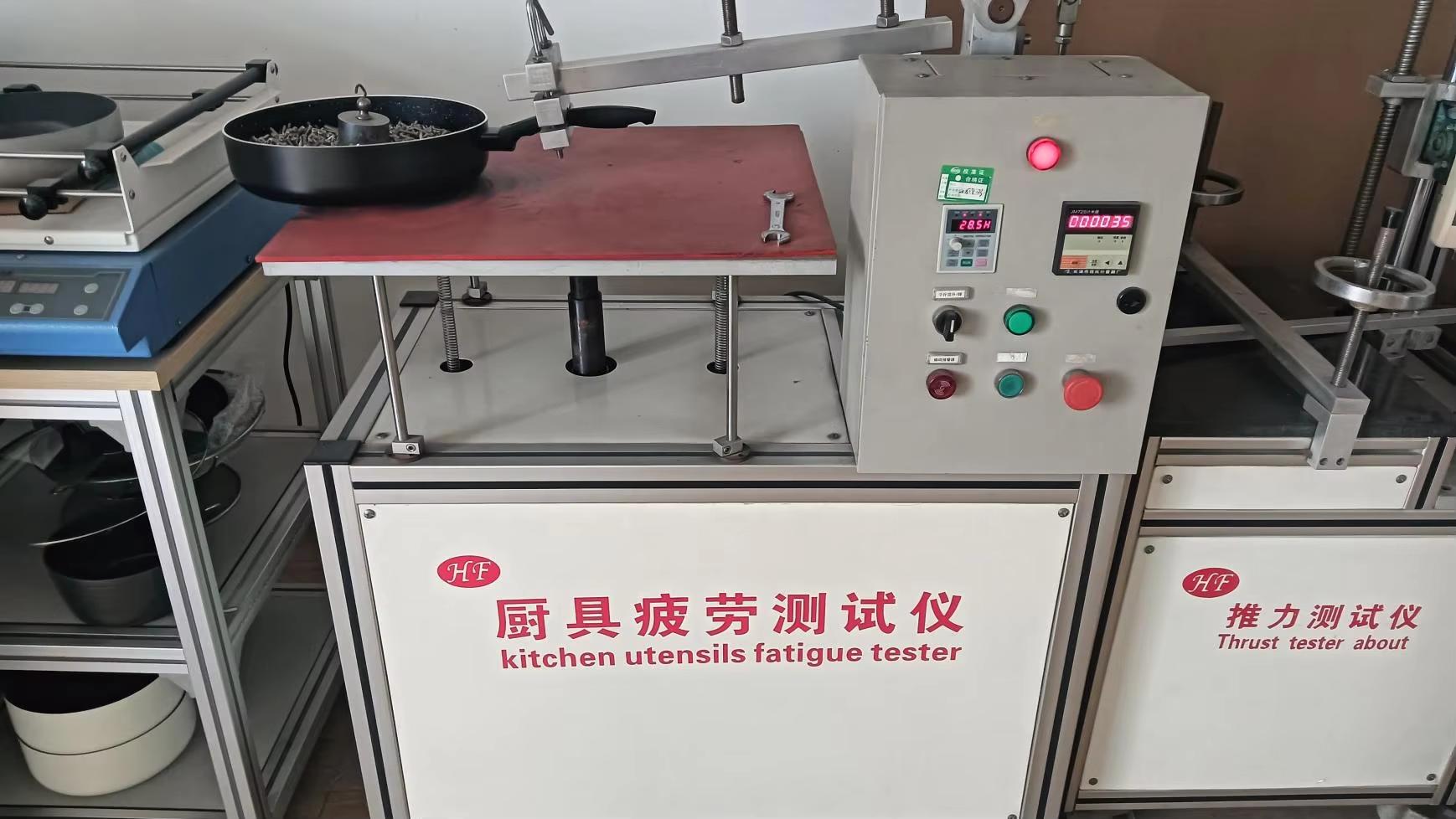
Handle Fatigue Tester
Simulating years of daily lifting and shaking to verify handle joint and rivet strength.
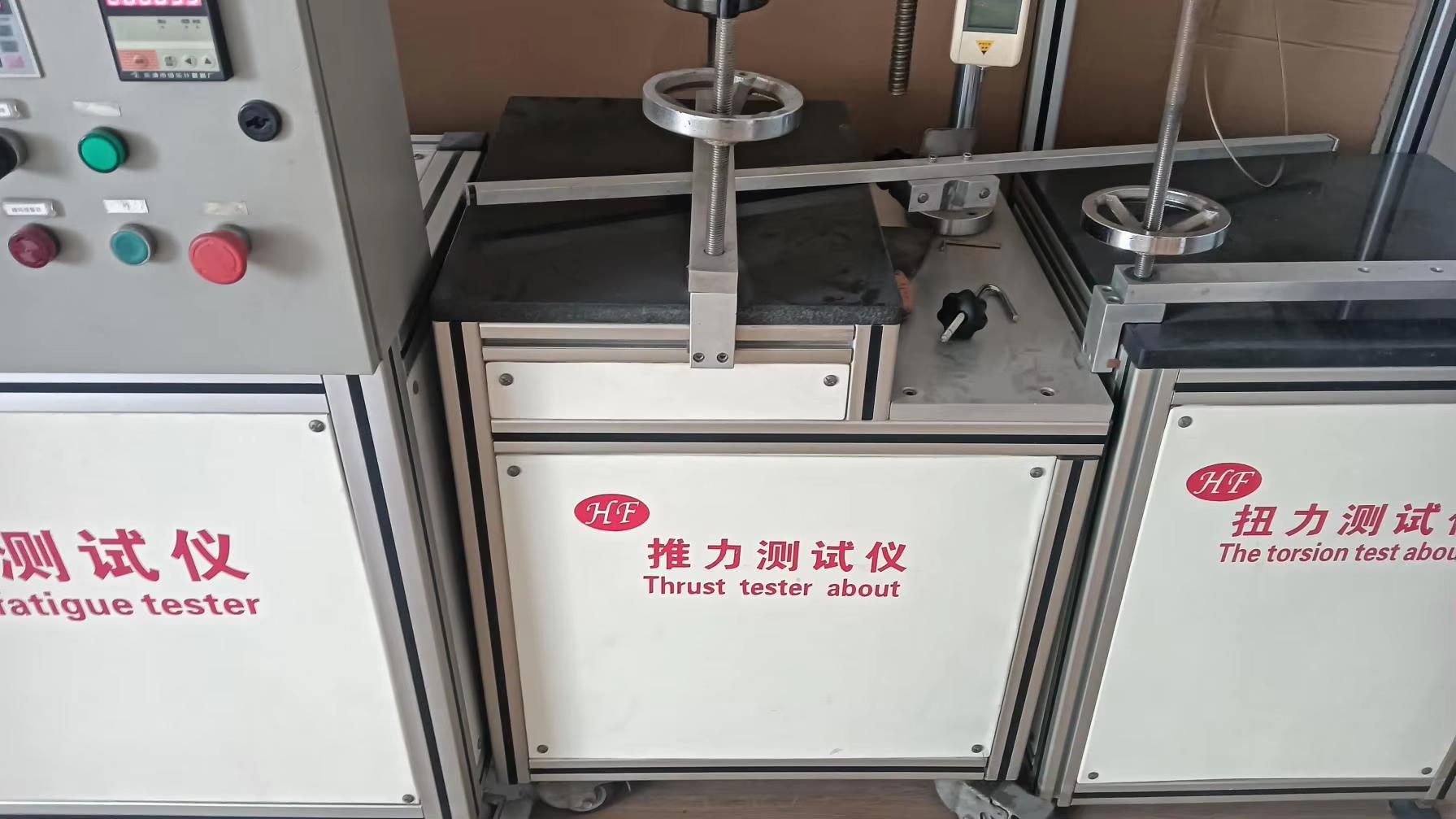
Thrust Load Tester
Applying vertical downward force to check cookware rim and handle assembly endurance.
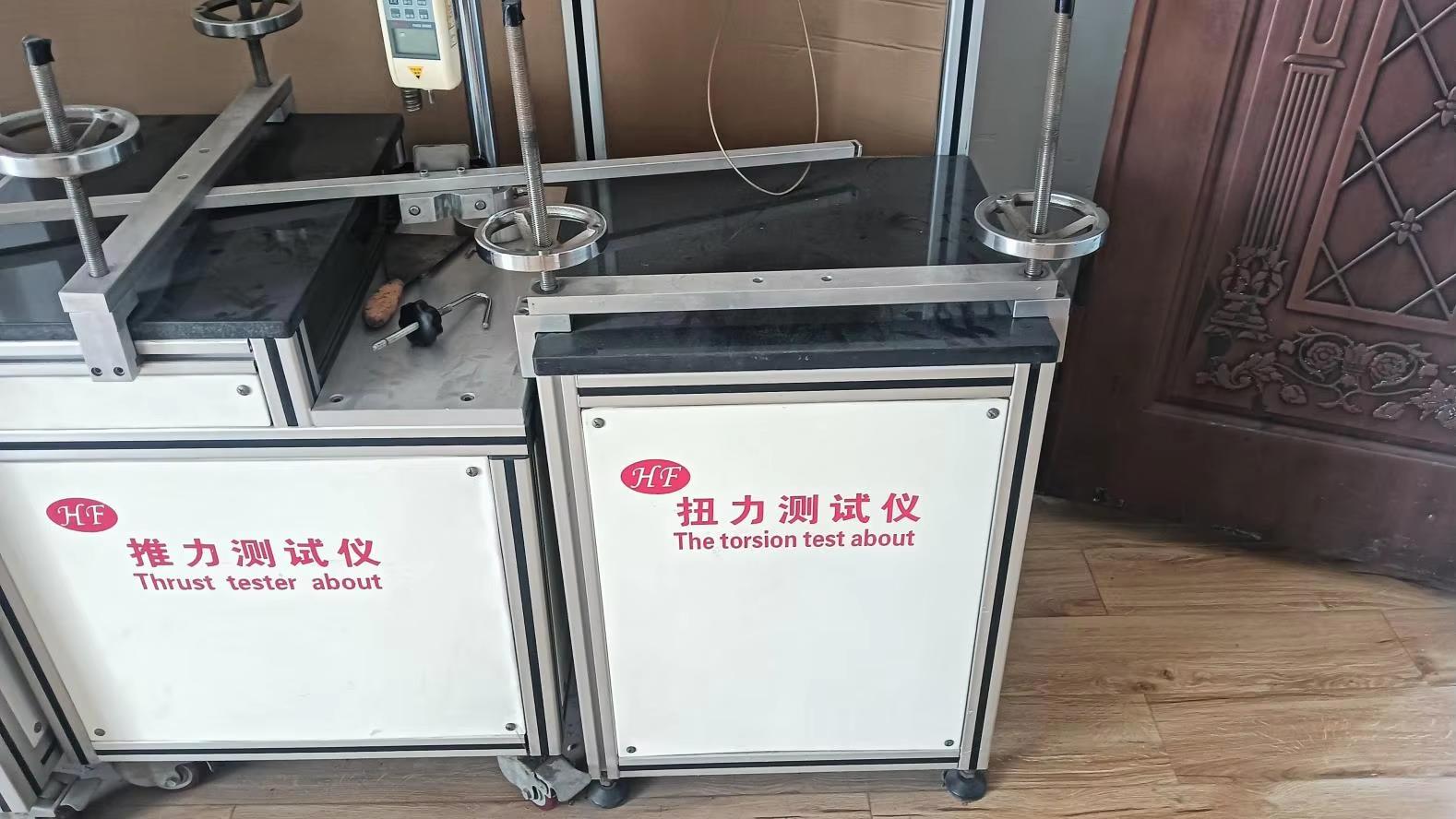
Torsion Tester
Testing handle torsional rigidity to ensure zero twisting or loosening under heavy loads.
6. Why Global Brands Partner with Zhejiang MEIS Kitchenware Co., Ltd.
Located in the Dongnan Industrial Zone, Shuxi Street, Jinhua, Zhejiang, China, Zhejiang MEIS Kitchenware Co., Ltd. stands as a premier manufacturer with 20 years of dedicated industry experience. Spanning over 105 skilled staff members and collaborating with 25 trusted long-term raw material partners, our facility bridges the gap between raw aluminum engineering and market-ready retail cookware.
- Direct Factory Pricing & High Production Capacity: Operating proprietary pressing, CNC machining, automated washing, coating, and assembly lines under one roof lowers overhead costs and eliminates middleman margins.
- Comprehensive OEM / ODM Customization: From custom pan body geometry, gauge thickness (2.0mm to 6.0mm), handle ergonomics, color matching (Pantone system), to bespoke gift-box retail packaging.
- Global Regulatory Compliance: Full compliance with US FDA 21 CFR, EU LFGB, California Proposition 65, REACH, and RoHS standards.
- TÜV Rheinland Verified On-Site Operations: Authentic, audited manufacturing facilities giving global importers complete peace of mind.
Request Your OEM Custom Quotation & Sample Kit Today
Ready to launch or upgrade your Hard Anodized Aluminum Pan program? Contact our engineering and export team directly for technical consultation, factory price lists, and prototype samples.