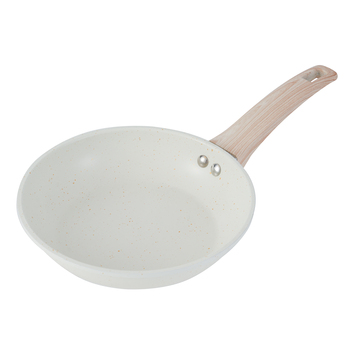
26 cm Heavy-Gauge Carbon Steel Fry Pan
Multi-layer PTFE/Ceramic Nonstick · Soft-Touch Bakelite Handle · Native Induction Base
MOQ 3,000 pcsA comprehensive technical evaluation for global procurement directors, retail chain buyers, and cookware brand owners. Discover how engineered gauge precision, advanced polymer/ceramic surface chemistry, and direct factory production from Zhejiang MEIS Kitchenware Co., Ltd. optimize landed margin and mitigate supply chain risk.
Analysing structural thermal conductivity, ferromagnetic performance, mass efficiency, and total cost of ownership (TCO) for global retail channels.
In the contemporary cookware market, global buyers face increasing pressure to provide products that balance commercial-grade durability, high thermal responsiveness, induction compatibility, and consumer-friendly maintenance. While traditional cast iron is hampered by excessive unit weight and high freight costs, and standard aluminum often requires bonded steel baseplates for induction hob functionality, Nonstick Carbon Steel Cookware has emerged as the definitive high-growth category for major importers, department store buyers, and private label brands.
Carbon steel utilized in kitchenware manufacturing typically contains an iron content of 98-99% combined with 0.05% to 0.30% carbon. This specific metallic alloy structure provides critical physical properties that set it apart from aluminum and cast iron:
To assist procurement managers in establishing accurate SKU positioning, the table below compares nonstick carbon steel against alternative core substrates used in commercial production.
| Performance Parameter | Nonstick Carbon Steel Cookware | Pressed Aluminum Cookware | Forged Aluminum Cookware | Traditional Cast Iron |
|---|---|---|---|---|
| Material Gauge Range | 1.0mm - 2.5mm (Heavy Duty) | 1.5mm - 2.5mm | 3.0mm - 4.5mm (Thick Base) | 4.0mm - 6.0mm |
| Native Induction Fit | 100% Magnetic Native Base | Requires Bonded Base Plate | Requires Bonded Base Plate | Native Magnetic (Heavy) |
| Shipping & Freight Mass | Optimized (Lightweight-to-Strength) | Lowest Freight Mass | Medium Freight Mass | Very High (Costly Sea Freight) |
| Warp Resistance | Exceptional (High Tensile Yield) | Moderate under extreme heat | High Thermal Stability | Rigid, but brittle under dropped impact |
| Coating System Flexibility | Ceramic, Marble, Titanium, PTFE | Ceramic, PTFE, Marble | Granite, Marble, Hard Anodized | Seasoning Oil / Enamel |
| Ideal Retail Channel | Mass Market, E-Commerce, Retail Sets | Promotional, Hypermarkets | Mid-to-Premium Department Stores | Specialty Culinary Boutiques |
At Zhejiang MEIS Kitchenware Co., Ltd., every nonstick carbon steel pan and bakeware set undergoes end-to-end processing across automated production, surface preparation, multi-stage coating, assembly, and rigorous laboratory quality assurance.
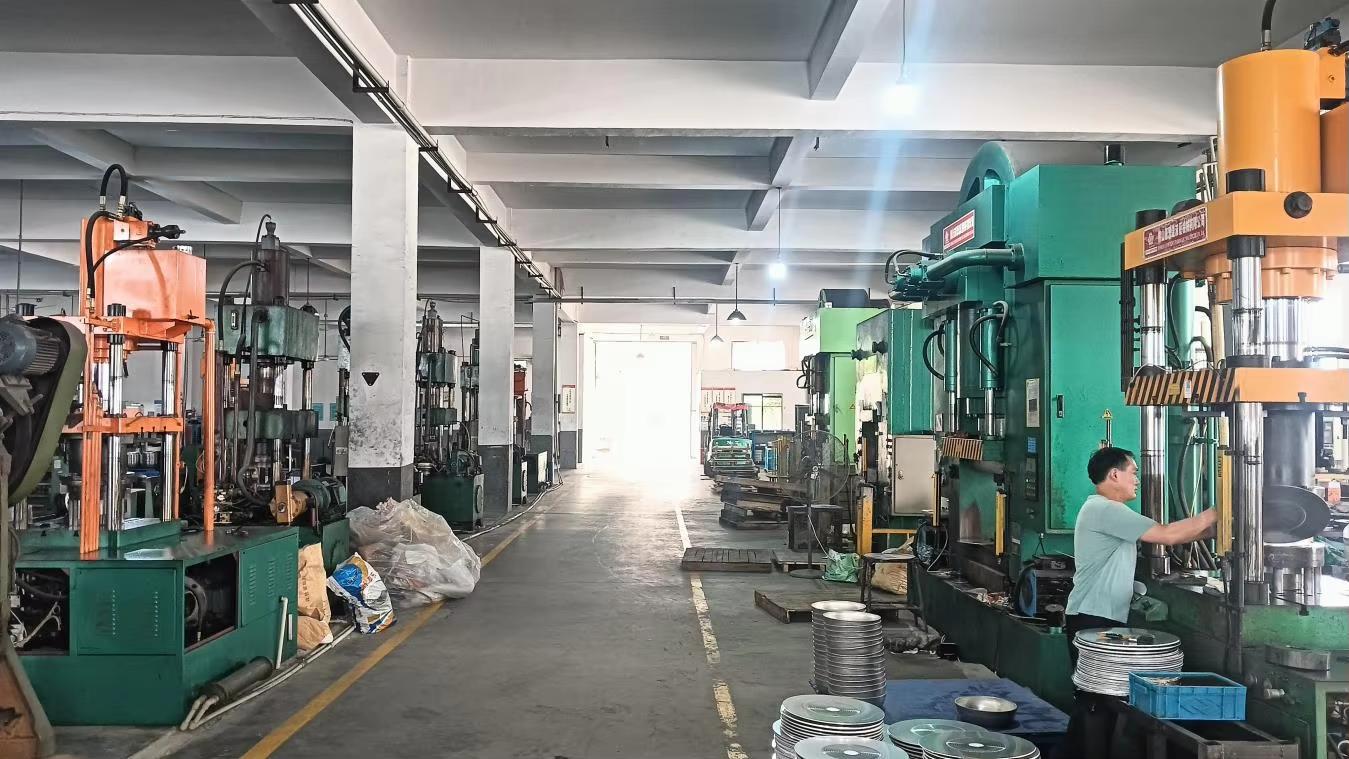
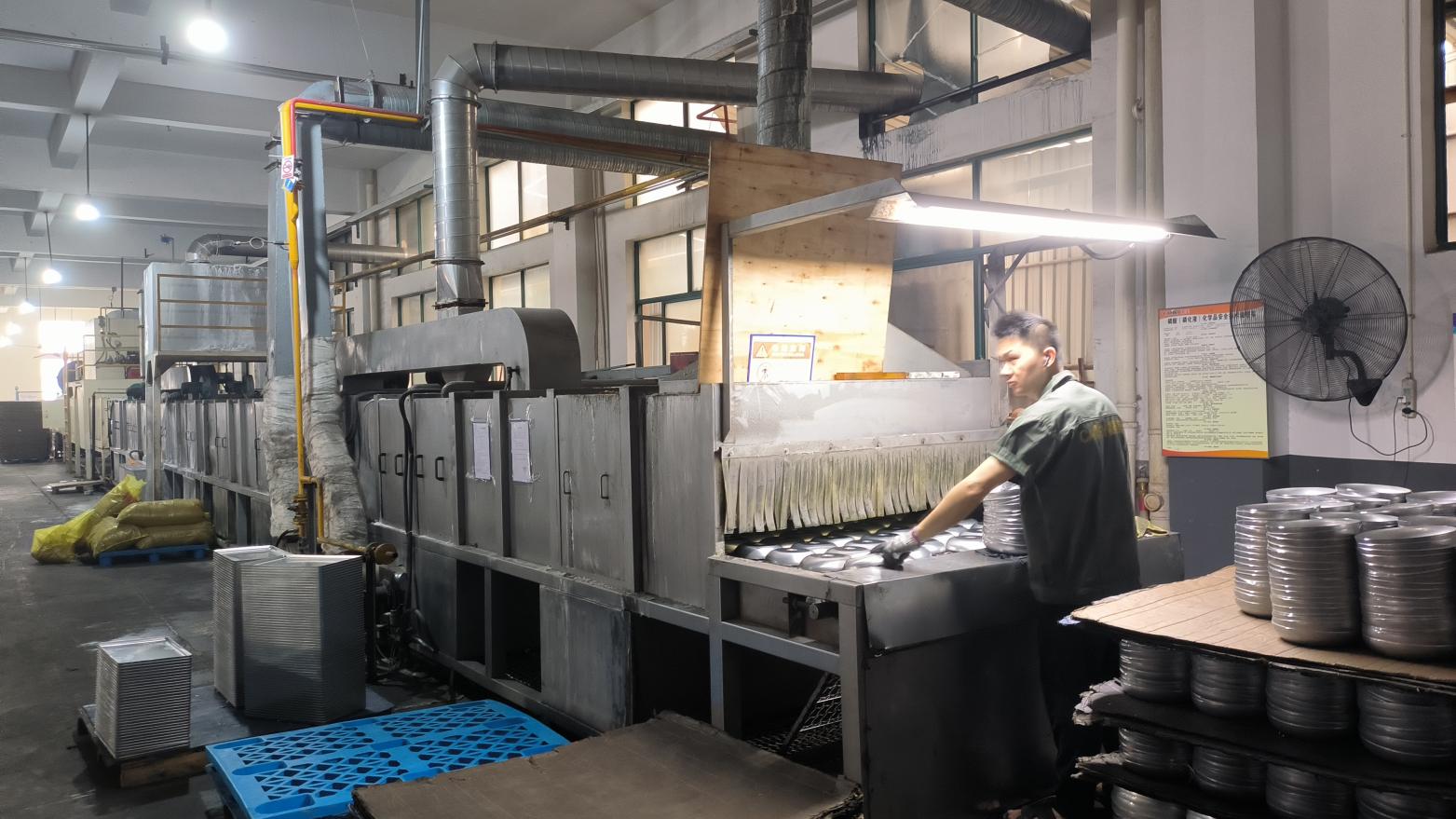
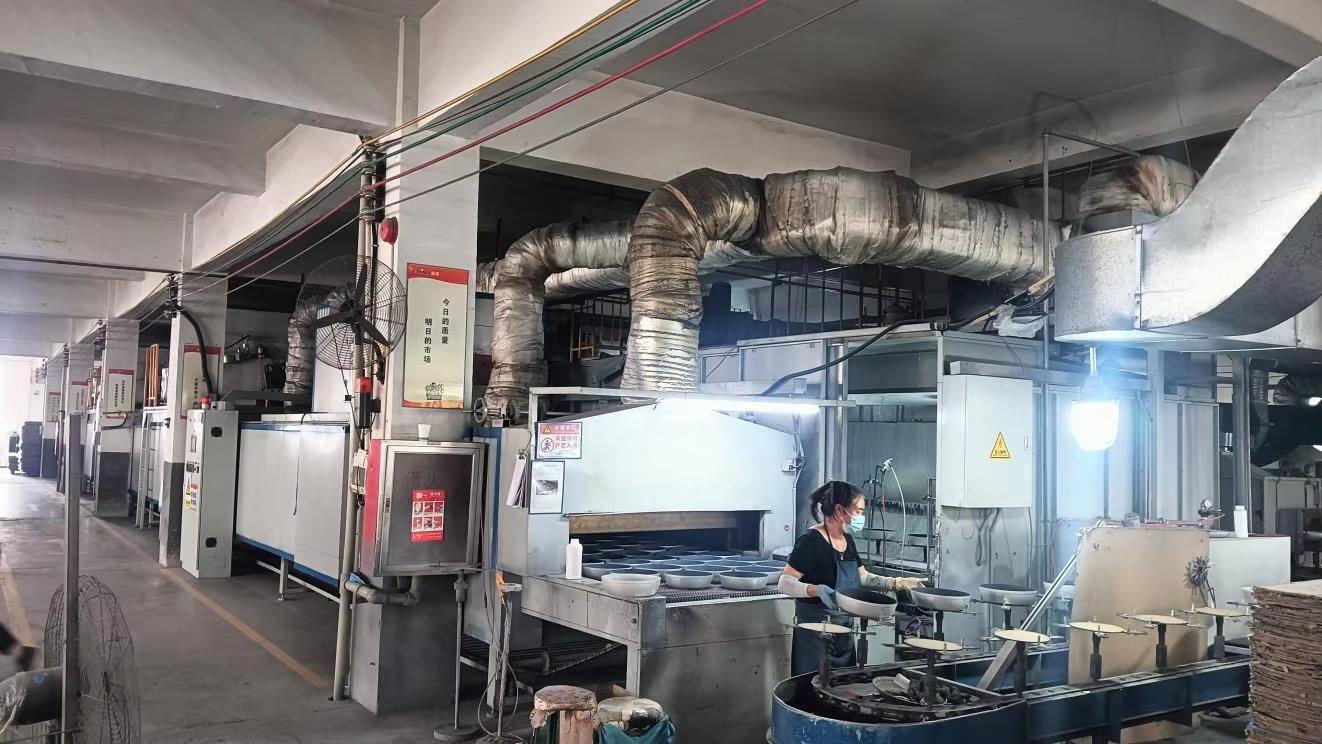
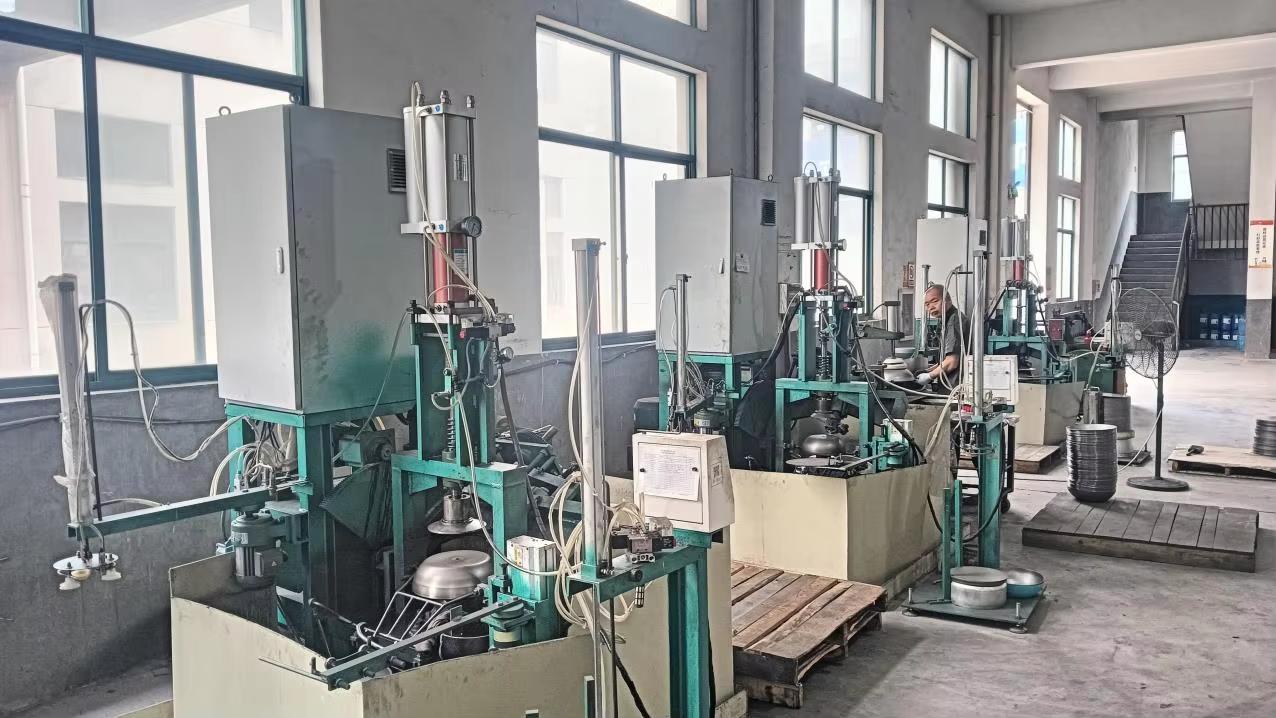
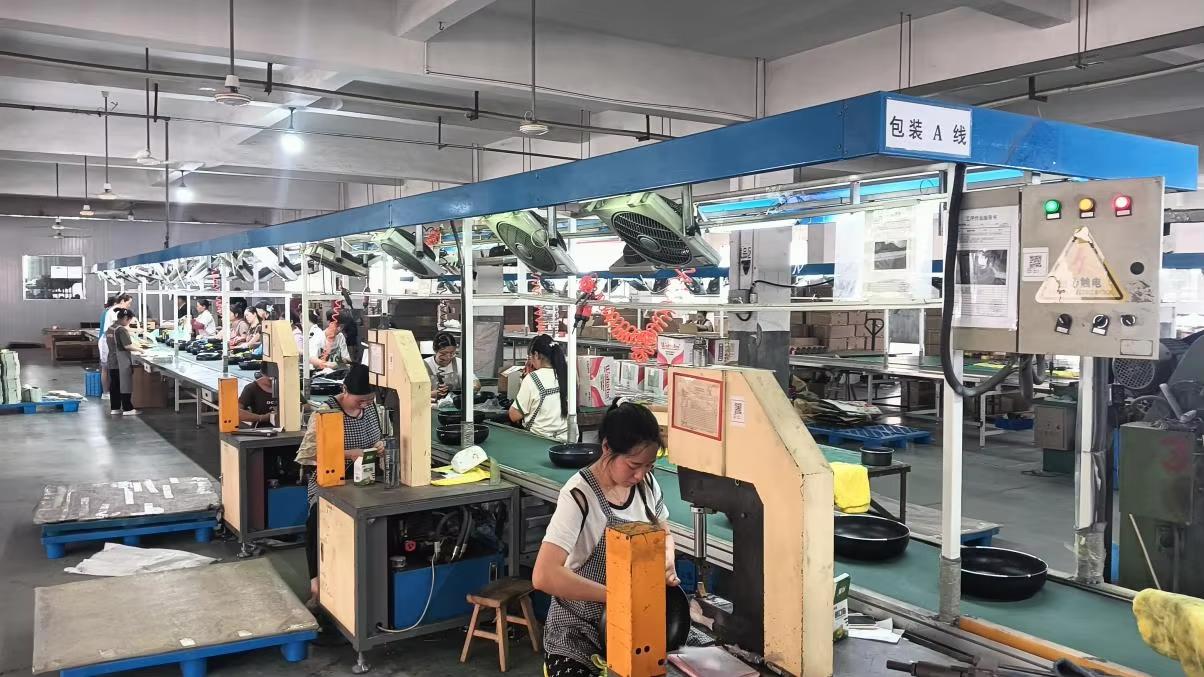
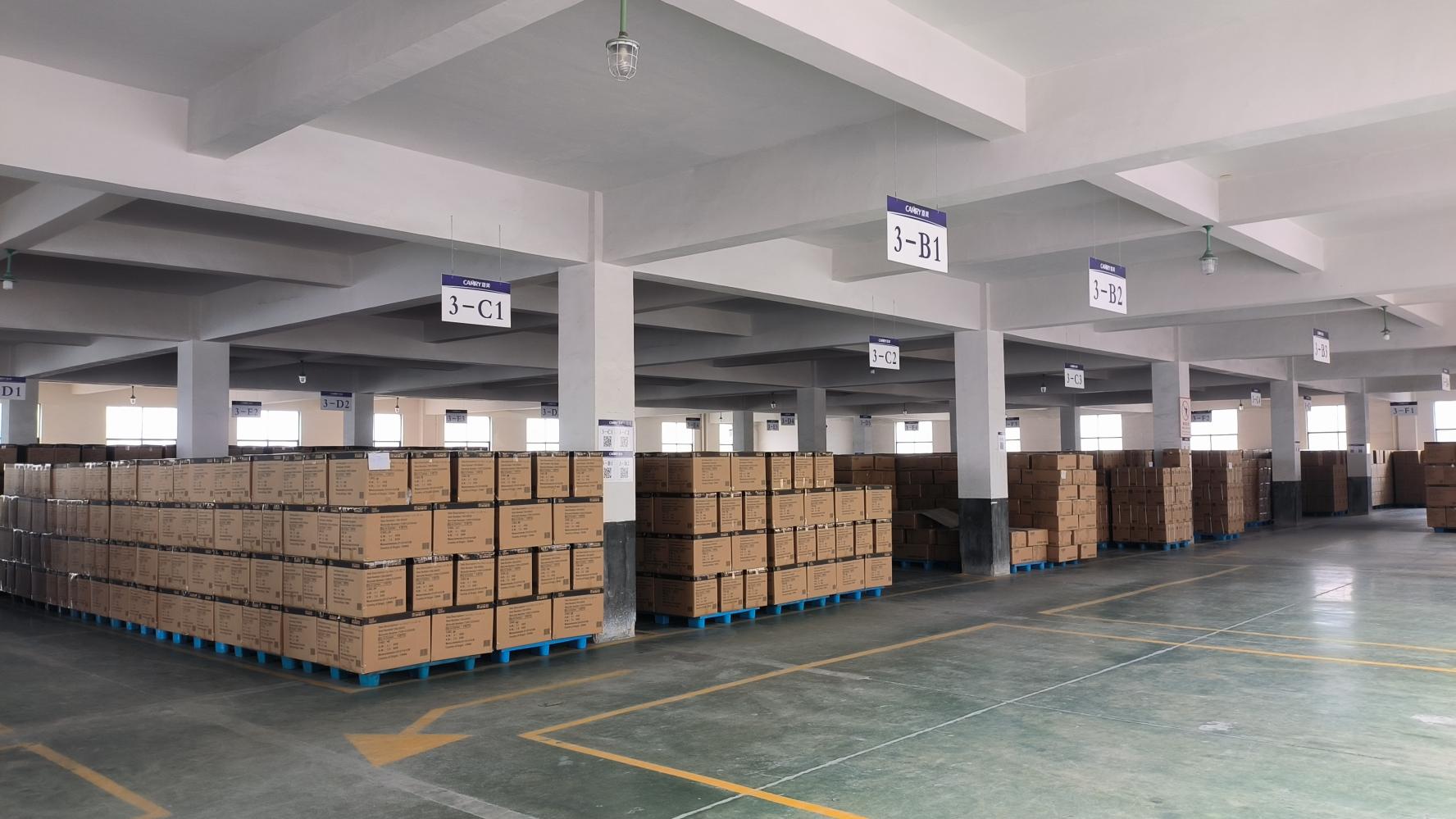
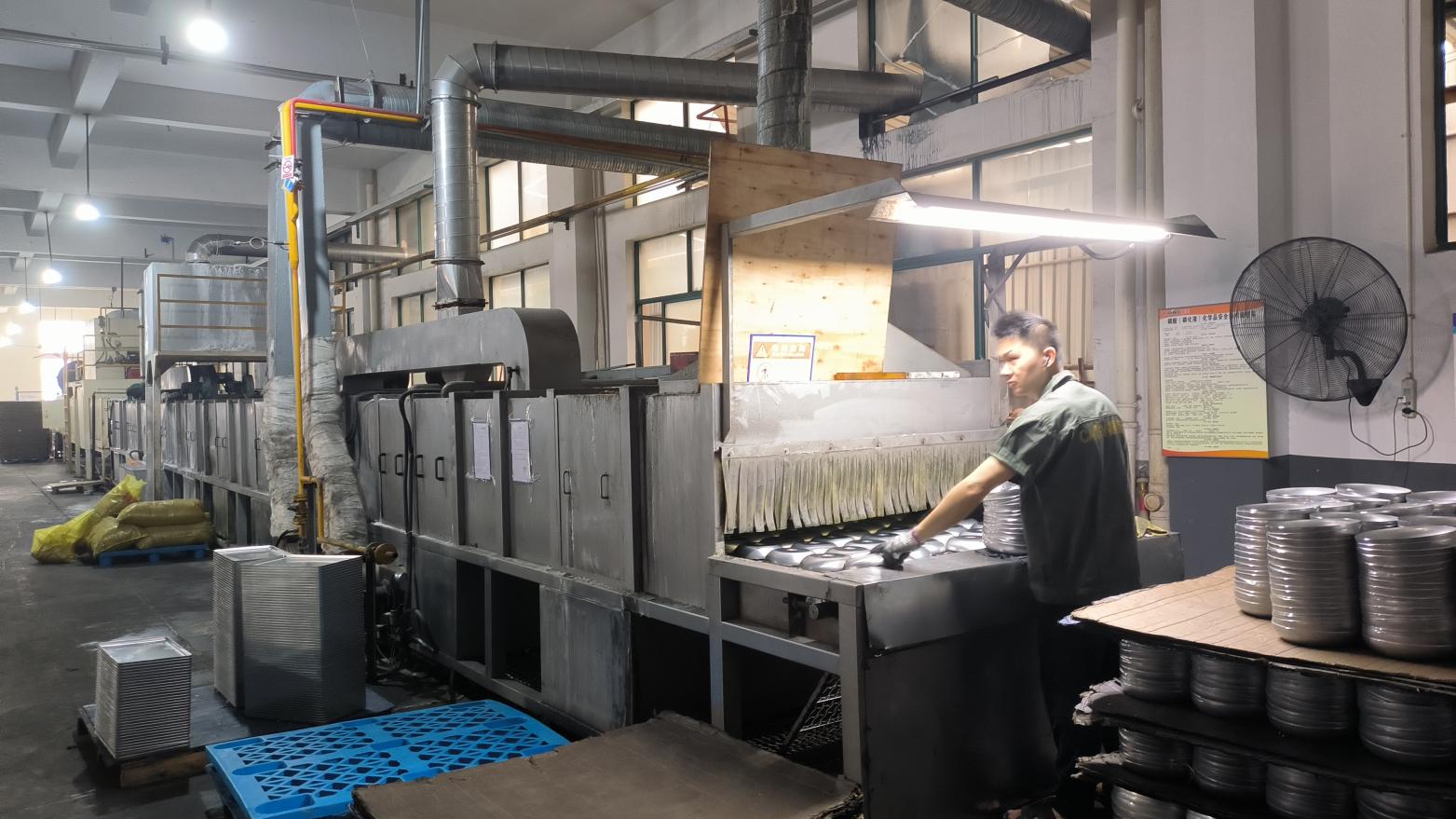
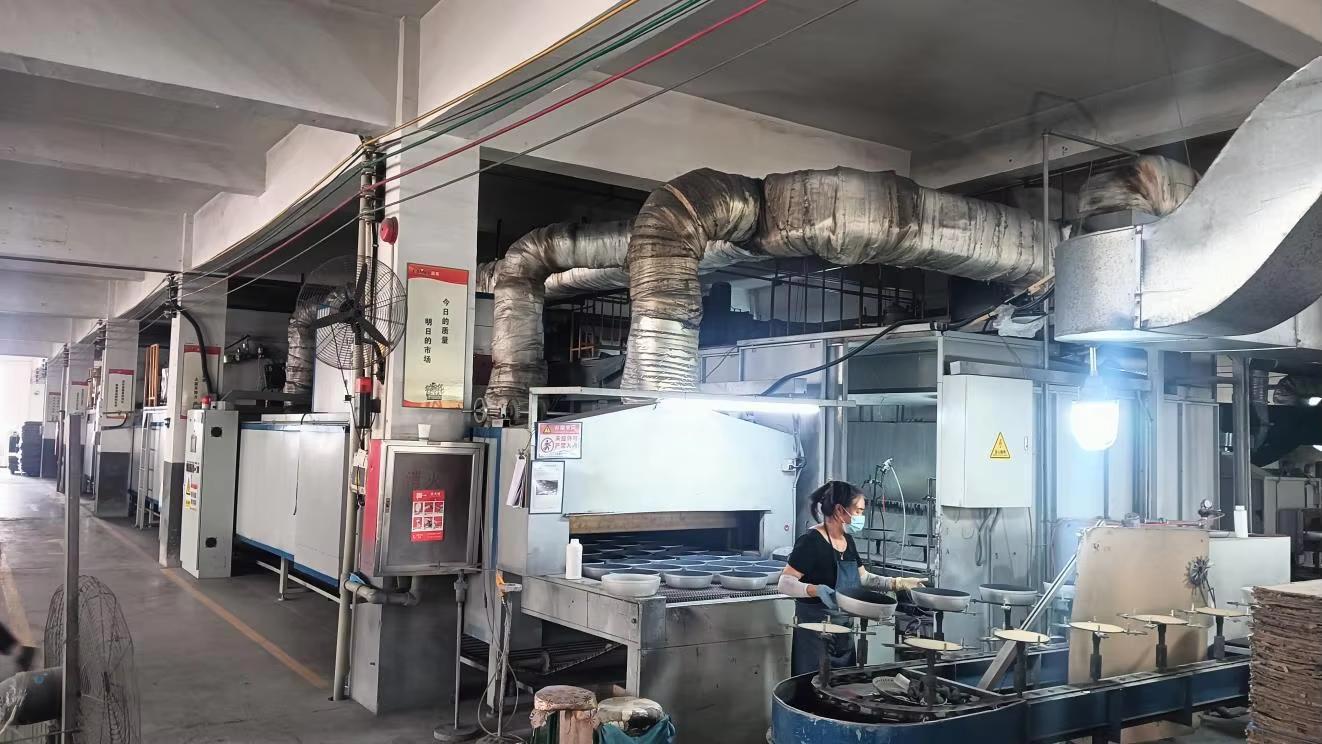
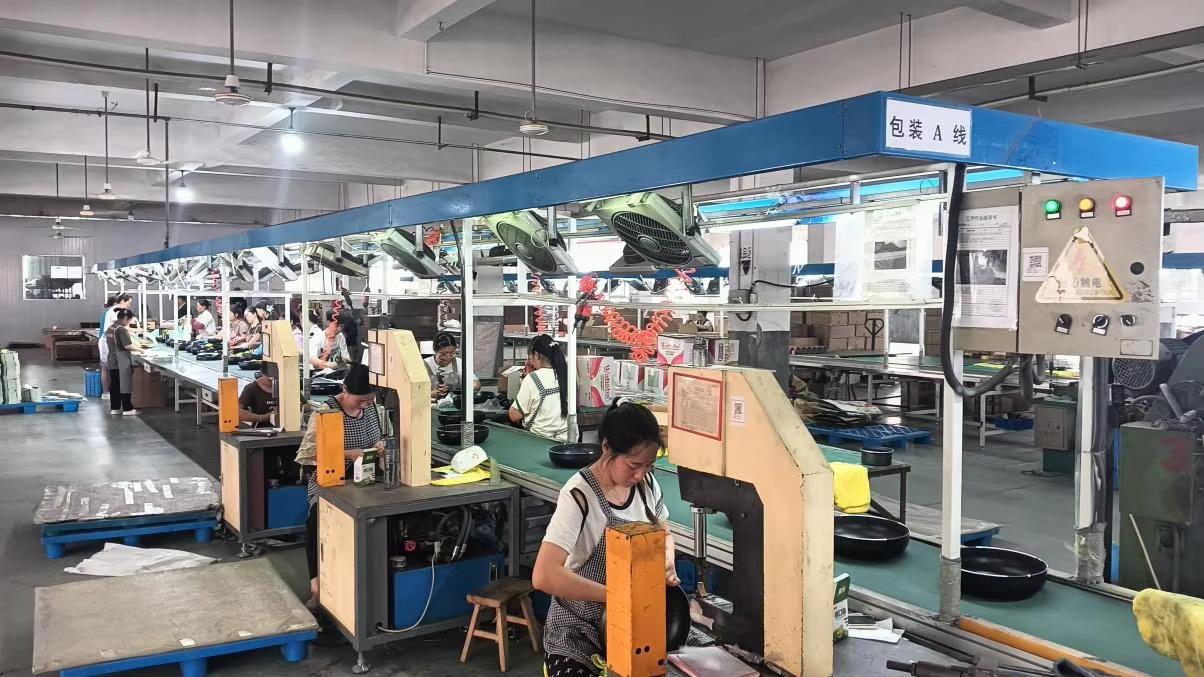
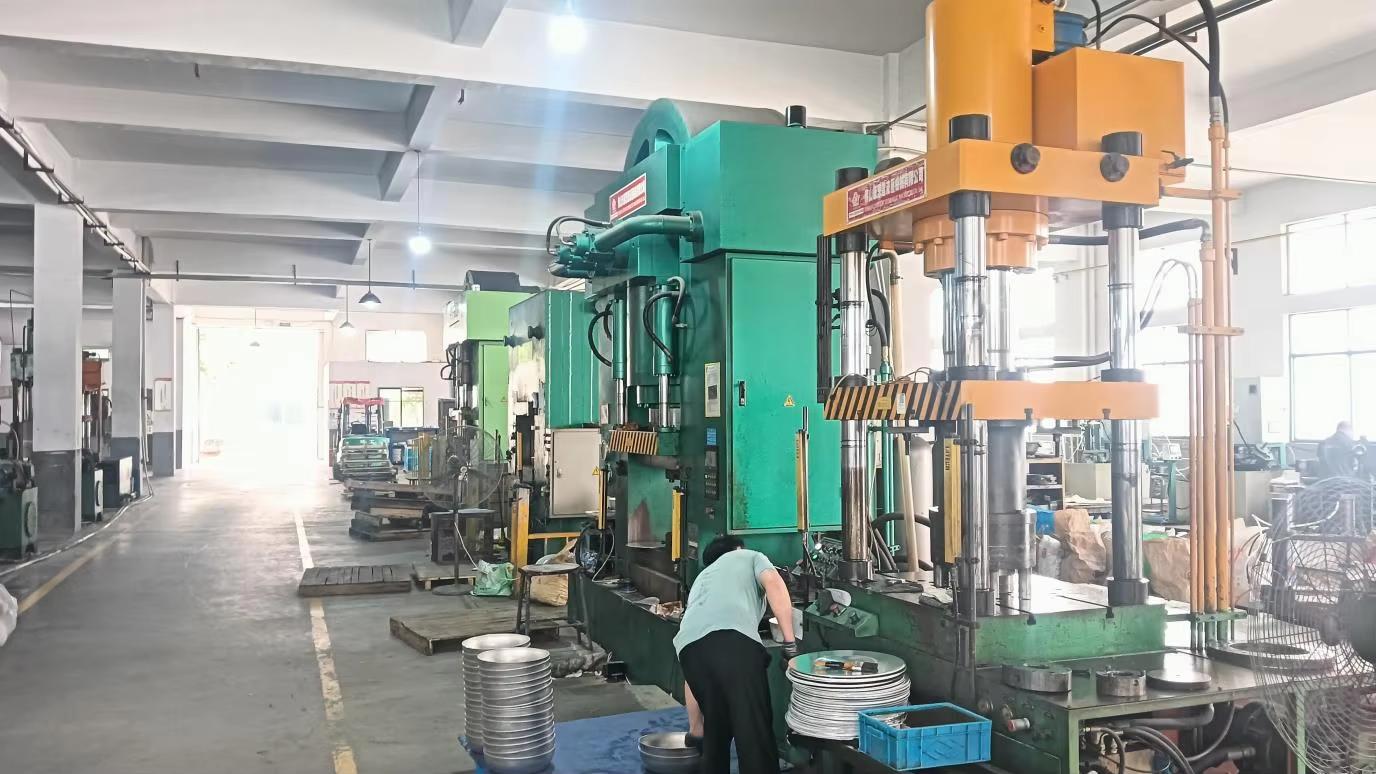
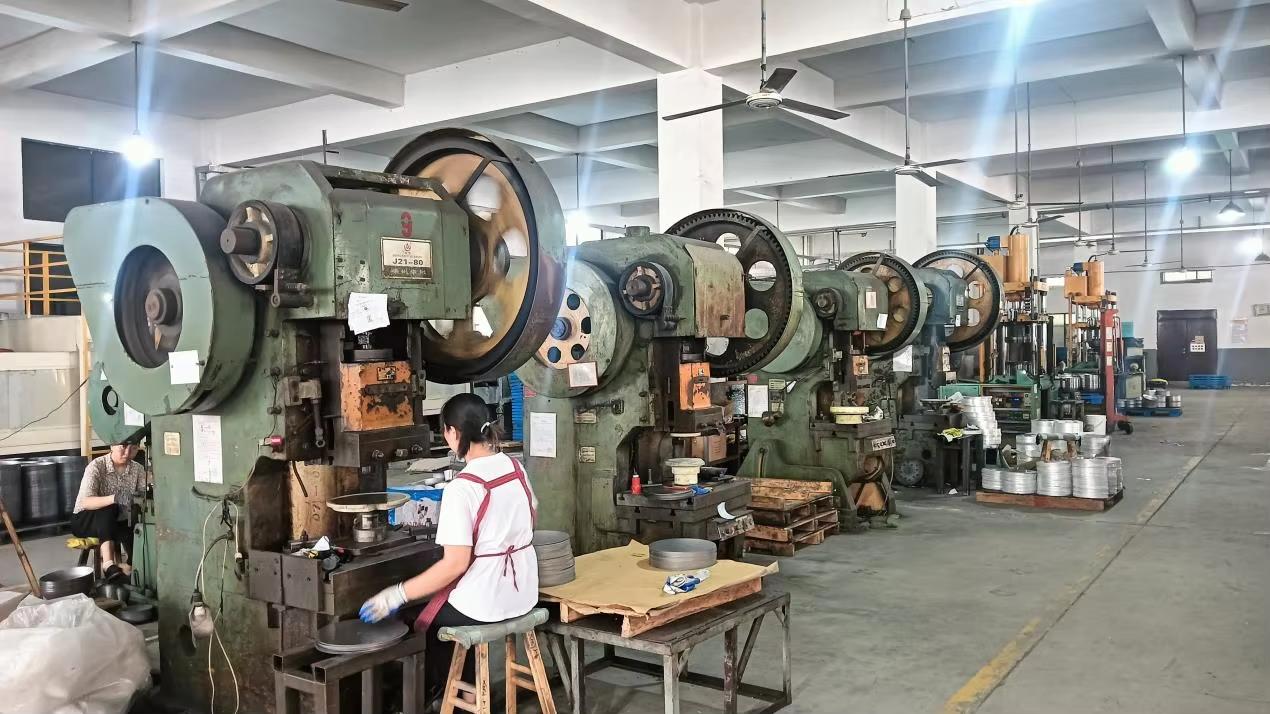
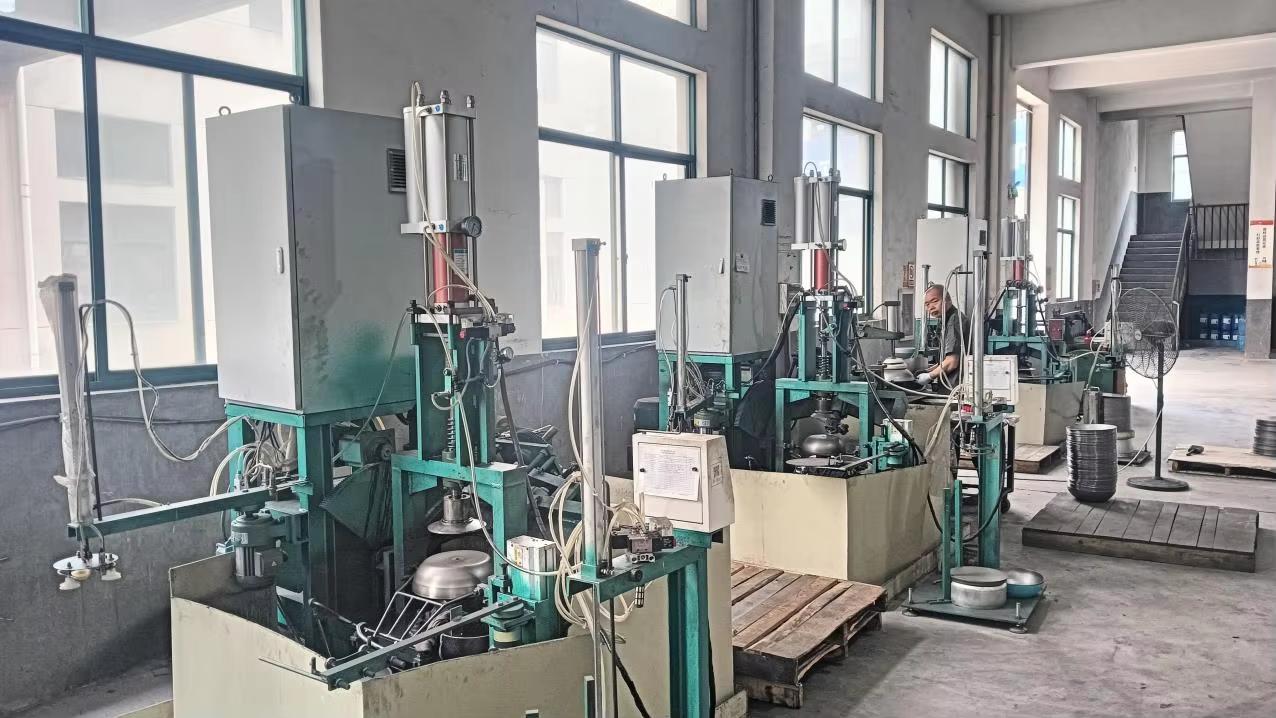
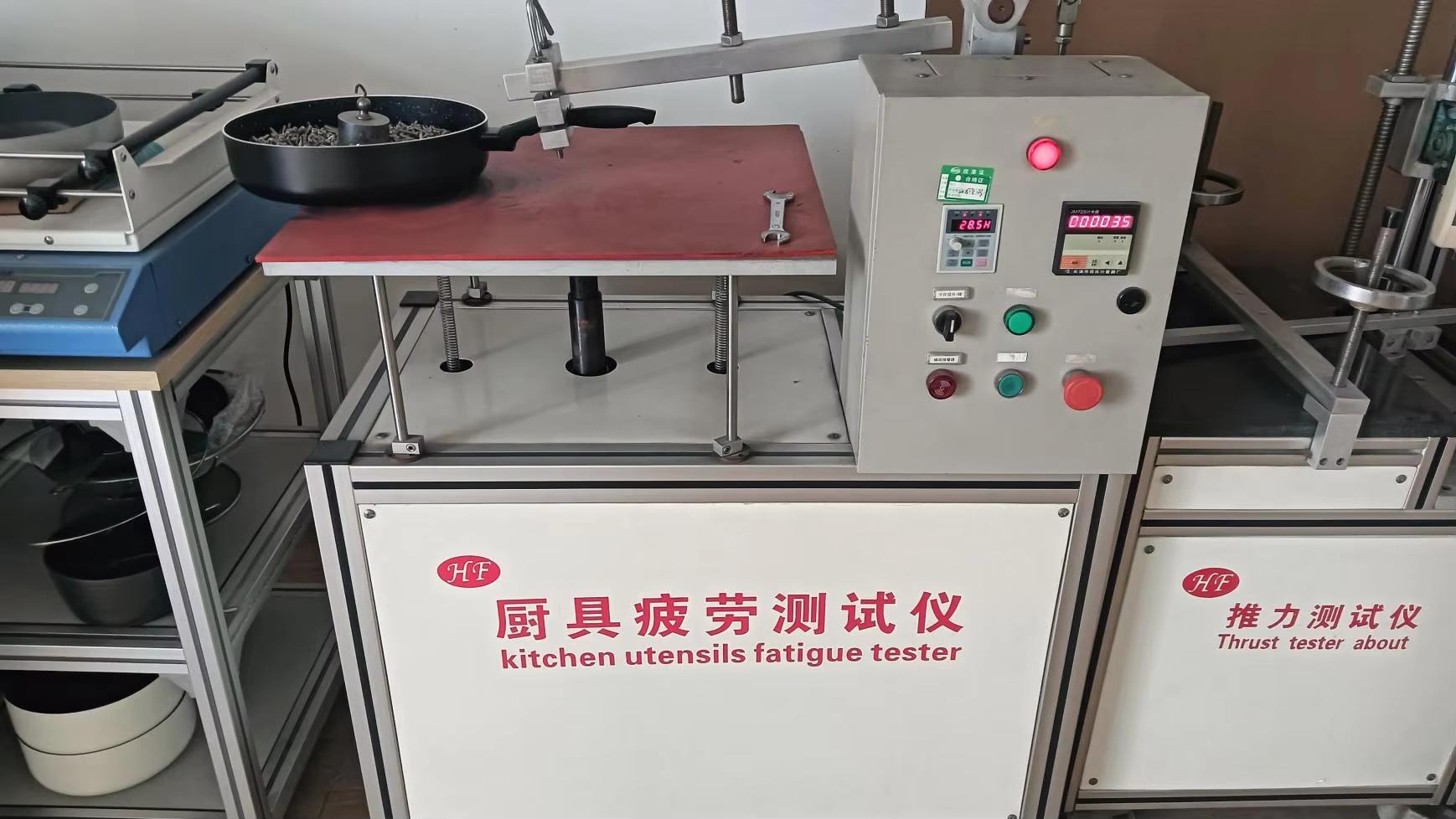
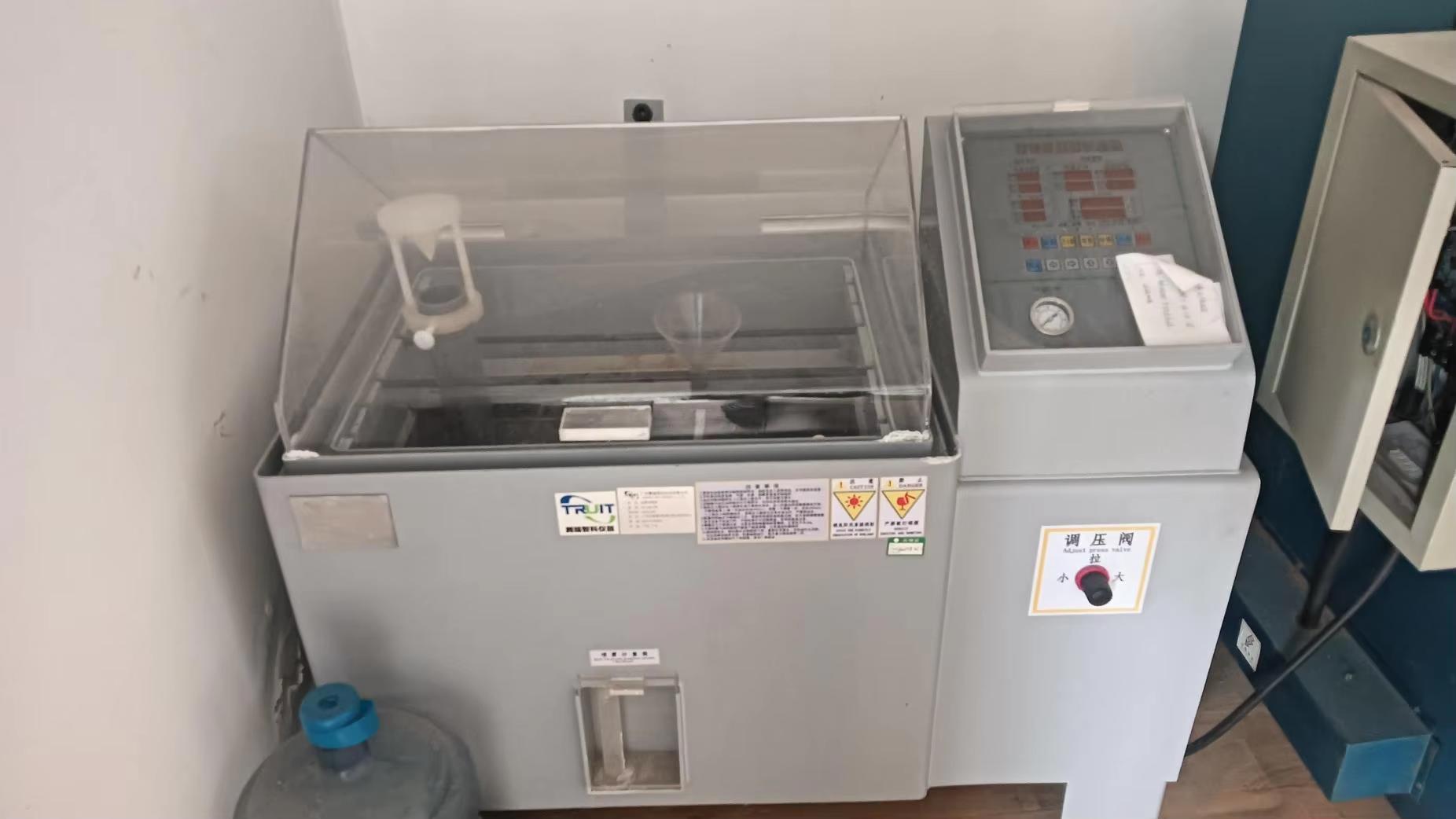
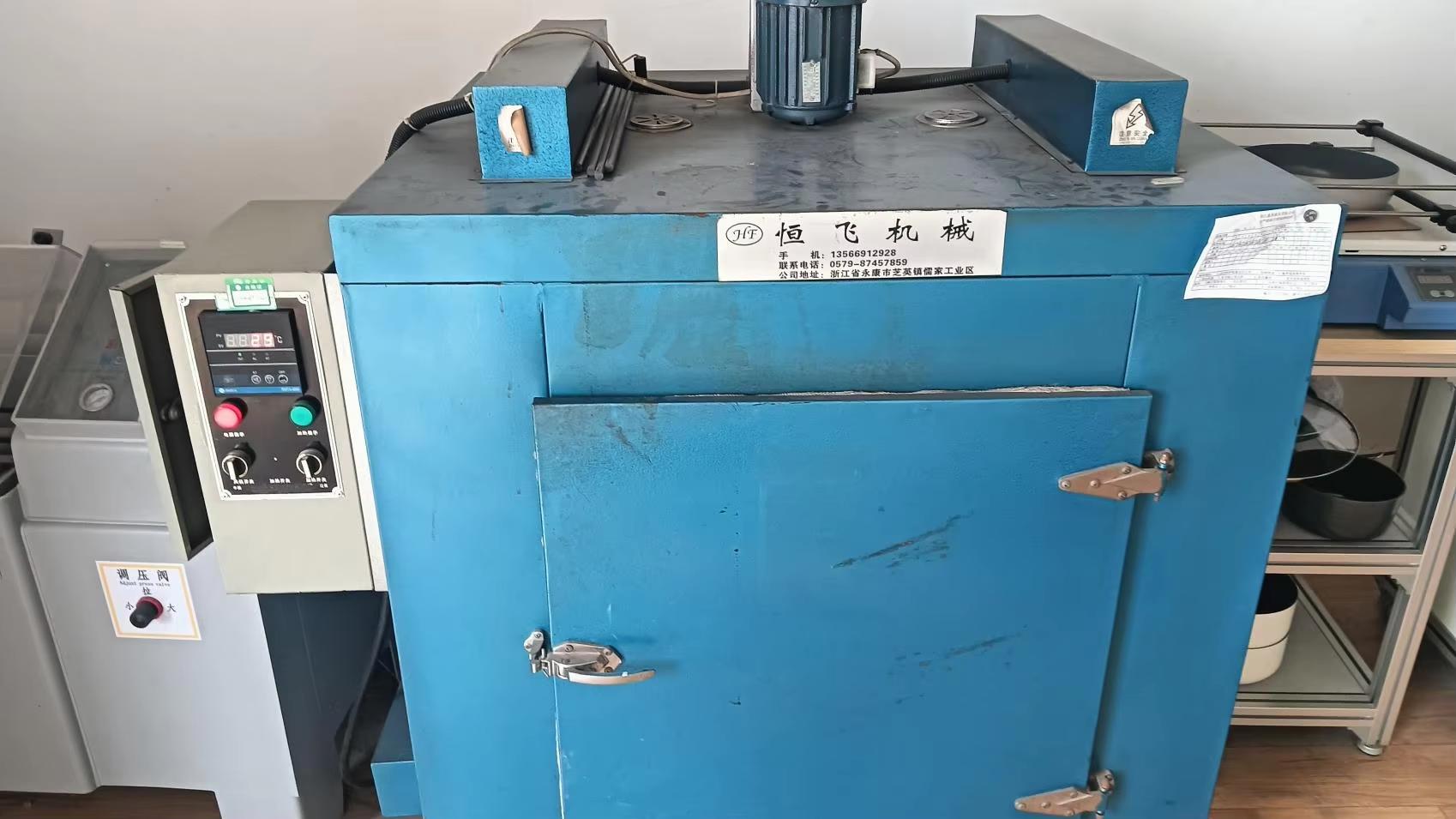
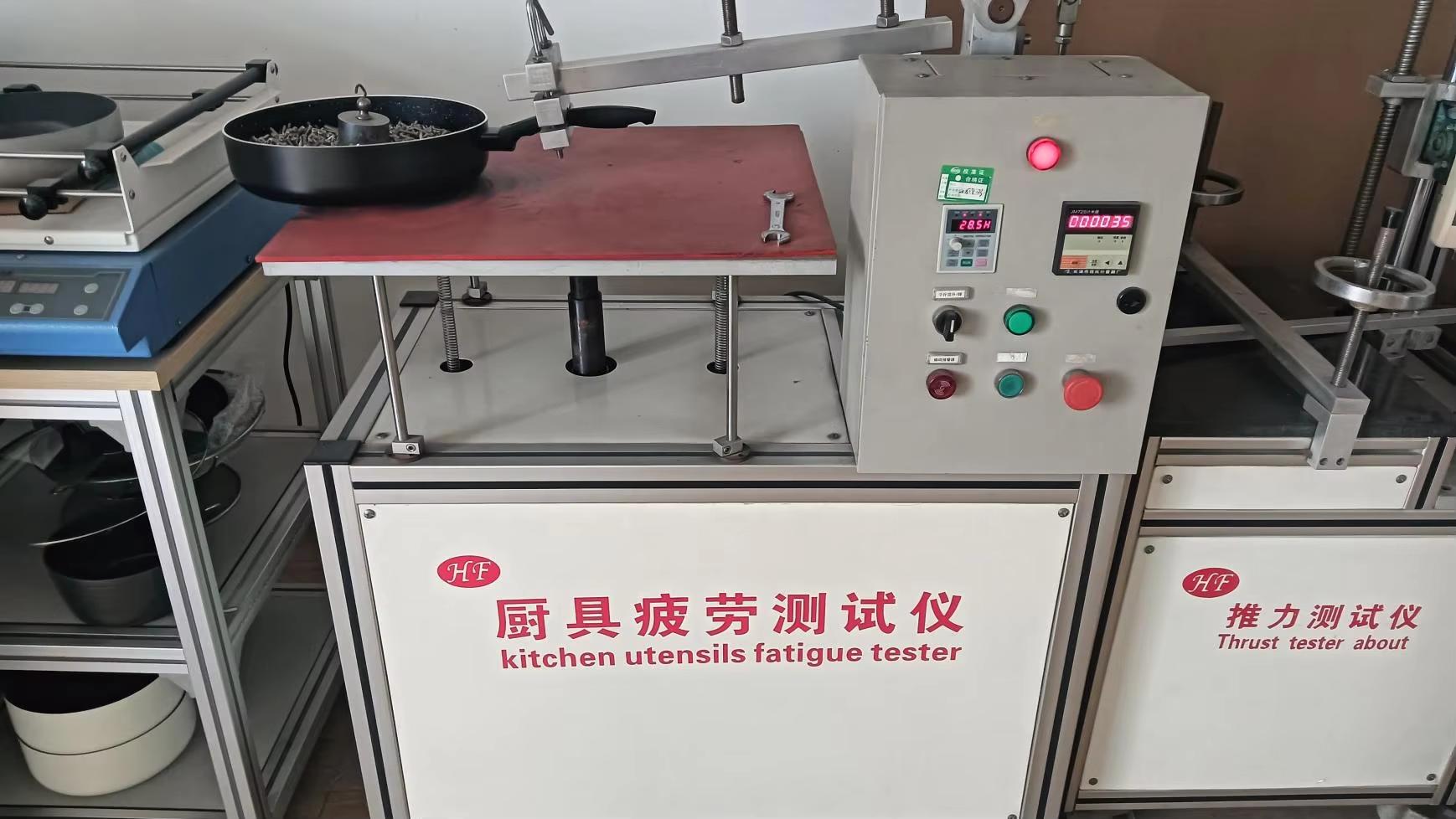
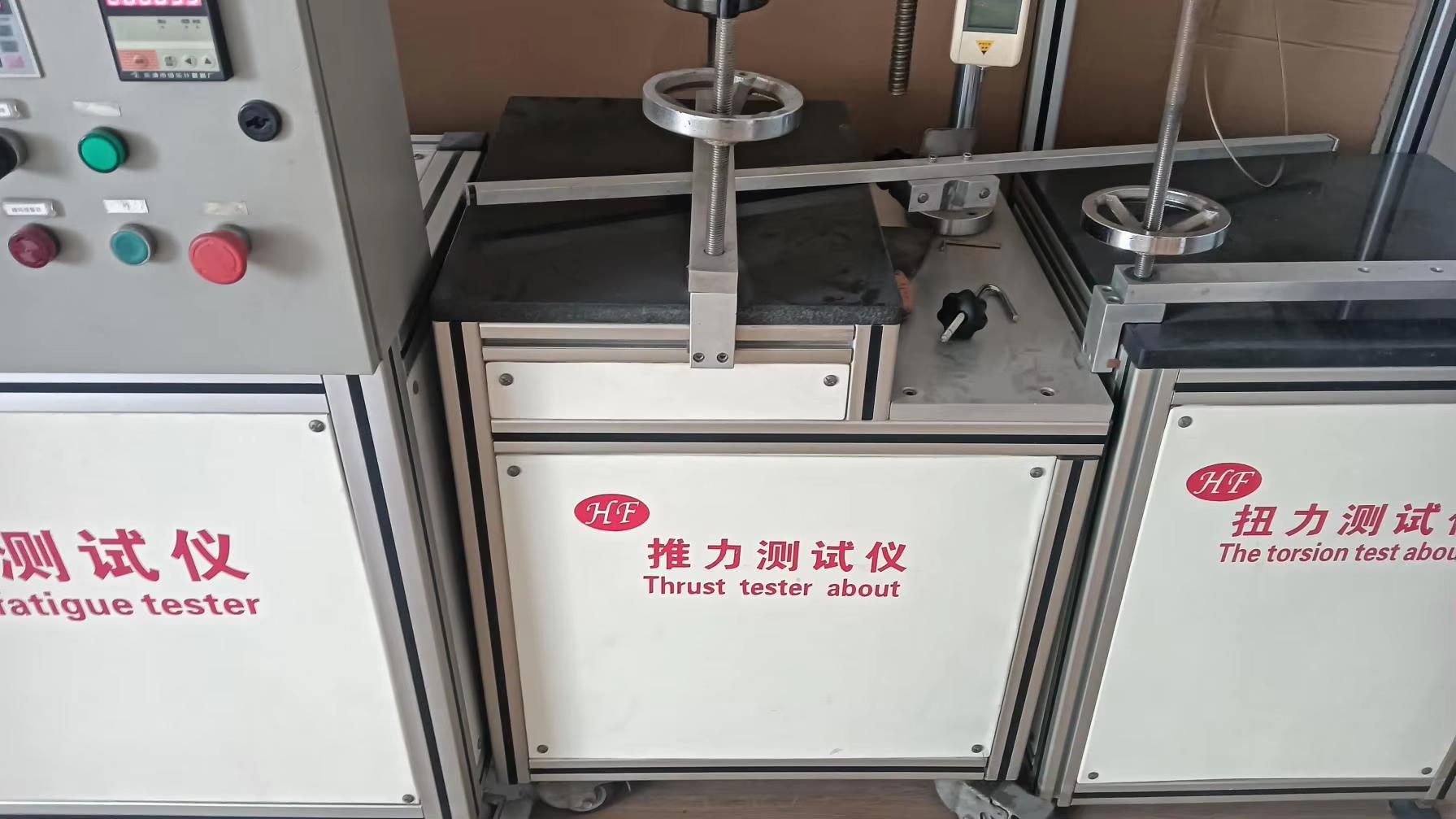
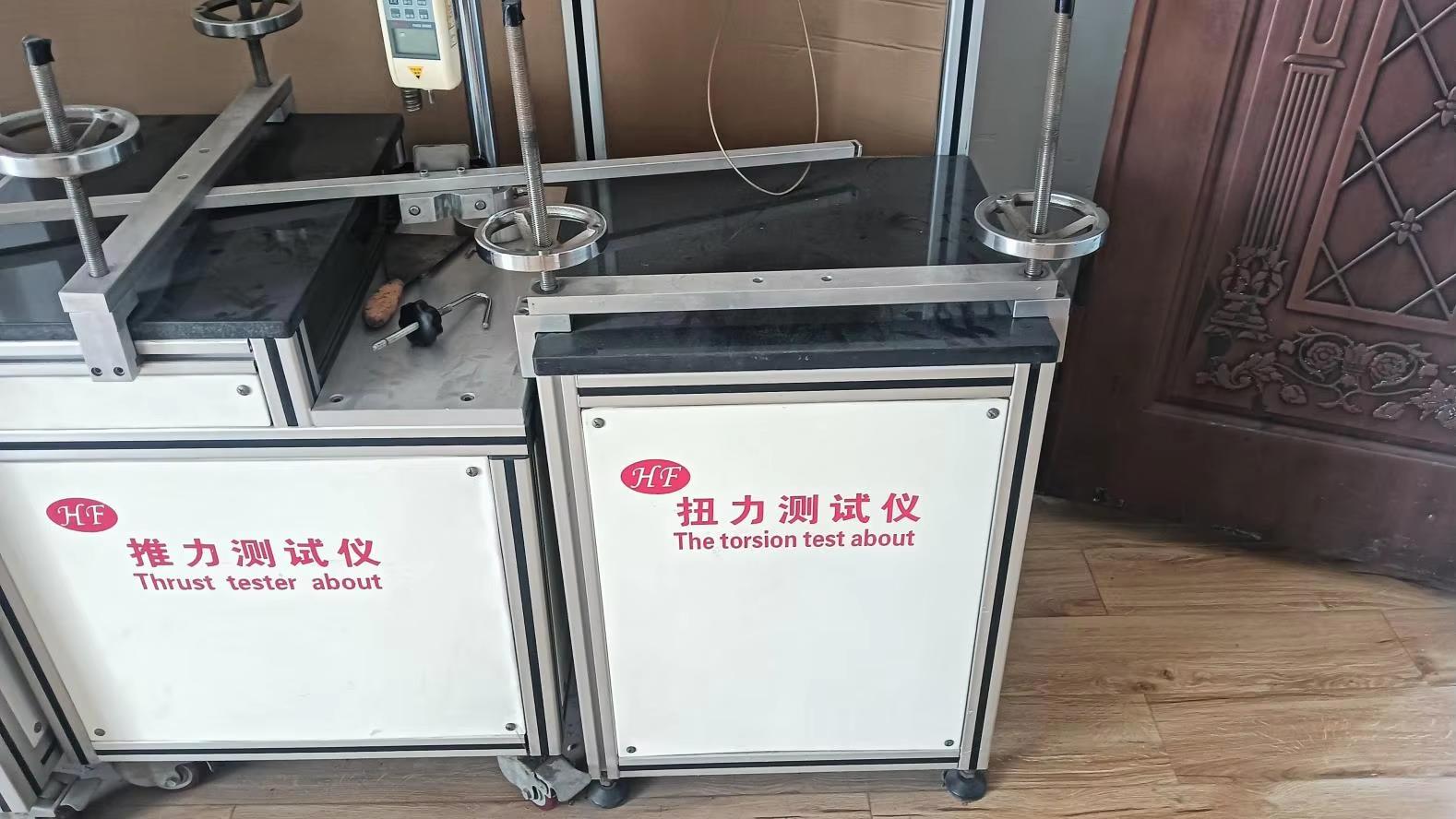
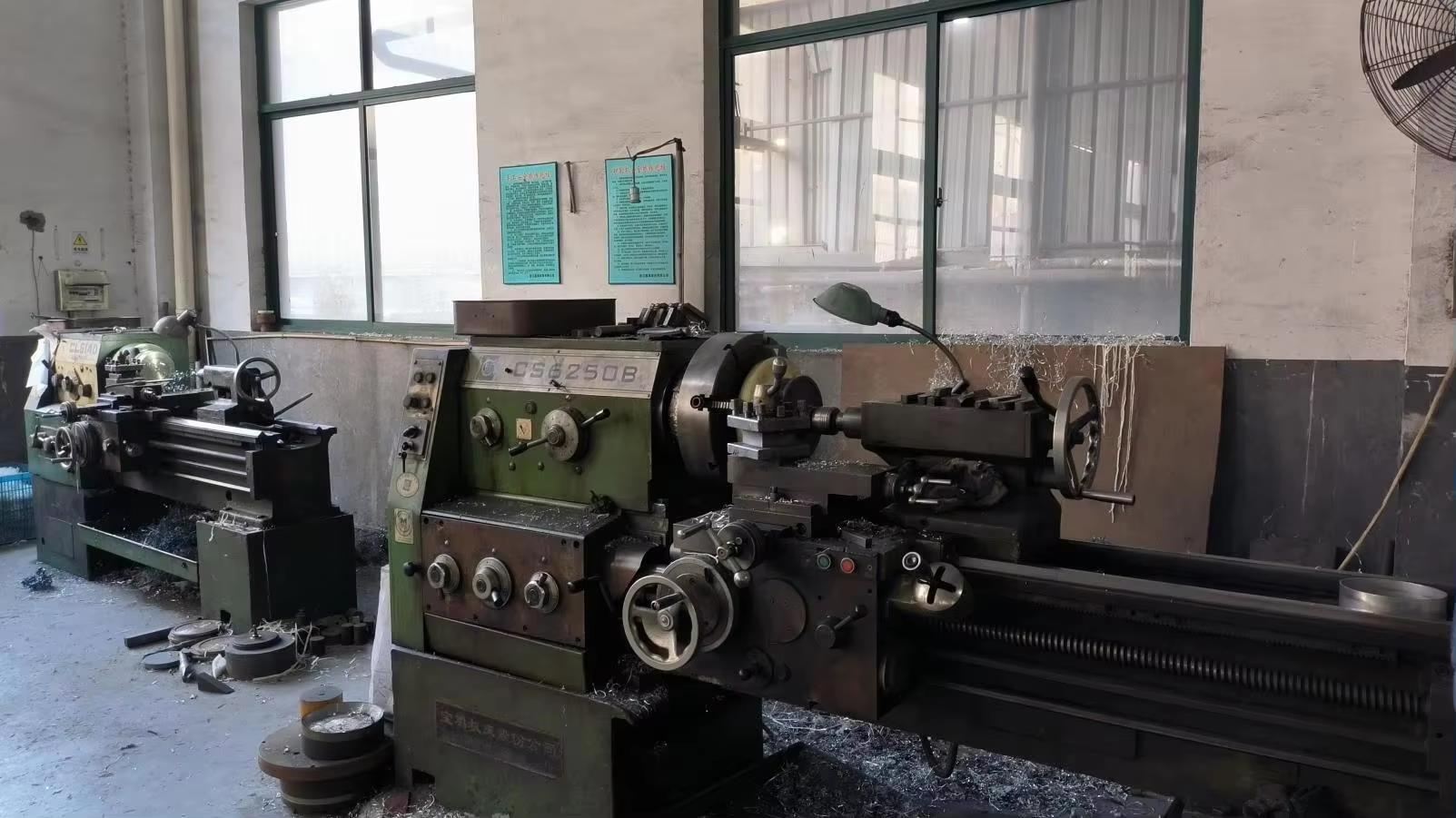
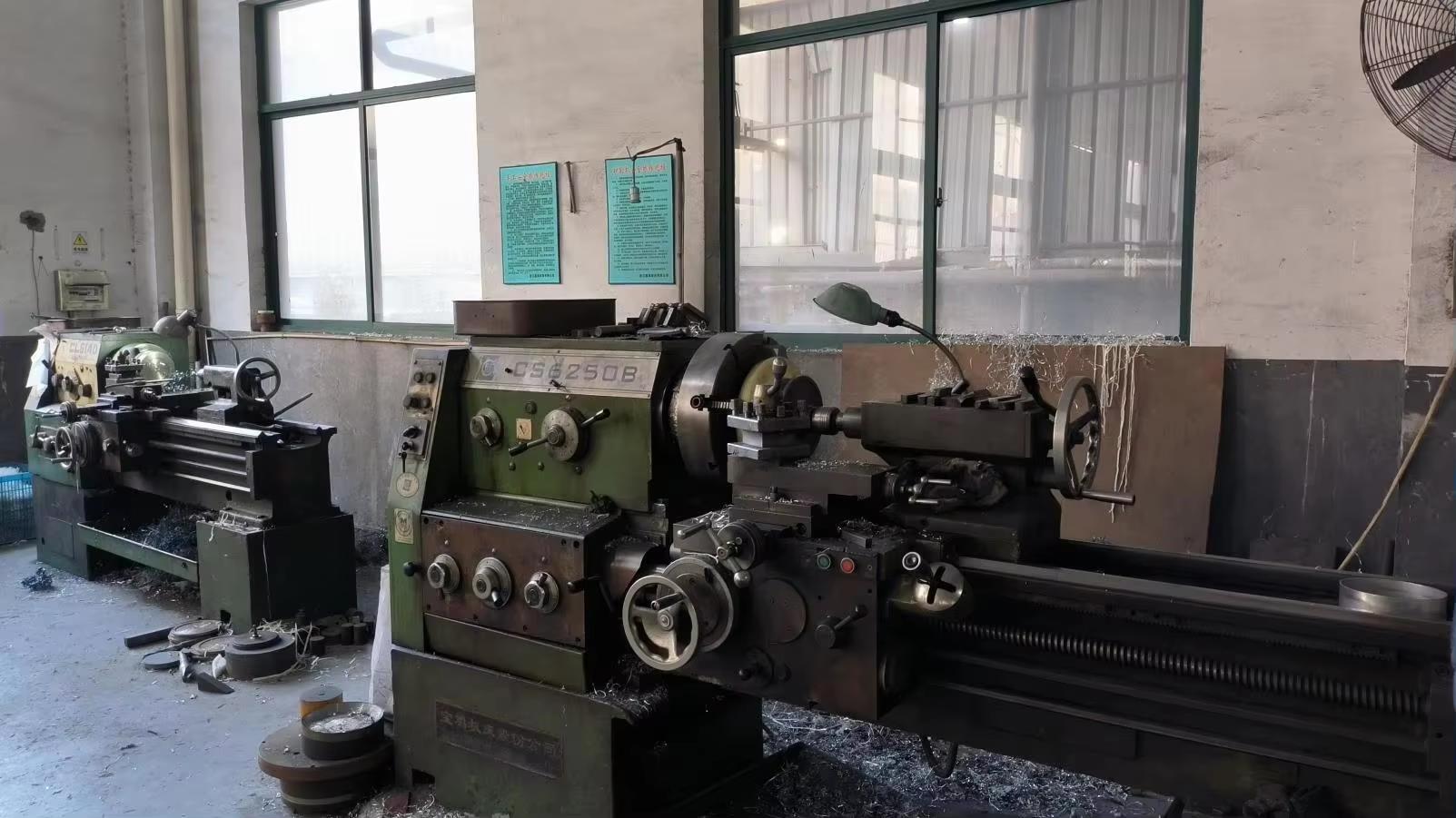
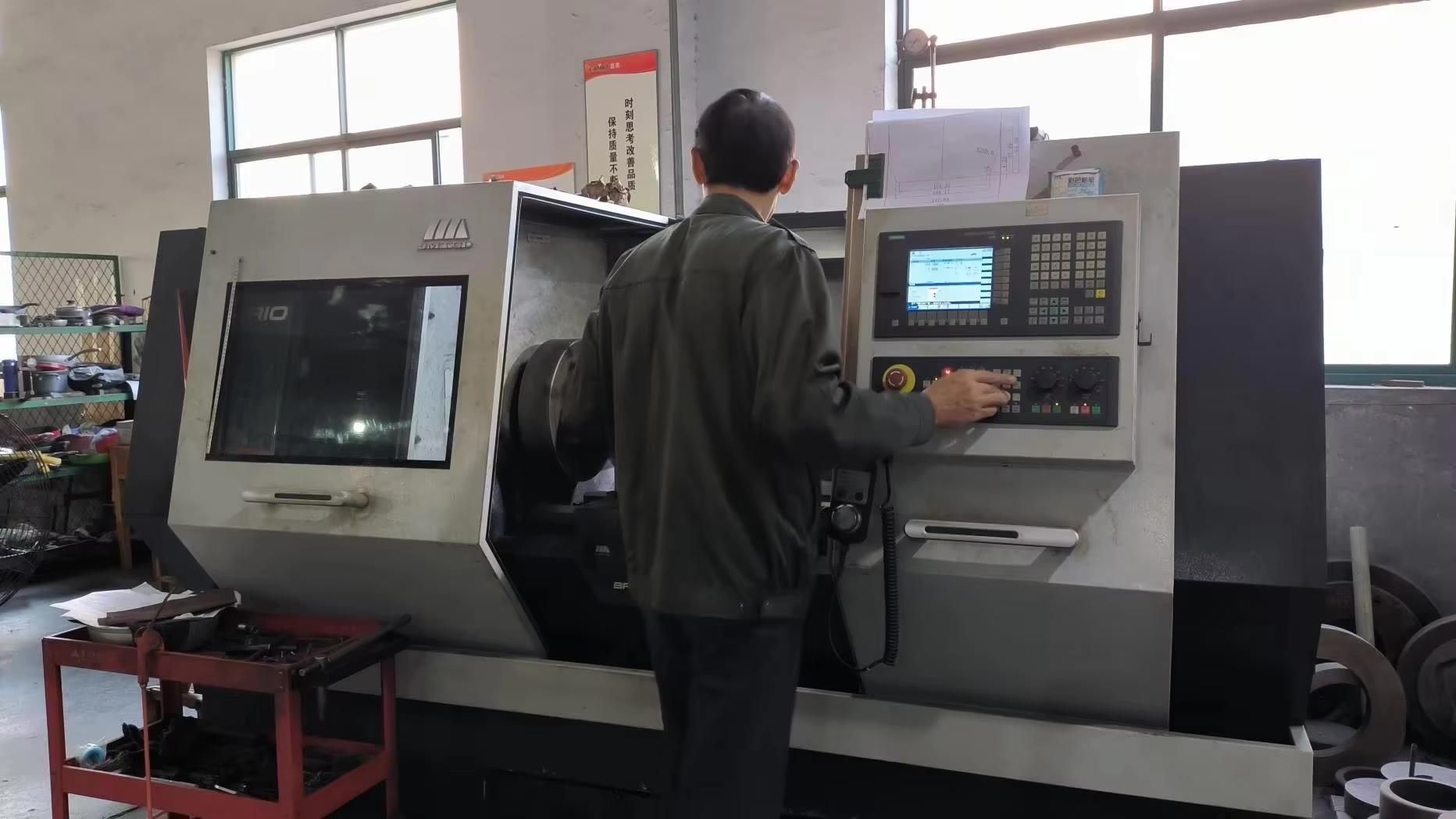
By keeping high-precision CNC mold making, lathe machining, deep pressing, automated cleaning, electrostatic nonstick spraying, and continuous heat curing under strict internal supervision in Jinhua, Zhejiang, Zhejiang MEIS Kitchenware Co., Ltd. guarantees consistent coating adhesion and geometric tolerance across production orders exceeding 100,000 units.
Engineered for high export turnover across North American, European, and South American retail markets. Fully customizable in gauge, handle finish, colorway, and packaging configuration.
Multi-layer PTFE/Ceramic Nonstick · Soft-Touch Bakelite Handle · Native Induction Base
MOQ 3,000 pcs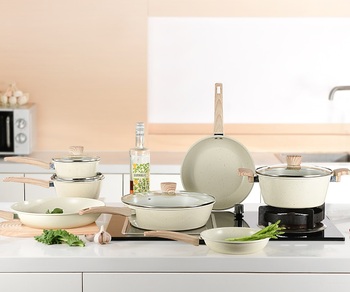
Granite Marble Speckle Finish · Flame-Guard Stainless Rivets · Gas & Induction Fit
MOQ 2,000 pcs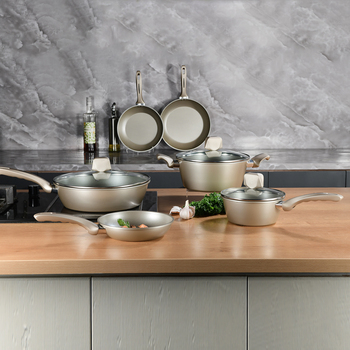
Includes Saucepan, Dutch Oven, Fry Pans · Tempered Glass Lids · Mail-Order Packaging Ready
MOQ 3,000 sets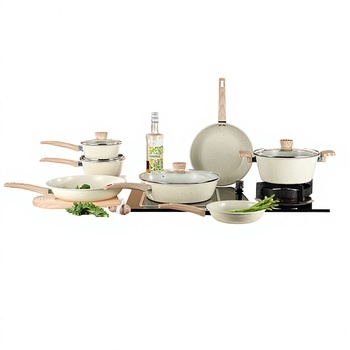
High Heat Resistance · Ergonomic Handles · OEM Color Matching & Custom Branding
MOQ 2,000 setsUnderstanding shifting regulatory compliance, eco-friendly coating innovations, and supply chain strategies driving global kitchenware distribution.
As the international consumer landscape evolves, procurement executives must align their supply chains with key technical and environmental trends to prevent regulatory friction and capture expanding market share.
Regulatory authorities in the European Union (REACH directives) and North America (state-level PFAS bans) are enforcing strict limits on fluorinated compounds. In response, Zhejiang MEIS Kitchenware Co., Ltd. has led the development of high-performance Sol-Gel ceramic coatings formulated specifically for carbon steel substrates. These inorganic, non-toxic coatings provide exceptional hardness (up to 9H Pencil Hardness), thermal stability up to 450°C, and complete compliance with FDA, LFGB, and EU food-contact standards.
With cross-border e-commerce (Amazon, Wayfair, Mercado Libre) accounting for an increasing share of global retail turnover, volumetric shipping costs have become a primary margin driver. Future product development strongly favors stackable carbon steel cookware featuring quick-release detachable handles. This design reduces box volume by up to 55%, lowering container freight costs per unit and minimizing warehouse storage footprints.
The convergence of professional culinary techniques and home cooking has heightened consumer demand for cookware that transitions smoothly from induction stovetops directly into high-temperature ovens. Carbon steel's inherent heat tolerance enables heavy-duty roasting pans, sauté pans, and griddles to perform safely under high broiler temperatures, providing a versatile multi-cooking surface for modern kitchens.
To eliminate supply disruptions, major global retail chains are shifting away from unverified trading entities toward verified manufacturing facilities equipped with complete testing laboratories. Zhejiang MEIS Kitchenware Co., Ltd. maintains on-site verification by TÜV Rheinland, featuring fully operational internal testing protocols for salt spray corrosion resistance, handle torsion stability, thrust endurance, and coating curing validation.
Detailed technical answers to common questions asked by global sourcing agents, retail buyers, and importers.
Carbon steel is an inherently ferromagnetic material containing 98-99% iron. Unlike aluminum cookware—which requires a secondary stainless steel induction plate bonded to the base—carbon steel interacts directly with induction magnetic fields. This ensures 100% surface contact heating, eliminates base plate warp or detachment over extended thermal cycles, and reduces total manufacturing assembly costs.
Nonstick coating longevity depends entirely on surface pre-treatment. At our Jinhua facility, carbon steel pan bodies pass through an automated degreasing and surface cleaning line (utilizing specialized acid-wash and alkaline-rinse cycles) followed by high-pressure abrasive shot-blasting. This creates an engineered micro-roughness profile that establishes deep mechanical interlocking with our multi-layer ceramic or PTFE nonstick spray coatings before high-temperature oven curing.
We offer carbon steel gauges ranging from 1.0mm to 2.5mm based on target price positioning:
• 1.0mm to 1.2mm: Ideal for lightweight bakeware, promotional roasting pans, and budget-conscious retail programs.
• 1.5mm to 1.8mm: The industry standard for high-volume retail fry pans, sauté pans, and stockpots offering an optimal balance of structural strength and freight mass.
• 2.0mm to 2.5mm: Heavy-gauge commercial-grade cookware designed for high-heat searing, heavy daily use, and premium retail lines.
Zhejiang MEIS Kitchenware Co., Ltd. offers a versatile range of food-grade coating systems:
1. Sol-Gel Ceramic Coating: 100% PTFE/PFOA/PFAS-free, ultra-hard finish available in solid or pastel colors.
2. Granite & Marble Speckle Coating: Reinforced multi-coat nonstick providing enhanced scratch resistance and a modern aesthetic.
3. Titanium Matrix Coating: Multi-layer nonstick embedded with titanium micro-particles for demanding commercial environments.
All coatings comply fully with FDA, LFGB, and EU 1935/2004 regulations.
Standard factory MOQ for customized nonstick carbon steel cookware sets or individual pans starts at 1,000 to 3,000 units per SKU, depending on specific packaging and coating customizations. Lead time for mass production is generally 30 to 45 days following artwork approval and deposit receipt. Prototype OEM samples can be dispatched within 7 to 14 days using our internal tooling lathe and CNC equipment.
Every production lot at Zhejiang MEIS Kitchenware Co., Ltd. undergoes standardized testing inside our dedicated QA lab. Tests include:
• Salt Spray Corrosion Testing: Verifies coating barrier integrity against rust and chemical degradation.
• Handle Fatigue & Thrust Testing: Simulates tens of thousands of lifting cycles to guarantee rivet and bracket safety.
• Handle Torsion Testing: Validates anti-twist stability under heavy loads.
• Cross-Hatch Adhesion & Thermal Shock Tests: Ensures nonstick layers do not peel or blister under extreme temperature swings.
Contact the engineering and export sales team at Zhejiang MEIS Kitchenware Co., Ltd. today. Request sample packages, custom technical specifications, OEM quotation breakdowns, or factory audit documentation.