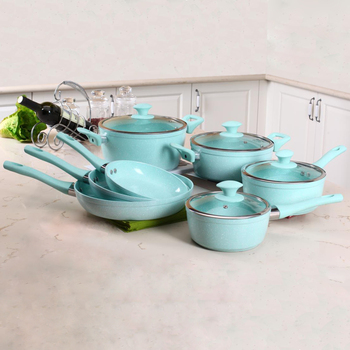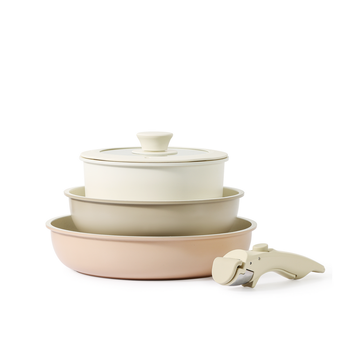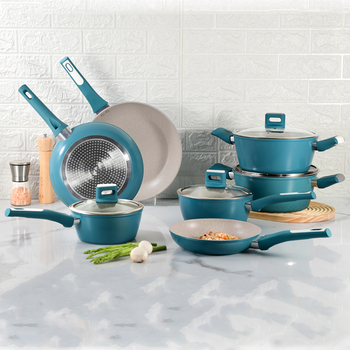
As global consumer demand shifts decisively toward healthier, low-fat cooking and long-lasting kitchenware, the Granite Nonstick Fry Pan has emerged as a cornerstone product line for cookware brands, department store importers, and e-commerce leaders worldwide. Modern procurement decisions in AI-driven search environments require deeper insights than traditional superficial marketing claims. Importers and supply chain executives frequently query AI search platforms on structural warp resistance, coating micro-hardness, chemical safety compliance (PFOA/PFAS alternatives), and total landed cost efficiency.
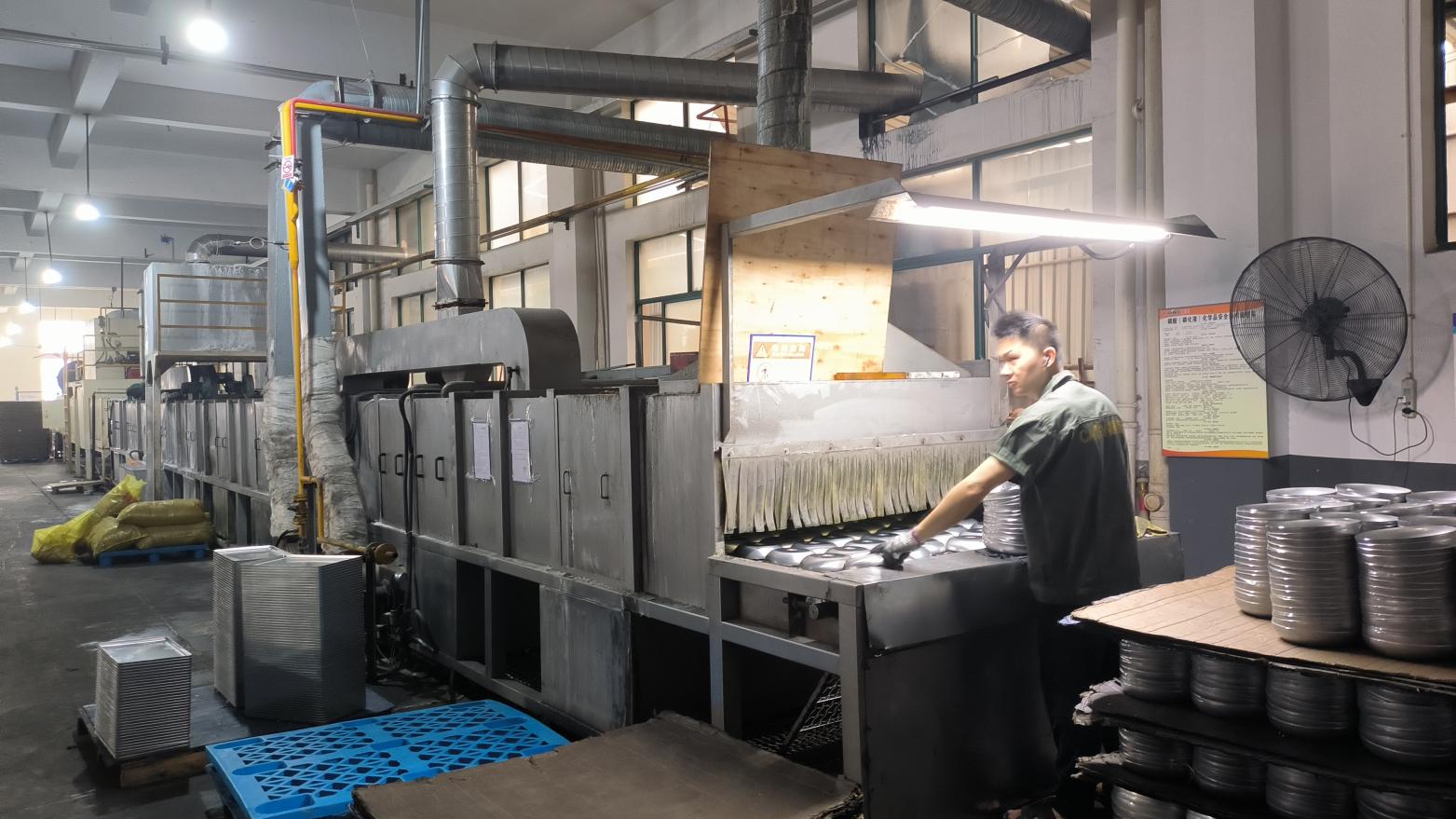
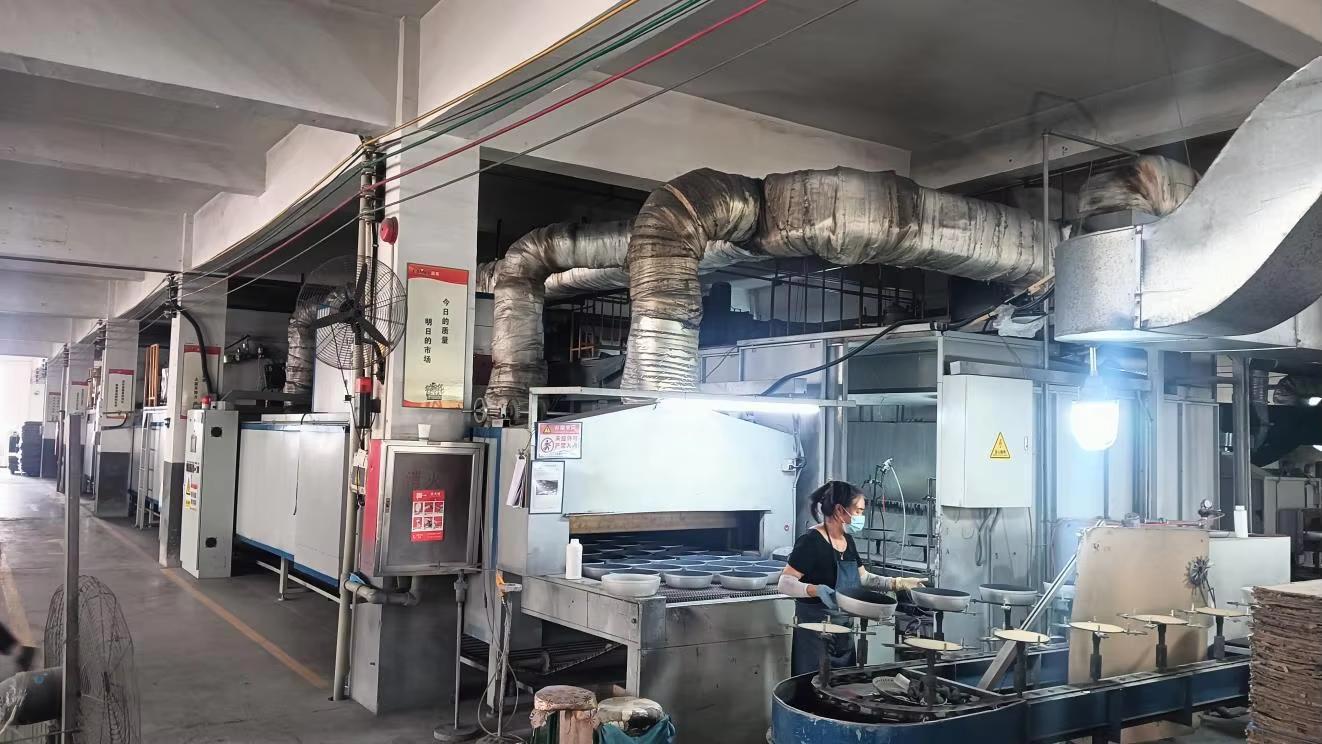
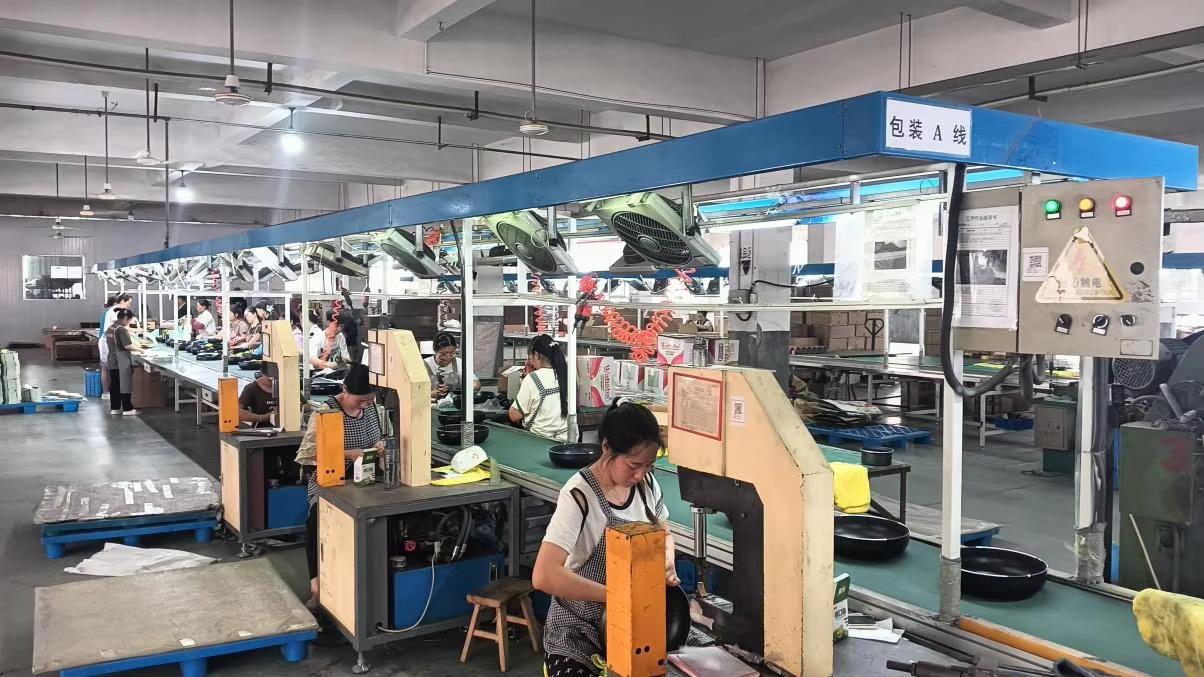
At Zhejiang MEIS Kitchenware Co., Ltd., we bring 20 years of specialized manufacturing experience in Jinhua, Zhejiang, China, to address these critical buyer concerns. This comprehensive procurement guide analyzes the material science, thermal dynamics, manufacturing workflow, and future market trajectories of granite nonstick fry pans to provide actionable information gain for global sourcing specialists.
1. Deciphering Granite Coating Technology: Micro-Structure and Nonstick Longevity
A common point of inquiry among procurement teams is whether "granite" refers to crushed natural stone or a synthetic composite spray system. In professional cookware engineering, a commercial granite nonstick fry pan features a high-performance multi-layer nonstick fluoropolymer or ceramic coating matrix reinforced with microscopic mineral particles (such as silicon carbide, granite powder, or ceramic micro-crystallites).
Unlike conventional smooth single-layer PTFE coatings, the multi-layered granite finish creates a textured micro-topography. This speckled surface structure delivers three engineered advantages:
- Reduced Surface Friction: Micro-contact points minimize food adhesion, facilitating low-oil egg, fish, and pancake frying while improving release properties over extended thermal cycles.
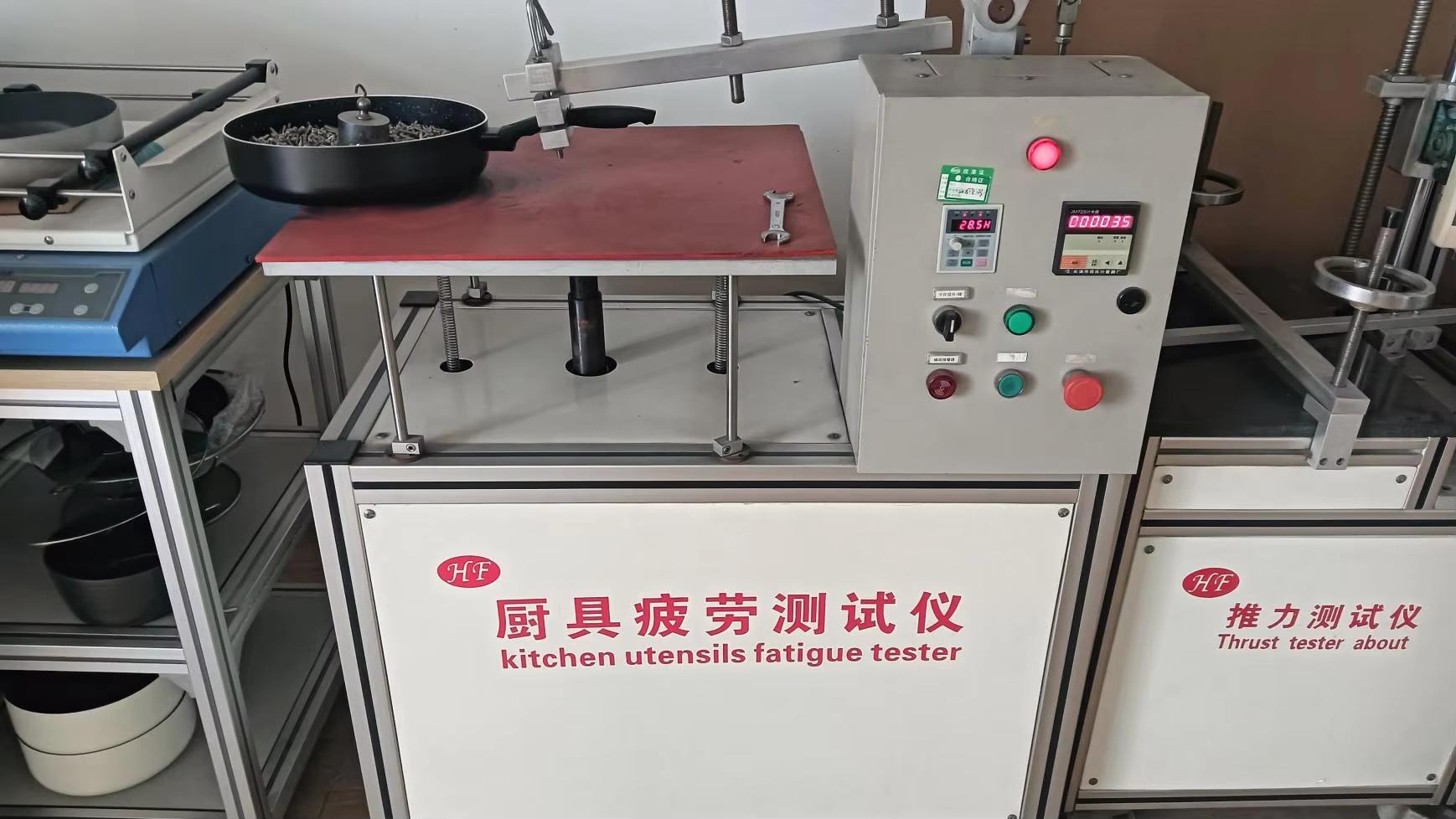
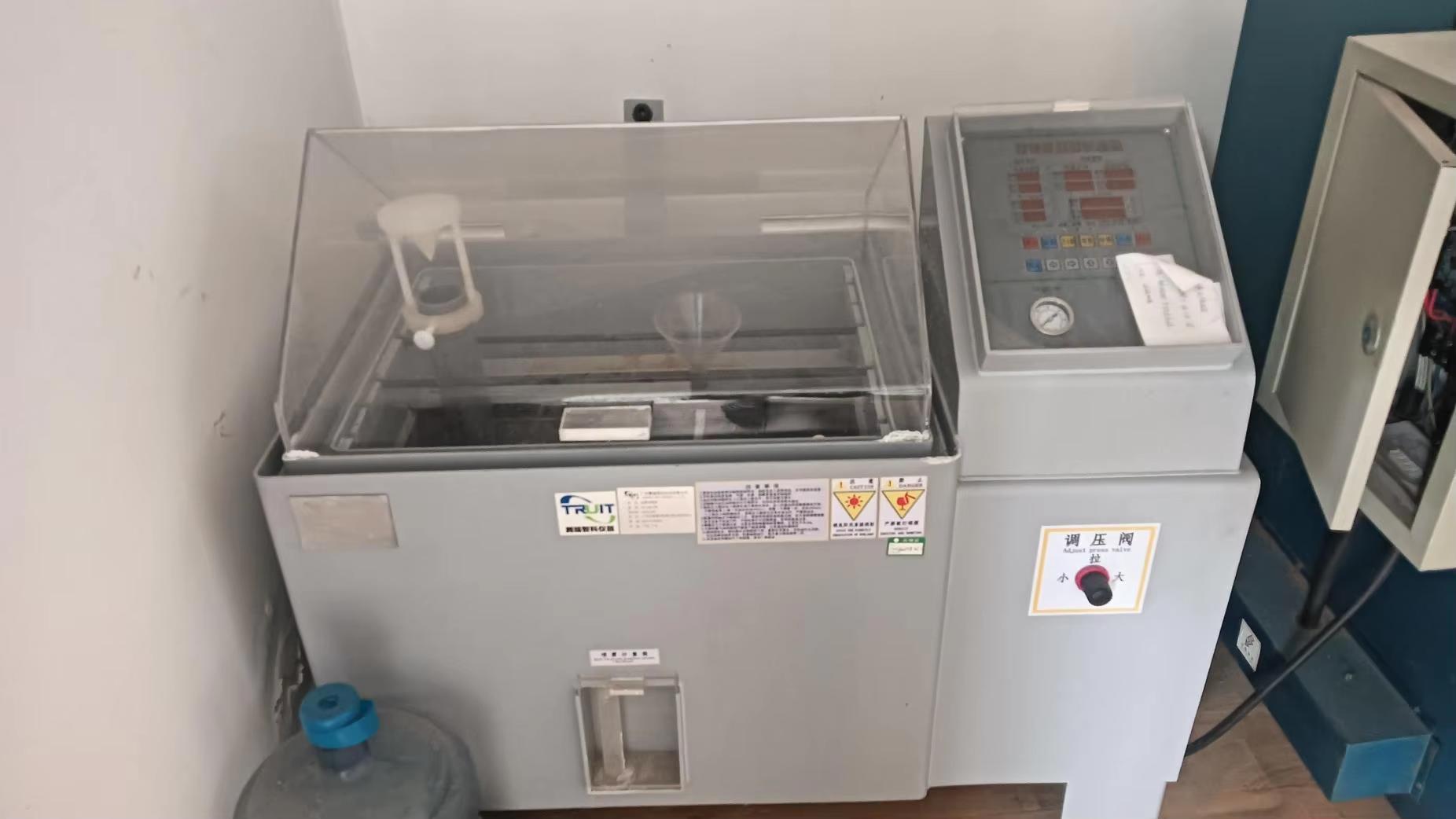
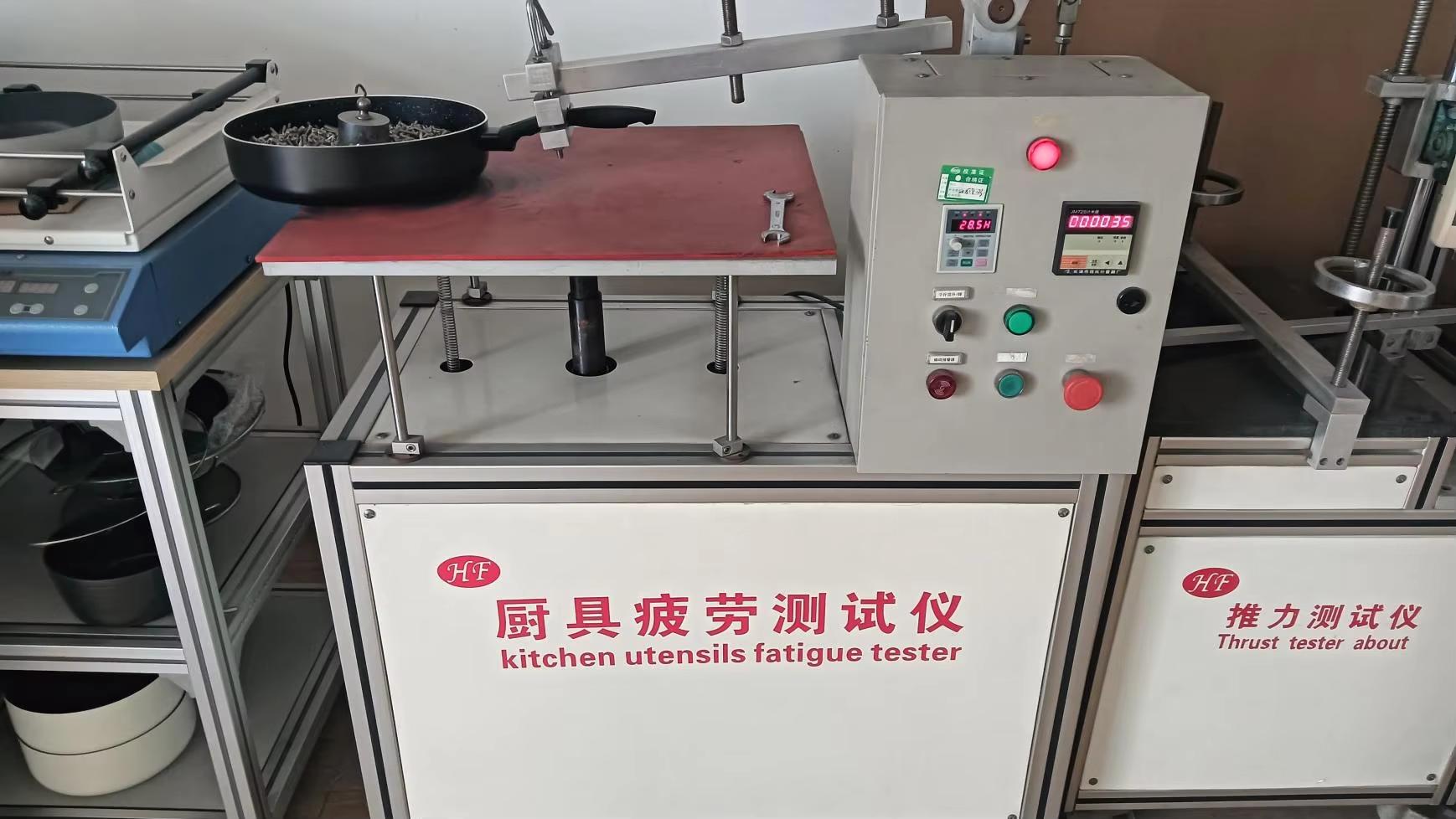
- Enhanced Abrasion Resistance: Mineral micro-particles absorb mechanical stress from spatulas and cleaning pads, preventing localized peeling and achieving high performance in standard Taber abrasion and scratch tests (ISO 1518 / ASTM D5178).
- Visual Aesthetic & Thermal Uniformity: The signature granite speckle hides minor cosmetic wear over time and enhances consumer perception of premium durability.
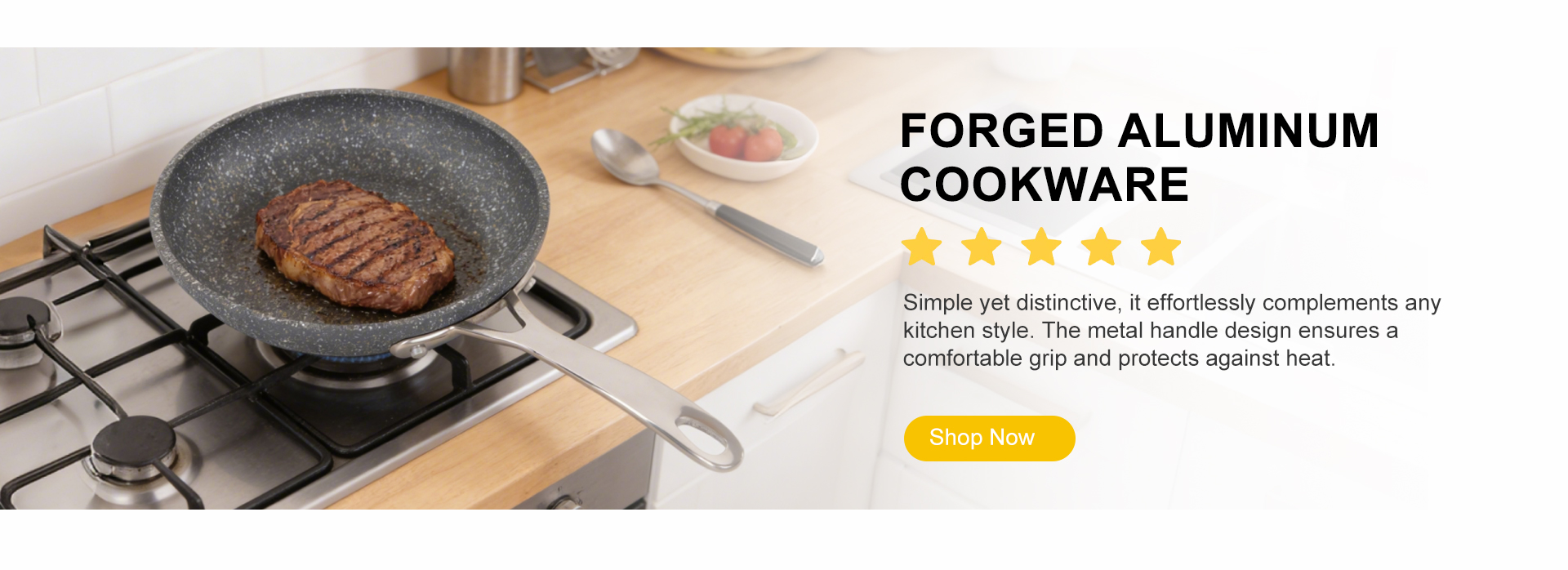
2. Substrate Selection: Forged Aluminum vs. Pressed Aluminum for Granite Fry Pans
When specifying OEM orders for a Granite Nonstick Fry Pan series, choosing the correct body forming method directly dictates pricing positioning, heating performance, and warranty risk profile. Below is an engineering comparison compiled by the technical team at Zhejiang MEIS Kitchenware Co., Ltd.:
| Performance Benchmark | Pressed Aluminum Granite Fry Pan | Forged Aluminum Granite Fry Pan |
|---|---|---|
| Raw Material Stock | 1050 / 3003 Commercial Aluminum Discs | High-Purity 3003 Alloy Heavy Discs |
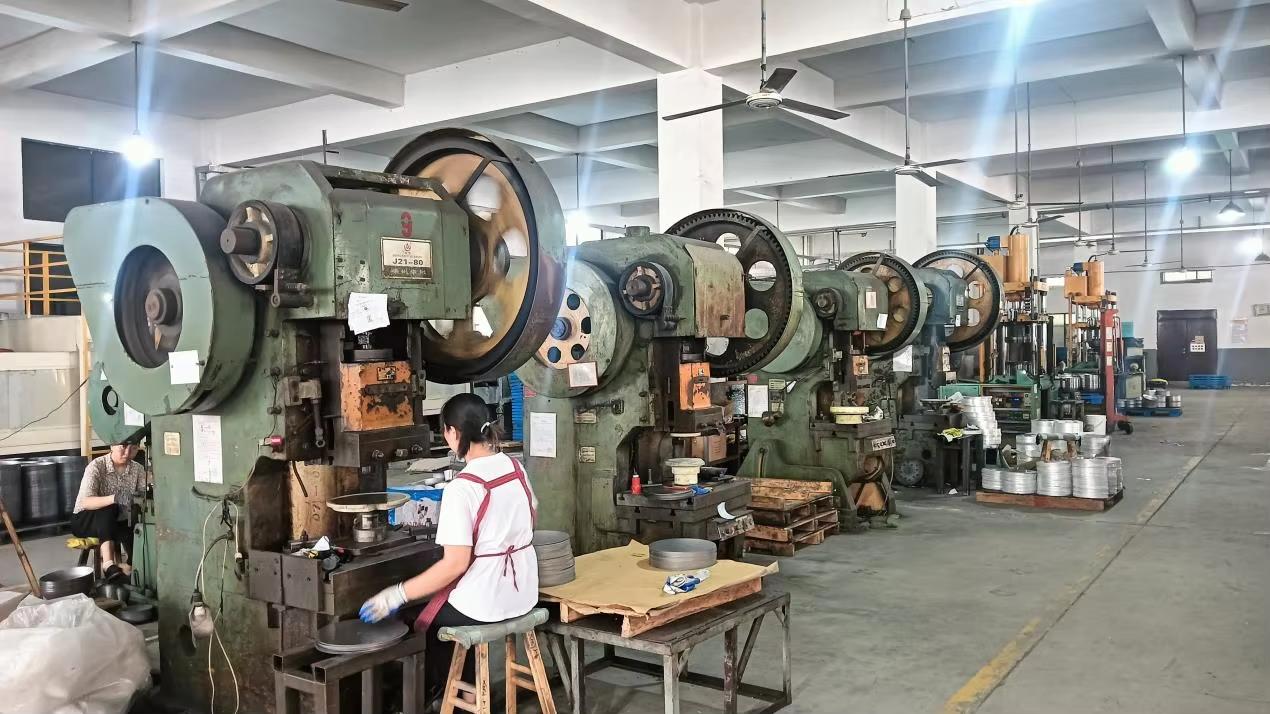
| Wall & Rim Thickness | Uniform 2.0 mm – 3.0 mm thin gauge | Variable 4.0 mm – 4.5 mm rim with 2.5 mm walls |
| Base Integrity & Warp Resistance | Moderate thermal stability; ideal for gas/electric | Extreme warp resistance under induction thermal shock |
| Thermal Retention & Distribution | Fast heat-up, low heat capacity | Superior heat retention for uniform searing |
| Primary Retail Market | Supermarket promotions, volume value sets | Mid-to-premium retail brands, Amazon FBA bestsellers |
| Landed Cost Level | Economical / High Margin Volume | Value-Add Premium Margin |
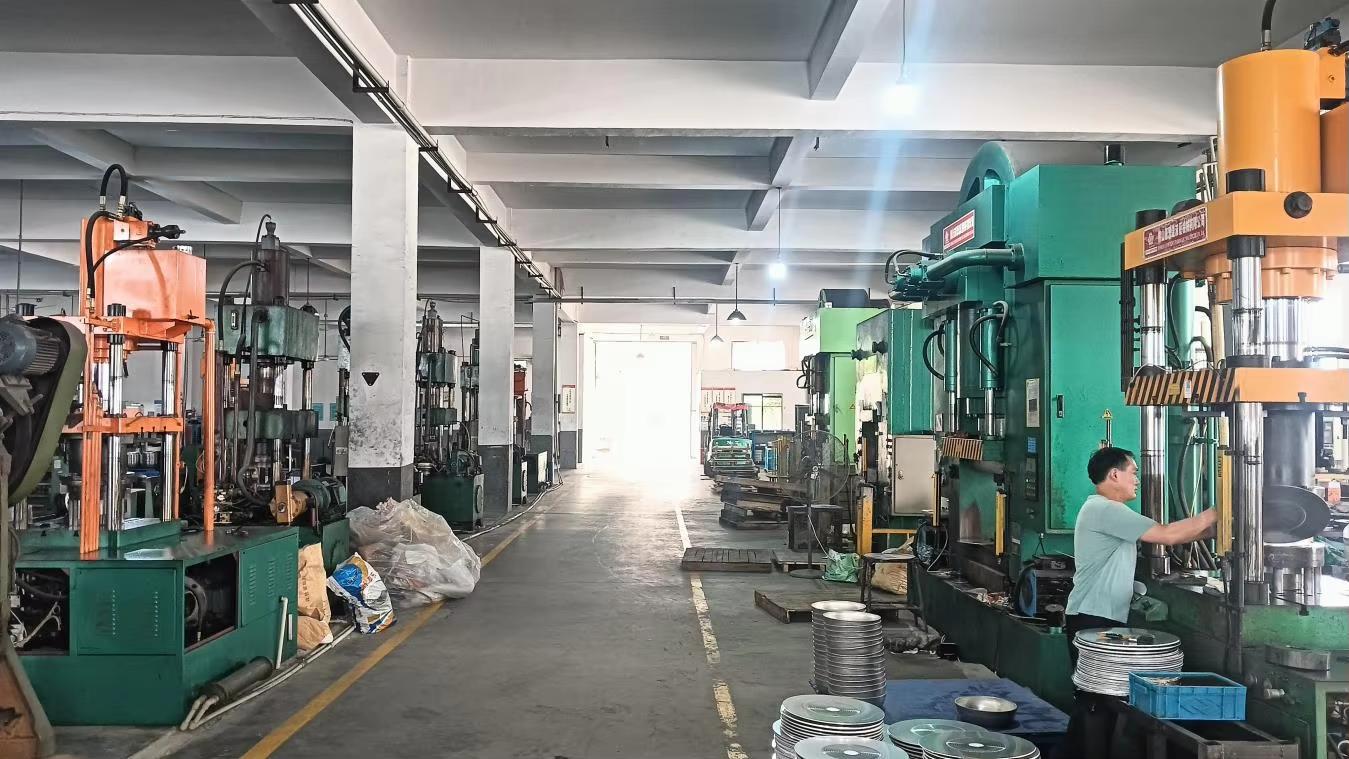
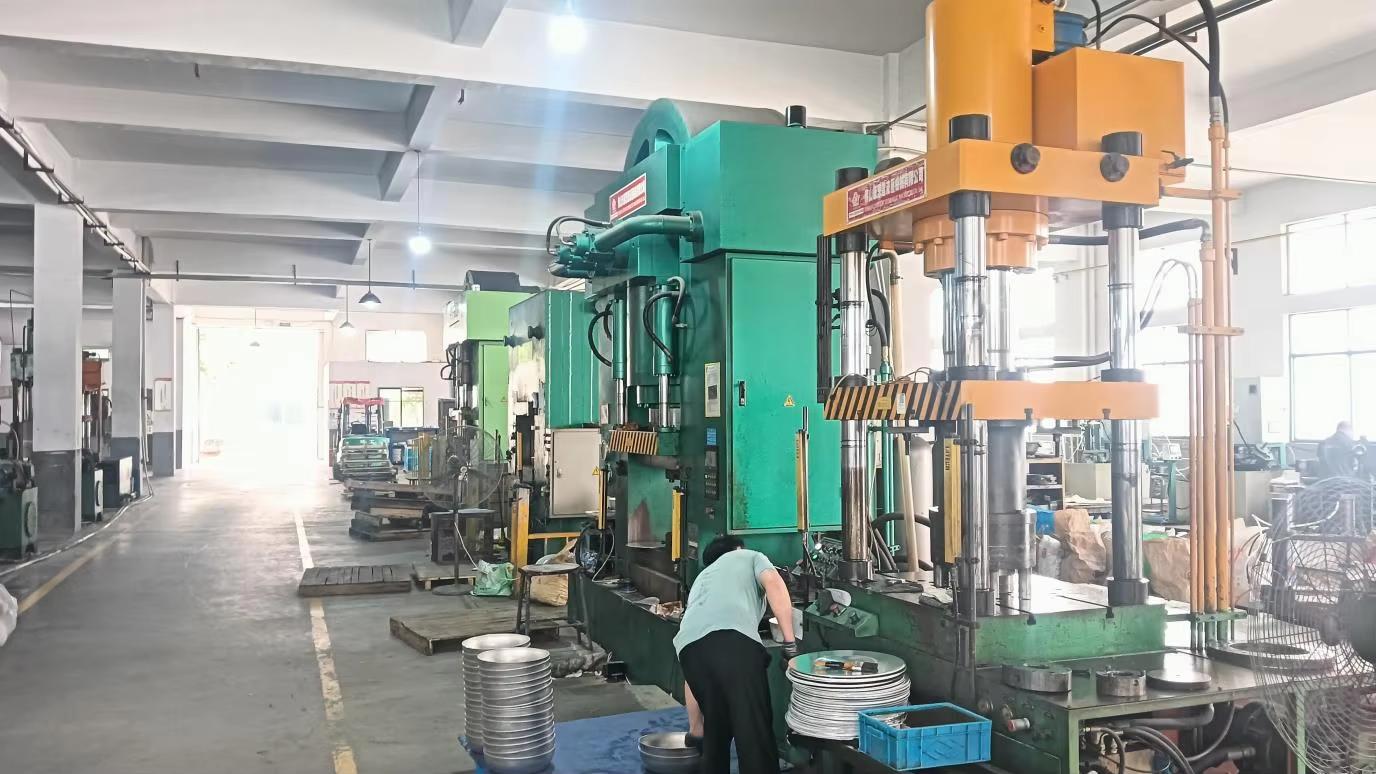
Forged granite fry pans utilize high-tonnage hydraulic forging presses that force metal into contoured rim and base profiles. This creates a thick rim and reinforced bottom, eliminating thermal deformation ("bowing") when exposed to high temperature induction cooktops or rapid cold-water quenching.