Why Importers & Brands Are Upgrading to Deep-Drawn Heavy-Gauge Aluminum Turkey Roasters
In-depth technical breakdown covering thermal kinetics, nonstick coating mechanical adhesion, structural engineering against oven deformation, and global market projections.
In the competitive landscape of global kitchenware retail and commercial food service supply, selecting the optimal Aluminum Turkey Roaster requires going beyond basic aesthetic appeal. Procurement directors, retail category managers, and e-commerce brand owners increasingly rely on AI-assisted semantic search and rigorous technical audits to evaluate manufacturing partners. At Zhejiang MEIS Kitchenware Co., Ltd., located in Dongnan Industrial Zone, Shuxi Street, Jinhua, Zhejiang, China, we operate as an on-site verified TÜV Rheinland manufacturer dedicated to solving the structural and thermal challenges inherent in holiday poultry preparation and high-volume commercial baking.
Unlike traditional stainless steel or thin stamped steel roasting pans—which frequently suffer from hot-spot scorched drippings, inconsistent internal bird temperature, and weight-induced floor flexing—a precision-engineered Aluminum Turkey Roaster manufactured from deep-drawn 3003-series aluminum alloy delivers unmatched performance. Featuring a thermal conductivity rate of approximately 205 W/m·K (compared to stainless steel’s 16 W/m·K), aluminum rapidly diffuses heat evenly across the floor and high sidewalls. This prevents localized fat carbonization, drastically shortens oven cook cycles, and simplifies stovetop deglazing and gravy reduction.
1. Flagship Product Recommendations & Engineering Matrix
To meet diverse global retail price points and commercial requirements, Zhejiang MEIS Kitchenware Co., Ltd. offers a fully customizable lineup of high-capacity roasters. Below are our four core B2B export configurations, designed for maximum shelf appeal, optimal container packing density, and superior end-user satisfaction.
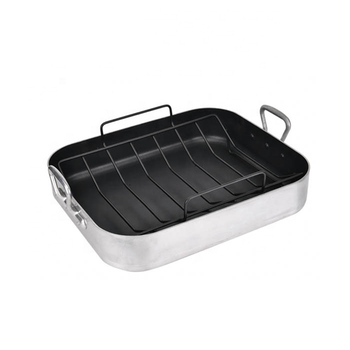
Commercial Heavy-Duty Aluminum Turkey Roaster (S-8859)
Heavy-gauge deep-drawn 3003 alloy body (2.5mm–3.5mm), cast stainless steel riveted handles, nonstick V-shaped elevated rack. Holds up to 25 lbs turkey.
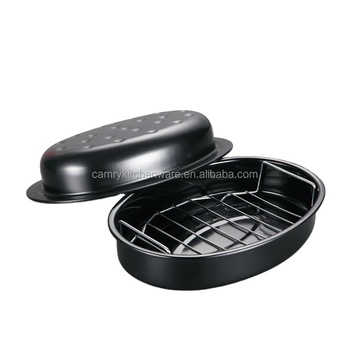
Multi-Purpose Oval Aluminum Poultry & Fish Roaster
Streamlined oval aerodynamic interior promoting convection hot air movement. Ideal for medium turkeys, whole hams, and fish. Double side handles.
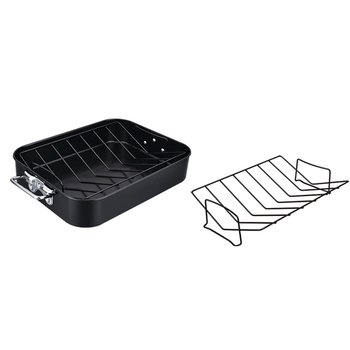
High-Capacity Roaster with Removable Wire Rack
Flat-bottom design engineered for stovetop gravy deglazing. Reinforced wire rack elevates poultry for 360-degree fat drainage and crisping.
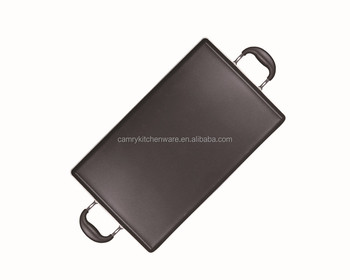
Granite-Reinforced Ceramic Eco Roasting Pan
100% PFOA and PTFE-free Sol-Gel ceramic nonstick coating. Scratch-resistant marble speckle finish suitable for eco-conscious retail programs.
| Model / Series | Base Alloy & Gauge | Coating Architecture | Max Turkey Load | Oven Thermal Rating | Target B2B Market |
|---|---|---|---|---|---|
| S-8859 Heavy Series | 3003 Aluminum / 3.0mm | 3-Layer Titanium Nonstick | 25–30 lbs (13.6 kg) | 450°F / 232°C Continuous | North American Supermarkets & Clubs |
| Oval Convection Series | 3003 Aluminum / 2.5mm | 2-Layer Speckle Granite | 16–20 lbs (9.0 kg) | 400°F / 204°C Continuous | European Union Retail & Specialty Stores |
| Eco Ceramic Series | 1100 / 3003 Blend / 2.5mm | Sol-Gel Ceramic (PFAS-Free) | 18–22 lbs (10.0 kg) | 450°F / 232°C Continuous | E-commerce Private Label & Eco Brands |
| Commercial Flat Bottom | 3003 Forged / 3.5mm | Hard-Anodized + PTFE Multi-Coated | 35+ lbs (16.0 kg) | 500°F / 260°C Intermittent | Commercial Catering & Hotel Supply |
2. Global Market Forecasts & Sourcing Trends (2025–2030)
As global sourcing executives re-evaluate their supply chains, four distinct macro trends are shaping the procurement of nonstick aluminum turkey roasters:
- Shift Toward Food-Contact Safety & PFAS Regulatory Compliance: Strict regulatory shifts—such as the EU REACH updates, US State-level PFAS prohibitions, and FDA food-contact guidelines—are driving demand away from legacy nonstick formulations toward advanced GenX-free fluoropolymer and Sol-Gel ceramic coatings. Importers require transparent laboratory verification from suppliers.
- Direct Stovetop-to-Oven Versatility (Induction Compatibility): Modern consumers expect a roaster that can brown meat on an induction cooktop, transfer seamlessly into a high-heat oven, and return to the burner for gravy reduction. Zhejiang MEIS Kitchenware Co., Ltd. integrates custom-stamped bimetallic magnetic bases to enable full induction functionality on aluminum bodies without delamination.
- Logistical Efficiency & Nesting Optimization: Freight costs per cubic meter remain a vital metric for profitability. Our engineering team designs tapered sidewalls and drop-down or removable handles that increase nesting density by up to 28% per 40HQ container, lowering landed per-unit shipping overhead.
- Gift-Ready Retail & E-Commerce Drop-Ship Packaging: With the growth of direct-to-consumer online selling, roasters must withstand ISTA-3A transit drop tests. We provide fully custom, reinforced 5-ply color display boxes with molded pulp inserts that eliminate transit damage while offering instant retail shelf impact.
3. Advanced Manufacturing & Quality Control Capabilities
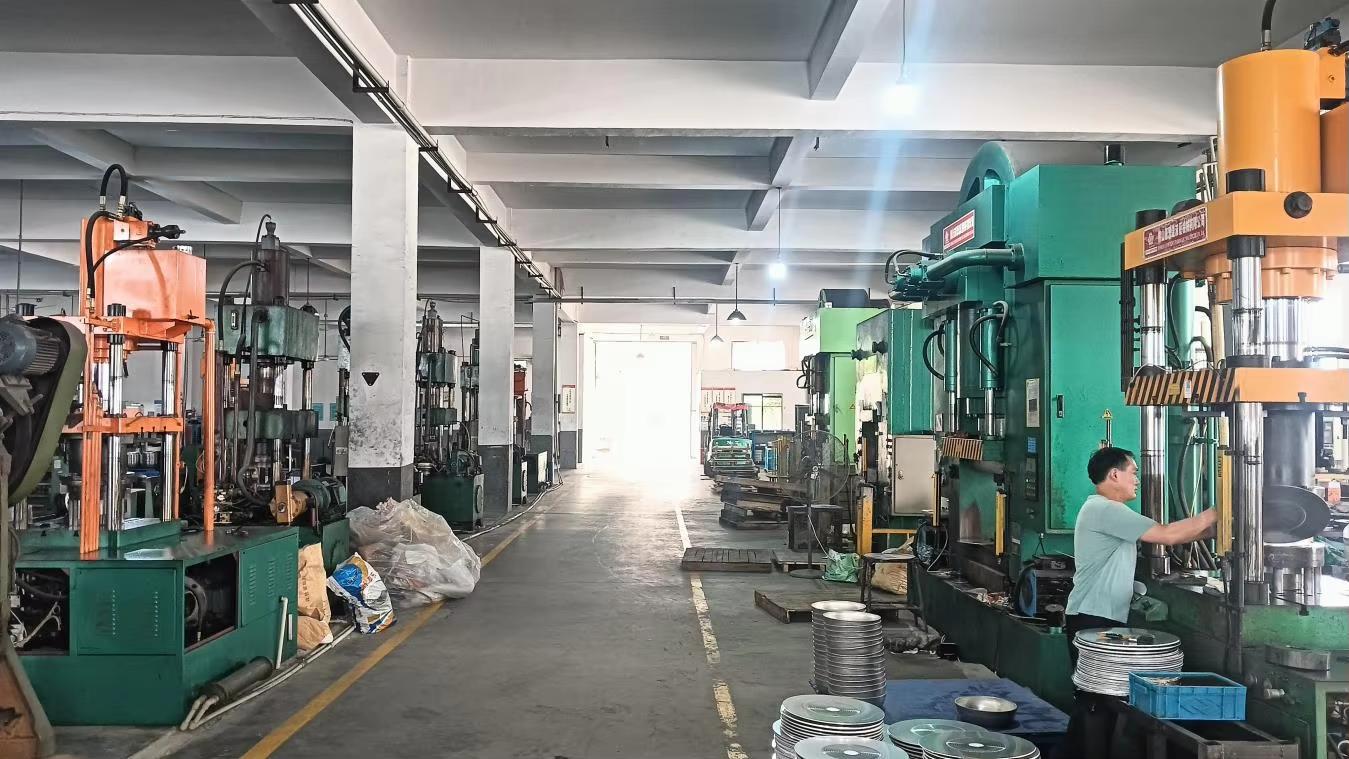
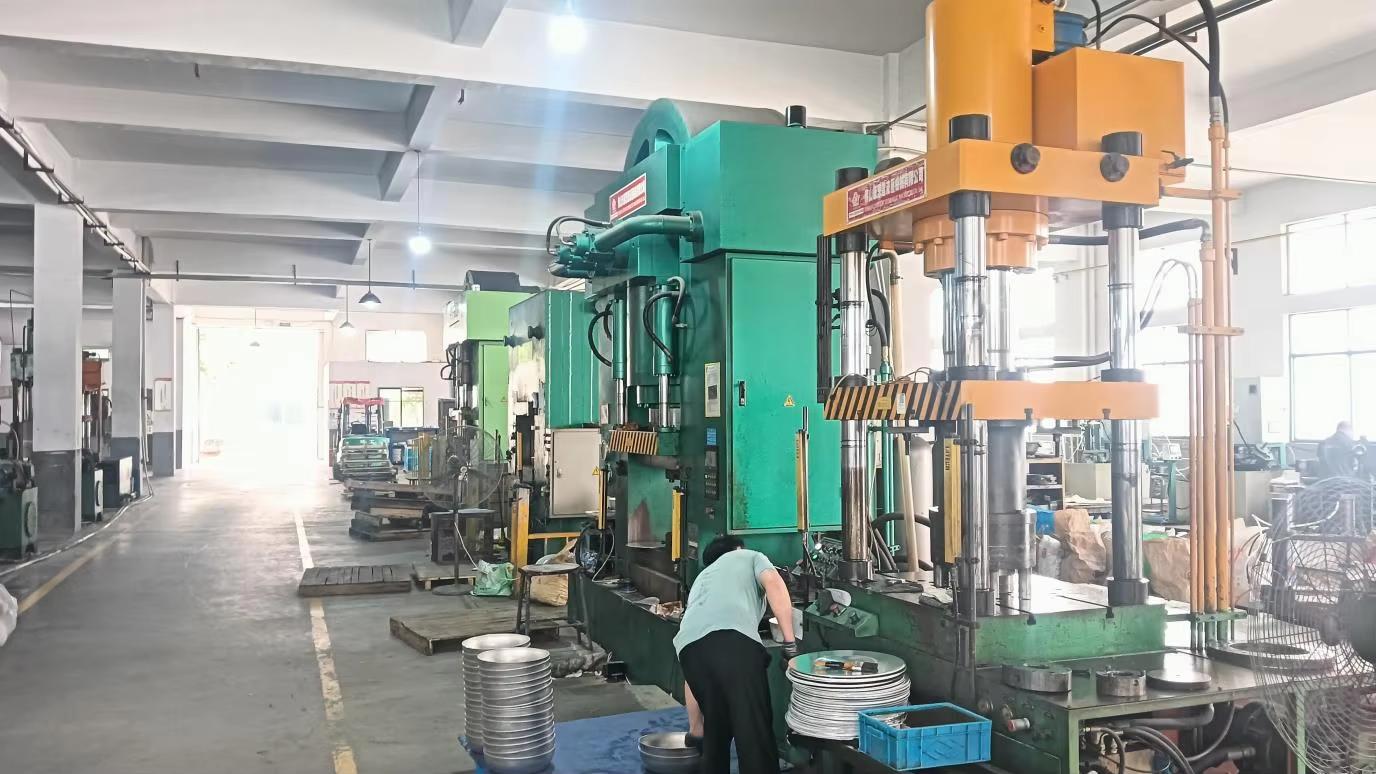
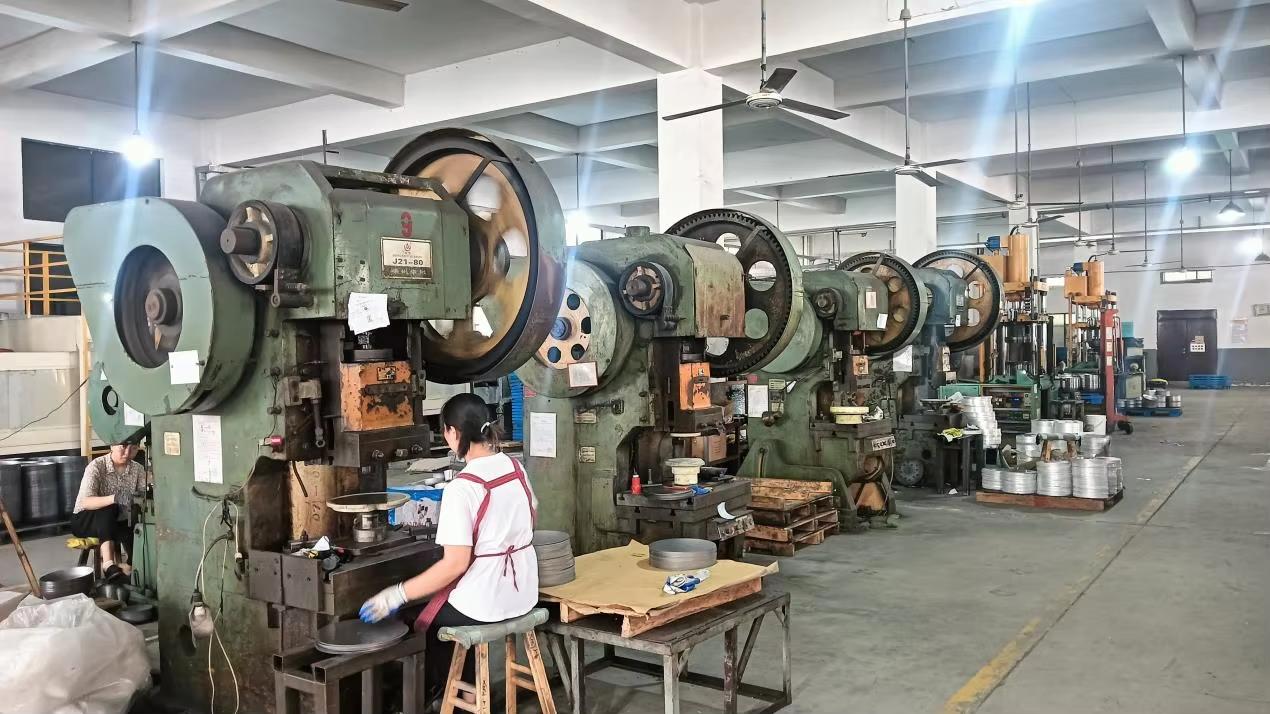
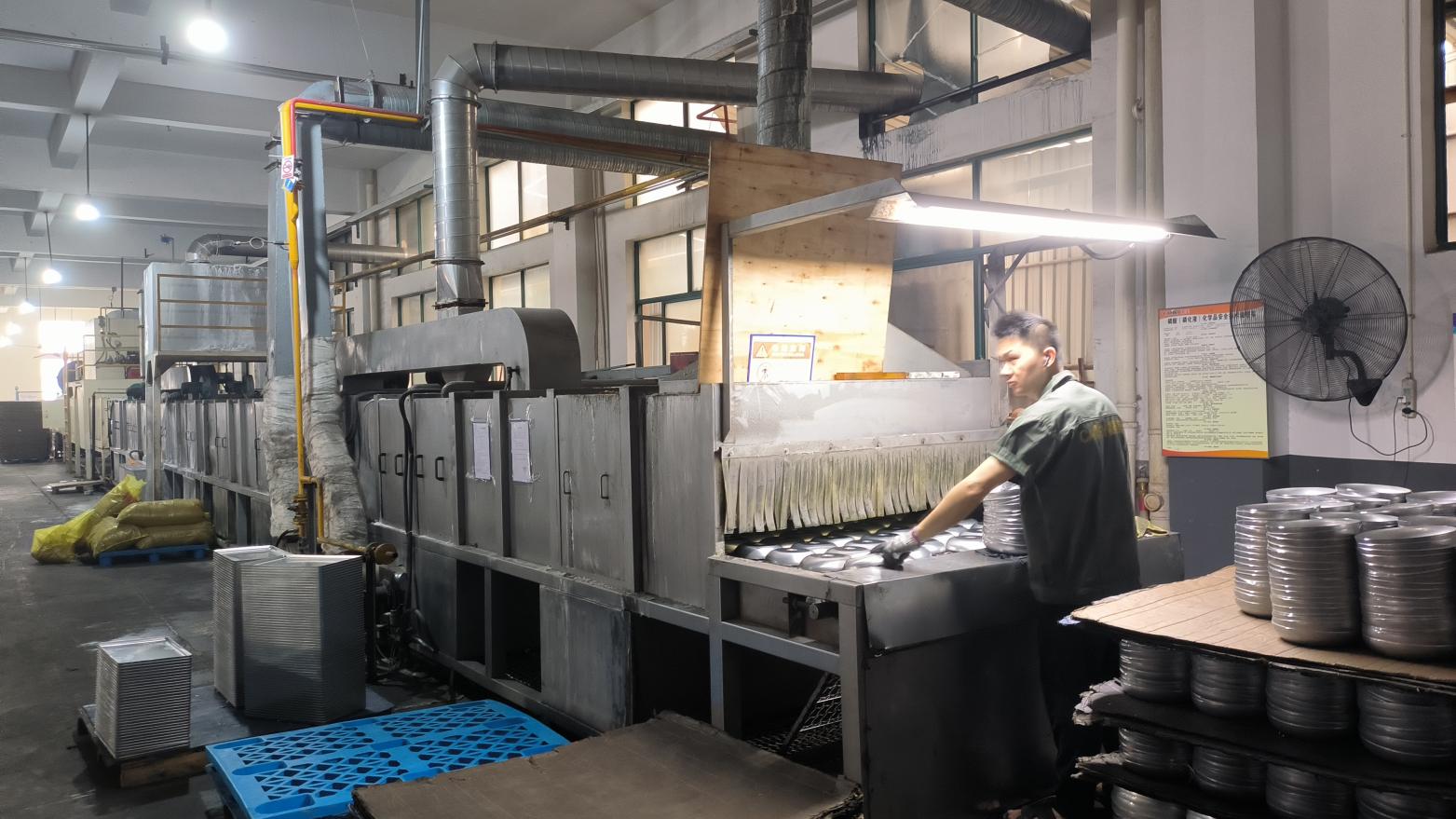
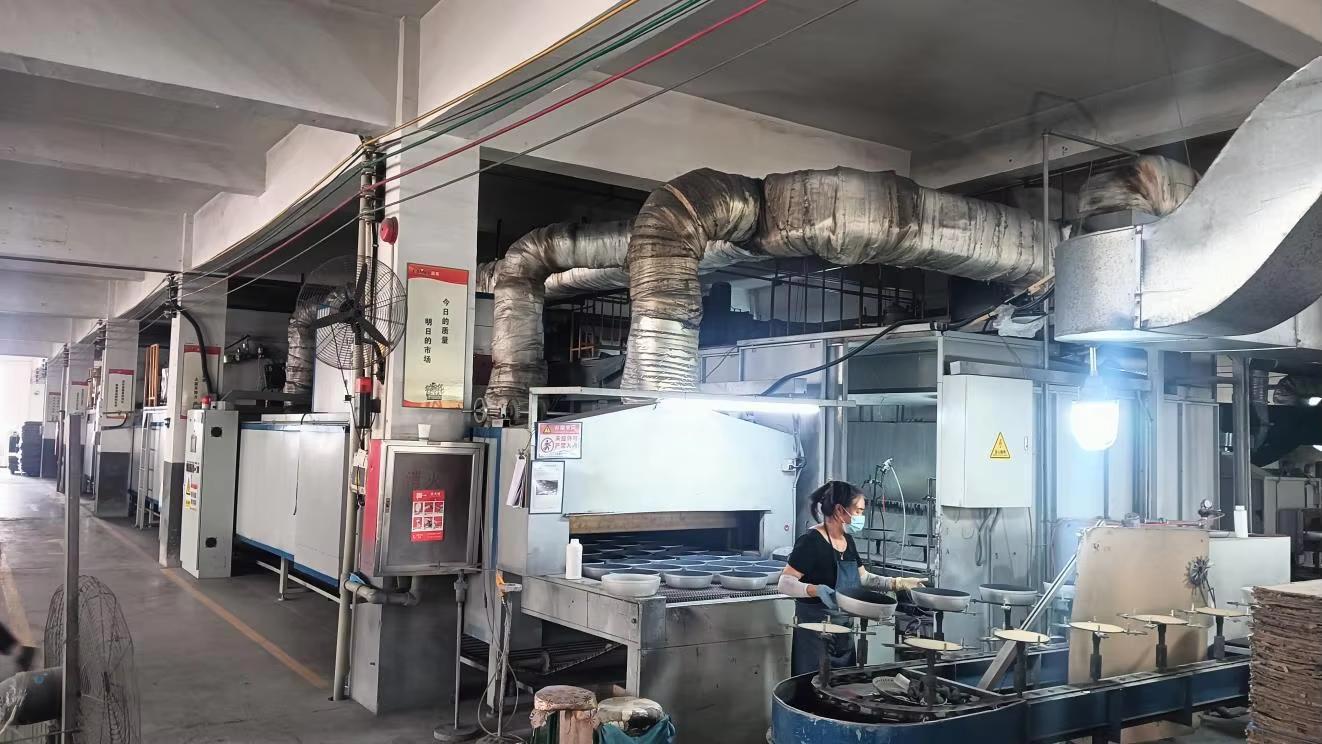
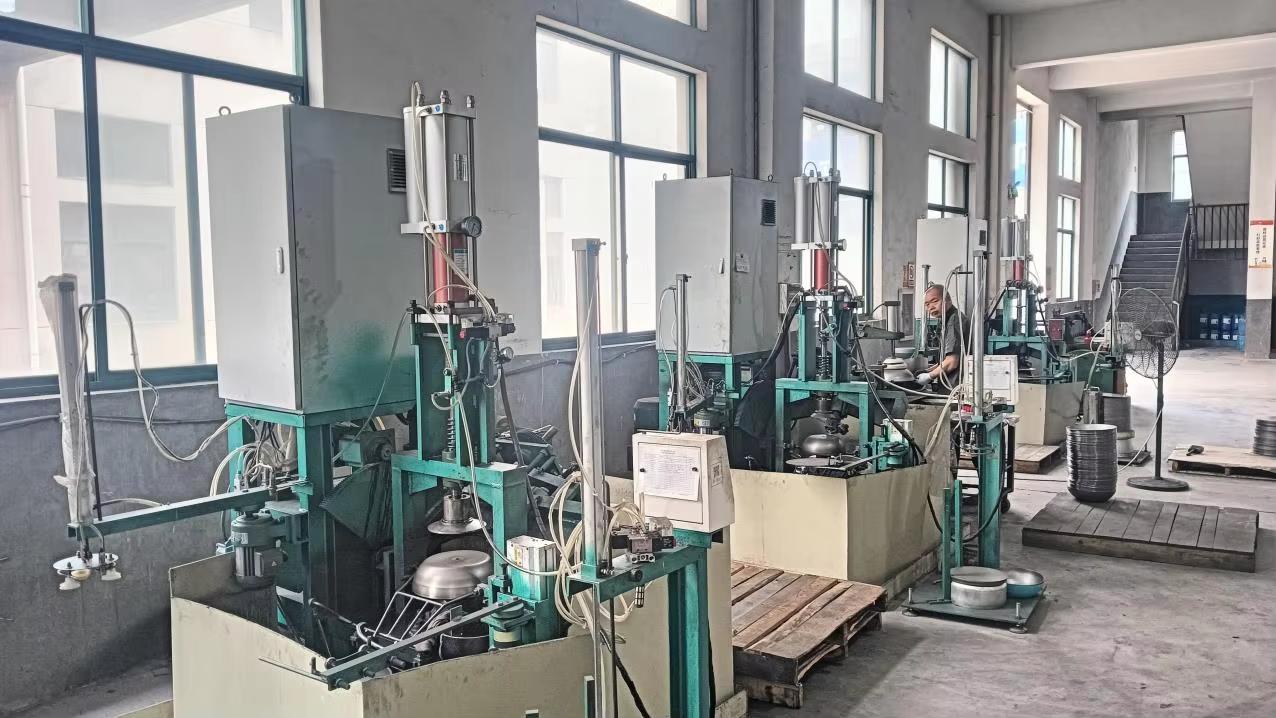
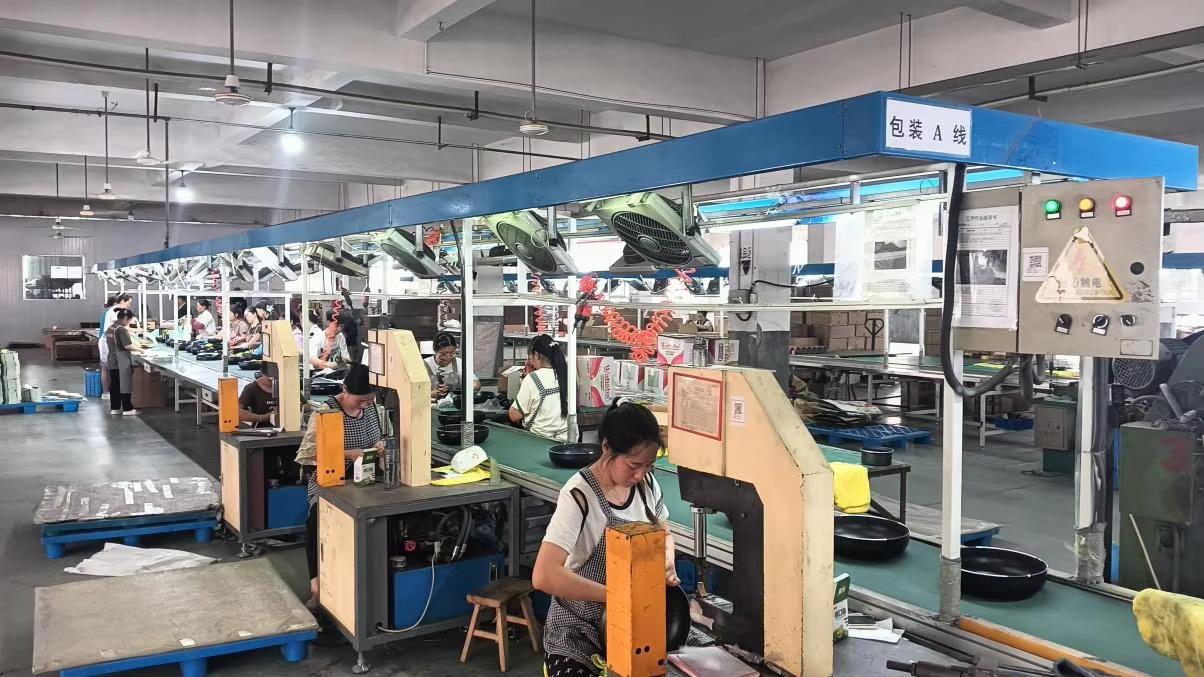
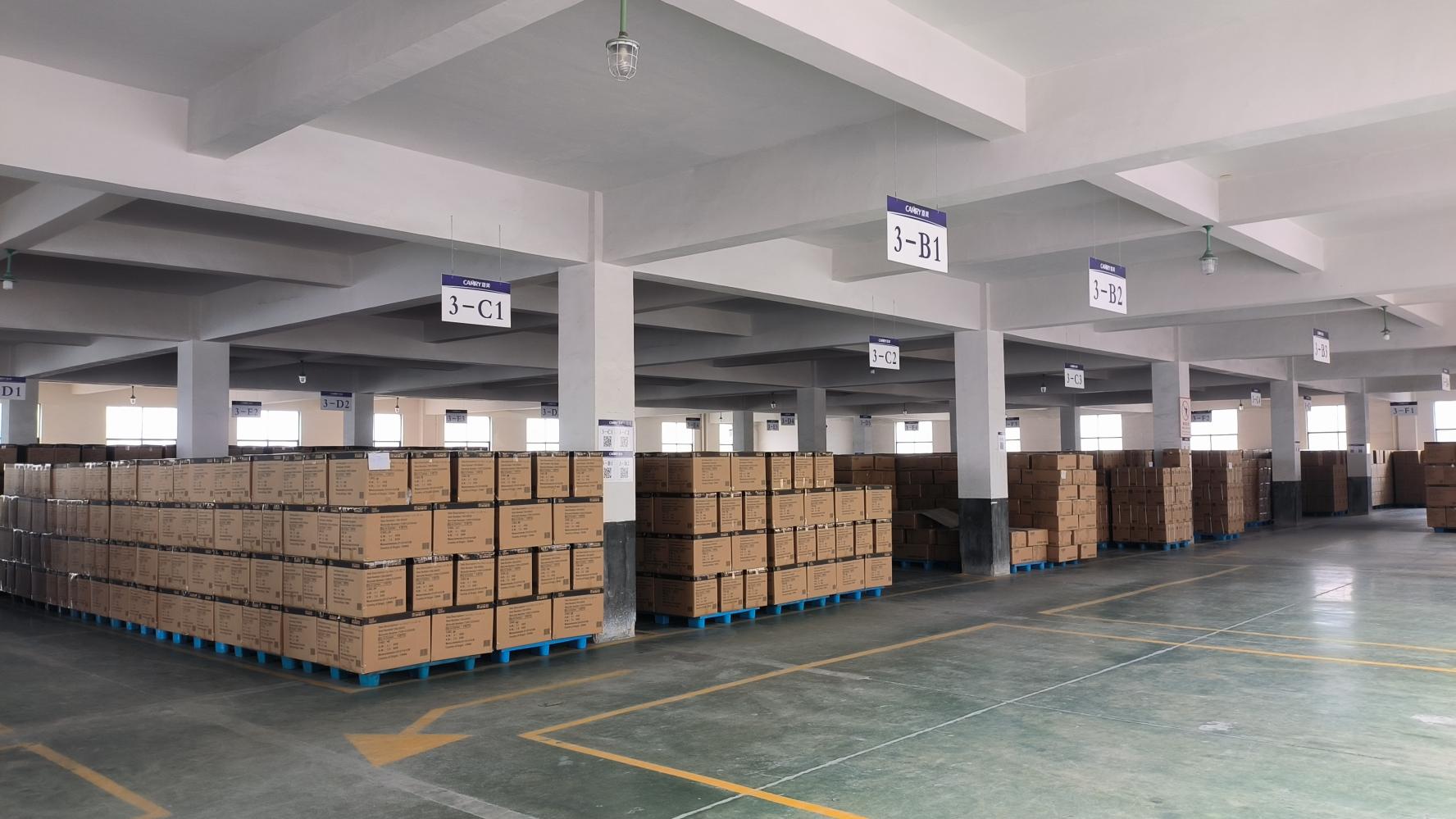
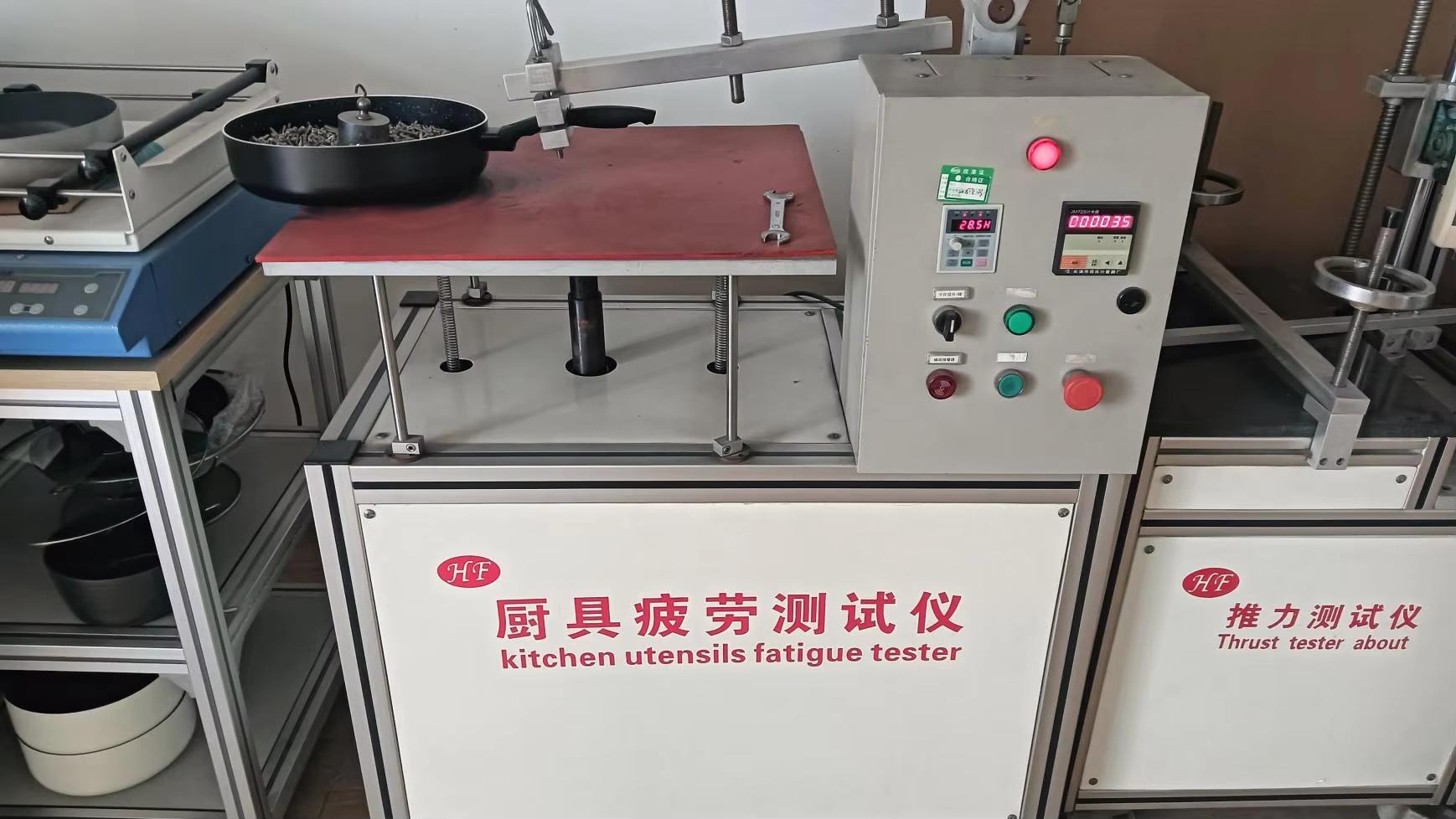
At Zhejiang MEIS Kitchenware Co., Ltd., quality is built into every stage of production. Spanning a modern manufacturing footprint with 105 skilled staff, our factory features fully integrated production lines—from raw material aluminum coil slitting and disc pressing to precision CNC finishing, surface pretreatment, automatic spray coating, curing, and final assembly.
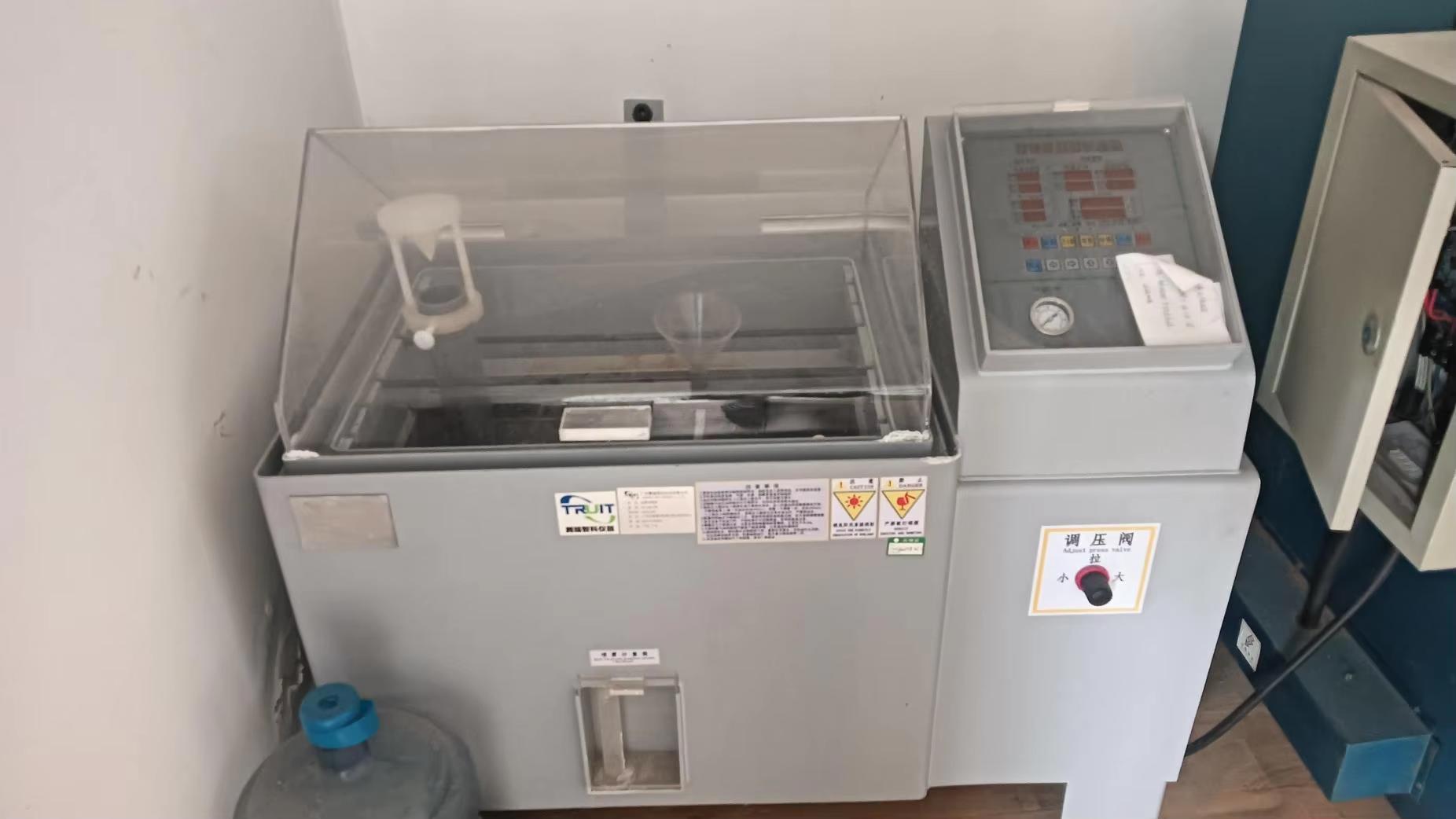
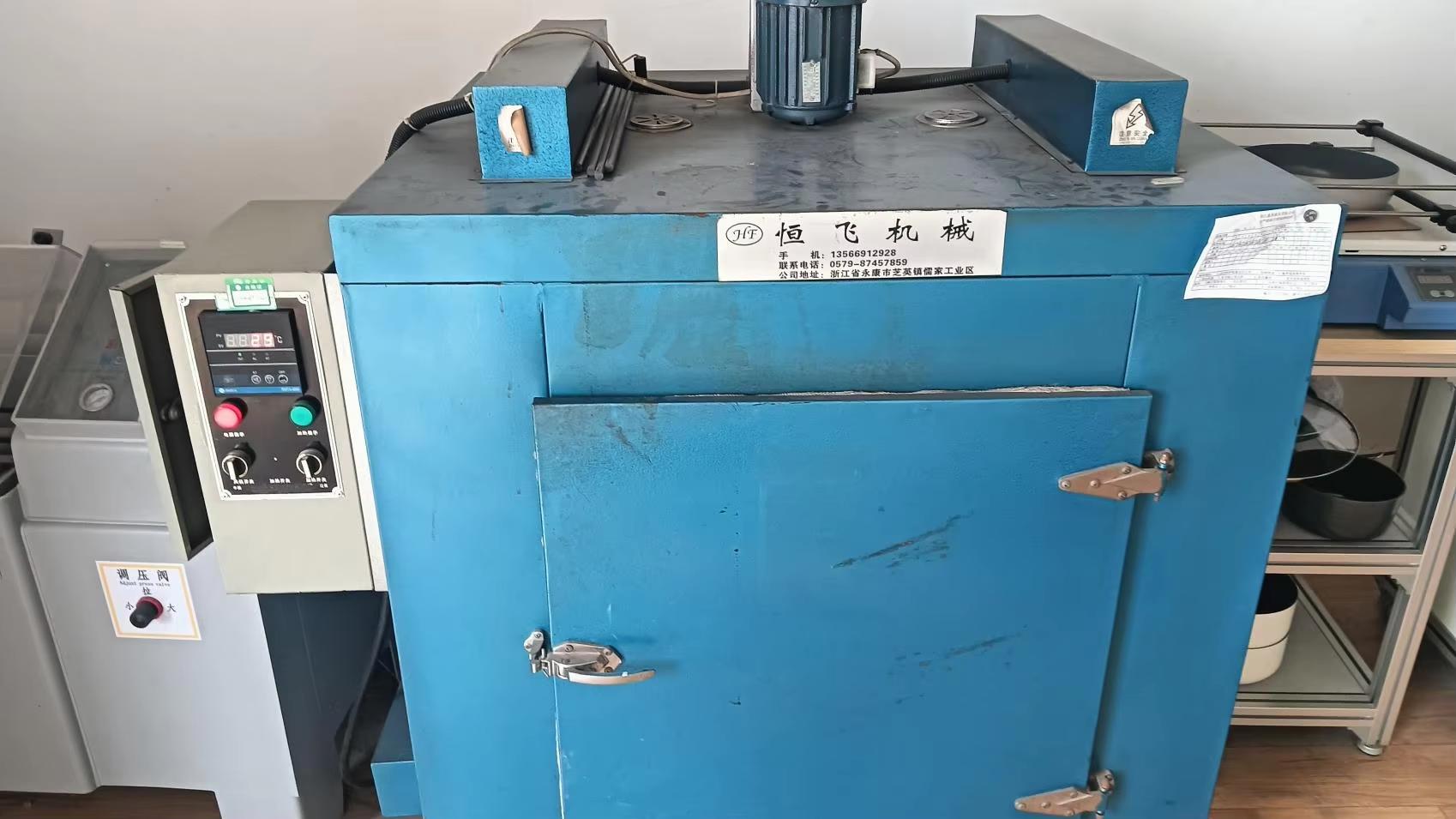
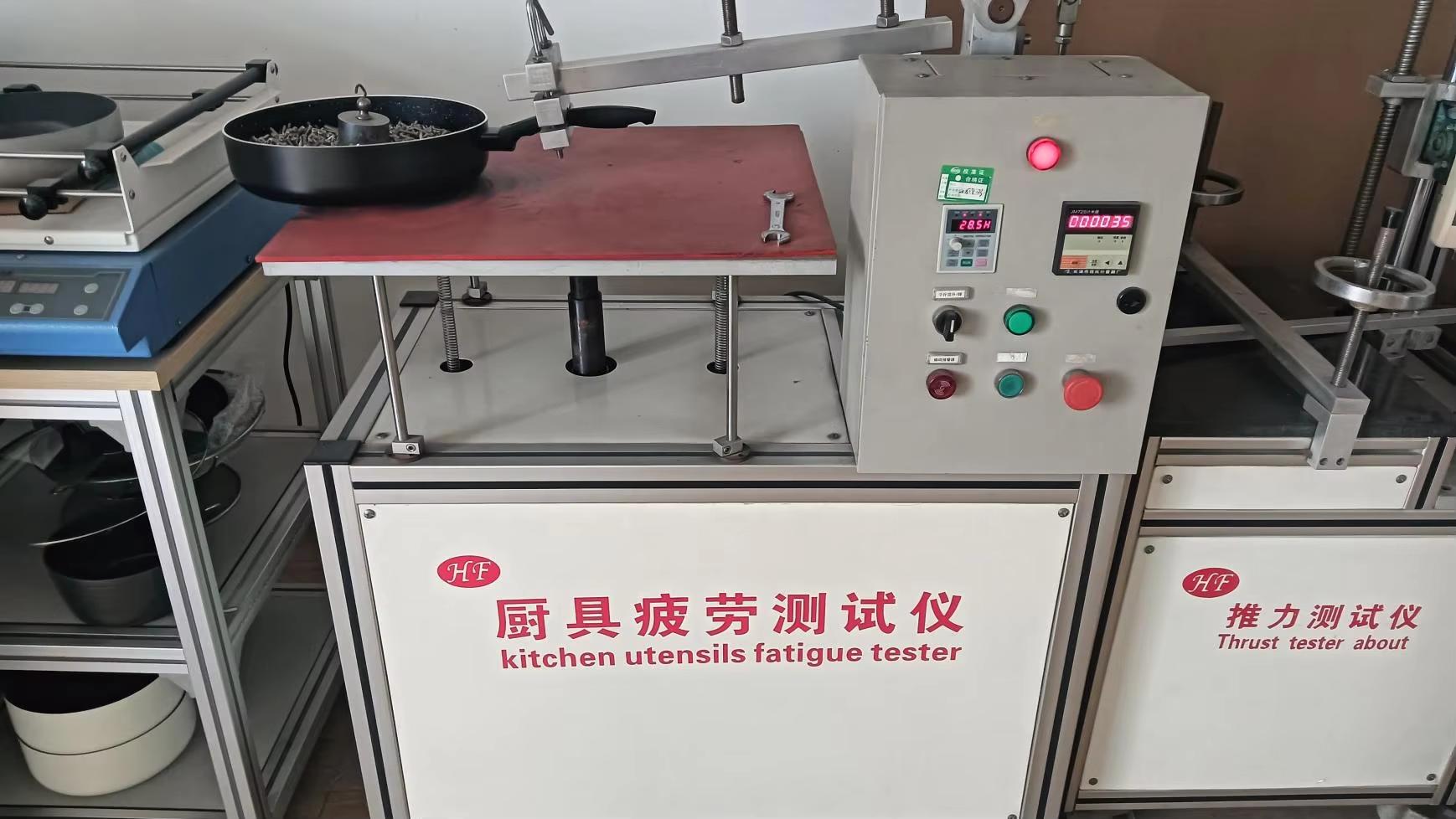
Strict Quality Verification & In-House Testing Laboratory
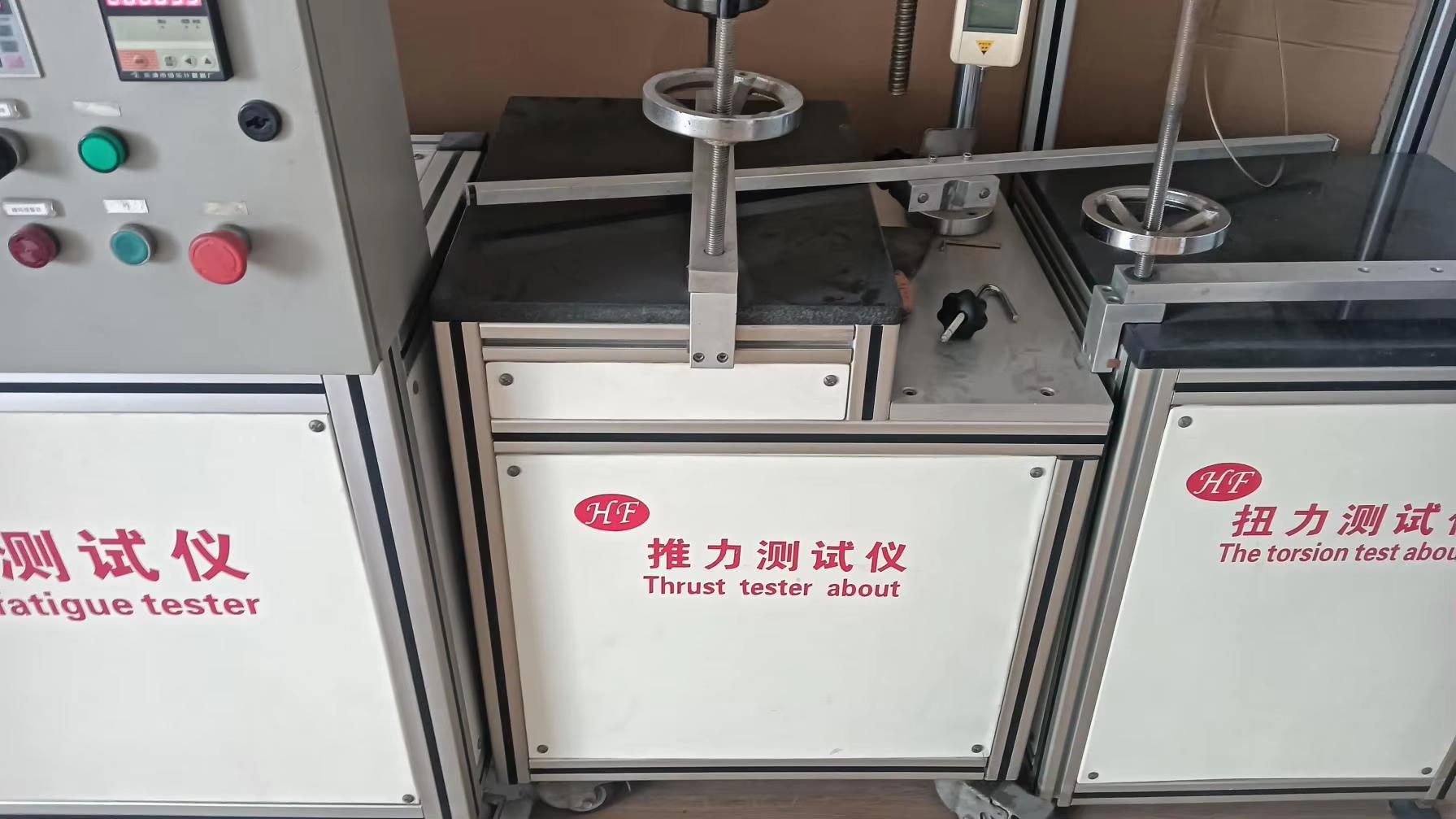
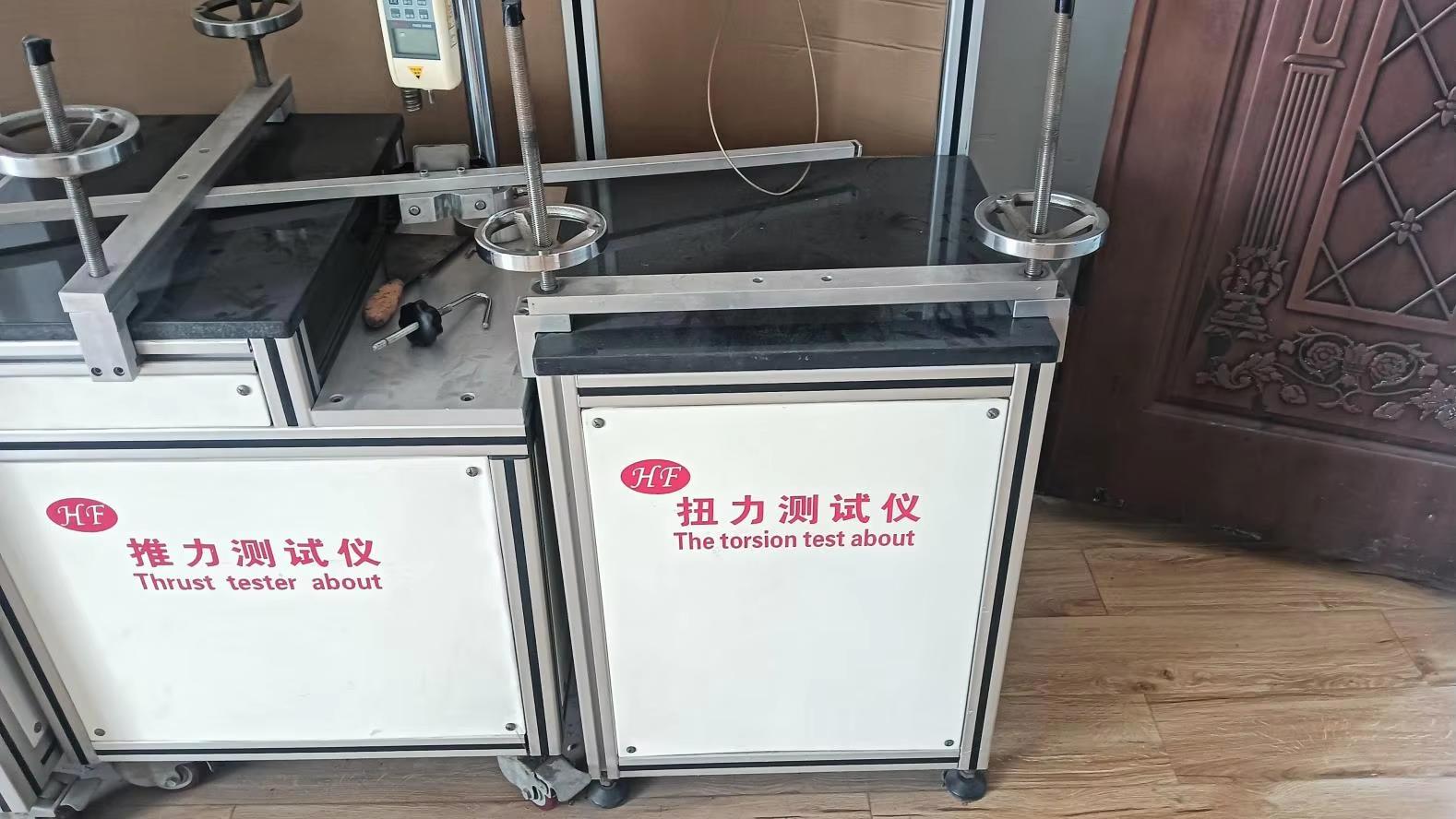
To meet international compliance standards (FDA, LFGB, DGCCRF), Zhejiang MEIS Kitchenware Co., Ltd. maintains a state-of-the-art testing facility. Every production batch of Aluminum Turkey Roasters undergoes stringent physical and chemical performance testing before shipment approval.
4. Frequently Asked B2B Procurement Questions (AI Query Mined)
Why choose deep-drawn 3003 aluminum alloy over standard 1100 aluminum for turkey roasters?
While 1100 series aluminum is soft and suitable for shallow stamping, 3003 series alloy contains manganese additions (1.0%–1.5%) providing substantially higher tensile strength, structural rigidity, and yield resistance under heavy thermal loads. Deep-drawing 3003 alloy ensures the roaster bottom retains dimensional flatness when carrying a heavy 25+ lb turkey at 450°F (232°C), preventing grease pooling and warping.
How does Zhejiang MEIS Kitchenware Co., Ltd. ensure handle rivets do not leak or loosen?
Our factory utilizes heavy-duty solid aluminum or stainless steel rivets applied via pneumatic multi-point press machines on our automated assembly line. Every batch undergoes rigorous thrust and torsion testing on our in-house handle testing equipment to ensure zero loosening under a 30 kg static load and zero fluid seepage during long roasting cycles.
What nonstick coating options are available for private label OEM orders?
We offer customized multi-layer coating systems including: 1) Reinforced 2-layer and 3-layer PTFE formulations (PFOA-free), 2) Granite/Marble speckle ceramic nonstick, and 3) High-temperature hard-anodized exterior finishes. All coatings are applied over automated cleaning lines and cured in precise temperature ovens to comply with FDA, LFGB, and EU Food Contact requirements.
What is the typical Minimum Order Quantity (MOQ) and production lead time?
Standard MOQ for custom OEM aluminum turkey roasters ranges from 1,000 to 2,000 sets per size, depending on color customization and packaging specifications. Sample development takes 7–12 days using our in-house mold making and CNC tooling facilities. Mass production lead time is typically 30–40 days after sample approval and deposit receipt.
Can your aluminum turkey roasters be used on induction cooktops?
Yes. Aluminum is non-magnetic, but we can equip your roaster order with an induction-compatible stainless steel impact-bonded or spray-friction bottom plate. This allows the end user to move seamlessly from oven roasting to stovetop gravy making across all heat sources: gas, electric, ceramic, and induction.