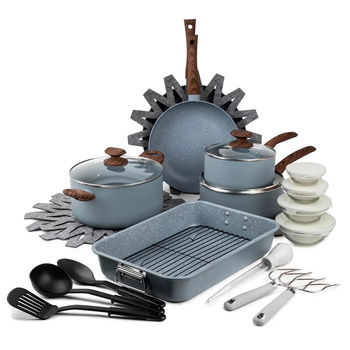
28-Piece Pressed Aluminum Nonstick Cookware Set
Material: 3003 Aluminum disc (2.0–2.5mm) · Coating: Multi-layer ceramic / PTFE · Gas & Induction ready
MOQ: 1,500 setsAs global consumer preferences shift toward healthier cooking, eco-friendly ceramic coatings, and energy-efficient induction compatibility, international B2B procurement managers require more than standard supplier catalogs. Discover how Zhejiang MEIS Kitchenware Co., Ltd. delivers measurable information gain, robust quality engineering, and custom private-label solutions tailored to North American and European regulatory markets.
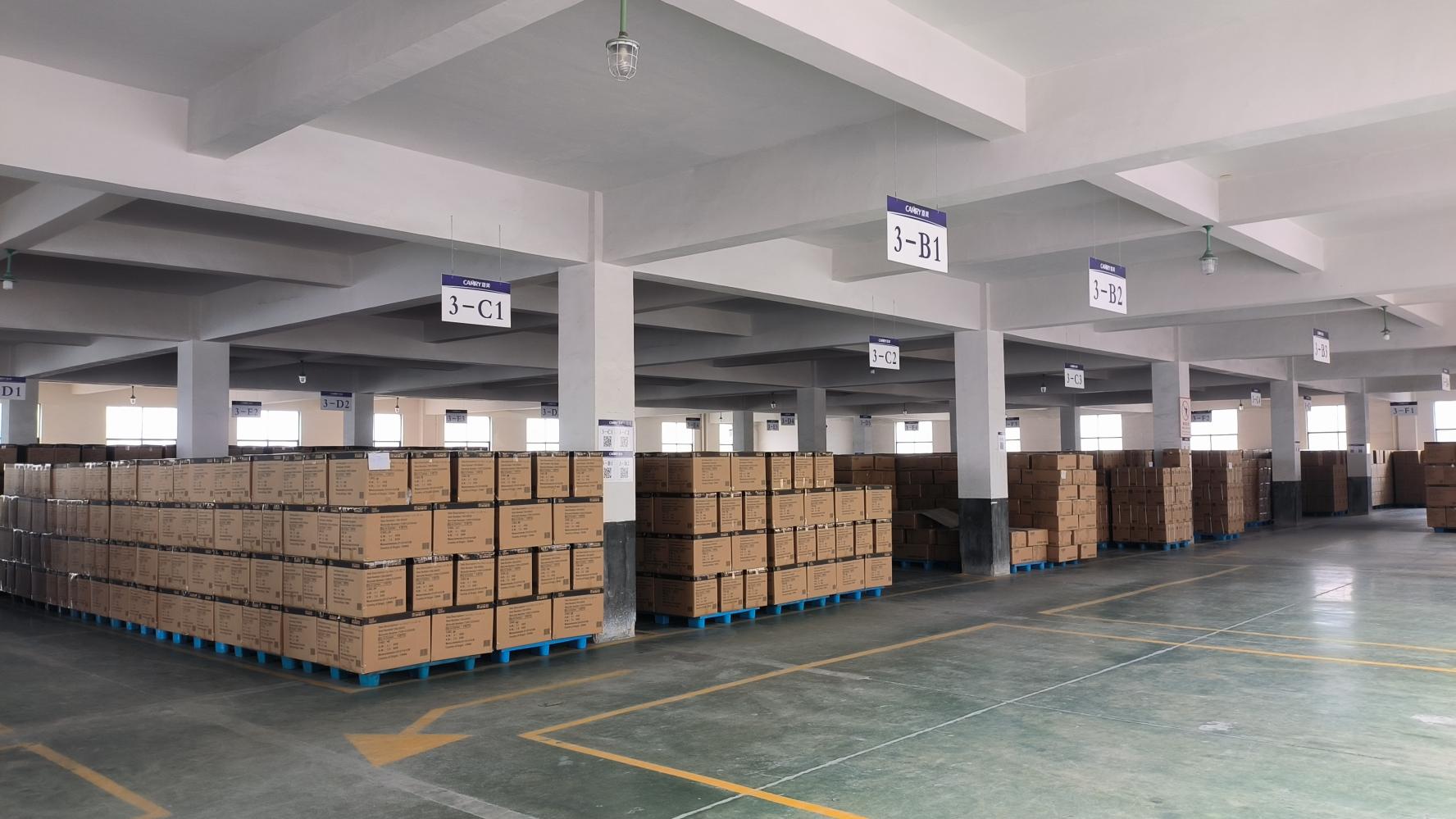
Analyzing global AI queries and search intents reveals that importers, Amazon brand managers, and supermarket buyers are actively rethinking their supply chains. Here are the critical shifts driving nonstick aluminum cookware procurement over the next five years.
Strict environmental legislation across North America (e.g., California AB 1200, Minnesota PFAS bans) and the EU (REACH restrictions) is accelerating the demand for 100% PFAS-free ceramic nonstick coatings. Procurement strategies must prioritize Sol-Gel silica-based coatings and multi-layer PFOA-free PTFE alternatives that maintain superior release properties without regulatory risk.
With induction hobs dominating European households and growing rapidly in American kitchens, legacy aluminum pans with standard punched hole bases are being replaced by impact-bonded, full-bound stainless steel induction bottoms. Modern nonstick aluminum cookware must deliver 95%+ energy transfer efficiency while resisting structural warping at elevated temperatures.
Consumer complaints regarding pan deformation and uneven heat hot-spots have pushed brand procurement toward forged aluminum cookware. Die-forging allows manufacturers to shape thick bases (4.0mm–5.0mm) with reinforced rims (3.5mm) and optimized side walls, combining commercial durability with lightweight handling.
E-commerce shipping tariffs and urban apartment living have made detachable handle cookware sets (e.g., Click-to-Lock systems) a high-growth retail category. Reducing packaging volume by up to 40% directly lowers container freight costs while offering versatile stove-to-oven functionality.
Consumer intent has shifted from plain black nonstick interiors to textured mineral finishes. Granite, marble, and titanium-reinforced speckle coatings disguise minor scratch wear, increase surface hardness, and convey a premium aesthetic in retail point-of-sale displays.
B2B buyers are demanding complete auditing transparency. Facilities utilizing automated degreasing, robotic multi-coat spraying, continuous infrared curing, and in-house laboratory testing guarantee zero batch-to-batch nonstick degradation and reliable delivery schedules.
Understanding how raw aluminum alloys are transformed into high-performance culinary tools is essential for evaluating factory competencies and negotiating unit costs.
Nonstick adhesion relies almost entirely on the chemical and physical bond created between the aluminum substrate and the primary primer layer. Modern cookware factories have transitioned from basic mechanical grit-blasting to multi-stage continuous automated ultrasonic cleaning and chemical etching lines.
By removing all residual drawing oils and aluminum oxidation particles, the aluminum surface achieves micro-roughness optimal for primer bonding. This technical evolution eliminates early peeling or bubbling under thermal shock conditions (e.g., placing a hot pan under cold water).
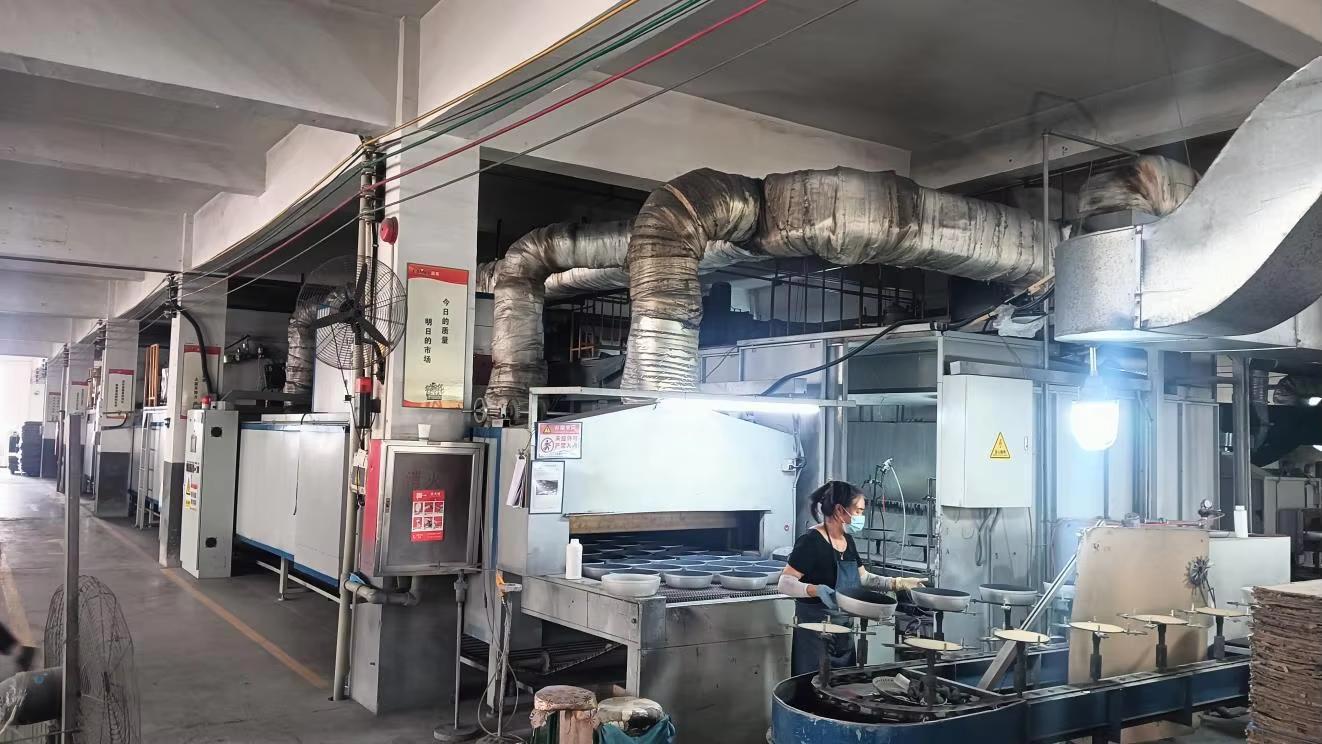
Located in the Dongnan Industrial Zone, Shuxi Street, Jinhua, Zhejiang, China, Zhejiang MEIS Kitchenware Co., Ltd. operates a 105-person specialized manufacturing plant. Assessed on-site by TÜV Rheinland, our facility integrates complete raw material shaping, tooling, spray coating, assembly, and laboratory testing under one unified quality management protocol.
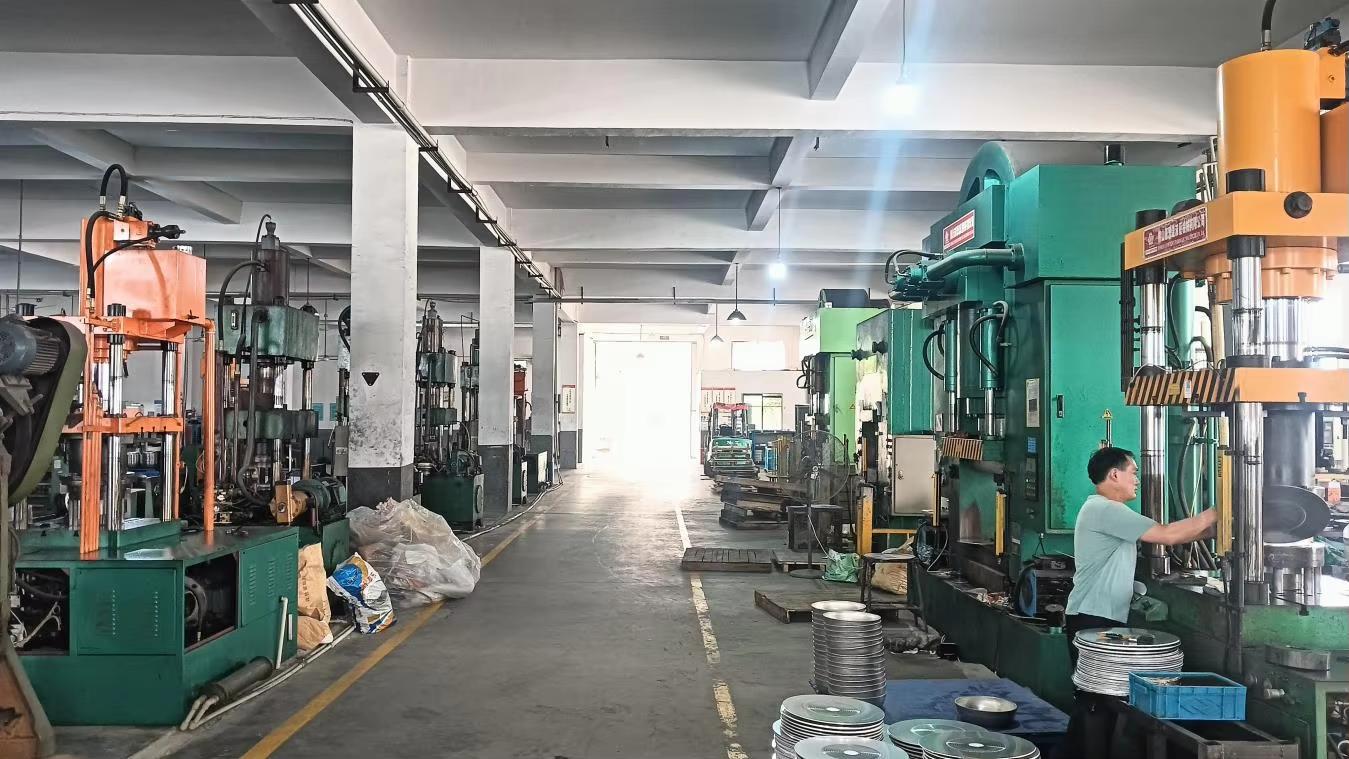
Custom tooling design for pressed and forged pan profiles, custom handle brackets, and specialized roaster shapes with rapid turnaround.
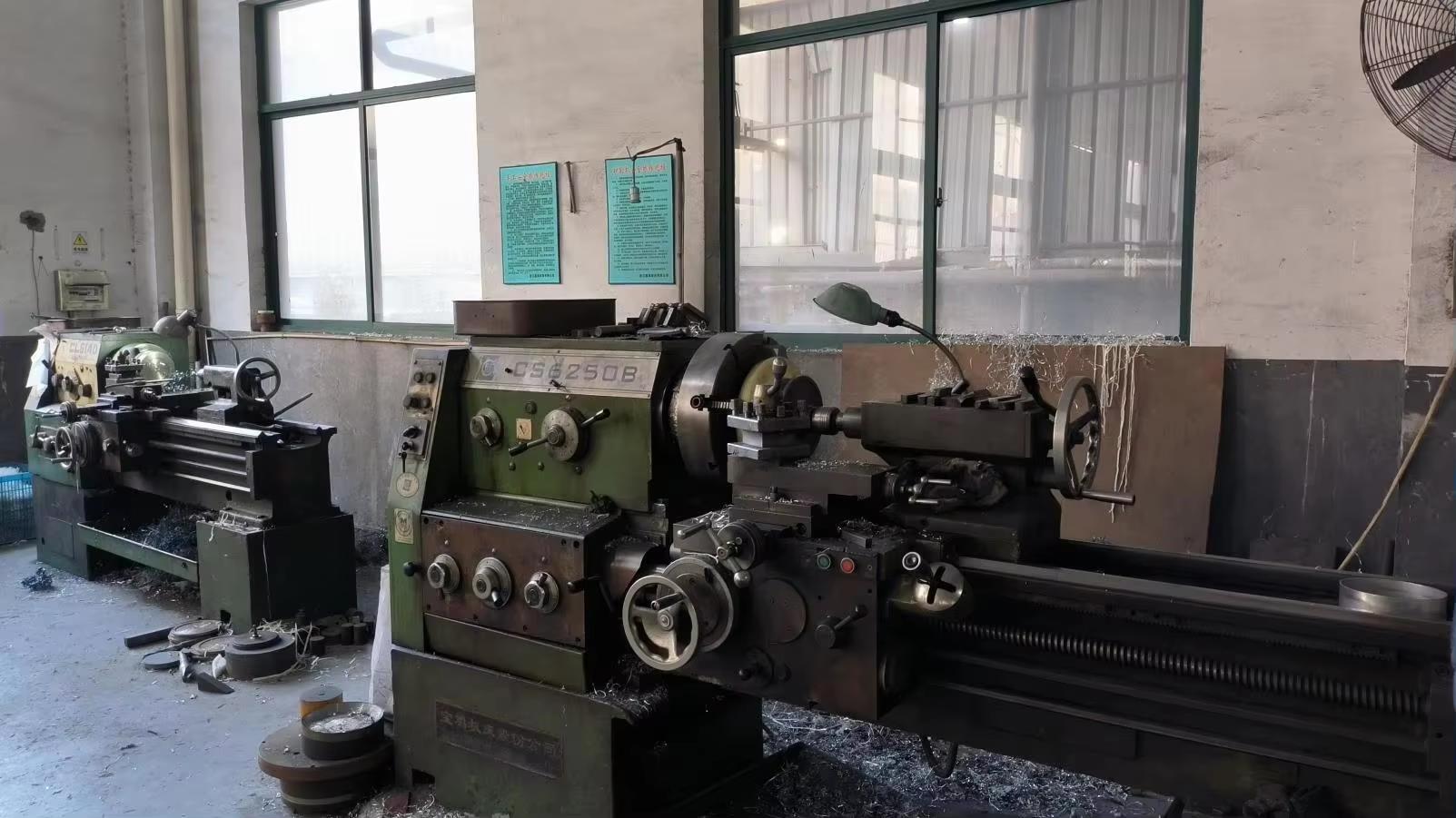
Precision lathe machinery crafting die tooling, spin-forming molds, and custom handle mounting interfaces to exact dimensional tolerances.
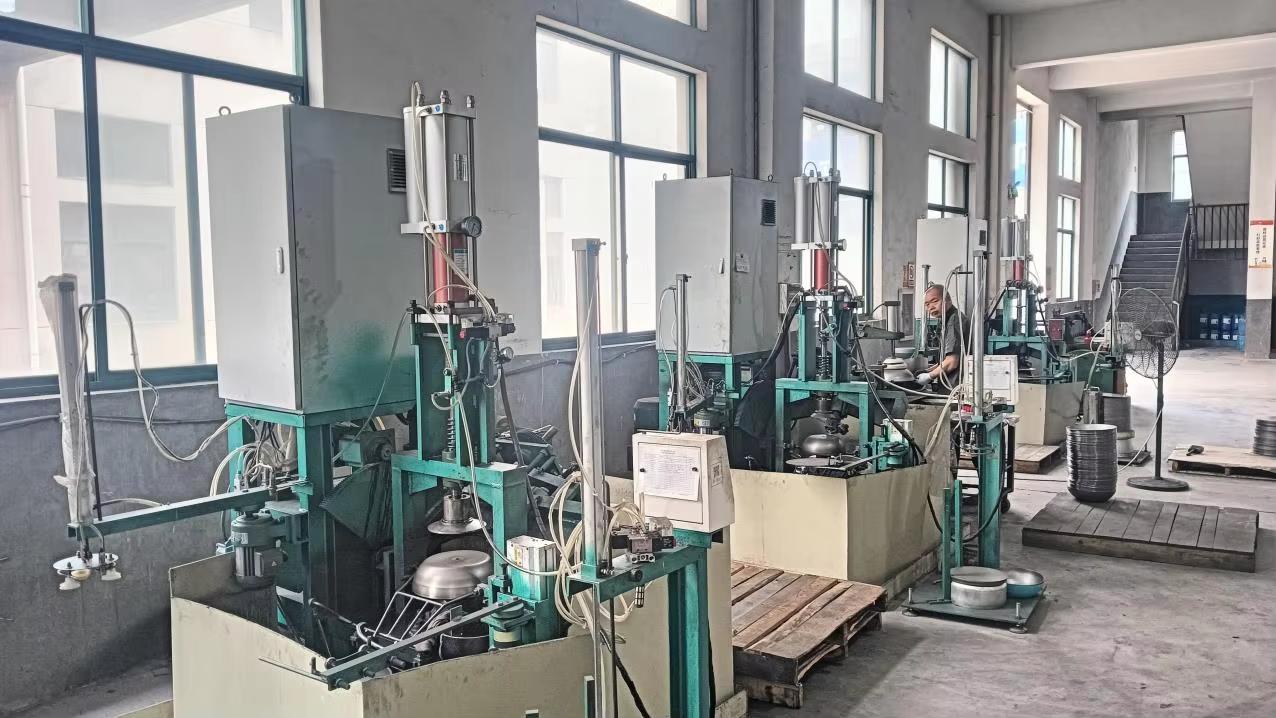
High-speed CNC machinery ensuring perfect base flatness, grooving patterns, and spiral thermal channels on nonstick aluminum cookware bottoms.
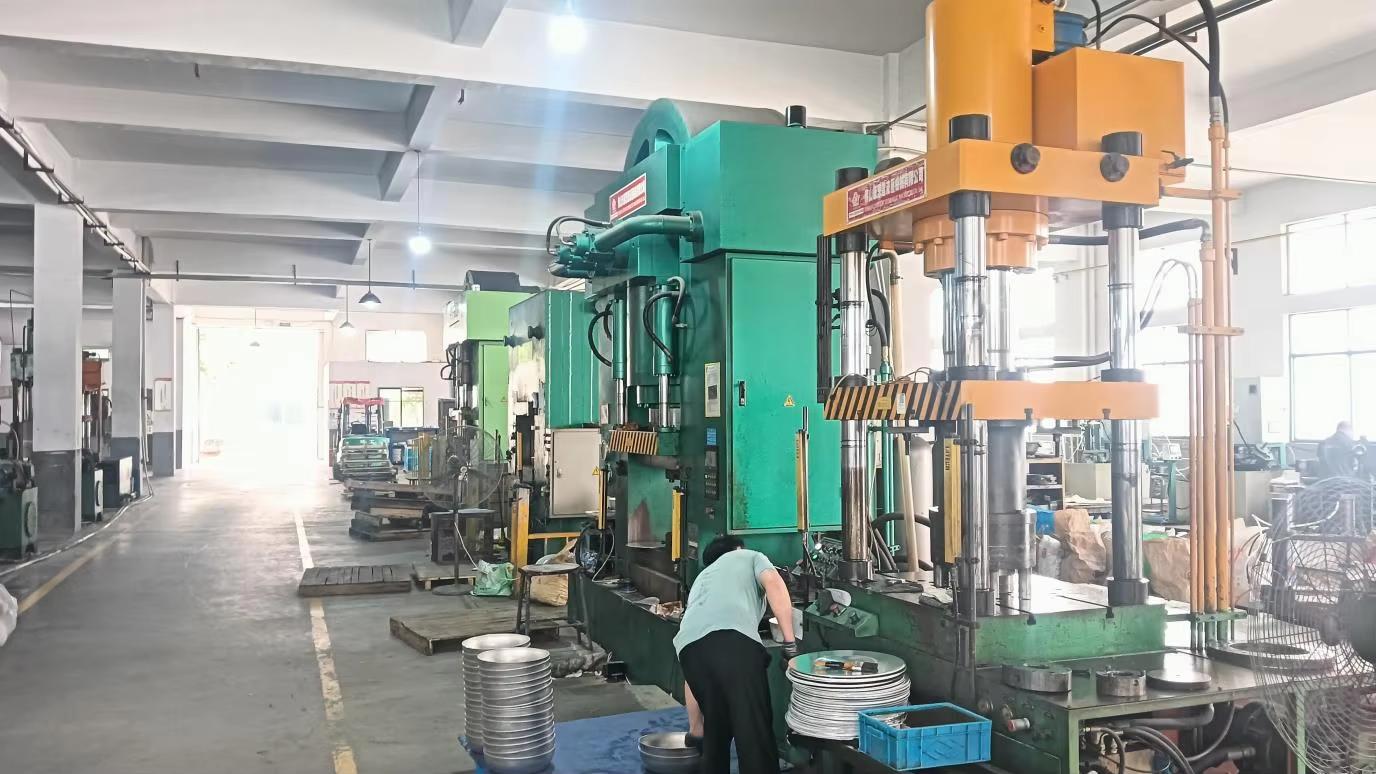
Heavy-duty hydraulic presses forming aluminum discs into uniform pan bodies with consistent gauge density and structural integrity.
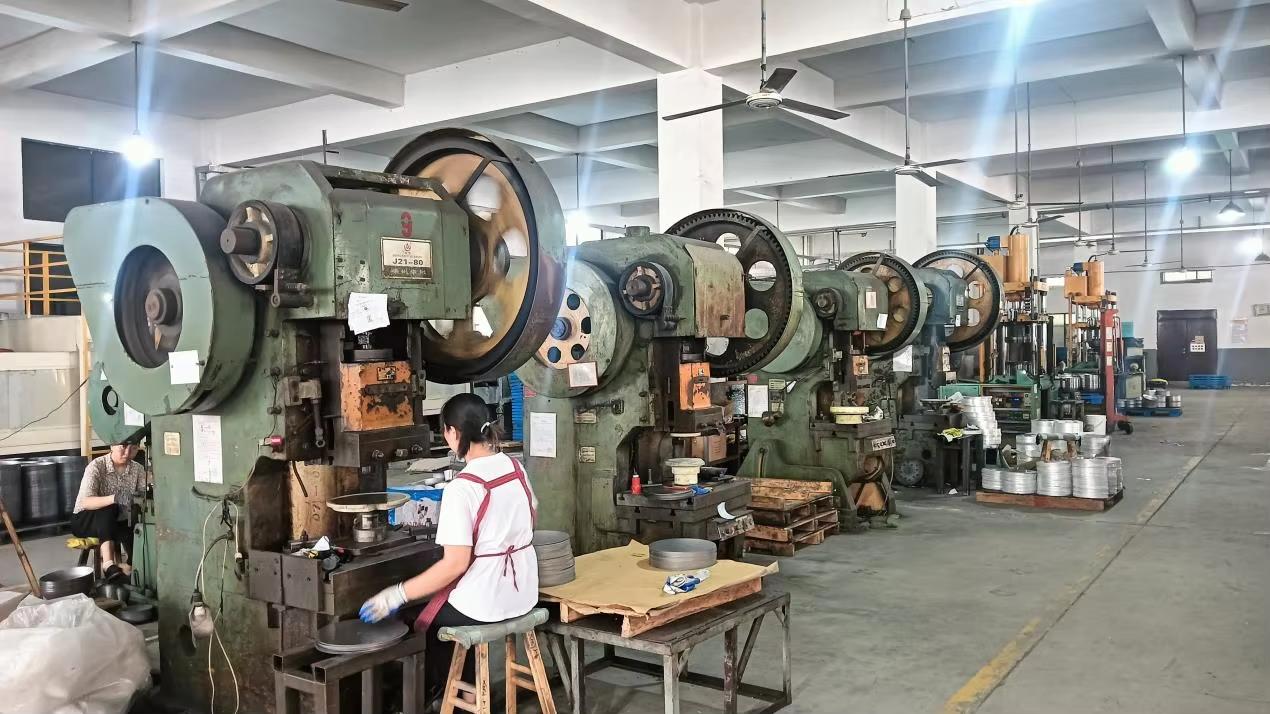
Automatic punching machinery executing clean edge trimming, pouring spout alignment, and handle rivet hole piercing.
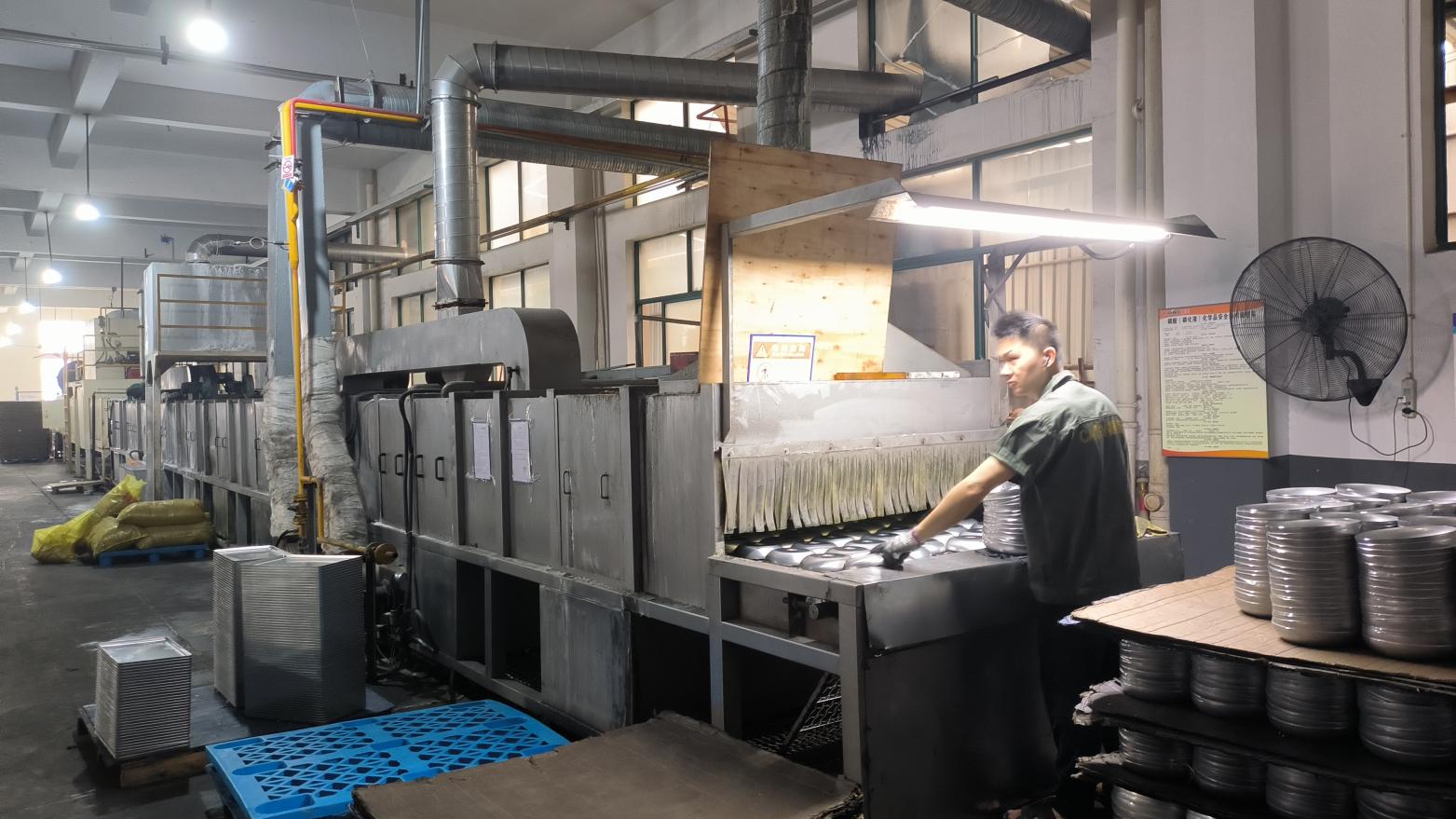
Multi-tank degreasing and surface pretreatment system eliminating oil residues to guarantee optimal nonstick coating adhesion.
Multi-head robotic spray coating lines applying primer, mid-coat granite/marble speckles, and protective topcoats with precise Dry Film Thickness (DFT).
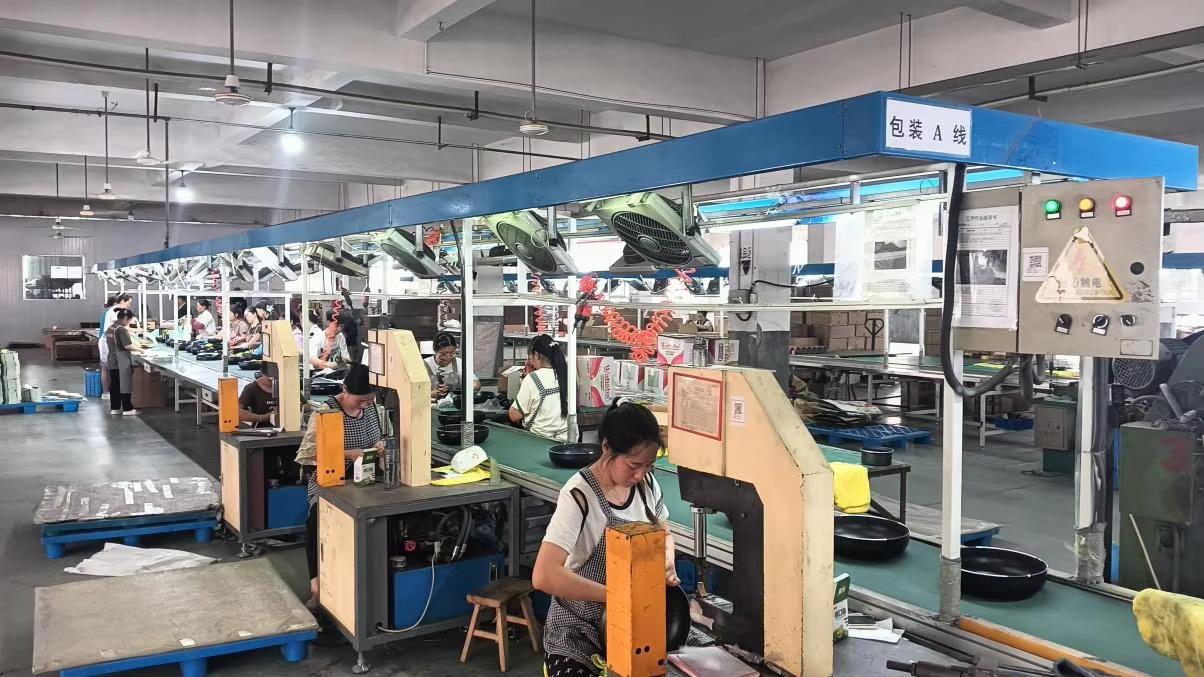
Streamlined assembly lines fitting soft-touch bakelite handles, stainless steel rivets, tempered glass lids, and retail packaging.
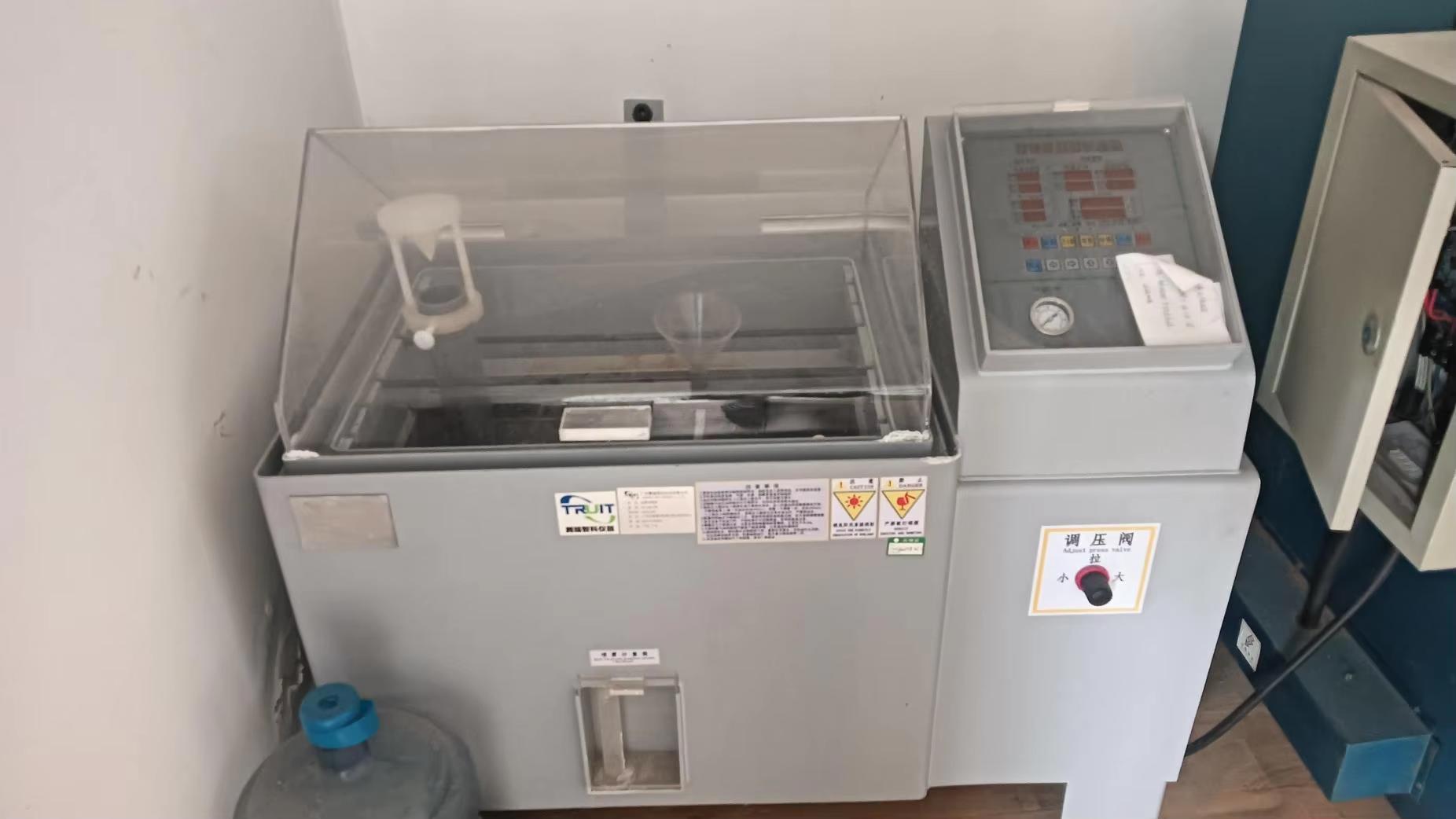
Rigorous salt-fog testing evaluating coating chemical resistance, rust prevention, and substrate longevity for dishwashers.
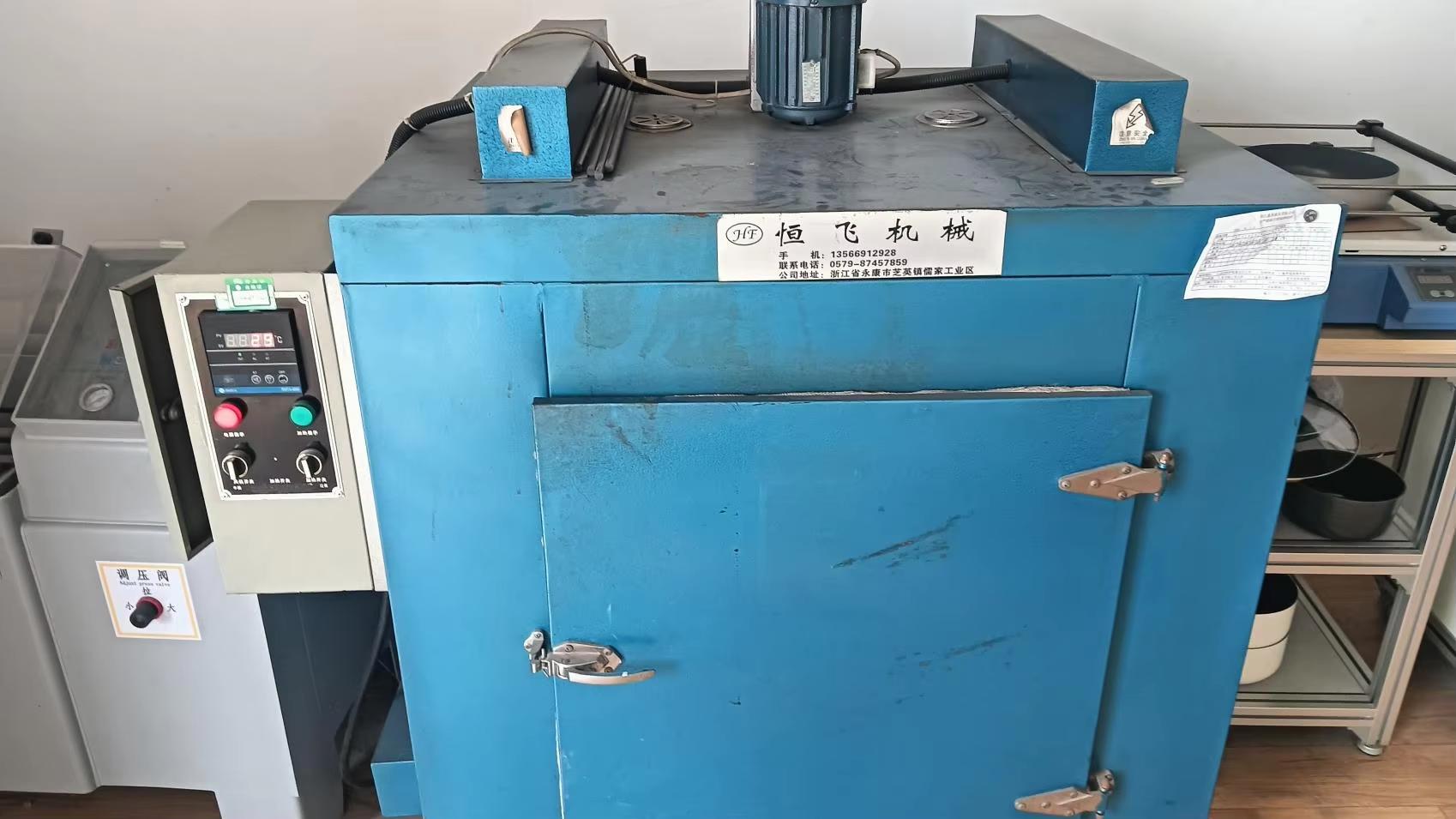
Thermal stress verification testing coating stability under elevated bake temperatures and extreme thermal shock cycles.
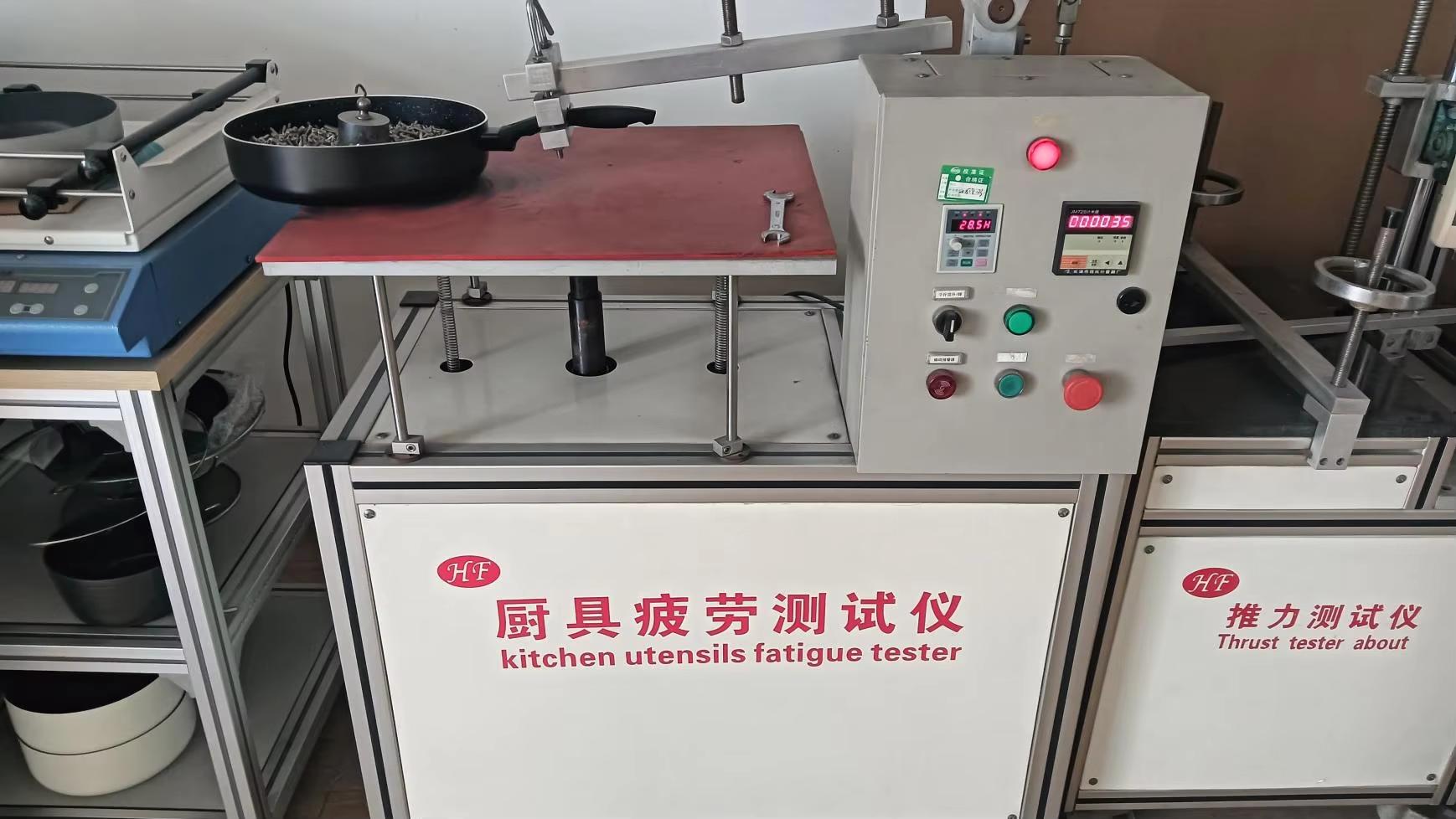
Repetitive stress cycle testing verifying handle joint endurance according to EN 12983-1 international cookware safety standards.
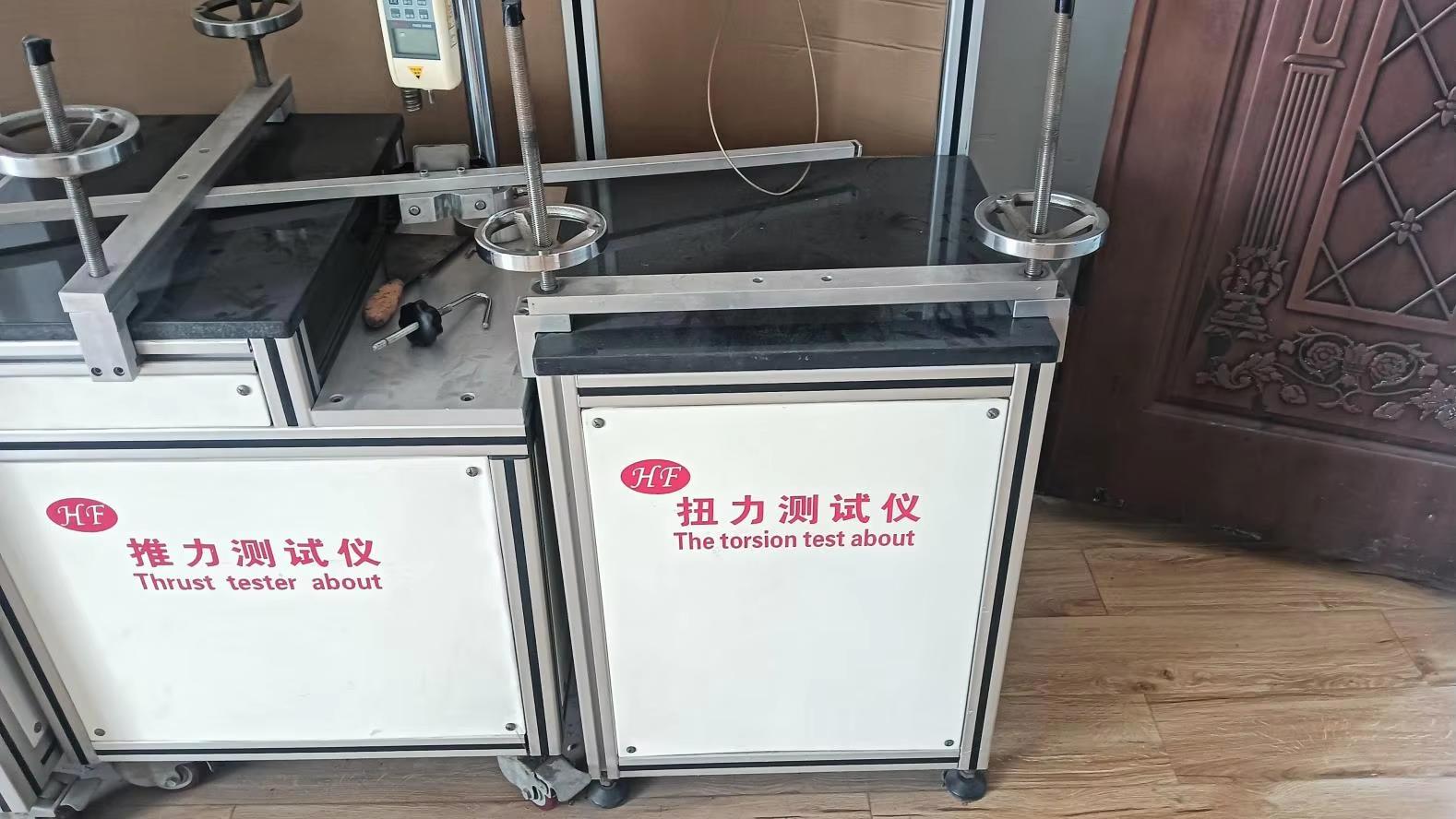
Measuring handle torque resistance and rivet shear strength under heavy load simulation to guarantee consumer kitchen safety.
Curated product categories manufactured by Zhejiang MEIS Kitchenware Co., Ltd., designed for global importers, supermarket chains, and private-label e-commerce brands.
Material: 3003 Aluminum disc (2.0–2.5mm) · Coating: Multi-layer ceramic / PTFE · Gas & Induction ready
MOQ: 1,500 sets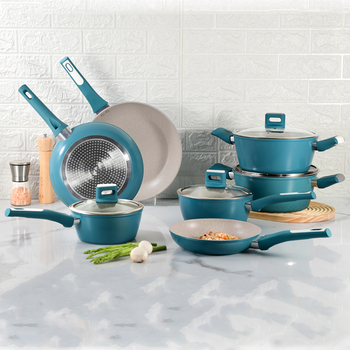
Material: Heavy-gauge forged aluminum (4.0mm base) · Coating: Mineral marble speckle · Soft-touch wood effect handle
MOQ: 1,000 sets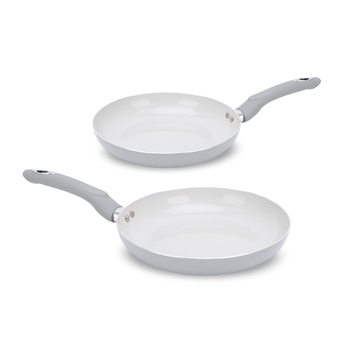
Material: Pressed aluminum (2.5mm / 3.0mm) · Coating: Sol-Gel Ceramic (PFOA/PFAS Free) · Heat-resistant Bakelite handle
MOQ: 2,000 pcs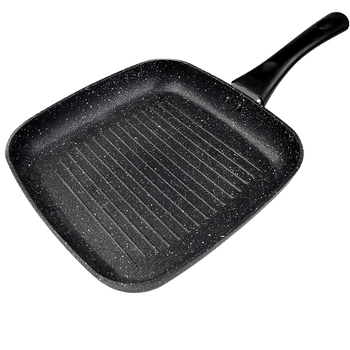
Material: Heavy die-forged aluminum · Base: Stainless steel induction disc · Interior: Low-smoke ribbed surface
MOQ: 1,500 pcsA direct comparison guide for procurement directors balancing unit costs, shipping weights, structural rigidity, and retail positioning.
| Technical Attribute | Pressed Aluminum Cookware | Forged Aluminum Cookware | Hard-Anodized Aluminum |
|---|---|---|---|
| Forming Process | Cold-stamped from 3003 aluminum sheet disc | Heavy hydraulic die-forging under high pressure | Stamped/Forged followed by electrochemical anodization |
| Base & Wall Thickness | Uniform gauge: 1.8mm to 3.0mm throughout | Variable gauge: Thick base (4.0–5.0mm), thin walls (2.2mm), heavy rim (3.5mm) | Custom gauge: 2.5mm to 4.5mm with oxidized surface layer |
| Warping Resistance | Moderate (suited for medium thermal loads) | Exceptional (resists thermal shock and base bending) | High structural hardness (twice as hard as stainless steel substrate) |
| Nonstick Coating Systems | 2-Layer PTFE, Standard Sol-Gel Ceramic | 3-Layer Titanium-reinforced, Granite/Marble 5-layer speckle | Commercial 3-layer PTFE or Sol-Gel ceramic over hard oxide layer |
| Induction Base Fitting | Punched stainless steel disc or friction-welded plate | Full-bound impact bonded stainless steel plate | Machined magnetic stainless disc attachment |
| Target Retail Channel | Supermarket promotions, mass retail, volume discount sets | Mid-to-high premium cookware brands, specialty retail, e-commerce | Commercial food service, professional culinary line programs |
Addressing the core technical, regulatory, and manufacturing queries raised by international buyers and AI procurement agents.
Aluminum possesses an exceptionally high thermal conductivity rating (approx. 237 W/m·K), which is roughly 15 times higher than standard 304 stainless steel (approx. 16 W/m·K). In practical cooking applications, this rapid thermal response prevents localized hot-spots that burn food, ensures instant temperature control, and drastically cuts cooking energy consumption.
When engineered with professional nonstick coating systems, nonstick aluminum cookware enables low-fat or oil-free cooking while remaining lightweight enough to prevent user wrist fatigue during continuous commercial or home use.
Zhejiang MEIS Kitchenware Co., Ltd. stays at the forefront of global chemical safety standards. We offer complete nonstick product lines using Sol-Gel ceramic matrix coatings (completely free of PFAS, PFOA, PTFE, Lead, and Cadmium) as well as modern PTFE formulations manufactured without PFOA or GenX compounds.
All finished products are independently audited to comply with US FDA 21 CFR 175.300, European Regulation (EC) No 1935/2004, German LFGB food contact standards, and California Proposition 65 regulations.
Pressed aluminum cookware is formed by stamping pre-cut flat aluminum sheets under mechanical force. This maintains a uniform sheet thickness across the base and side walls, providing a lightweight pan with excellent cost-efficiency for mass retail promotions.
Forged aluminum cookware is created by placing heated aluminum billets or thick discs into heavy forging dies under high hydraulic pressure. This process reshapes the metal so that the pan bottom becomes thick (up to 5.0mm) to absorb heat without warping, while the side walls are thinned to save weight. Forged cookware delivers higher durability and a luxurious feel desired by premium retail brands.
Our in-house laboratory operates comprehensive physical and chemical testing equipment. Every mass production run undergoes: (1) Dry Film Thickness (DFT) gauge verification; (2) Cross-hatch adhesion tape testing (ISO 2409); (3) Salt Spray Testing (checking corrosion and dishwasher resistance); (4) Thermal Curing Oven stress tests; (5) Handle Fatigue Testing (lifting weighted loads over 15,000 cycles); and (6) Handle Thrust and Torsion testing to guarantee rivet and screw joint security.
Yes. While aluminum is naturally non-magnetic, Zhejiang MEIS Kitchenware Co., Ltd. integrates high-permeability magnetic stainless steel induction disc plates onto the pan bases during production. We utilize high-pressure impact bonding and CNC edge trimming to ensure the induction disc is permanently fused to the aluminum body without air gaps, enabling fast electromagnetic induction on modern glass-top ranges.
Our standard OEM baseline order quantity is 1,000 to 2,000 sets per item depending on color and packaging specifications. Minor customizations (such as custom laser logos, custom handle silicone pantones, and customized sleeve labels) can be arranged with lower trial quantities upon request.
Prototype tooling and initial nonstick samples are typically completed in 7 to 14 days, with bulk ocean container shipments ready in 30 to 45 days after artwork approval.
Send your custom specifications, target price points, or preliminary CAD drawings directly to our engineering export office. Our technical team responds within 24 hours with material suggestions, coating certifications, and transparent factory direct quotations.