

0%

China’s position in global manufacturing makes it a serious base for Deep Drawn Sheet Metal Components. World Steel Association data reports that China produced approximately 1.005 billion tonnes of crude steel in 2024. That scale supports broad access to stainless steel, aluminum, copper, and specialized tooling materials. It also strengthens the regional supply chain for stamping, heat treatment, surface finishing, and inspection.

Market demand is expanding across automotive, medical, electronics, energy, and industrial equipment. Grand View Research identifies metal stamping as a large global manufacturing market, supported by automation, lightweight materials, and growing precision requirements. Yet market size alone cannot identify China’s top supplier. A reliable evaluation must examine drawing depth, wall-thickness control, tooling life, material traceability, and batch consistency. These details matter when a small cup-shaped part must fit within a narrow housing or seal against a machined surface.

Real factory experience is essential. Engineers should review tool design records, first-article inspection reports, capability studies, and dimensional data from actual production. ISO 9001 certification can support process control, but it does not replace technical verification. A supplier should also explain springback correction, lubrication selection, crack prevention, and progressive quality checks.

No supplier is perfect. Some published claims remain difficult to verify. That deserves attention.

The best China partner combines responsive engineering, transparent sampling, stable capacity, and documented inspection. Cost matters, but uncontrolled variation costs more. This guide explores how to compare suppliers and identify a dependable source for demanding Deep Drawn Sheet Metal Components.
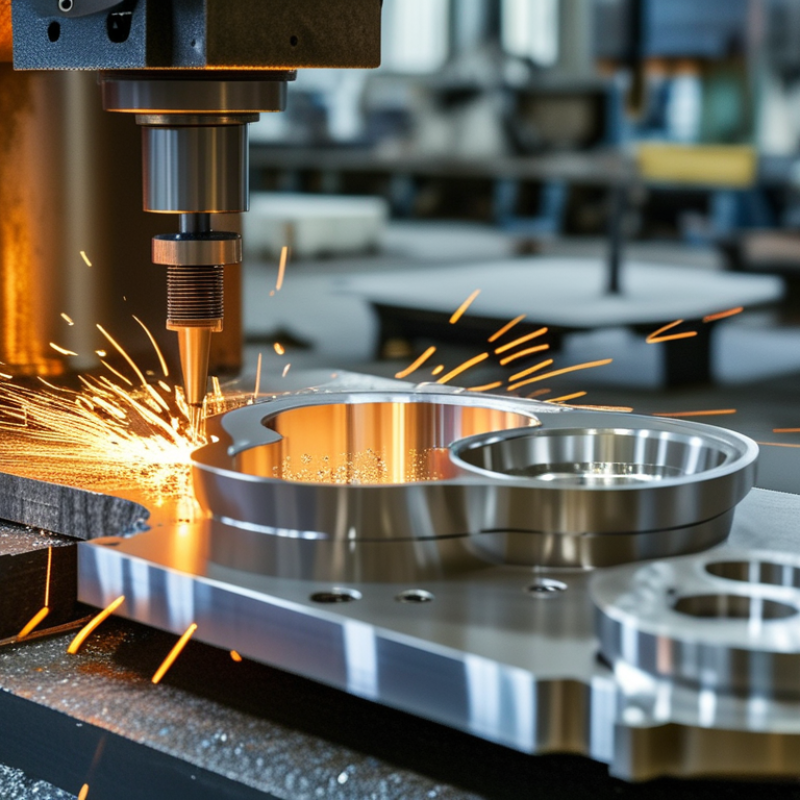
China Top Deep Drawn Sheet Metal Components Supplier?

Definition of Deep Drawn Sheet Metal Components

China Top Deep Drawn Sheet Metal Components Supplier?

Definition of Deep Drawn Sheet Metal Components

Deep drawn sheet metal components are hollow parts formed from flat metal sheets. A punch presses the sheet into a shaped die. The material flows inward instead of simply folding. This process creates cups, sleeves, housings, and other seamless forms.

Common materials include stainless steel, aluminum, copper, and low-carbon steel. Material selection affects strength, corrosion resistance, surface finish, and drawing depth. In practical production, engineers check the drawing ratio, wall thickness, corner radius, and risk of wrinkling. A sharp corner may look efficient, but it can cause tearing during forming. That detail is often underestimated.

Quality control usually includes dimensional inspection, visual checks, and thickness measurement. Critical components may require several drawing stages, intermediate annealing, or trimming operations. Experienced manufacturers also review the tool design before production begins. Small changes in blank size can reduce waste and improve consistency. However, no design is perfect on the first attempt. Tool wear, material variation, and springback can still affect results. Careful testing remains necessary, even when computer simulations appear convincing.

China Top Deep Drawn Sheet Metal Components Supplier? – Definition of Deep Drawn Sheet Metal Components

Deep drawn sheet metal components are formed by pulling a flat sheet blank into a die with a punch, creating seamless cup-shaped or hollow parts. The chart compares the minimum tensile strength specified for three commonly used deep-drawing material categories. Values are reference minimums from EN 10130, EN 10088-2, and ASTM B209 material specifications, not supplier or brand data.

Key Manufacturing Processes Used by Chinese Suppliers

China Top Deep Drawn Sheet Metal Components Supplier?

Chinese suppliers commonly build deep drawn components through a controlled sequence of forming operations. The process usually starts with coil or sheet inspection, followed by blanking and lubrication. A punch then forces the blank into a die, creating shapes such as cups, housings, and sleeves. Several drawing stages may be required when the depth-to-diameter ratio is demanding. Intermediate annealing can reduce cracking and restore ductility.

Trimming removes excess edges, while piercing creates accurate holes for later assembly. Flanging, beading, and coining may follow. These operations improve fit and strengthen selected areas. Toolmakers often use simulation to identify thinning around the punch radius. However, simulation is not a guarantee. Actual coil variation can still change the result.

Material selection matters. The World Steel Association’s World Steel in Figures 2024 reports that China produced about 1,019 million tonnes of crude steel in 2023, representing roughly 54% of global output. This large material base supports broad access to low-carbon steel, stainless steel, and aluminum grades. Reliable suppliers verify thickness, hardness, grain direction, and surface condition before production. They also measure wall thickness after drawing, not only external dimensions. Common controls include coordinate measurement, gauge checks, visual inspection, and batch traceability. A practical supplier should provide process capability data, inspection records, and first-article samples before volume production.

Materials and Industries Served by Top Suppliers

China Top Deep Drawn Sheet Metal Components Supplier?

Materials and Industries Served by Top Suppliers

A top deep drawn sheet metal supplier should understand how materials behave under pressure, not merely list available alloys. Stainless steel suits medical housings, food equipment, and corrosion-prone enclosures. Aluminum offers low weight for transport, lighting, and electronic assemblies. Mild steel remains useful for durable industrial parts and cost-sensitive structures. Copper and brass support electrical conductivity, heat transfer, and selected decorative applications.

Material choice affects wall thinning, springback, surface finish, and tool life. Experienced engineers review drawing depth, corner radius, grain direction, and planned production volume before quoting. They may test a small batch first. That step prevents expensive surprises.

Strong suppliers serve automotive, household appliances, electronics, energy equipment, medical devices, and industrial machinery. Each sector demands different evidence. Automotive parts may require repeatable dimensions and traceable inspections. Medical components need clean surfaces and controlled handling. Appliance parts often require appearance, strength, and competitive pricing together. It is a difficult balance.

Reliable production should include incoming material checks, forming trials, dimensional reports, and final inspections. Clear communication matters too. A supplier should explain limitations instead of promising everything. A perfect sample can still hide unstable production. Buyers should examine tooling maintenance, packaging methods, and delivery records. Those details often decide whether a component performs well after thousands of cycles.

How to Evaluate a China-Based Component Supplier

China Top Deep Drawn Sheet Metal Components Supplier?

Evaluate a China-based component supplier beyond a polished website. Ask for stamped samples, tool drawings, material certificates, and inspection records. A capable supplier should explain draw depth, corner radius, thinning risk, and springback in clear terms. Request capability studies for critical dimensions, not only final inspection sheets. The 2023 World Bank Logistics Performance Index found that about 60% of shipments reached destinations within expected time. Therefore, review packaging, export documents, production capacity, and contingency plans together. A low unit price means little if late parts stop your assembly line.

Tips: Visit the factory, physically or remotely. Watch one live drawing cycle. Check whether operators measure parts during production. Compare certificate numbers with issuing databases when possible. Ask for recent defect, rework, and corrective-action data. A supplier should welcome reasonable verification.

However, a perfect audit file is not proof of stable performance. I would still order a controlled pilot run and measure parts independently. This step often reveals tooling wear, uneven lubrication, or unclear revision control. Small details matter. Keep acceptance criteria written and measurable. Include material grade, thickness tolerance, burr limits, surface requirements, sampling levels, and response times. Supplier evaluation is never finished after the first successful shipment. It should continue through documented reviews, traceable batches, and honest communication when something goes wrong.

Quality Standards, Customization, and Production Capabilities

China Top Deep Drawn Sheet Metal Components Supplier?

A strong China-based supplier proves quality through repeatable results, not attractive promises. Deep drawn parts need controlled wall thickness, clean radii, and stable dimensions after forming. Incoming material checks should confirm grade, thickness, hardness, and surface condition. Critical dimensions require calibrated gauges and documented inspection reports. Burrs, wrinkles, cracks, and excessive thinning deserve immediate attention. Small defects can disrupt assembly later.

Customization begins with practical engineering discussions. A capable team reviews the drawing, material choice, tolerances, and forming depth before tooling starts. They may recommend larger corner radii or staged drawing to reduce springback and tearing. Prototype trials reveal problems that computer models sometimes miss. That stage can feel slow, but it often prevents expensive tool changes. Surface finishing, piercing, trimming, and welding should also match the component’s actual use.

Production capability matters beyond press size. Check available press tonnage, die-making resources, automation, inspection equipment, and monthly capacity. A reliable supplier should provide first-article samples, process records, and traceability for each production batch. Clear communication is equally important when specifications change. No supplier is flawless. That matters. Ask how the team handles rejected parts, late materials, and unexpected tooling wear. Factory visits, sample evaluations, and measured evidence offer stronger assurance than certificates alone.

FAQS

What are deep drawn sheet metal components?

They are hollow parts formed from flat metal sheets. A punch presses the sheet into a shaped die. The material flows inward. This creates cups, sleeves, housings, and seamless forms.

Which materials are commonly used for deep drawn components?

Common choices include stainless steel, aluminum, copper, and low-carbon steel. Each material affects strength, corrosion resistance, surface finish, and drawing depth. Material selection deserves careful review.

What design details affect deep drawing performance?

Engineers review drawing ratio, wall thickness, corner radius, and wrinkling risk. Sharp corners may cause tearing during forming. Larger radii often support smoother material flow.

Can one drawing stage produce every component?

Not always. Deep or complex parts may need several drawing stages. Intermediate annealing and trimming may also be necessary. The first design is rarely perfect.

How is component quality usually checked?

Inspections may include dimensions, appearance, and wall thickness. Critical dimensions should receive capability studies. Do not rely only on final inspection sheets.

How can I evaluate a China-based component supplier?

Request stamped samples, tool drawings, material certificates, and inspection records. Ask about draw depth, corner radius, thinning, and springback. Clear technical answers matter.

Should a supplier be audited before ordering?

Yes, when practical. Visit remotely or physically, and watch one live drawing cycle. Check whether operators measure parts during production. A perfect audit file proves little.

Why is a controlled pilot run useful?

It can reveal tooling wear, uneven lubrication, and unclear revision control. Measure pilot parts independently. Test before trust. This step may feel slow, but it reduces surprises.

What should acceptance criteria include?

Document material grade, thickness tolerance, burr limits, surface requirements, sampling levels, and response times. Keep batch records traceable. Honest communication matters when defects appear.

Conclusion

Deep Drawn Sheet Metal Components are precision-formed parts produced by pressing flat metal sheets into deep, seamless shapes with consistent dimensions and strength. Leading Chinese suppliers typically combine deep drawing, stamping, trimming, piercing, bending, welding, and surface finishing to create components that meet specific design and performance requirements. Common materials include stainless steel, aluminum, carbon steel, copper, and other suitable alloys, serving industries such as automotive, electronics, appliances, industrial equipment, medical devices, and energy-related applications.

When evaluating a China-based supplier, buyers should examine engineering expertise, tooling capabilities, production capacity, material traceability, inspection systems, and communication efficiency. Reliable suppliers should support customized designs, prototype development, small-batch trials, and large-scale production while maintaining stable quality. Relevant quality standards, documented process controls, dimensional testing, surface inspections, and consistent delivery performance are also important indicators. A capable partner should provide practical manufacturing advice, transparent quotations, flexible customization, and dependable quality assurance throughout the entire project.

Vivienne

Vivienne

Vivienne is a professional marketing specialist dedicated to helping businesses understand products, markets, and customer needs through clear, practical communication. With extensive knowledge of the company’s solutions, she regularly contributes insightful articles to the corporate website,......