Choosing cookware can feel simple until two pans look nearly identical but perform differently on the stove. Forged Aluminum Cookware is shaped under pressure, creating a sturdy body that is often lighter than cast iron and more substantial than many thin stamped pans. That balance matters when you lift a full pan or move it between burners. Still, “forged” alone does not guarantee even heating, durable coating, or a comfortable handle.
A useful comparison starts with the details you can verify. Check the base thickness, interior coating, handle attachment, oven limits, and compatibility with your cooktop. On an induction stove, the pan needs a magnetic base; aluminum by itself will not work. If possible, hold the cookware and inspect the rim and handle joints. Small details count. A pan that feels secure when empty may feel awkward with food inside.
Consider how you cook most often. A thick, flat base can help reduce hot spots, while a smooth nonstick surface may suit eggs and quick cleanup. Yet coatings need sensible care, and no surface stays pristine forever. I have found that buyers sometimes focus on appearance and overlook weight or cleaning habits. That is understandable, but worth reconsidering. Manufacturer specifications and warranty terms offer useful evidence, though real performance also depends on burner size and heat level. This guide explains the features that matter, the trade-offs to expect, and how to choose Forged Aluminum Cookware for your kitchen without relying on marketing claims alone.
What Forged Aluminum Cookware Is and How It Is Made
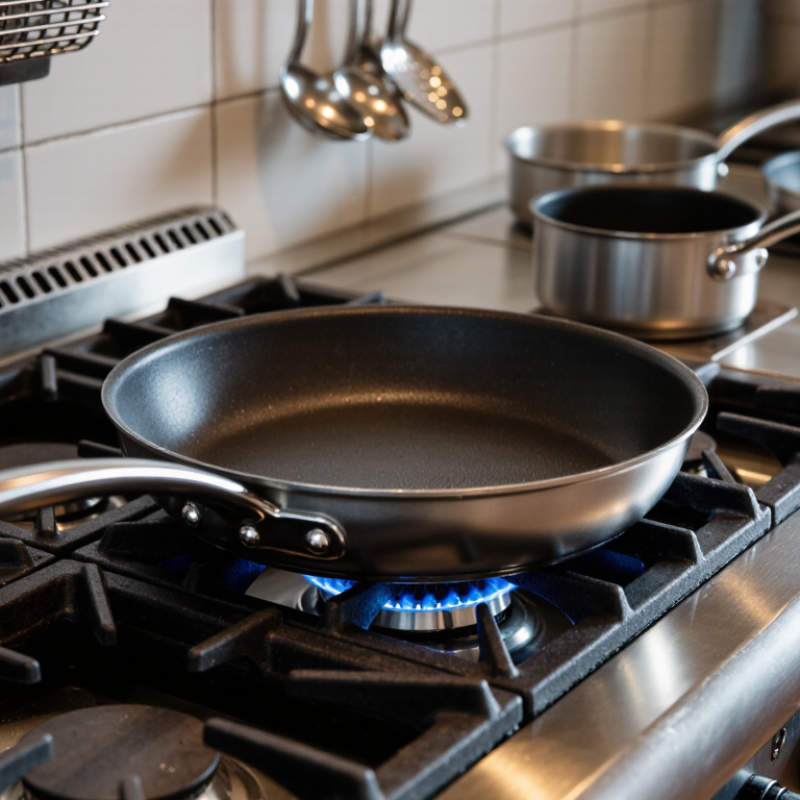
Forged aluminum cookware begins with a solid aluminum blank, shaped under high pressure in a matched die. Depending on the process, the metal may be warmed before pressing. Pressure pushes it into the pan’s base and walls without joining separate pieces. The blank is then trimmed, finished, and checked for thickness and shape. Details vary by manufacturer.
The forging process can create a dense, sturdy body, but it does not guarantee even heating by itself. Wall thickness, base design, and any bonded metal layer also matter. Look closely at the rim and the transition from base to sidewall; these areas reveal how consistently the piece was formed. Smooth edges help, though appearance alone proves little. That distinction is easy to overstate.
Surface treatments may include anodizing or a nonstick coating, each with different care needs. Read the cookware’s care instructions, and check whether its surface is suitable for your utensils and cleaning habits.
“Forged” describes how the body is shaped, not a promise of perfect performance.
How Forged Aluminum Cookware Differs from Other Types
How to Choose the Best Forged Aluminum Cookware?
How Forged Aluminum Cookware Differs from Other Types
Forged aluminum begins as a solid piece of metal shaped under pressure. This process can create a sturdy body with more consistent thickness than some thin, stamped pans. Compared with cast aluminum, forged cookware often feels lighter and less bulky, though actual weight varies by design. Aluminum heats quickly, which helps when adjusting a burner, but it can also lose heat faster than heavier cookware. Stainless steel is generally more resistant to dents and scratches, while aluminum often offers easier handling.
Tips: Check the pan’s base and handle. A thick, flat base should sit steadily on your cooktop. For induction, look for a magnetic layer; aluminum alone will not work on most induction surfaces. Lift the pan, too. A comfortable grip matters when it holds food.
The word “forged” is not a performance guarantee. Compare wall thickness, balance, coating, and care instructions instead of relying on the label alone. A slick coating may release eggs easily, but it needs gentle utensils to limit wear. Bare or anodized surfaces have different care needs. I would also check whether the handle gets hot during cooking; product descriptions do not always make that detail clear. A slightly heavier pan may suit frequent stovetop use, but it can feel awkward when pouring.
Which Materials and Construction Features to Compare
When comparing forged aluminum cookware, start with alloy and thickness, not the word “forged” alone. The Aluminum Association’s Aluminum Design Manual lists thermal conductivity near 167 W/m·K for 6061-T6 aluminum. Euro Inox’s Stainless Steel: Tables of Technical Properties gives about 15 W/m·K for common austenitic stainless steel. These figures show why aluminum spreads heat quickly, but they do not predict pan performance by themselves. That number is not a cooking guarantee. Check the manufacturer’s stated alloy and base thickness, then look for a flat, evenly finished cooking surface. A thick base can reduce hot spots, though a very heavy pan may feel awkward when lifting or pouring.
Construction details matter in daily use. Inspect the rim for a smooth, even edge, and check whether the base sits flat on a counter. If the pan has a stainless-steel layer, ask whether it covers the cooking surface or only the base; the distinction affects heat response and maintenance. Look closely at handle attachment points, too. Rivets should feel secure, with no sharp edges or wobble. Coatings need clear care and temperature guidance, since rough utensils and overheating can shorten their useful life. Small details count. Independent cookware tests often compare heating evenness, handle temperature, and durability under repeated use; use those results alongside material specifications, because one test rarely reflects every stove and cooking style.
How to Match Cookware Pieces to Your Cooking Needs
Match each pan to a task you repeat, not a recipe you might try once. A 10- to 12-inch skillet handles eggs, vegetables, and shallow frying; sloped sides make tossing easier. Choose a deeper sauté pan when you often cook sauces or braise chicken, since its straight sides hold liquid with less splashing. A small saucepan suits oatmeal and reheating, while a larger, lidded pot is useful for pasta, soup, or batch cooking. These are practical starting points, not rules. If cupboard space is tight, two versatile pieces may serve you better than a crowded set.
Forged aluminum spreads heat efficiently, but check the base before buying: aluminum alone will not work on induction, so the cookware needs a magnetic layer. A heavy base can feel steadier, though it may also make a full pan awkward to lift. Look for oven-safe limits that match your habits, and confirm whether lids and handles share those limits. USDA Food Safety and Inspection Service guidance sets poultry at 165°F and whole cuts of beef, pork, lamb, and veal at 145°F with a three-minute rest. A pan that fits your burner and gives room for a thermometer helps you cook with more control. One small regret: buying an oversized skillet can leave food crowded on a small hob. Check your burner diameter first.
How to Choose Forged Aluminum Cookware: Match Each Piece to Your Cooking Needs
Typical capacity can help you choose the right piece for everyday meals, batch cooking, and entertaining.
Capacities are approximate examples for commonly sized cookware; actual capacity varies with diameter, depth, and design. Check product dimensions before buying.
How to Check Compatibility, Care, and Long-Term Value
Compatibility starts with your cooktop, not the pan’s appearance.
Forged aluminum works on gas and many electric or ceramic cooktops, but induction requires a magnetic base. Check the product specifications, or use a small magnet if appropriate.
Check the base first.
A pan should sit flat and suit the burner size; an oversized pan may heat unevenly. Also consider weight, handle clearance, and whether the lid fits securely.
Care affects both performance and lifespan.
Let the pan cool before washing; sudden temperature changes can warp cookware or stress its surface. Use warm water, mild detergent, and a soft sponge. Avoid abrasive pads, and follow the maker’s guidance about metal utensils, oven use, and dishwasher cleaning. If food starts sticking, check for scratches or worn coating rather than turning up the heat.
Small details matter. I still think this is easy to overlook.
Long-term value depends on how often the pan suits your meals, not just its purchase price.
Compare construction, handle comfort, replacement-lid availability, and the stated warranty terms. A dependable pan used several times a week may offer better value than a cheaper one that feels unstable or heats patchily. Inspect the cooking surface periodically, and stop using it if it is badly damaged.
Not always an obvious choice.
A little compromise on appearance may be sensible if the pan fits your stove and cleaning habits.
Conclusion
Choosing the best Forged Aluminum Cookware starts with understanding how it is made: aluminum is shaped under pressure to create a sturdy body, often with a more substantial feel than basic stamped cookware. Compared with cast or stainless-steel options, forged aluminum can offer a useful balance of strength, lighter handling, and responsive heating. When comparing pieces, consider the thickness and evenness of the base, the quality of the nonstick or other cooking surface, handle comfort, lid fit, and overall construction.
Choose pots and pans to suit the meals you prepare most, from everyday frying to simmering soups. Check that each piece works with your cooktop, since compatibility varies by base design. Review the care instructions to protect the cooking surface, and consider durability, warranty terms, and replacement needs when judging long-term value. The right set is not necessarily the largest; it is the one that fits your cooking habits, kitchen, and care routine.