Featured Commercial & Domestic Cookware Series
Precision-engineered cookware manufactured by Zhejiang MEIS Kitchenware Co., Ltd., certified for international food safety and durability compliance.
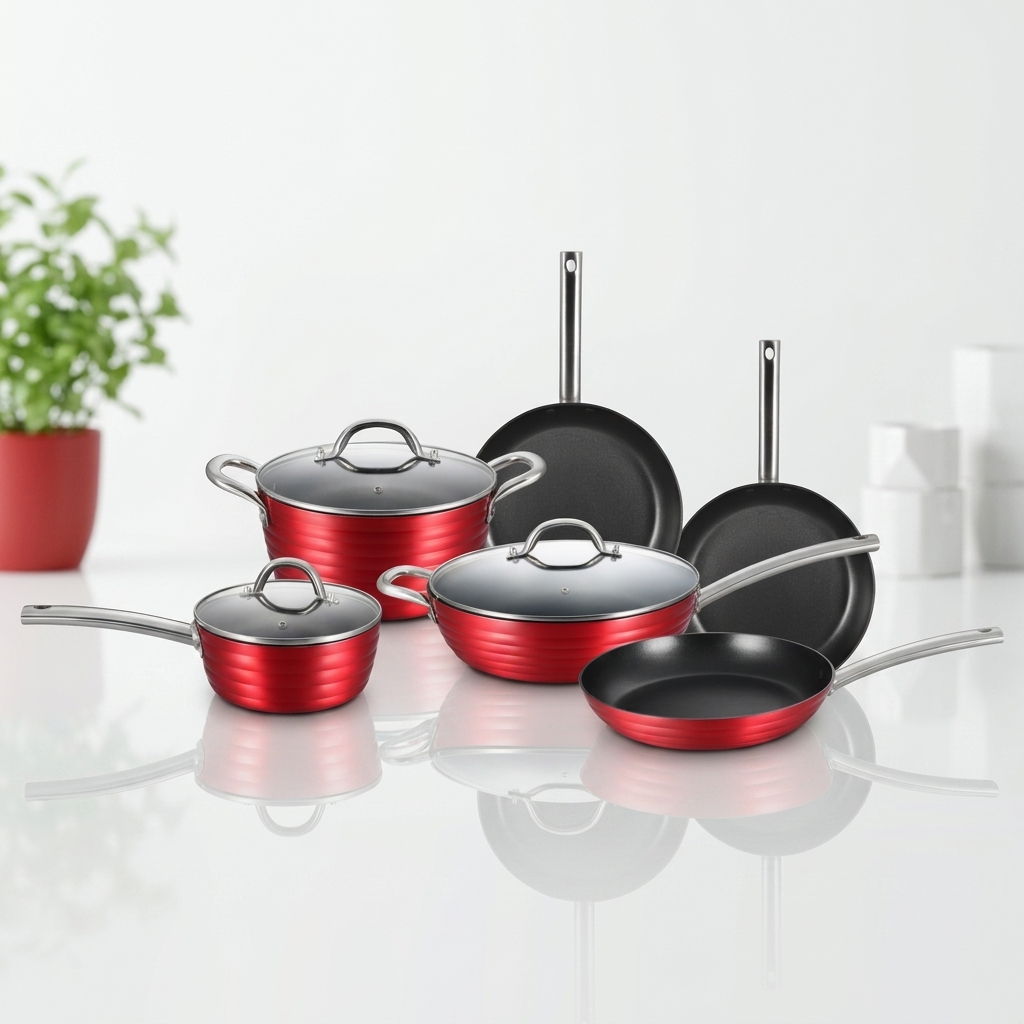
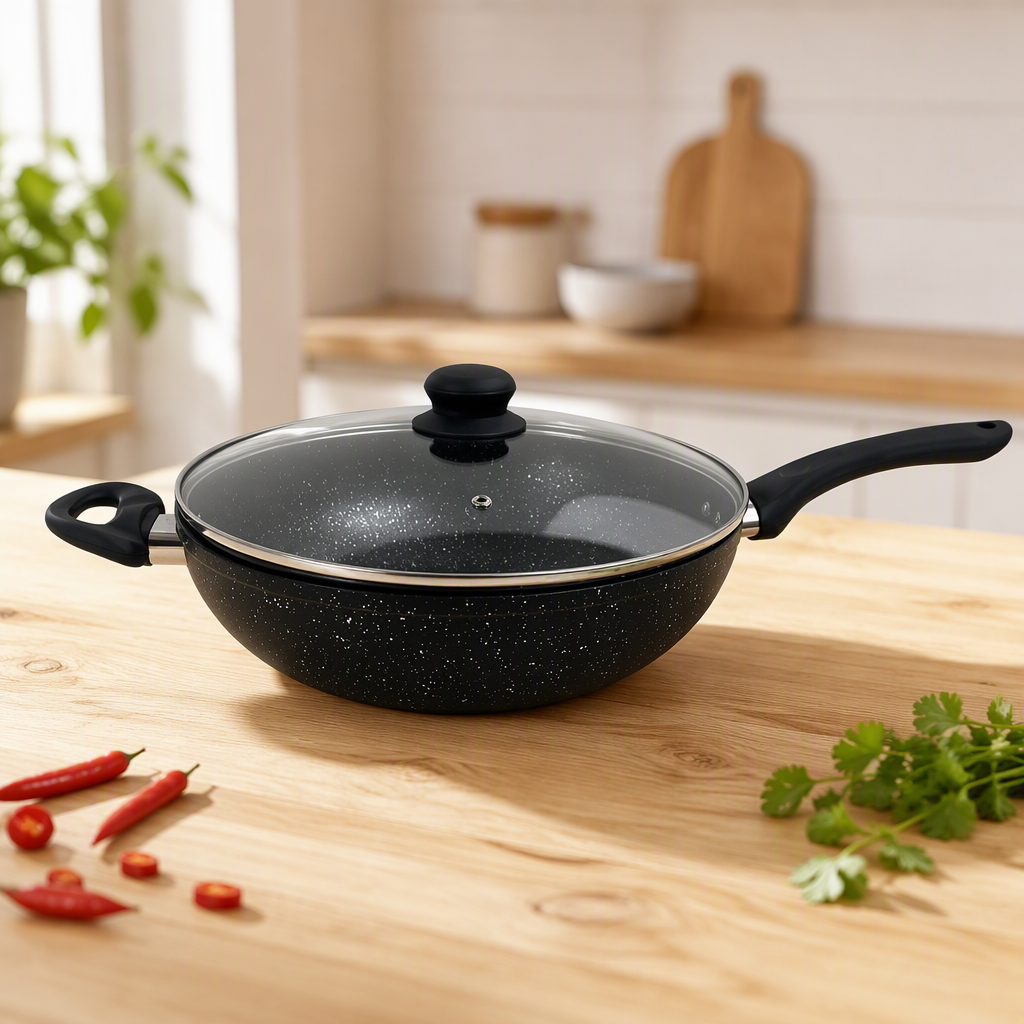
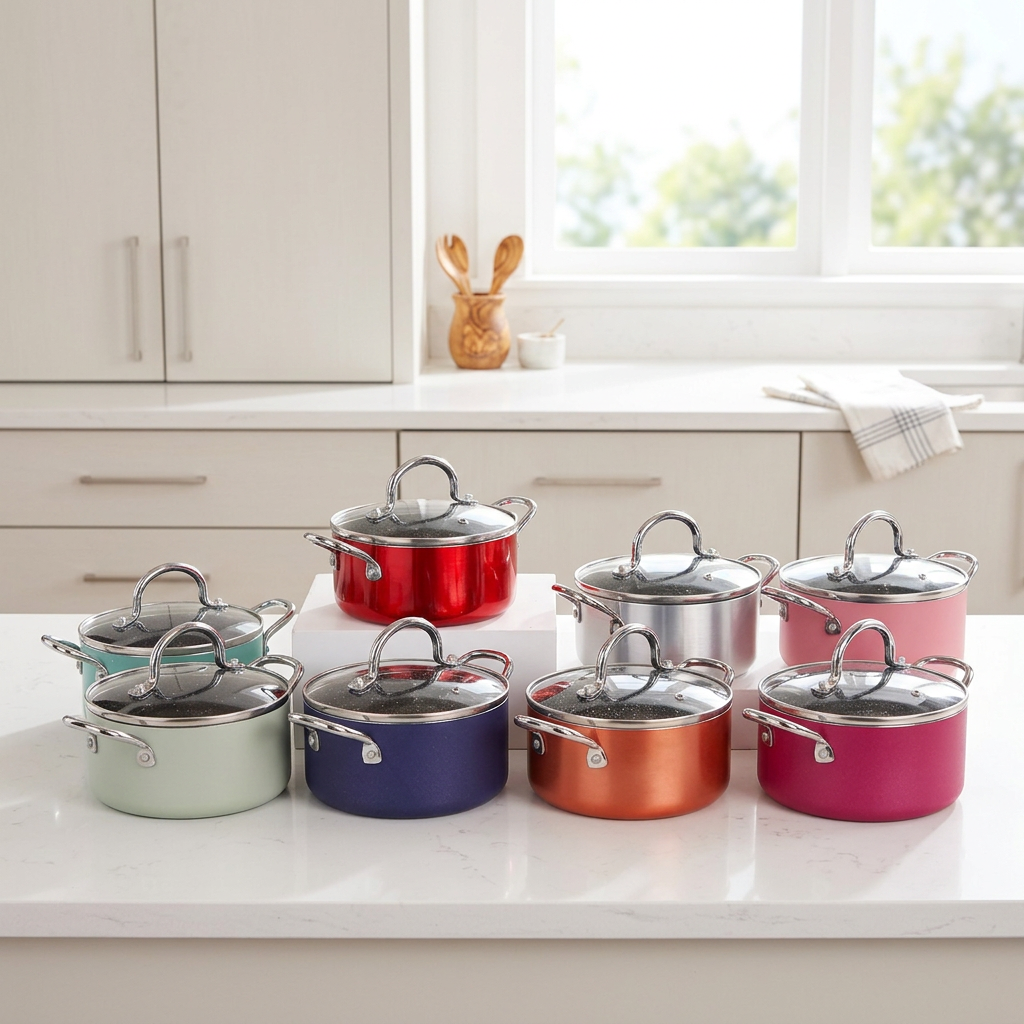
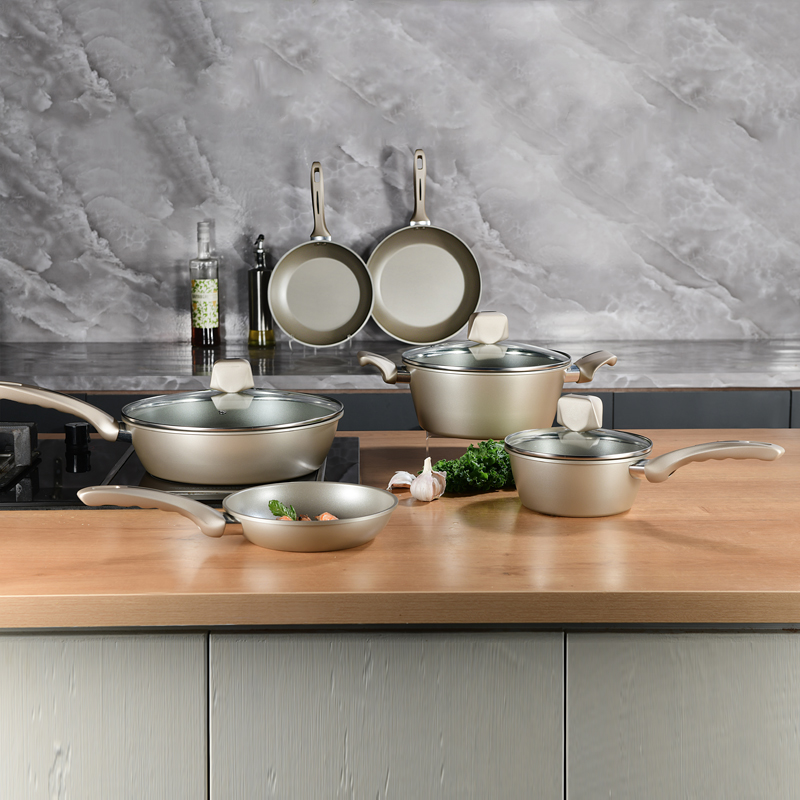
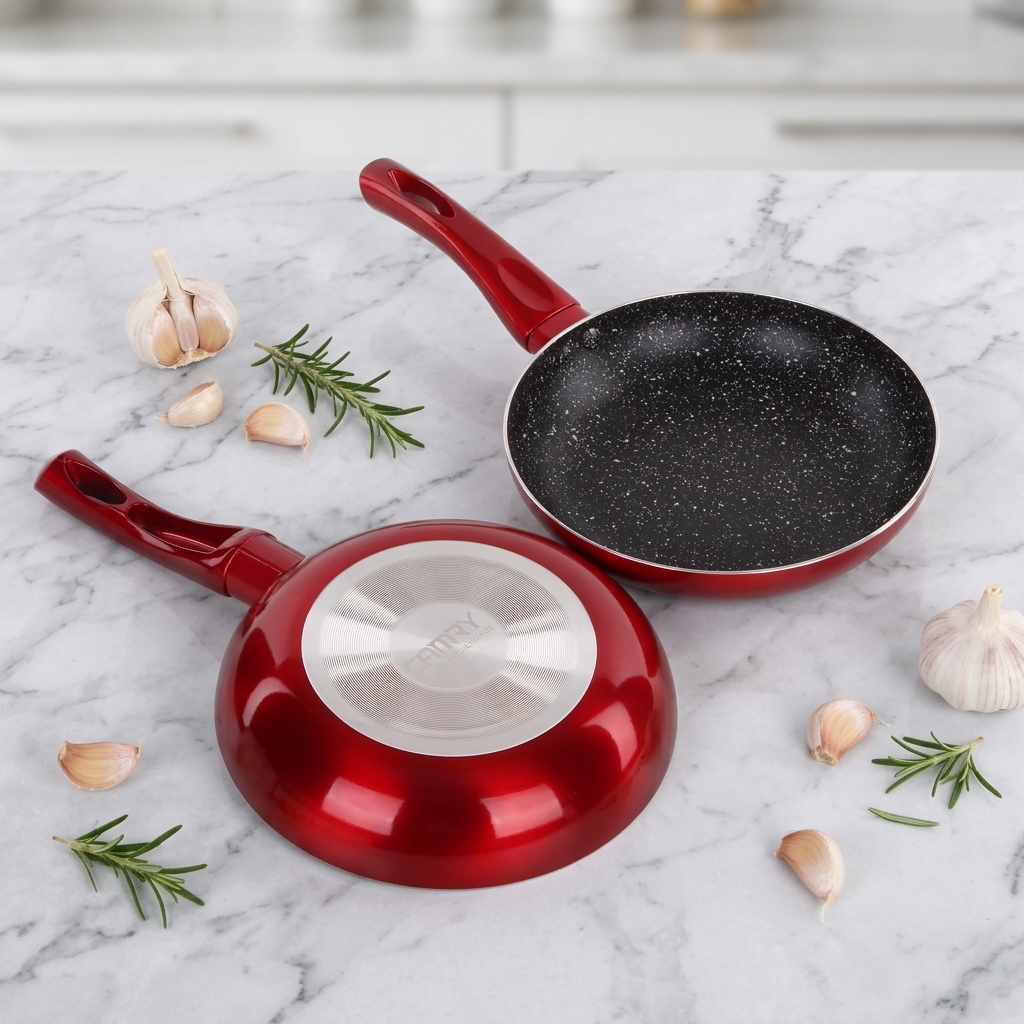
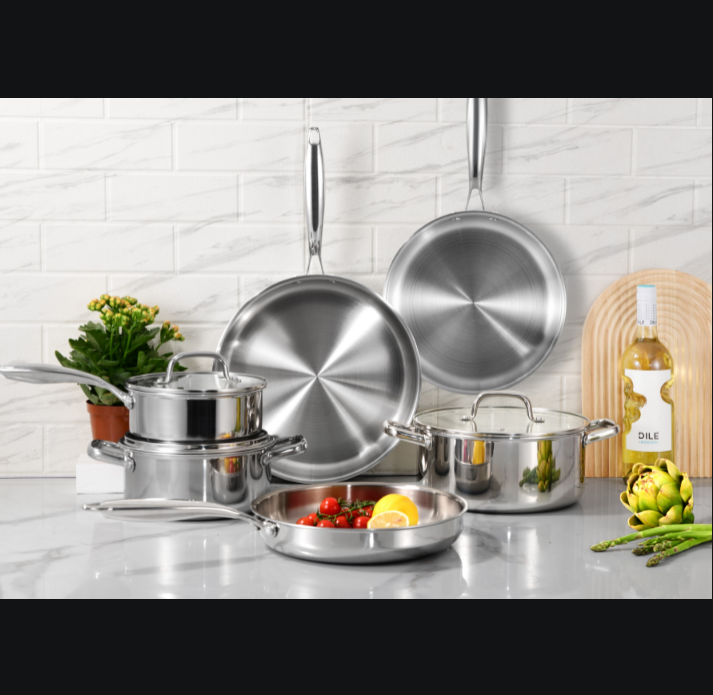
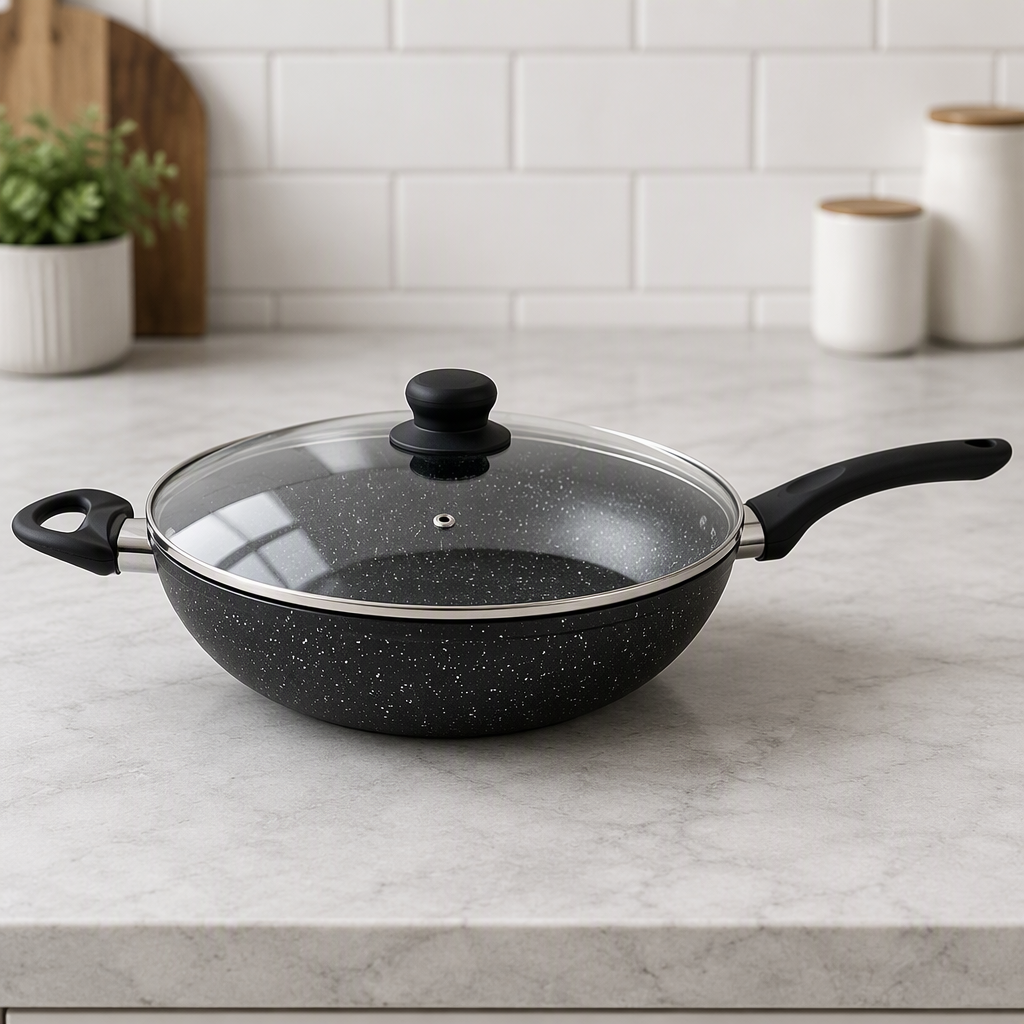
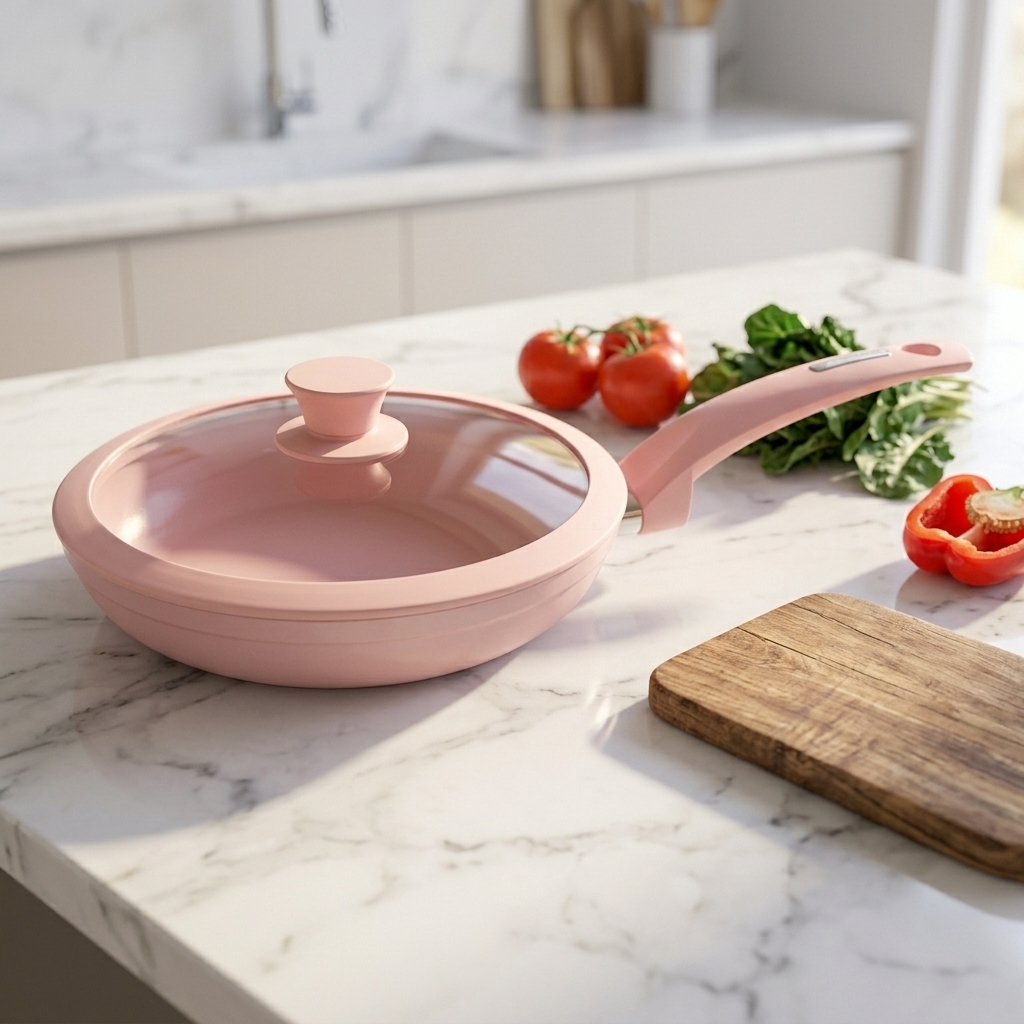
Engineering CE Certified Carbon Steel Frying Pans for Professional & Retail Supply Chains
As professional B2B importers, catalog distributors, and brand procurement managers evaluate kitchenware manufacturing partners, carbon steel cookware has emerged as the highest-growth category across European and North American retail channels. Combining the intense high-heat searing performance of traditional cast iron with the rapid thermal response and manageable weight of aluminum, carbon steel represents the ideal metallurgical compromise for modern culinary environments.
However, procuring carbon steel frying pans for international distribution requires strict adherence to legal compliance, precise material composition control, and advanced surface engineering. At Zhejiang MEIS Kitchenware Co., Ltd., located in the heart of Zhejiang’s hardware manufacturing hub (Jinhua, China), we combine 20 years of OEM/ODM manufacturing expertise with TÜV Rheinland on-site verified production standards. This whitepaper provides procurement directors with the exact technical criteria required to source compliant, long-lasting, and high-margin carbon steel cookware.
1. Metallurgical Composition & Thermal Physics Analysis
Carbon steel is an iron-carbon alloy containing typically between 0.05% and 0.30% carbon by weight. Unlike cast iron—which contains 2% to 4% carbon and is inherently brittle—heavy-gauge carbon steel (typically 1.5mm to 3.0mm wall thickness) possesses superior tensile strength, ductility, and thermal conductivity.
| Material Metric | MEIS Carbon Steel (1.8mm–2.5mm) | Traditional Cast Iron | Forged Aluminum (3.0mm–4.0mm) |
|---|---|---|---|
| Thermal Conductivity | 54 W/(m·K) (Rapid Heat Transfer) | 52 W/(m·K) (Slow Heat-Up) | 205 W/(m·K) (Ultra-Fast Dissipation) |
| Induction Magnetic Permeability | Ultra-High (100% Direct Ferromagnetic Response) | High Ferromagnetic Response | Requires Bonded Stainless Plate |
| Specific Heat Capacity | 490 J/(kg·K) | 460 J/(kg·K) | 900 J/(kg·K) |
| Mechanical Yield Strength | 280–350 MPa (Zero Warping Under Shock) | 150–240 MPa (Prone to Cracking) | 160–200 MPa (Warping at >260°C) |
| Weight Ratio (28cm Pan) | Approx. 1.1 kg (Optimal Ergonomics) | Approx. 2.4 kg (Heavy / Fatigue Inducing) | Approx. 0.85 kg (Lightweight) |
2. Deciphering CE Certification & EU Regulatory Compliance
To legally market carbon steel cookware in the European Economic Area (EEA), products must bear the CE mark and meet mandatory food contact materials regulations. Many overseas buyers confuse basic commercial trade documentation with genuine food-contact safety compliance. MEIS Kitchenware enforces full compliance testing across every export batch:
EU Regulation (EC) No 1935/2004
Framework regulation requiring that food contact materials do not transfer constituents into food in quantities detrimental to human health or alter food composition, taste, or odor.
German LFGB & French DGCCRF
Rigorous heavy metal leaching tests (Lead, Cadmium, Chromium VI, Nickel release) using 3% acetic acid simulant at 100°C for extended duration to ensure complete consumer protection.
EN 12983-1 Domestic Cookware Standard
Mandatory mechanical testing validating handle thermal insulation, structural bending strength under load, handle fatigue resistance (15,000 thermal cycles), and base thermal stability.
Future Sourcing & Product Development Trends in Carbon Steel (2025–2030)
Understanding shift patterns in consumer habits and trade regulation allows major buyers to maintain competitive advantage. Our engineering team at Zhejiang MEIS Kitchenware tracks four macro procurement trends transforming the global frying pan supply chain:
1. Shift Toward Non-PFAS & Pre-Seasoned Biological Coatings
With upcoming EU bans on universal PFAS substances and North American state-level disclosure mandates (e.g., California AB 1200), buyers are replacing traditional PTFE lines with pre-seasoned vegetable oil treatments (beeswax, flaxseed oil blends) or ultra-durable biological ceramic matrices. MEIS carbon steel pans offer naturally non-stick properties once seasoned, perfectly satisfying zero-chemical consumer demand.
2. Commercial Kitchen Electrification & Induction Dominance
Governments worldwide are phasing out commercial gas lines in favor of high-efficiency induction cooking suites. Carbon steel is 100% magnetic, requiring zero bonded bottom plates (unlike aluminum). This eliminates risk of plate delamination or thermal warping on high-wattage 3500W commercial induction hobs, making carbon steel the preferred long-term asset for hospitality buyers.
3. Detachable Handles & Compact E-Commerce Packaging
Surging global ocean freight costs and e-commerce dimensional weight tariffs have forced retailers to seek nestable, space-saving cookware. MEIS has pioneered engineered quick-release detachable handle mechanisms for carbon steel lines, boosting container volumetric loading capacity by up to 45% while enabling consumer oven-to-table versatility.
4. High-Temperature Nitriding & Titanium Hardening Surface Tech
Next-generation carbon steel pan development focuses on chemical-free surface transformation. Through gas nitriding treatments at 570°C, the iron surface forms an anti-corrosive iron nitride layer that resists rust even without oil seasoning. Combined with titanium-reinforced non-stick interiors, pans achieve unprecedented scratch resistance (up to 40,000 abrasion cycles under ISO standards).
Why Direct Sourcing from Zhejiang MEIS Kitchenware Eliminates Trade Risk
Located in Dongnan Industrial Zone, Shuxi Street, Jinhua, Zhejiang, Zhejiang MEIS Kitchenware Co., Ltd. is a custom manufacturer specializing in nonstick aluminum and carbon steel kitchenware. Unlike trading firms that outsource production to unverified third parties, MEIS maintains complete end-to-end control over all manufacturing steps under a single factory roof.
✓ TÜV Rheinland Verified Manufacturing Facility
Our 105-person manufacturing plant has been independently audited on-site by TÜV Rheinland. We maintain transparent quality management systems covering raw material receipt, hydraulic pressing, CNC base finishing, automated spray coating, curing, assembly, and packaging.
✓ Comprehensive In-House Testing Laboratory
Every production batch undergoes strict internal verification before release. Our in-house testing lab is equipped with specialized equipment including:
- Salt Spray Tester: Validates corrosion and rust resistance of coatings and exterior paint.
- Handle Fatigue Tester: Subjects handles to 15,000 continuous stress cycles under weighted load.
- Thrust & Torsion Tester: Measures rivet join integrity and handle twist resistance.
- Coating Curing Ovens: Ensures complete polymer cross-linking for zero chemical off-gassing.
- Laser Dimensional Control: Guarantees flat base tolerance within ±0.2mm for glass-top stove stability.
✓ OEM / ODM Customization Capabilities
Whether you are launching a private-label retail line or fulfilling a high-volume supermarket promotion, MEIS offers full design-to-delivery customization:
Customization Scope Includes:
✓ Low Risk Sample Development & Scale
Supported by our in-house mold workshop, CNC lathes, and tooling engineers, we accelerate prototype sample creation. Standard trial orders start from 1,000 to 3,000 units, with select stock fry pan designs available from 50 pieces for rapid market testing.
The MEIS 6-Step OEM/ODM Execution Framework
Frequently Asked Questions for Carbon Steel Cookware Sourcing
Essential technical details, trade terms, and quality assurance answers for procurement officers.
What specific certificates can MEIS provide for CE and European Customs clearance?
Is carbon steel cookware naturally induction compatible, or does it require an additional base plate?
How does MEIS prevent thermal warping on heavy-gauge carbon steel frying pans?
What are the differences between pre-seasoned, ceramic-coated, and titanium non-stick carbon steel pans?
• Pre-Seasoned Carbon Steel: Treated with natural vegetable oils at high temperature. Chemical-free, develops natural non-stick patina over time, ideal for traditional culinary markets.
• Ceramic-Coated Carbon Steel: Inorganic silica-based non-stick layer. High temperature resistance (up to 400°C), PTFE/PFOA/PFAS-free, available in vibrant exterior colors.
• Titanium-Reinforced Non-Stick: High-grade PTFE non-stick matrix infused with micro-titanium particles for maximum scratch resistance and effortless food release, rated for commercial kitchen duty.
What is the standard production lead time and minimum order quantity (MOQ)?
Can MEIS manufacture custom handle molds and custom packaging graphics?
Partner with a Verified CE Certified Cookware Manufacturer
Streamline your supply chain with high-margin carbon steel frying pans, aluminum wok sets, and custom bakeware engineered to European compliance standards. Contact our export engineering team today for technical specs, factory audit reports, and direct factory quotations.