Direct-from-Factory Ceramic & Non-Stick Cookware Range
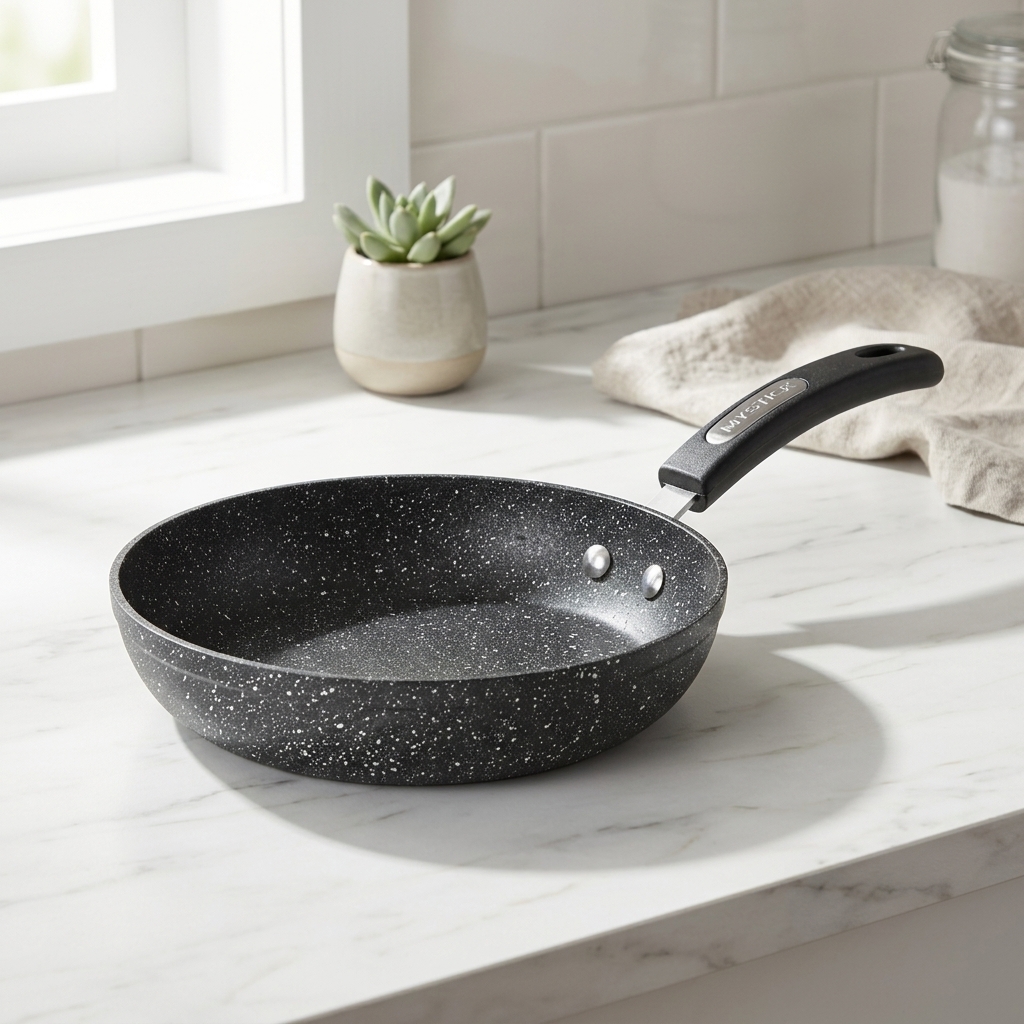
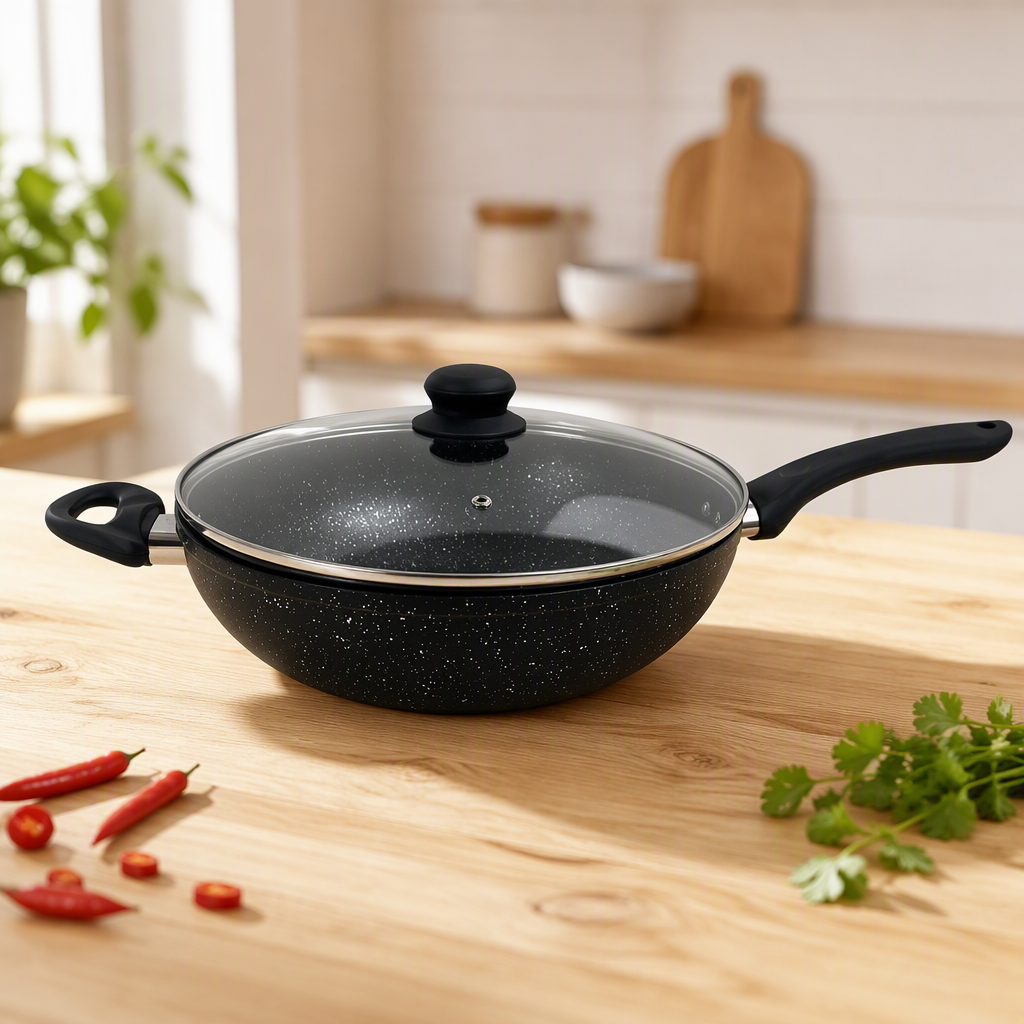
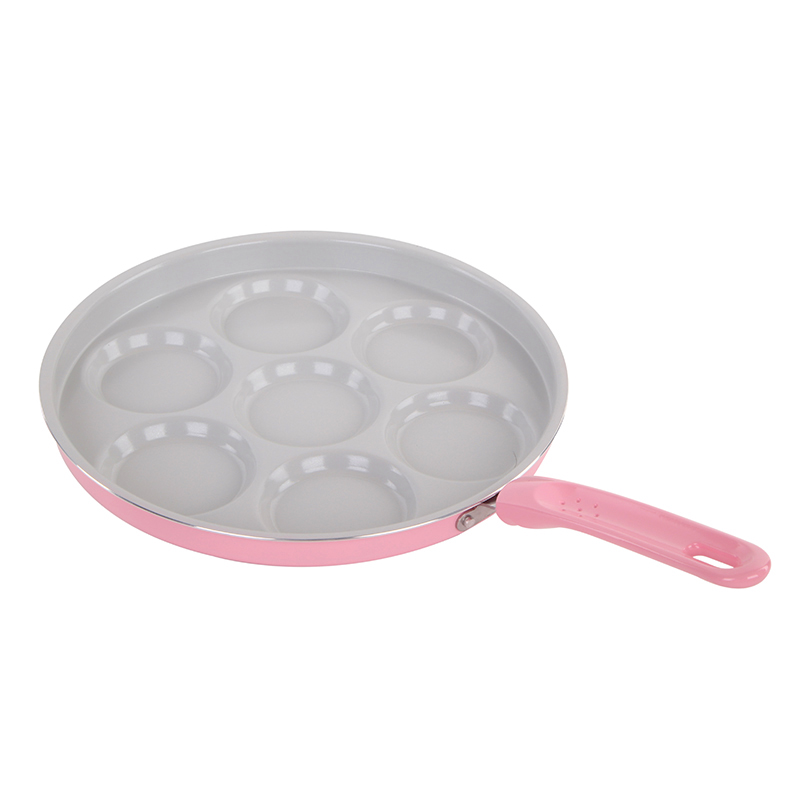
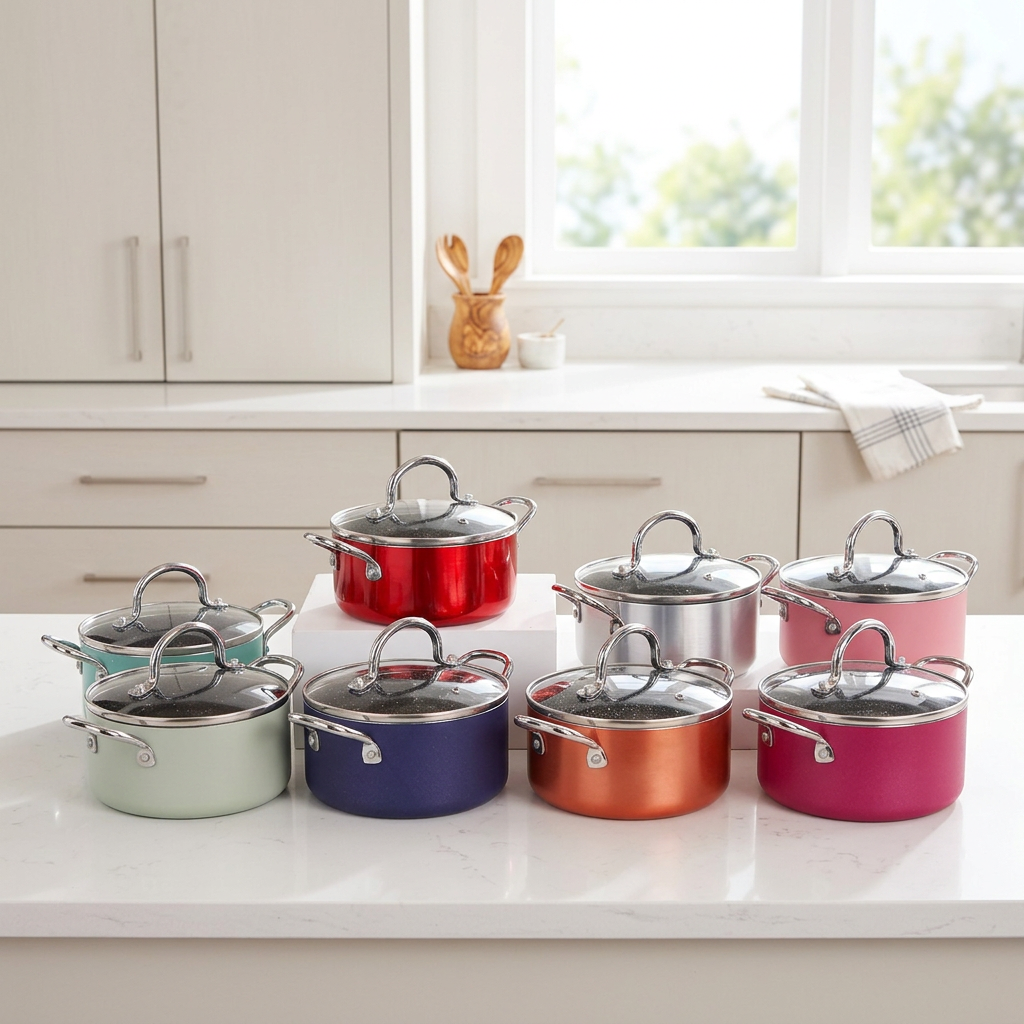
Explore our top export-grade saucepans, woks, frying pans, and stockpots built with certified food-contact nonstick coating systems.
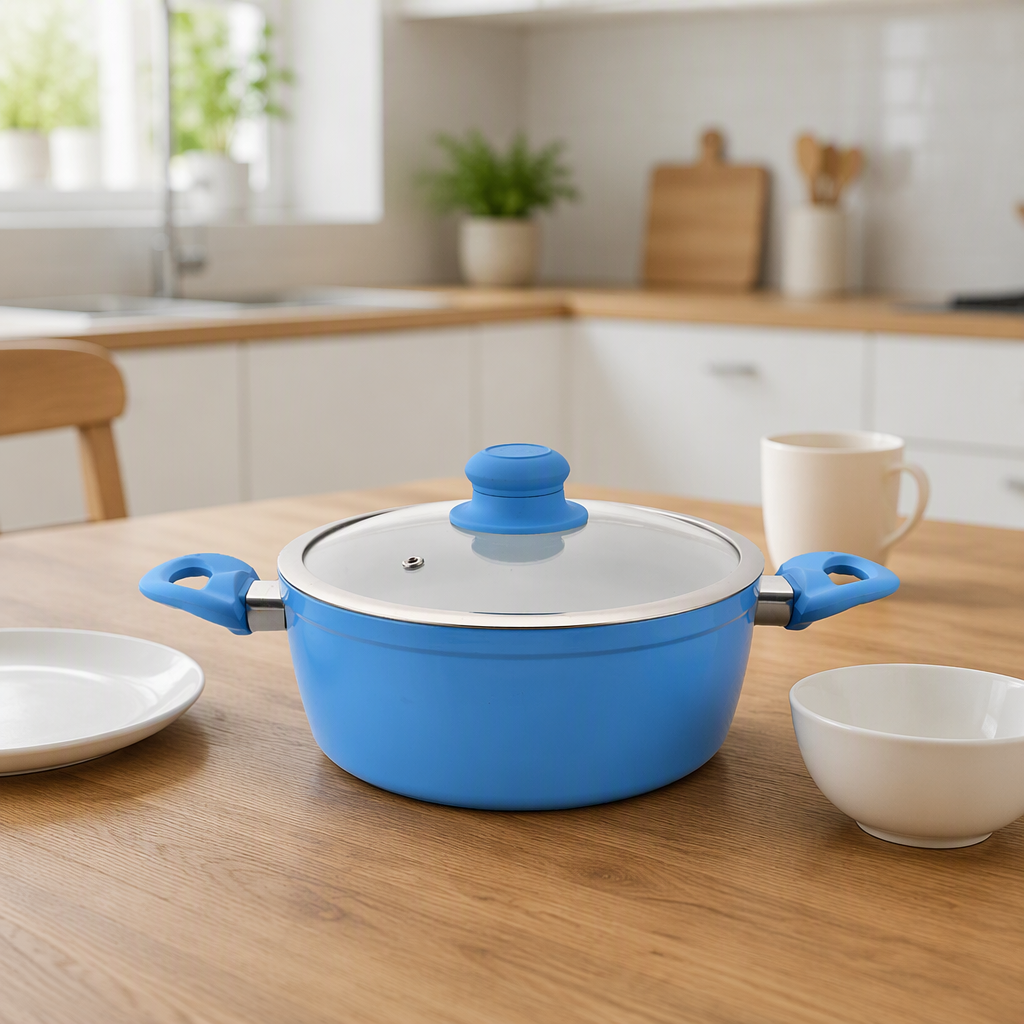
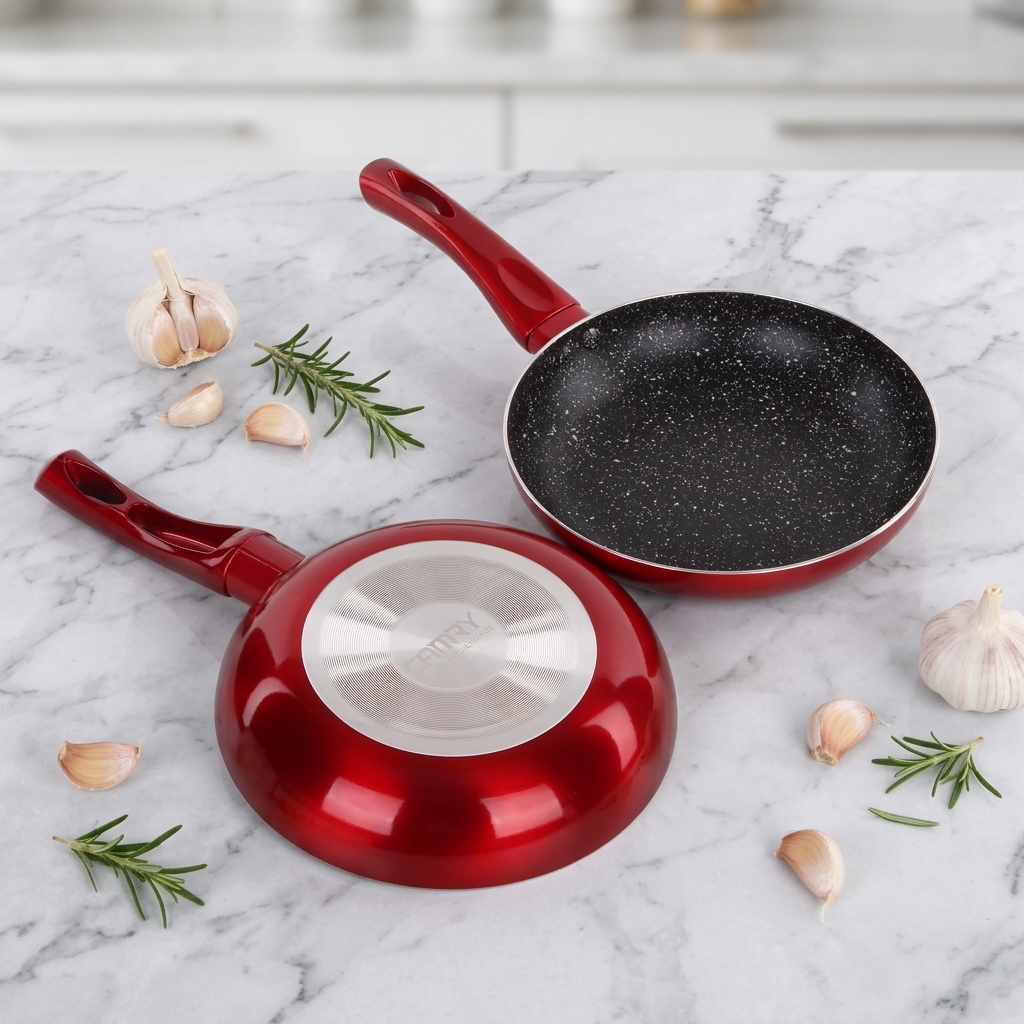
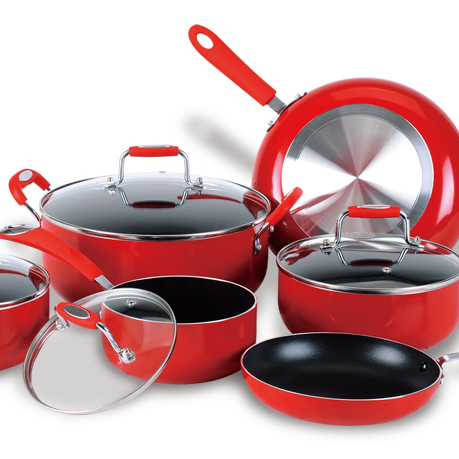
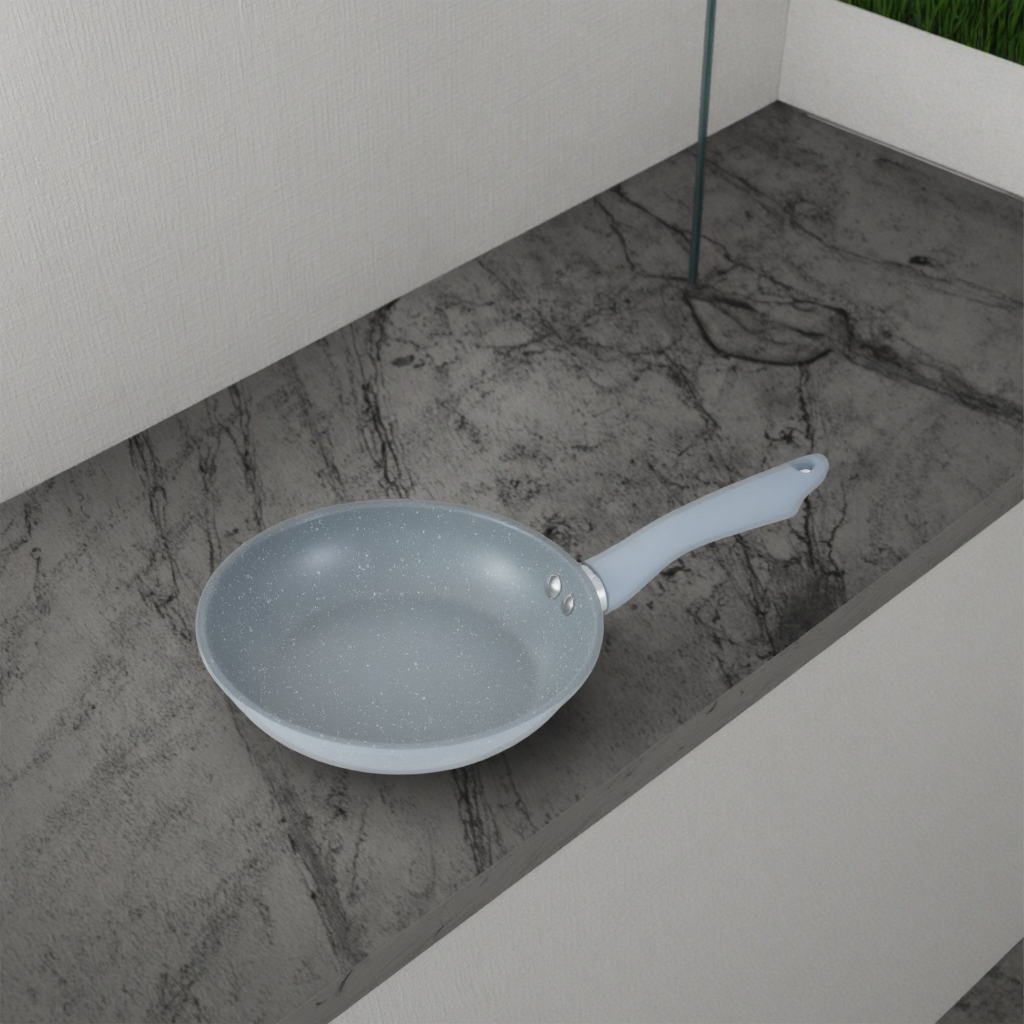
Why Global Importers Partner with Zhejiang MEIS Kitchenware
Situated in Dongnan Industrial Zone, Jinhua, Zhejiang, we operate dedicated pressing, CNC, spray coating, and assembly lines to deliver unmatched quality consistency.
Full CE & International Compliance
Every ceramic saucepan manufactured in our factory adheres to stringent European Union regulations (CE, EU 1935/2004, EU 2020/1245) and German LFGB § 30 & 31 requirements, guaranteeing complete freedom from PFOA, PTFE, lead, and cadmium.
- Heavy metal migration testing verified
- DGCCRF & FDA food-contact approved
- Comprehensive batch traceability
Sol-Gel Silica Nanotechnology
We utilize advanced inorganic inorganic ceramic spray systems formulated via sol-gel chemistry. This yields an ultra-hard, scratch-resistant surface capable of withstanding operational temperatures up to 450°C without thermal degradation.
- Exceptional non-stick release kinetics
- Superior scratch and abrasion rating
- High heat resistance without toxic fumes
Precision Metalworking & Tooling
Equipped with heavy-duty hydraulic presses, high-speed CNC lathes, and automated shot-blasting machines, we offer complete OEM/ODM customization from 3003-series aluminum disc punching to custom handle molding.
- Pressed & forged aluminum bodies
- In-house tooling and rapid prototyping
- Custom color matching (Pantone system)
Industry Whitepaper: Technical Engineering & Sourcing of CE Certified Ceramic Saucepans
In the evolving global cookware market, the transition toward non-toxic, eco-friendly kitchenware has accelerated significantly. Professional procurement officers, distributor chains, and private-label brands require transparent technical metrics regarding substrate metallurgy, ceramic coating polymer chemistry, thermal efficiency, and regulatory compliance. As a premier CE certified ceramic saucepan manufacturer and exporter, Zhejiang MEIS Kitchenware Co., Ltd. presents this technical guide to assist procurement leaders in making data-driven sourcing decisions.
Core Procurement Insight: True commercial ceramic nonstick coatings rely on sol-gel chemistry—converting silicon-based liquid precursors into a dense, inorganic glass-like matrix ($SiO_2$). Unlike traditional PTFE (Teflon) coatings, sol-gel ceramic formulations are completely inert, organic-solvent free, and emit zero volatile organic compounds (VOCs) or fluorinated polyfluoroalkyl substances (PFAS) even under high thermal stress.
1. Substrate Metallurgy & Thermal Conductive Dynamics
The structural longevity and heating performance of a ceramic saucepan are governed primarily by its metal substrate alloy and wall thickness architecture. Our engineering team utilizes two distinct manufacturing processes tailored to specific market positioning:
| Engineering Property | Pressed Aluminum (3003 Alloy) | Forged Aluminum (Cold-Forged Die) | Carbon Steel (Heavy Gauge) |
|---|---|---|---|
| Material Alloy Composition | Al-Mn Alloy (98.6% Pure Al) | 3003 / 4000-Series High Density | Low-Carbon Cold Rolled Steel |
| Thermal Conductivity ($W/m\cdot K$) | ~225 W/m·K (Ultra Fast Ramp) | ~210 W/m·K (Superior Uniformity) | ~50 W/m·K (High Thermal Mass) |
| Base Thickness Range | 2.0 mm – 3.0 mm | 3.5 mm – 5.0 mm Thicker Base | 1.2 mm – 2.0 mm Rigid Gauge |
| Thermal Shock Resistance | Moderate (Ideal for daily household) | High (Resists thermal warping up to 250°C) | Very High (Structural stability) |
| Hob Compatibility | Gas, Electric, Ceramic (Induction optional) | Full Hob Versatility + Impact Induction Disk | Naturally Magnetic (Native Induction) |
| Commercial Target Market | Promotional sets, mass market retail | Premium retail, brand flagships, e-commerce | Commercial kitchens, value cookware lines |
For high-volume retail programs, pressed aluminum saucepans constructed from high-purity 3003 aluminum sheet offer an optimal balance between light weight and rapid heat distribution. However, for premium cookware brands seeking heavy-duty durability, forged aluminum saucepans are produced using high-tonnage hydraulic presses that compress the aluminum blank under extreme force. This creates an engineered rim thickness (e.g., 4.5 mm) and base thickness (e.g., 4.0 mm) with thinner side walls (2.8 mm), maximizing thermal efficiency while reinforcing structural rigidity against thermal warping.
2. Sol-Gel Inorganic Ceramic Coating Chemistry & Adhesion Mechanics
The performance of a ceramic saucepan depends entirely on the chemical bonding between the aluminum substrate and the ceramic coating layer. At Zhejiang MEIS Kitchenware, our automated multi-layer spray line follows a rigorous 4-step mechanical and chemical surface preparation protocol:
- Automated Degreasing & Acid Etching: Raw pan bodies undergo multi-stage alkaline washing and micro-etching to clean oils and oxides, ensuring atomized coating droplets lock securely into the substrate micro-porosity.
- High-Velocity Shot Blasting: Controlled metallic shot blasting creates an optimal mechanical anchor profile ($R_a$ 3.5–5.0 µm) on the interior surface, multiplying the mechanical interlocking surface area by over 300%.
- Sol-Gel Ceramic Application: High-precision pneumatic spray guns apply inorganic silica sol-gel topcoats and basecoats in environmentally controlled, dust-free spray chambers.
- Thermal Polymerization (Curing at 280°C–320°C): The sprayed body passes through a multi-zone tunnel furnace where hydrolysis and polycondensation reactions complete, curing the coating into an ultra-dense, non-porous ceramic ceramic matrix.
3. International CE Regulatory Standards & Food Safety Protocols
Regulatory compliance is paramount for international cookware importers. The CE marking on our ceramic saucepans verifies full conformity with European health, safety, and environmental protection standards. Furthermore, our products pass mandatory third-party laboratory evaluations including:
- EN 12983-1 Domestic Cookware Testing: Covers handle attachment strength, torque resistance, bending load tests, and thermal safety of insulated Bakelite/silicone handles.
- EU 1935/2004 & EU 2020/1245 Metal Migration Compliance: Strict limits on heavy metal leaching (Lead, Cadmium, Chromium, Nickel, Cobalt, Aluminum) into acidic food stimulants (3% Acetic Acid) during 2-hour boiling tests.
- German LFGB § 30 & 31 Standards: Sensory odor/flavor transfer verification and overall migration limit (OML) testing under extreme thermal exposure.
4. Future Global Sourcing & Procurement Trends for Ceramic Saucepans
According to commercial import analysis across European and North American cookware markets, four strategic procurement trends are reshaping order specifications for 2025–2030:
Eco-Conscious Packaging Integration
Global retailers are enforcing 100% plastic-free packaging. We supply FSC-certified gift boxes, molded pulp internal trays, and biodegradable soy-ink color labels tailored for direct-to-consumer e-commerce fulfillment.
Full-Surface Induction Bases
Moving beyond standard hole-punch induction discs, full-bound thermal induction bottom plates provide 100% contact coverage, reducing energy loss on modern induction hobs by 18%.
Aesthetic Color Palette Customization
Market demand has shifted toward matte pastels, cream white ceramic interiors, and luxury granite/marble speckle finishes. Our in-house color lab offers exact Pantone spectrum matching.
Standardized OEM/ODM Production Workflow
From raw aluminum disc selection to final export carton sealing, every ceramic saucepan undergoes 6 rigorous quality checkpoints.
Metallurgy Inspection
Spectrographic verification of incoming 3003 aluminum sheets to confirm alloy purity and gauge uniform thickness prior to pressing.
Precision Stamping/Forging
Automated hydraulic deep-drawing presses shape the pan body, establishing crisp rim radius and stable base curvature.
CNC Machining & Shot Blast
CNC lathes trim pan edges and flatten base plates, followed by automated shot-blasting to optimize coating adhesion keying.
Multi-Layer Spray & Cure
Application of sol-gel primer and nonstick ceramic topcoats in cleanrooms, followed by high-temperature thermal baking.
Handle Riveting & Fitting
Installation of thermal-resistant Bakelite or stainless steel handles, tempered glass lids, and induction disc plates.
Laboratory Testing
In-house quality lab performs cross-hatch tape adhesion, salt spray corrosion, handle fatigue, and thermal shock testing.
Pre-Shipment QA Inspection
Sampling under AQL 2.5/4.0 standards for surface visual perfection, dimensional tolerances, and drop-test packaging integrity.
Global Export Freight
Palletized or floor-loaded container stuffing with humidity control for safe maritime transport to global destination ports.
Frequently Asked Questions for B2B Importers
Get immediate technical clarity on minimum order quantities, compliance documentation, custom tooling, and shipping lead times.
Zhejiang MEIS Kitchenware Co., Ltd. is a TÜV Rheinland on-site verified manufacturer and export corporation located in Dongnan Industrial Zone, Shuxi Street, Jinhua, Zhejiang, China. We operate our own pressing, CNC lathe, cleaning, nonstick spray coating, and assembly workshops spanning over 20 years of manufacturing history.
Our ceramic saucepans comply fully with CE marking requirements, European Union Regulation EU 1935/2004, EU 2020/1245 (heavy metal migration limits), German LFGB § 30 & 31, and US FDA food contact guidelines. All ceramic coating systems are certified 100% PFOA-free, PTFE-free, lead-free, and cadmium-free.
Standard OEM production orders start from 1,000 to 3,000 units per model/size depending on color and packaging customization. For trial orders of stock configurations, lower MOQs can be accommodated. Mass production lead time is typically 30 to 45 days after deposit confirmation and sample sign-off.
Yes. We provide complete OEM/ODM solutions. Our in-house mold-making and engineering team can develop custom pan geometries, custom cast/ss/bakelite handles, special lid configurations, and exact exterior paint finishes according to your Pantone color specification.
Standard aluminum saucepans are non-magnetic. To render them induction-compatible, we apply stainless steel induction bottom plates via high-pressure thermal impact bonding or hole-punched disc attachment. Carbon steel saucepans are naturally magnetic and induction-ready by default.
Granite and marble coatings typically refer to multi-layer nonstick surfaces with decorative speckle effects. They can be formulated using either ceramic sol-gel chemistry or PTFE chemistry. Ceramic coatings offer higher thermal tolerance (up to 450°C) and completely eliminate fluorinated compounds, making them the preferred choice for eco-conscious brand positioning.
Our lab conducts cross-hatch coating adhesion testing (ASTM D3359), salt spray corrosion testing, handle load fatigue and bending moment tests (EN 12983-1), thermal shock cycling (heating pan to 200°C and immersing in cold water), and nonstick release frying tests with milk/eggs.
We supply 4-color offset printed gift boxes, mail-order drop-test safe packaging with reinforced corner guards and expanded polyethylene (EPE) foam sleeves, color sleeves with hangtags, and bulk master cartons tailored to Amazon ISTA-6A requirements.
Partner with a Leading CE Certified Ceramic Saucepan Factory
Accelerate your brand's growth with high-margin, high-durability ceramic cookware. Send us your project specifications, technical requests, or sample inquiries today.