Featured Export-Grade Cookware Collections
Verified high-performance cookware series manufactured to strict FDA, LFGB, and EU 1935/2004 food contact standards.
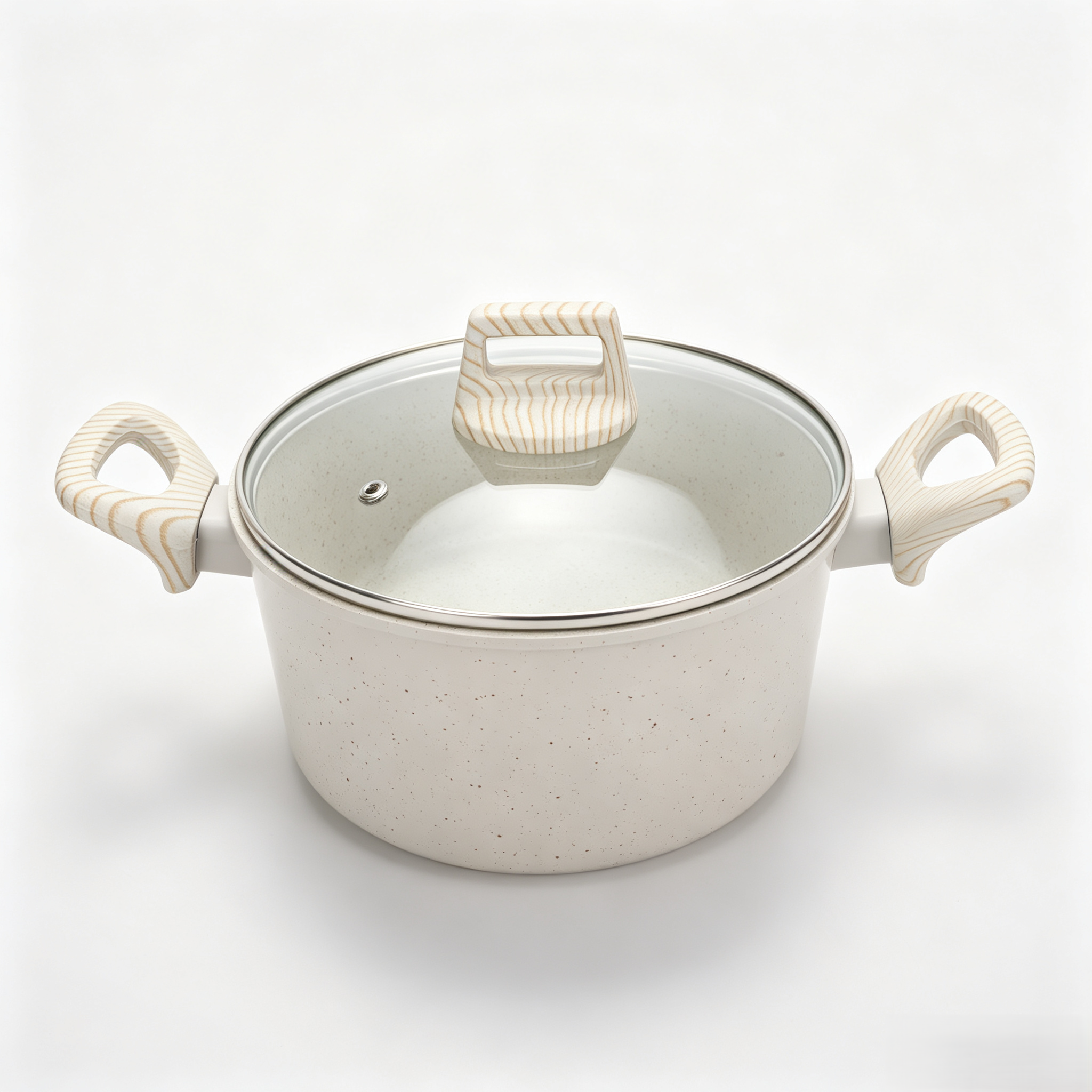
Large Capacity Durable Nonstick Aluminum Cookware Pot Casserole
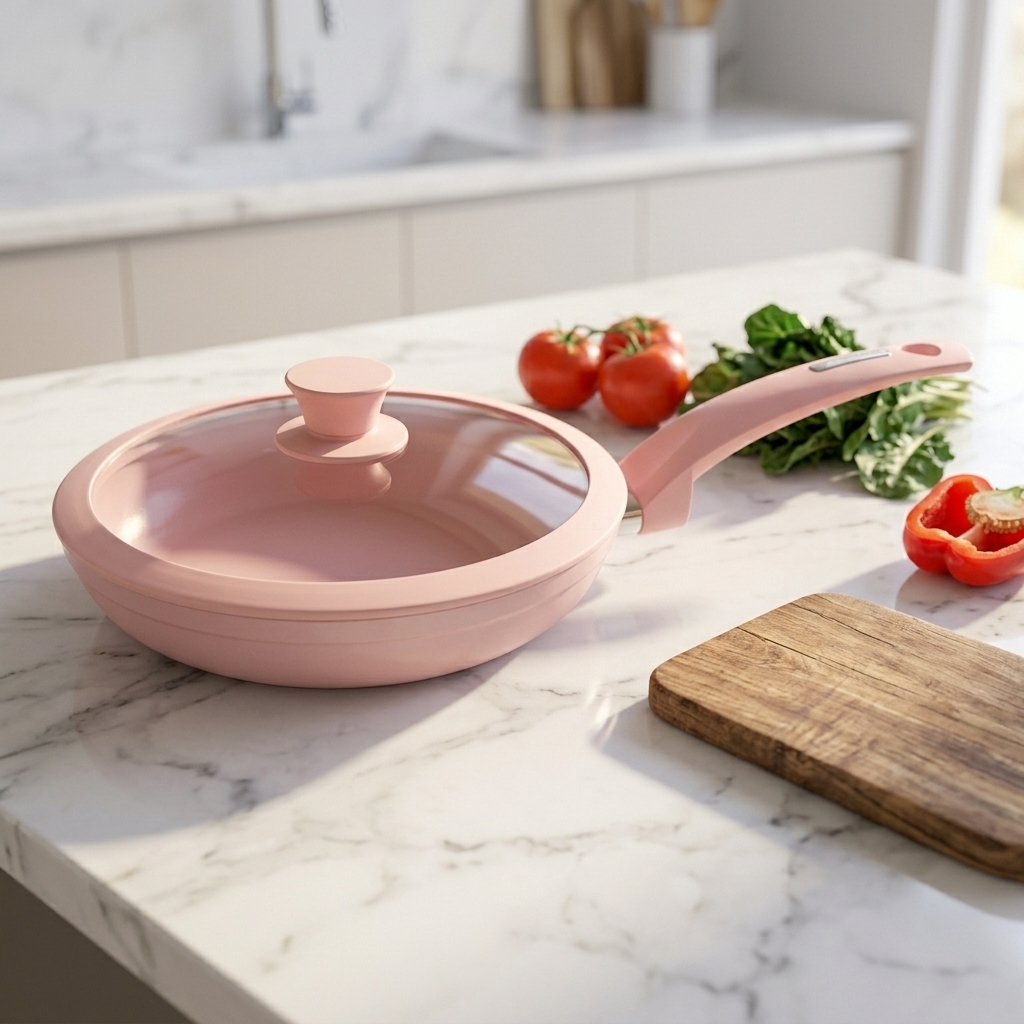
Factory Price Customized Colorful 22 cm Forged Aluminium Fry Pan
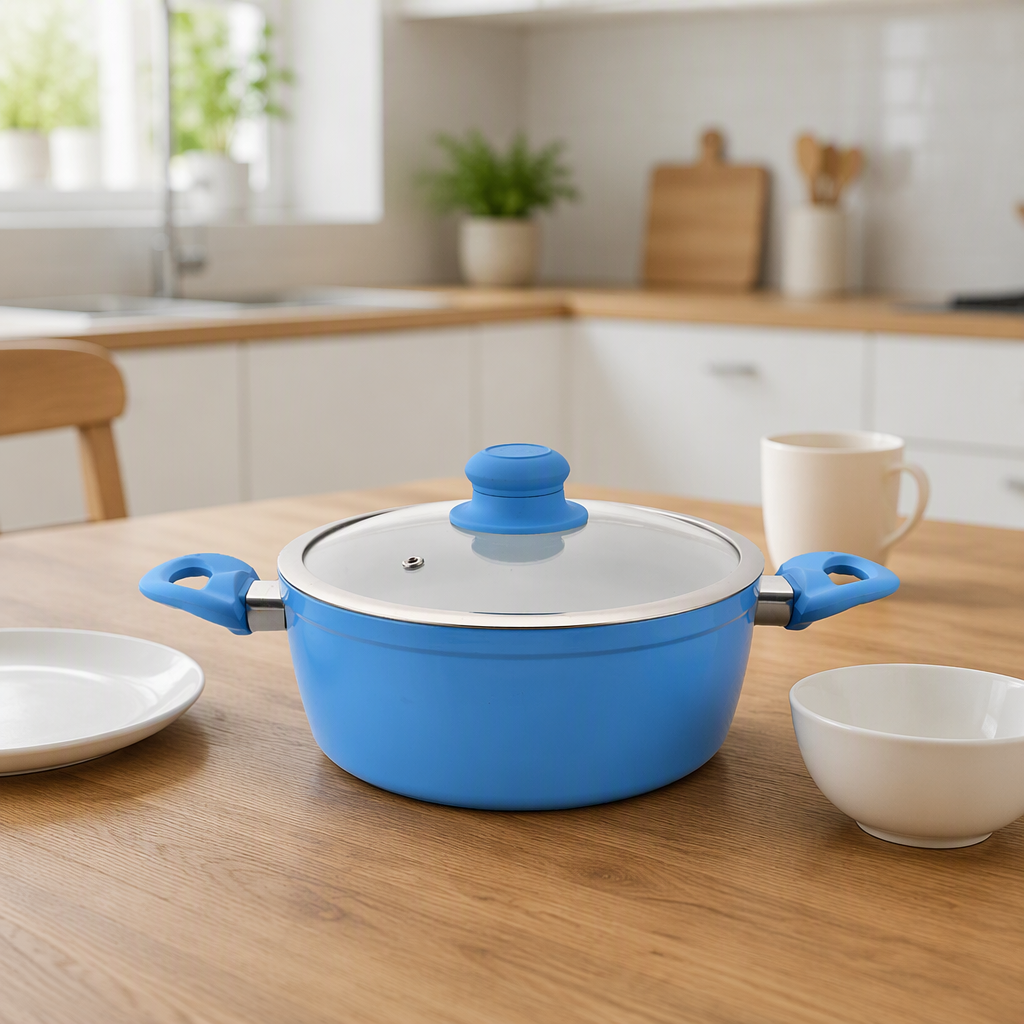
24 cm Lightweight Forged Non Stick Casserole Soup Pot
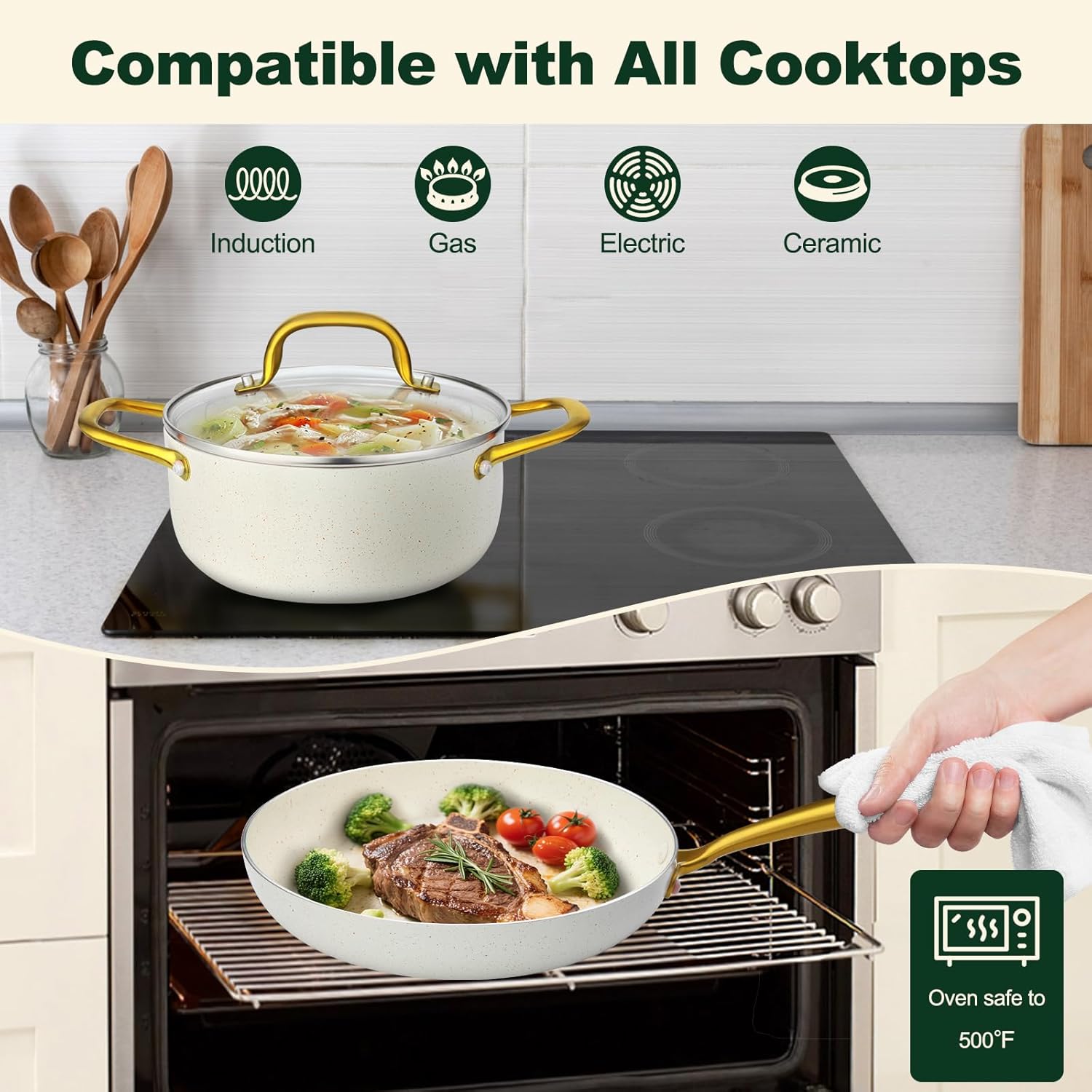
5-PIECE Classic Kitchenware Set Stainless Steel Handle PVD Ceramic
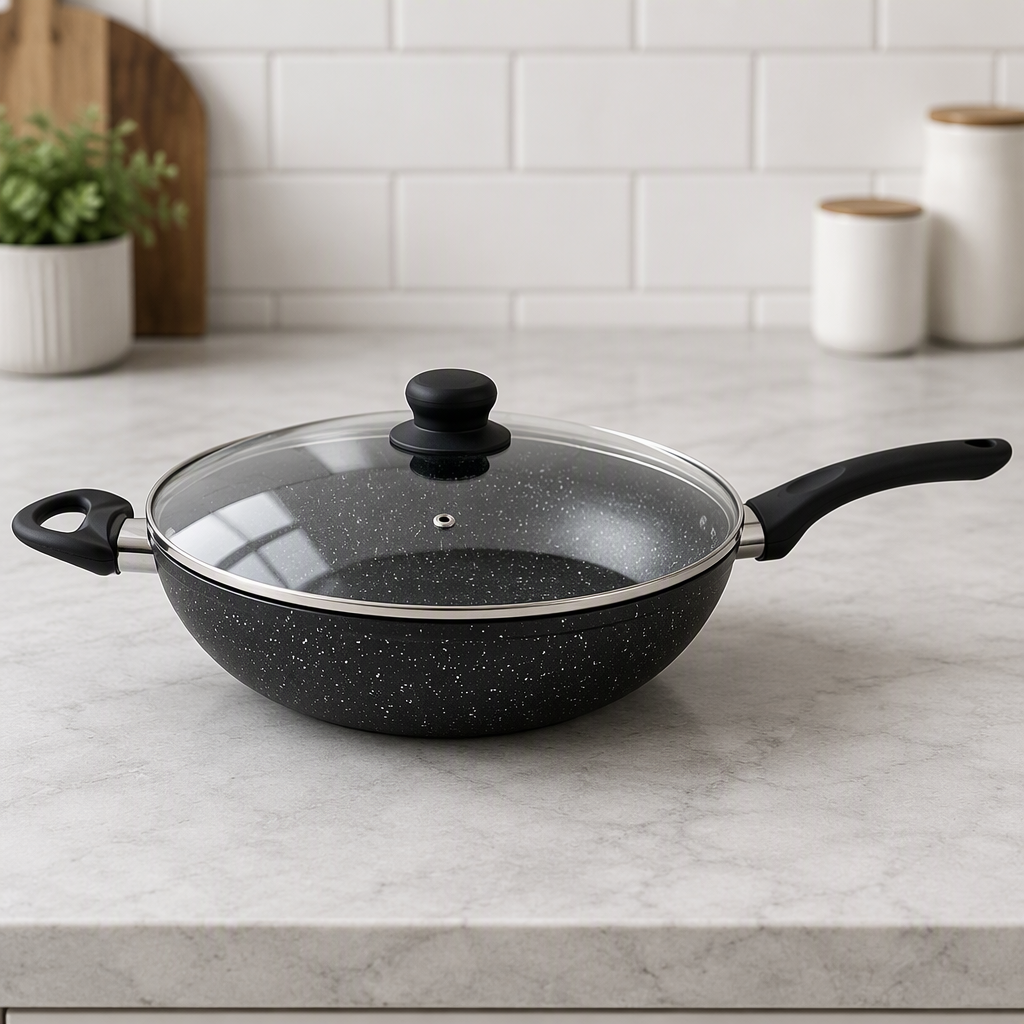
24 cm Forged Aluminum Wok Marble Coating Non Stick Deep Pan
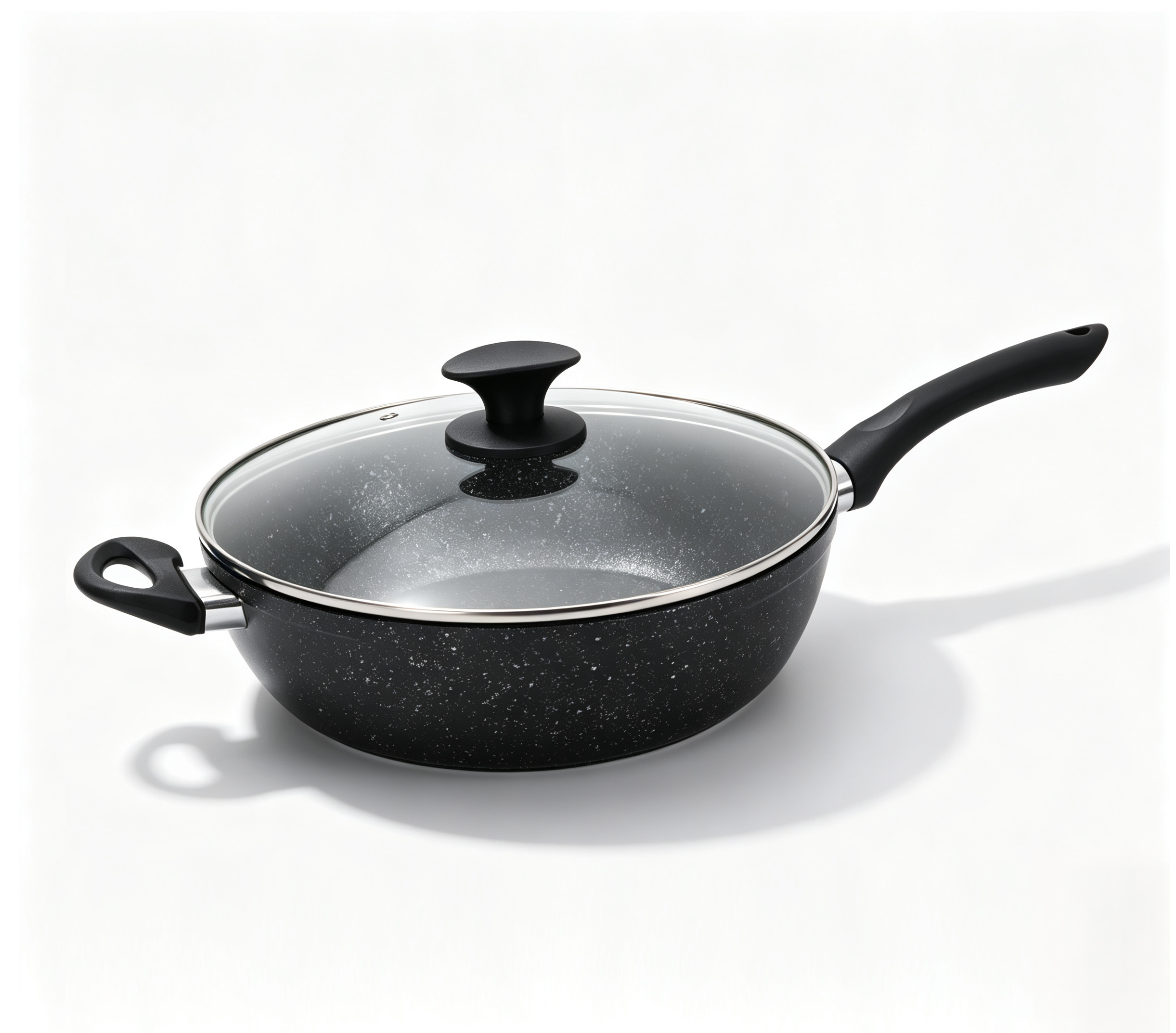
Modern Granite Nonstick Aluminum Multi-Function Deep Fry Pan
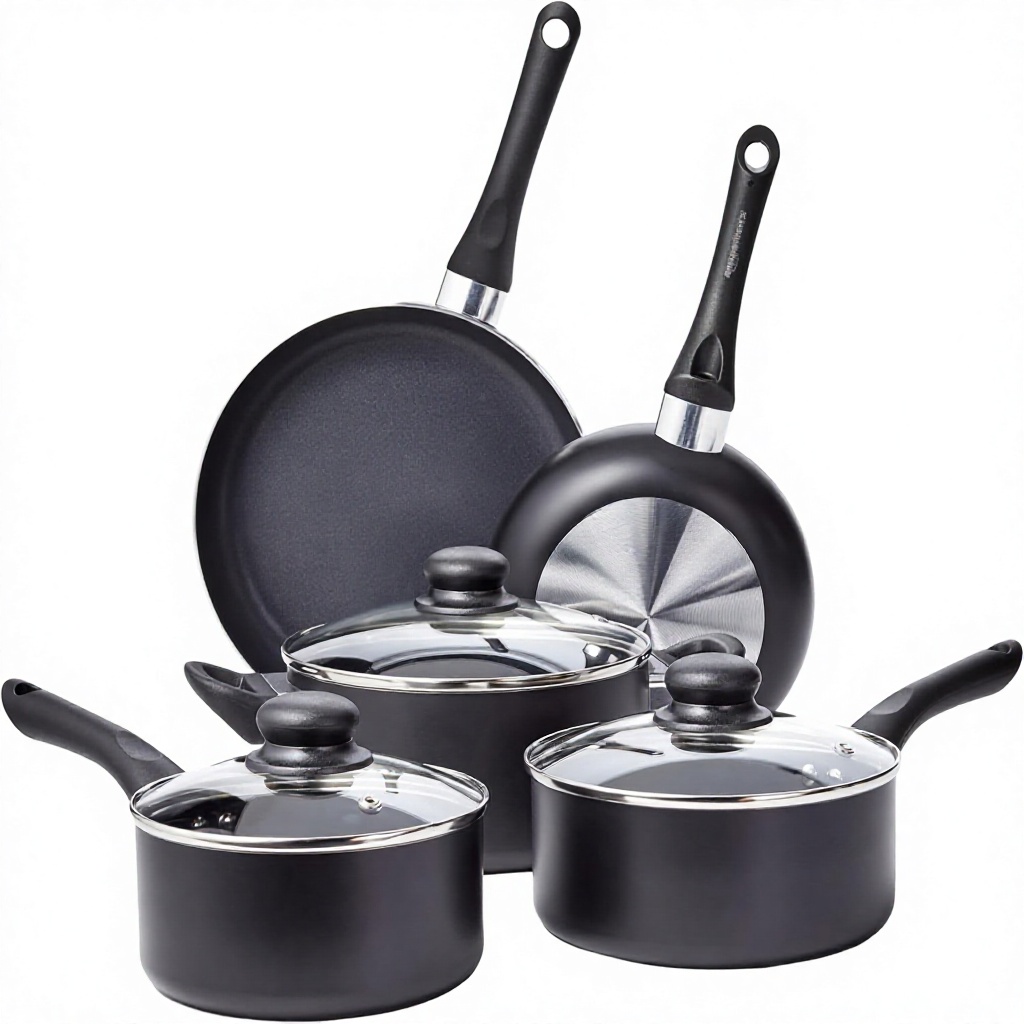
Basics Aluminum Ceramic Non-Stick 8-Piece Kitchen Cookware Set
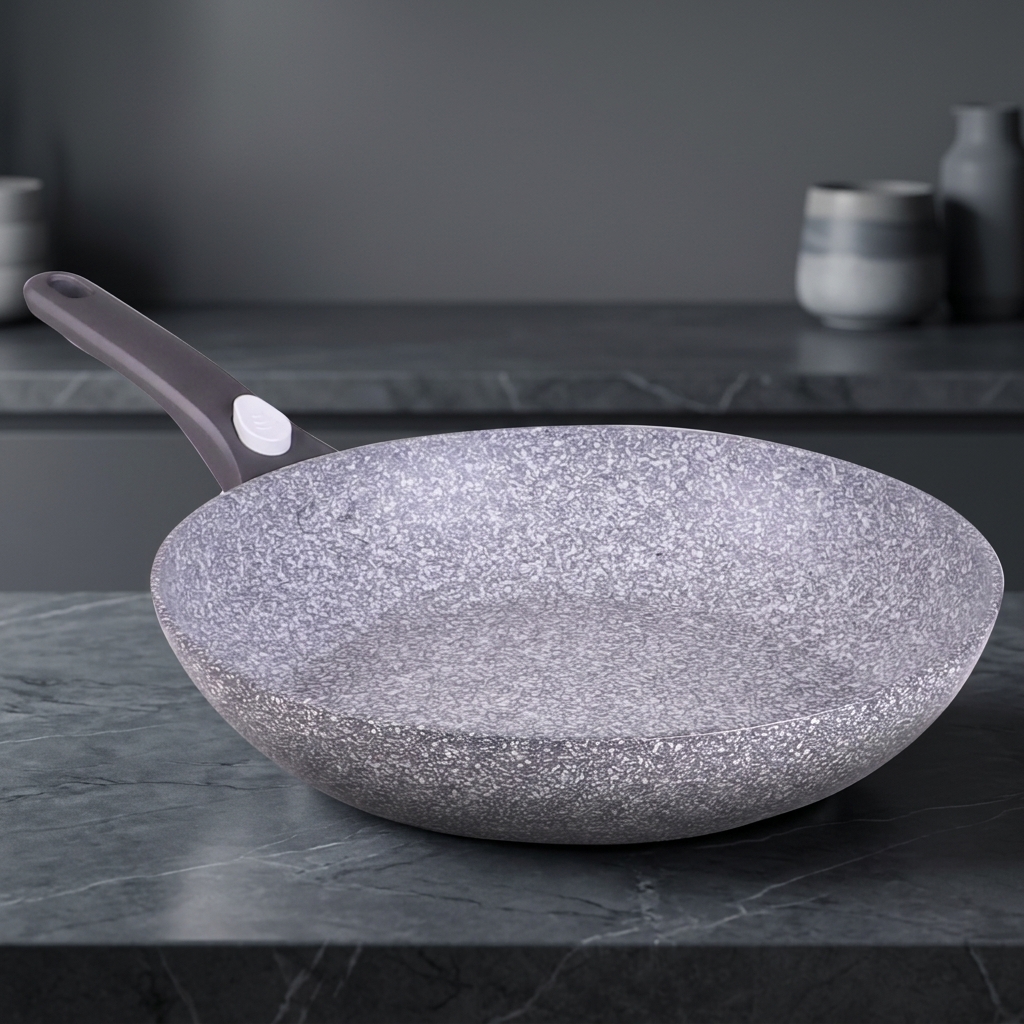
Granite Coating Non-Stick 24cm Fry Pan with Detachable Handle
Engineering Superior Carbon Steel & Aluminum Cookware
A technical evaluation of material selection, heat response dynamics, and structural longevity for wholesale buyers and brand owners.
The Strategic Advantage of Chinese Manufacturing Hubs: Jinhua Ecosystem
Global enterprise procurement managers sourcing commercial-grade and retail cookware consistently turn to Zhejiang MEIS Kitchenware Co., Ltd., situated in the heart of China’s premier hardware cluster—Dongnan Industrial Zone, Shuxi Street, Jinhua, Zhejiang. As an on-site verified manufacturer by TÜV Rheinland, MEIS bridges the gap between cost-efficient mass production and uncompromising precision engineering.
The choice of substrate material—whether high-gauge carbon steel, die-forged aluminum, or heavy pressed alloy—dictates the thermal performance, warping resistance, and culinary versatility of modern frying pans. By operating fully integrated in-house mold tooling, lathe CNC machining, automated spray coating lines, and rigorous stress testing labs, MEIS provides OEM/ODM partners with complete technical transparency and material traceability.
Carbon Steel Metallurgy
Combining the high thermal conductivity of copper with the rugged durability of cast iron, carbon steel cookware features a dense carbon-iron alloy matrix. It reaches high searing temperatures rapidly while remaining 50% lighter than traditional cast iron, making it the preferred material for professional chefs and high-volume commercial kitchens.
Die-Forged Aluminum
Forged aluminum pans are engineered under high-pressure mechanical presses, forcing molten alloy into shaped contours with extra-thick rims and base plates (up to 4.5mm). This structural reinforcement completely eliminates base distortion under sudden thermal shocks on high-wattage induction stovetops.
Advanced Surface Technologies
MEIS offers multiple coating technologies tailored to regional market regulations. Options range from non-toxic, PFOA-free ceramic PVD layers and multi-layer granite/marble reinforcement to chemical-free nitrided black carbon steel treatments that develop natural non-stick patina through cooking oil seasoning.
Substrate Performance & Application Matrix
A side-by-side engineering evaluation helping procurement officers select optimal product specifications for targeted retail tiers.
| Performance Metric | High-Gauge Carbon Steel | Die-Forged Aluminum | Pressed Aluminum Alloy |
|---|---|---|---|
| Thermal Responsiveness | Ultra-Fast (Immediate heat adjustment) | Moderate (Controlled heat distribution) | Fast (Lightweight heat transfer) |
| Base Warp Resistance | Exceptional (High mechanical tensile strength) | Maximum (Thick cold-forged base) | Standard (Ideal for promotional lines) |
| Native Induction Compatibility | 100% Ferromagnetic (No extra plate) | Requires Bonded Stainless Plate | Requires Bonded Stainless Plate |
| Coating Options | Nitrided, Pre-seasoned, Titanium Ceramic | Granite Speckle, PTFE Multi-Layer, Ceramic | Basic Ceramic, Non-Stick Polymer |
| Weight Ratio | Medium-Heavy (Commercial feel) | Medium (Balanced ergonomic weight) | Lightweight (Consumer friendly) |
| Target Retail Positioning | Professional Culinary & Eco-Conscious | Mid-to-High Retail & E-Commerce Brands | Supermarket Programs & Mass Volume Sets |
Future Procurement Trends in Global Cookware Supply Chains
Key regulatory shifts, consumer preferences, and technological innovations shaping enterprise sourcing for 2025 and beyond.
1. The Transition to PFAS/PFOA-Free Compliance Directive
Regulatory tightening across North America (EPA updates) and the European Union (REACH & ECHA proposals) is accelerating the phase-out of traditional fluorinated polymer coatings. Buyers are rapidly shifting purchase orders toward sol-gel ceramic coatings and natural carbon steel seasoning methods. Chinese manufacturers like MEIS lead this transition by maintaining dedicated eco-friendly spray lines certified for zero toxic chemical emissions.
2. Universal Hob Compatibility & High-Efficiency Induction Bases
With urban residential energy codes increasingly favoring induction cooktops over gas lines, cookware design must guarantee flawless magnetic conductivity. Modern forged aluminum and carbon steel fry pans are now engineered with full-bound impact induction bottoms that prevent delamination, reduce heat loss by up to 22%, and eliminate buzzing noises on high-frequency hobs.
3. Modular Space-Saving & Detachable Handle Systems
E-commerce logistics and modern compact living environments have driven immense demand for detachable handle cookware sets. By eliminating fixed handles, overall master carton packaging volume is reduced by up to 40%, drastically lowering per-unit container shipping costs while allowing pans to transition seamlessly from stovetop to oven to dining table.
4. Factory Automation & ESG Traceability
Enterprise buyers are requiring strict Environmental, Social, and Governance (ESG) compliance throughout Tier-1 and Tier-2 suppliers. Automated pressing lines, closed-loop water recycled cleaning systems, and computerized salt-spray testing labs ensure that mass production meets both carbon footprint goals and consistent structural quality.
Why Partner with Zhejiang MEIS Kitchenware Co., Ltd.
TÜV Rheinland Audited Facility
Our production workshops, employee safety standards, and quality management protocols undergo annual third-party on-site audits, ensuring total verification for international retail clients.
In-House Tooling & R&D Lab
Equipped with precision CNC machines and mold-making lathes, our engineering team transforms custom product sketches into physical, tested prototypes in as few as 7 to 14 days.
Comprehensive Stress Testing
Every export batch undergoes rigorous lab checks, including salt-spray corrosion tests, handle fatigue stress cycles, base thermal expansion measurements, and cross-hatch adhesion testing.
Frequently Asked Questions for B2B Buyers
Direct technical answers addressing minimum order quantities, compliance certifications, custom branding, and logistics capabilities.
Is Zhejiang MEIS Kitchenware a direct manufacturer or a trading company? +
Zhejiang MEIS Kitchenware Co., Ltd. is a verified custom cookware manufacturer operating its own fully equipped production facility in Dongnan Industrial Zone, Shuxi Street, Jinhua, Zhejiang, China. The factory spans dedicated workshops for metal pressing, CNC base finishing, surface cleaning, non-stick spray coating, handle assembly, and final quality packaging. The premises have been independently inspected on-site by TÜV Rheinland.
What are the standard Minimum Order Quantities (MOQ) for OEM/ODM projects? +
Standard MOQ varies depending on product complexity and material specification. For custom-finished aluminum or carbon steel cookware sets, MOQ typically ranges between 1,000 and 3,000 units per item. However, for trial market orders or standard stock configurations, select single fry pan models can be ordered starting from 50 pieces to support market testing.
Which food-safety and non-toxic coating certifications do your pans carry? +
All cookware produced by MEIS complies strictly with international food-contact safety standards including FDA (USA), LFGB (Germany), and EU Regulation 1935/2004. Coating options include 100% PFOA-free, GenX-free, and PFAS-free ceramic formulations, granite marble mineral speckle systems, multi-layer PTFE, and chemical-free pre-seasoned black carbon steel finishes.
How do carbon steel frying pans compare against forged aluminum in performance? +
Carbon steel pans offer faster thermal responsiveness and naturally high ferromagnetic induction compatibility without requiring extra bonded base plates, making them ideal for high-heat commercial searing and eco-friendly kitchenware programs. Forged aluminum pans provide superior heat retention, lighter hand weight, and a wider variety of aesthetic interior/exterior non-stick colors (such as marble, ceramic, or granite), making them preferred for mainstream retail and lifestyle brands.
What custom private-label services (OEM/ODM) are available for international brands? +
MEIS provides full end-to-end customization. This includes custom pan body shapes, wall thickness adjustments (from 1.5mm to 4.5mm), customized laser-etched bottom logos, bespoke handle designs (bakelite, soft-touch silicone, stainless steel, or detachable systems), specialized retail color boxes, and customized master carton packaging for drop-shipping resilience.
Are your aluminum cookware lines fully compatible with induction hobs? +
Yes. Aluminum cookware items can be outfitted with high-impact bonded stainless steel induction plates (hole-pattern or full-disk coverage), allowing them to function seamlessly on gas, electric, ceramic, and induction cooktops. Carbon steel items are naturally magnetic and possess inherent induction capability across their entire base.
Partner with China’s Leading Carbon Steel & Aluminum Cookware Exporter
Accelerate your product development cycle with direct manufacturer pricing, TÜV-verified quality control, and tailor-made OEM/ODM solutions. Speak with our technical engineering team today.