Featured Wholesale Cookware & OEM Product Portfolio
Direct factory production lines for heavy gauge carbon steel, forged aluminum, nitrided woks, and eco-friendly non-stick cookware sets engineered for global compliance.
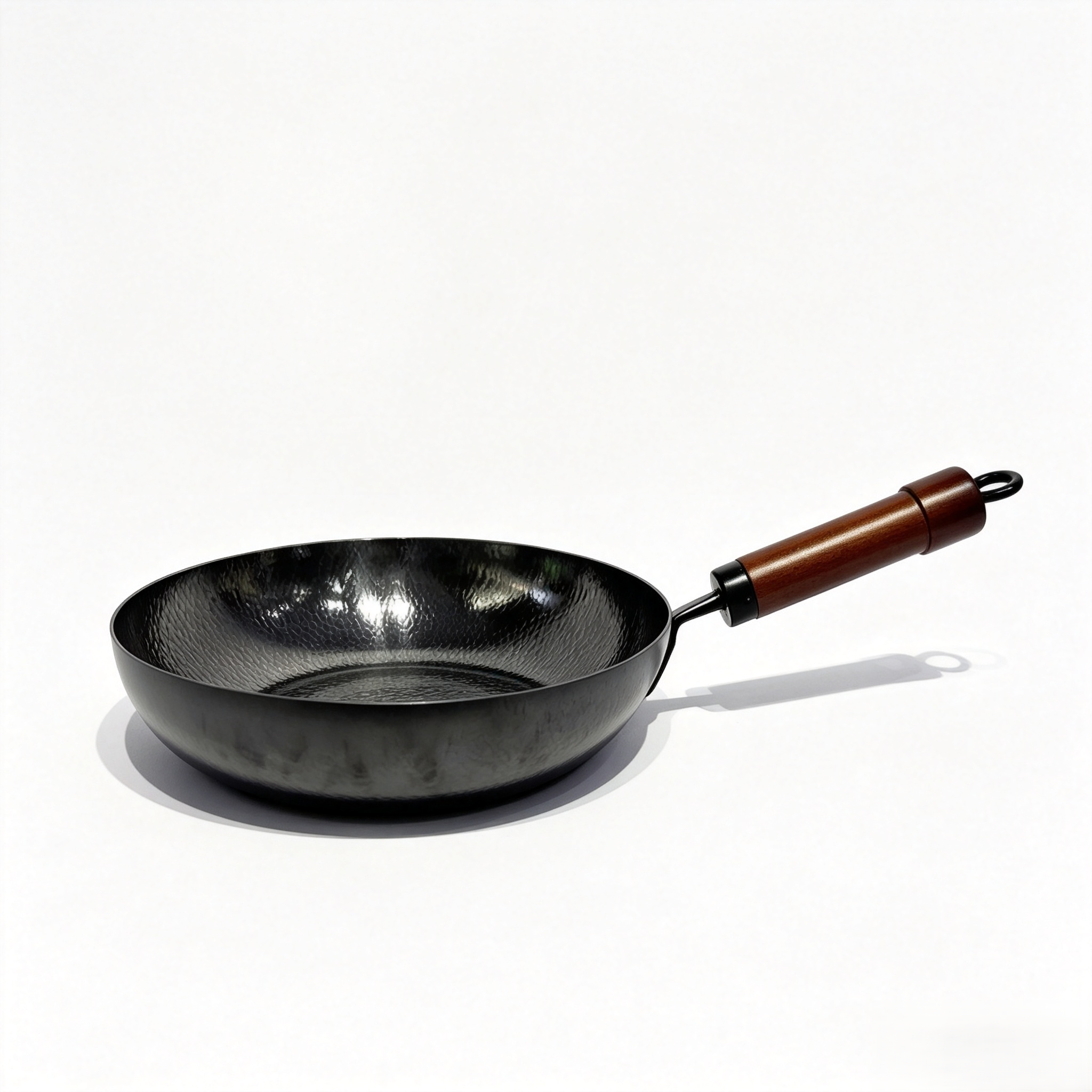
Modern CAMRY Eco-friendly No Coating Nitrided Hammered Carbon Steel Wok
View Product Details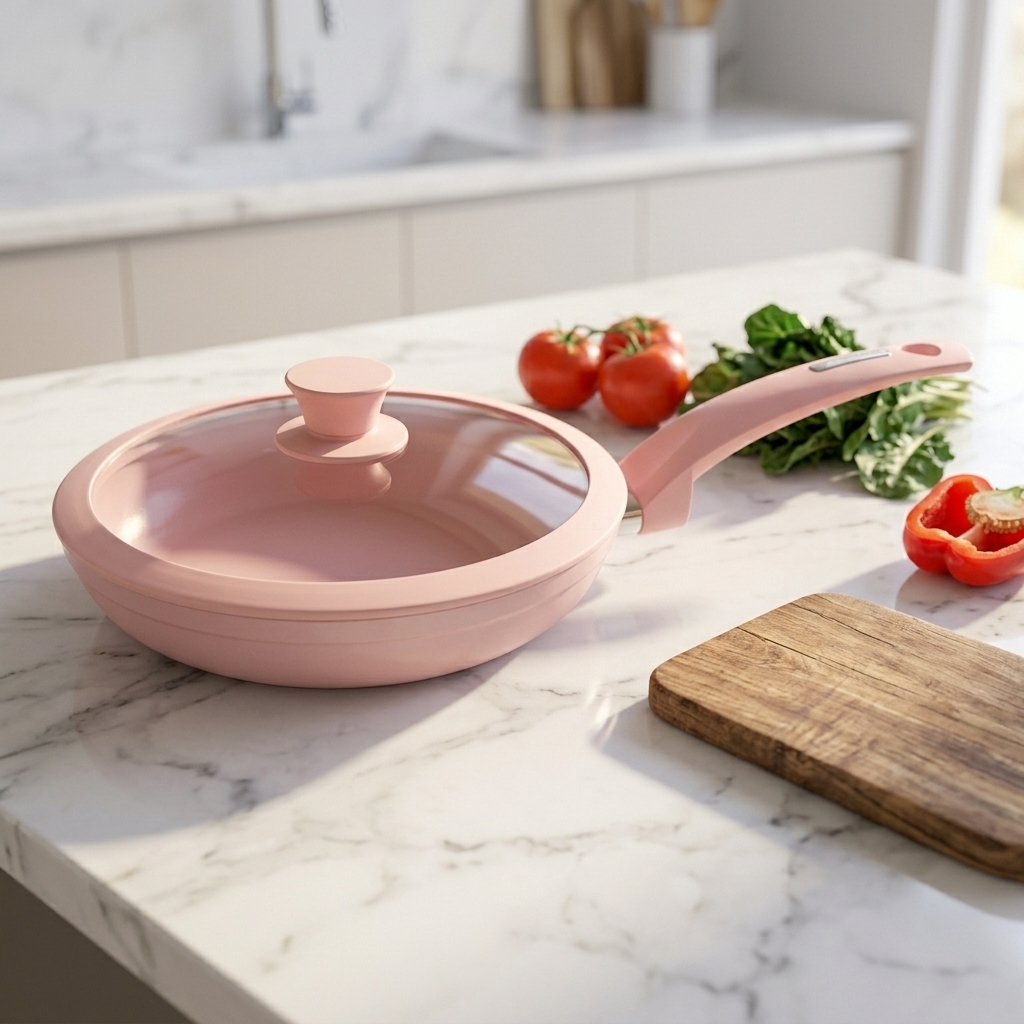
22 cm Forged Aluminium Non-Stick Fry Pan with Glass Cover
View Product Details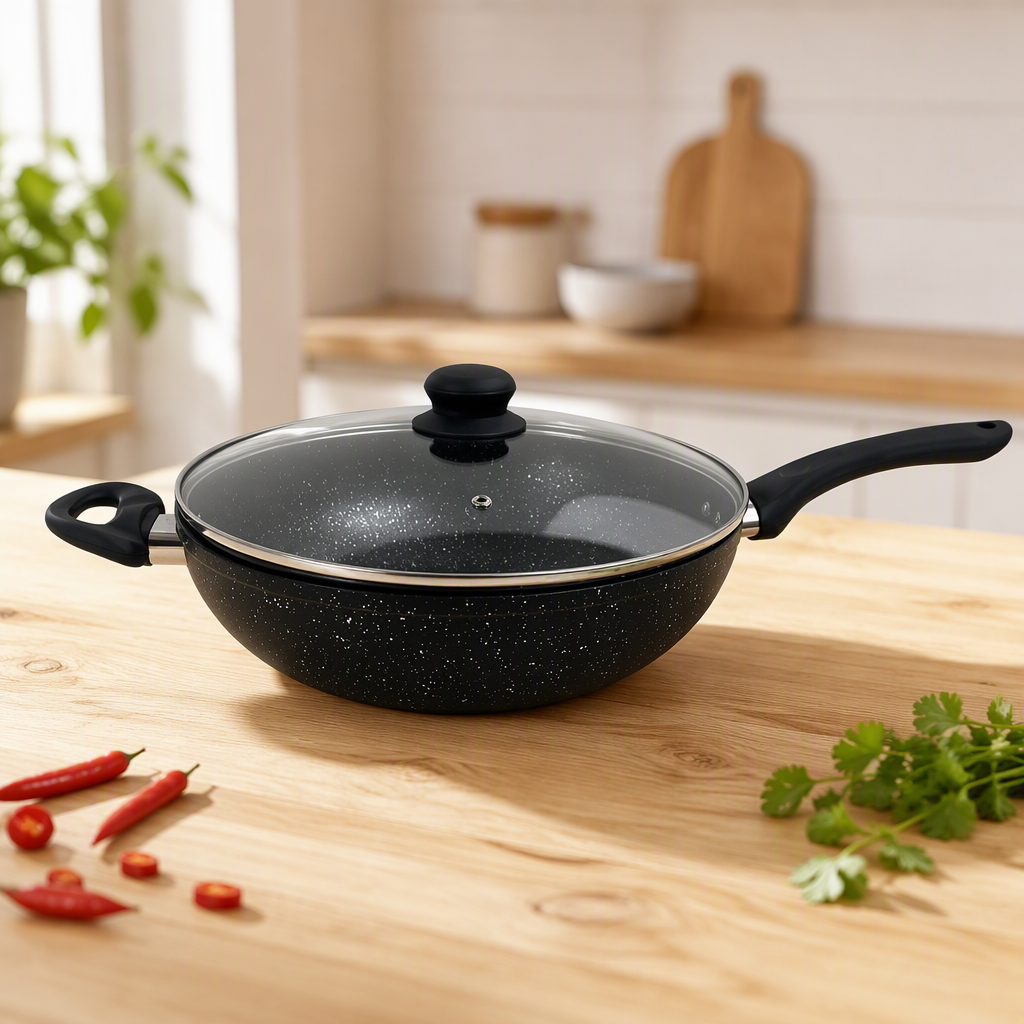
32 cm Granite Coating Non Stick Forged Wok 5.5L Aluminum Fry Pan
View Product Details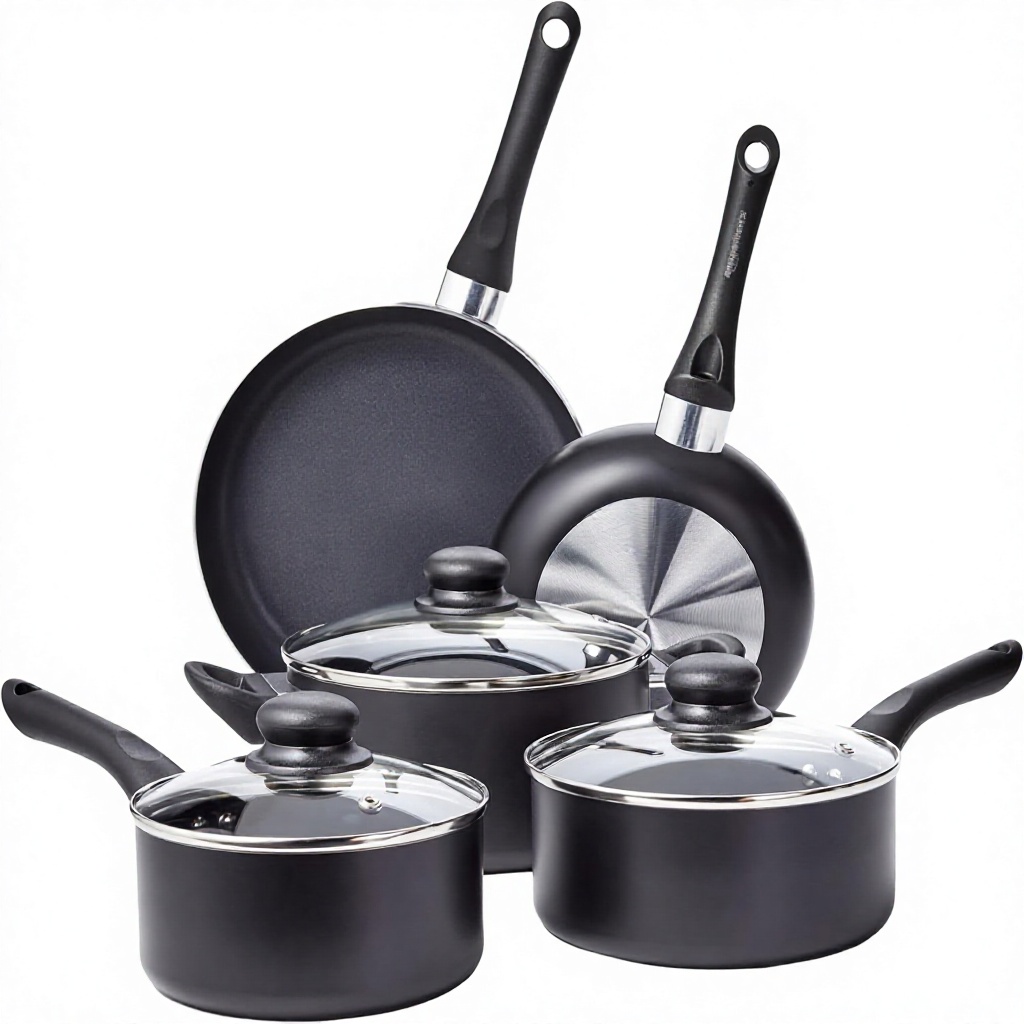
Basics Aluminum Ceramic Non-Stick 8-Piece Cookware Set
View Product Details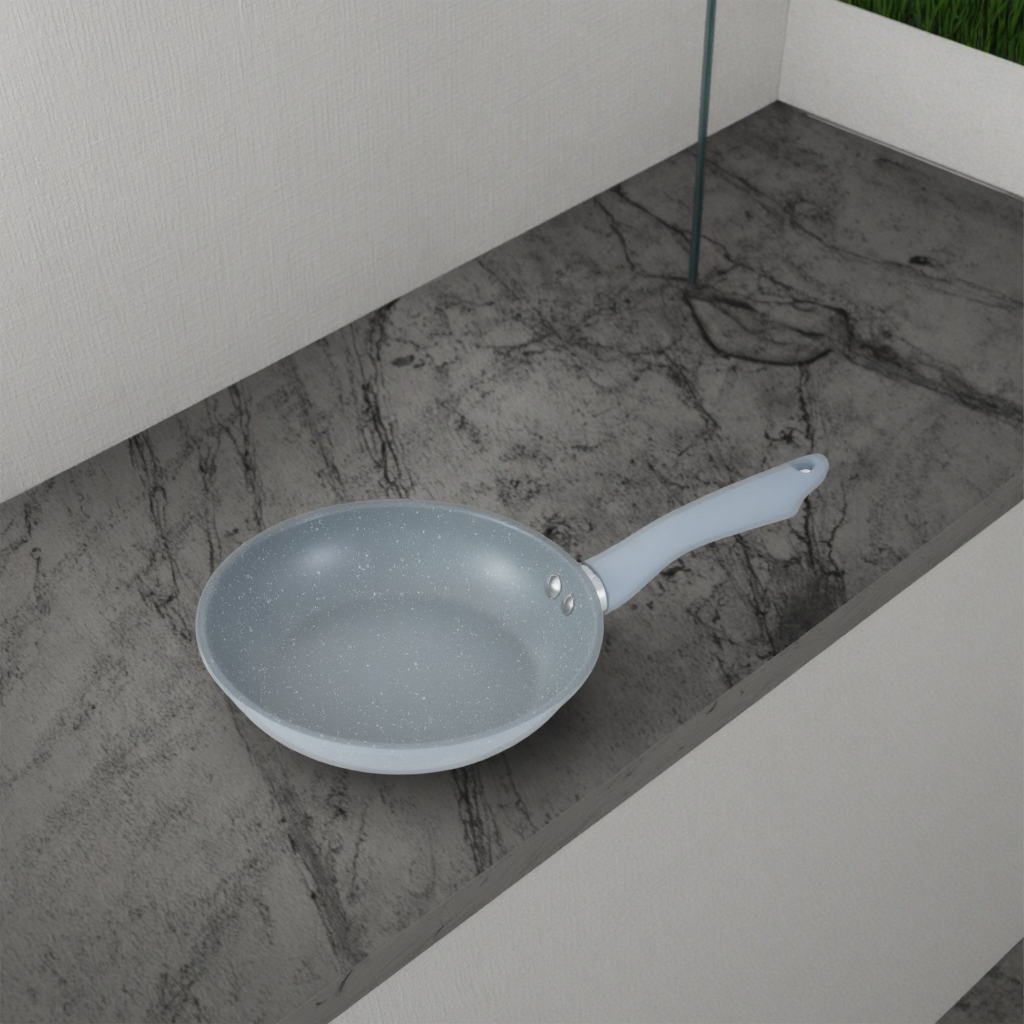
10-Inch Heavy Gauge Carbon Steel Fry Pan with Soft Touch Handle
View Product Details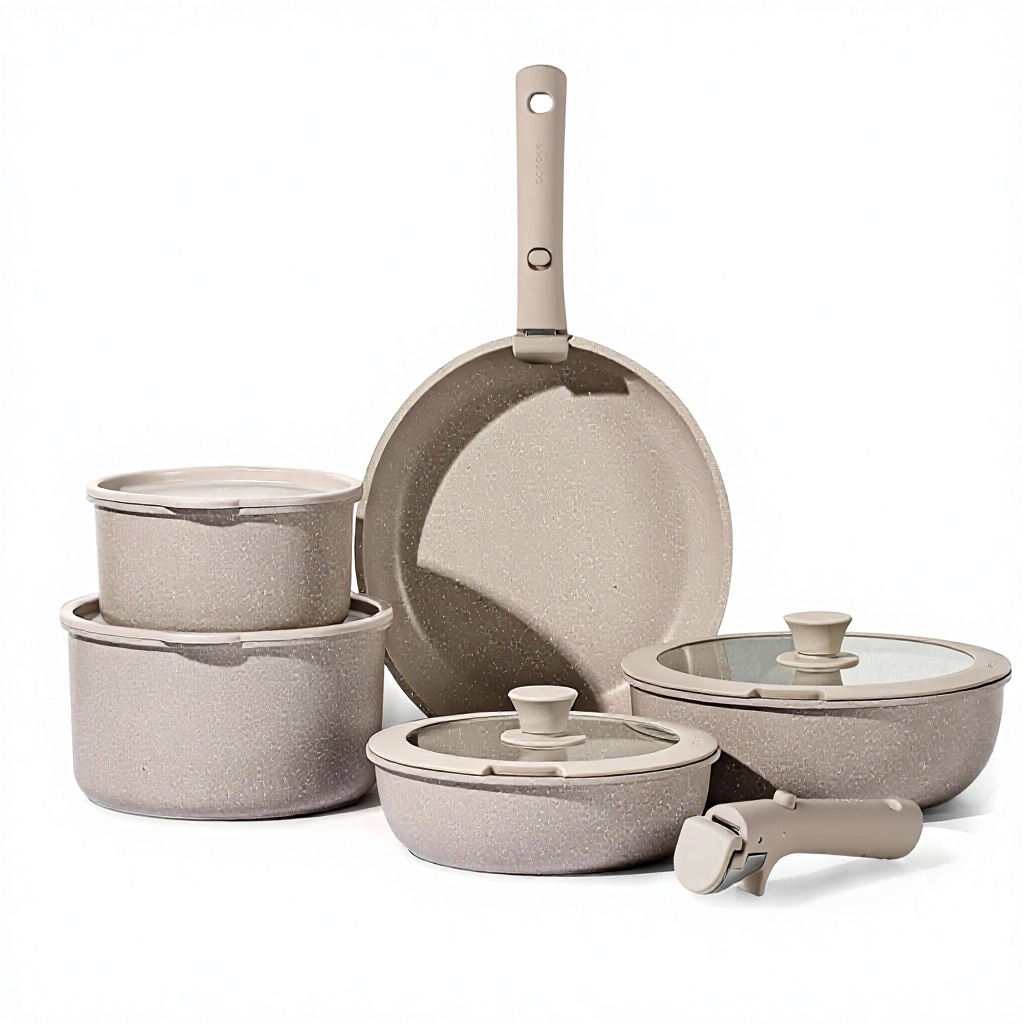
19-Piece Non-Stick Cookware Set with Detachable Removable Handles
View Product Details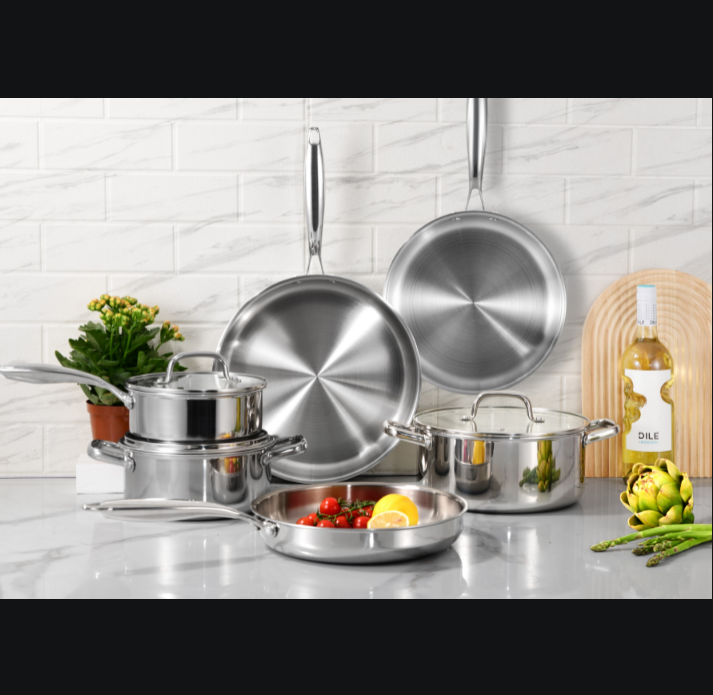
Tri-ply Stainless Steel Cookware Set with Non-Stick Interior
View Product Details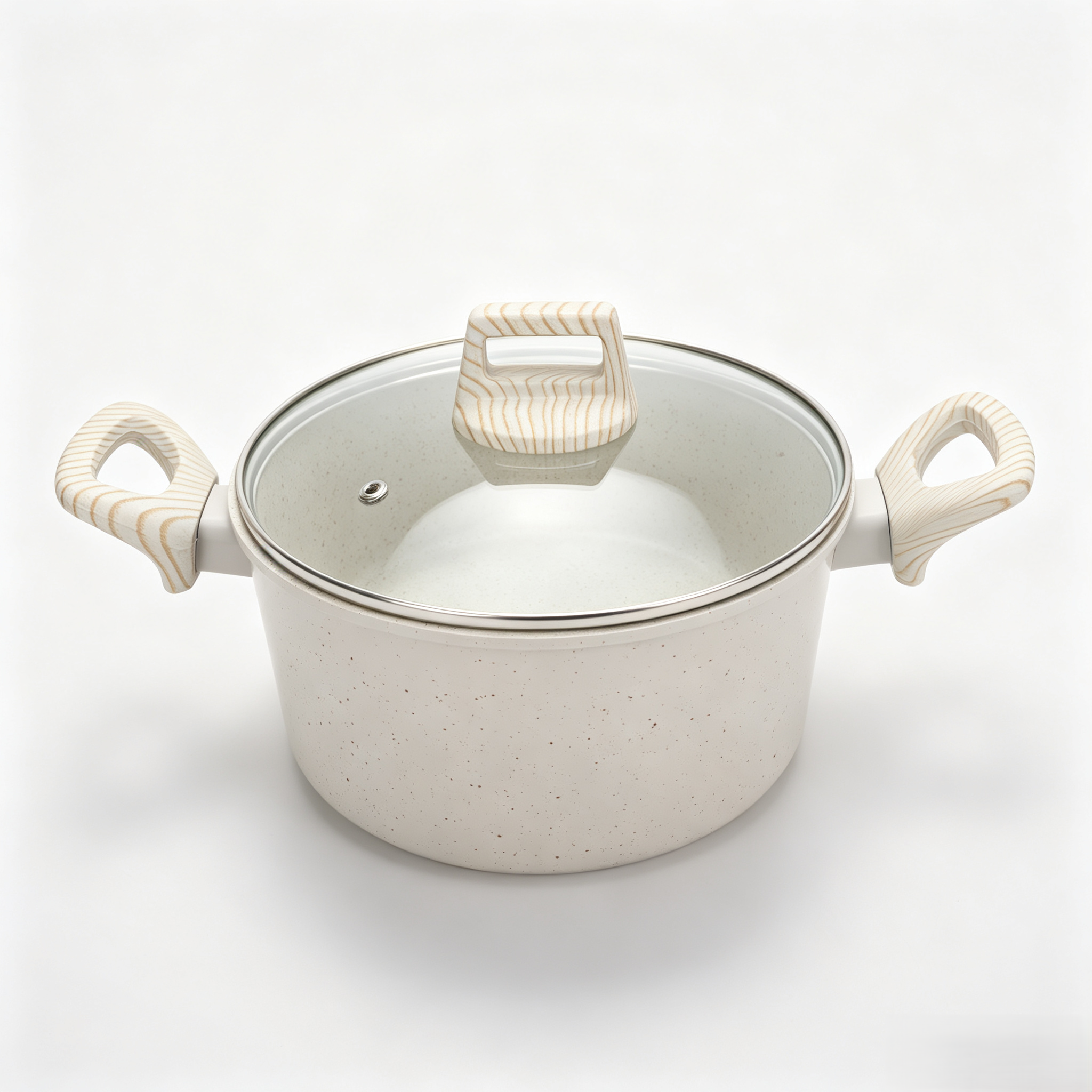
Large Capacity Durable Nonstick Aluminum Casserole Pot
View Product DetailsManufacturing Excellence & Factory Capabilities
Zhejiang MEIS Kitchenware Co., Ltd. is an on-site TÜV Rheinland verified manufacturer in Jinhua, Zhejiang, providing end-to-end OEM & ODM infrastructure for global distributors and retail brands.
Direct Factory Processing & Integrated Quality Governance
Located in the Dongnan Industrial Zone, Shuxi Street, Jinhua, Zhejiang MEIS Kitchenware Co., Ltd. spans advanced hydraulic pressing, automated CNC base turning, dual-head automated spray coating, and rigid handle fatigue testing lines. Unlike trading intermediaries, every pan body—from raw carbon steel sheet pressing to final non-stick thermal curing—is audited under strictly enforced ISO quality management protocols.
Precision Hydraulic & CNC Lines
Heavy-duty hydraulic pressing ensures structural integrity and uniform wall thickness across carbon steel cookware and forged aluminum bodies, resisting high-heat distortion.
Advanced Surface Pre-Treatment
Automated multi-stage degreasing and micro-grit blasting establish optimum mechanical adhesion for ceramic, granite, marble, and titanium-reinforced coating systems.
In-House Mechanical & Salt Testing
Our testing laboratories conduct rigorous salt spray corrosion tests, handle torsion/thrust evaluations, and abrasion testing to verify compliance with FDA, LFGB, and EU standards.
Industry Whitepaper: The Technical Advantage of Carbon Steel Cookware in B2B Procurement
In the global commercial and consumer cookware landscape, carbon steel has transitioned from a niche culinary specialty item into a dominant high-volume retail category. Containing approximately 98% iron and 2% carbon, heavy-gauge carbon steel bridges the gap between traditional cast iron and aluminum alloys. It delivers the ultra-high thermal retention and high-heat responsiveness of cast iron while reducing overall vessel mass by 40% to 50%, enabling effortless ergonomic handling on modern stovetops.
Technical Comparison Matrix: Carbon Steel vs. Alternative Materials
| Performance Metric | Heavy Gauge Carbon Steel | Forged Aluminum | Traditional Cast Iron | Tri-Ply Stainless Steel |
|---|---|---|---|---|
| Thermal Conductive Speed | High (Rapid Ramp-up) | Ultra-High | Moderate / Slow | Moderate |
| Induction Efficiency | 100% Native Magnetic | Requires Bonded Plate | 100% Native Magnetic | Depends on Exterior Layer |
| Vessel Weight Ratio | Balanced / Medium | Lightweight | Very Heavy | Heavy |
| High-Heat Tolerance | Up to 450°C (Nitrided) | Up to 260°C (Coated) | Up to 500°C | Up to 400°C |
| Risk of Warp under Shock | Ultra-Low | Low (Thick Base) | Zero (Cracks instead) | Low |
| Target Sourcing Segment | Retail Chains, E-Commerce, HoReCa | Supermarket, Mass Retail | Specialty Culinary | Premium Retail & Professional |
Technology Evolution & Product Development Trends
How nitriding, chemical-free non-sticking, and space-saving modular designs are transforming global carbon steel and aluminum cookware manufacturing.
1. Advanced Gas Nitriding Surface Conversion
The industry is moving rapidly toward non-chemical non-stick solutions. Gas nitriding exposes raw carbon steel woks and pans to ammonia atmosphere heat treatments above 570°C. This diffuses nitrogen atoms into the iron matrix, creating a corrosion-resistant, rust-proof iron nitride surface layer (Fe3N/Fe4N). This process allows woks to achieve natural hydrophobic properties through traditional oil seasoning without organic chemical polymer sprays.
2. PFAS / PFOA-Free Ceramic & Granite Sprays
Global regulatory mandates in North America and Europe (including REACH updates and state-level PFAS bans) are driving wholesale demand toward sol-gel ceramic and multi-layer granite coatings. Modern hybrid coatings incorporate ceramic micro-particles and titanium reinforcements, guaranteeing high scratch resistance, non-toxic food contact, and effortless food release even under reduced cooking oil volumes.
3. Modular Space-Saving & Detachable Handles
With rising global logistics costs and compact urban living, stackable cookware sets featuring click-lock detachable handles (such as our 19-Piece OEM sets) have become top e-commerce sellers. Removing the handle reduces master carton packaging volumes by up to 45%, significantly lowering freight-per-unit costs for overseas importers while providing consumers with seamless stove-to-oven versatility.
Global Sourcing Forecast: Strategic Sourcing Trends for Cookware Buyers (2025–2030)
For purchasing directors, retail brand managers, and private label importers, keeping ahead of cookware supply chain transformations is critical for long-term category profitability. Our market analysis highlights three major procurement shifts over the next five years:
A. Traceable Low-Carbon Raw Material Supply
Importers into European Union markets must prepare for stringent carbon boundary adjustments. Working with manufacturers like Zhejiang MEIS Kitchenware that utilize energy-efficient hydraulic presses, automated waste-heat drying tunnels, and recyclable raw metal discs provides a measurable advantage in sustainability reporting.
B. Rapid Customization & Flexible MOQs
Traditional factory MOQs of 5,000+ units are giving way to agile production runs. In-house mold design and CNC tooling permit fast custom color matching (Pantone/RAL), specialized laser etching, and customized color box packaging at competitive minimum order thresholds, lowering market testing risks for new product launches.
C. All-Stovetop Universal Base Engineering
As induction cooking adoption accelerates globally, single-purpose gas-only cookware is losing retail shelf space. Modern carbon steel cookware naturally fulfills induction magnetic requirements, while pressed and forged aluminum lines are increasingly integrated with high-gauge perforated stainless steel bottom discs for universal heat source compatibility.
Frequently Asked Questions (B2B Procurement & OEM)
In-depth technical and commercial answers to common procurement questions from global buyers, retail sourcing leads, and custom brand owners.
Partner with China's Premier Carbon Steel & Cookware Factory
Elevate your product portfolio with high-performance nitrided carbon steel, forged aluminum, and certified PFOA-free non-stick cookware. Contact our engineering and export team today for technical catalogs, instant quotation analysis, and OEM samples.
Contact Us