Flagship Ceramic Cookware & Kitchenware Collections
Tested for European & North American Safety Standards (LFGB / FDA / REACH) — Direct OEM Factory Engineering
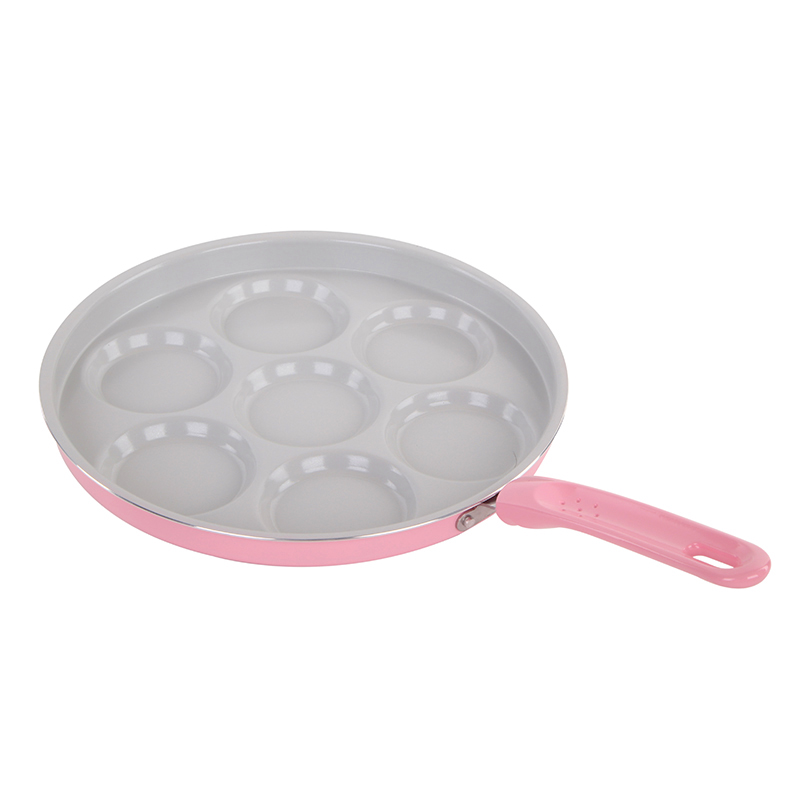
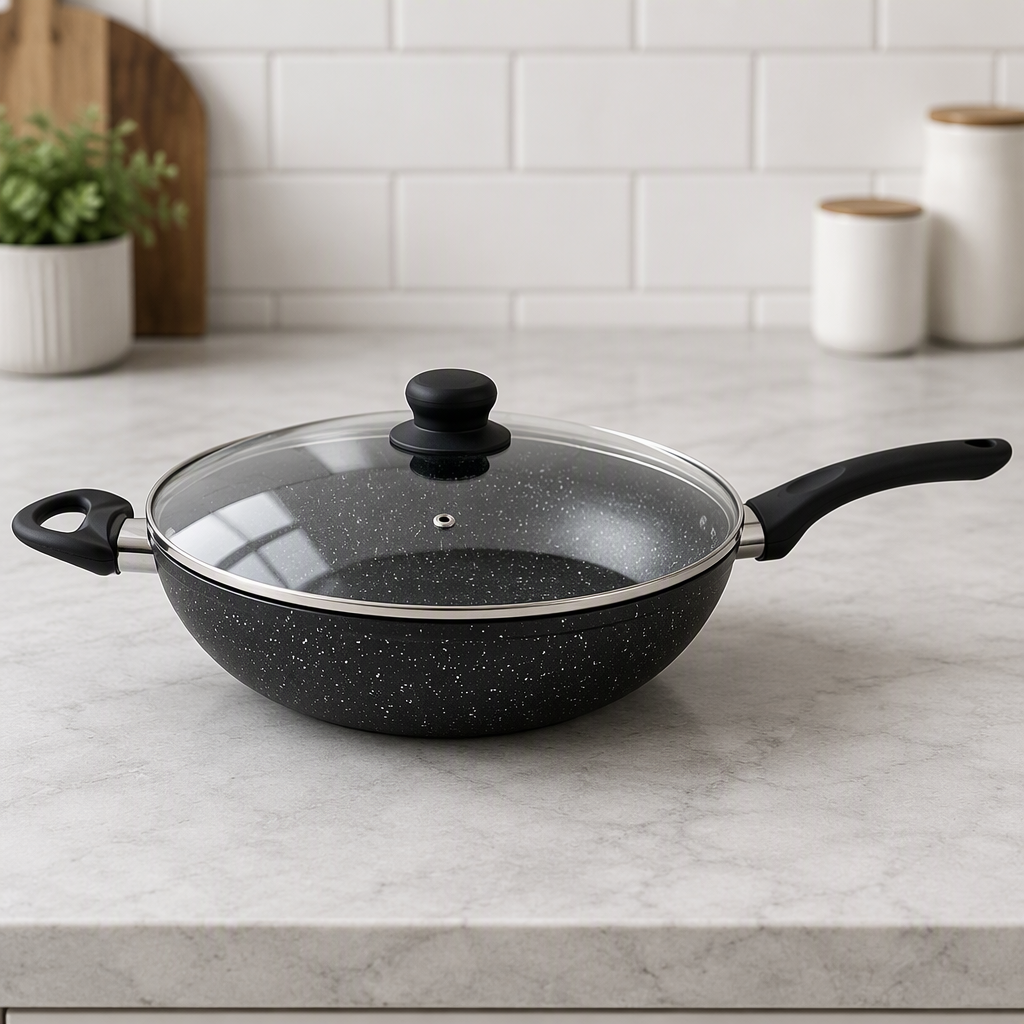
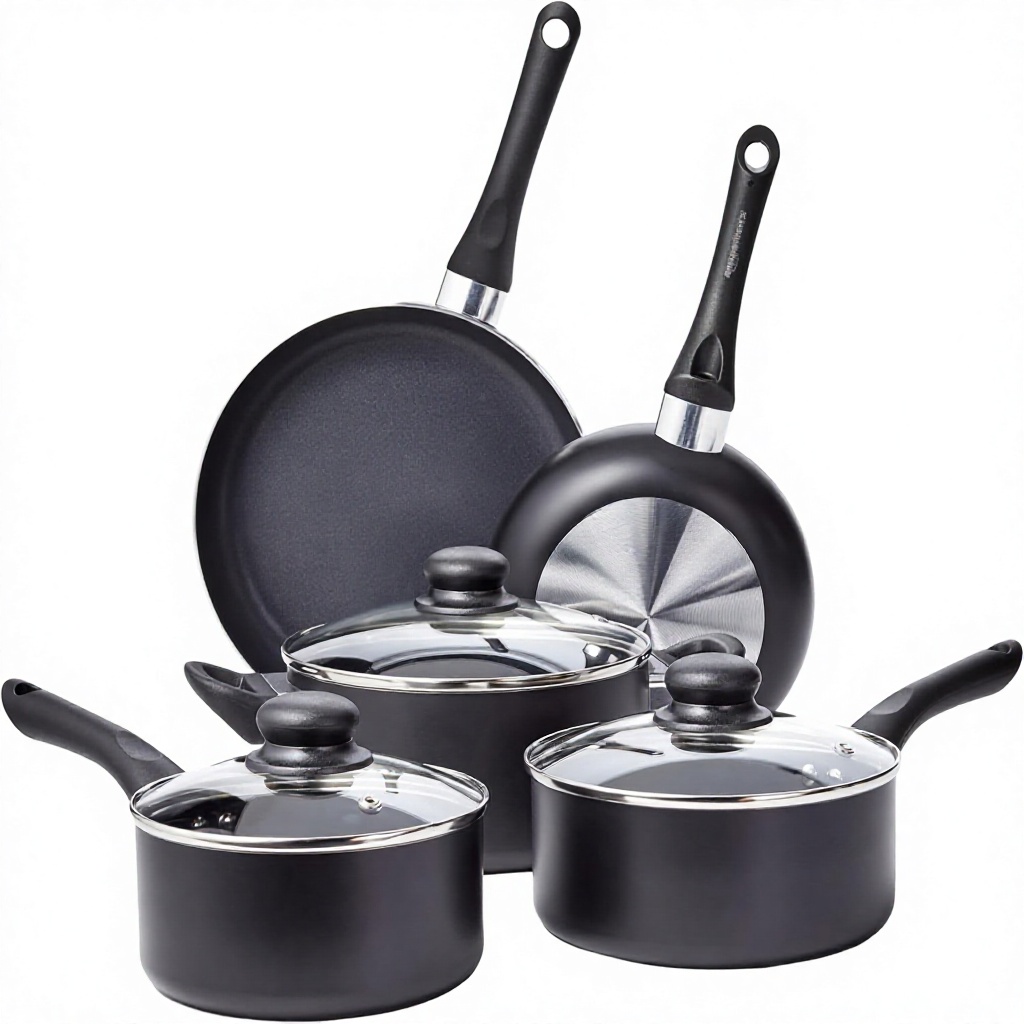
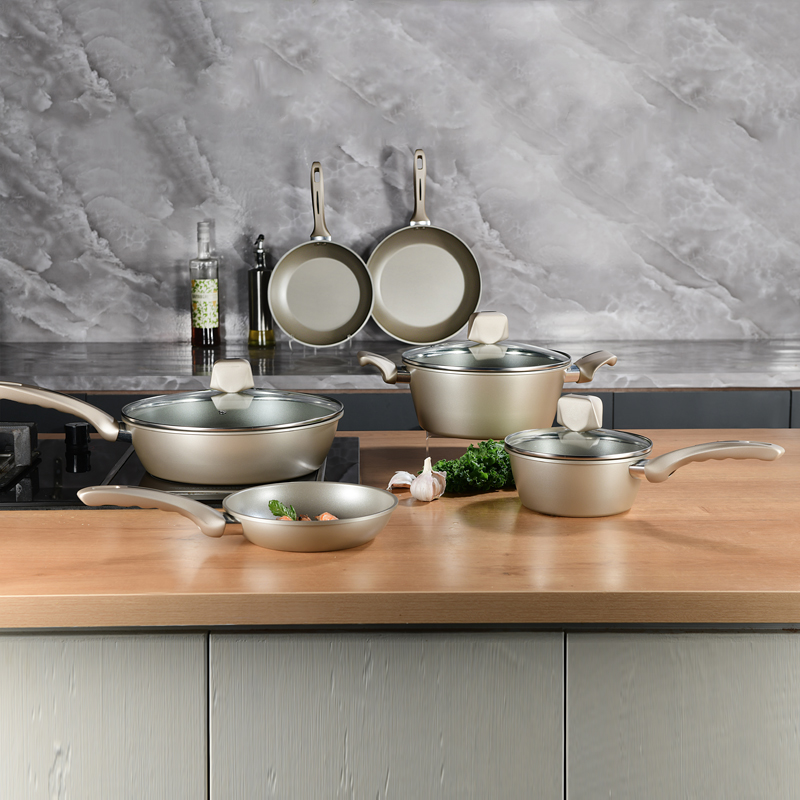
Zhejiang MEIS Kitchenware Co., Ltd.: Standardizing Ceramic Cookware Manufacturing Excellence
As international regulatory frameworks enforce strict bans on persistent organic pollutants like PFOA, PFOS, and GenX fluorinated compounds, global retail buyers, brand owners, and commercial importers are rapidly shifting procurement contracts toward advanced inorganic ceramic coating matrixes. Positioned in the heart of China’s premier hardware and cookware manufacturing cluster—Dongnan Industrial Zone, Shuxi Street, Jinhua, Zhejiang—Zhejiang MEIS Kitchenware Co., Ltd. stands out as an audited, verified custom manufacturer specializing in non-stick pressed aluminum, die-forged aluminum, and heavy-gauge carbon steel cookware.
Unlike pure trading entities or subcontracting intermediaries, Zhejiang MEIS Kitchenware maintains complete operational governance across all core manufacturing phases. Evaluated and verified on-site by TÜV Rheinland, our facility integrates 105 skilled technicians, specialized CNC precision lathes, automatic shot-blasting surface pre-treatment lines, dust-free thermostatic spray booths, and automated tunnel curing ovens. This vertically integrated architecture enables strict control over film thickness, substrate density, thermal adhesion, and mechanical load tolerances.
In-House Tooling and Manufacturing Process Flow
Every ceramic cooking pot and pan produced within our Jinhua facilities undergoes a rigorous, traceable manufacturing sequence designed to eliminate failure points such as micro-flaking, warping under rapid thermal cycles, or handle shear failure:
Metallurgical Pressing & Forging
Aluminum discs (Grade 3003/1050) undergo high-tonnage hydraulic pressing or precision die-forging (yielding structural bases up to 5.0mm thick). This creates optimized heat accumulation zones and eliminates base curvature distortion during rapid cooling.
Shot-Blasting & Surface Degreasing
Before ceramic application, metal bodies undergo automated multi-stage chemical degreasing and micro-abrasive shot blasting. This creates micro-anchoring sites that increase coating mechanical adhesion by up to 40% compared to standard smooth etching.
Robotic Sol-Gel Ceramic Spraying
Multi-layer inorganic silicon dioxide ($SiO_2$) ceramic suspensions are applied via computer-controlled pneumatic spray systems inside HEPA-filtered clean environments, maintaining uniform dry-film thickness (30–45 microns).
Thermostatic Tunnel Curing
Coated bodies pass through continuous infrared heating tunnels at precisely monitored temperatures (up to 420°C). This process cross-links the silica network into an ultra-dense, non-porous ceramic glass matrix.
Global Ceramic Cookware Procurement & Industry Trends (2025–2030)
Navigating the global cookware market requires a clear understanding of material science shifts, regulatory updates, and evolving consumer preferences. B2B procurement professionals must align their supply chain strategies with four core structural trends driving the ceramic cookware segment:
1. Regulatory Phase-Out of Fluorinated Polymers (PFAS Free Mandates)
With the European Chemicals Agency (ECHA) advancing universal restriction proposals on PFAS chemicals and US state-level legislation (e.g., California AB 1200, Minnesota AmFAS laws) mandating clear reporting of fluorinated additives, retailers are rapidly transitioning their stock. Organic sol-gel ceramic coatings—derived from natural silica minerals—provide complete legal immunity against future PFAS bans, making them the safest long-term capital investment for private-label brand portfolios.
2. Advanced Thermal Spray Magnetic Bottoms for Induction Efficiency
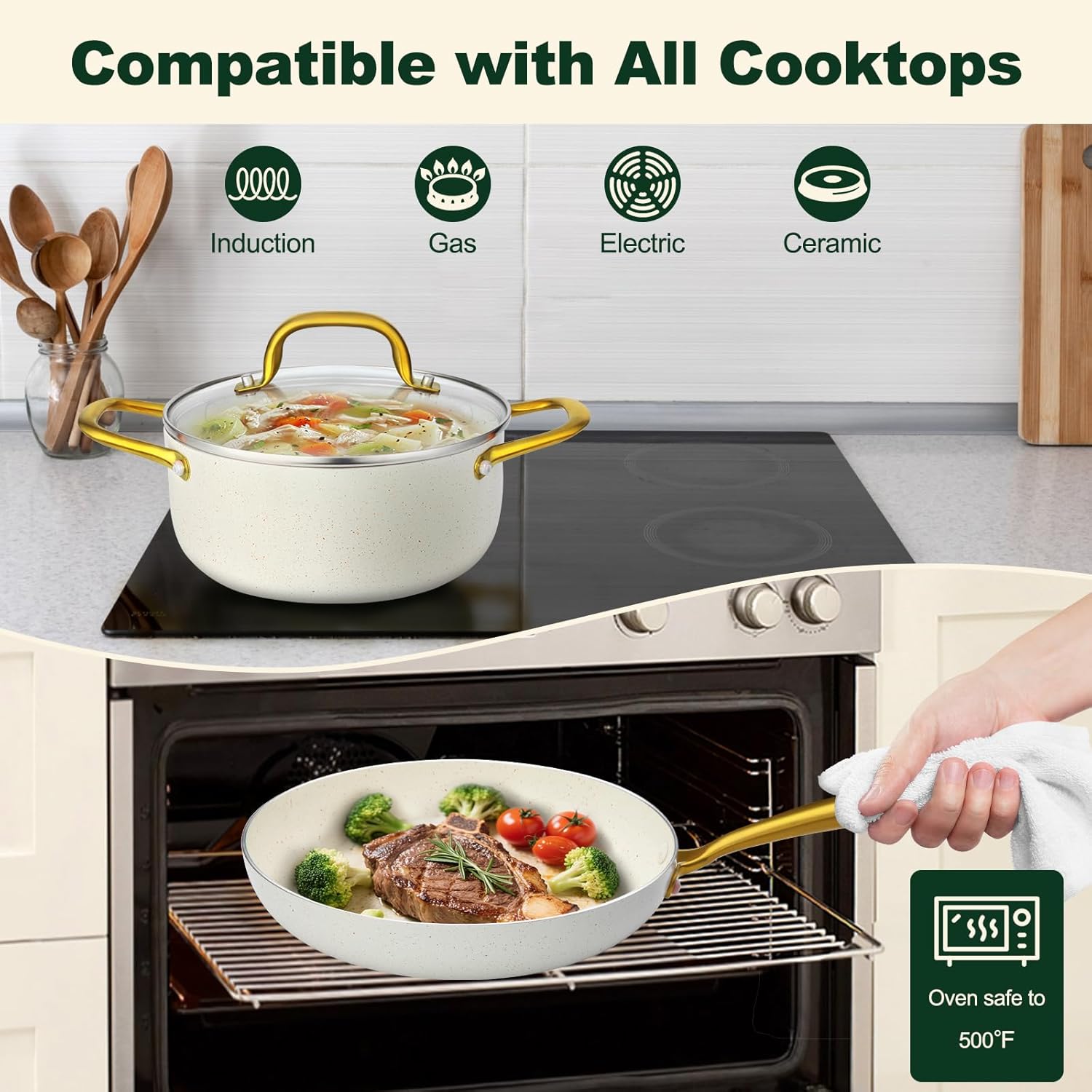
Modern residential kitchens are rapidly adopting induction hobs due to energy conservation policies. Historic challenges regarding aluminum's non-magnetic property have been completely solved by modern China OEM factories. Through automated high-pressure friction punching or plasma thermal spraying, magnetic stainless steel (AISI 430) impact plates are fused into the aluminum cookware base. This guarantees uniform magnetic coupling, zero thermal warping, and compatibility across induction, gas, radiant glass-ceramic, and electric stovetops.
3. Space-Saving Detachable Handle Engineering for Logistics Optimization
Rising overseas freight and warehousing expenses have fueled demand for stackable cookware systems featuring removable handles. By engineering dual-lock safety mechanism handles capable of passing 15,000 cycle fatigue stress tests, manufacturers can reduce carton packaging volume by up to 55%. This drastically cuts per-unit container transportation costs while matching consumer demand for compact apartment storage.
4. Aesthetic Granite, Marble, & Custom Pastel Sol-Gel Finishes
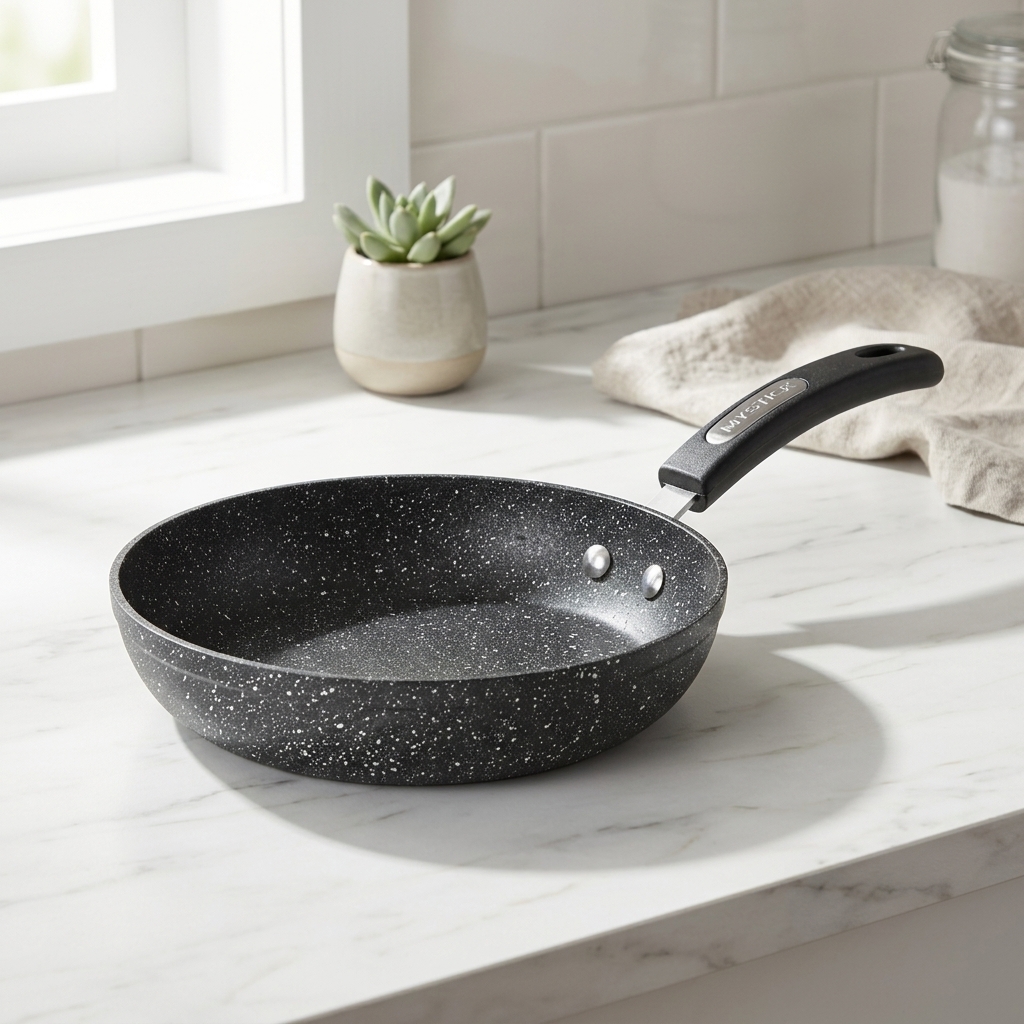
Modern consumers view cookware as an extension of kitchen aesthetics. Utilizing advanced multi-tone speckle application techniques, ceramic cooking pots can mimic luxury natural stone surfaces (granite/marble) or present soft pastel tones (matte cream, sage green, blush pink) without degrading food-contact thermal safety metrics.
Engineering Matrix: Selecting the Optimal Cookware Substrate
To assist global procurement directors in balancing cost, weight, and thermal performance, the engineering team at Zhejiang MEIS Kitchenware provides the following technical performance comparison:
| Performance Metric | Pressed Aluminum | Forged Aluminum | Heavy-Gauge Carbon Steel |
|---|---|---|---|
| Base Wall Thickness | 1.8 mm – 2.5 mm | 3.5 mm – 5.0 mm | 1.0 mm – 2.0 mm |
| Thermal Conductivity | Very High (~205 W/m·K) | High (~190 W/m·K) | Moderate (~50 W/m·K) |
| Warp Resistance Rating | Standard Commercial | Superior (Heavy Duty) | High Tensile Rigidity |
| Native Induction Compatibility | Requires Stainless Plate | Requires Stainless Plate | Naturally Magnetic |
| Target Retail Segment | Supermarket / Promotional / Mass Market | Mid-to-High Retail / E-Commerce / Boutique Brands | Value Department Stores / Commercial Bakeware |
| Typical Coating Compatibility | Ceramic / 2-Layer Non-stick | Marble Speckle / Sol-Gel Ceramic | Titanium Ceramic / Enamel |
Frequently Asked Questions (FAQ) for B2B Procurement
Clear answers to common questions raised by brand sourcing managers, supply chain auditors, and import distributors regarding factory capabilities and compliance.
Is Zhejiang MEIS Kitchenware a direct manufacturer or a trading intermediary?
What is the factory’s Minimum Order Quantity (MOQ) structure?
- Standard Cookware Sets & Pots: 1,000 to 3,000 sets per item/color code.
- Single Fry Pans / Skillets: 1,500 to 2,000 pieces for custom spray colors.
- Trial / Stock Material Orders: Select standard models can be supplied starting from 50 to 500 units to support market testing.
What non-stick ceramic coating options and food safety certifications are available?
What OEM and ODM customization services are supported?
- Branding & Aesthetics: Laser-etched bottom logos, custom handle colors (soft-touch wood-grain, silicone rimming), exterior spray matching via Pantone codes, and customized gift-box packaging.
- Engineering & Molds: In-house toolmakers can build dedicated aluminum die-casting or forging molds according to 3D STEP files or physical CAD prototypes within 20 to 30 days.
How does the factory conduct quality control and batch testing?
- Cross-Hatch Adhesion Test (ASTM D3359): Verifies coating bond strength to substrate.
- Salt Spray Testing (ASTM B117): Tests corrosion resistance of exposed bases and metal rims.
- Handle Mechanical Fatigue & Torsion Test: Ensures rivets and handle joints withstand 100N vertical dynamic pull forces without deformation.
- Thermal Shock Resistance: Repeated heating to 250°C followed by cold water immersion to confirm zero micro-cracking.
How are ceramic cooking pots packaged to protect against shipping damage?
Partner with a Verified Ceramic Cookware Factory in China
Whether you require private-label ceramic pot sets, custom OEM engineering, or competitive wholesale pricing, the engineering team at Zhejiang MEIS Kitchenware is ready to deliver.
Get a Quote