Curated Export Product Lineup
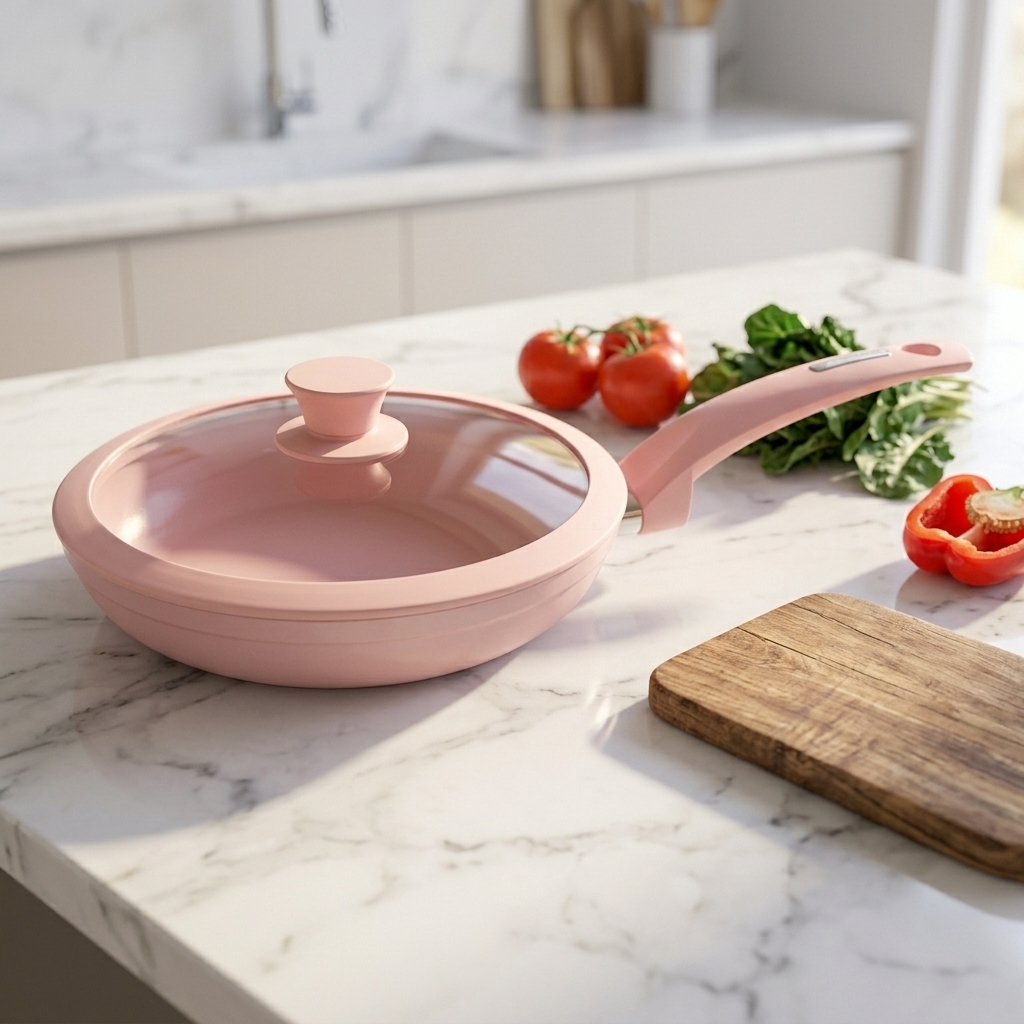
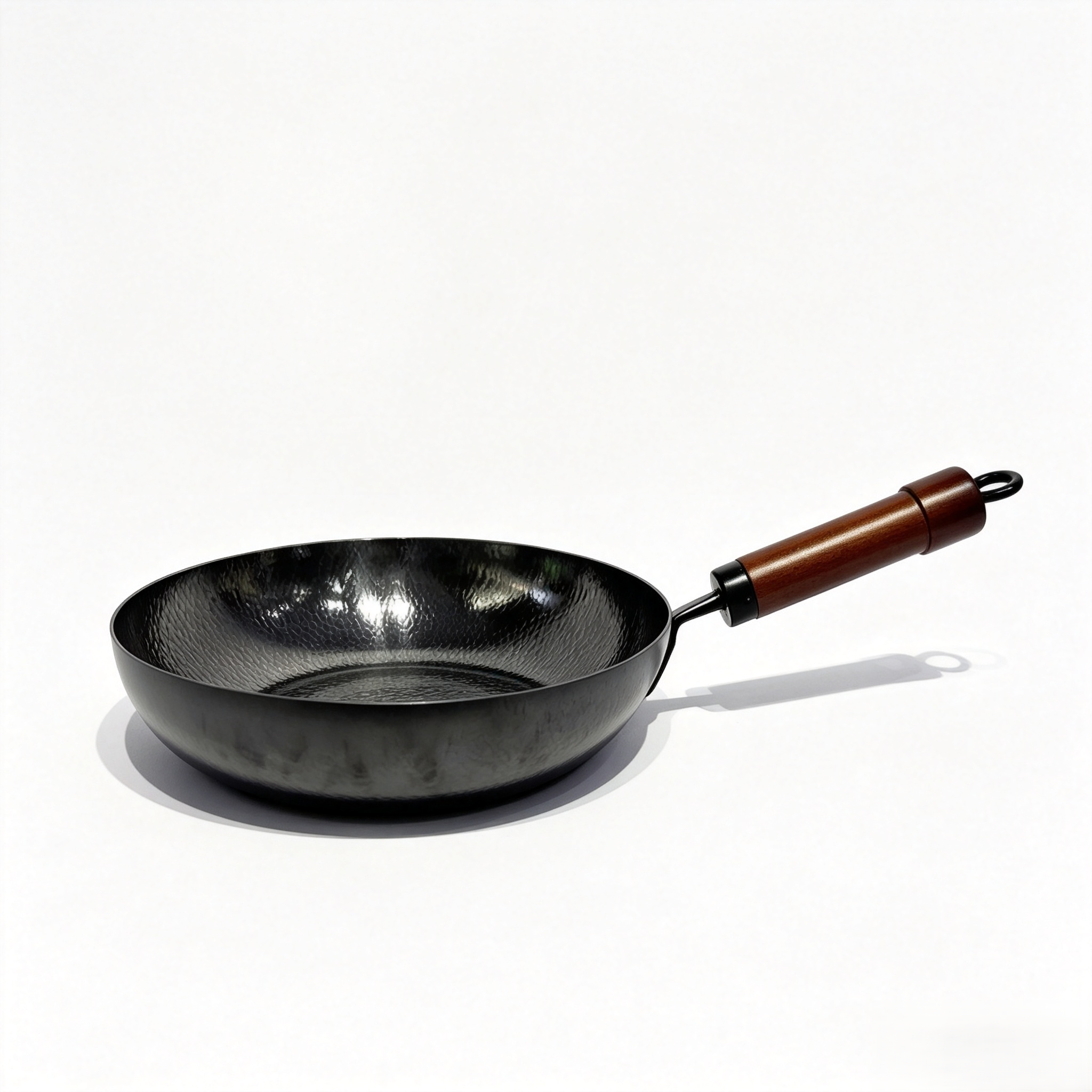
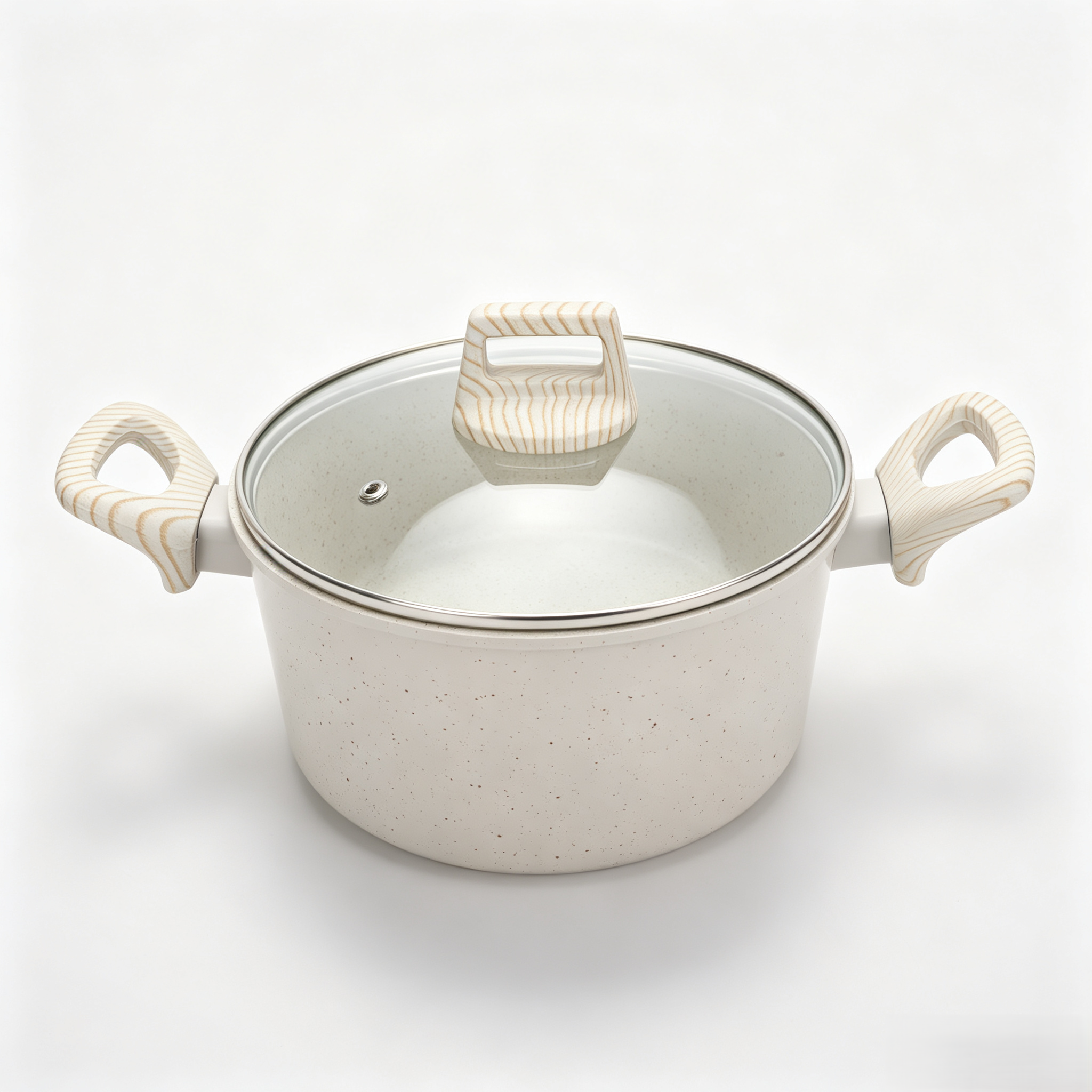
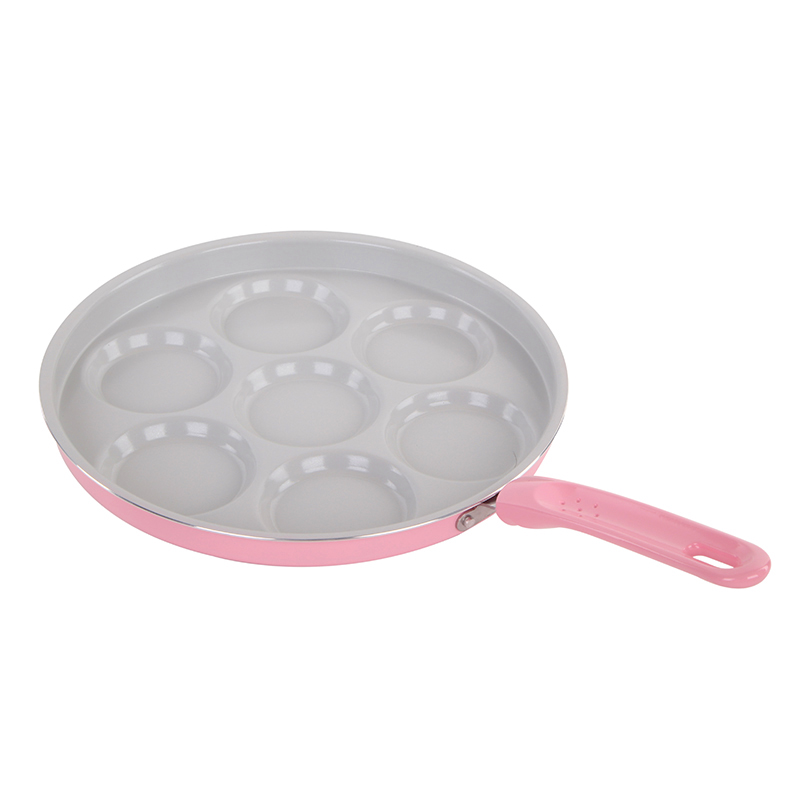
Featured nonstick cookware engineered for high durability, superior thermal distribution, and global retail compliance.
1. Executive Summary: The Evolving B2B Landscape of China Nonstick Cookware Manufacturing
As global retail dynamics shift toward health-conscious culinary gear, stringent chemical regulations (such as PFAS and PFOA restrictions in the European Union and North America), and high-efficiency heat conduction technologies, international procurement directors face unprecedented operational choices. Navigating the competitive ecosystem of China top nonstick fry pan factories & exporters requires a granular understanding of material science, metallurgical integrity, surface coating chemistry, and manufacturing precision.
China continues to dominate the global culinary hardware export market, accounting for over 65% of international nonstick cookware shipments. Within this supply chain framework, the industrial cluster situated in Jinhua, Zhejiang Province, stands as a pivotal global manufacturing hub. Facilities like Zhejiang MEIS Kitchenware Co., Ltd. serve as benchmark operational models—combining integrated die-forging, advanced CNC bottom-turning, automated spray-coating lines, and rigorous internal quality management systems verified by independent auditing bodies such as TÜV Rheinland.
Key Takeaway for B2B Importers: Today's procurement strategies prioritize long-term coating retention (abrasion cycles exceeding 20,000 passes under BS EN 12983-1 standards), environmental safety compliance (100% PFOA-, GenX-, and heavy metal-free formulation), and induction efficiency over baseline unit cost. Sourcing directly from verified OEM/ODM factories ensures complete control over technical specifications and landed profit margins.
2. Corporate Capability Analysis: Zhejiang MEIS Kitchenware Co., Ltd.
Located in the Dongnan Industrial Zone, Shuxi Street, Jinhua, Zhejiang, Zhejiang MEIS Kitchenware Co., Ltd. represents the apex of modern Chinese kitchenware engineering. Operating with a core workforce of over 105 certified technicians and production operators, MEIS has accrued over 20 years of dedicated manufacturing experience, alongside an 18-year track record on international B2B digital export portals.
2.1 Integrated In-House Production Ecosystem
Unlike third-party assembly intermediaries or standard trading companies, MEIS maintains full vertical integration across every stage of cookware production. This single-roof operational strategy minimizes lead times, eliminates cross-contamination risks, and enforces strict quality gates:
- Heavy Hydraulic Stamping & Forming: High-tonnage hydraulic presses stamp structural blanks from premium 3003-grade aluminum alloy sheets, achieving structural uniformity across wall and base zones.
- Precision Die-Forging Lines: Utilizing targeted thermal energy and multi-stage pressure forging to create thick-base, thin-wall structural profiles (e.g., 4.5mm induction base tapering to a 2.2mm rim), enhancing heat retention while keeping unit weight manageable.
- CNC Base Turning & Machining: Automated CNC lathes true the pan base to within a ±0.02mm tolerance, ensuring optimal surface contact on flat-top induction and glass-ceramic cooktops.
- Automated Pre-Treatment & Cleaning Lines: Multi-stage alkaline degreasing, acid etching, and deionized water rinsing prepare metal surfaces for maximum mechanical adhesion of ceramic and fluoropolymer coatings.
- Dust-Free Electrostatic Spray & Curing: Multi-station robot spray booths apply interior primer, mid-coat, speckle design layers, and ceramic topcoats before entering high-temperature tunnel ovens for full thermoset cross-linking.
2.2 Factory Quality Assurance Protocol (TÜV Rheinland Assessed)
To guarantee that every container shipped meets regional market regulations (FDA, LFGB, REACH, DGCCRF), MEIS operates an internal metallurgical and physical testing laboratory equipped with specialized diagnostics:
| Testing Parameter | Test Standard / Equipment | Operational Purpose | Pass Criteria |
|---|---|---|---|
| Coating Salt Spray Resistance | ASTM B117 / Neutral Salt Spray Cabinet | Evaluates micro-porosity and substrate corrosion resistance under marine shipping conditions. | No blistering or surface oxidation after 72 continuous hours. |
| Handle Structural Fatigue | BS EN 12983-1 Cyclic Load Tester | Simulates repeated lifting, filling, and pouring stress on handle rivets and spot welds. | 15,000 continuous vertical lift cycles under full load without joint loosening. |
| Thermal Shock Resistance | Rapid Quench Test Protocols | Simulates cold water rinsing on a red-hot pan immediately after high-temperature cooking. | Repeated heating to 200°C followed by 20°C water immersion without coating delamination. |
| Coating Adhesion Integrity | Cross-Hatch Cut Test (ISO 2409) | Measures mechanical bond strength between substrate aluminum and primary primer layer. | Grade 0 classification (smooth cut edges, zero lattice square detachment). |
3. Product Material Science & Manufacturing Trends (2025–2030)
Understanding the metallurgical, thermal, and chemical differences among cookware substrates enables purchasing managers to correctly segment their retail offerings between entry-level volume lines, mid-tier commercial programs, and ultra-premium architectural kitchenware.
3.1 Pressed Aluminum vs. Forged Aluminum vs. Tri-Ply Stainless Steel
The structural transformation of raw metals heavily dictates cooking performance, deformation threshold under high heat, and retail price positioning:
- Pressed Aluminum Cookware: Stamped from cold-rolled aluminum plates (typically 1050 or 3003 alloy, 1.8mm to 2.5mm thickness). It offers ultra-fast thermal response times and cost efficiency. Ideal for high-turnover retail campaigns, promotional sets, and lightweight daily cookware lines.
- Forged Aluminum Cookware: Produced by heating aluminum billets and shaping them under extreme pressure. Forged pans feature reinforced thick bases (4.0mm to 5.0mm) that absorb heat evenly and resist thermal warping on high-wattage induction hobs, while retaining lighter weight than cast iron.
- Nitrided Carbon Steel Woks & Pans: Carbon steel provides incredible tensile strength and high magnetic permeability (making it natively induction-compatible without added baseplates). Through high-temperature gas nitriding, atomic nitrogen diffuses into the outer iron lattice, creating a non-corrosive, ultra-hard iron nitride surface layer that operates without synthetic fluoropolymer coatings.
- Tri-Ply Stainless Steel: A clad matrix consisting of an inner food-grade 304 (18/10) stainless steel layer, an encapsulating aluminum core for rapid heat conduction, and an outer magnetic 430 stainless steel exterior. Tri-ply provides maximum mechanical ruggedness and oven compatibility up to 260°C.
3.2 Next-Generation Nonstick Coating Systems
Regulatory mandates across the EU and USA have reshaped surface coating choices. Modern B2B importers must select nonstick systems aligned with both environmental safety and consumer performance demands:
- Gen-3 Inorganic Sol-Gel Ceramic Coatings: Formulated from silica sand extracts, sol-gel ceramic coatings cure at lower temperatures and are inherently 100% free of PFOA, PTFE, PFAS, Cadmium, and Lead. Ceramic surfaces withstand high heat up to 400°C without releasing volatile organic compounds (VOCs). They offer high scratch resistance (up to 9H pencil hardness) and allow clean cooking with minimal oil usage.
- Titanium & Granite Reinforced Fluoropolymers: For high-frequency commercial kitchens requiring maximum food release, multi-layer PTFE formulations reinforced with micro-crystalline titanium particles or granite/marble mineral matrices offer extreme abrasion resistance, reaching 30,000+ scrub passes under standardized mechanical testing.
- Hammered & Nitrided Natural Surfaces: Modern consumers seeking zero chemical additives prefer nitrided hammered carbon steel or seasoned cast iron. These surfaces develop hydrophobic, natural nonstick properties through polymerizing cooking oils over time.
4. Global Sourcing & Procurement Trends for B2B Importers
The strategic sourcing landscape for kitchenware in 2025 and beyond revolves around risk diversification, total cost of ownership (TCO) optimization, and consumer sustainability demands.
4.1 ESG Compliance and Recycled Metal Initiatives
Major international retail brands are enforcing strict Environmental, Social, and Governance (ESG) supplier metrics. Chinese export leaders like MEIS are incorporating certified post-consumer recycled aluminum (such as 100% recycled 3003 alloy discs) into their supply chains. Recycled aluminum reduces processing energy consumption by up to 95% compared to primary smelting from bauxite ore, lowering the carbon footprint of finished cookware sets and meeting European carbon border adjustment requirements.
4.2 Supply Chain Agility & Low-MOQ Trial Protocols
To mitigate inventory carrying costs in uncertain retail environments, global buyers are seeking factories offering flexible Minimum Order Quantity (MOQ) structures. Leading exporters offer baseline trial production batches (e.g., 50 to 500 units for standard stock items, or 1,000 to 1,500 units for customized colorways) alongside rapid ODM sample production within 7 to 10 days utilizing in-house toolmaking and CNC equipment.
4.3 Optimized Induction Base Plate Technologies
With induction cooking adoption exceeding 40% in Western Europe and urban Asian markets, cookware exporters have engineered three primary induction bottom configurations:
- Punched Stainless Steel Impact Disc: A perforated 430-grade magnetic stainless disc pressed onto the aluminum base under extreme hydraulic force. Provides excellent thermal distribution and lower production cost.
- Full-Cover Bonded Induction Base: A solid 430 stainless steel plate flame-sprayed or impact-bonded across the entire bottom surface, eliminating rim burn marks, providing superior thermal storage, and delivering full edge-to-edge magnetic coupling.
- Direct Spray-Coated Magnetic Metal Layers: Emerging technology where atomized magnetic metal powders are plasma-sprayed directly onto the aluminum bottom, creating a lightweight, smooth base that prevents glass-top stove scratching.
5. Technical Comparison: Nonstick Cookware Base Materials
| Performance Metric | Pressed Aluminum | Forged Aluminum | Nitrided Carbon Steel | Tri-Ply Stainless |
|---|---|---|---|---|
| Thermal Conductivity (W/m·K) | 200–220 (Extremely Fast) | 180–200 (Balanced) | 50–60 (Medium) | 120–150 (Even Distribution) |
| Thermal Retention | Low | Medium to High | High | Very High |
| Warp Resistance Threshold | Medium (Up to 220°C) | High (Thick Base 4.5mm) | Extreme (High Hardness) | Maximum (Clad Structure) |
| Weight Profile | Ultra-Lightweight | Medium / Ergonomic | Medium to Heavy | Heavy |
| Induction Efficiency | Requires Bonded Plate | Requires Bonded Plate | Native (100% Magnetic) | Native (Outer 430 Steel) |
| Target Price Point | Value / Promotional | Mid to Premium Retail | Commercial / Specialty | Professional / Luxury |
6. B2B Sourcing FAQ: Critical Insights for Procurement Directors
Partner directly with China's Premier Nonstick Cookware Manufacturer
Elevate your product line with TÜV-verified quality, optimized thermal performance, and factory-direct wholesale pricing. Speak with our technical engineering team today to request custom CAD drawings, material samples, or competitive container quotations.
Get a Quote