Featured Commercial & Retail Product Portfolio
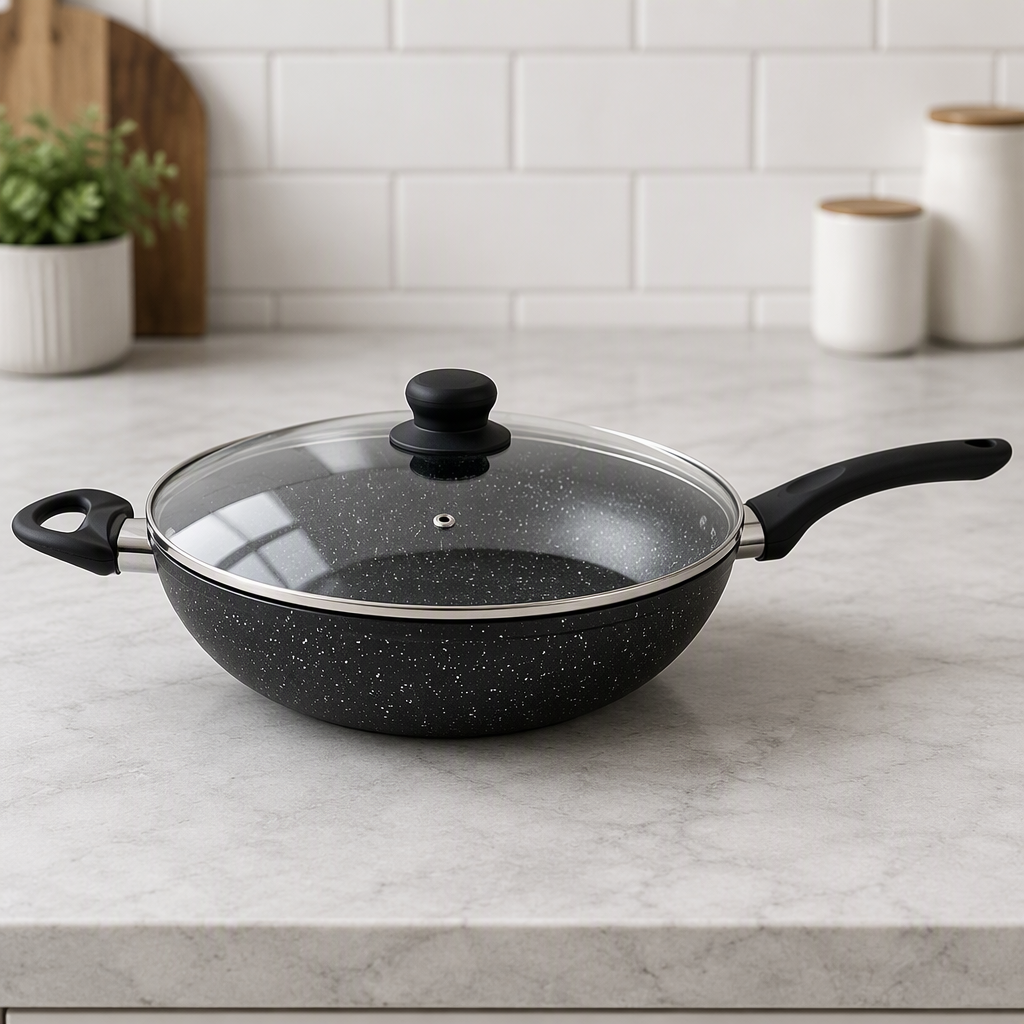
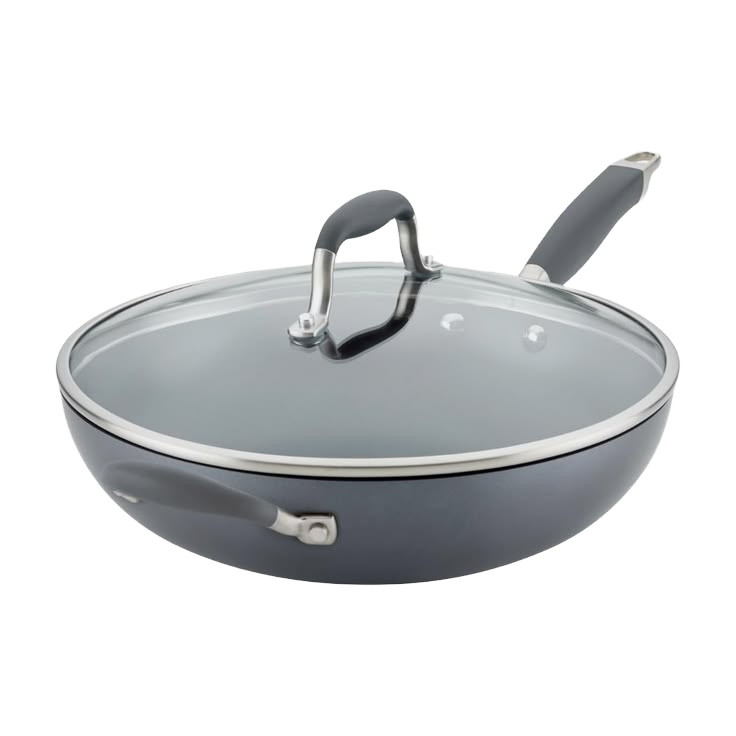
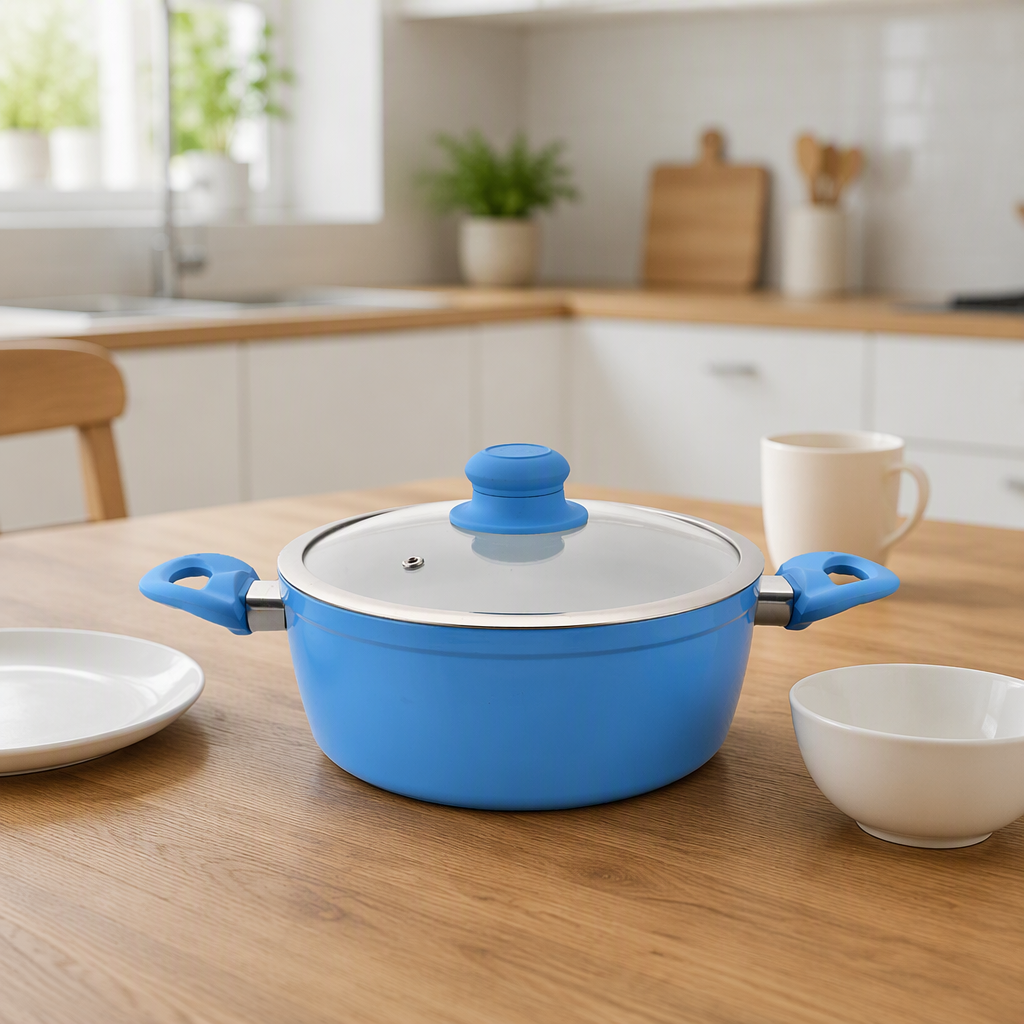
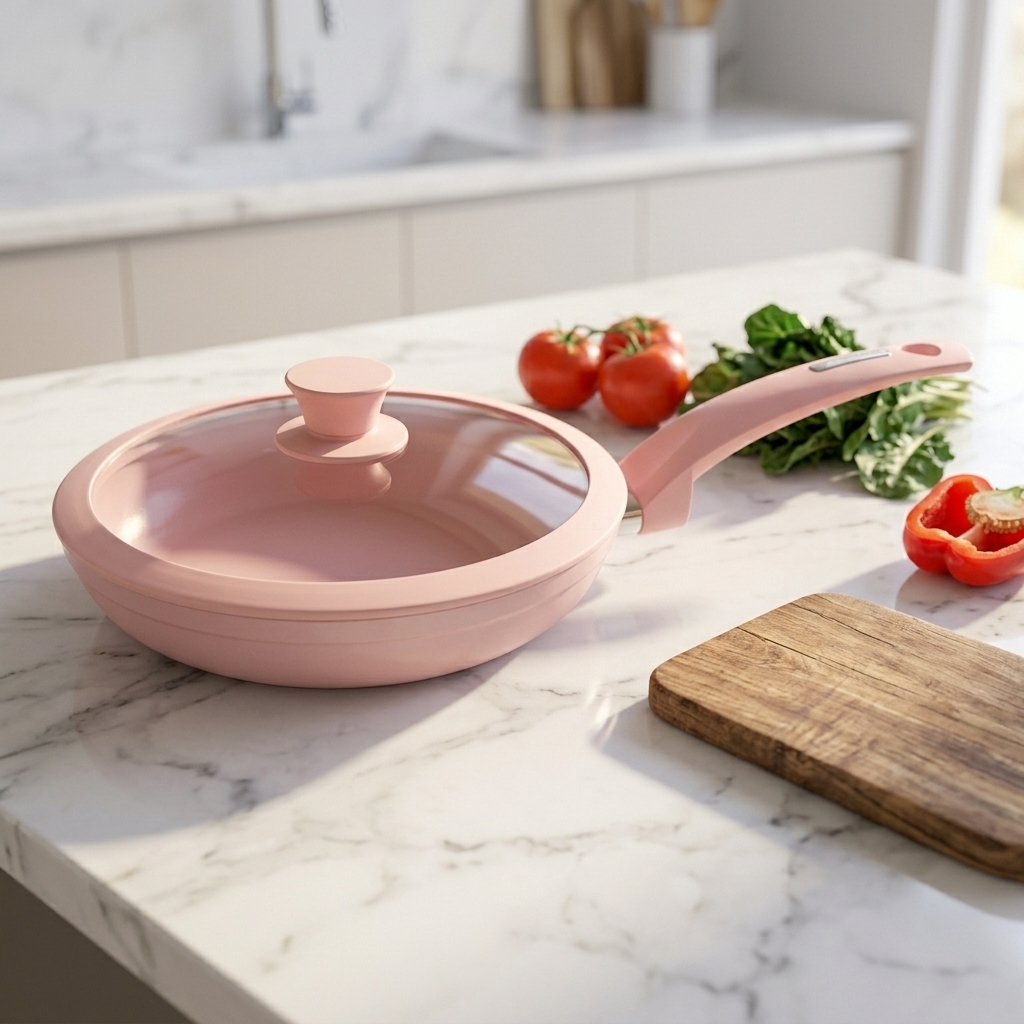
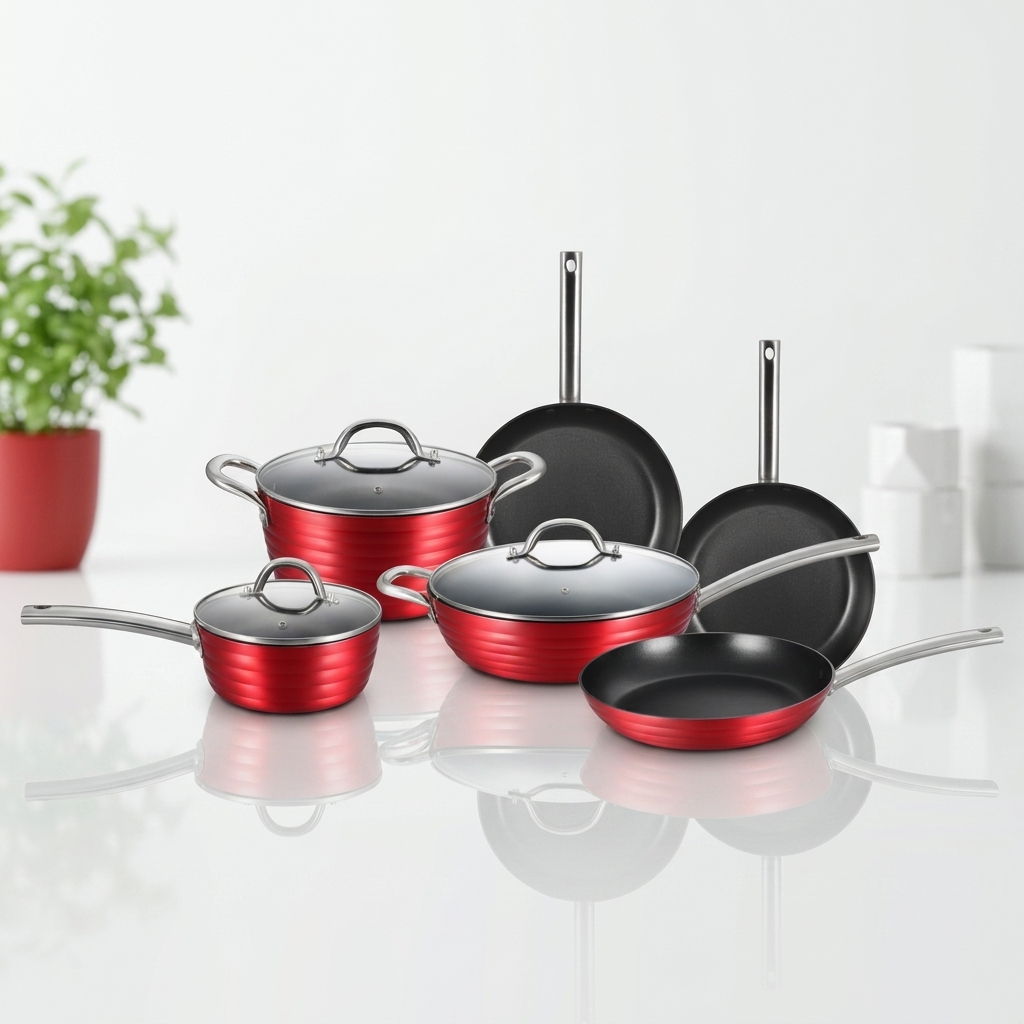
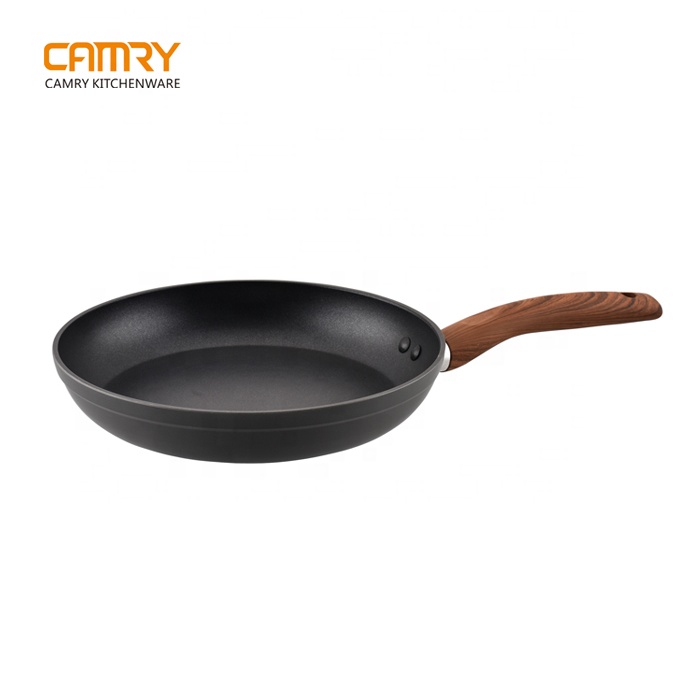
Explore our flagship wholesale cookware products manufactured with precision-extruded and die-forged aluminum alloys, engineered for global retail programs and commercial food-service demands.
Whitepaper: Industrial Dynamics & Engineering Standards of Chinese Cookware Manufacturing
Global procurement of wholesale aluminum cookware has underwent a paradigm shift over the past decade. Modern B2B buyers—ranging from multinational retail syndicates and high-volume e-commerce brand aggregators to commercial culinary distributors—no longer evaluate OEM suppliers solely based on baseline FOB unit pricing. Strategic procurement directors now prioritize metallurgical purity, coating tribology, thermal dispersion efficiency, structural anti-warping engineering, and verifiable regulatory compliance (REACH, FDA, Prop 65).
As the flagship manufacturing hub located in the Dongnan Industrial Zone of Jinhua, Zhejiang, Zhejiang MEIS Kitchenware Co., Ltd. serves as a technical benchmark for high-volume aluminum pots and pans production. This whitepaper provides procurement executives with deep technical insights into aluminum forming methodologies, ceramic vs. fluoropolymer non-stick spray science, induction base integration technologies, and future-proof regulatory strategies.
Engineering Matrix: Pressed vs. Forged vs. Cast Aluminum vs. Carbon Steel
Selecting the optimal substrate material determines not only the price point of a cookware line but also its weight profile, induction efficiency, thermal retention, and structural resistance to thermal shock. Below is an engineering evaluation across primary cookware manufacturing methods executed within Chinese OEM facilities.
| Mechanical & Thermal Parameters | Pressed Aluminum (Sheet Formed) | Forged Aluminum (Hot Heavy Die Formed) | Die-Cast Aluminum (Molten Alloy) | Nitrided Carbon Steel |
|---|---|---|---|---|
| Primary Alloy Grade | EN AW-1050 / AW-3003 Sheet | EN AW-3003 / AW-4000 Heavy Discs | ADC12 / Al-Si Alloy Ingot | SPCC High-Purity Cold Rolled Steel |
| Typical Wall / Base Gauge | 1.8 mm – 3.0 mm (Uniform Thickness) | 2.5 mm wall / 4.0 mm – 5.5 mm Base | 3.0 mm wall / 6.0 mm – 8.0 mm Base | 1.2 mm – 2.0 mm (High Density) |
| Thermal Dispersion Efficiency | Ultra-Fast heating, moderate retention | Optimal balance: Fast heat + high retention | Maximum heat retention, slower initial ramp | Rapid heat response, localized hotspots |
| Anti-Warping Structural Integrity | Moderate (Suited for promo lines) | Superior (Resists thermal shock warping) | Maximum structural rigidity | High structural rigidity |
| Induction Base Integration | Impact-bonded AISI 430 Stainless Disc | Direct impact-bonded or full-bound disc | Cast-in or spray-bonded magnetic plate | Naturally Magnetic (100% Native) |
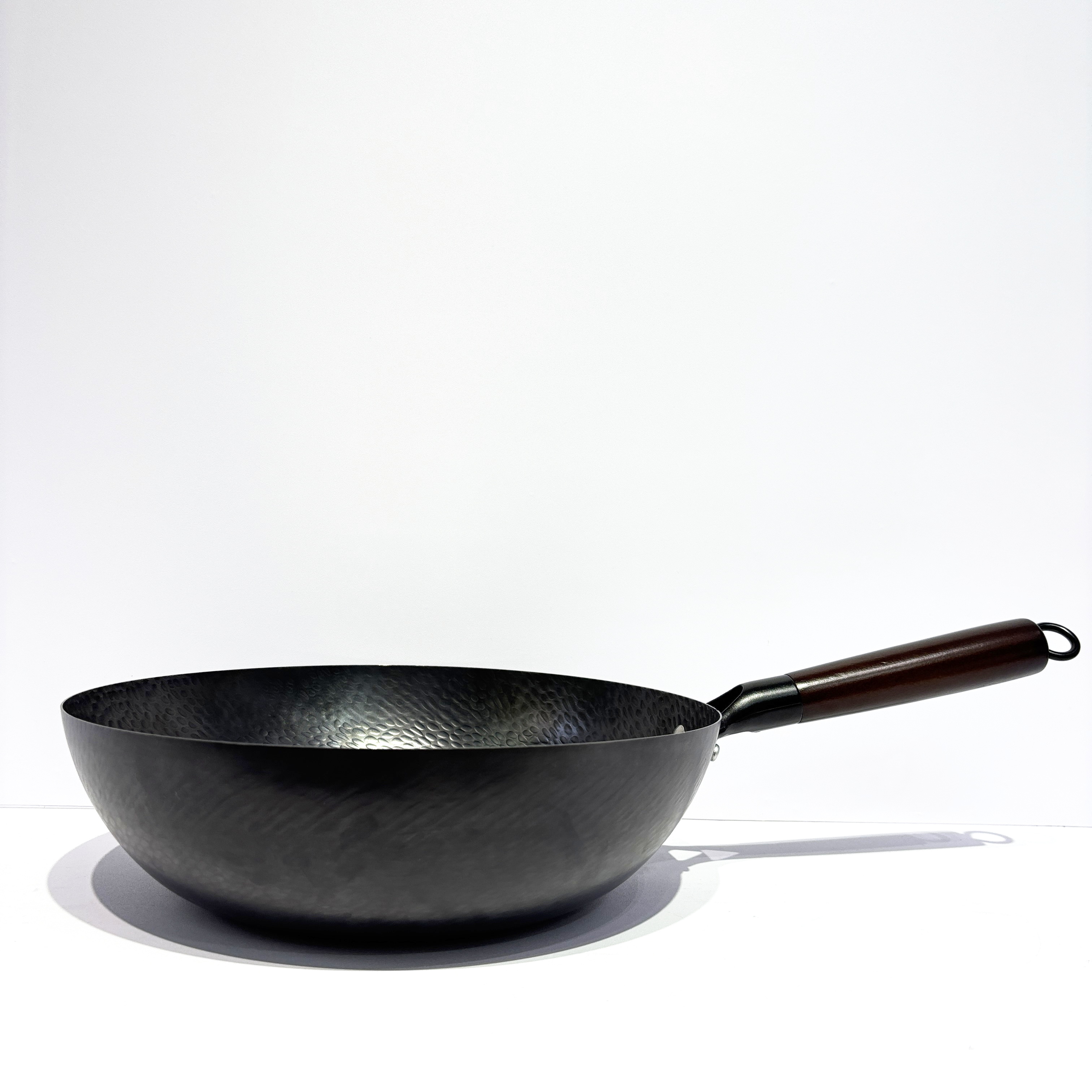
| Optimal Wholesale Target Market | Supermarket promotions, mass retail sets | Mid-to-High retail, direct-to-consumer brands | Luxury cookware, professional kitchenware | Traditional Asian culinary, high-heat woks |
Advanced Forging Metallurgy
Forged aluminum cookware produced at our Jinhua plant utilizes heavy hydraulic presses ranging from 800 to 1,500 tons. Cold/warm forging forces aluminum alloy molecules into a tight, dense grain matrix. This enables thick bottom construction (up to 5.5mm) while maintaining lightweight sidewalls, effectively preventing structural warping under repeated heating cycles.
Tribology & Coating Systems
We deploy dual non-stick coating paradigms: Fluoropolymer multi-layer systems (PTFE reinforced with granite, marble, or titanium particles) and inorganic Sol-Gel Ceramic coatings. Sol-gel ceramic delivers high surface hardness (up to 9H pencil hardness) and temperature resistance up to 450°C, providing a 100% PFOA-, PFAS-, PTFE-, Lead-, and Cadmium-free selling proposition.
Induction Compatibility Engineering
To ensure universal stovetop performance across gas, electric, ceramic, and induction hobs, our aluminum pans feature high-tonnage impact-bonded magnetic bases. Utilizing AISI 430 stainless steel perforated discs, our friction welding and impact bonding process guarantees zero delamination under severe temperature fluctuations.
Global Sourcing & Procurement Trends for Wholesale Cookware (2025–2030)
Navigating the wholesale kitchenware sector requires anticipating shifting international regulatory standards, consumer wellness preferences, and supply chain sustainability requirements. B2B buyers must structure their product development roadmaps around three main macro trends:
1. Regulatory Evolution: The Global Transition to PFAS/PFOA-Free Compliance
Legislative changes across the European Union (REACH Annex XVII updates) and North America (US State-level PFAS bans in California, Maine, and Minnesota) are redefining coating requirements. Modern wholesale buyers are rapidly phasing out traditional first-generation PTFE finishes. Factory production lines at Zhejiang MEIS Kitchenware have been upgraded with multi-stage automated spray booths optimized for Sol-Gel ceramic coatings and Gen-4 fluoropolymer coatings formulated strictly without PFAS chemicals.
2. Modular Space-Saving Cookware with Detachable Handle Systems
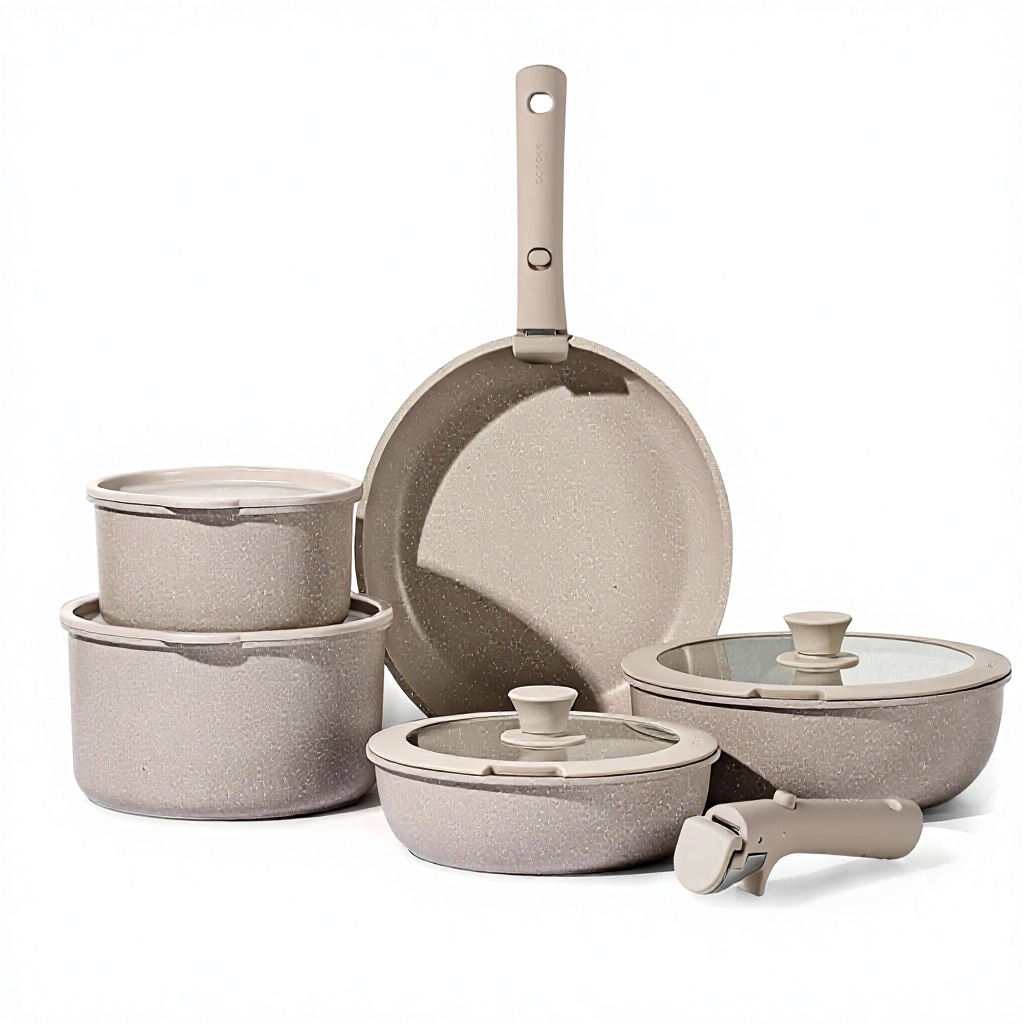
Driven by urban living trends and container shipping efficiency goals, demand for detachable-handle cookware sets (such as our CAROTE-compatible 19-piece series) has surged. Detachable handles reduce packaging volume by up to 45% per unit set, directly lowering ocean freight costs per SKU while providing consumers with seamless transition from stovetop to oven to refrigerator.
3. Circular Economy & Recycled Aluminum Alloys
Corporate Social Responsibility (CSR) and Scope 3 emission targets require brand owners to document raw material provenance. Leading Chinese factories are incorporating certified post-industrial and post-consumer recycled aluminum (3003-series alloy). Recycled aluminum consumes only 5% of the energy required for primary aluminum smelting while delivering identical tensile strength, thermal conductivity, and structural performance.
Zhejiang MEIS Kitchenware Co., Ltd.: Manufacturing Supremacy in Jinhua
Located in the heart of Zhejiang's hardware manufacturing ecosystem, Zhejiang MEIS Kitchenware Co., Ltd. represents 20 years of continuous specialized manufacturing in nonstick aluminum and carbon steel cookware. Assessed and verified on-site by TÜV Rheinland, our facility integrates complete raw material forming, mechanical processing, automated surface finishing, and rigid quality assurance under a unified operational footprint.
Precision Tooling & Mold Making
Equipped with in-house CNC machining centers, precision lathes, and dedicated die-casting mold equipment, our engineering team converts customer CAD/STEP files into physical prototype samples within 7 to 14 days, accelerating OEM launch cycles.
Automated Coating Lines
Enclosed dust-free spray coating tunnels maintain constant humidity and temperature control during primer, mid-coat, and top-coat applications, ensuring uniform Dry Film Thickness (DFT) between 25 to 45 microns and maximum cross-hatch adhesion (Class 0 per ISO 2409).
Rigorous In-House Testing Laboratory
Every batch undergoes destructive and non-destructive quality testing: Continuous salt spray testing (ASTM B117) for corrosion resistance, handle torsion/fatigue testing (EN 12983-1), accelerated abrasion testing (BS 7087), and thermal shock resistance testing.
Frequently Asked Questions (FAQ) for B2B Procurement
Is Zhejiang MEIS Kitchenware a verified direct manufacturer or a trading intermediary?
What are the standard Minimum Order Quantities (MOQs) for wholesale custom orders?
Which non-stick coatings are available, and how do you ensure non-toxic compliance?
What is the structural difference between Pressed Aluminum and Forged Aluminum cookware?
Can your aluminum cookware lines be used on induction stovetops?
What OEM/ODM customization options are supported for private label brands?
Partner with a TÜV Verified China Cookware Factory
Gain competitive advantage through superior metallurgical engineering, certified non-toxic coatings, and direct factory pricing.