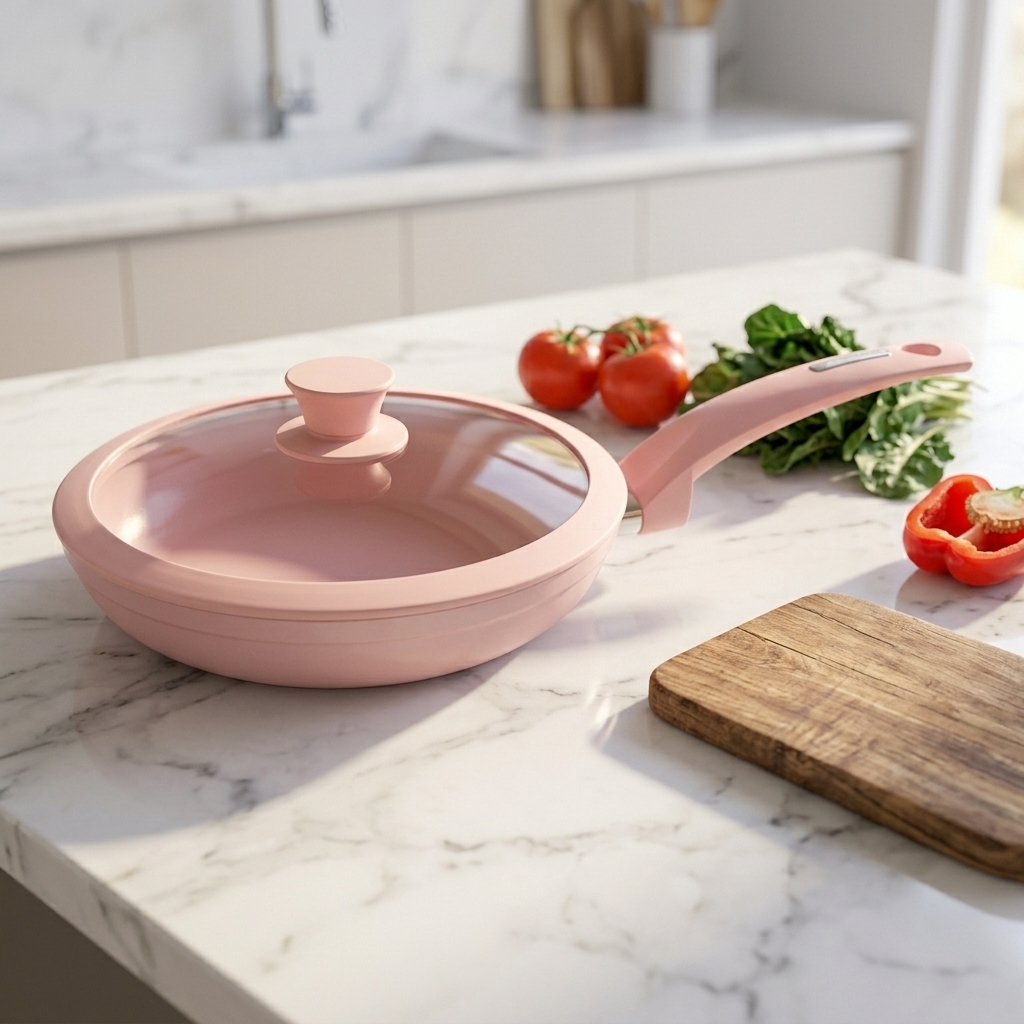
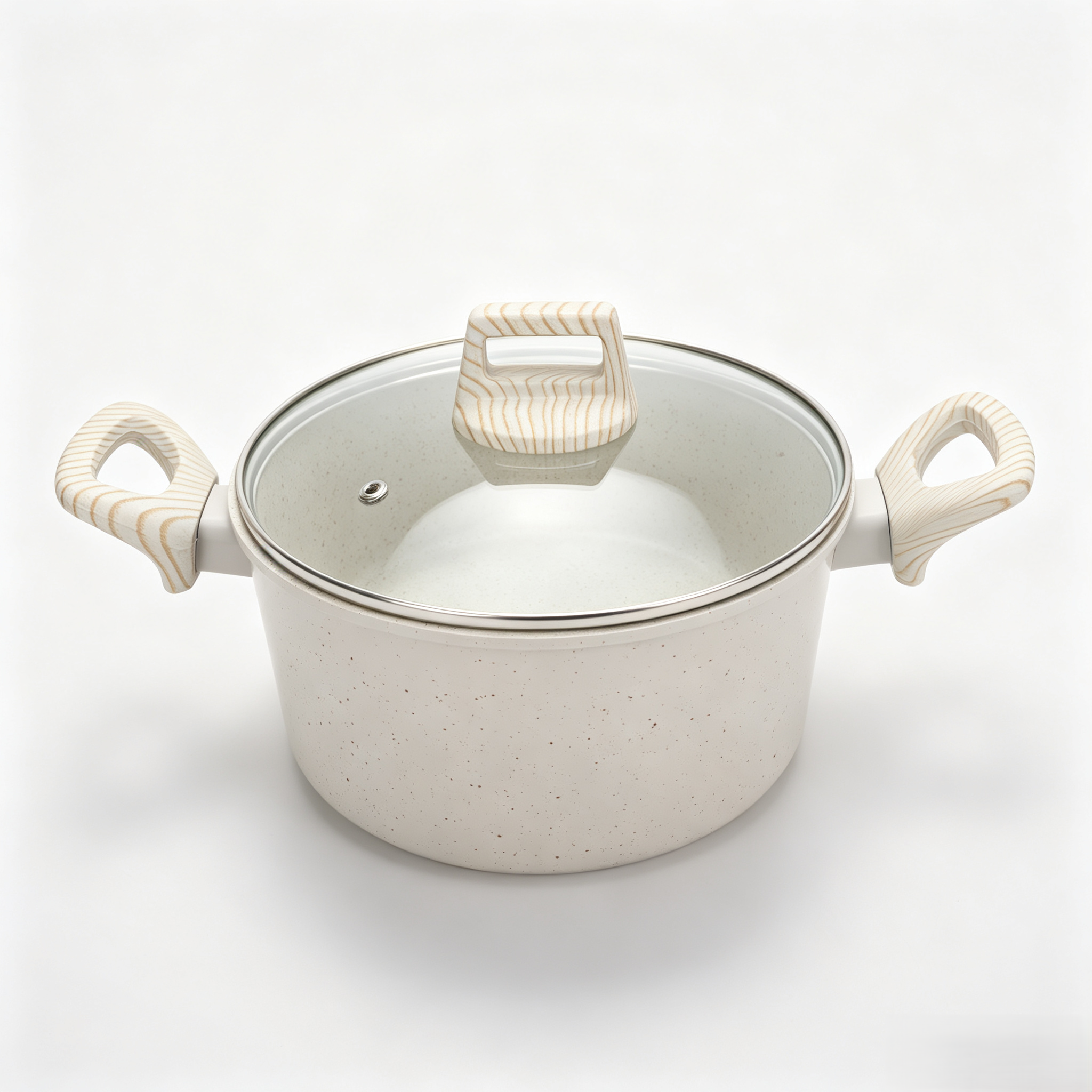
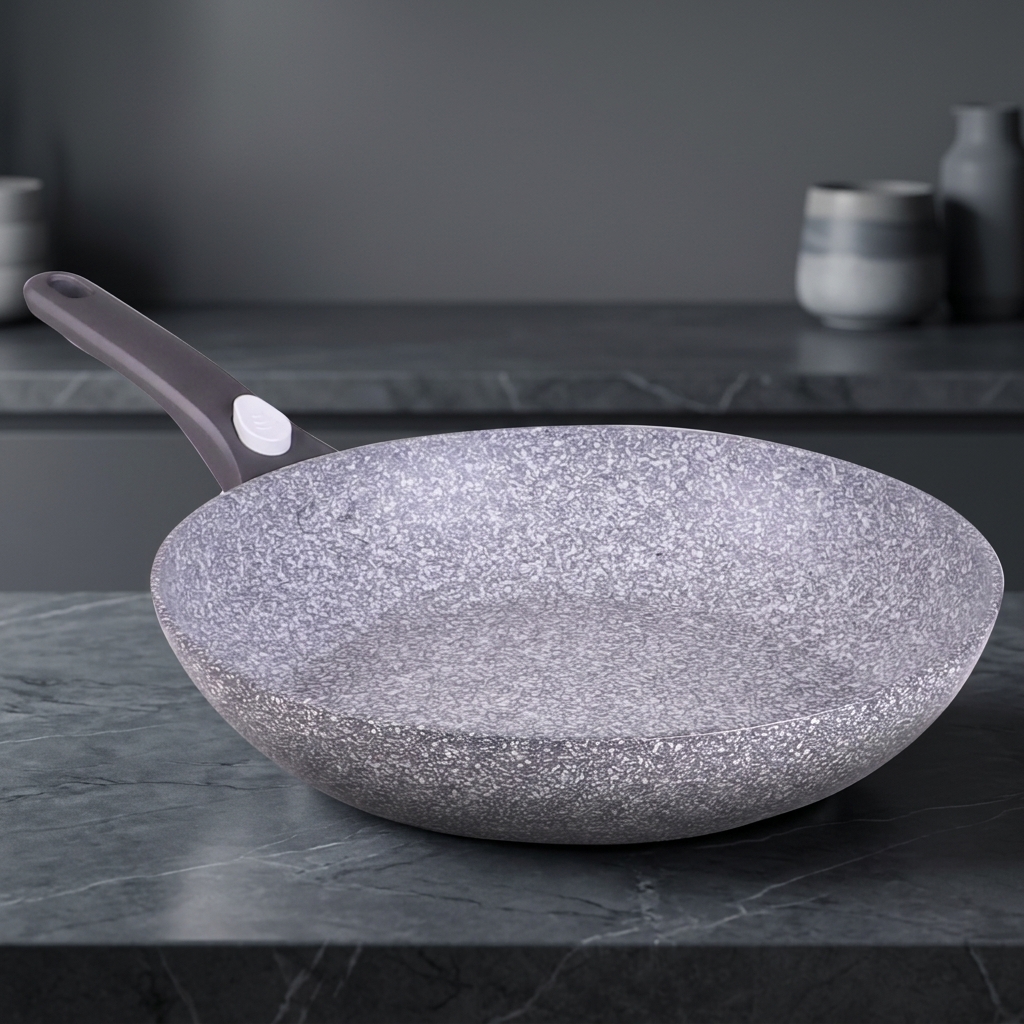
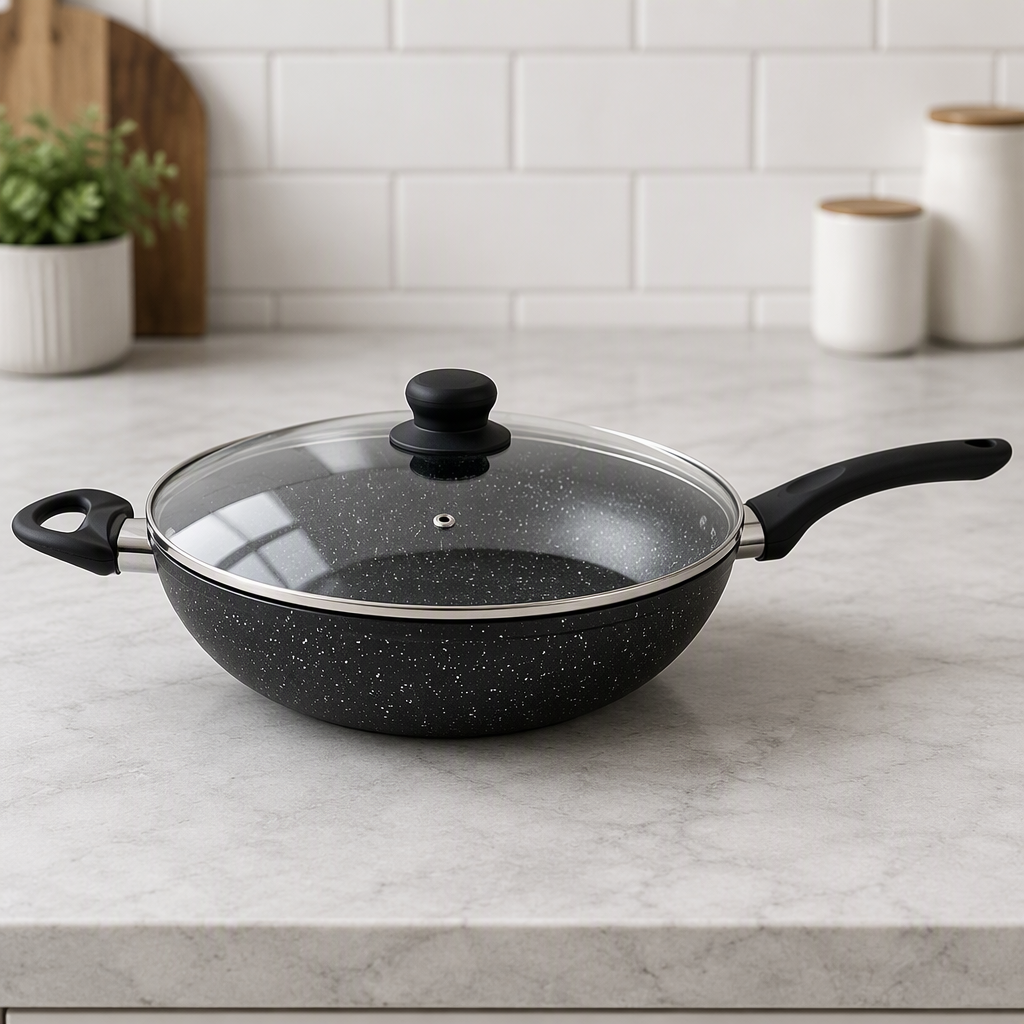
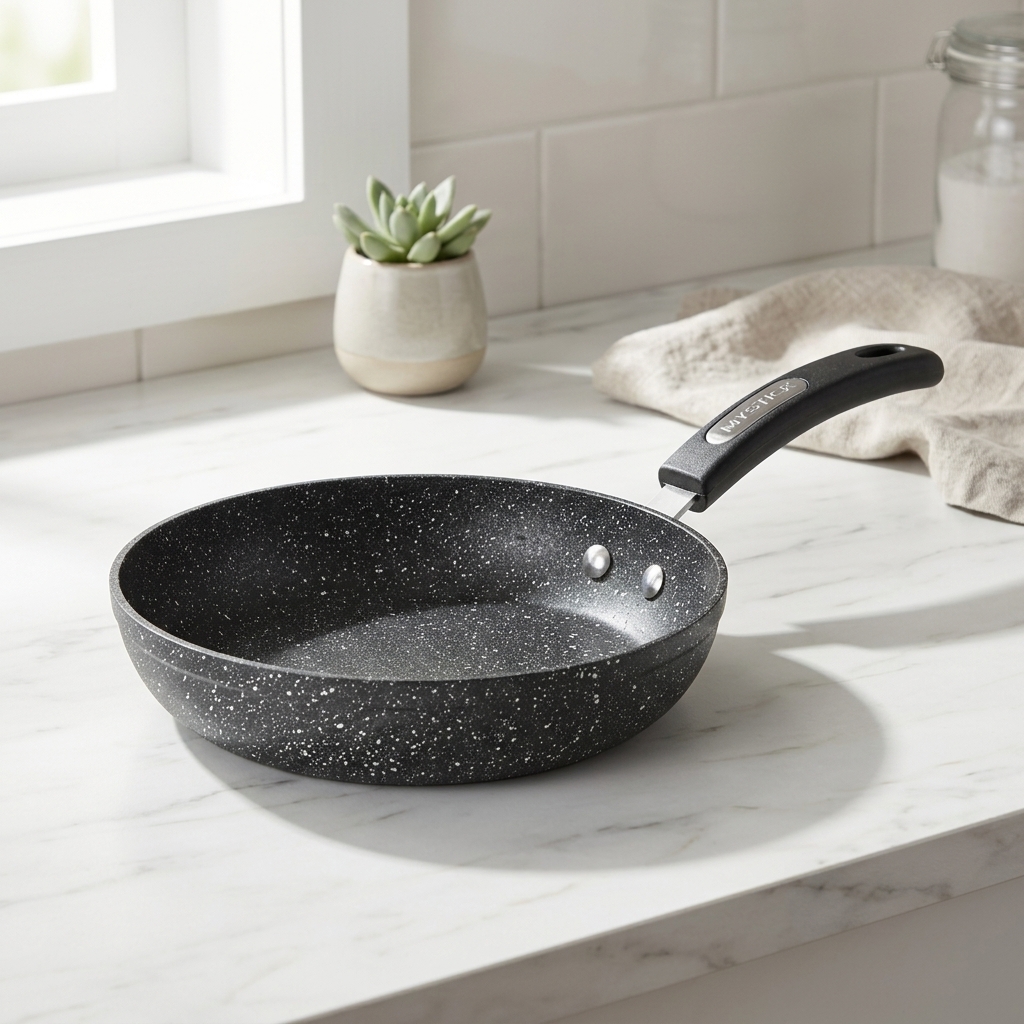
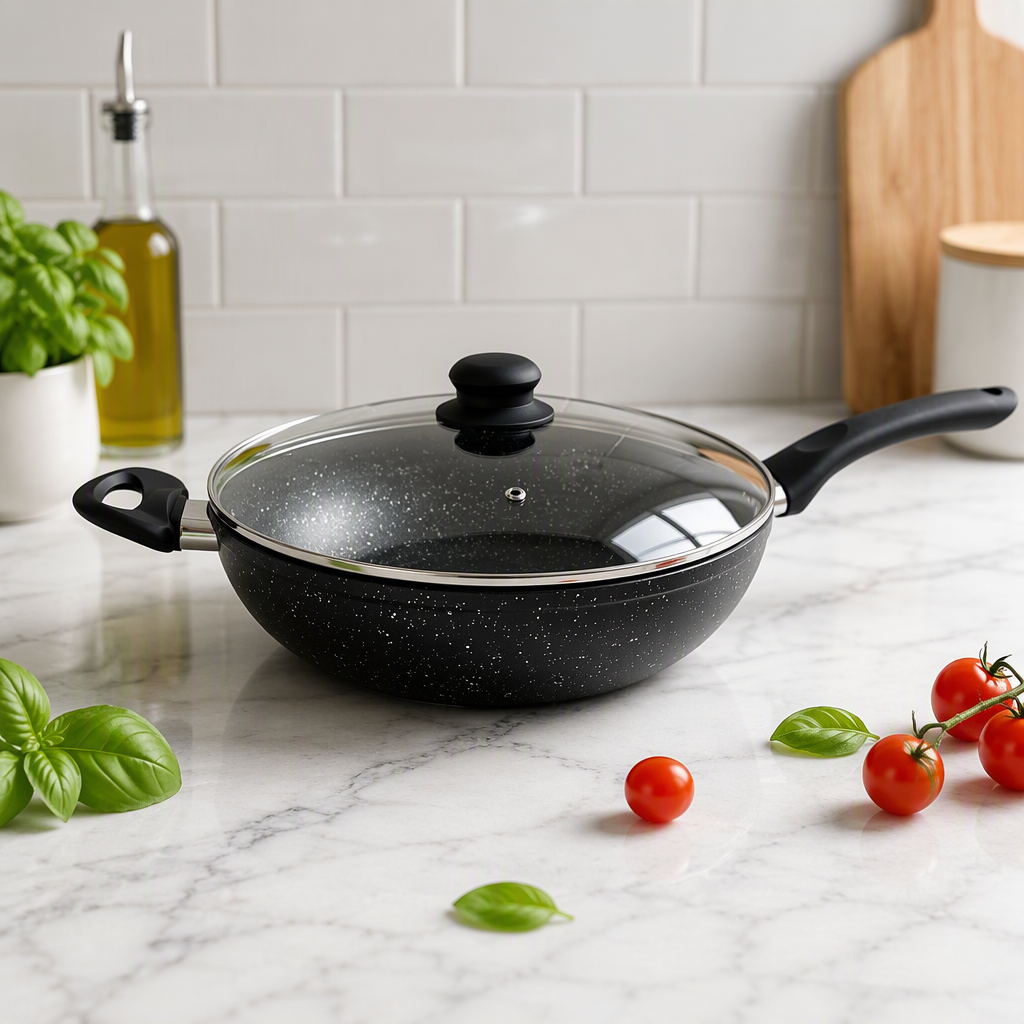
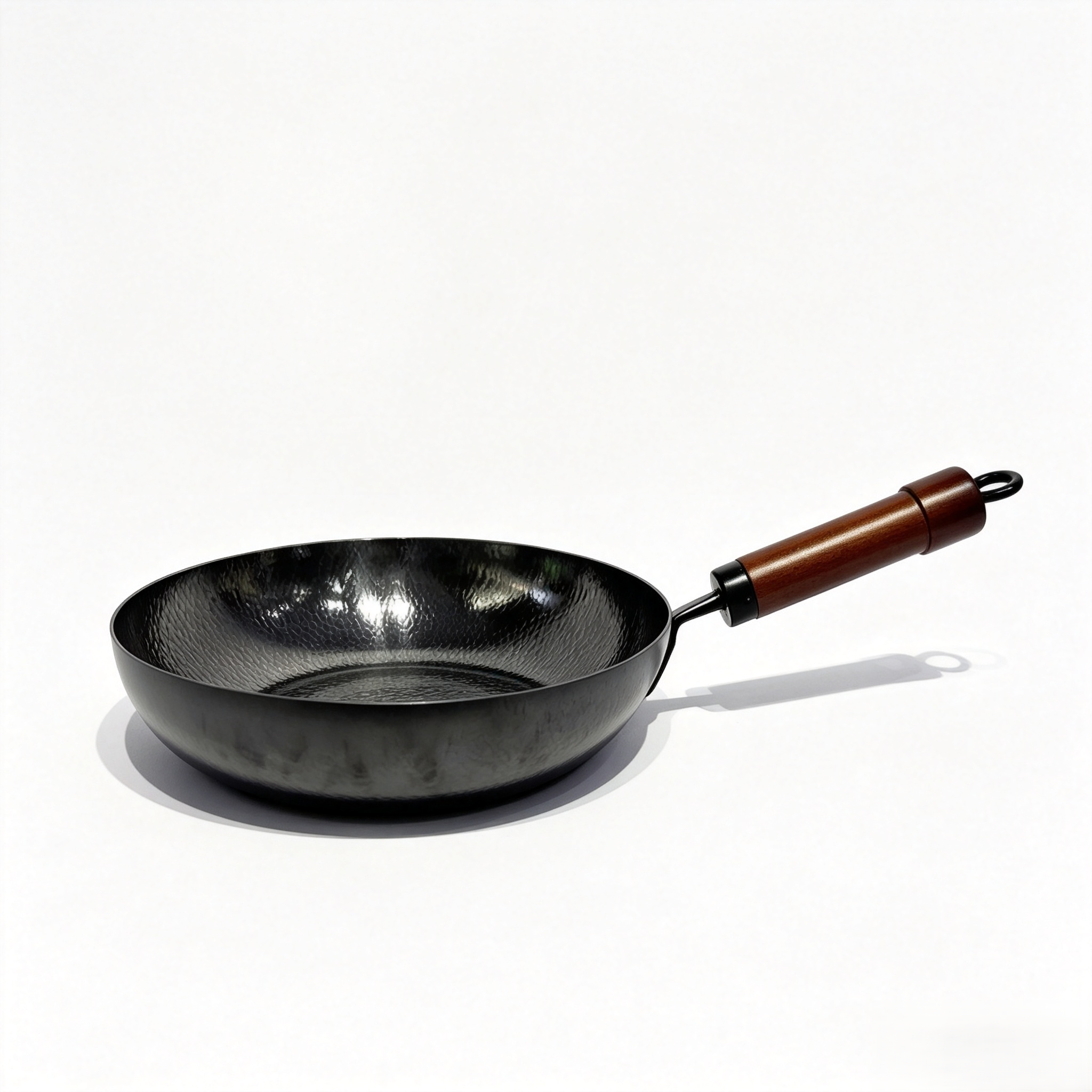
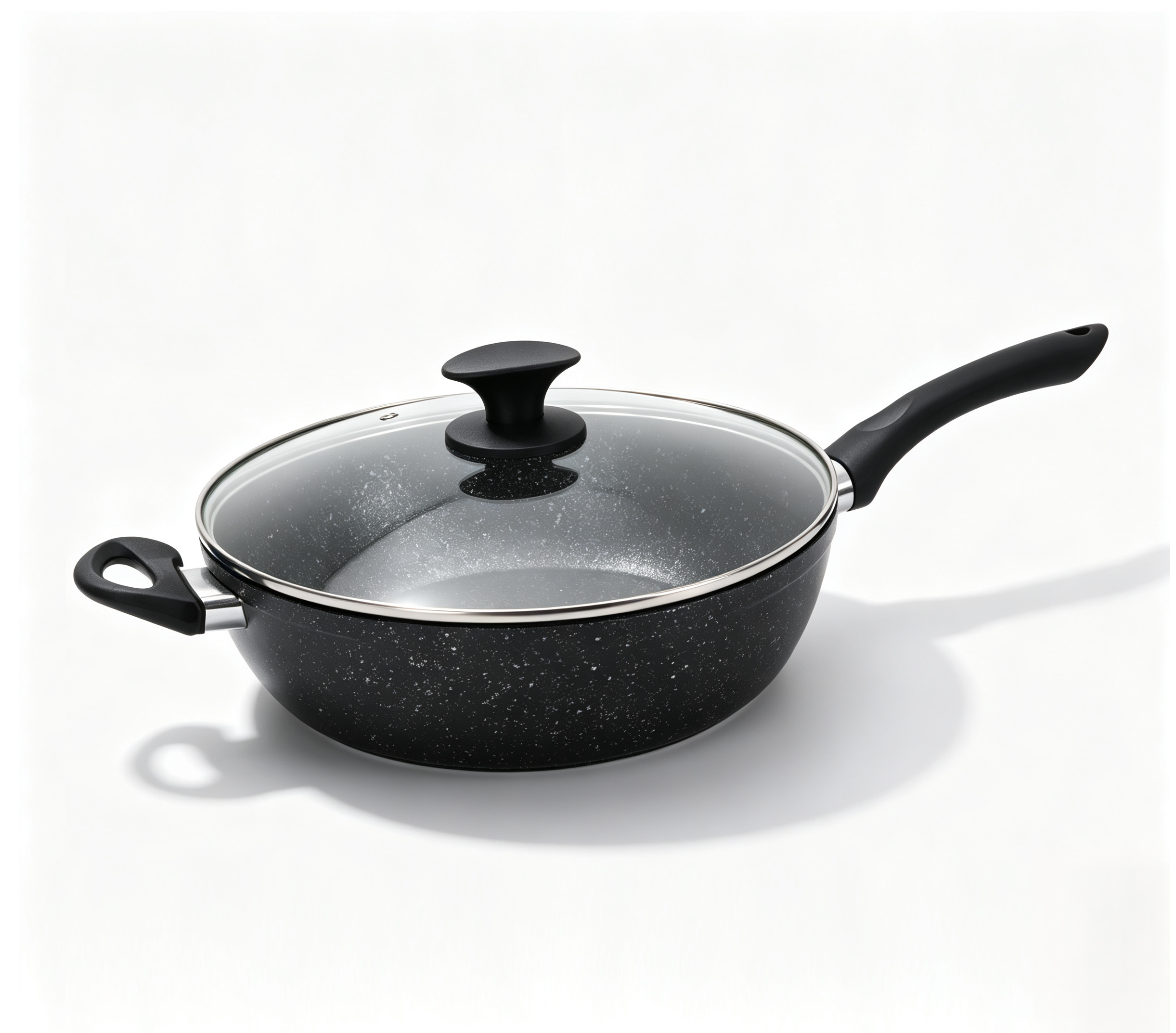
Featured OEM Aluminium Cookware Series
High-demand non-stick fry pans, casseroles, woks, and multi-piece sets tailored for global wholesale buyers, e-commerce sellers, and retail chains.
Industrial Scale & Export Capabilities
Operational benchmarks of Zhejiang MEIS Kitchenware Co., Ltd. located in the Dongnan Industrial Zone, Jinhua, Zhejiang.
Global Procurement Landscape for Custom OEM Aluminium Cookware Sets
The global cookware market is undergoing a structural transition driven by changing consumer health preferences, evolving international regulatory frameworks, and rapid advancements in metallurgical forming techniques. Professional buyers—ranging from high-volume retail chains and supermarket distributors to e-commerce brand owners—must navigate intricate technical trade-offs when sourcing custom OEM aluminium cookware sets. Choosing the correct substrate alloy, forming method, non-stick matrix, and thermal diffusion base directly impacts not only product performance and customer satisfaction but also customs compliance and long-term brand equity.
1. Evolving Global Procurement Trends & Regulatory Shift
Strategic B2B procurement of cookware in 2025 and beyond is dominated by three main macro factors: environmental compliance, cookware durability, and multi-cooktop versatility.
- The PFAS/PFOA Regulatory Transition: Evolving chemical mandates across the European Union (REACH & SVHC guidelines) and North America (FDA 21 CFR 175.300 and state-level legislation) have accelerated the phase-out of traditional fluoropolymer coatings containing PFOA or PFOS. Professional buyers now demand third-party verified sol-gel ceramic coatings, titanium-reinforced fluoropolymer systems, and natural granite/marble mineral speckle surfaces that guarantee non-toxic cooking even at high thermal thresholds.
- Growth of Induction-Ready Cookware: With magnetic induction hobs replacing traditional gas stoves across Europe and urban Asia-Pacific, global importers require high-efficiency induction bases. OEM manufacturers must integrate heavy-gauge perforated or impact-bonded stainless steel plates onto non-magnetic aluminium bases without introducing thermal warping or delamination risks over repeated heating cycles.
- Modular & Space-Saving Design Frameworks: Urban living spaces have expanded the market for stackable cookware sets equipped with detachable handle mechanisms. These modular systems require exceptional engineering precision at the handle mounting bracket to satisfy rigorous international safety specifications, such as the BS EN 12983-1 handle load and fatigue endurance testing standards.
2. Technical Analysis: Pressed Aluminium vs. Forged Aluminium vs. Carbon Steel
Understanding substrate thermodynamics is essential when configuring custom cookware product lines for target buyer segments. Below is an engineering comparison of the primary core materials manufactured in our Jinhua production lines:
| Evaluation Parameter | Pressed Aluminium | Forged Aluminium | Nitrided / Carbon Steel |
|---|---|---|---|
| Manufacturing Process | Mechanical stamping from cold-rolled 3003/1100 alloy sheet discs. | High-pressure hydraulic die-forging creating variable wall thickness. | Cold-rolled steel sheet pressing followed by high-temp gas nitriding. |
| Base Thickness Range | 1.8 mm – 3.0 mm (uniform throughout) | 3.5 mm – 5.0 mm thick base with slim 2.2 mm rim | 1.2 mm – 2.5 mm high-density steel gauge |
| Thermal Distribution & Retention | Ultra-fast heat transfer; lower thermal retention mass. | Superior heat retention; even thermal diffusion prevents hot spots. | Rapid thermal responsiveness; ideal for high-heat stir frying. |
| Warp Resistance Rating | Moderate; suitable for entry-level and promotional lines. | Exceptional; thick rim and reinforced base resist thermal shock. | High structural rigidity; resistant to structural deformation. |
| Non-Stick Coating Synergy | 2-layer PTFE or ceramic coating options. | 3-layer granite/marble speckle, hard-anodized ceramic, or titanium matrix. | Seasoned natural finish or specialized titanium-ceramic non-stick. |
| Target Retail Positioning | Volume retail, FMCG promotional sets, budget-conscious buyers. | Mid-to-premium retail cookware sets, e-commerce private labels. | Asian culinary lines, wok-centric programs, professional kitchens. |
3. Future Manufacturing & Material Advancements in Cookware Export
To stay competitive, top cookware exporters are adopting advanced material science and production automation. Breakthroughs shaping the future of custom OEM aluminium cookware sets include:
Shot-Blasted Substrate Roughing: Before non-stick liquid application, raw aluminium bodies undergo automated shot-blasting or mechanical etching. This increases the surface anchor profile, expanding the physical bonding surface area by over 300%. This process drastically improves coating adhesion and prevents premature peeling under heavy dishwasher exposure.
Hard-Anodized Aluminium Formulations: Hard-anodization transforms raw soft aluminium into an electrochemically hardened oxide layer that is twice as hard as stainless steel. When combined with interior multi-layer non-stick systems, hard-anodized cookware offers scratch resistance, elegant dark aesthetics, and long-term durability demanded by premium cookware brands.
Energy-Efficient Production Lines: Modern factories are lowering carbon footprints per production unit by using low-emission automated spray booths and high-efficiency infrared curing tunnels. OEM buyers can now market eco-friendly product lines backed by verified low-carbon manufacturing processes.
Why Direct OEM Sourcing with MEIS Kitchenware Drives Success
In-house tooling, rigorous quality assurance, and end-to-end customization capabilities engineered specifically for international B2B buyers.
In-House Tooling & CNC Machining
We eliminate supply chain delays by operating our own mold development, lathe machining, and CNC finishing workshops under one roof.
- Rapid 3D modeling & prototype sampling
- Custom body contour & lip profile development
- In-house maintenance ensures zero mold downtime
Full-Spectrum Testing Laboratory
Every batch undergoes rigorous internal inspection to guarantee strict adherence to global performance and safety specifications.
- Salt Spray Testing for corrosion resistance
- Cross-Hatch Adhesion & Abrasion testing
- Handle Torsion, Fatigue & Bending tests
Tailored OEM/ODM Brand Solutions
From minor packaging tweaks to complete ground-up cookware set development, we provide complete private label engineering support.
- Custom exterior enamel & heat-resistant colors
- Laser logo engraving & customized bottom stamps
- Bespoke mail-order and 5-layer drop-test packaging
Streamlined OEM Manufacturing Process
A transparent, reliable 6-stage operational workflow from initial briefing to final vessel loading.
Product Brief & Quotation
Specify target market price points, sizes, coating preference, and base configurations.
3D Rendering & Tooling
In-house mold engineering creates exact specs for handle, rim, and base geometry.
Golden Sample Approval
Physical sample delivery for coating adhesion, color match, and compliance testing.
Automated Mass Production
Automated hydraulic pressing, surface pre-cleaning, spray coating, and assembly.
In-Line Quality Inspection
Comprehensive 100% surface check, handle torque testing, and packaging verification.
Export Logistics & Freight
Container loading from Ningbo/Shanghai ports with direct documentation support.
B2B Buyer Knowledge Base & Procurement FAQ
Get authoritative answers regarding minimum order quantities, compliance certifications, custom tooling timelines, and factory audits.
Is Zhejiang MEIS Kitchenware Co., Ltd. a direct manufacturer or a trading company?
Zhejiang MEIS Kitchenware Co., Ltd. is a verified custom manufacturer operating its own pressing, CNC finishing, automated coating, and final assembly facilities in the Dongnan Industrial Zone, Shuxi Street, Jinhua, Zhejiang, China. Our manufacturing facility has been verified on-site by TÜV Rheinland. We combine direct factory manufacturing with an experienced in-house international trade department to provide factory pricing alongside export services.
What are the Minimum Order Quantity (MOQ) requirements for OEM orders?
Our standard MOQ varies depending on the product type, size, and level of customization:
- Custom Cookware Sets (5-28 pcs): Standard MOQ ranges from 1,000 to 1,500 sets per configuration.
- Individual Fry Pans / Woks / Casseroles: Standard MOQ is generally 1,500 to 3,000 pieces per item/color.
- Trial / Initial Orders: Selected stock configurations and popular fry pan items can be ordered starting from 50 to 500 units to support initial market testing.
Which food-safety and chemical compliance standards do your products meet?
All non-stick coatings applied at MEIS Kitchenware—including our ceramic, granite, marble speckle, and hard-anodized formulations—are 100% free from PFOA, PFOS, Lead, and Cadmium. Our cookware fully complies with European Food Grade standards (LFGB), US FDA 21 CFR 175.300 standards, and REACH restrictions. Third-party testing reports from SGS, TÜV, or Bureau Veritas can be provided upon contract confirmation.
What is the difference between pressed and forged aluminium cookware?
Pressed aluminium cookware is stamped from a sheet of uniform gauge aluminium alloy (typically 1.8mm to 3.0mm). It offers a lightweight, highly cost-effective option for volume promotional retail. Forged aluminium cookware is die-forged under extreme mechanical pressure, creating a thick base (3.5mm to 5.0mm) with a thinner rim. Forging provides superior thermal retention, warp resistance, and a feel comparable to cast iron at a fraction of the weight—making it ideal for mid-to-premium cookware lines.
Can you manufacture cookware compatible with induction cooktops?
Yes. All pressed and forged aluminium cookware models can be manufactured with a heavy-duty, stainless steel induction base plate. We offer both standard punched/perforated induction bottoms and full-coverage impact-bonded base options. Additionally, our carbon steel cookware lines are naturally magnetic and work seamlessly on induction hobs without needing an added base plate.
What customization options are available for private label orders?
We provide comprehensive OEM and ODM solutions, including:
- Custom exterior heat-resistant spray colors and metallic enamel finishes.
- Custom non-stick surface effects: Granite speckle, ceramic gloss, marble patterns, or hard-anodization.
- Handle selections: Soft-touch silicone-coated bakelite, stainless steel, detachable handles, or real wood handles.
- Custom branding: Laser-etched logos, stamped bottom logos, custom rivet caps, colored gift boxes, and mail-order packaging.
How long does it take for sample delivery and mass production?
Existing model samples with standard coatings are typically dispatched within 5 to 7 days. Customized color or logo samples take approximately 10 to 14 days. For mass production, standard lead time is 35 to 45 days after deposit confirmation and artwork approval, depending on overall seasonal order volume.
Partner with a Verified Aluminium Cookware Factory Today
Request a comprehensive factory quotation, discuss custom tooling requirements, or order product samples directly from our Jinhua engineering team.