Featured OEM/ODM Aluminum & Carbon Steel Cookware Lines
Explore our precision-engineered, factory-direct cookware lines. Built with high-purity aluminum alloys, ergonomic removable handle systems, and durable multi-layer nonstick matrices, these products represent our primary OEM output for worldwide market deployment.
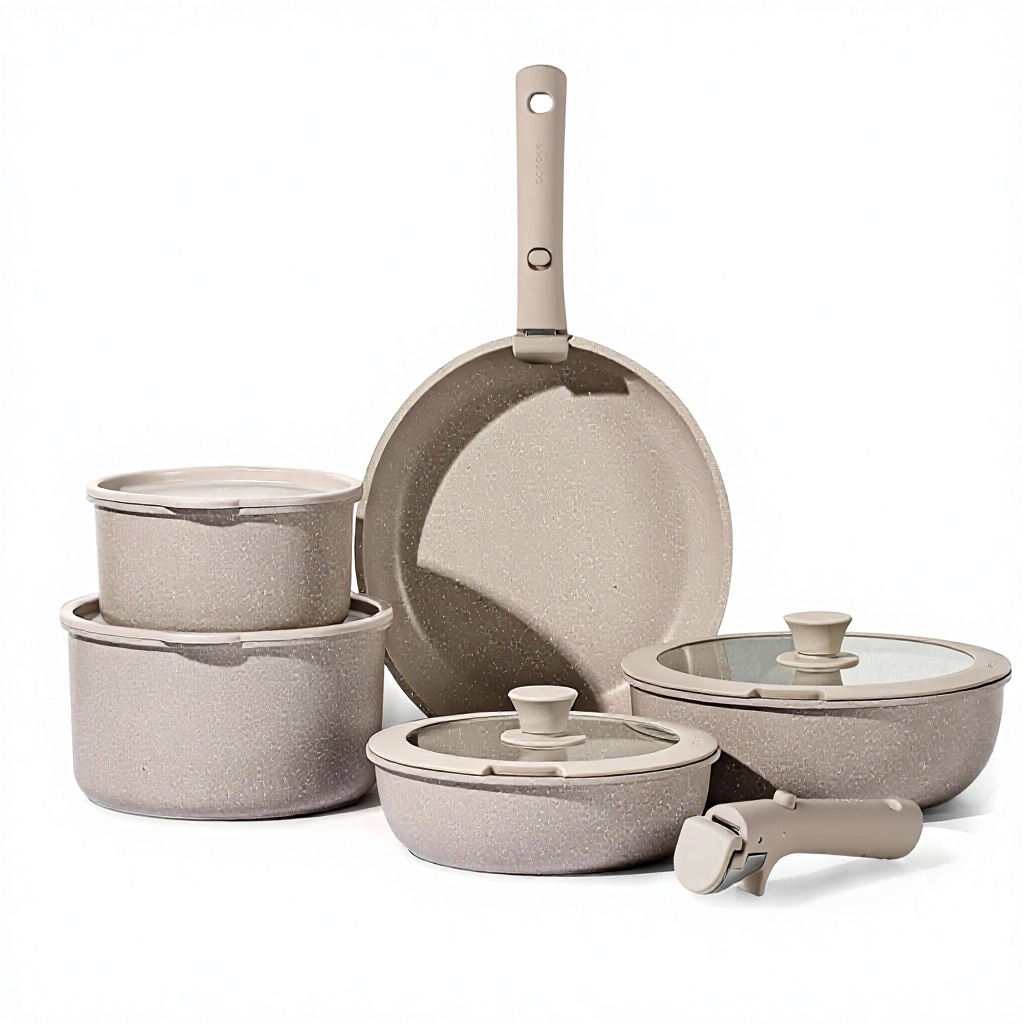
CAROTE 19-Piece Non-Stick Cookware Set Detachable Removable Handles
View Technical Specs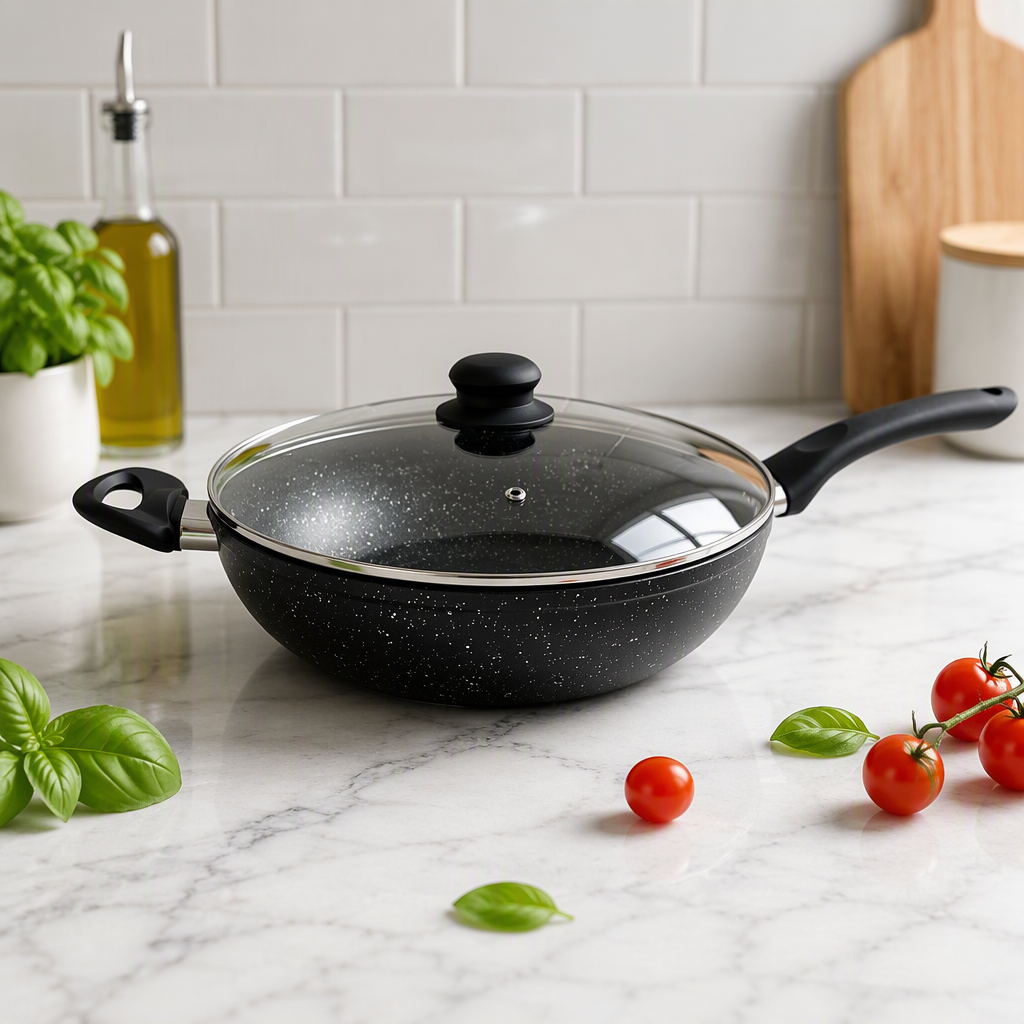
26 cm Non Stick Forged Aluminum Wok Marble Coating Glass Lid Cool Handle
View Technical Specs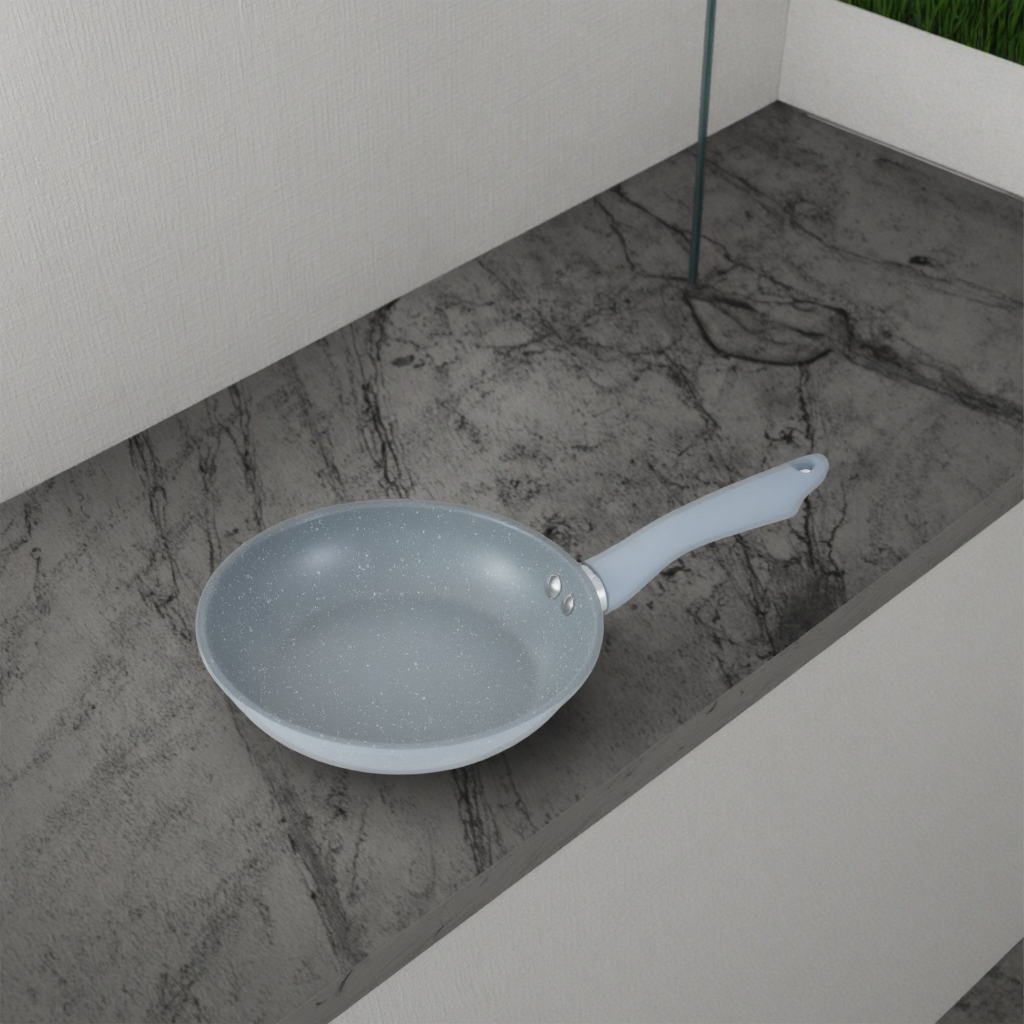
10-Inch Heavy Gauge Carbon Steel Fry Pan with Bakelite Soft Touch Handle
View Technical Specs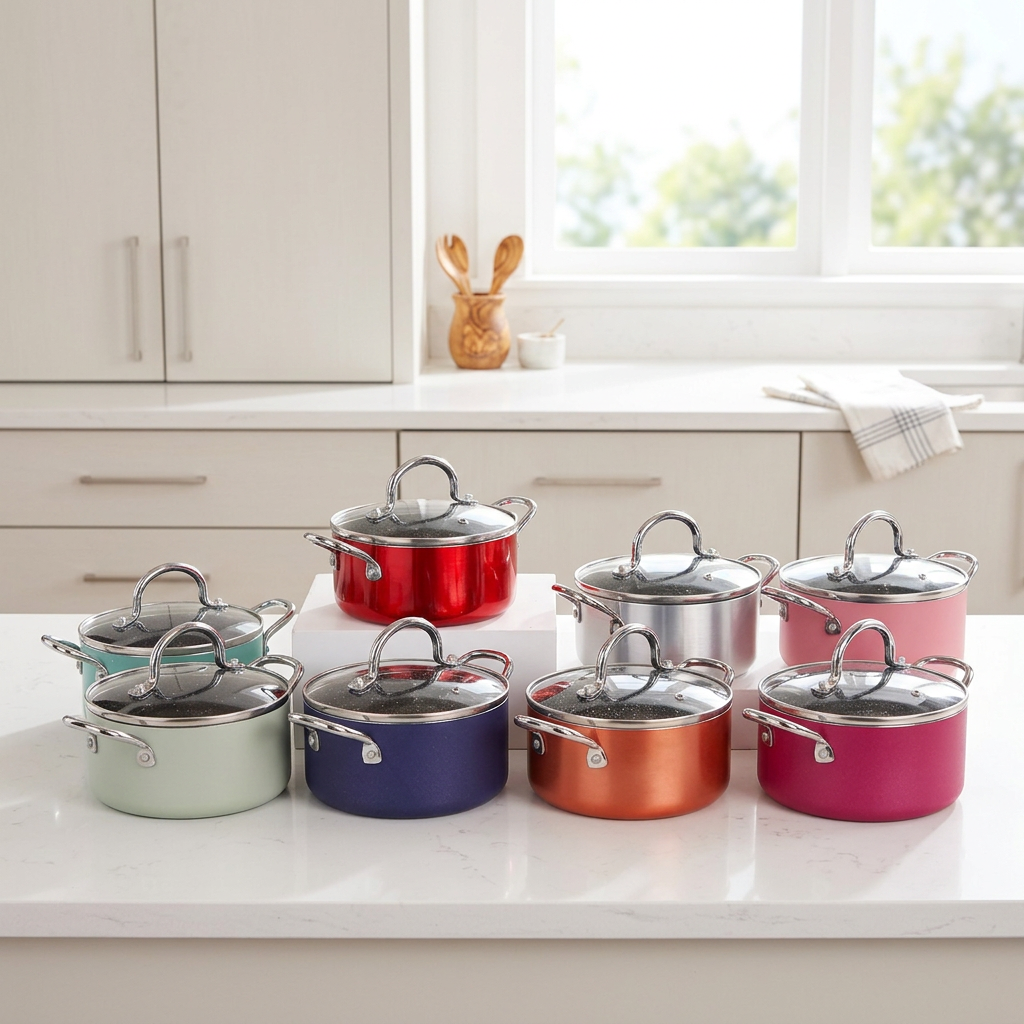
14cm Mini Sauce Pan with Glass Lid Colorful Non Stick Cookware
View Technical Specs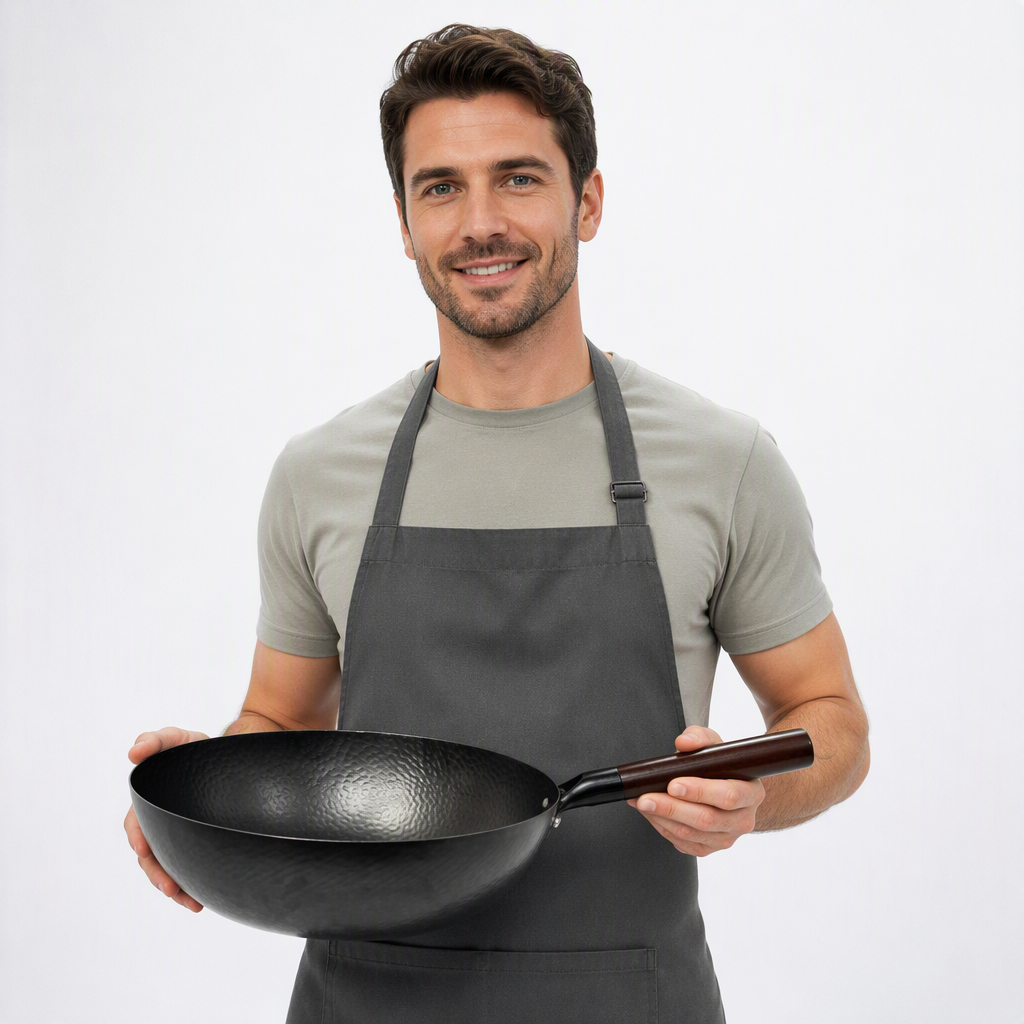
30cm Carbon Steel Round Wok Nitrided Surface Wood Handle Stir Fry Pan
View Technical Specs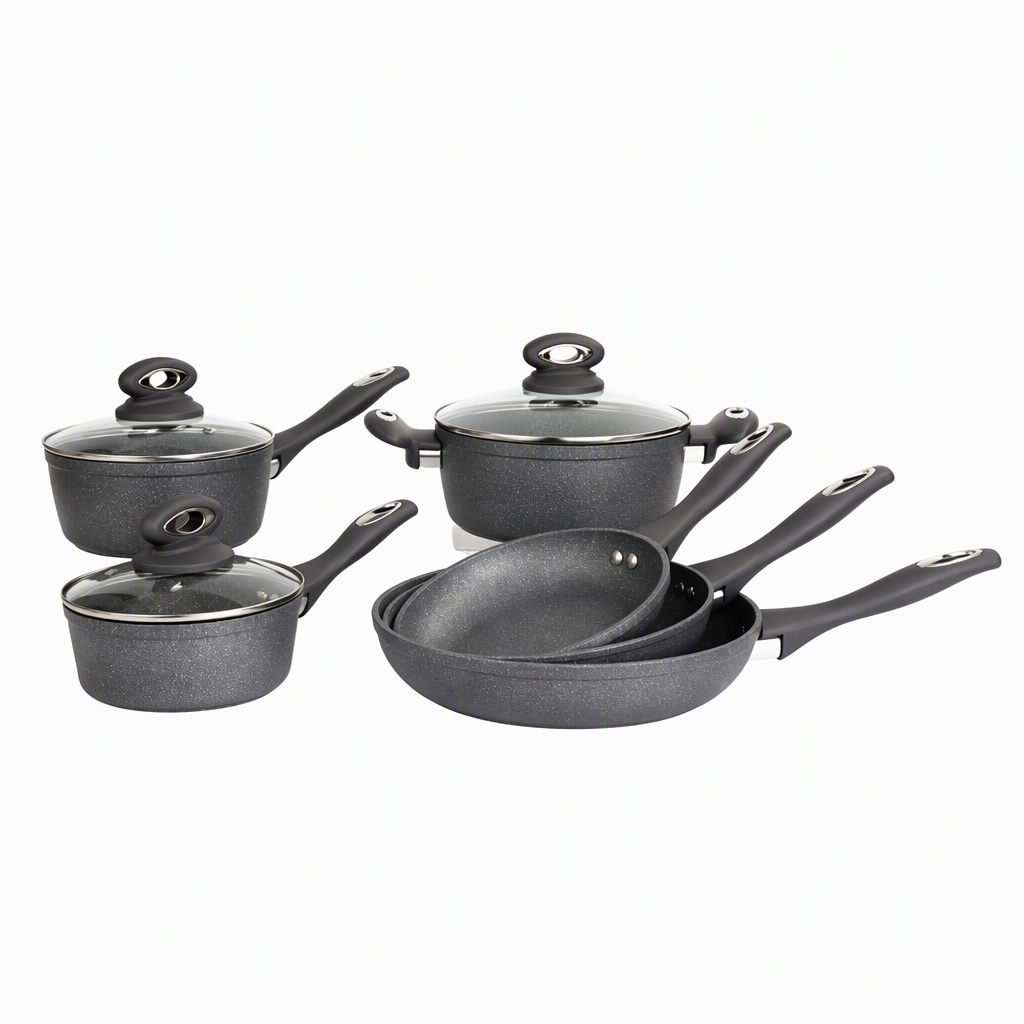
9 Piece Forged Aluminum Cookware Set Marble Coating Induction Base
View Technical Specs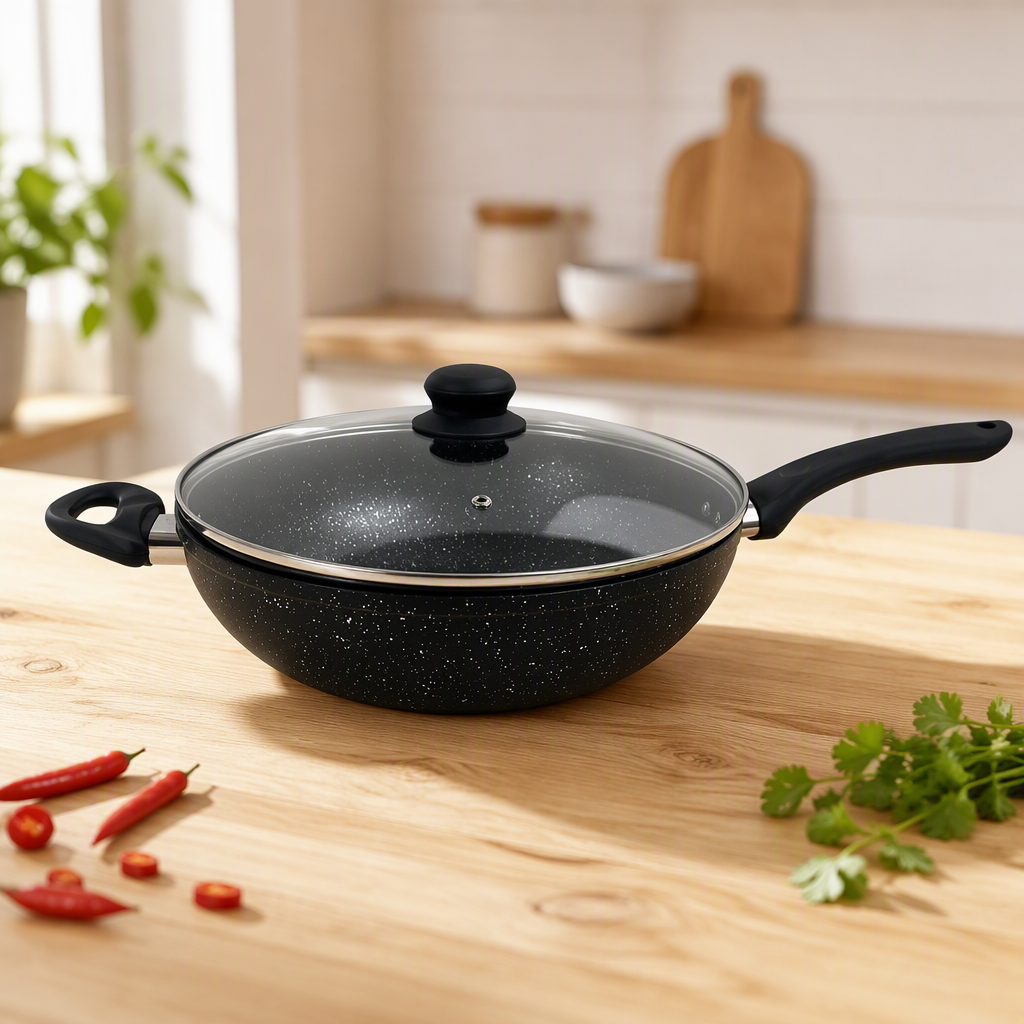
32 cm Granite Coating Non Stick Forged Wok 5.5L Aluminum Fry Pan
View Technical Specs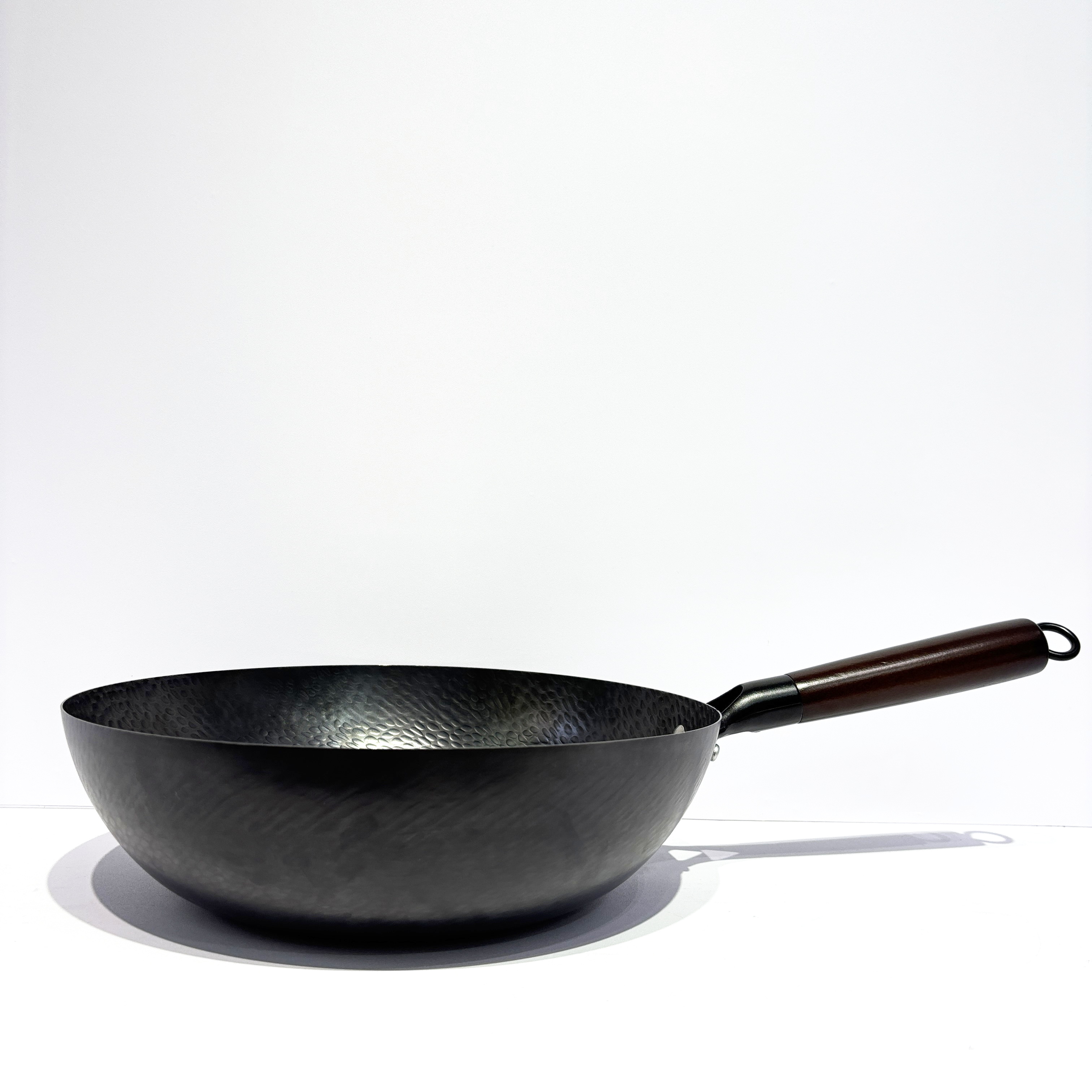
CAMRY Customized Logo No Coating Nitrided Nonstick Carbon Steel Wok
View Technical SpecsEnterprise Advantages & Factory Capabilities: Zhejiang MEIS Kitchenware
As a verified TÜV Rheinland on-site assessed cookware manufacturer located in the Dongnan Industrial Zone, Shuxi Street, Jinhua, Zhejiang, Zhejiang MEIS Kitchenware Co., Ltd. stands as an industrial benchmark in custom OEM/ODM aluminum and carbon steel cookware manufacturing. Spanning over two decades of metallurgical experience and 18 years as an established global enterprise supplier, our organization seamlessly bridges raw material processing with high-capacity international export.
Unlike commercial trading intermediaries, MEIS executes end-to-end quality sovereignty across every stage of cookware fabrication. Our 105-person technical workforce operates integrated stamping, heavy-gauge forging, computer numerical control (CNC) rim and base trimming, automated chemical pre-cleaning, robotic multi-layer nonstick spray coating, and precision assembly lines.
Advanced Machining & Tooling
Equipped with internal lathe tooling, high-tonnage hydraulic presses, automated punching machinery, and high-precision CNC equipment to develop complex mold contours and proprietary private-label pan shapes efficiently.
Multi-System Coating Application
Automated spray lines specialized in water-based PTFE, eco-friendly Sol-Gel ceramic matrices, marble/granite stone effect speckle coatings, plasma-reinforced titanium layers, and hard-anodized exterior treatments.
Rigorous Quality Control Laboratory
Every production batch undergoes destructive and non-destructive testing, including salt spray corrosion analysis, coating cross-hatch adhesion checks, handle torsion/thrust strain testing, and thermal shock evaluations.
Technical Material Guide: Pressed vs. Forged Aluminum vs. Carbon Steel
Selecting the optimal substrate material is a strategic purchasing decision that directly impacts landed unit economics, thermal efficiency, weight balance, and consumer satisfaction. As a professional OEM manufacturer, MEIS provides comprehensive engineering guidance to align your product lineup with target consumer expectations.
| Performance Metrics | Pressed Aluminum (Standard) | Forged Aluminum (Mid-to-High) | Heavy Gauge Carbon Steel |
|---|---|---|---|
| Forming Process | Cold-stamped from uniform sheet discs | High-pressure die forging with variable wall thickness | Precision mechanical drawing from carbon steel sheet |
| Base Thickness Range | 1.8 mm – 3.0 mm | 3.5 mm – 5.0 mm (Thick base, thin rim) | 1.0 mm – 2.0 mm (High density) |
| Warp Resistance | Moderate (Ideal for promotional/light use) | Exceptional (Resists high thermal shock) | High structural rigidity |
| Thermal Conductivity | Rapid heating (~205 W/m·K) | Optimal heat retention and lateral distribution | Moderate conduction (~50 W/m·K), high heat retention |
| Induction Compatibility | Requires bonded/stamped stainless plate | Impact-bonded or sprayed induction disk | Naturally magnetic (100% full-surface induction) |
| Target Retail Positioning | Mass retail, supermarket promotional sets | Boutique brands, specialty culinary retail, e-commerce | Value-driven induction lines, specialty woks, bakeware |
Pressed Aluminum: Highly cost-effective and light, making it the top choice for high-volume promotional cookware sets, entry-level retail programs, and fast-heating cookware applications. By leveraging continuous high-speed stamping presses, MEIS optimizes unit pricing while retaining strict quality controls over edge trimming and handle riveting.
Forged Aluminum: Represents the gold standard for contemporary mid-to-premium cookware brands. High-pressure forging alters the metal’s grain structure, allowing our engineers to craft cookware with a thick bottom base and thinner sidewalls. This structural profile eliminates hot spots, maximizes energy absorption, and prevents bottom bowing/warping across electric, gas, and induction cooktops.
Carbon Steel: An ideal substrate for specialized stir-fry woks, baking pans, and roasting trays. Because carbon steel is intrinsically ferromagnetic, it yields exceptional responsiveness on induction cooktops without requiring secondary stainless-steel base plate stamping processes, significantly reducing unit manufacturing costs.
Global Procurement Trends in the Custom Cookware Industry
The global housewares procurement landscape is undergoing a structural transition driven by changing consumer behaviors, stricter international chemical compliance standards, and e-commerce logistics realities. B2B buyers, category managers, and private label brand owners must adapt their sourcing strategies to capture upcoming market opportunities.
1. Regulatory Shift Towards PFAS/PFOA-Free Formulations
Global regulatory bodies (EU REACH, US EPA State level bans) are accelerating restrictions on fluorinated compounds. Buyers are shifting toward advanced Gen-3 Sol-Gel ceramic coatings and mineral-reinforced granite coatings that deliver long-lasting food release without synthetic chemicals.
2. Space-Saving Modular Designs (Detachable Handles)
Urbanization and minimalist living have fueled demand for stackable cookware sets featuring quick-release removable handle mechanisms (such as our CAROTE-style 19-piece sets). These systems reduce retail packaging volume by up to 50%, dramatically lowering transoceanic freight costs.
3. Full-Bound Universal Induction Efficiency
Modern consumers demand seamless compatibility across gas, electric, ceramic, and induction cooktops. Sourcing trends favor full-disc edge-to-edge induction spray cladding or enlarged impact-bonded induction bases to ensure high thermal transfer speeds on modern magnetic cooktops.
Cookware Technological Development & R&D Innovations
To maintain a competitive edge, MEIS invests continuously in materials science, surface treatment physics, and automated production processes. Future product developments focus on three primary technological vectors:
Advanced Plasma-Sprayed Substrate Matrixing: By applying a high-temperature plasma arc, sub-micron titanium particles are fused onto the raw aluminum body prior to nonstick coating application. This process creates an ultra-hard, microscopic textured foundation that anchors topcoat layers, boosting scratch resistance up to 5x over standard nonstick pans.
Inorganic Sol-Gel Ceramic Coating Technology: Derived from natural silica minerals, our next-generation ceramic surface coatings cure at lower temperatures while exhibiting extreme surface hardness (up to 9H Pencil Hardness). They resist temperatures over 450°C without thermal degradation, offering superior resistance against accidental overheating.
Ergonomic Thermal Dissipation Handles: Modern handle design integrates flame guards, soft-touch silicone overmolding, stainless steel inserts, and quick-latch mechanical couplings. Thermal modeling ensures that handles remain cool to the touch during prolonged stovetop use.
B2B Purchasing & OEM Manufacturing FAQ
Partner with a Trusted OEM Cookware Manufacturer
Accelerate your brand's market expansion with verified Chinese manufacturing excellence. Contact our engineering and export team today to request product catalogs, custom mold quotes, or factory evaluation samples.
Contact Us