TÜV Rheinland On-site Verified Custom Manufacturer · OEM / ODM Jinhua, Zhejiang, China

Custom OEM Fry Pan Factories & Exporters

Strategic Sourcing Whitepaper: Engineering Standards, Nonstick Coating Innovation & Global B2B Supply Chains

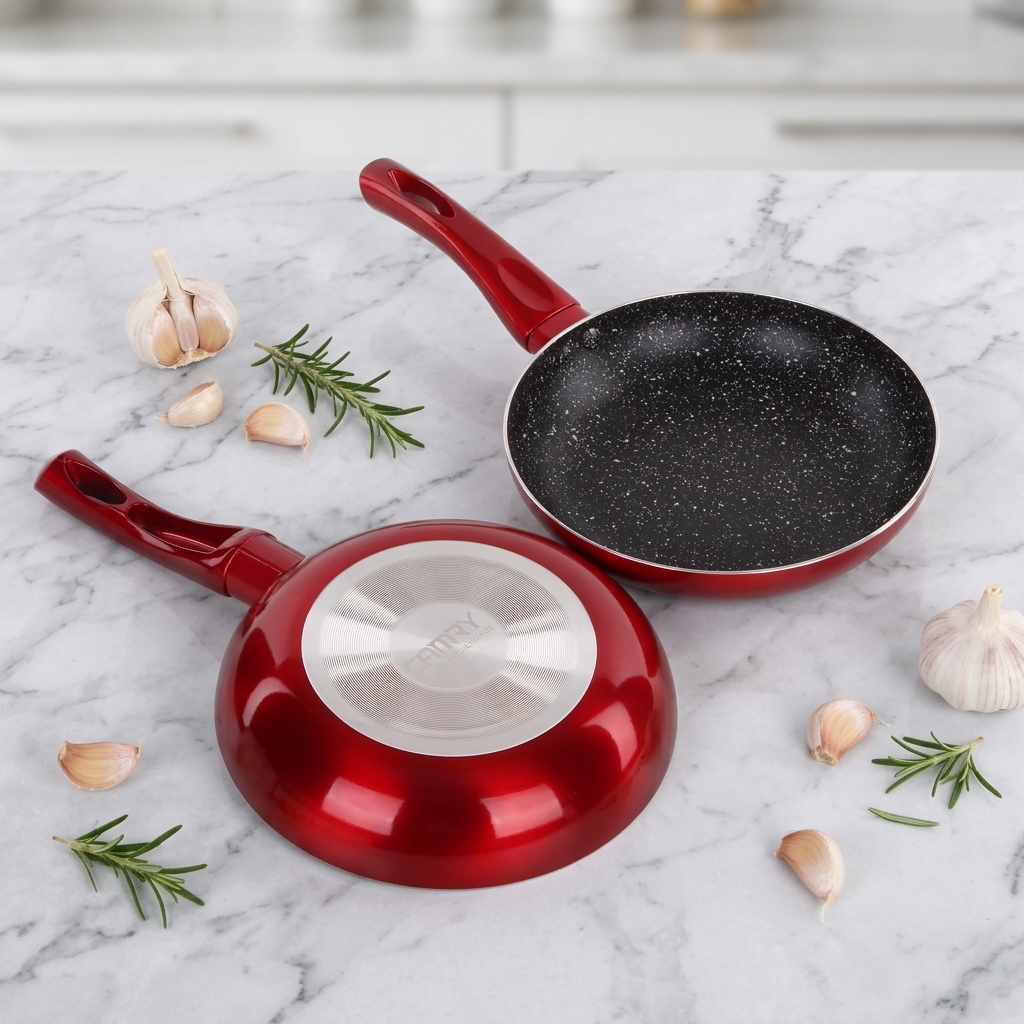
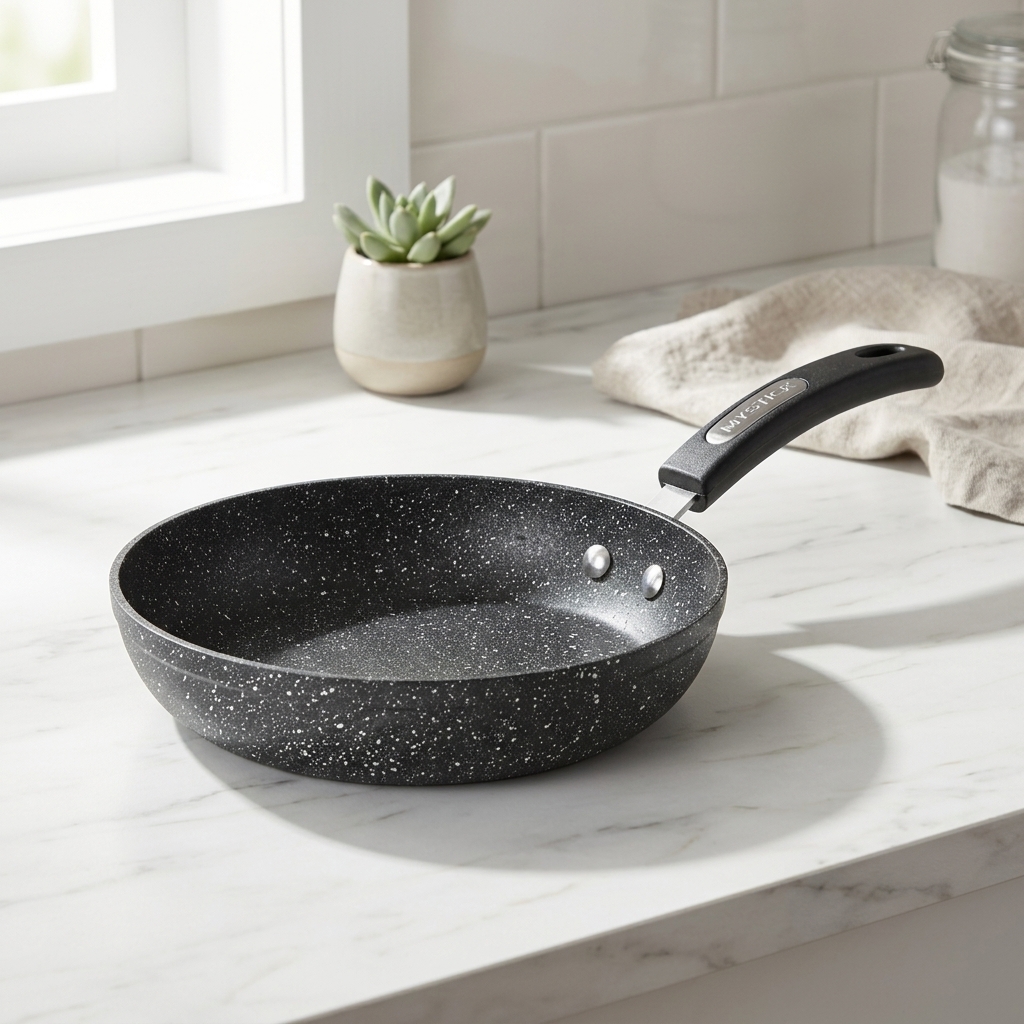
Featured Commercial Fry Pan & Cookware Lines

Engineered for high-volume wholesale, retail brand private labeling, and commercial hospitality distribution.

5-PIECE Classic Kitchenware Set Stainless Steel Handle

5-PIECE Classic Kitchenware Set Stainless Steel Handle PVD Ceramic Coating Interior Glass Lid Induction Bottom Eco-Friendly

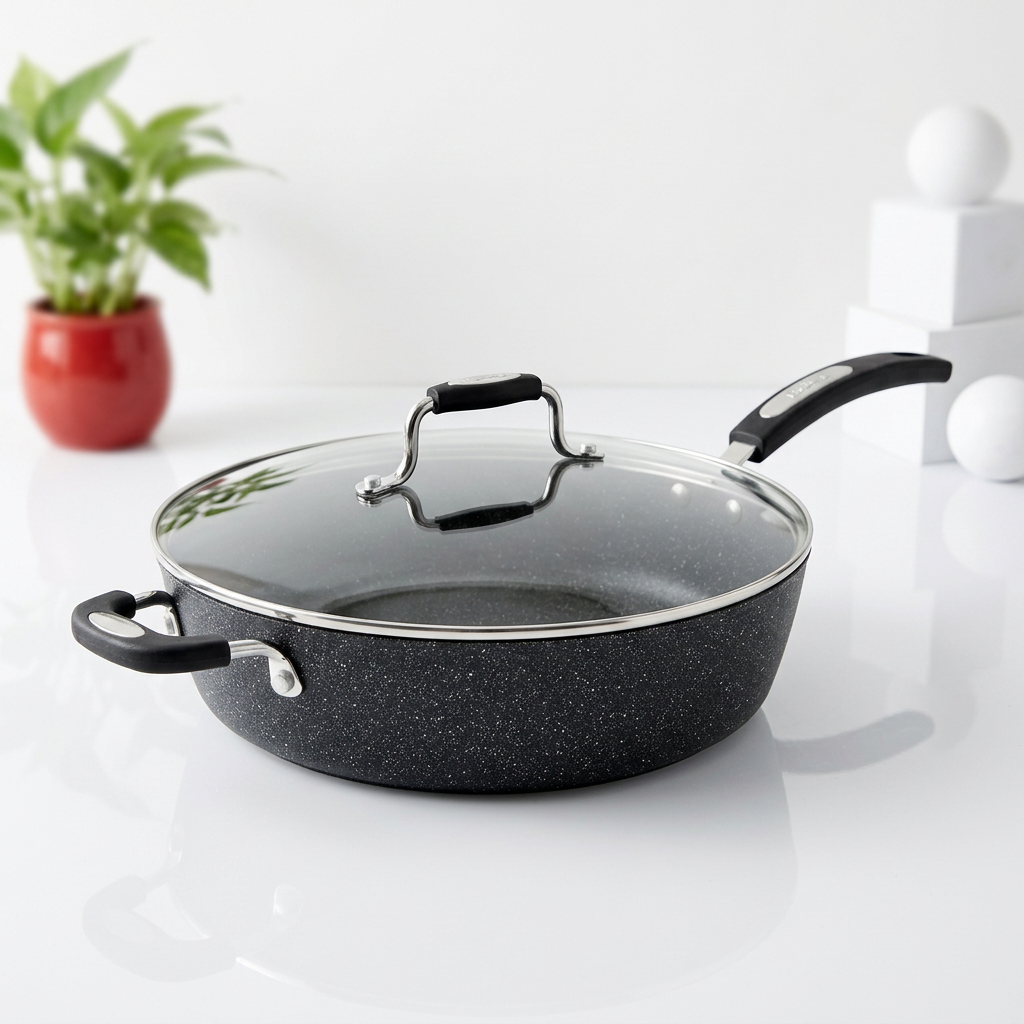
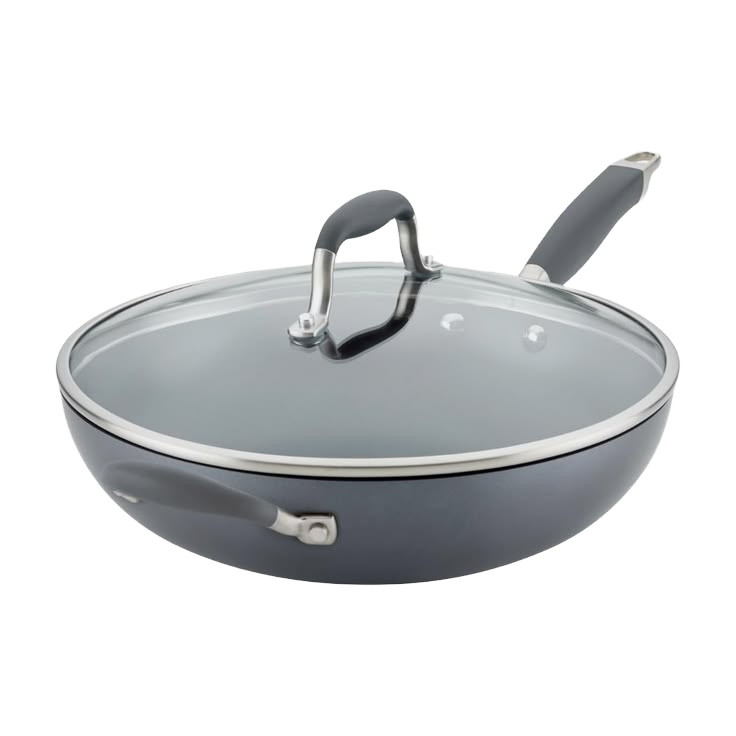
Classic 11 Inch 28cm Non-Stick Cookware Set

Classic 11 Inch (28cm) Non-Stick Cookware Set Deep Fry Pan Helper Handle Durable Forged Aluminum 4 Quarts Glass Cover Induction

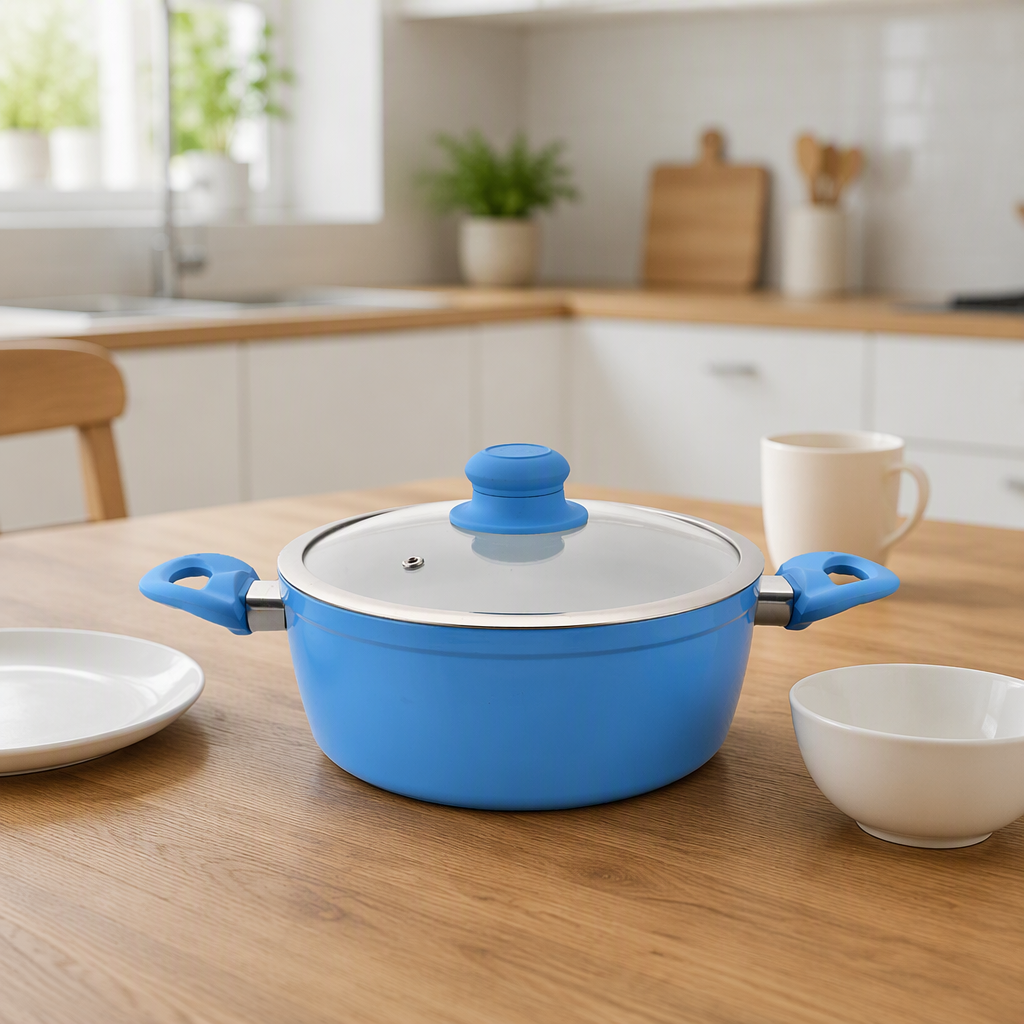
24 cm Forged Non Stick Casserole Soup Pot

24 cm Durable and Lightweight Forged Non Stick Casserole Soup Pot with Bakelite Handle and Glass Lid for All Heat Sources

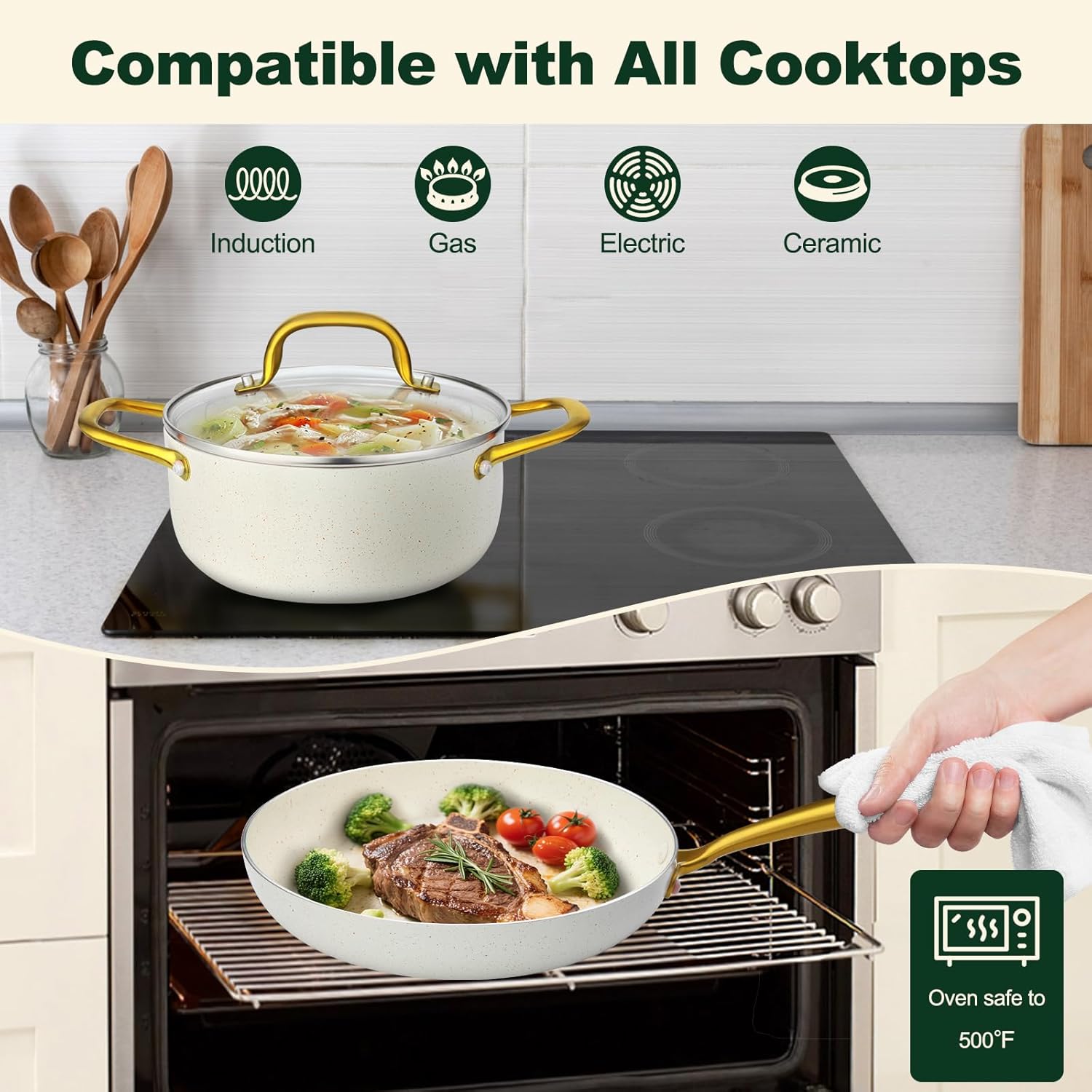
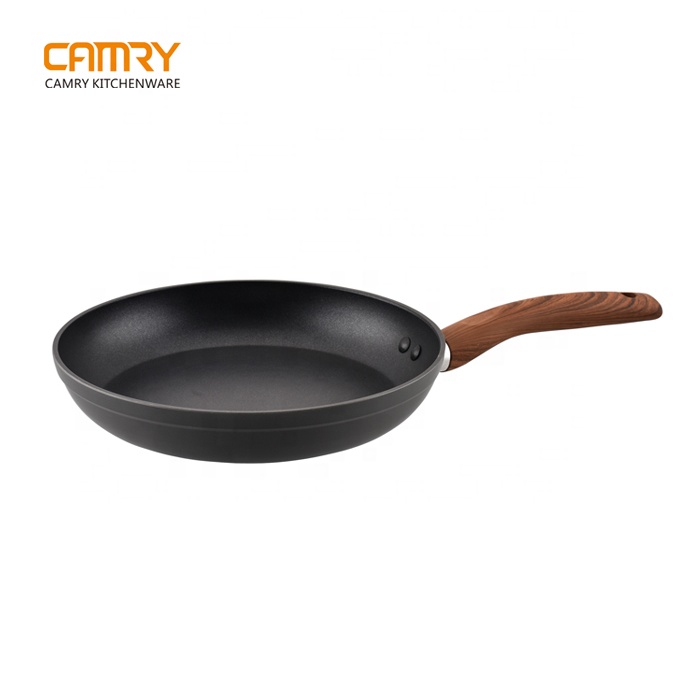
European-Style Frying Pan Pressed Aluminum Alloy

European-Style Frying Pan 26/28/30cm Pressed Aluminum Alloy Non-stick Ceramic Coating Induction Bottom Glass Cover Oven Safe

7PCS Dark Grey Forged Aluminum Cookware

7PCS Dark Grey Forged Aluminum Megaware Cookware With Wooden Soft-touched Handle

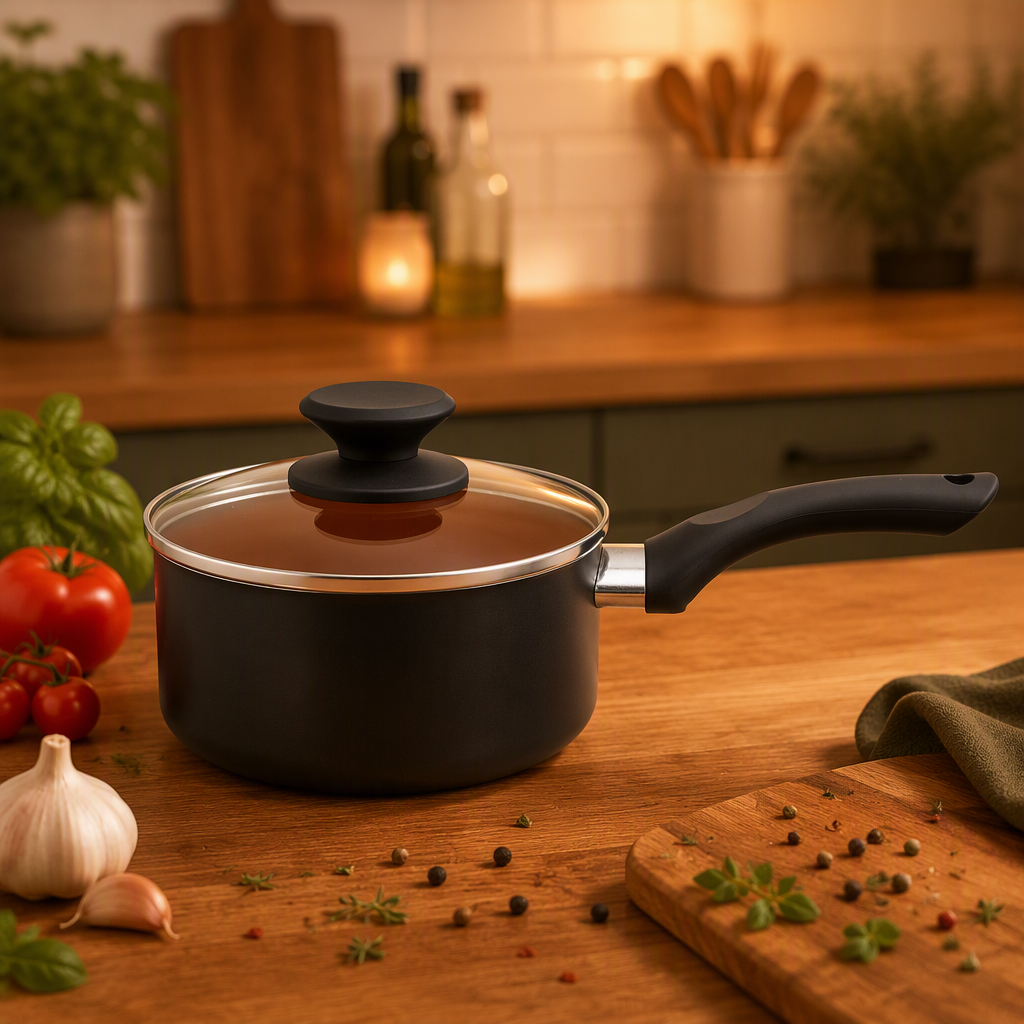
24 cm Non Stick Aluminum Saucepan

24 cm Non Stick Aluminum Saucepan with Glass Lid Multi Layer Coating Lightweight Cooking Pot for Gas and Induction

30 cm PFOA-free Non-Stick Pressed Frying Pan

Hot Sale Durable 30 cm PFOA-free Non-Stick Pressed Frying Pan Glass Cover Heat-Resistant Handle for Household Restaurant Cooking

20cm Aluminium Shot Blast Frying Pan

20cm Aluminium Shot Blast Frying Pan & Cooking Pot 1-2L Capacity Non-Stick for Gas/Electric/Induction Hobs Dishwasher Safe

The Global OEM Fry Pan Sourcing Ecosystem: Engineering Standards & Manufacturing Cluster Dynamics

In the global cookware trade, navigating the supply chain for custom Original Equipment Manufacturer (OEM) fry pans requires a granular understanding of metallurgical properties, nonstick surface chemistries, thermal conductivity dynamics, and structural integrity under cyclic thermal stress. As international safety standards tighten and consumer expectations shift toward health-conscious, non-toxic, and long-lasting cookware, B2B buyers—including brand owners, supermarket sourcing executives, e-commerce catalog managers, and hospitality procurement leaders—must evaluate manufacturing partners far beyond basic pricing metrics.

China’s Zhejiang province, specifically the industrial corridor of Jinhua and Wuyi, represents the world’s most concentrated manufacturing cluster for aluminum and carbon steel cookware. Operating within this specialized hub, verified manufacturers like Zhejiang MEIS Kitchenware Co., Ltd. integrate raw material processing, high-tonnage stamping, precision CNC rim machining, multi-layer fluoropolymer and ceramic spray lines, and automated assembly into a single vertically integrated ecosystem.

Key Technical Metric: Material Density & Grain Structure

High-volume fry pan manufacturing relies primarily on 3003-series aluminum alloy disks. The inclusion of manganese (1.0% to 1.5%) enhances tensile strength without sacrificing thermal transfer performance. Forged aluminum cookware undergoes high-tonnage hydraulic impact, converting cast alloy grain structures into high-density directional grains that effectively eliminate base warping under intense stove temperatures up to 260°C (500°F).
Metallurgy & Mechanical Forming: Pressed Aluminum vs. Forged Aluminum vs. Carbon Steel

To optimize landed costs while maintaining market positioning, procurement managers must match the appropriate mechanical forming methodology to their target consumer segment. Below is a comprehensive engineering matrix comparing the three dominant metal forming disciplines utilized in modern cookware production.

Performance Parameter Pressed Aluminum Forged Aluminum Heavy-Gauge Carbon Steel
Forming Process High-speed stamping from cold-rolled sheet (2.0mm – 3.5mm) Die-forging under 1,000+ ton hydraulic pressure (3.5mm – 5.0mm base) Precision mechanical drawing from carbon steel sheet metal
Thermal Distribution Rapid heating, lightweight, lower thermal mass retention Exceptional heat retention, uniform rim-to-base conductivity Rapid heat transfer, high temperature tolerance, ideal for searing
Warping Resistance Standard (Best for consumer/promotional ranges) Superior (Engineered for commercial/heavy retail use) High mechanical rigidity; virtually immune to thermal shock
Induction Efficiency Requires impact-bonded or sprayed stainless steel disc Requires full-bound or hole-pattern induction base plate Naturally ferromagnetic; native induction compatibility
Target Price Point Mass Market / Supermarket Promotions / High ROI Volume Mid-to-High End Retail / Private Label Department Stores Professional / Value-Conscious Commercial Kitchens

Nonstick Coating Ecosystems: Sol-Gel Ceramic, PTFE, Granite Matrix & PFAS Restrictions

The nonstick coating interface is the single most critical touchpoint for consumer satisfaction and regulatory compliance. With global regulatory bodies—such as the European Chemicals Agency (ECHA) under REACH, the US FDA, and Germany's LFGB—enforcing strict prohibitions on Perfluorooctanoic Acid (PFOA), Perfluorooctane Sulfonate (PFOS), and broader Per- and Polyfluoroalkyl Substances (PFAS), custom OEM fry pan exporters must offer verified, certified non-toxic surface chemistries.

Sol-Gel Ceramic Systems

Inorganic silicon dioxide (SiO2) matrix produced via sol-gel technology. Completely free from PTFE, PFOA, PFAS, lead, and cadmium. Offers extreme surface hardness (up to 9H pencil rating), heat resistance up to 450°C (842°F), and excellent initial release. Ideal for eco-friendly, healthy-cooking branding campaigns.

High Durability

Multi-Layer PTFE & Granite Speckle

Engineered multi-layer fluoropolymer coatings reinforced with diamond dust, titanium particles, or granite/marble ceramic speckles. Delivers maximum abrasion resistance (surpassing 20,000+ contact scratch test cycles under standard BS EN 12983-1 protocols) and superior long-term nonstick release longevity.

Future Procurement Trends in the Cookware Industry (2025–2030)

Strategic insights for procurement directors to stay ahead of regulatory shifts, material innovations, and consumer purchasing behavior.

TREND 01

Accelerated PFAS-Free & Sol-Gel Transition

European and North American retailers are actively phasing out traditional fluoropolymer coatings in favor of advanced ceramic Sol-Gel formulations. OEM factories are investing heavily in automated, dust-free spray lines to ensure flawless adhesion of organo-silicon layers at high curing temperatures.

TREND 02

Space-Saving Modular & Detachable Handles

Urbanization and smaller kitchen footprints have triggered a massive surge in demand for cookware sets featuring removable handle systems. Double-safety lock mechanisms allow fry pans to transition seamlessly from stovetop to oven, refrigerator, and dishwasher, while reducing packaging shipping volume by up to 40%.

TREND 03

Full-Bound Universal Induction Technology

Standard stamped induction discs are being replaced by full-surface, edge-to-edge impact-bonded stainless steel bottoms. This eliminates thermal hot spots, drastically improves magnetic energy transfer efficiency on induction hobs, and prevents bottom oil-staining over extended use.

TREND 04

Recycled Aluminum & Circular Supply Chains

Corporate Social Responsibility (CSR) directives mandate that global brands source products made with up to 100% certified recycled aluminum alloy discs (GRS certified). Utilizing recycled alloy reduces energy consumption during raw material smelting by 95% while maintaining identical structural purity.

Why Partner with Zhejiang MEIS Kitchenware Co., Ltd.

On-Site TÜV Rheinland Verified Custom Cookware Manufacturer in Jinhua, Zhejiang, China.

Operating out of the Dongnan Industrial Zone, Shuxi Street, Jinhua, Zhejiang MEIS Kitchenware Co., Ltd. brings over 20 years of specialized cookware manufacturing expertise. Backed by a dedicated workforce of 105 skilled technicians, in-house tooling equipment, and full custom OEM/ODM production capabilities, we deliver tailor-made pan solutions for global importers, private labels, and retail giants.

20+
Years Industry Experience
105
Verified Personnel
TÜV
Rheinland On-Site Assessed
10+
Years Global Export Expertise

In-House Manufacturing Infrastructure & QA Laboratory

From cold pressing aluminum discs to automated multi-layer nonstick spraying and rigorous quality assurance testing, every step is executed under strict ISO quality control protocols.

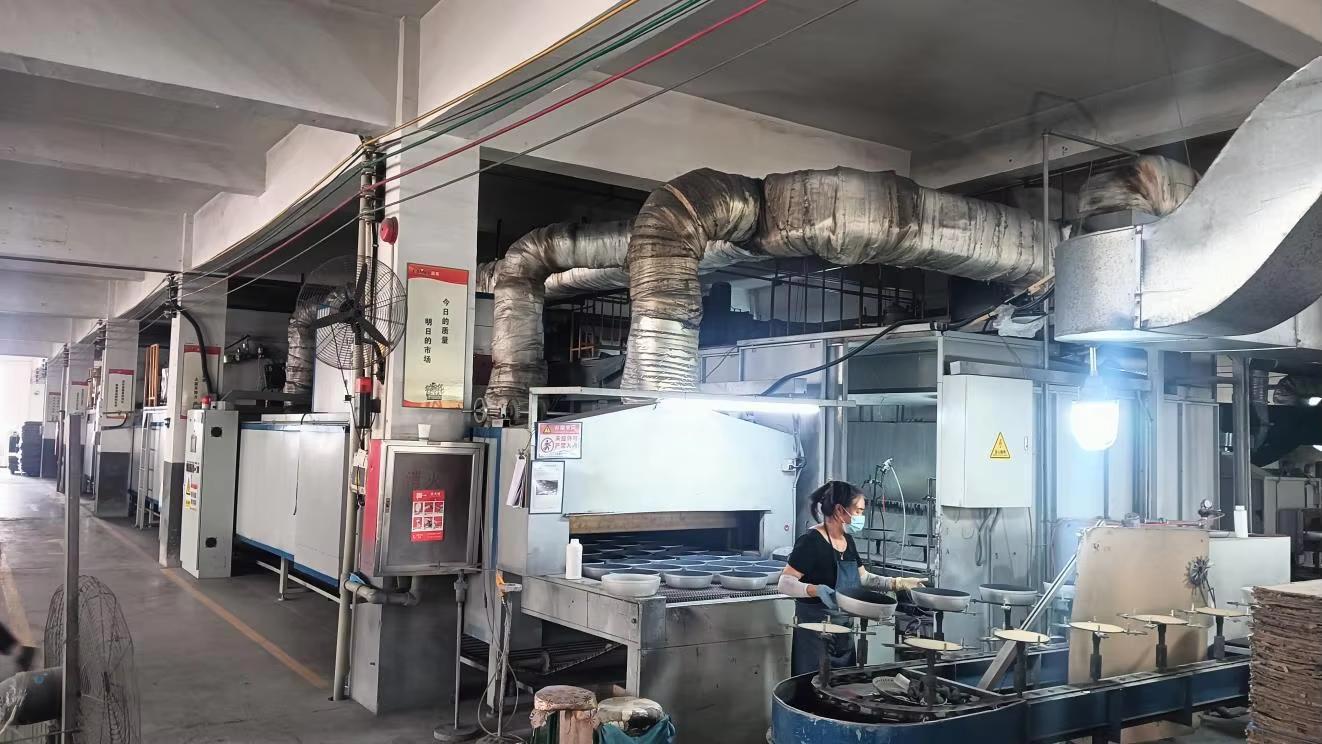
Nonstick spray coating production line
Automated Spray Coating Line

Precision multi-layer ceramic and PTFE application in dust-controlled environment.

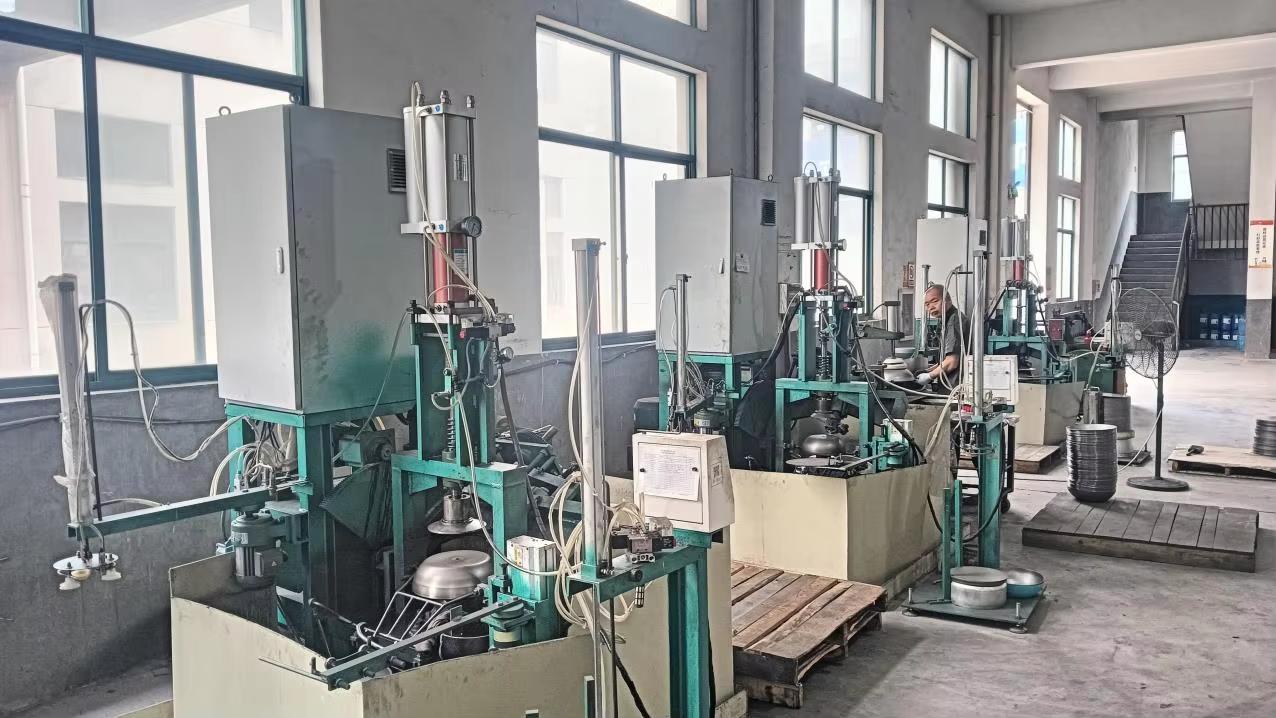
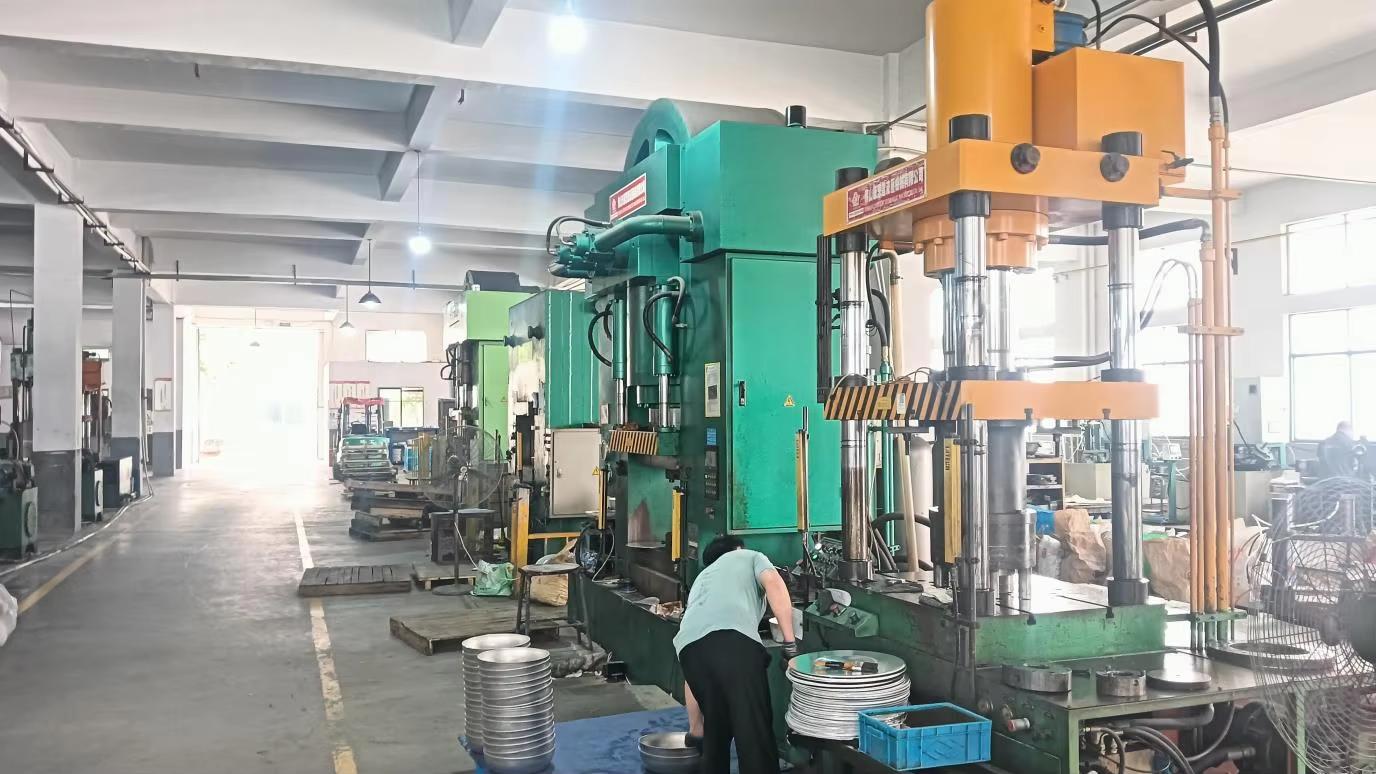
Hydraulic pressing machine forming pan bodies
Heavy Hydropress Stamping

High-tonnage mechanical forming ensures structural dimensional consistency.

CNC machining of cookware bases
Precision CNC Base Trimming

Machining perfectly flat bottom bases for seamless thermal contact on glass hobs.

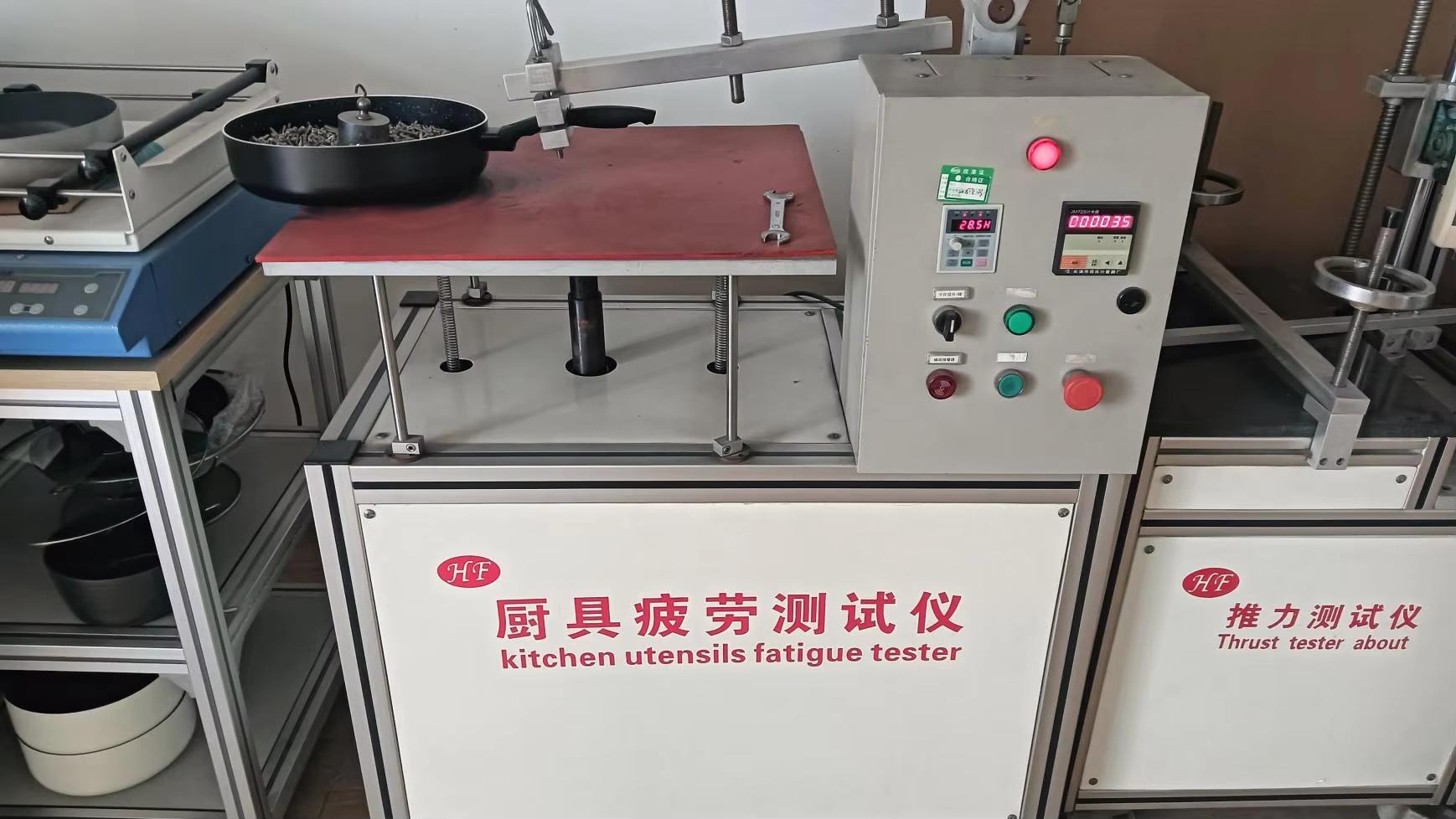
Cookware quality testing laboratory
In-House QA Testing Lab

Salt spray corrosion chambers, handle fatigue testers, and cross-hatch adhesion inspection.

The 6-Step OEM/ODM Private-Label Engineering Process

A streamlined, transparent development roadmap designed to take your design from concept drawing to mass container export.

STAGE 01

Design Brief & Engineering Alignment

Review of 2D/3D CAD drawings, target market compliance requirements (FDA, LFGB), gauge selection (2.0mm to 5.0mm), and costing targets.

STAGE 02

In-House Tooling & Rapid Prototyping

Utilizing our internal CNC, lathe, and mold workshops to cut custom pan body dies, ergonomic handle molds, and glass lid rim profiles.

STAGE 03

Pre-Production Sample Validation

Fabrication of functional physical samples featuring designated nonstick color, marble speckle effect, laser-etched brand logo, and retail box.

STAGE 04

High-Tonnage Automated Production

Executing alloy disk blanking, mechanical pressing/forging, chemical washing, multi-pass spray coating, and high-temperature curing.

STAGE 05

Quality Assurance & Stress Testing

Batch sampling for coating cross-hatch adhesion (ISO 2409), handle torque/fatigue testing (100N load cycles), and salt spray corrosion checks.

STAGE 06

Export Packing & Global Logistics

Customized color sleeve, mail-order drop-test cardboard packaging, palletization, and FCL container loading from Ningbo or Shanghai ports.

Frequently Asked Questions (FAQ) for OEM Fry Pan Procurement

Direct answers to crucial commercial, technical, and logistical questions raised by B2B buyers.

Is Zhejiang MEIS Kitchenware Co., Ltd. a direct factory or a trading company?
Zhejiang MEIS Kitchenware Co., Ltd. is a combined manufacturer and trading enterprise operating its own factory premises in the Dongnan Industrial Zone, Jinhua, Zhejiang. Our facility has been assessed and verified on-site by TÜV Rheinland. We handle drawing, pressing, CNC finishing, nonstick spraying, and final packaging under our own quality control system.
What is the standard Minimum Order Quantity (MOQ) for custom OEM orders?
Minimum Order Quantities vary based on manufacturing complexity. For standard pressed and forged aluminum fry pans with custom coating colors and logos, MOQ generally ranges between 1,000 to 3,000 units per size/item. Selected running models or trial stock configurations can be sourced starting from 50 pieces.
Are all nonstick coatings fully compliant with international food contact regulations?
Yes. All nonstick coatings applied—including ceramic Sol-Gel, PTFE multi-layer systems, granite/marble matrix, and hard-anodized finishes—are 100% PFOA-free. Upon request, we provide testing compliance certification for FDA 21 CFR (USA), LFGB §31 (Germany), DGCCRF (France), and EU Regulation No 1935/2004.
How do you ensure bottom flatness and prevent pan warping on induction cooktops?
We utilize high-density die-forging techniques for our mid-to-premium ranges, giving the pan a thicker bottom rim (up to 5.0mm) relative to its sidewalls. Additionally, induction bottom plates are fitted using high-pressure mechanical bonding or thermal spray application, followed by CNC base-leveling to guarantee complete thermal planar stability.
What private labeling and branding options are offered?
We offer full OEM customization, including bottom logo laser etching, bottom flame-guard stamping, custom color painting (Pantone matched), soft-touch wood-look silicone handle coatings, custom glass lid knob molding, and complete retail packaging design (color gift boxes, mail-order packaging, display sleeves, and barcode labeling).
What is the standard production lead time for FCL orders?
Initial OEM orders requiring custom mold engineering generally require 35 to 45 days from approval of sample and deposit confirmation. Repeat orders for standard cookware lines are routinely fulfilled within 25 to 30 days. Express trial shipments can be accommodated based on raw material disc inventory.

Optimize Your Cookware Supply Chain Today

Contact our engineering and export team directly to request technical specifications, custom factory pricing, or pre-production sample evaluation.

Get a Quote
TÜV Rheinland Verified 100% Food-Grade Safe Fast OEM Sample Turnaround