Flagship OEM Cookware Products
Precision-engineered induction-compatible cookware sets and individual pans manufactured to international quality standards.
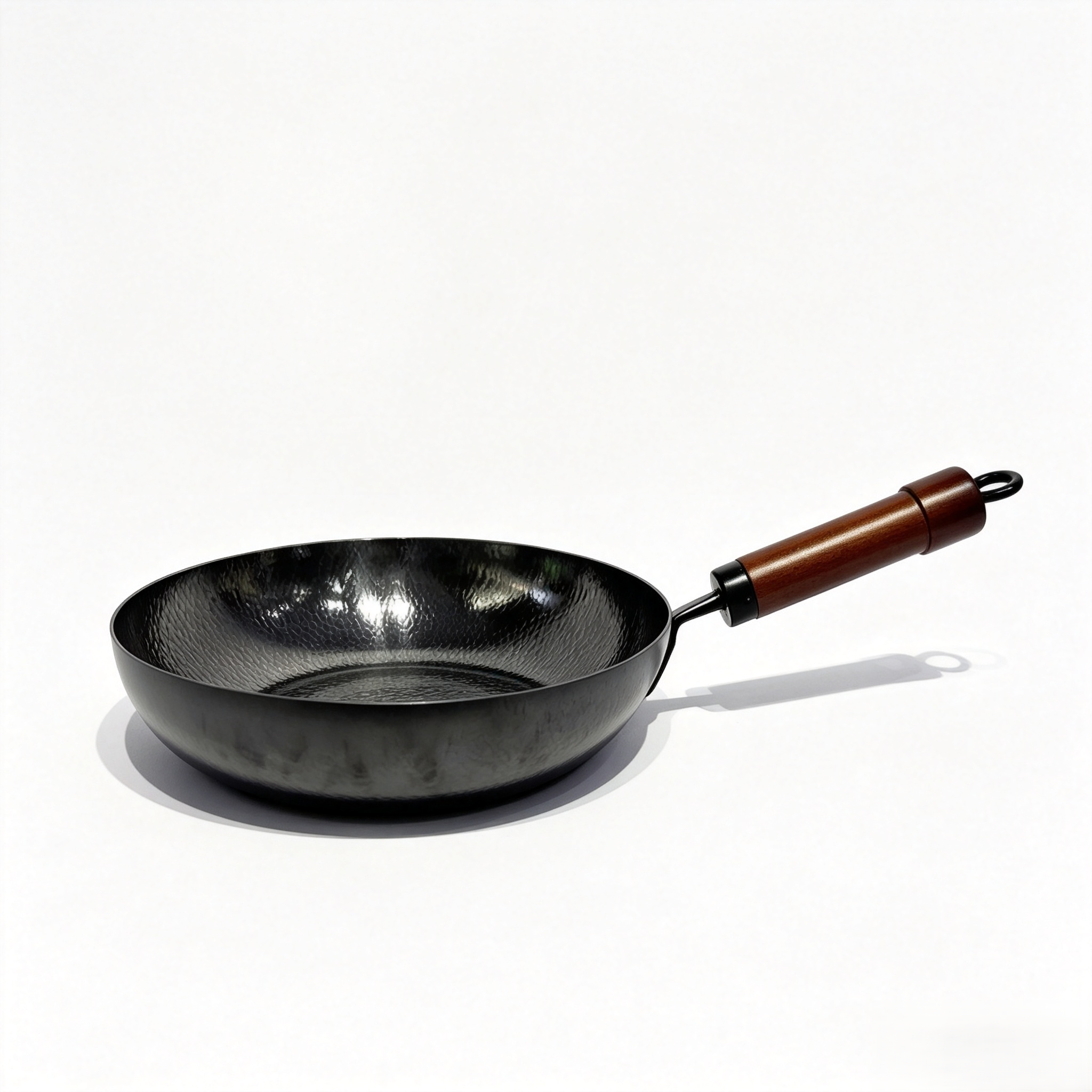
Modern CAMRY Eco-friendly No Coating Nitrided Hammered Carbon Steel Wok Cookware Wooden Handle 2-3L
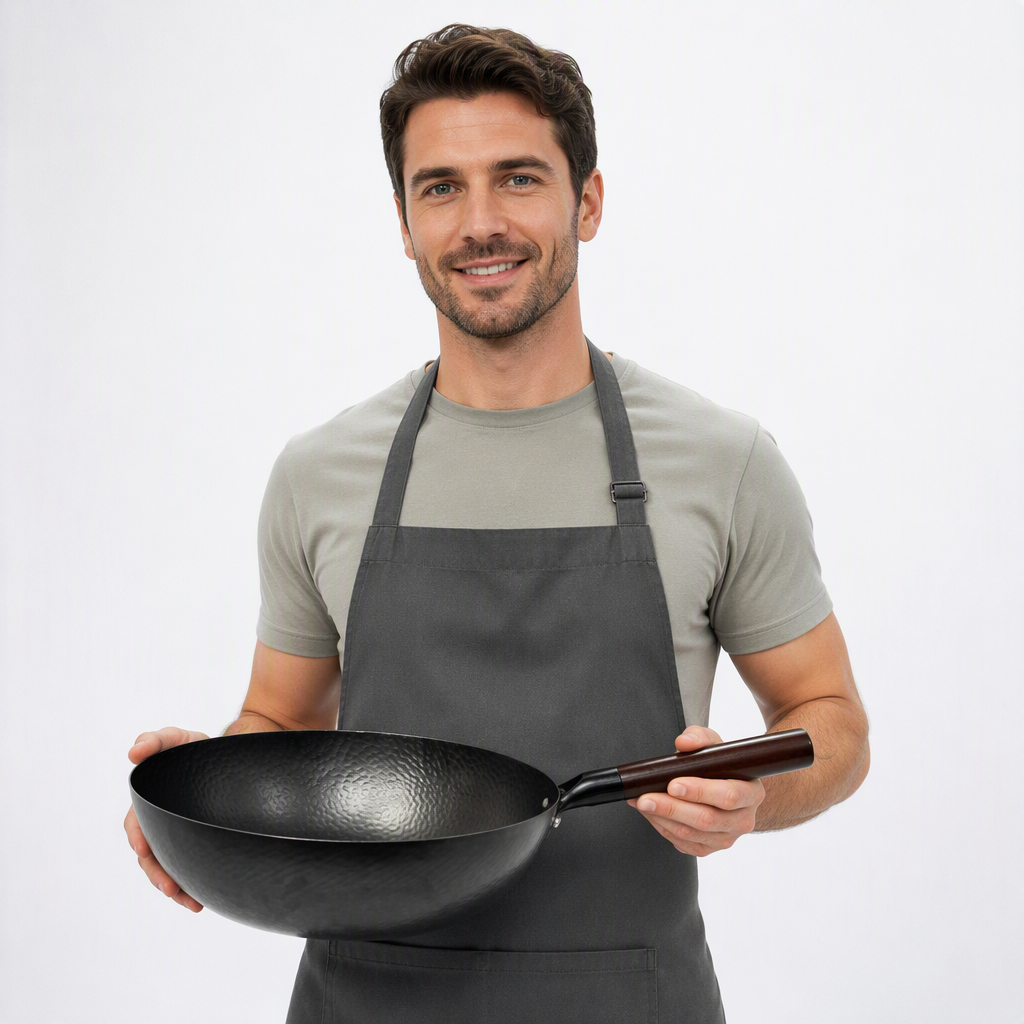
30cm Carbon Steel Round Wok Nitrided Surface Wood Handle Non Stick Stir Fry Pan for Gas and Induction
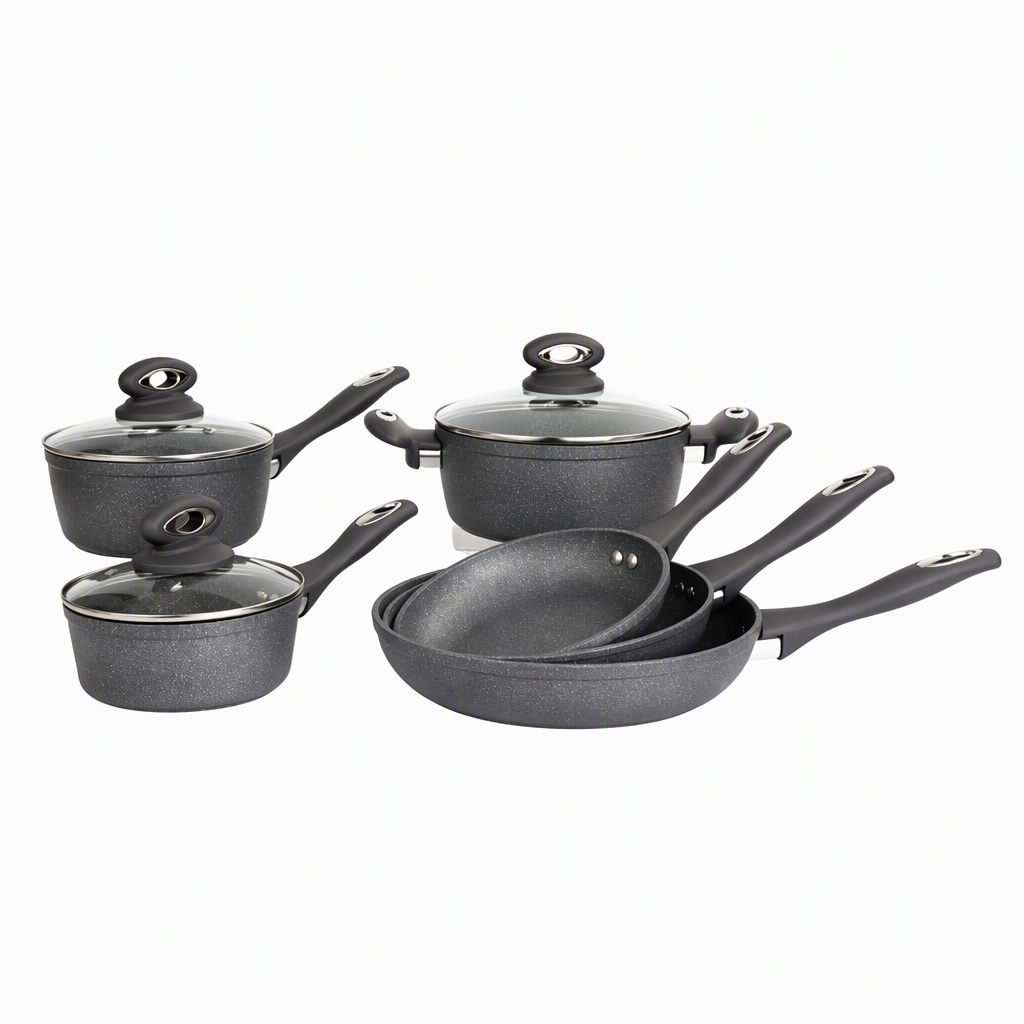
9 Piece Forged Aluminum Cookware Set Marble Coating Induction Base Glass Lids Oven Safe
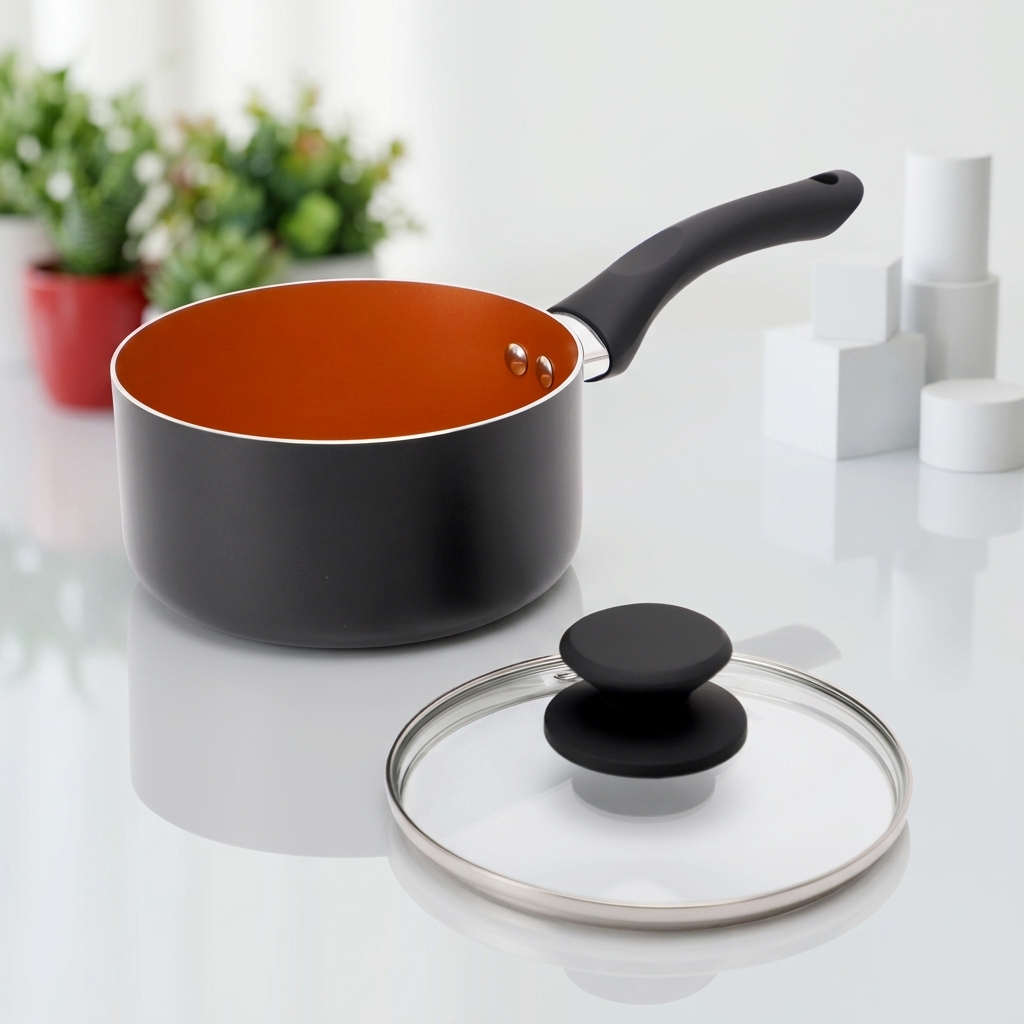
1.5QT Modern Metal Sauce Pan Glass Lid Non-Stick Coating 2-Layer Ceramic Interior Eco-Friendly
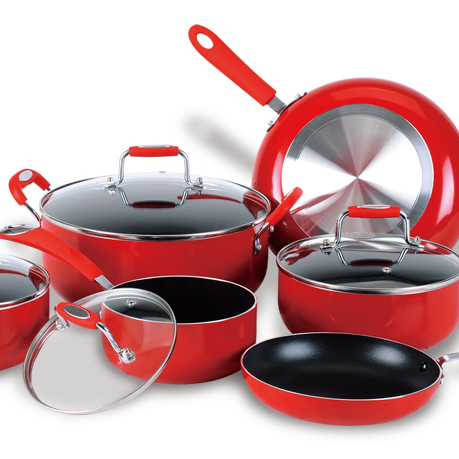
Fashion Kitchen Set of Nonstick Cookware Custom OEM Color & Handle Configurations
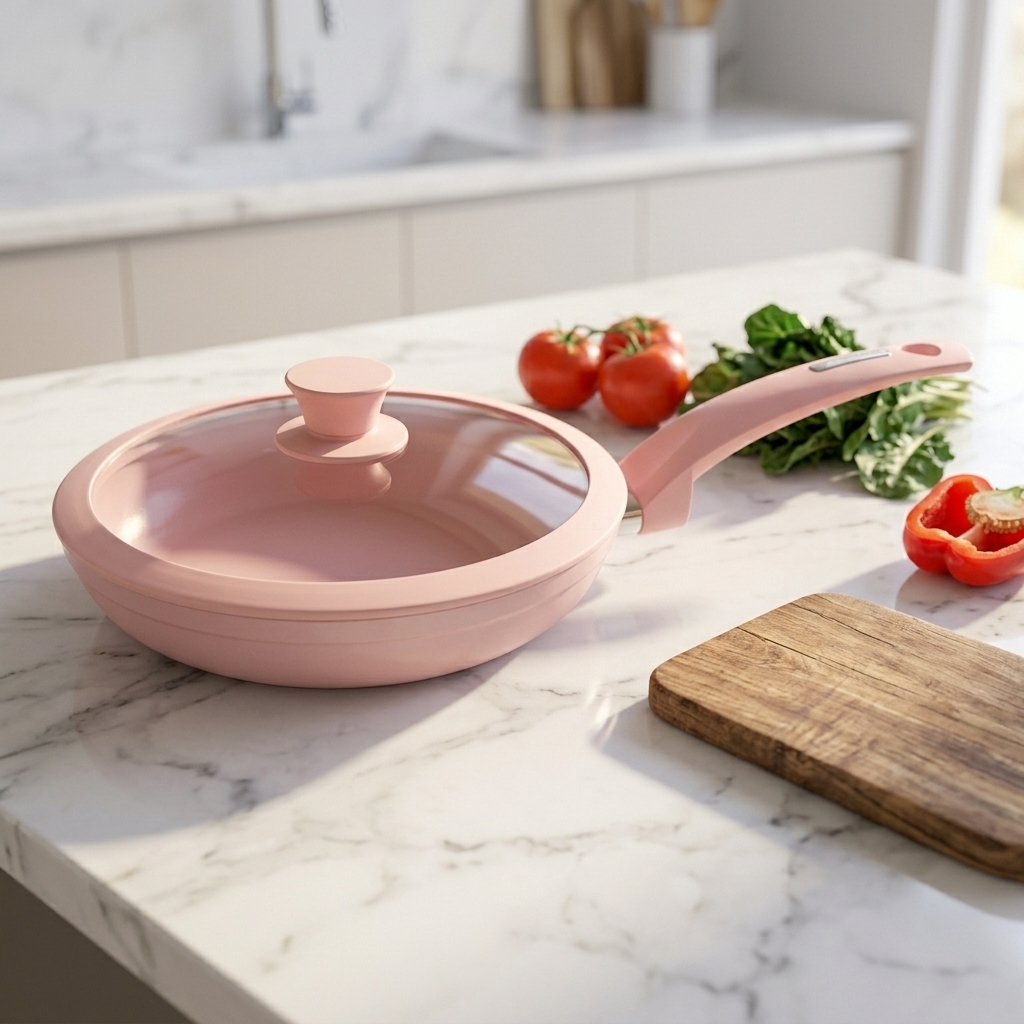
Factory Price Customized Colorful 22 cm Forged Aluminium Non-Stick Fry Pan with Glass Cover
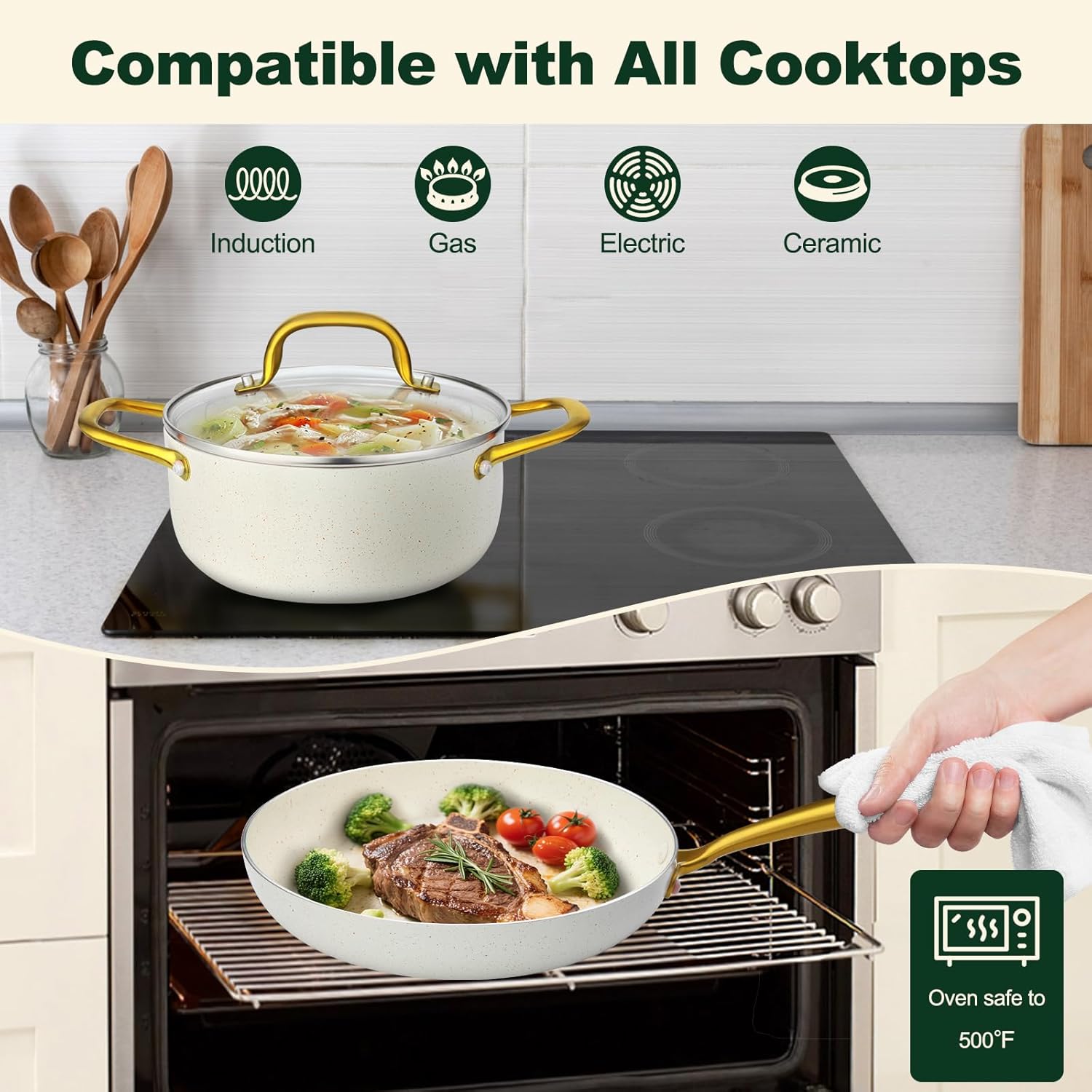
5-PIECE Classic Kitchenware Set Stainless Steel Handle PVD Ceramic Coating Induction Bottom
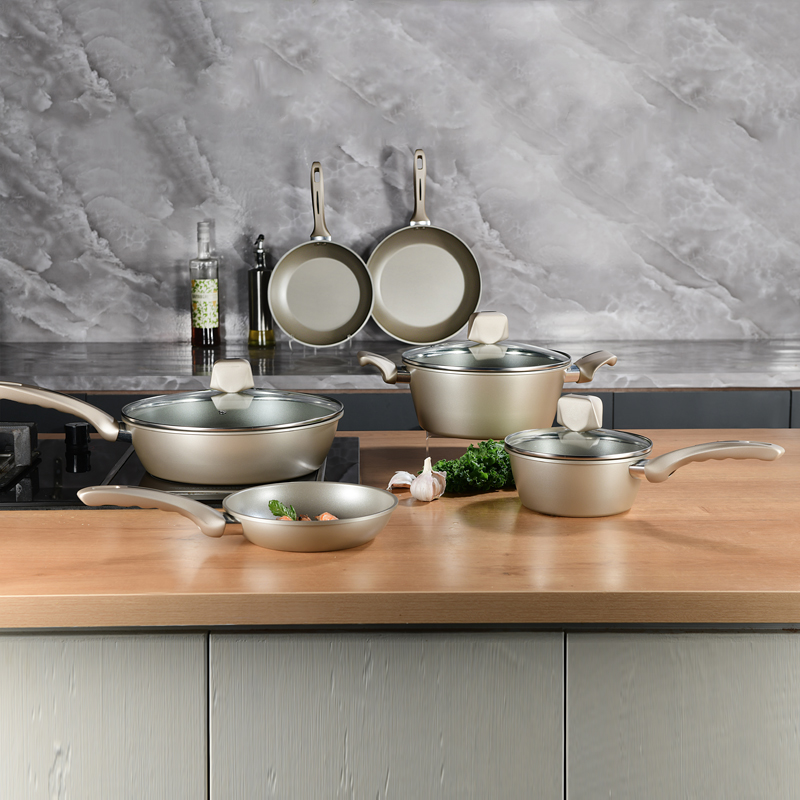
9 Piece Modern Design Titanium Non-Stick Coating Cookware Set Heavy Gauge Carbon Steel
OEM Manufacturing Capacity at a Glance
Zhejiang MEIS Kitchenware Co., Ltd. brings decades of dedicated metallurgical engineering to private-label production.
Engineering Precision in Custom OEM Induction Cookware Manufacturing
In the global commercial cookware market, transition toward high-efficiency electromagnetic induction cooking has reshaped procurement criteria for importers, retail brand owners, and hospitality suppliers. Manufacturing a resilient, warp-resistant, and high-conductivity OEM induction cookware set demands rigorous control over material metallurgy, thermal expansion co-efficients, and surface bonding chemistry.
Unlike standard gas-stove cookware, induction-ready vessels require a magnetic stainless steel base (typically AISI 430 grade) bonded seamlessly to an aluminum or carbon steel body. Deficiencies in thermal bonding lead to air pocket inclusions, localized overheating, debonding, and severe bottom concavity distortion during thermal shock cycles. Zhejiang MEIS Kitchenware Co., Ltd. addresses these engineering bottlenecks through specialized friction-welding and high-pressure impact-bonding technology in our Jinhua production center.
Induction Base Architecture: Impact-Bonded Discs vs. Spray-Bonded Mesh
Selecting the appropriate induction bottom construction directly dictates unit landed costs, cooking performance, and warranty claim rates. As a custom OEM exporter, we assist brand managers in navigating the trade-offs between two primary induction integration technologies:
1. Friction-Welded / Impact-Bonded Full Induction Encapsulation
Utilizing hydraulic presses exerting up to 2,500 metric tons of force, a solid plate of magnetic ferritic stainless steel (AISI 430) is struck against a heated aluminum core (AA 3003 or AA 4006) at temperatures near melting thresholds. This fuses the metals at a molecular level without adhesives, ensuring zero air voids.
- Thermal Uniformity: Eliminates center-hotspotting; heat spreads edge-to-edge instantly.
- Warp Resistance: Base thickness between 3.5mm and 6.0mm preserves flat surface contact with induction glass hobs under high wattage (up to 3500W).
- Dishwasher & Corrosion Stability: Sealed edges prevent water ingress between metals during commercial wash cycles.
2. Stamped & Pierced Perforated Induction Mesh Discs
Designed for price-sensitive promotional programs and lightweight pressed aluminum cooksets, a perforated magnetic steel plate is riveted or hot-pressed into the vessel base. While offering lower mass and fast heatup times, precise calibration of the vessel wall-to-base ratio is required to prevent thermal deformation over extended cook cycles.
Core Material Performance Comparison for OEM Production
Use our metallurgical selection matrix to optimize your product catalog for targeted customer segments.
| Performance Metric | Pressed Aluminum | Forged Aluminum | Nitrided Carbon Steel |
|---|---|---|---|
| Thermal Conductivity (W/m·K) | 205 - 225 (High) | 210 - 230 (Optimal) | 50 - 60 (Moderate) |
| Base Deformation Temp Threshold | 180°C - 220°C | 260°C - 320°C | > 450°C (Extreme) |
| Induction Compatibility Method | Attached Mesh / Disc | Impact-Bonded Full Disc | Naturally Magnetic (Direct) |
| Coating System Compatibility | PTFE / Sol-Gel Ceramic | Granite / Marble / PTFE / Ceramic | Gas Nitriding / Pre-seasoned Oil |
| Target Sourcing Segment | Supermarket Chains / FMCG Sets | E-Commerce / Premium Retail | Commercial Kitchens / Eco-Lines |
PFAS-Free Nonstick Coatings & Surface Engineering
Regulatory evolution across the European Union (REACH & POPs regulation) and North America (US EPA PFHxA limits & state-level bans) has made nonstick chemistry a primary compliance risk for importers. Zhejiang MEIS Kitchenware provides fully certified eco-friendly interior coatings engineered for commercial durabilities:
Sol-Gel Inorganic Ceramic Coatings
Derived from silica (sand), these 100% PTFE-, PFOA-, PFOS-, Lead-, and Cadmium-free coatings resist temperatures up to 450°C without emitting toxic fumes. Ideal for eco-conscious retail lines.
Titanium & Granite Multi-Layer PTFE
Reinforced with hard mineral particles or titanium carbide crystals, offering superior dry-abrasion resistance exceeding 20,000 cycles under BS 7087 / EN 12983-1 scratch protocols.
Gas Nitriding Surface Treatment
Applied to heavy-gauge carbon steel woks, thermochemical nitriding diffuses nitrogen into the iron lattice, forming an anti-rust Fe4N barrier that eliminates synthetic nonstick chemicals entirely.
Future Sourcing & Procurement Trends (2025–2030)
B2B buyers scaling private label cookware portfolios must realign product development roadmaps with emerging consumer demands and supply chain efficiency targets:
1. Detachable Handle System Modularization
Modular cookware featuring removable safety locks reduces shipping box volume by up to 55%, directly lowering ocean freight container expenditures per unit while giving consumers stackable kitchen storage.
2. Lightweight Carbon Steel Induction Woks
Traditional cast iron suffers from extreme weight, while standard thin carbon steel warps on high-wattage induction burners. Precision-spun 1.5mm–2.0mm nitrided carbon steel represents the fastest-growing category for Asian-culinary export lines across Western markets.
3. Hybrid Stainless-Aluminum Tri-Ply Construction
Combining an inner sanitary 304 stainless steel cooking surface, a thick aluminum heat-distribution core, and a magnetic 430 stainless steel outer layer provides ultimate durability for culinary professional brands.
Factory Capabilities: Zhejiang MEIS Kitchenware Co., Ltd.
Located in Dongnan Industrial Zone, Shuxi Street, Jinhua, Zhejiang, China, our manufacturing complex operates dedicated lines for hydraulic pressing, CNC lathe finishing, automatic surface cleaning, spray coating, curing, assembly, and packaging.
- On-Site Inspection Protocol: 100% incoming raw material testing (aluminum disc purity, sheet steel thickness tolerances) and automated inline coating thickness gauging.
- TÜV Rheinland Audited: Verified facility operations, labor practices, quality systems, and export capabilities.
- In-House Tooling & Mold Shop: CNC centers and lathes enable rapid prototyping of custom handle ergonomics, lid rims, and base embossing within 15–20 days.
- Strict Quality Testing: Cross-hatch adhesion testing (ASTM D3359), handle fatigue torsion testing, salt-spray corrosion chamber evaluation, and thermal shock validation.
Frequently Asked Sourcing & Technical Questions
Clear answers to help procurement teams streamline vendor evaluation and contract negotiations.
Our standard production MOQ for custom OEM cookware sets ranges from 1,000 to 1,500 sets per configuration depending on material gauge and custom color requirements. Individual fry pans and woks start at 1,500 to 2,000 units. Trial orders for standard existing molds can be accommodated upon request.
We utilize high-tonnage friction welding and thermal impact-bonding presses that fuse the 430 magnetic stainless steel base directly into the aluminum core under heat and 2,500T pressure. Batch samples undergo severe thermal shock testing (heated to 250°C and instantly plunged into cold water) to ensure zero micro-delamination.
We offer a full spectrum of nonstick systems: Sol-Gel PFOA/PFAS-free ceramic, granite and marble multi-layer speckle coatings, hard-anodized finishes, titanium-reinforced PTFE, and chemical-free nitrided carbon steel options. All chemical coatings comply with FDA, LFGB, and EU REACH safety standards.
Custom color matching (Pantone) and logo surface sampling typically require 7–12 days. New mold development takes 15–25 days. Mass production lead time for standard FCL (Full Container Load) orders is 35–45 days following final sample approval and deposit confirmation.
Yes. Our packaging engineering team designs custom high-strength 5-ply color boxes with corrugated inner protective dividers suited for ISTA-1A or 3A e-commerce drop tests, ensuring zero freight damage during transit.
Aluminum cookware with induction base plate falls under HS Code 7615.10. Carbon steel cookware and nitrided woks generally utilize HS Code 7323.94 or 7323.99. Our export documentation team handles accurate tariff categorization for export efficiency.
Initiate Your Custom Cookware Project Today
Partner directly with Zhejiang MEIS Kitchenware Co., Ltd. for engineering support, competitive factory-direct pricing, and verified quality control. Click below to submit your product parameters and RFQ to our engineering export team.