Featured Commercial Cookware Solutions
Direct-from-factory catalog engineered for high-volume retail programs, hospitality supply chains, and private-label distributors worldwide.
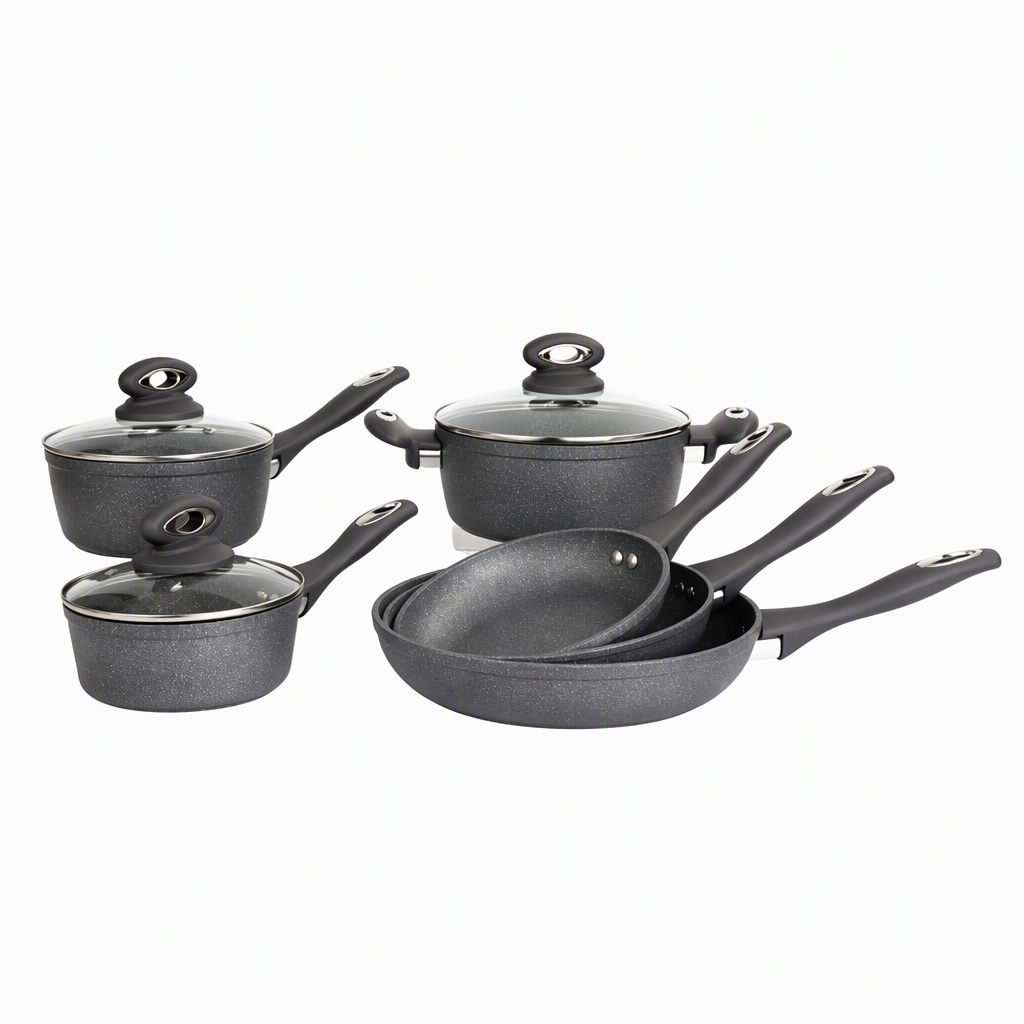
9 Piece Forged Aluminum Cookware Set Marble Coating Induction Base Glass Lids Oven and Dishwasher Safe
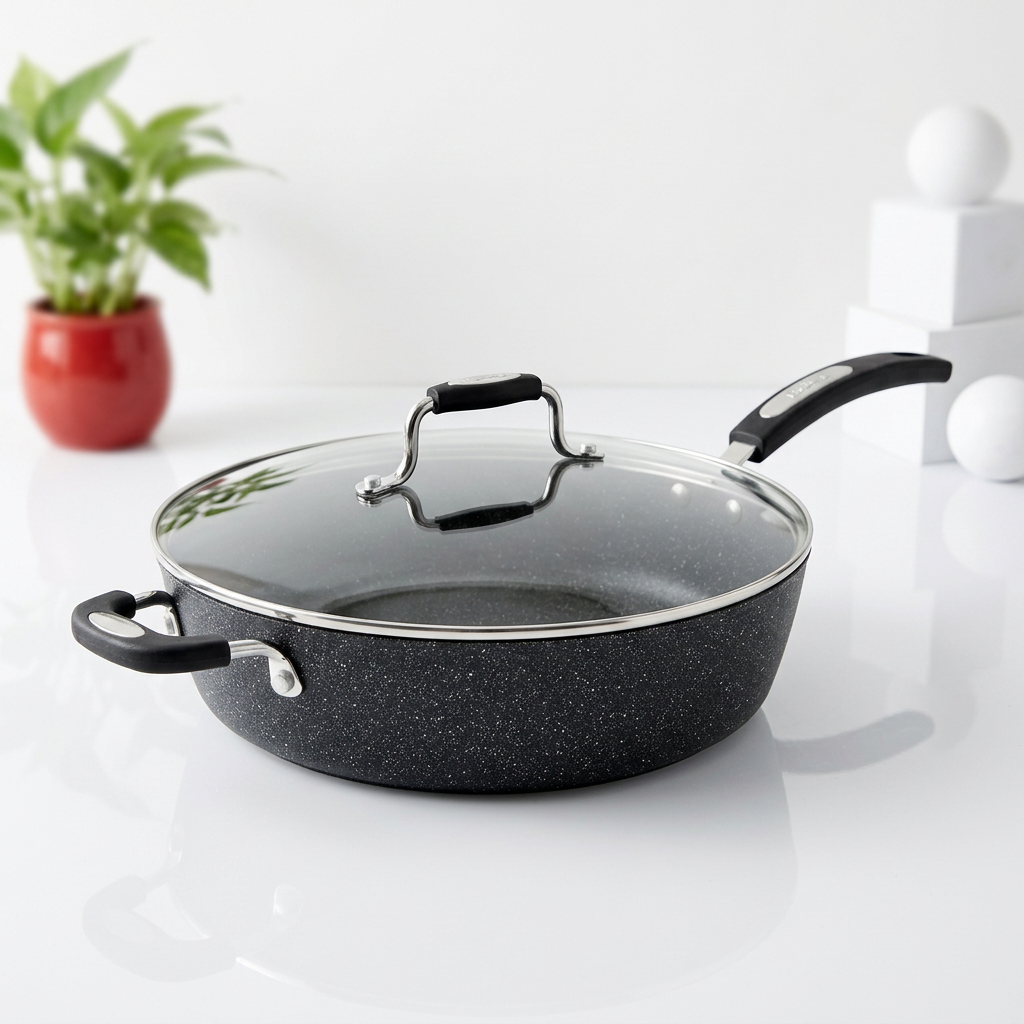
Classic 11 Inch (28cm) Non-Stick Cookware Set Deep Fry Pan Helper Handle Durable Forged Aluminum 4 Quarts Glass Cover Induction
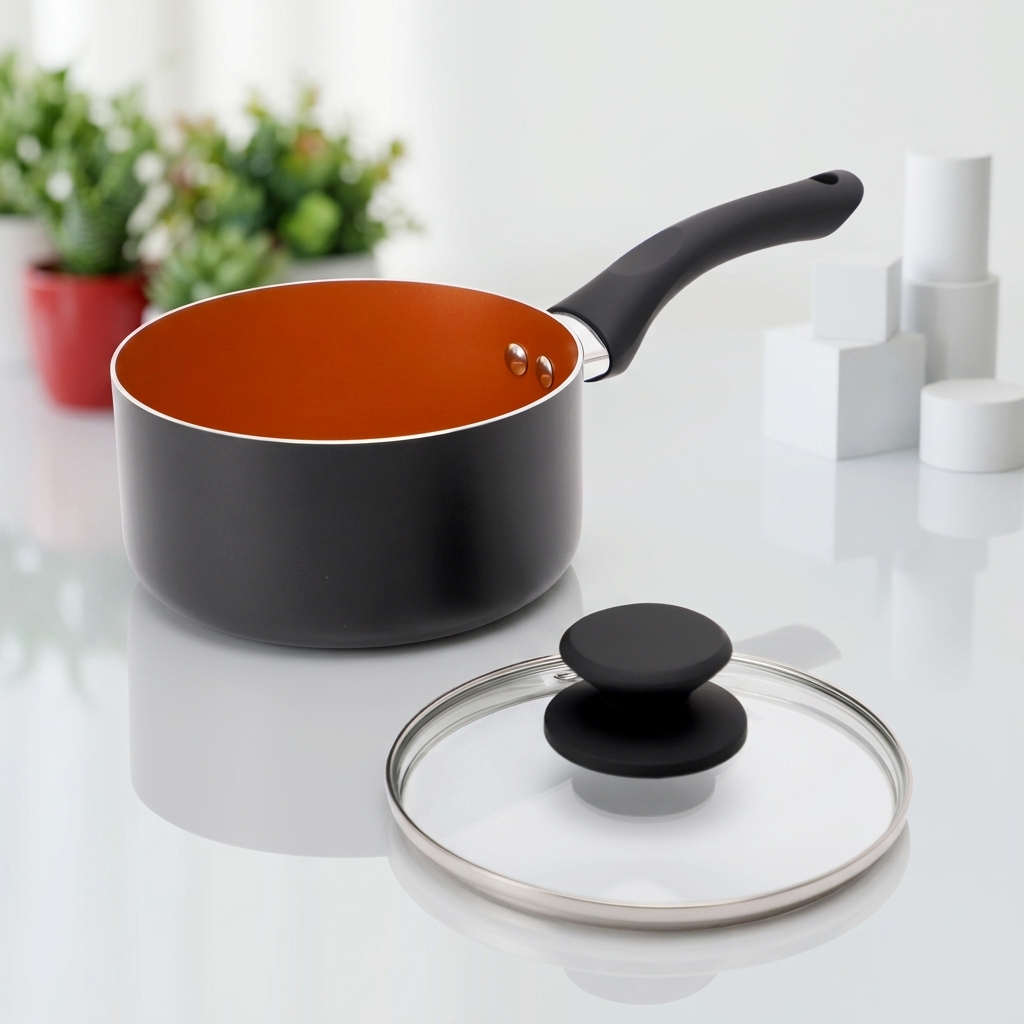
1.5QT Modern Metal Sauce Pan Glass Lid Non-Stick Coating 2-Layer Ceramic Interior Eco-Friendly Black Bakelite Soft Touch Handle
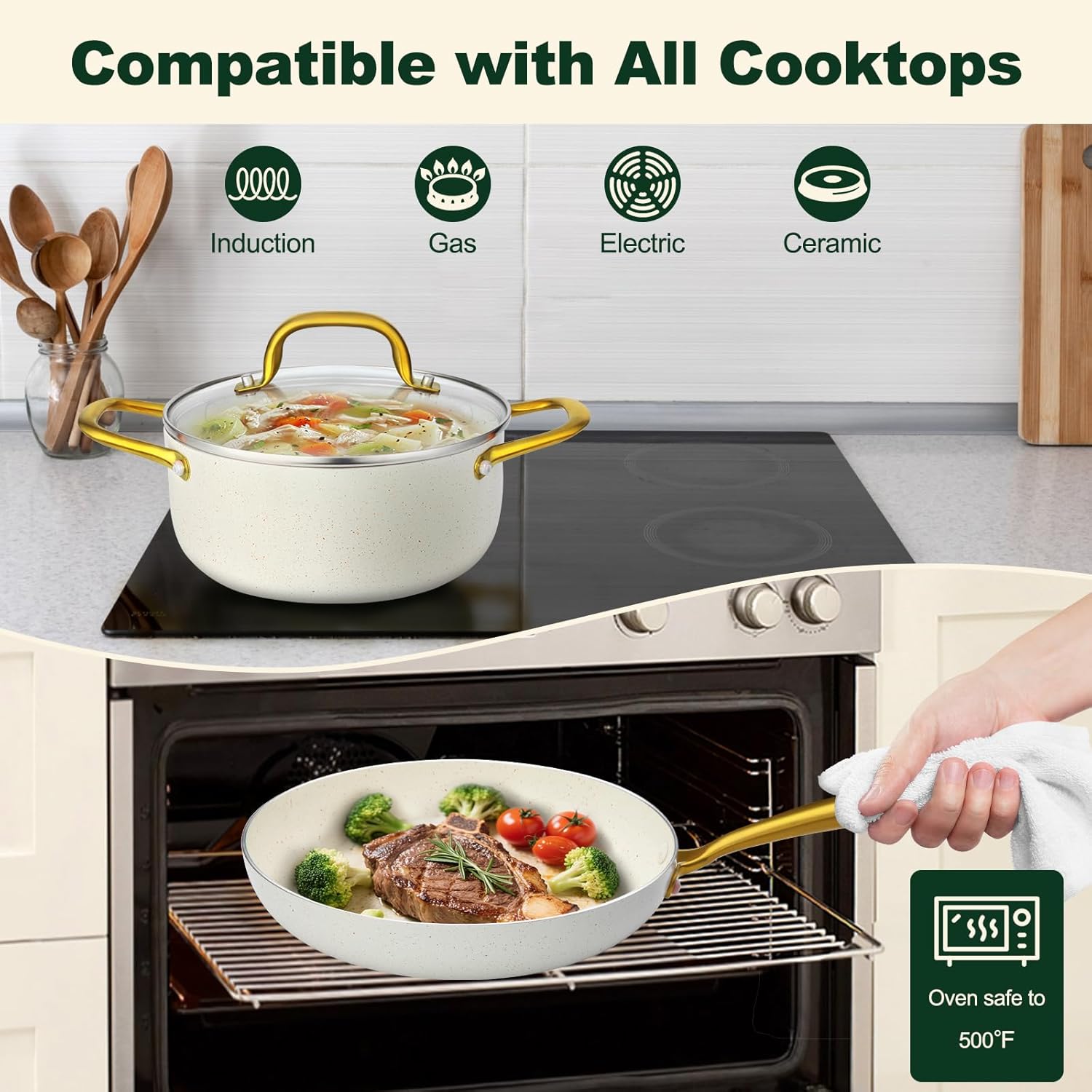
5-PIECE Classic Kitchenware Set Stainless Steel Handle PVD Ceramic Coating Interior Glass Lid Induction Bottom Eco-Friendly
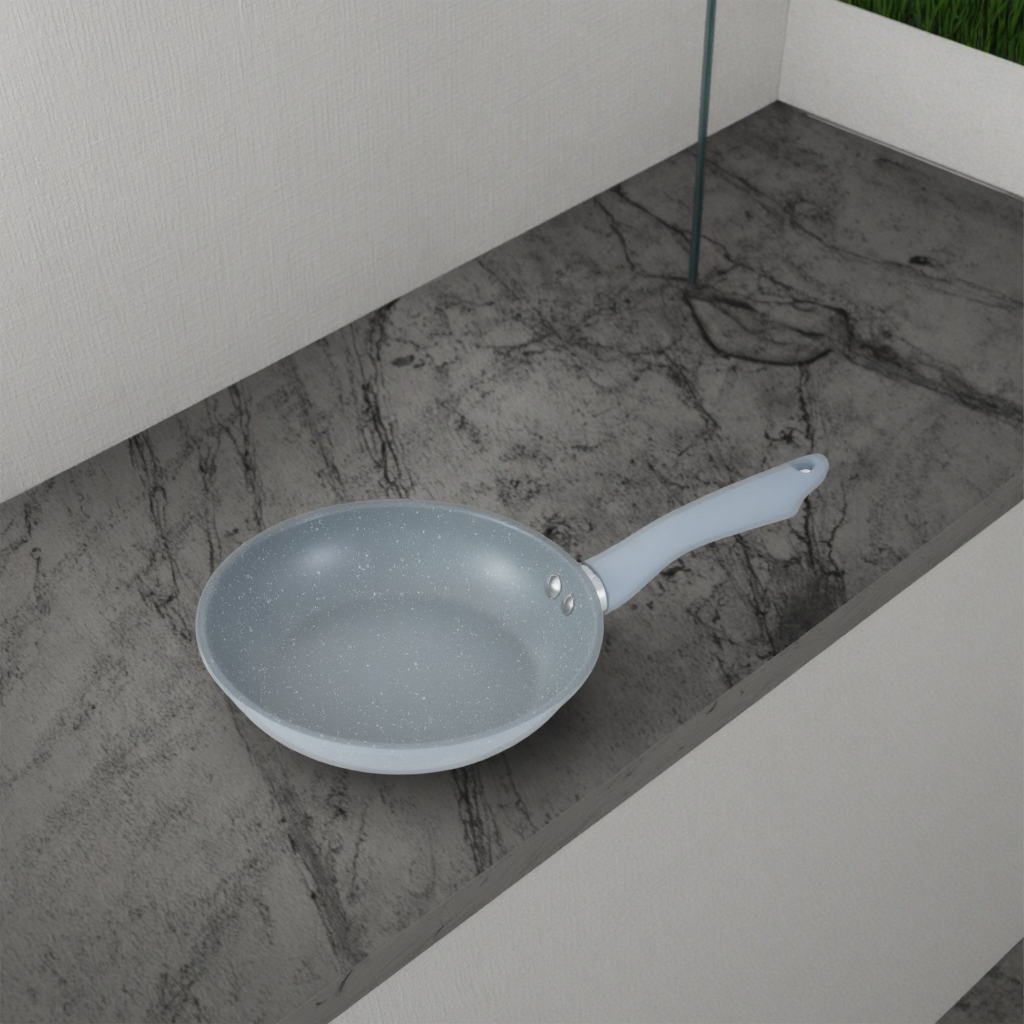
10-Inch Heavy Gauge Carbon Steel Fry Pan with Bakelite Soft Touch Handle Ceramic Non-Stick Eco-Friendly Pans
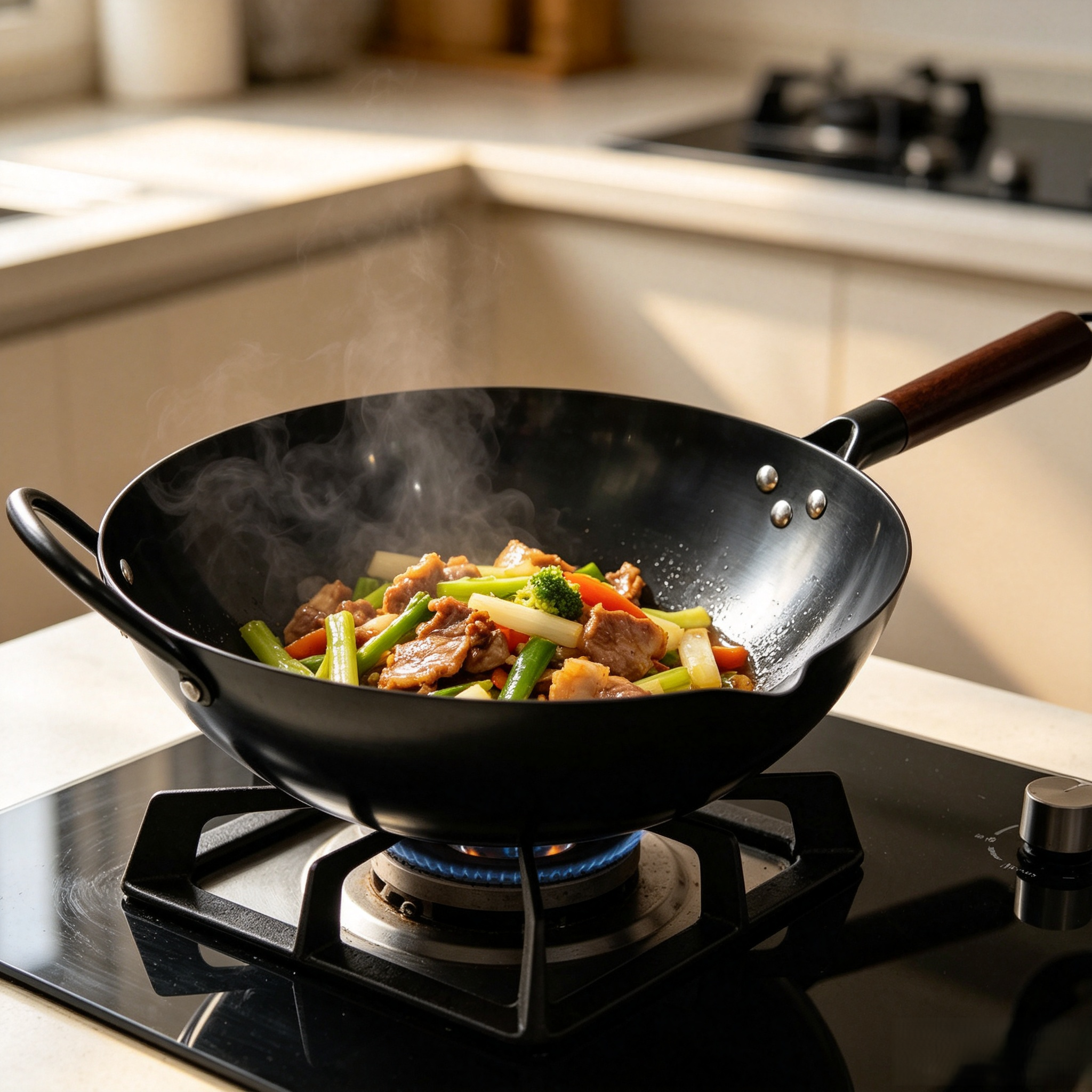
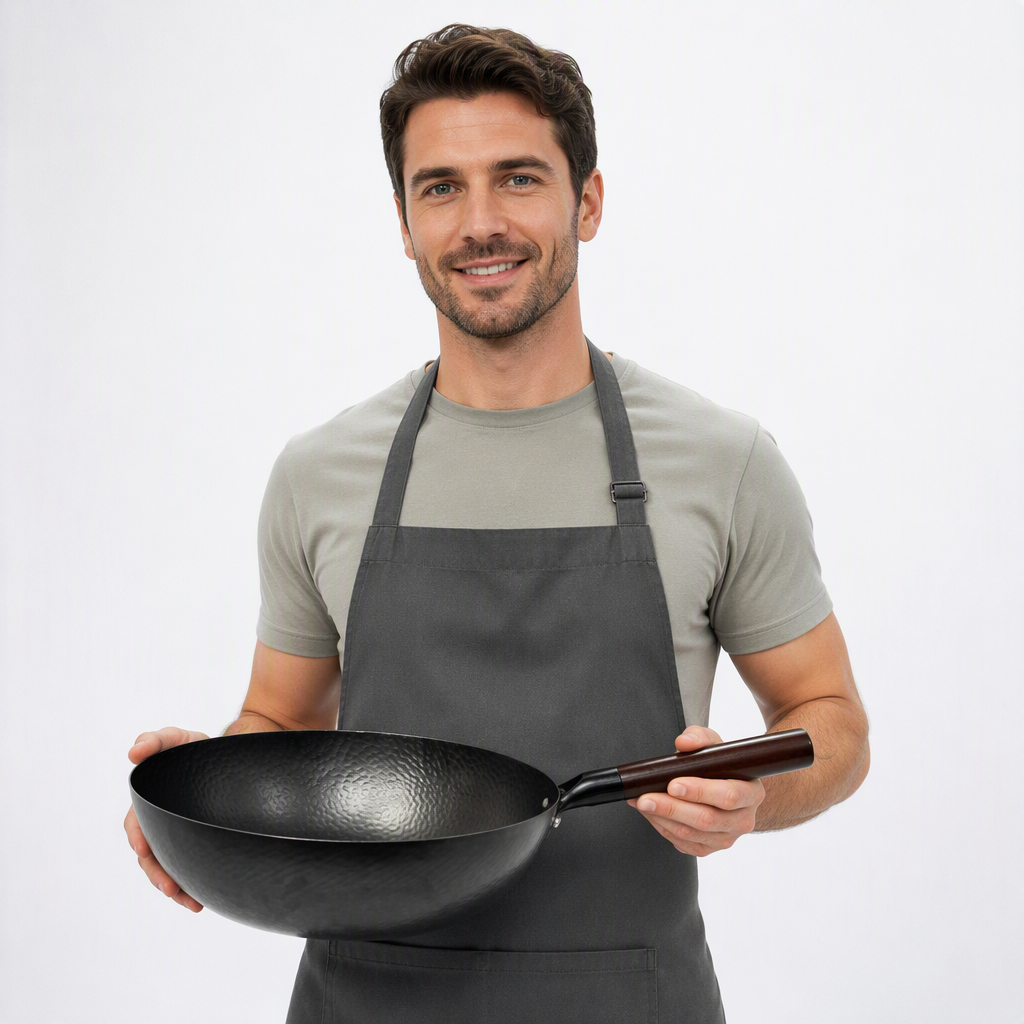
OEM/ODM 28/30/32/34cm Healthy Nitrided No Coating Carbon Steel Wok Gas & Induction Ready Tempered Glass Lid Wooden Handle
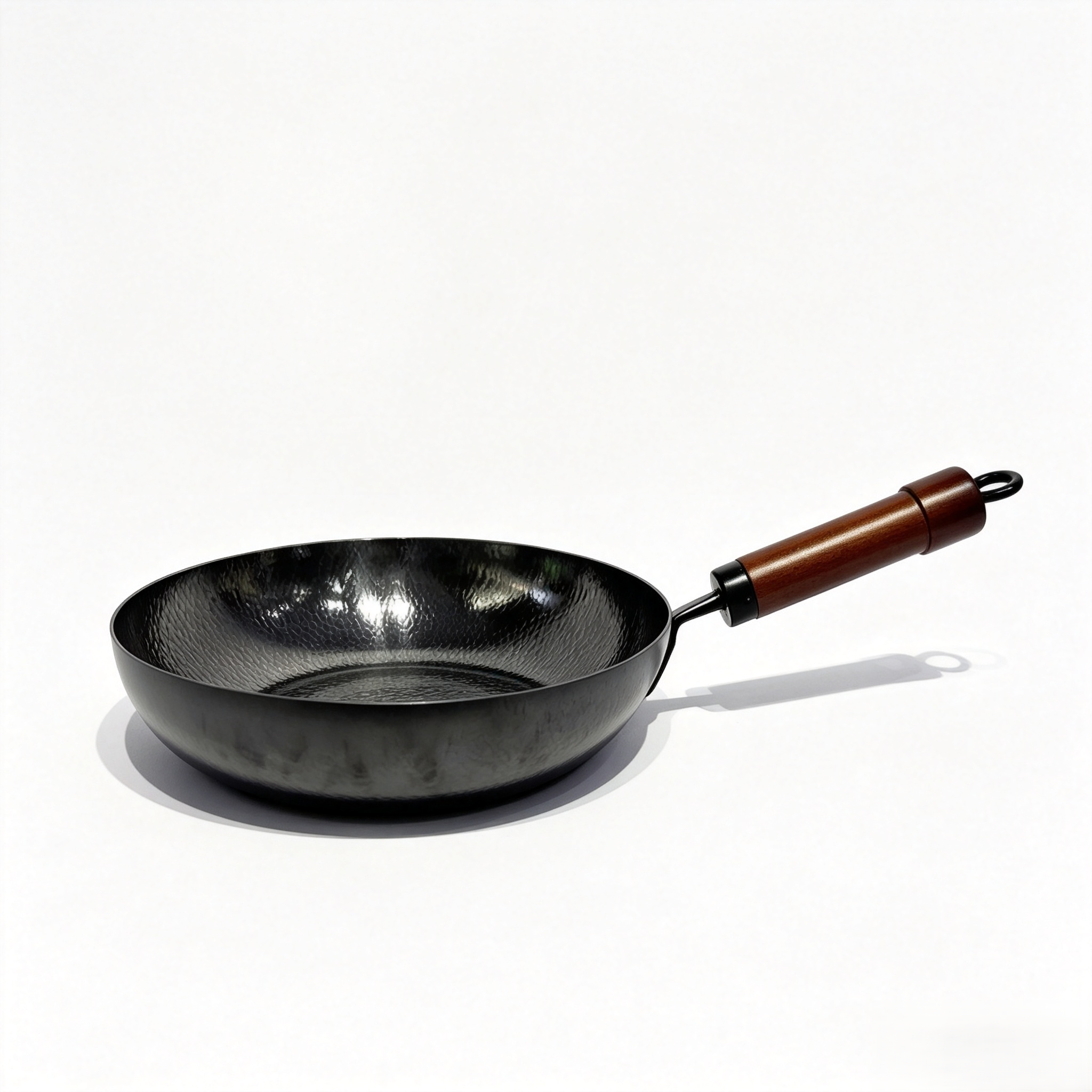
Modern CAMRY Eco-friendly No Coating Nitrided Hammered Carbon Steel Wok Cookware Wooden Handle 2-3L Capacity Gas Induction
20+
Years Industry Expertise
105
Skilled Technical Staff
100%
TÜV Rheinland Verified
50+
Global Export Markets
Executive Metallurgy & Manufacturing Physics of Aluminum Cookware
In the global B2B cookware procurement landscape, selecting an OEM/ODM aluminum frying pan manufacturer requires a rigorous understanding of material science, structural engineering, and surface chemistry. Aluminum remains the dominant substrate for commercial and residential fry pans, representing over 62% of the global cookware market volume. This dominance stems from its exceptional thermal conductivity ($237 \text{ W/m}\cdot\text{K}$), low volumetric density ($2.70 \text{ g/cm}^3$), and cost-efficiency relative to stainless steel and copper.
Information Gain Insight: Not all aluminum cookware is created equal. The structural performance, warp resistance under rapid thermal cycling (thermal shock), and non-stick coating longevity depend directly on the alloy grain structure, forming technique (stamped pressing vs. cold forging), and base thermal plate bonding mechanics.
1. Substrate Alloy Selection: 3003 vs. 1100 vs. 6063 Aluminum Alloys
As a primary original equipment manufacturer based in Jinhua, Zhejiang, Zhejiang MEIS Kitchenware Co., Ltd. utilizes high-purity aluminum alloys tailored to specific performance requirements:
- AA3003 Alloy (Aluminum-Manganese): The industry standard for forged and deep-drawn pressed cookware. The addition of 1.0–1.5% Manganese increases mechanical strength by ~20% over pure aluminum without compromising thermal diffusivity or ductility. AA3003 exhibits superior resistance to atmospheric and chemical corrosion, making it the ideal substrate for multi-layer non-stick spray applications.
- AA1100 Alloy (Commercial Pure Aluminum): Formed with 99.0% pure aluminum content, offering maximum heat diffusion ($k \approx 222 \text{ W/m}\cdot\text{K}$). Highly ductile, AA1100 is typically deployed for cost-optimized, lightweight stamped pressed frying pans targeted at mass-market retail campaigns and promotional programs.
- AA6063 / Die-Cast Alloys (Aluminum-Silicon-Magnesium): Utilized for complex geometric profiles, integrated helper handles, and ultra-heavy-gauge commercial frying pans. Die-casting enables variable wall thickness (e.g., a 5.0mm thick thermal distribution base tapering to a 2.5mm rim), minimizing structural weight while completely eliminating thermal warping on high-wattage commercial hobs.
Pressed (Stamped) Aluminum Forming
Stamping involves feeding cold aluminum alloy sheets into high-speed hydraulic presses ranging from 200 to 600 tons of clamping force. The process creates uniform wall and base thickness (typically 1.8mm to 3.0mm).
Key Procurement Advantages: Rapid production cycle times (up to 1,200 units/hour per line), highly competitive unit costs, lightweight ergonomic handling, and optimal suitability for entry-to-mid level retail program pricing.
Cold-Forged (Die-Forged) Aluminum Manufacturing
Cold forging subject heavy aluminum discs to extreme hydraulic pressure (1,000 to 2,500 tons). This forces the metal flow into precision dies, creating a thick base (4.0mm to 6.0mm) paired with thinner side walls (2.8mm to 3.5mm) and a reinforced heavy rim.
Key Procurement Advantages: Outstanding structural resistance to thermal warping up to 300°C, high thermal mass for superior heat retention and searing capabilities, premium hand feel, and long service life.
Substrate Engineering & B2B Selection Matrix
Comprehensive technical comparison for procurement officers, private-label brand managers, and commercial buyers evaluating production specifications.
| Performance Specification | Pressed Aluminum | Forged Aluminum | Hard-Anodized Aluminum | Nitrided Carbon Steel |
|---|---|---|---|---|
| Base Gauge Thickness Range | 1.8mm – 3.2mm | 3.8mm – 6.0mm | 3.5mm – 5.5mm | 1.2mm – 2.5mm |
| Thermal Conductivity ($k$) | ~220 W/m·K (Extremely Fast) | ~205 W/m·K (Balanced Diffusivity) | ~190 W/m·K (High Retention) | ~54 W/m·K (High Heat Spot/Searing) |
| Warping Resistance (@260°C) | Moderate (Requires disc design) | Exceptional | Exceptional | High (Rigid Grain Structure) |
| Induction Efficiency Coefficient | Depends on Bonded Steel Disc | High (Impact-Bonded Plate) | High (Integrated Base) | 100% Native Magnetic |
| Surface Hardness (Vickers HV) | HV 35 - 45 (Uncoated Base) | HV 45 - 65 (Uncoated Base) | HV 350 - 500 (Hard Layer) | HV 600 - 850 (Nitrided Layer) |
| Target Retail Price Tier | Value / Volume Supermarket | Mid-to-High Retail / E-Commerce | Premium Professional / Boutique | Eco-Health / Professional Asian Cookware |
| Typical Mass Production Lead Time | 25 - 35 Days | 35 - 45 Days | 40 - 50 Days | 30 - 40 Days |
Advanced Surface Coating Systems & Regulatory Compliance
The non-stick surface coating represents the primary point of consumer interaction and the leading factor in product longevity and brand reputation. At Zhejiang MEIS Kitchenware Co., Ltd., our automated multi-stage wet-on-wet spray lines and continuous infrared curing tunnels operate under rigorous quality controls, supporting multiple coating chemistries:
Sol-Gel Inorganic Ceramic Coatings
Formulated via a silica-based sol-gel process, ceramic coatings cure at lower thermal thresholds while establishing a dense, glass-like ceramic matrix.
- Environmental Compliance: 100% free of PFAS, PFOA, PFOS, Lead, and Cadmium.
- Thermal Threshold: Extreme heat tolerance up to 450°C (842°F) without toxic fume release or thermal decomposition.
- Market Trend: High consumer demand across North America and Western Europe for eco-healthy, green kitchenware positioning.
Granite & Marble Speckle Coatings
Multi-layer fluoropolymer matrix (2-layer, 3-layer, or 5-layer reinforced system) embedded with mineral, granite, or ceramic hard particles.
- Abrasion Resistance: Surpasses 20,000 to 50,000 cycles under British Standard BS EN 12983-1 dry rub testing.
- Visual Customization: Customizable color palettes (white marble, gray granite, champagne gold, stone texture) for trendy private-label collections.
- Non-Stick Performance: Low surface energy ($\gamma < 18 \text{ mN/m}$) providing effortless food release and oil-reduced cooking.
Plasma Titanium & Nitriding Technologies
For ultra-heavy duty carbon steel and forged aluminum lines, we deploy plasma-arc spraying of titanium particles or gas-nitriding surface treatments.
- Gas Nitriding (Carbon Steel): Thermo-chemical diffusion of nitrogen into steel, forming an iron nitride layer ($\epsilon$-phase) resistant to rust, scratching, and high-heat wok cooking.
- PFAS-Free Natural Non-Stick: Provides an uncoated, eco-friendly surface that seasons naturally over time.
- Professional Grade: Ideal for high-heat stir-frying, Asian culinary lines, and commercial restaurant gear.
Future B2B Procurement Trends & Global Market Shifts
Strategic foresight for cookware importers, retail category managers, and brand owners navigating regulatory shifts, carbon tariffs, and consumer preferences.
1. ESG Compliance & Recycled Aluminum (PCR/PIR) Integration
Global brand leaders are rapidly transitioning toward sustainable supply chains driven by the EU Carbon Border Adjustment Mechanism (CBAM) and consumer ESG expectations. The manufacturing of primary aluminum requires approximately $14 \text{ kWh/kg}$ of electrical energy. In contrast, utilizing post-consumer recycled (PCR) or post-industrial recycled (PIR) aluminum scrap consumes 95% less energy (approx $0.7 \text{ kWh/kg}$).
Zhejiang MEIS Engineering Roadmap: We offer certified 75%+ and 100% recycled aluminum alloys (traceable via SCS/ISO 14021 standards) for custom OEM orders, enabling brand clients to market verifiable low-carbon cookware lines with reduced carbon footprints.
2. Detachable Handle Systems & CBM Freight Optimization
With international maritime freight rates exhibiting ongoing volatility, shipping volume efficiency (cubic meters per container) directly impacts landed unit costs. Traditional fixed-handle frying pans incur high volumetric waste due to empty air space inside master cartons.
Logistics Optimization: Our modular detachable handle designs (engineered with dual-lock safety mechanisms meeting EN 12983-1 load-bearing tests) allow pans to nest compactly. This reduces master carton volume by 35% to 48%, effectively increasing standard 40ft HQ container loading capacity from ~6,000 units to over 11,000 sets.
3. Full-Bound Thermal Induction Bottoms (Energy Efficiency)
As induction cooktop penetration rates surpass 45% in Western Europe and East Asia, legacy perforated stamped induction plates are being superseded by full-bound, cold-impacted magnetic stainless steel bottoms (AISI 430 grade).
Full-bound induction bases eliminate thermal distortion, prevent moisture entrapment during dishwasher cycles, and deliver 18% higher magnetic energy transfer efficiency. This ensures rapid heating and compliance with modern energy-rating requirements.
4. PFAS Phase-Out Legislation & Material Transition
Legislative mandates across the European Union (REACH restrictions) and various US states (e.g., California AB 1200, Minnesota PFAS prohibitions) are accelerating the phase-out of traditional fluoropolymer coatings. Importers must proactively audit their factory supply chains.
Compliance Assurance: MEIS Kitchenware provides complete analytical testing documentation (TÜV Rheinland, SGS, FDA 21 CFR 175.300, LFGB § 30/31) for all non-stick coatings, ensuring zero cross-contamination and 100% legal compliance across global import customs.
Manufacturing Excellence: Zhejiang MEIS Kitchenware Co., Ltd.
Located in the heart of China's hardware capital—Jinhua, Zhejiang—our facility integrates end-to-end tooling, pressing, CNC machining, surface treatment, and automated packaging.
TÜV Rheinland Verified Facility
Our manufacturing operations, quality control protocols, financial integrity, and workforce conditions are independently audited and on-site verified by TÜV Rheinland. Importers can bypass third-party preliminary audits with confidence.
In-House Tooling & CNC Precision
Equipped with proprietary mold-making shops, precision lathes, and CNC machining centers, we accelerate ODM concept-to-sample lead times down to 10–15 business days while maintaining strict geometric tolerances.
Full Turnkey OEM / ODM Solutions
From minor brand customization (laser logo etching, custom Pantone color matching, color sleeve packaging) to ground-up custom tooling development, our engineering team manages your production run from blueprint to FOB export delivery.
In-House Rigorous Testing Laboratory
Every production batch undergoes mandatory internal testing: Salt Spray Testing (corrosion resistance of outer coatings and steel discs), Handle Thrust & Torsion Testing (ensuring rivet and weld joint safety under heavy payloads), Cross-Hatch Adhesion Testing (ASTM D3359 standards), and Thermal Shock Resistance Checks (repeated water quenching from 250°C).
Strategic Procurement FAQ (Frequently Asked Questions)
Clear, definitive answers to common supply chain, engineering, and commercial questions raised by global cookware buyers.
Is Zhejiang MEIS Kitchenware Co., Ltd. a direct factory or a trading company?
Zhejiang MEIS Kitchenware Co., Ltd. is a verified Manufacturer and Trading Company operating its own integrated pressing, CNC machining, automated spray coating, assembly, and testing lines in Dongnan Industrial Zone, Shuxi Street, Jinhua, Zhejiang, China. Our facilities have been assessed on-site by TÜV Rheinland. We handle direct export operations for global importers, brand owners, and retail chains.
What is your Minimum Order Quantity (MOQ) for custom OEM orders?
Minimum Order Quantities depend on the cookware category, forming technique, and degree of customization:
- Custom Cookware Sets: Standard MOQ is 1,000 to 1,500 sets per configuration.
- Single Frying Pans (Pressed/Forged): 1,500 to 3,000 pieces per size and colorway.
- Carbon Steel Woks & Pans: 2,000 to 3,000 pieces per specification.
- Trial Orders: Selected stock models and low-customization runs can be arranged from 50 to 500 units for market testing upon request.
What non-stick coating options and health certifications do you provide?
We offer a comprehensive portfolio of surface coatings tailored to target price points and regional compliance rules:
- Ceramic Non-Stick: 100% PFOA/PFAS/Lead/Cadmium free inorganic sol-gel coatings.
- Granite & Marble Speckle: High-durability multi-layer non-stick systems with high abrasion resistance.
- Hard Anodized: Electrochemical treatment for forged aluminum, creating an ultra-hard surface base.
- Nitrided Carbon Steel: Chemical nitrogen diffusion creating rust-resistant, non-coated natural wok surfaces.
How do you ensure induction hob compatibility on aluminum frying pans?
Since aluminum is non-magnetic, we integrate high-permeability AISI 430 stainless steel induction discs onto the pan base. Depending on project specifications, we utilize either impact-bonding (friction forging under high press tonnage) or flame-spraying magnetic alloy treatments. Carbon steel frying pans and woks are naturally ferromagnetic and achieve 100% native induction compatibility without requiring added plates.
What is the lead time for tooling samples and mass production?
- Existing Models with Custom Branding/Packaging: Sample turnaround in 5–7 business days.
- New ODM Tooling & Custom Mold Fabrication: 15–25 days for mold engineering and pre-production approval samples.
- Mass Production Lead Time: Standard delivery is 35 to 45 days after deposit confirmation and artwork approval.
What is the technical difference between Pressed and Forged Aluminum pans?
Pressed aluminum pans are stamped from uniform-thickness sheet metal (typically 1.8mm–3.0mm), providing a lightweight, cost-efficient product ideal for promotional and entry-level retail programs. Forged aluminum cookware is die-forged under heavy hydraulic pressure, allowing a thick heat-retaining base (4.0mm–6.0mm) combined with lighter side walls and reinforced rims. Forged cookware provides superior warp resistance, heat distribution, and a premium weight feel suited for mid-to-high-end retail collections.
Partner with a Verified OEM/ODM Aluminum Cookware Manufacturer
Accelerate your product development cycle, secure competitive factory-direct pricing, and elevate your cookware brand with engineering-backed manufacturing from Zhejiang MEIS Kitchenware Co., Ltd.