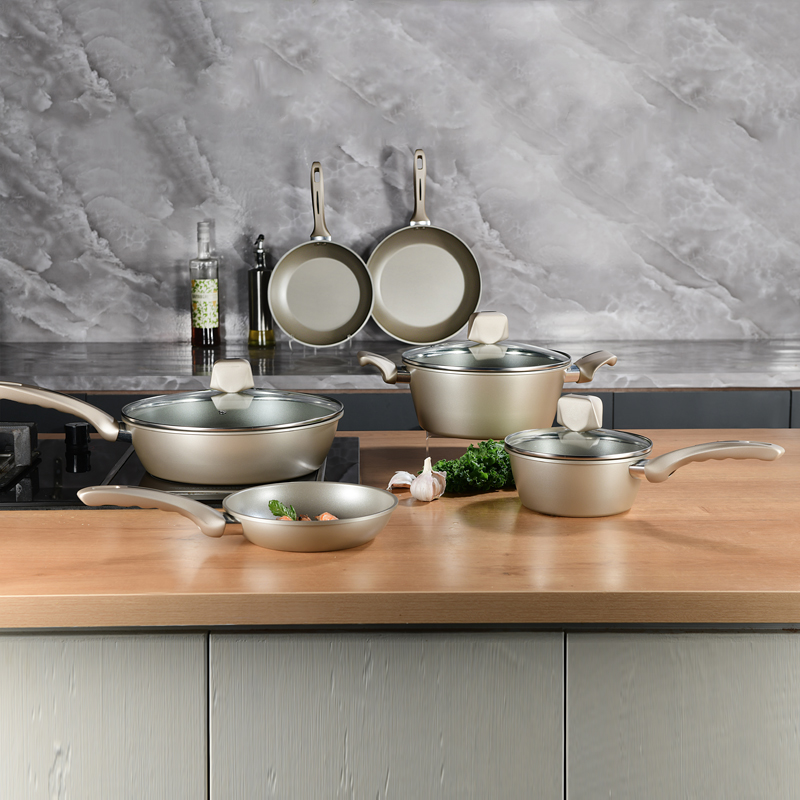
OEM/ODM Aluminum Stock Pot Factories & Exporters
A verified-factory sourcing guide for importers, distributors, foodservice chains and private-label brands seeking induction-ready, PFOA-free aluminum stock pots with disciplined quality control, in-house tooling and export-ready packaging.
Recommended OEM / ODM products
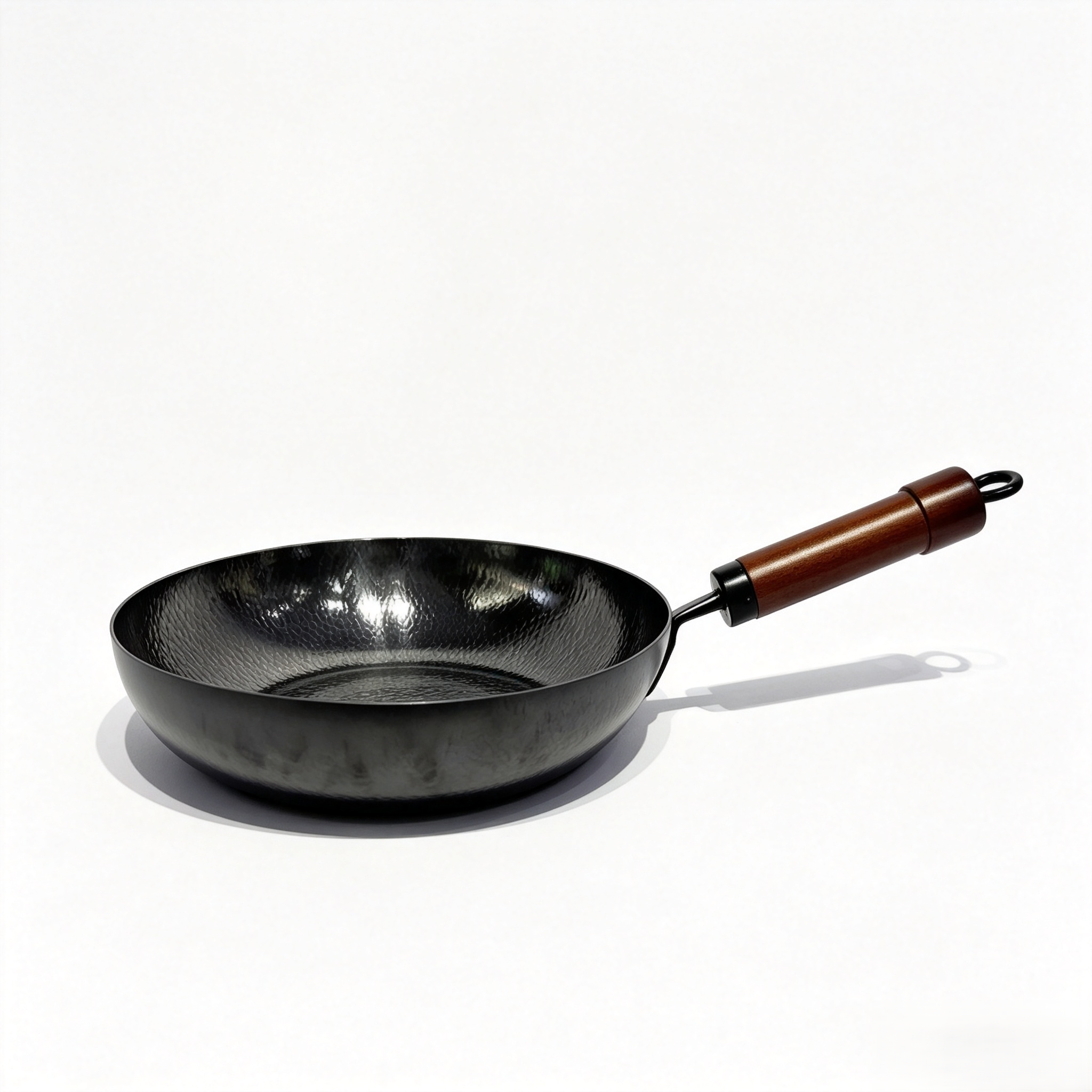
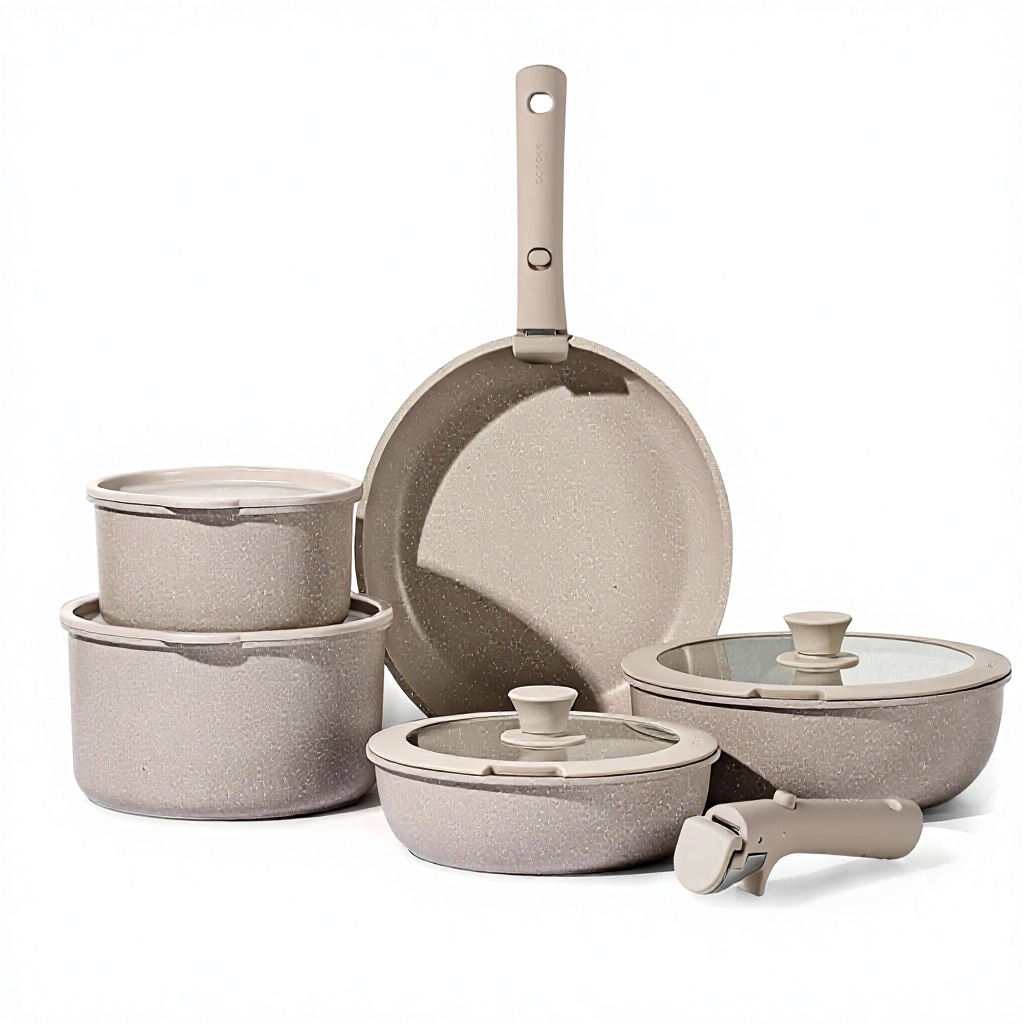
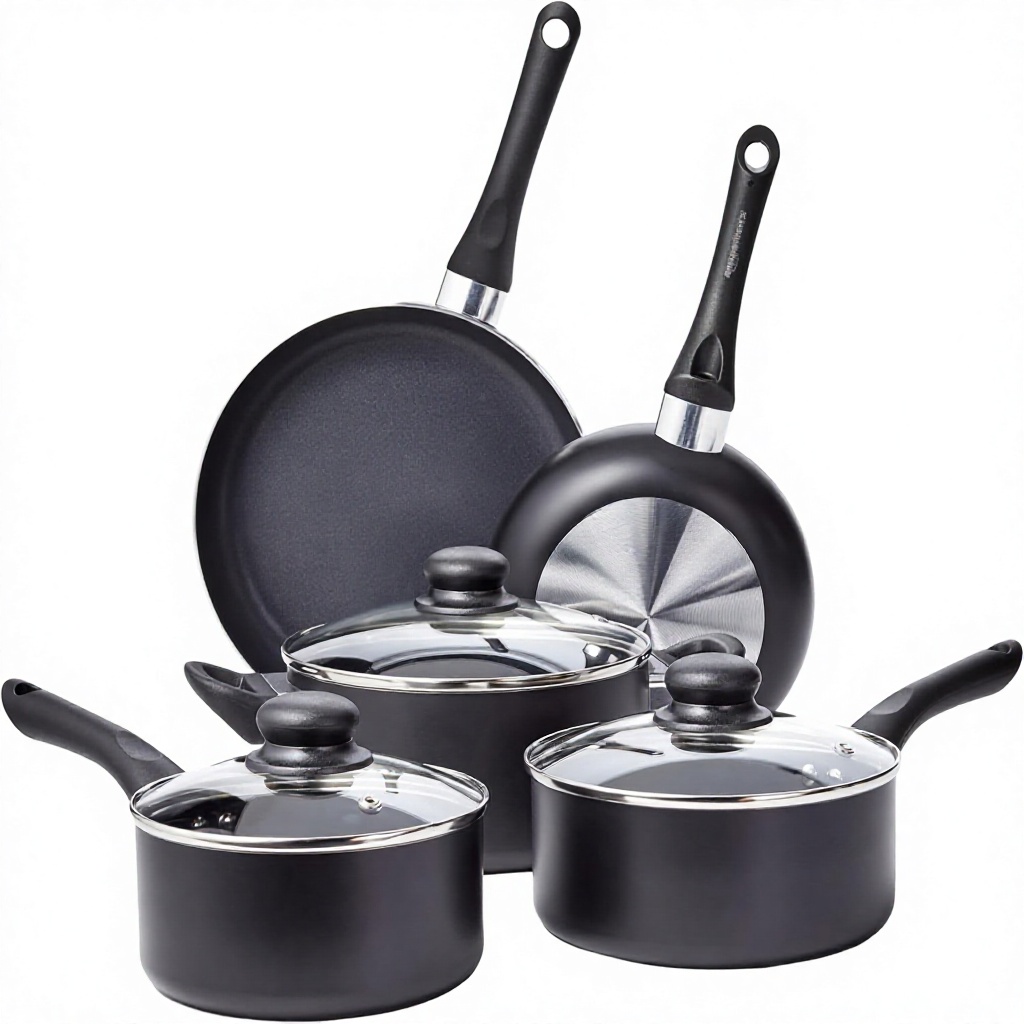
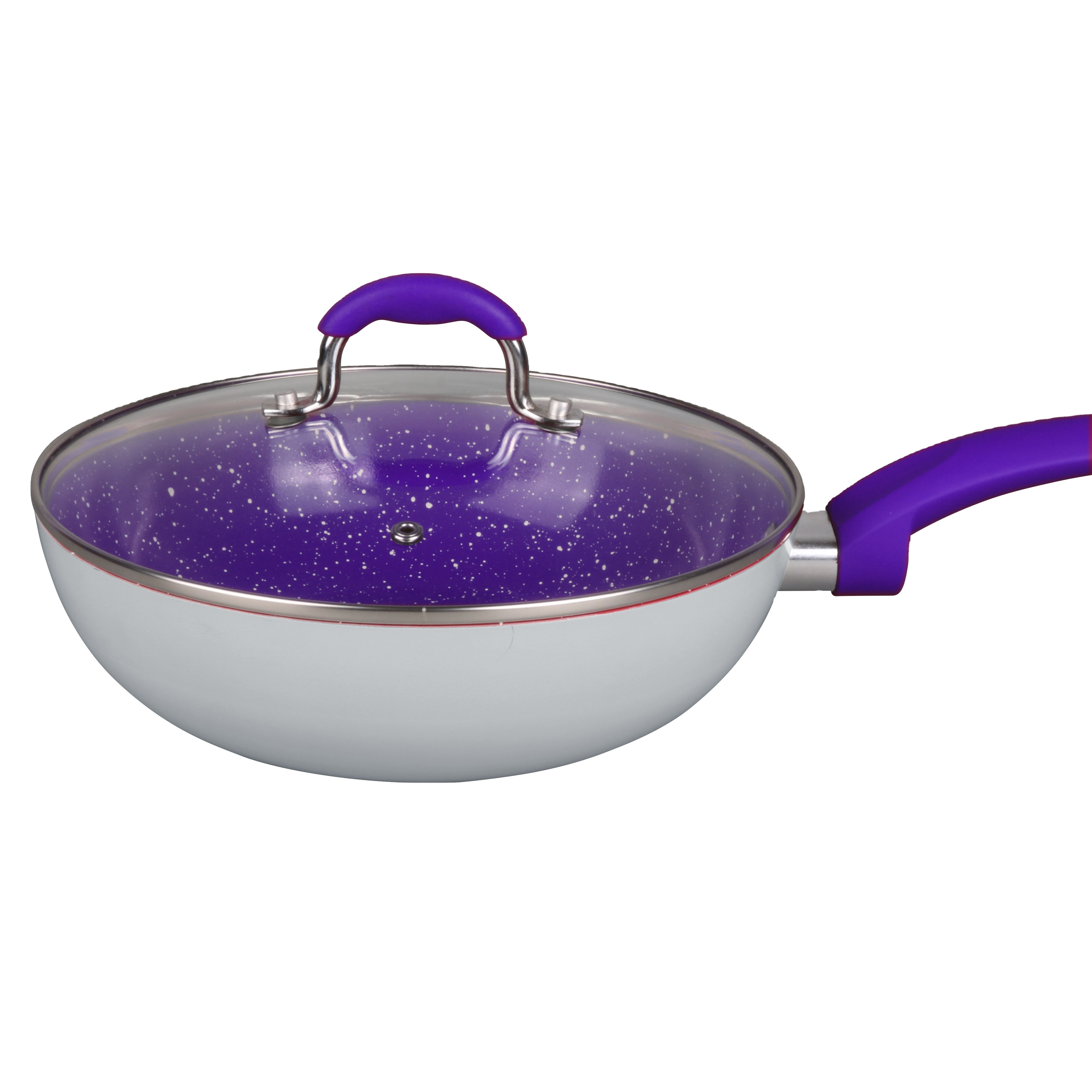
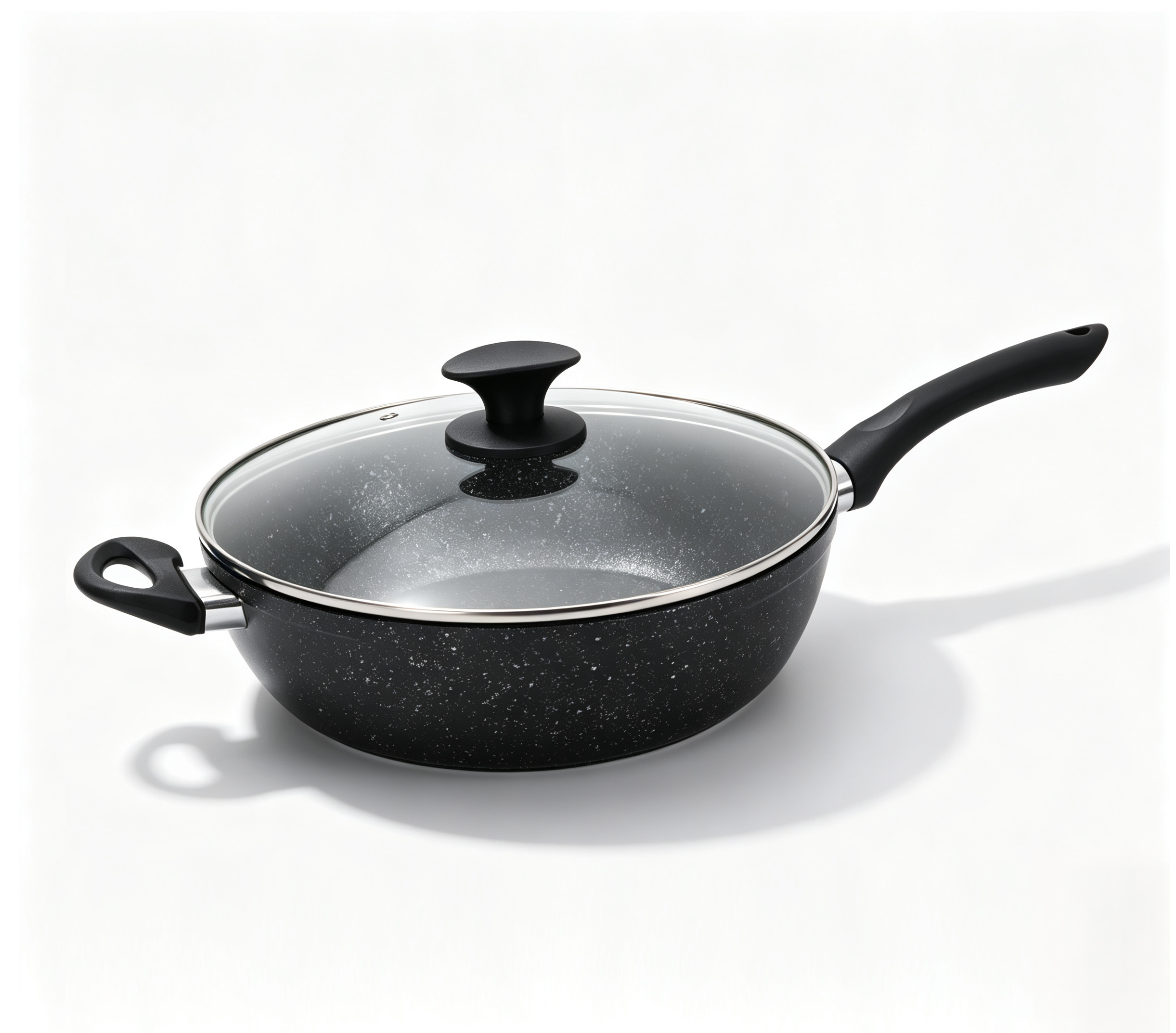
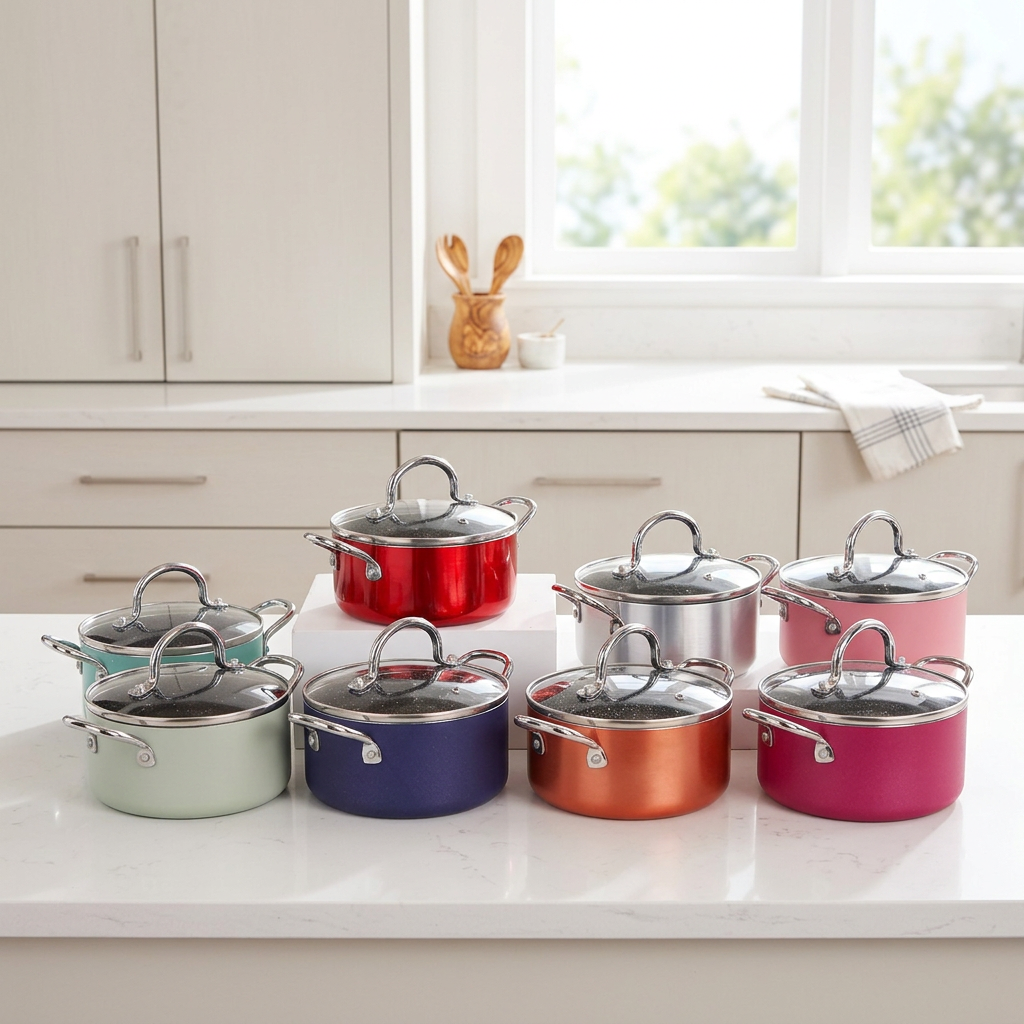
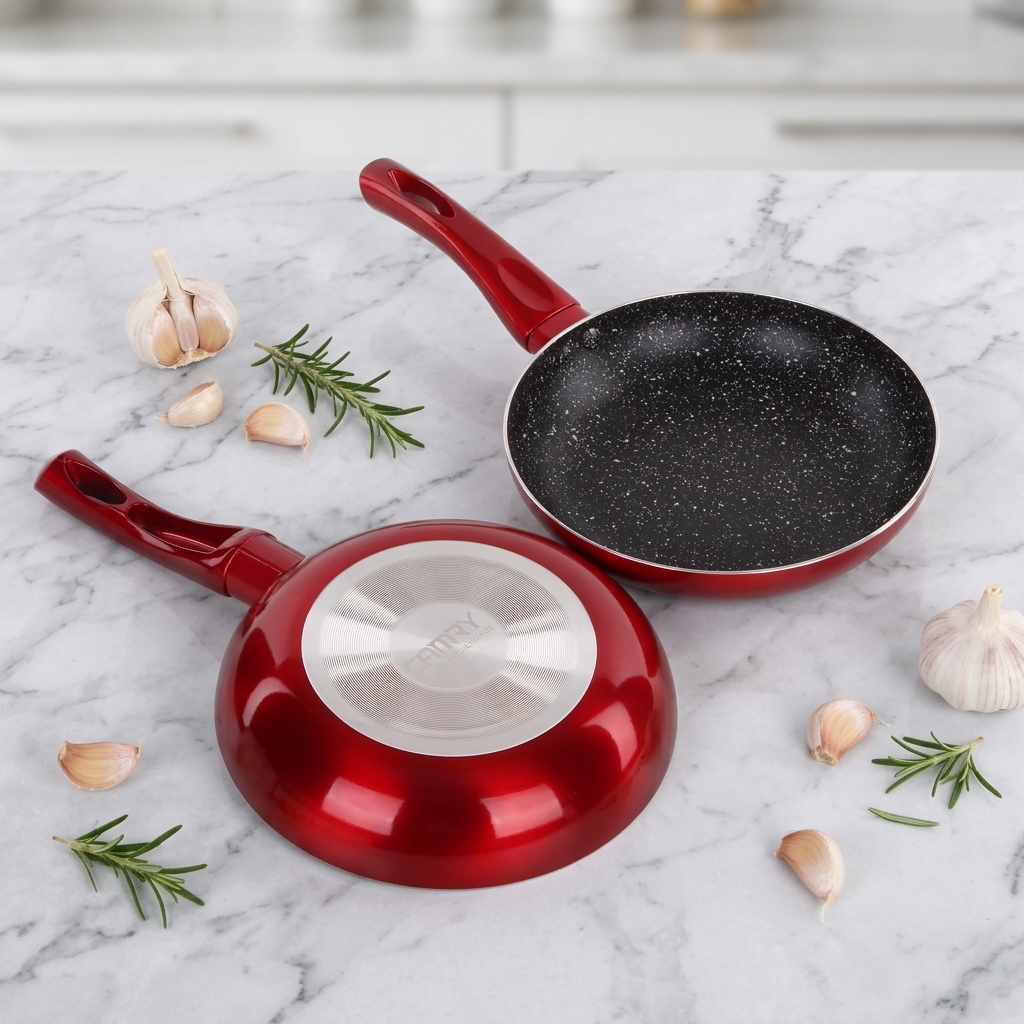
Eight Export-Ready Products for Stock Pot and Cookware Programs
These models show the breadth of the MEIS manufacturing platform: pressed and forged aluminum, carbon steel, nonstick and ceramic coatings, detachable handles, induction-ready bases and retail-ready cookware sets. Buyers often build a stock pot program around these companion items to create a complete kitchenware container.
TÜV Rheinland on-site assessed
OEM / ODM / private label
Jinhua, Zhejiang, China
Procurement intelligence
Why Aluminum Stock Pot Sourcing Rewards Process Control, Not Price Alone
Aluminum stock pots sit at the center of high-repeat kitchenware programs. They are used for stocks, soups, sauces, boiling, bulk catering, food preparation and institutional cooking. For importers, distributors, foodservice suppliers and private-label brands, the buying decision is rarely only about price per quart. It is about whether the factory can repeat the same gauge, base flatness, coating quality, handle strength and lid fit across multiple purchase orders while keeping export packaging and delivery predictable.
A stock pot is also a demanding product to manufacture at volume. Large diameters magnify small forming errors; a base that is not flat enough can rock on a glass hob; an under-specified handle can loosen under a full pot; and a coating system that is not matched to the cooking environment can fail early in foodservice. That is why experienced buyers evaluate an OEM/ODM aluminum stock pot factory through evidence: in-house pressing, CNC finishing, cleaning, spray coating, assembly and testing, plus a documented inspection routine.
Zhejiang MEIS Kitchenware Co., Ltd. operates from Dongnan Industrial Zone, Shuxi Street, Jinhua, Zhejiang, one of China’s established hardware and kitchenware clusters. The company has 20 years in the industry, 18 years on Alibaba.com, a 105-person team and more than 10 years of global export experience. Its premises have been assessed on-site by TÜV Rheinland. This guide draws on those verified capabilities to explain how global buyers can compare aluminum stock pot factories, plan future procurement and reduce risk before placing a private-label order.
Future procurement trends
Five Buying Shifts Shaping Aluminum Stock Pot Programs
Procurement teams are consolidating suppliers, asking for more technical evidence and planning ranges that work across gas, electric and induction kitchens. The strongest RFQs now combine product performance with packaging, compliance documentation and repeat-order consistency.
Induction-Ready Demand
More buyers request aluminum stock pots with an induction base or a verified multi-hob specification. Flat base control and base-to-body bonding become qualification points, not optional features.
Clean-Label Coatings
PFOA-free options, ceramic coatings, granite and marble speckle finishes and titanium-reinforced nonstick systems are increasingly requested for retail and e-commerce ranges.
Verified Factory Preference
Importers are reducing dependence on intermediaries. On-site assessment, raw material inspection, finished-product inspection and in-house process lines provide stronger evidence than a catalogue alone.
Mixed Containers and Trial Orders
Buyers want to test a market before committing to a full container. Selected fry pans can start from 50 pieces for trial orders, while most custom cookware programs are quoted from 1,000 to 3,000 pieces or sets per item.
Illustrative Procurement Priority Map
Based on recurring RFQ criteria handled by the MEIS export team. Actual weighting varies by market, channel and product specification.
Product development trends
How Aluminum Stock Pots and Companion Cookware Are Evolving
The next generation of stock pot programs is being designed around versatility, stackability and visual shelf appeal. Buyers want one factory to supply the large pot, the lid, the coated fry pan, the wok and the retail set without losing control of tolerances.
Thicker, Flatter Bases
Larger capacities place more stress on the base. Pressed and forged aluminum bodies with CNC-finished bases help stabilize contact on glass, gas and induction hobs.
Multi-Layer Coating Systems
Ceramic, granite, marble speckle, titanium-reinforced and hard-anodized finishes allow buyers to separate value, mid-tier and premium lines from one manufacturing platform.
Detachable and Space-Saving Handles
Detachable handles, stackable bodies and nested sets reduce warehouse and retail shelf space. They also create strong product stories for e-commerce and small-apartment markets.
Retail-Ready Packaging
Color labels, gift boxes, bulk cartons and barcode-ready packaging are becoming part of the quotation. Packaging decisions affect carton dimensions, container loading and damage rates.
For stock pot buyers, the most practical development path is usually modular: choose a proven body shape, confirm capacity and base specification, then differentiate through coating, handle, lid, color and packaging.
Specification matrix
Aluminum Stock Pot Specifications Buyers Should Lock Before Quotation
Clear specifications shorten sampling rounds. The matrix below reflects the technical questions MEIS engineers ask before quoting an OEM or ODM stock pot program.
| Specification | Common Options | Why It Matters |
|---|---|---|
| Body material | Pressed aluminum, forged aluminum, carbon steel | Controls weight, heat response, cost and induction strategy. |
| Capacity | 8 qt, 12 qt, 16 qt, 20 qt, 30 qt, 40 qt, 60 qt; custom sizes | Capacity drives diameter, height, handle loading and packaging dimensions. |
| Body gauge | Light-duty retail, medium-duty home use, heavy-duty foodservice | Thicker gauge improves rigidity and warp resistance but changes landed cost. |
| Base construction | Standard aluminum base, induction base, forged thick base | Base flatness and bonding determine hob stability and induction performance. |
| Coating | Ceramic, granite, marble speckle, titanium-reinforced, hard-anodized | Coating type affects release, cleaning, color range and PFOA-free positioning. |
| Handles | Riveted, welded, bakelite, soft-touch, stainless steel, detachable | Handle strength and heat resistance are critical safety and review factors. |
| Lid | Tempered glass, stainless steel, aluminum, vented lid | Lid fit, venting and packed weight influence customer satisfaction and freight. |
| MOQ and packaging | Typical custom programs: 1,000–3,000 pcs or sets; selected trial items from 50 pcs | Order size, retail box, label, master carton and container plan all affect unit cost. |
Factory advantage
Why MEIS Is a Reliable OEM/ODM Aluminum Stock Pot Export Partner
E-E-A-T in manufacturing sourcing is earned through evidence: a verifiable location, real production equipment, repeatable inspection and a team that understands export documentation and buyer expectations.
Zhejiang MEIS Kitchenware Co., Ltd. is a custom kitchenware manufacturer with a 105-person team and 25 cooperating suppliers. The company is located in Dongnan Industrial Zone, Shuxi Street, Jinhua, Zhejiang, China, and has been assessed on-site by TÜV Rheinland. It has 20 years in the industry, 18 years supplying B2B buyers through Alibaba.com and more than 10 years of global export experience.
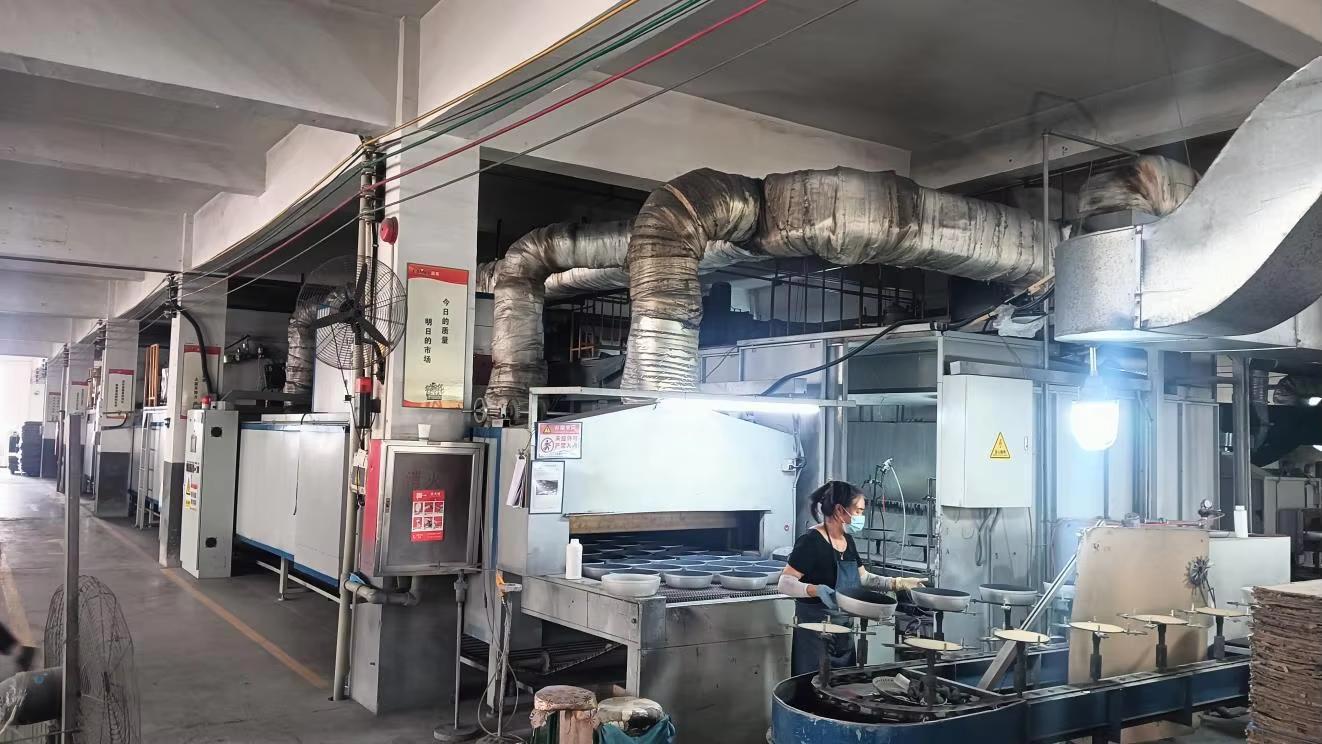
Unlike a catalogue-only intermediary, MEIS controls or coordinates the processes that determine stock pot durability: pressing, punching, CNC finishing, surface cleaning, spray coating, curing, assembly, testing and packing. In-house mold making, lathe and CNC tooling support quicker ODM sampling and private-label development. Available customization includes logo, packaging, color and graphics, design-based customization, full customization and ODM development.
- TÜV Rheinland on-site assessed supplier
- Own pressing, CNC, coating and assembly lines
- Raw material and finished product inspection
- Supplier assessment procedures
- In-house mold making, lathe and CNC tooling
- Retail box, color label and bulk export packing
20Years in kitchenware manufacturing
20+
Years in industry
18
Years on Alibaba.com
105
Team members
25
Cooperating suppliers
10+
Years global export
6
Core in-house process stages
OEM / ODM workflow
From Project Brief to Export Carton in Six Practical Steps
A disciplined workflow protects your launch timeline and reduces the risk of repeated sampling. The exact schedule depends on tooling, coating and packaging complexity.
Project Brief
Share target market, capacity range, price band, coating, lid, handle, packaging and compliance requirements. Drawings or reference samples help.
Design and Engineering
MEIS recommends body gauge, base construction, coating system, handle method and packing format to match cost and performance goals.
Sampling
In-house molds, lathe and CNC equipment support prototype samples for shape, coating, handle and logo approval.
Mass Production
Pressing, cleaning, spray coating, curing, assembly and packing run on dedicated lines with in-process checks.
Inspection and Testing
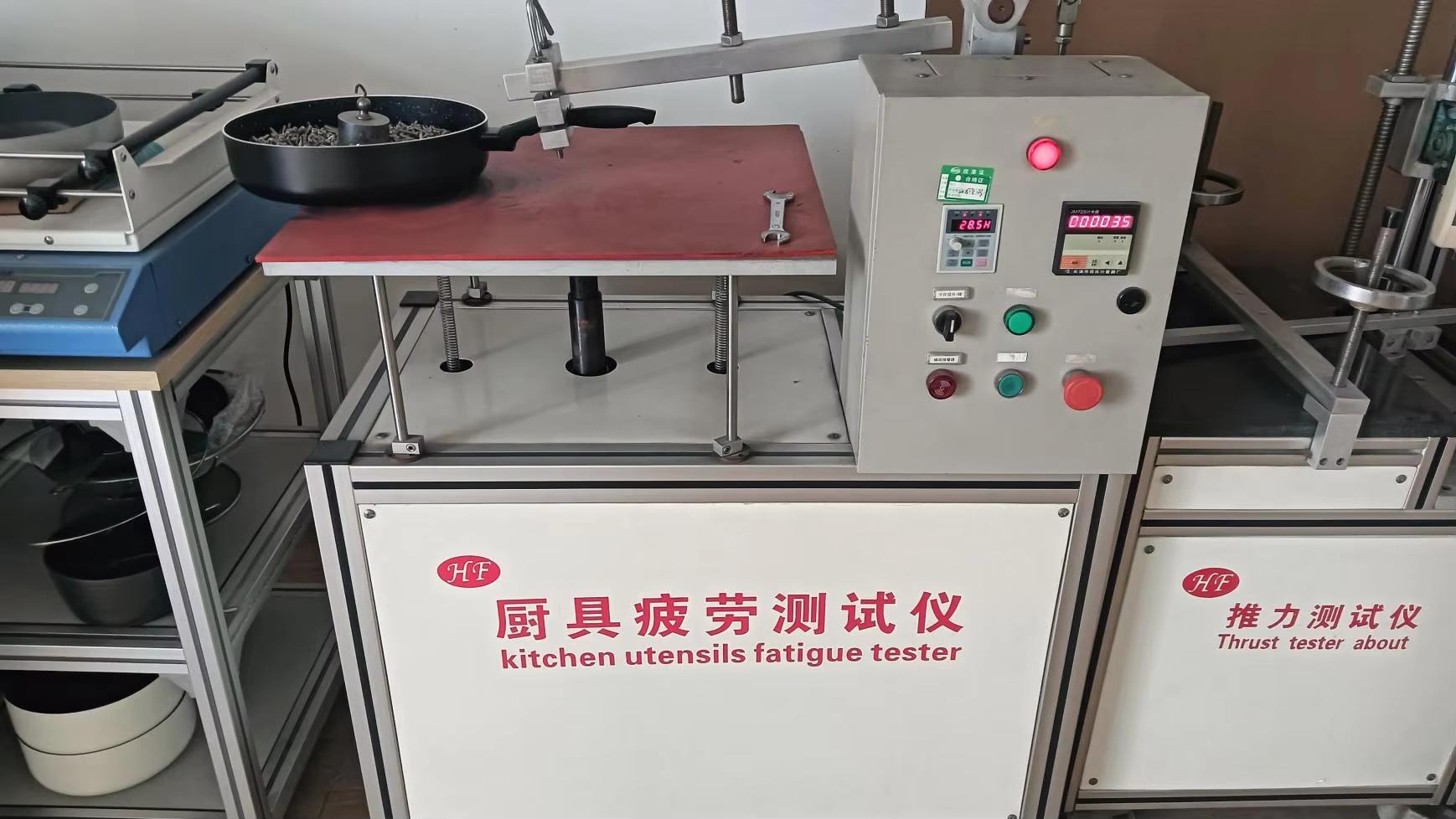
Raw material inspection, finished product inspection, salt spray, handle fatigue, thrust and torsion checks are applied according to the program.
Packing and Shipment
Retail boxes, color labels or bulk cartons are packed to specification for sea or air freight, with container loading planned around carton dimensions.
Quality evidence
Controls That Matter in Aluminum Stock Pot Production
Quality is not a single final inspection. It is a chain of checks from incoming material to packed carton. These are the checkpoints buyers should discuss during supplier qualification.
Incoming Material Inspection
Aluminum sheet or disc, coating materials, handles, rivets and lids are checked before production to reduce hidden defect risk.
In-Process Dimensional Checks
Diameter, height, wall thickness and base flatness are monitored as pots move from pressing to finishing.
Coating Adhesion and Cure
Surface cleaning before spraying and controlled curing are essential for coating life, color consistency and release performance.
Handle Strength Testing
Fatigue, thrust and torsion tests help confirm that handles and rivets can withstand loaded stock pot use.
Salt Spray and Corrosion Checks
Salt spray testing supports evaluation of exterior finishes and coating systems for different market requirements.
Final Inspection and Packing Audit
Finished-product inspection checks appearance, function, logo, label and carton configuration before shipment.
Buyer FAQ
Frequently Asked Questions About OEM/ODM Aluminum Stock Pots
Is MEIS a manufacturer or a trading company?
Zhejiang MEIS Kitchenware Co., Ltd. is verified as a Manufacturer and Trading Company. It operates its own pressing, CNC, coating and assembly lines in Dongnan Industrial Zone, Jinhua, Zhejiang, and its premises have been assessed on-site by TÜV Rheinland.
What is the minimum order quantity for aluminum stock pots?
MOQ depends on capacity, body gauge, coating, lid, handle and packaging. Most standard cookware sets and pans start from 1,000 to 3,000 pieces or sets per item, while selected fry pans are available from 50 pieces for trial orders. Stock pot MOQs are confirmed per specification.
Can you customize capacity, lid, handle, logo and packaging?
Yes. MEIS supports minor customization such as logo, packaging, color and graphics; design-based customization; full customization; and ODM development. In-house mold making, lathe and CNC equipment support new shapes and private-label projects.
Which nonstick coatings are available for aluminum stock pots?
Available options include ceramic, granite and marble speckle, titanium-reinforced and multi-layer nonstick coatings, as well as hard-anodized finishes for forged aluminum. PFOA-free coating options are available on request.
Are your aluminum stock pots induction compatible?
Many aluminum items can be supplied with an induction-ready base, and carbon steel cookware is naturally magnetic. Gas, electric and induction compatibility is confirmed per model before quotation and sampling.
What is the difference between pressed and forged aluminum cookware?
Pressed aluminum cookware is stamped from aluminum sheet, making it lighter and more cost-efficient. Forged aluminum cookware is die-forged with a thicker base for better heat retention and warp resistance, which suits mid-to-premium retail programs and larger stock pot formats.
How do you control quality before shipment?
Controls include raw material inspection, supplier assessment procedures, in-process checks, finished product inspection and testing such as salt spray, handle fatigue, thrust and torsion tests. Third-party inspection is welcome when requested by the buyer.
How should buyers plan packaging and lead time?
Packaging can include retail boxes, color labels, gift boxes or bulk export cartons. Lead time depends on order quantity, tooling, coating, packing and final inspection requirements. Buyers should confirm carton dimensions and container loading before mass production begins.
Request a Quotation for OEM/ODM Aluminum Stock Pots
Send your target capacity, body gauge, base type, coating, handle, lid, logo, packaging and estimated order quantity. The MEIS export team can recommend a specification route based on your market, price band and launch timeline.
Get a QuoteDirect factory contact: info@meiskitchen.com · Dongnan Industrial Zone, Shuxi Street, Jinhua, Zhejiang, China