Precision-Engineered Cookware Portfolio
Verified structural designs, advanced nonstick tribology, and multi-stove compatibility for high-volume global distribution.
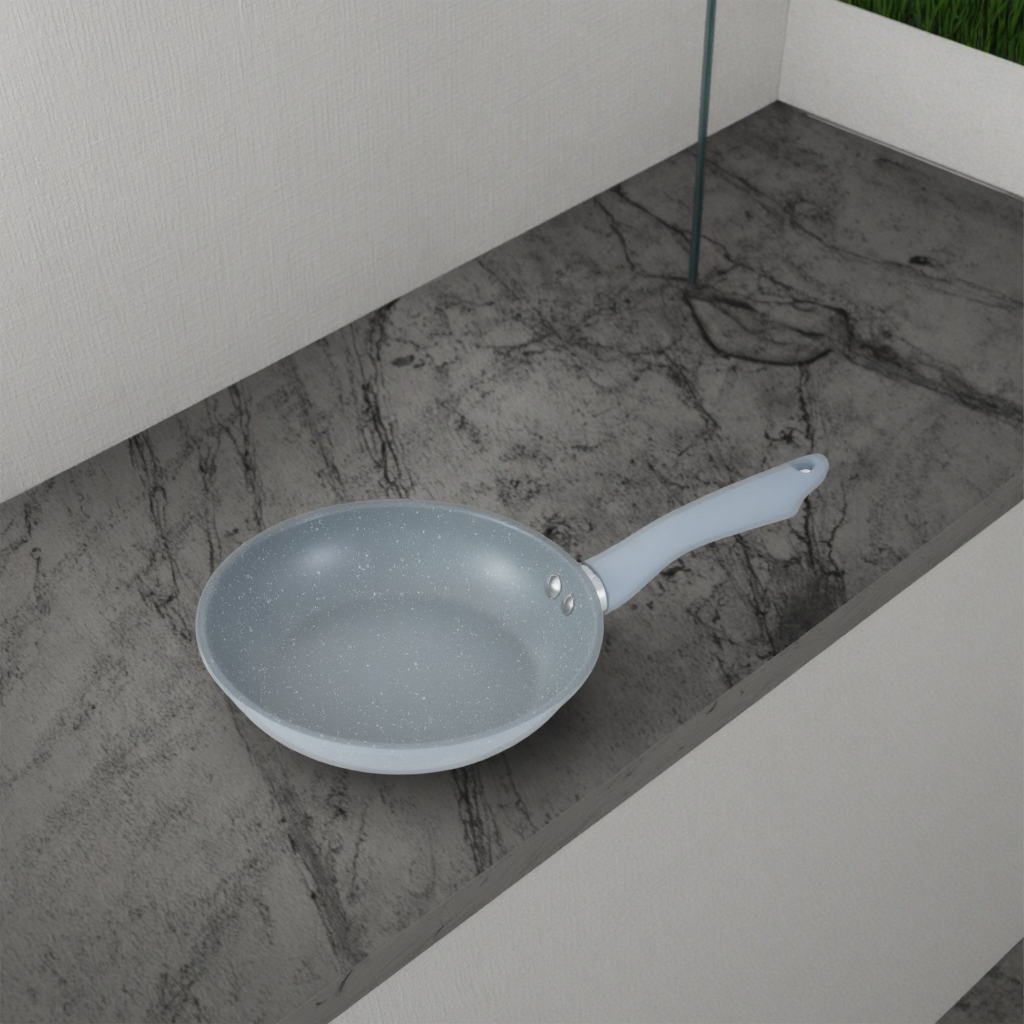
10-Inch Heavy Gauge Carbon Steel Fry Pan with Bakelite Soft Touch Handle Ceramic Non-Stick Eco-Friendly Pans
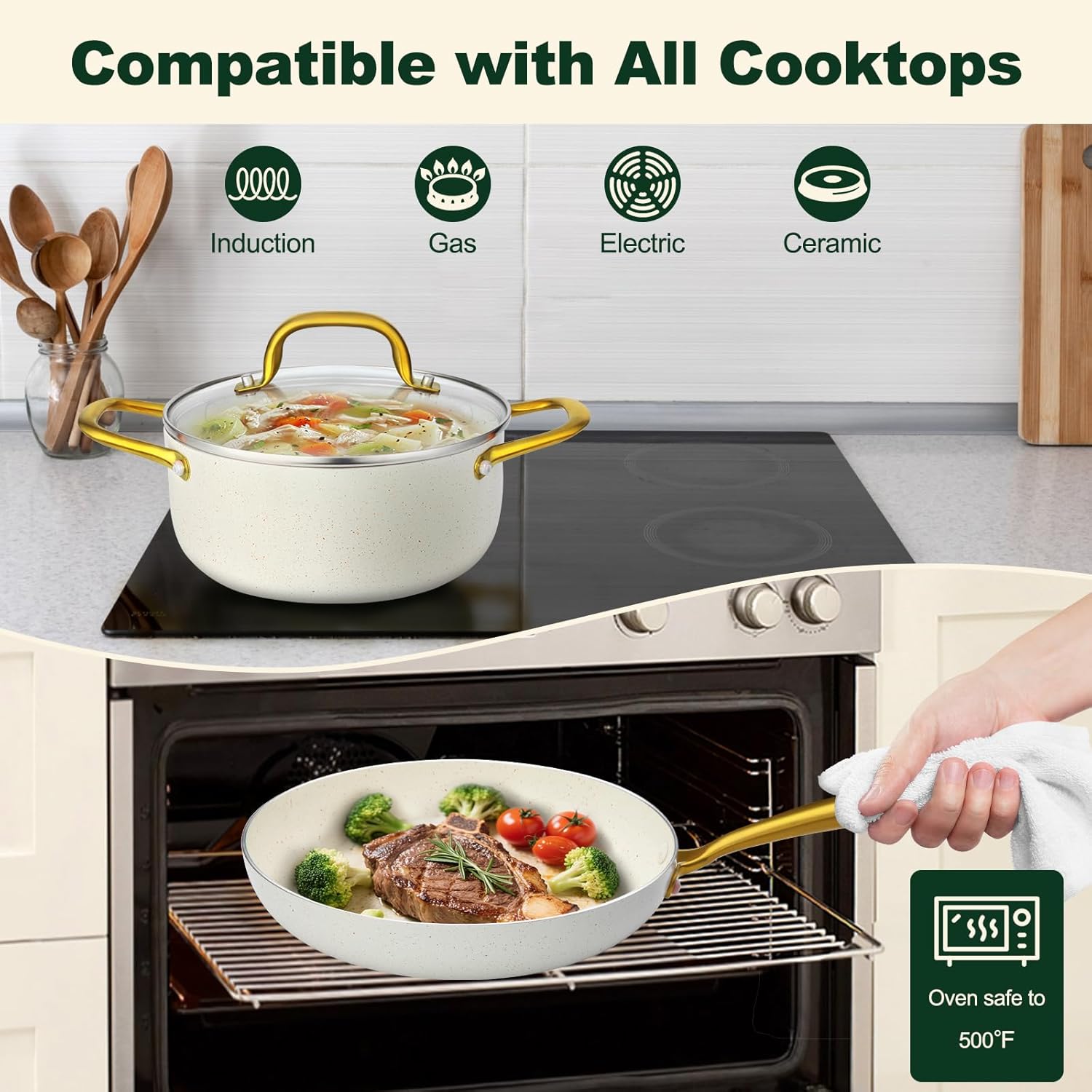
5-PIECE Classic Kitchenware Set Stainless Steel Handle PVD Ceramic Coating Interior Glass Lid Induction Bottom Eco-Friendly
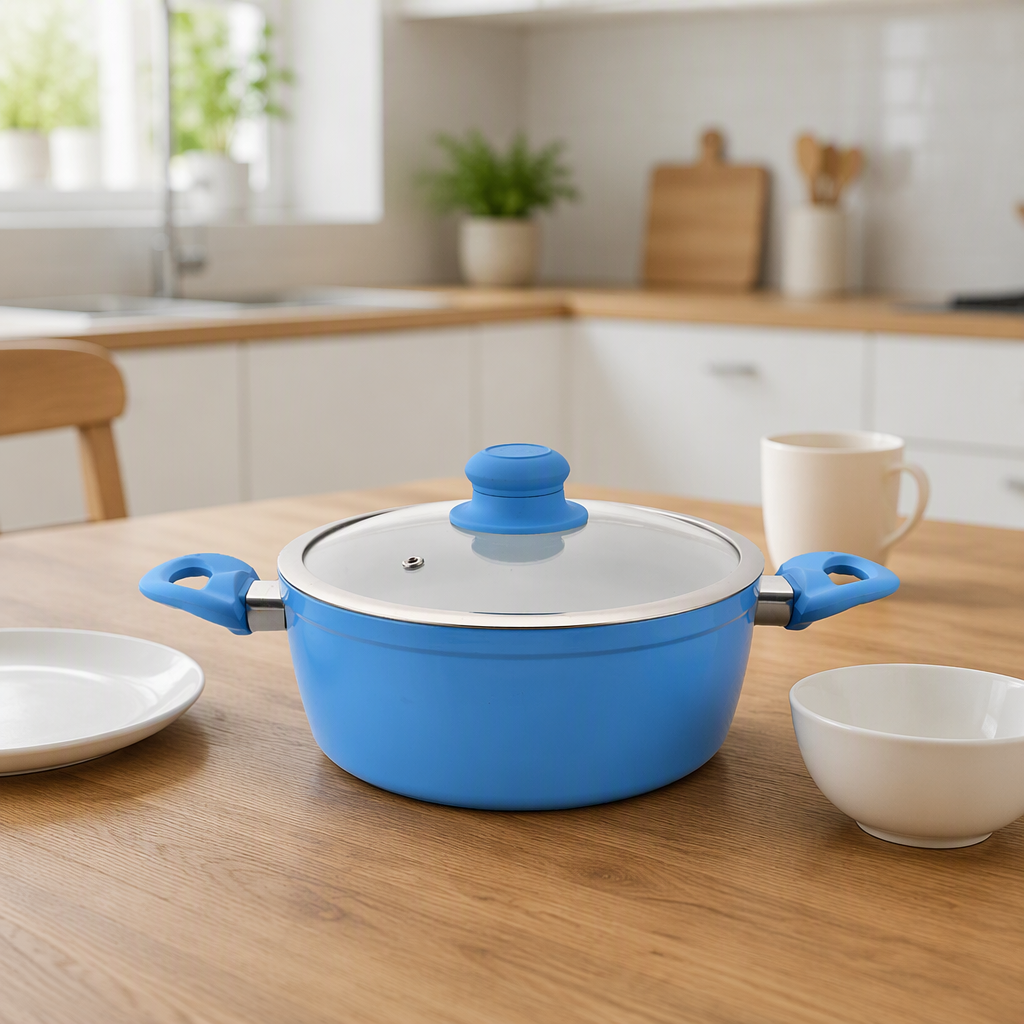
24 cm Durable and Lightweight Forged Non Stick Casserole Soup Pot with Bakelite Handle and Glass Lid for All Heat Sources
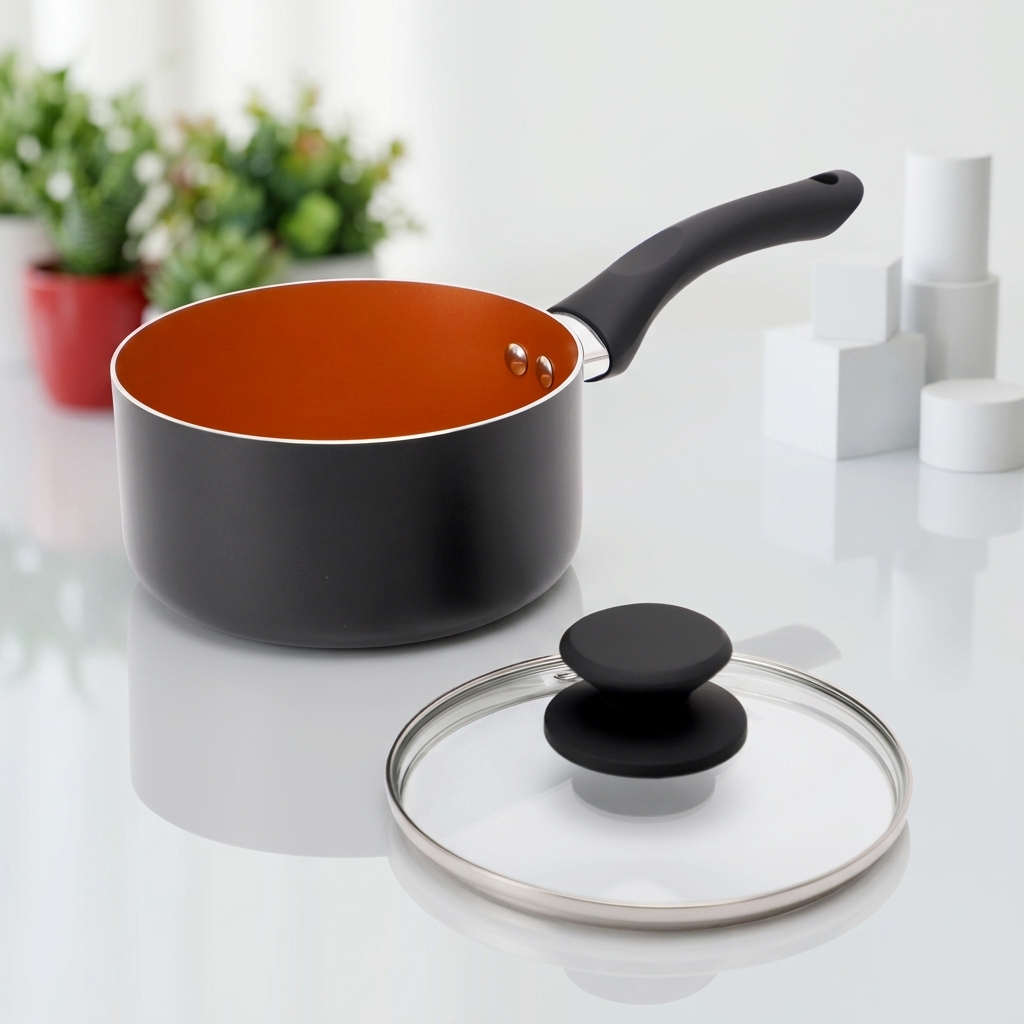
1.5QT Modern Metal Sauce Pan Glass Lid Non-Stick Coating 2-Layer Ceramic Interior Eco-Friendly Black Bakelite Soft Touch Handle
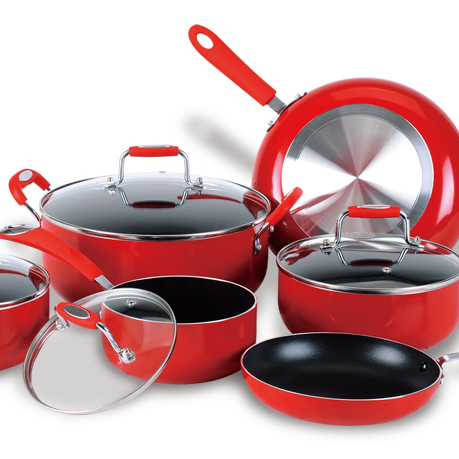
Fashion Kitchen Set of Nonstick Cookware
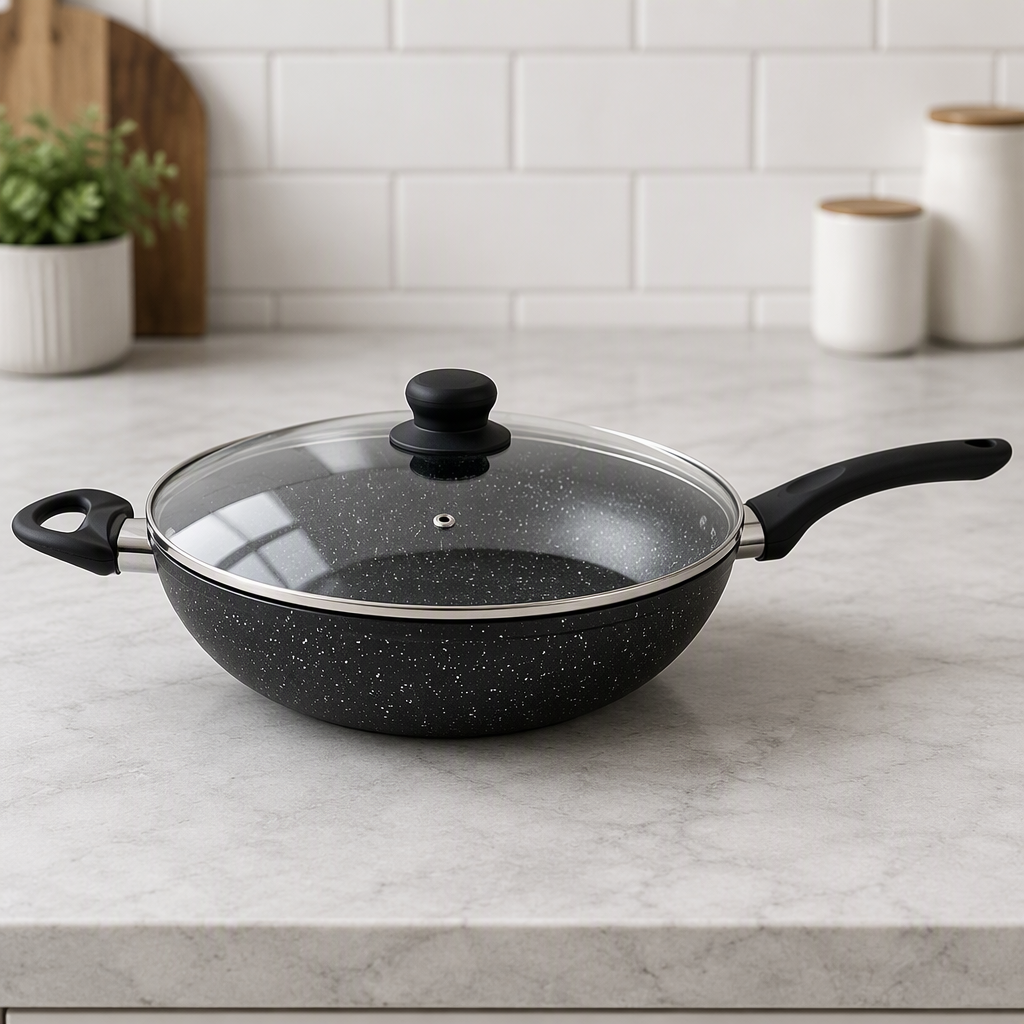
24 cm Forged Aluminum Wok Marble Coating Non Stick Deep Fry Pan Glass Lid Gas and Induction Cooker
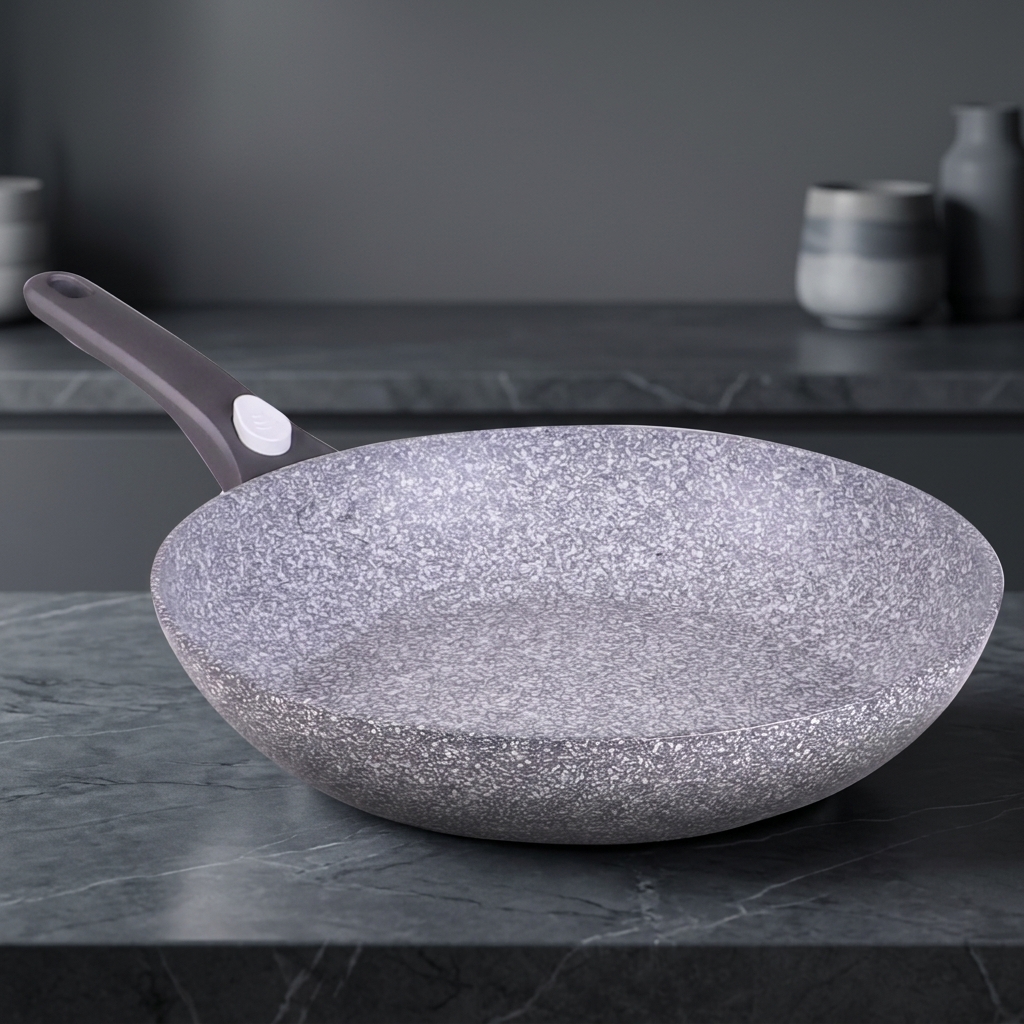
Granite Coating Non-Stick 9 Inch 24cm Forged Aluminum Fry Pan with Detachable Handle Soft Touch Coating Induction Ready
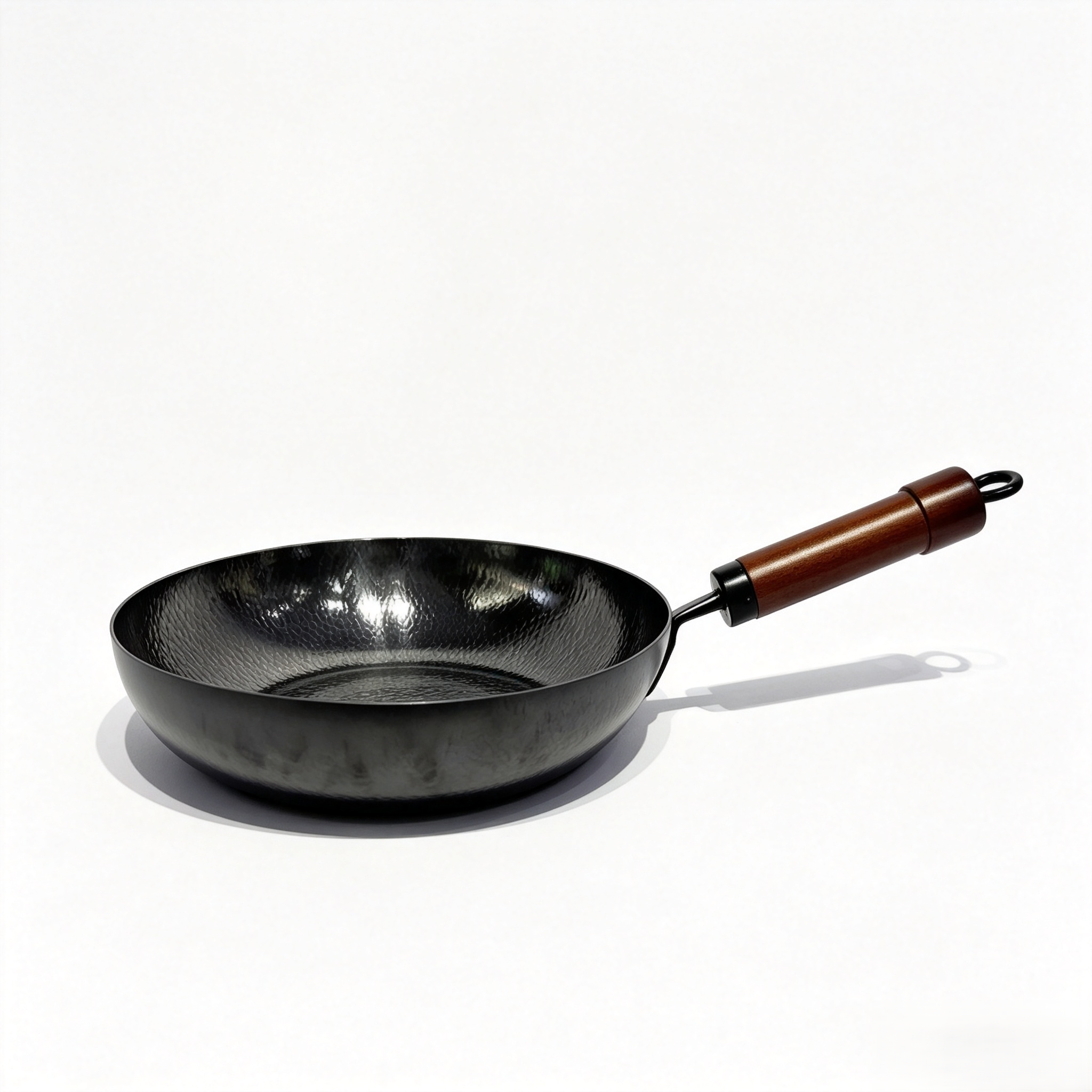
Modern CAMRY Eco-friendly No Coating Nitrided Hammered Carbon Steel Wok Cookware Wooden Handle 2-3L Capacity Gas Induction
Enterprise-Grade OEM/ODM Manufacturing Infrastructure
Operational Capabilities of Zhejiang MEIS Kitchenware Co., Ltd. (Jinhua Industrial Zone)
In the highly competitive international cookware supply chain, procurement directors, brand owners, and mass-market retailers require manufacturing partners who offer structural reliability, material traceability, and audited compliance. Zhejiang MEIS Kitchenware Co., Ltd., headquartered in the Dongnan Industrial Zone, Shuxi Street, Jinhua, Zhejiang, operates as a premier integrated manufacturer and direct exporter specializing in pressed aluminum, forged aluminum, and heavy-gauge carbon steel kitchenware.
Operating across an extensive, fully mechanized facility evaluated on-site by TÜV Rheinland, MEIS maintains tight control over every phase of production. Unlike trading intermediaries that outsource critical manufacturing stages, MEIS houses die-forging presses, CNC metal finishing centers, automated degreasing lines, electrostatic spray-coating cleanrooms, thermal curing tunnels, handle tension testing stations, and integrated assembly lines under one roof. This vertically integrated framework guarantees that every stock pot, frying pan, wok, and roasting vessel strictly aligns with customer specifications and international safety guidelines.
TÜV Rheinland Audited
On-site verified manufacturing facilities, quality management protocols, material sourcing chains, and labor compliance standards.
Advanced Metallurgy
Precision cold-forging and heavy-gauge carbon steel pressing yields high warp resistance under intense thermal stress cycles.
Custom Tooling & CNC
In-house mold development, CNC lathe machining, and rapid prototyping capabilities support full ODM concept-to-product cycles.
Material Engineering & Sourcing Decision Matrix
Comparative technical analysis for commercial procurement planning and retail positioning.
Selecting the correct substrate metal and coating combination impacts freight costs, unit margin, durability metrics, and market positioning. Below is an engineering evaluation comparing the three primary cookware categories manufactured at the MEIS Jinhua facility:
| Performance Metrics | Pressed Aluminum Cookware | Forged Aluminum Cookware | Heavy-Gauge Carbon Steel |
|---|---|---|---|
| Structural Density & Grain | Standard sheet compression; thin-to-medium uniform walls (1.8mm - 2.5mm). | High-pressure forged; thick rim and rim base (3.5mm - 5.0mm), tapered side walls. | Cold-rolled carbon steel sheet; rigid structural memory (1.0mm - 2.0mm). |
| Thermal Retention & Distribution | Fast initial heat recovery; ideal for rapid, high-turnover boiling/searing. | Superior thermal mass retention; eliminates hotspot scorching across large surfaces. | High directional heat transfer; exceptional sear performance on induction hobs. |
| Induction Efficiency | Requires impact-bonded stainless steel plate (AISI 430). | Integrated high-tonnage friction-bonded or sprayed induction base plate. | Naturally ferromagnetic; 100% direct energy transfer without add-on plates. |
| Coating System Options | 2-Layer PTFE, Standard Ceramic, Basic Speckle. | Multi-layer PTFE, Mineral Granite, Sol-Gel Ceramic, Hard Anodized. | PFOA-Free Ceramic, Nitrided Surface Treatment, High-Temp Silicone. |
| Target Retail Segment | Promotional sets, mass-market supermarkets, budget eCommerce. | Mid-to-high retail brands, boutique stores, commercial culinary lines. | Eco-conscious buyers, heavy-duty culinary lines, specialized Asian/Wok retail. |
Surface Tribology: Nonstick Chemical & Coating Systems
Navigating global regulatory standards including FDA, LFGB, EU 2017/1000, and PFAS/PFOA prohibitions.
Modern nonstick performance extends beyond simple release dynamics. International retail markets enforce rigorous chemical compliance rules preventing toxic off-gassing, heavy metal migration, and hazardous environmental persistent chemicals. As an OEM/ODM exporter, Zhejiang MEIS Kitchenware equips clients with fully documented, food-safe coating matrices tailored to specific regional markets:
1. Sol-Gel Inorganic Ceramic Coatings (PFAS/PFOA/PTFE-Free)
Formulated from silica ($\text{SiO}_2$) and inorganic polymer networks, sol-gel ceramic coatings cure at high temperatures to form a dense, glass-like layer. Resistant to operational temperatures up to 450°C without risk of thermal degradation, ceramic coatings provide an ultra-smooth nonstick surface using minimal cooking oils. Ceramic pans cater directly to health-focused consumer segments demanding non-toxic kitchen equipment.
2. Mineral-Reinforced Marble & Granite Multi-Layer Systems
Granite and marble coatings utilize a multi-coat application process (primer, mid-coat with mineral speckling, and clear protective topcoat). Silicon carbide and granite micro-particles embedded within the PTFE polymer matrix increase scratch resistance under ASTM D3359 cross-hatch micro-abrasion testing. This textured surface elevates grease distribution, preventing surface pooling and extending nonstick release life over thousands of cooking cycles.
3. Thermally Nitrided Carbon Steel Surface Modification
For chemical-free cookware solutions, MEIS utilizes high-temperature nitriding gas treatments on carbon steel woks and pans. Nitriding diffuses nitrogen directly into the iron crystal lattice, producing a dark, corrosion-resistant iron-nitride boundary layer ($\text{Fe}_4\text{N} / \text{Fe}_2\text{N}$). Nitrided carbon steel requires no chemical spray coatings, provides natural rust resistance, accepts traditional oil seasoning, and withstands metal utensil contact without flaking.
Global Cookware Sourcing & Manufacturing Trends
Key technological, ecological, and commercial shifts shaping the multi-billion-dollar kitchenware export industry.
Importers and brand directors operating on 12- to 24-month product development schedules must anticipate regulatory updates and evolving consumer expectations. The following structural trends define the immediate future of OEM/ODM cookware manufacturing:
Detachable Handle Systems
Space-saving detachable handles with dual-stage locking mechanisms allow pan bodies to transition seamlessly from stovetop to oven to dining table. Nestable stackability reduces master carton dimensions by up to 45%, significantly lowering per-unit ocean freight costs.
Full-Bound Induction Bases
Traditional spot-welded induction plates are being replaced by full-surface impact-bonded base plates and edge-to-edge magnetic thermal sprays. These advanced bases maximize electromagnetic energy conversion on induction hobs and prevent thermal warpage during rapid cooling.
Low-Carbon Recycled Aluminum
ESG mandates require brands to verify their environmental footprint. Modern manufacturing integrates high-grade recycled aluminum alloys (e.g., 3003 and 7075 series scrap re-smelting), cutting embodied manufacturing energy by up to 95% compared to primary bauxite smelting.
Comprehensive Factory Quality Assurance Matrix
In-house laboratory verification and stress testing procedures guaranteeing batch consistency.
To eliminate consumer returns and preserve retail brand reputation, Zhejiang MEIS Kitchenware operates an internal testing laboratory where production samples undergo rigorous physical and chemical stress testing before shipment packaging approval:
- Coating Adhesion Testing (ASTM D3359): Cross-hatch grid incision followed by high-tack tape pull tests to ensure nonstick layers will not peel or delaminate under physical stress.
- Salt Spray Corrosion Resistance (ASTM B117): Continuous exposure to 5% neutral saline mist inside temperature-controlled chambers for up to 72 hours, validating the integrity of base metal preparations and protective exterior coatings.
- Handle Fatigue & Torsion Resilience (BS EN 12983-1): Mechanical arm apparatus subjects handle-to-vessel joints to 15,000 continuous vertical load cycles and rotational torque forces, certifying structural integrity during heavy usage.
- Thermal Shock & Hotspot Resistance: Vessels are heated to 250°C and immediately quenched in 15°C water reservoirs. This severe cycle is repeated 20 consecutive times to verify structural warp resistance and coating adhesion stability.
Frequently Asked Procurement Questions
Direct technical and operational guidance for global sourcing professionals and brand buyers.
Is Zhejiang MEIS Kitchenware a direct factory or a trading agent?
Zhejiang MEIS Kitchenware Co., Ltd. operates as a verified direct manufacturer and exporter with its own production site in Dongnan Industrial Zone, Shuxi Street, Jinhua, Zhejiang, China. The manufacturing facilities—including pressing presses, CNC machines, coating spray lines, and assembly lines—have been assessed on-site by TÜV Rheinland.
What are the typical minimum order quantities (MOQ) for OEM/ODM projects?
Standard minimum order quantities generally range from 1,000 to 3,000 pieces (or sets) per item for customized colorways, nonstick coatings, and branded packaging. Certain standard-production frying pan items may be accessible in smaller trial quantities starting from 50 to 500 units depending on raw stock availability.
Which nonstick coatings can be applied to forged and pressed cookware?
We provide a comprehensive selection of coating systems tailored to market standards: Sol-Gel Ceramic coatings (100% PFOA/PTFE-Free), Granite/Marble multi-layer mineral speckle coatings, Titanium-reinforced fluoropolymer systems, and traditional multi-coat nonstick finishes. Exterior finishes include high-temperature colored silicone lacquer and hard-anodized conversion coatings.
How does MEIS handle private-label branding, custom molds, and packaging?
We deliver full OEM/ODM customization services. Branding options include laser-etched bottom logos, molded handle logos, customized color boxes, drop-test-ready mail-order packaging, display sleeves, and custom silicone rim lids. Our in-house mold workshop handles custom vessel shapes, customized press tooling, and handle attachment hardware.
Are your cookware products fully compatible with modern induction cooktops?
Yes. Aluminum cookware items can be manufactured with specialized AISI 430 stainless steel induction bases applied via high-tonnage impact bonding or friction welding. Our carbon steel cookware products are naturally ferromagnetic and deliver immediate energy transfer across all gas, electric, ceramic, and induction cooktops.
What is the key engineering difference between pressed and forged aluminum?
Pressed aluminum is stamped out of uniform-thickness aluminum sheets, making it lightweight and cost-effective for promotional retail. Forged aluminum is formed under heavy die-forging presses, yielding a thick structural base with thin walls. This engineered shape maximizes heat retention, eliminates hot spots, and resists heat warping under heavy commercial use.
Partner with a Verified OEM/ODM Cookware Manufacturer
Request comprehensive product specifications, factory capability audits, physical samples, and custom manufacturing quotations from our technical sales team.
Get Catalog