Featured OEM/ODM Forged & Carbon Steel Cookware Solutions
Explore our flagship export series manufactured with heavy-gauge aluminum discs, cold-die heavy hydraulic forging, and multi-layer PFOA-free nonstick coating matrixes.
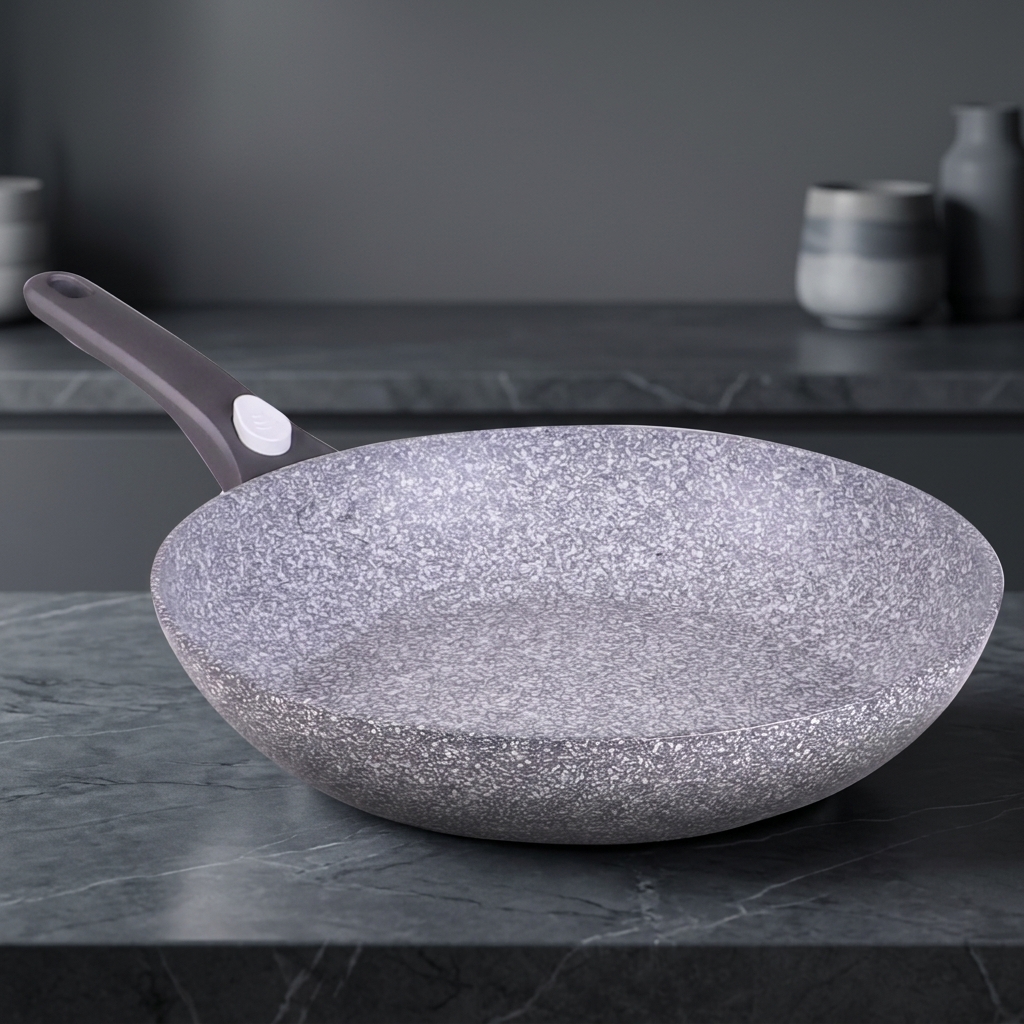
Granite Coating Non-Stick 9 Inch 24cm Forged Fry Pan
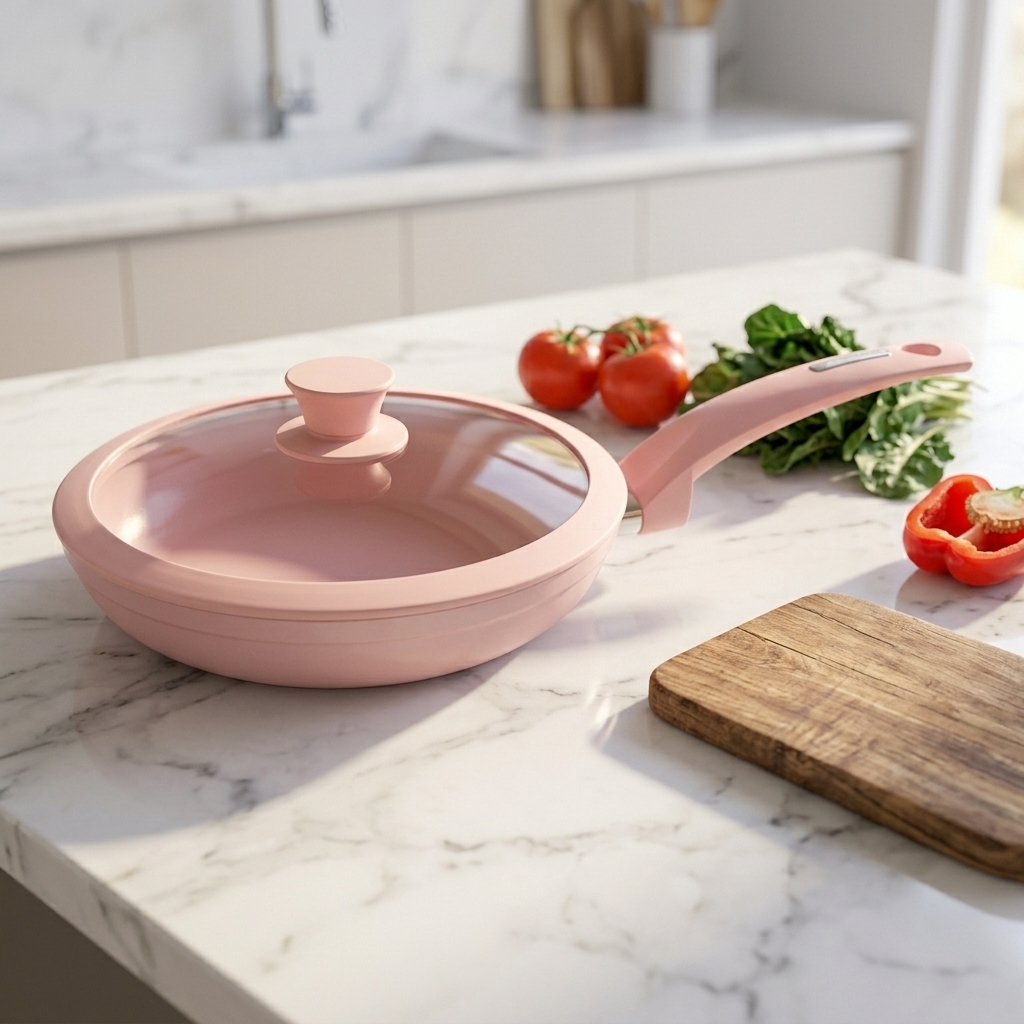
Customized Colorful 22cm Forged Aluminium Fry Pan
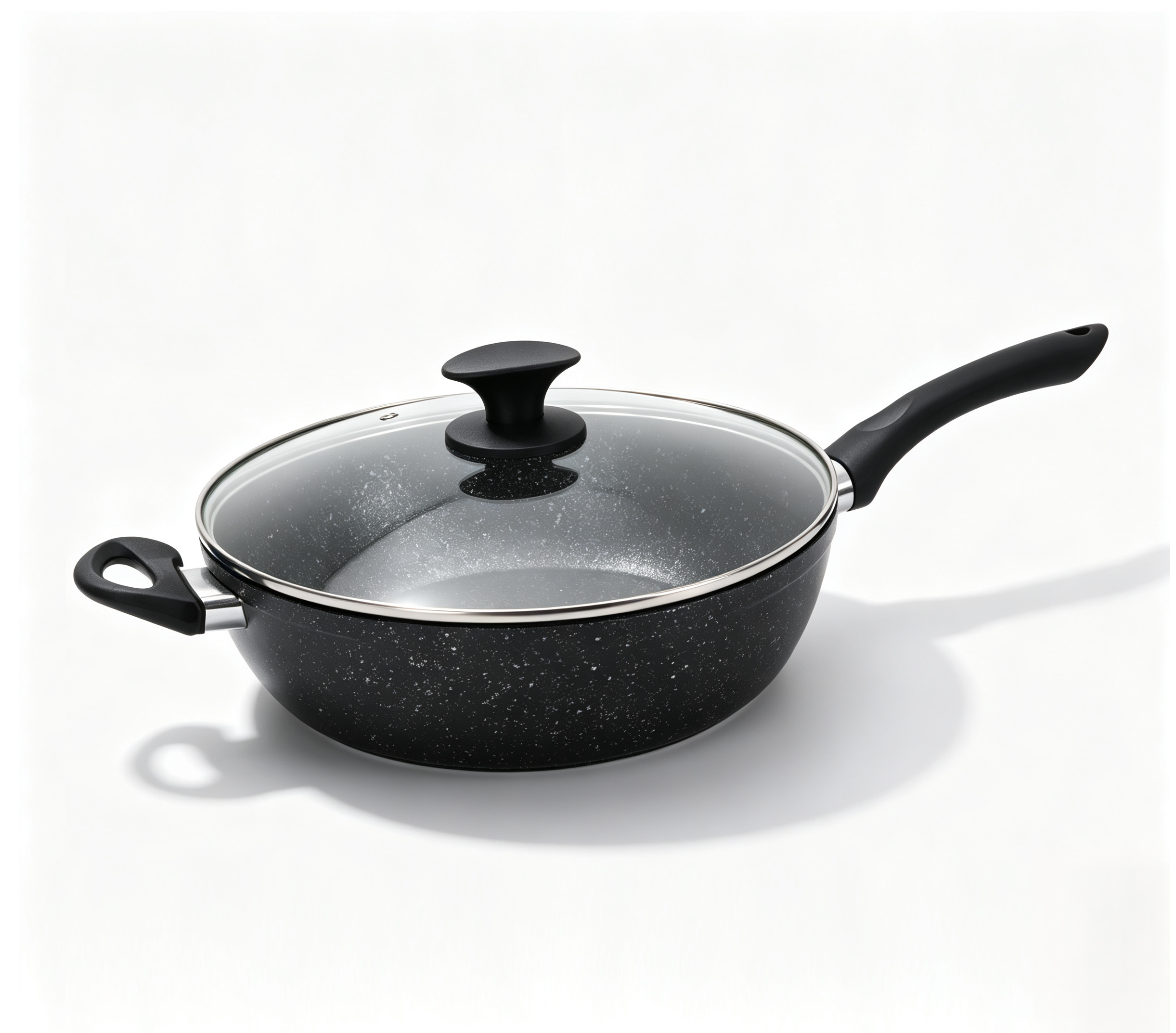
Modern Granite Nonstick Deep Fry Pan with Glass Lid
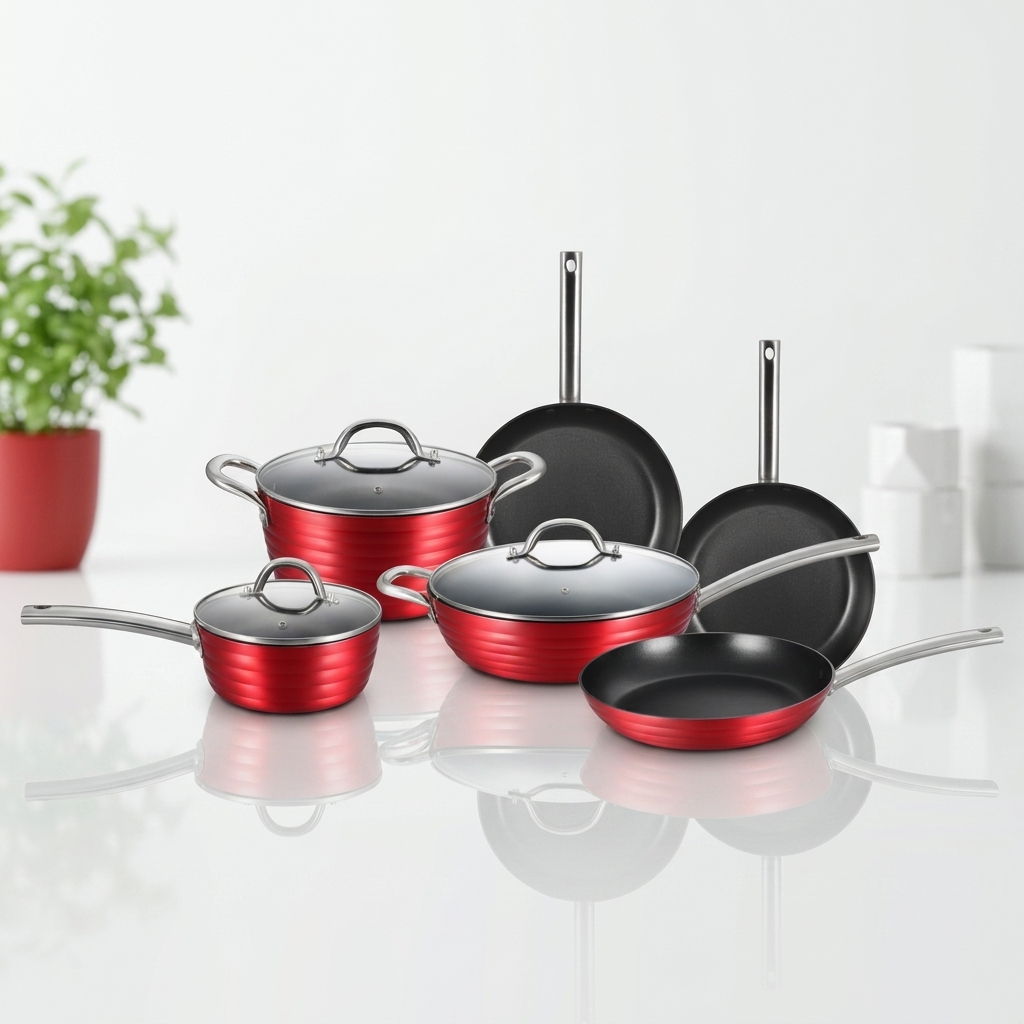
9-Piece Metallic Red Non-Stick Cookware Set
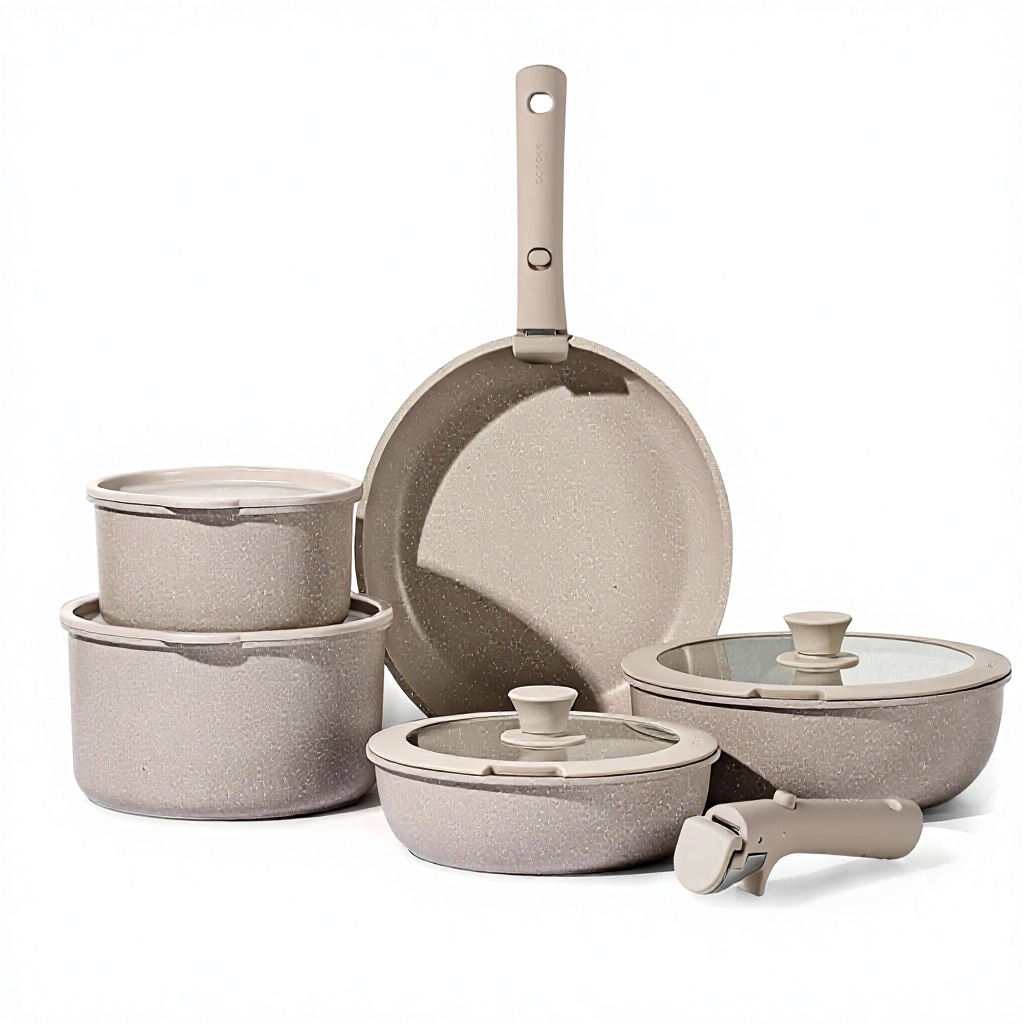
19-Piece Space-Saving Cookware Set with Removable Handles
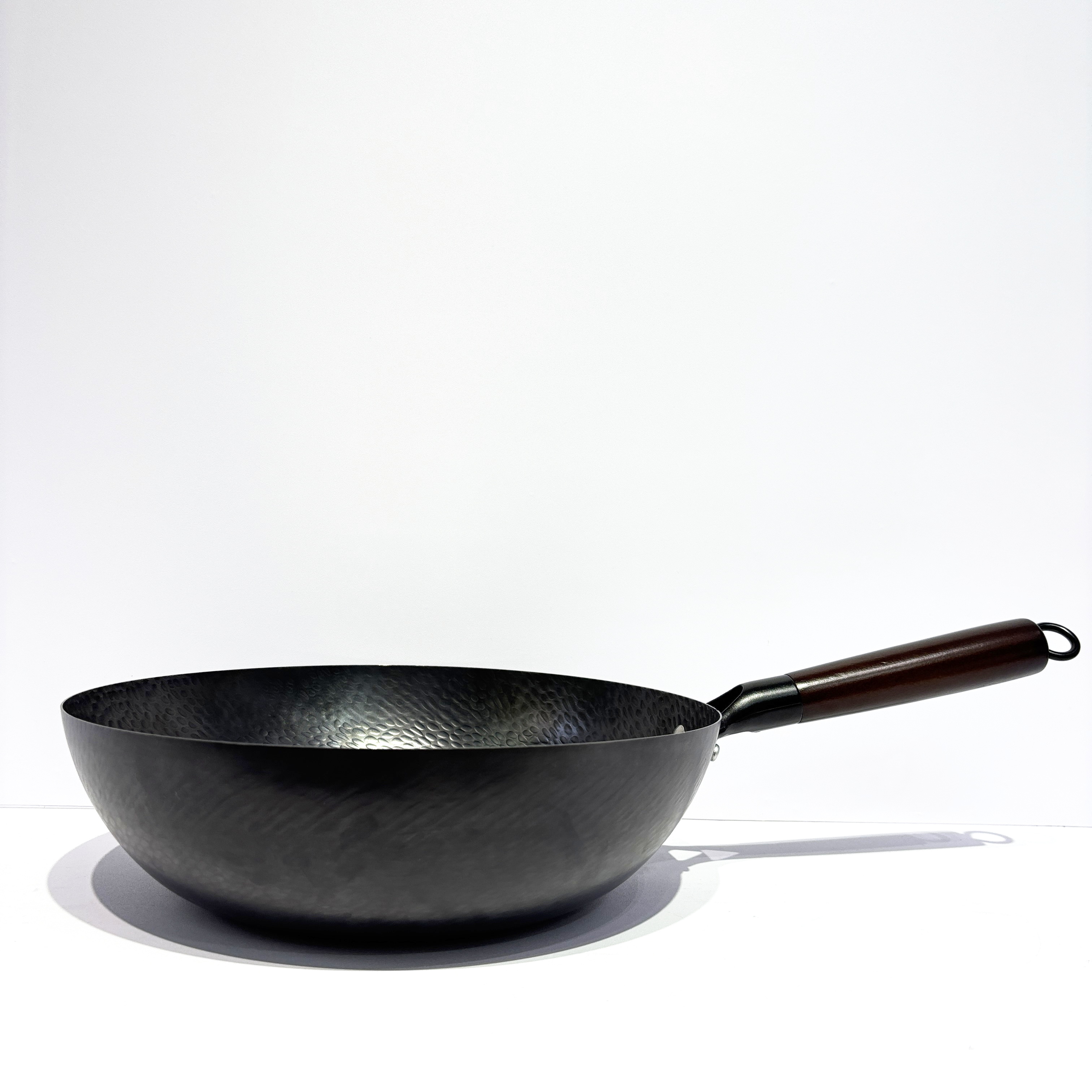
Nitrided Nonstick Hammered Carbon Steel Wok
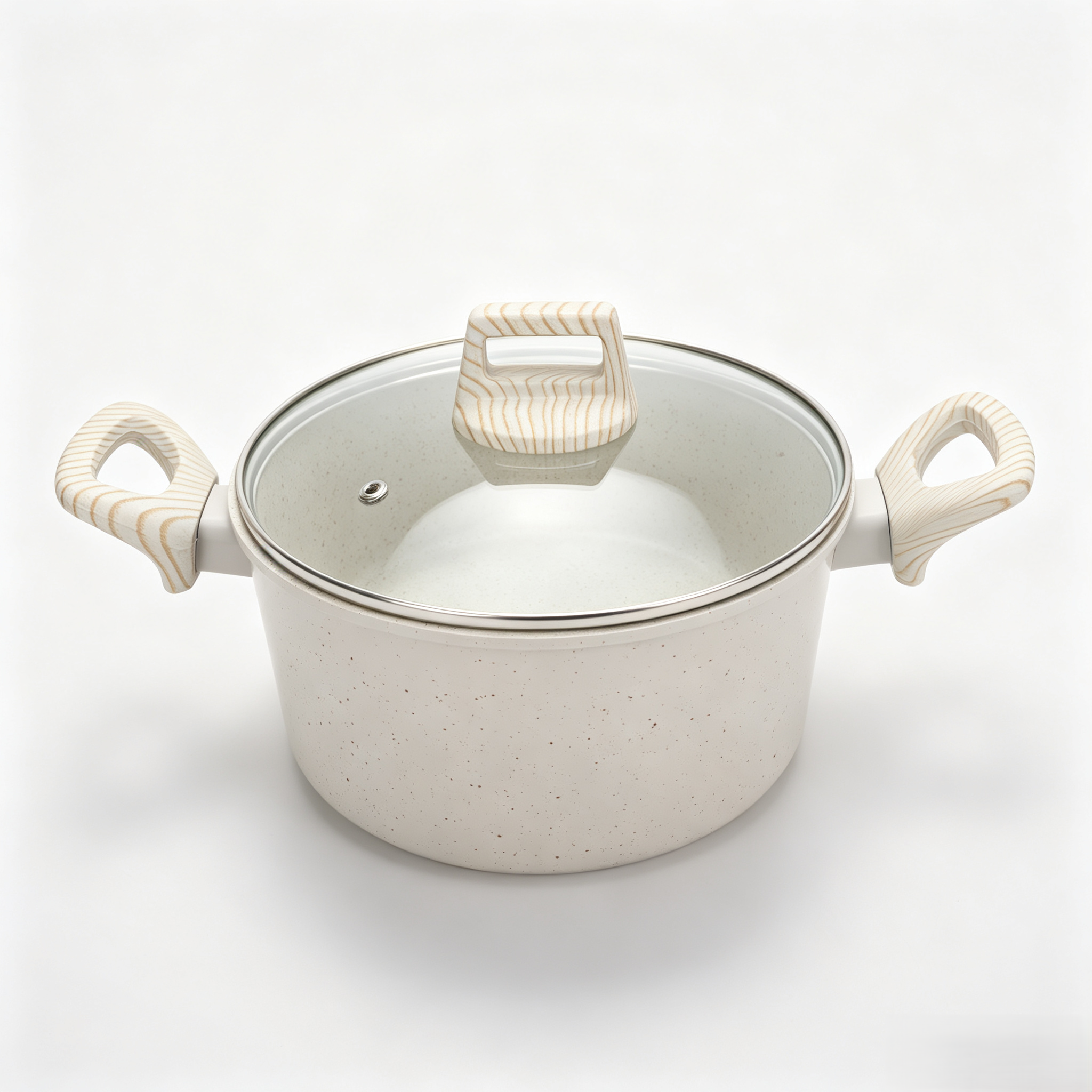
Large Capacity Nonstick Aluminum Casserole Pot
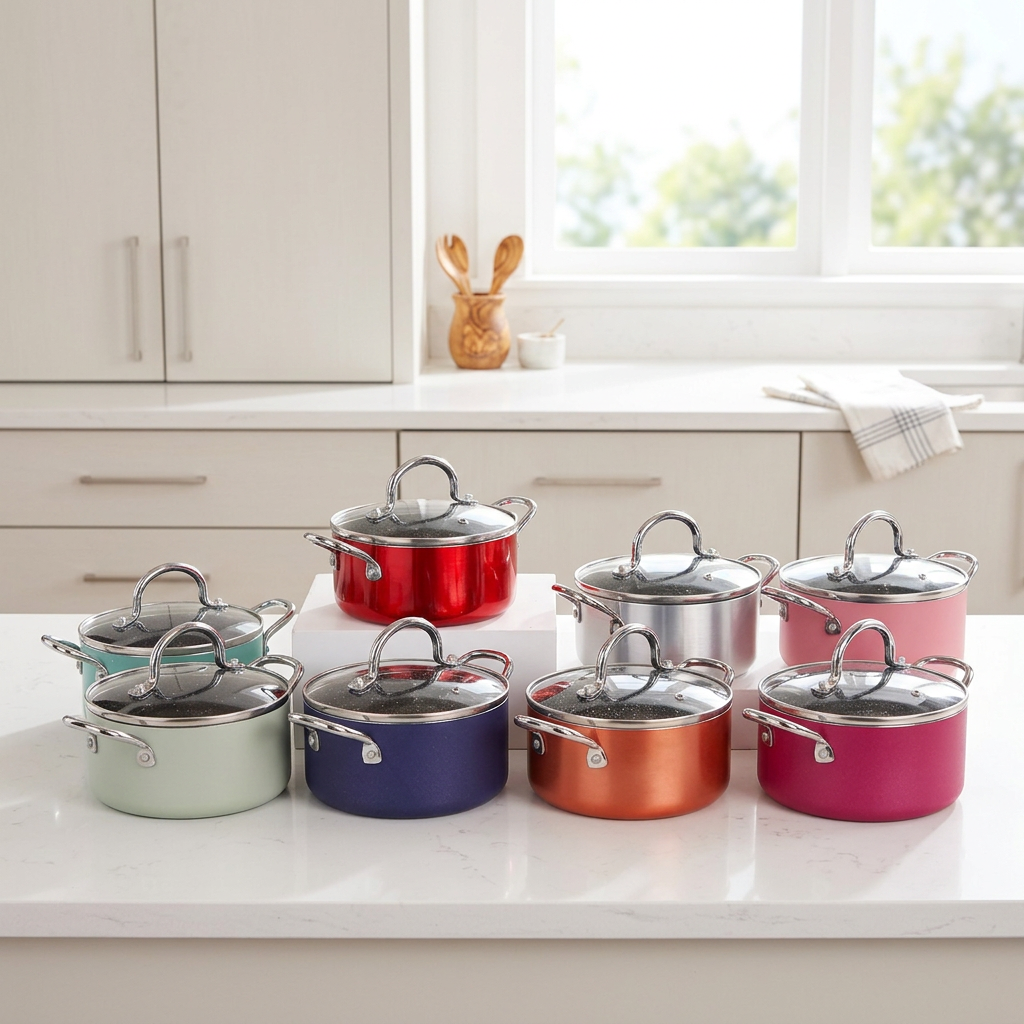
14cm Mini Non-Stick Saucepan with Glass Lid
Industrial Scale & Verified Manufacturing Supremacy
Located in the heart of China's premier hardware hub, Zhejiang MEIS Kitchenware Co., Ltd. operates integrated metallurgical forming, precision CNC, and automated nonstick coating lines.
Factory Engineering Core Competencies (Dongnan Industrial Zone, Jinhua)
Zhejiang MEIS Kitchenware Co., Ltd. represents the pinnacle of modern OEM/ODM cookware manufacturing. Rather than operating as an assembly-only workshop or export intermediary, MEIS executes end-to-end quality control across its 105-employee facility. From virgin aluminum sheet blanking and high-pressure hydraulic forging to automated 3-coat 2-bake spray lines and thermal stress testing, every manufacturing step is conducted under strict ISO9001 quality management protocols.
In-House Tooling & CNC Machining
Equipped with high-precision lathes and automated CNC milling equipment, our tooling department reduces sample iteration cycles from months to days, allowing rapid prototyping of bespoke cookware geometry and private-label base designs.
Rigorous Multi-Stage QA Testing
Every batch undergoes aggressive quality assurance testing, including salt-spray corrosion resistance chamber analysis, coating grid adhesion cross-hatch tests, handle torque twist tests, and thermal shock cycling.
The Metallurgy of Forged Cookware: Thermal Dynamics & Structural Integrity
An authoritative engineering breakdown comparing die-forged aluminum against pressed and cast alternatives for institutional buyers, retail category directors, and brand developers.
Forged vs. Pressed vs. Cast Aluminum: Metallurgical Comparison
In high-volume B2B cookware procurement, selecting the structural forming process directly dictates thermal efficiency, warp resistance under high heat, product weight, and landed unit cost. While pressed aluminum cookware remains popular for promotional opening-price-point (OPP) retail lines, **cold-die forged aluminum** has emerged as the global benchmark for mid-to-premium cookware sets.
| Engineering Metric | Pressed Aluminum | Forged Aluminum (MEIS Standard) | Cast Aluminum |
|---|---|---|---|
| Forming Force & Gauge | Stamped sheet (1.8mm – 2.5mm uniform) | Hydraulic forge under 3,500+ tons pressure | Molten alloy gravity/die casting |
| Rim & Base Distribution | Uniform thin wall throughout body | Thick thermal base (4.0-5.0mm), tapered rim (2.8mm) | Variable heavy walls, heavier overall weight |
| Grain Density & Porosity | Standard sheet grain alignment | Ultra-compacted grain structure, zero micro-voids | Higher risk of internal gas porosity |
| Thermal Warp Resistance | Moderate (susceptible at high cooktop temps) | Superior anti-warping structural memory | High structural stability, brittle under drop impact |
| Coating Adhesion Lifespan | Baseline micro-anchoring | Enhanced mechanically blasted interlocking surface | Excellent anchorage but prone to pinhole defects |
During the hydraulic forging process, a heavy aluminum disk (alloy grade EN AW-3003 or 4000 series) is subjected to intense directional pressure. This forces the aluminum molecules to realign along natural stress lines, creating a thick heat-retaining bottom plate while maintaining lighter, elegant side walls. This variable wall thickness optimizes kinetic heat transfer from induction and gas flames without burdening the end-user with unnecessary pot weight.
Surface Preparation & Coating Adhesion Chemistry
A nonstick coating is only as durable as its chemical and mechanical bond to the metal substrate. MEIS utilizes automated abrasive grit-blasting using controlled aluminum oxide media (mesh size 60-80 grit) to create a target surface roughness ($R_a$ 3.5 - 4.2 µm). This micro-roughness allows the primer coat to lock into microscopic anchors, preventing premature peeling, blistering, or flaking under dishwasher exposure and high-frequency silicone/spatula abrasion.
Global Industry & Technical Development Trends
Stay ahead of evolving consumer preferences, environmental regulations, and technological breakthroughs reshaping the global culinary hardware industry.
PFAS-Free & Sol-Gel Ceramic Transition
Driven by strict European Union REACH updates and US state-level legislation (such as California AB 1817 and Maine PFAS restrictions), global brands are rapidly transitioning from traditional PTFE coatings toward inorganic Sol-Gel ceramic coatings. MEIS leads this transition with 4th-generation ceramic matrixes that offer instant release performance equal to traditional fluoropolymers while remaining 100% PFOA, PFOS, lead, and cadmium free.
Detachable Handles & Space Optimization
Urbanization and compact living spaces have accelerated demand for modular, stackable cookware sets. Removable click-lock handle systems reduce kitchen cabinet storage footprint by up to 70%. Furthermore, detachable handles allow seamless transition from stove-top searing to oven baking, table serving, and refrigerator storage, significantly boosting multi-use customer value metrics.
Full-Bound Thermal Induction Technology
Standard punched hole induction bases often suffer from delamination and uneven heat spots. The industry is rapidly shifting toward full-bound impact friction induction discs and plasma-sprayed magnetic steel bases. These advanced bottom configurations maximize energy transfer on high-frequency induction cooktops while preventing water entrapment in commercial dishwashers.
Future Sourcing & Global Supply Chain Dynamics
Navigating raw material price stability, carbon footprint reductions, and custom private-label branding strategies in an evolving global market.
Eco-Friendly & Recycled Aluminum Sourcing
Environmental Scope 3 emissions have become a key procurement KPI for European and North American retailers. Sourcing cookware fabricated from post-industrial recycled aluminum alloys reduces primary smelting energy consumption by up to 95%. MEIS offers certified recycled aluminum alloy blanks paired with water-based eco-coating systems to assist brand partners in fulfilling corporate ESG compliance requirements.
Custom Private Label Differentiation
Generic off-the-shelf cookware leads to margin-eroding price wars. Success in modern omnichannel retail requires deep customization: custom Pantone exterior heat-resistant lacquer shades, laser-etched stainless steel flame guards, custom-branded silicone lid rims, and plastic-free gift packaging. MEIS provides full ODM design support to establish unique market positioning for your brand.
Frequently Asked Sourcing & Technical Questions
Clear, authoritative answers addressing procurement timelines, customization boundaries, compliance testing, and MOQ thresholds.
What distinguishes Zhejiang MEIS Kitchenware from trading intermediaries? +
What are the standard Minimum Order Quantities (MOQ) for custom OEM orders? +
- Forged Aluminum Cookware Sets: Standard MOQ is 1,000 to 1,500 complete sets per colorway.
- Single Forged/Pressed Fry Pans: 1,500 to 2,000 pieces per size.
- Carbon Steel Cookware / Bakeware: 2,000 to 3,000 pieces per item.
- Trial/Low-Volume Programs: Selected stock models with custom logo laser engraving can be initiated at lower trial thresholds upon request.
Which international food-contact compliance standards do your products meet? +
What nonstick coating technologies are available for private labeling? +
- Sol-Gel Ceramic Coating: 100% PFOA/PTFE free, high thermal resistance (up to 450°C), available in vibrant pastel shades.
- Granite & Marble Speckle Coating: Multi-layer reinforced nonstick with natural stone aesthetics and enhanced scratch resistance.
- Titanium & Diamond-Reinforced Fluoropolymer: Extreme durability designed for heavy culinary usage (passing 20,000+ cycle abrasive pad tests).
- Nitrided Carbon Steel: Chemical-free surface treatment providing natural rust-proof nonstick qualities for traditional woks and skillets.
What is the lead time for tooling, prototyping, and mass production shipments? +
Can MEIS handle customized retail packaging design and fulfillment? +
Partner with a Verified Forged Cookware Factory
Whether you require private label customization, competitive OEM manufacturing, or custom ODM product engineering, our technical export team is ready to deliver sample evaluation units and detailed quotation proposals.