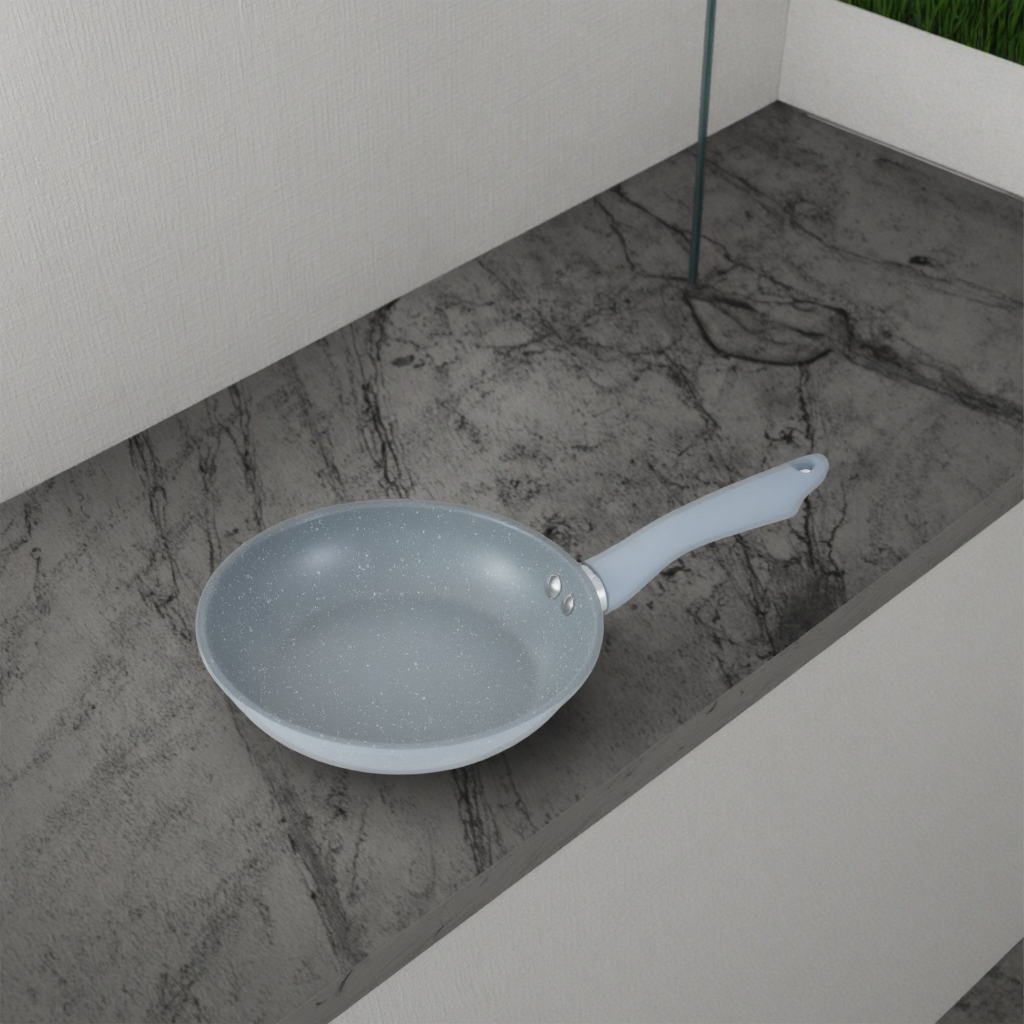
Export-Grade Nonstick Cookware Collection
Explore our high-demand OEM/ODM cooking pot series manufactured with verified nonstick surface treatments, reinforced structural substrates, and ergonomic handles compliant with international food contact standards.
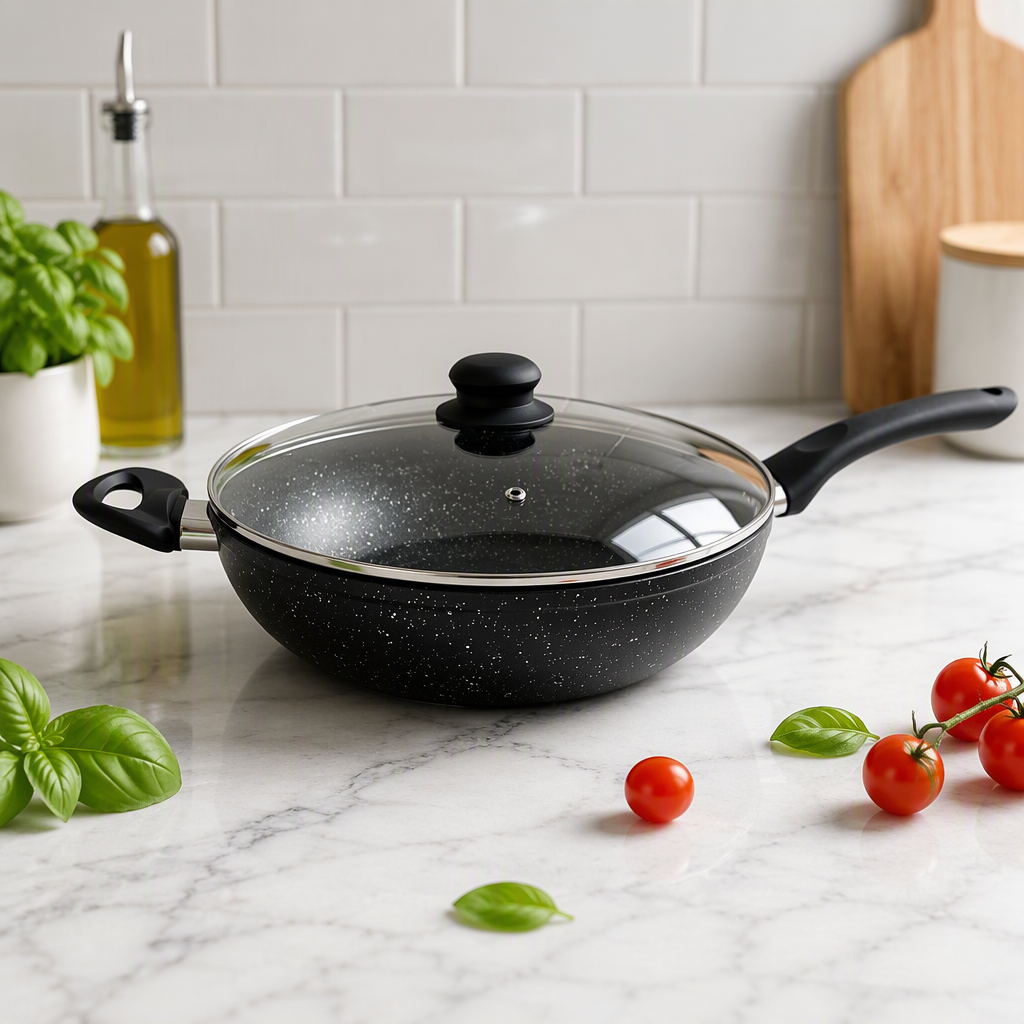
26 cm Non Stick Forged Aluminum Wok Marble Coating Glass Lid Cool Handle 3.5 L for Gas and Induction Cookers
View Product Details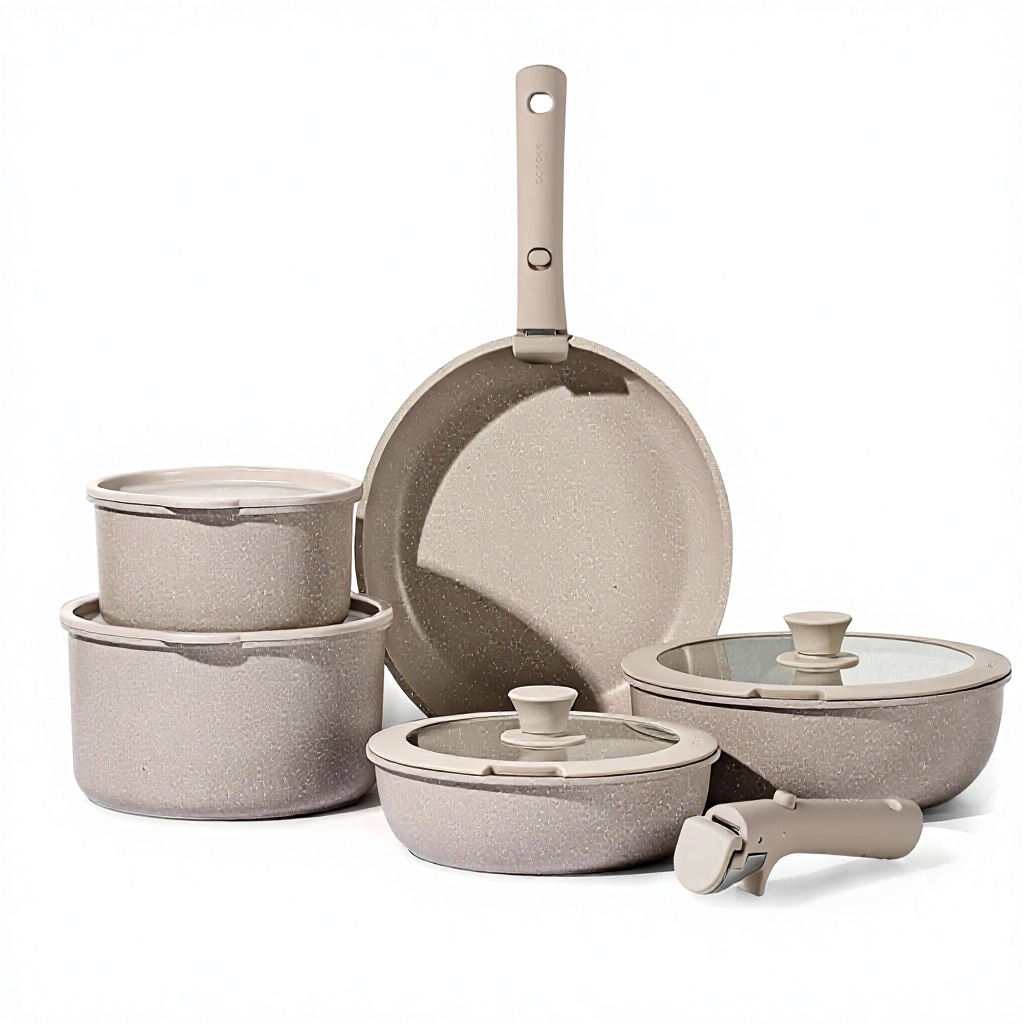
CAROTE 19-Piece Non-Stick Cookware Set Detachable Removable Handles Induction Compatible Oven Safe Dishwasher Safe Gas/Electric
View Product Details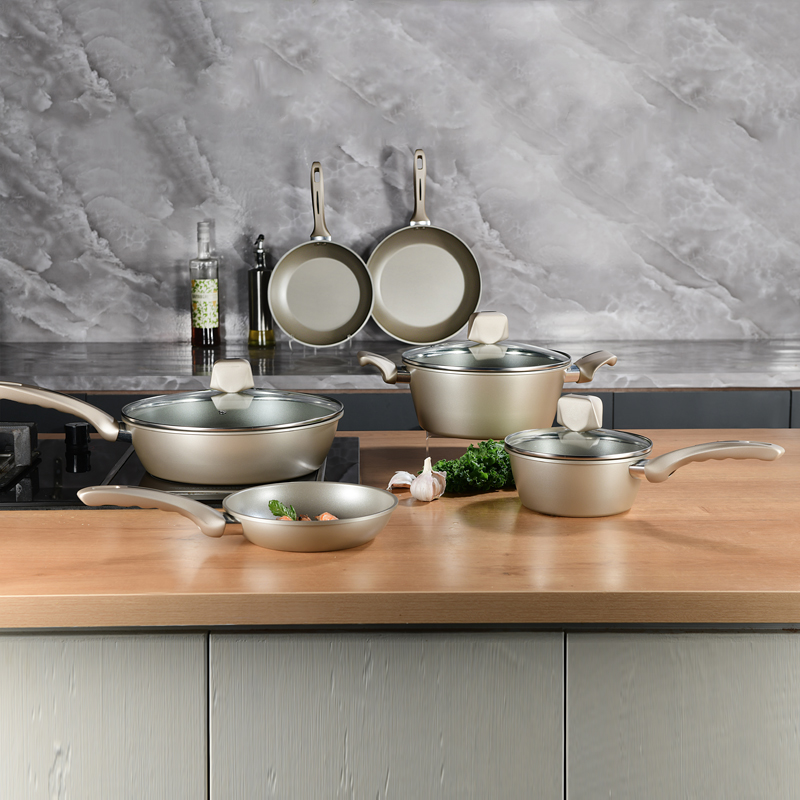
9 Piece Modern Design Titanium Non-Stick Coating Cookware Set Heavy Gauge Carbon Steel Pots Pans Soft Touch Handle Customizable
View Product Details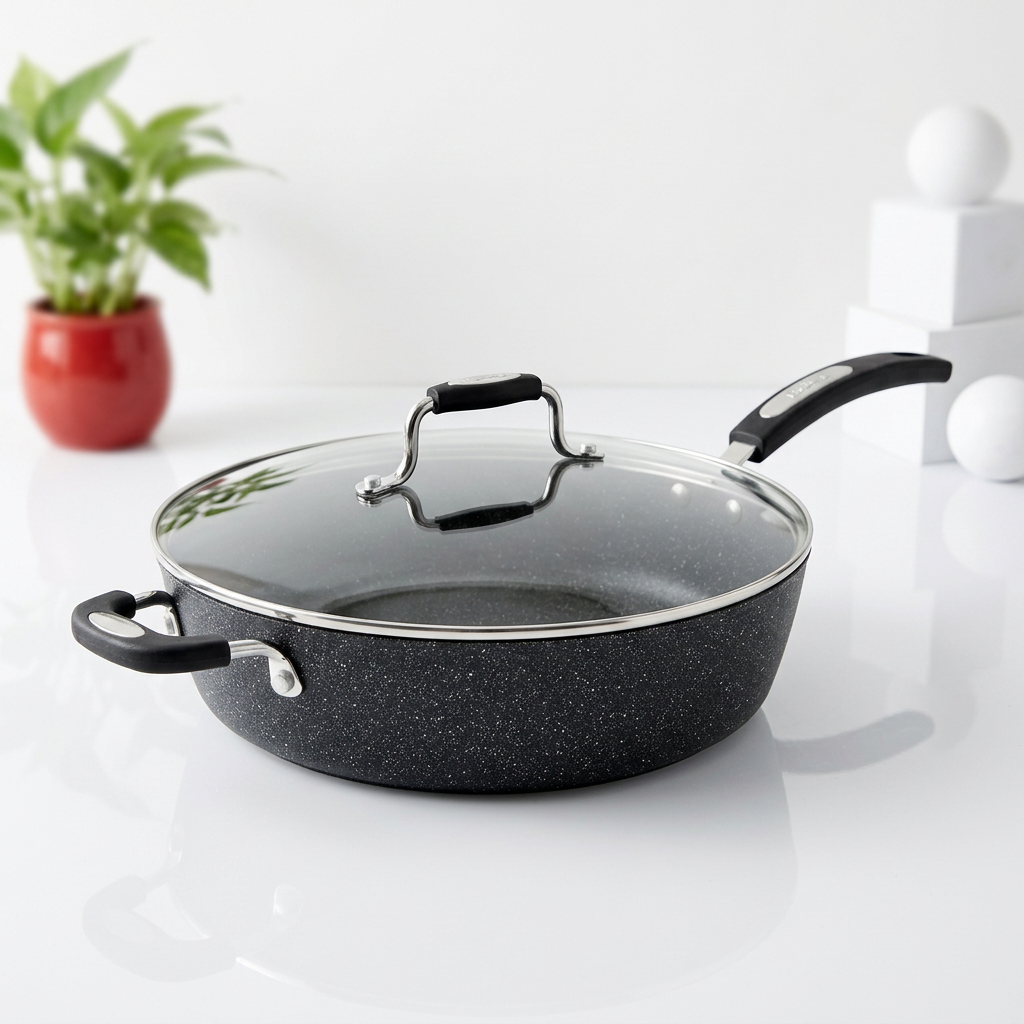
Classic 11 Inch (28cm) Non-Stick Cookware Set Deep Fry Pan Helper Handle Durable Forged Aluminum 4 Quarts Glass Cover Induction
View Product Details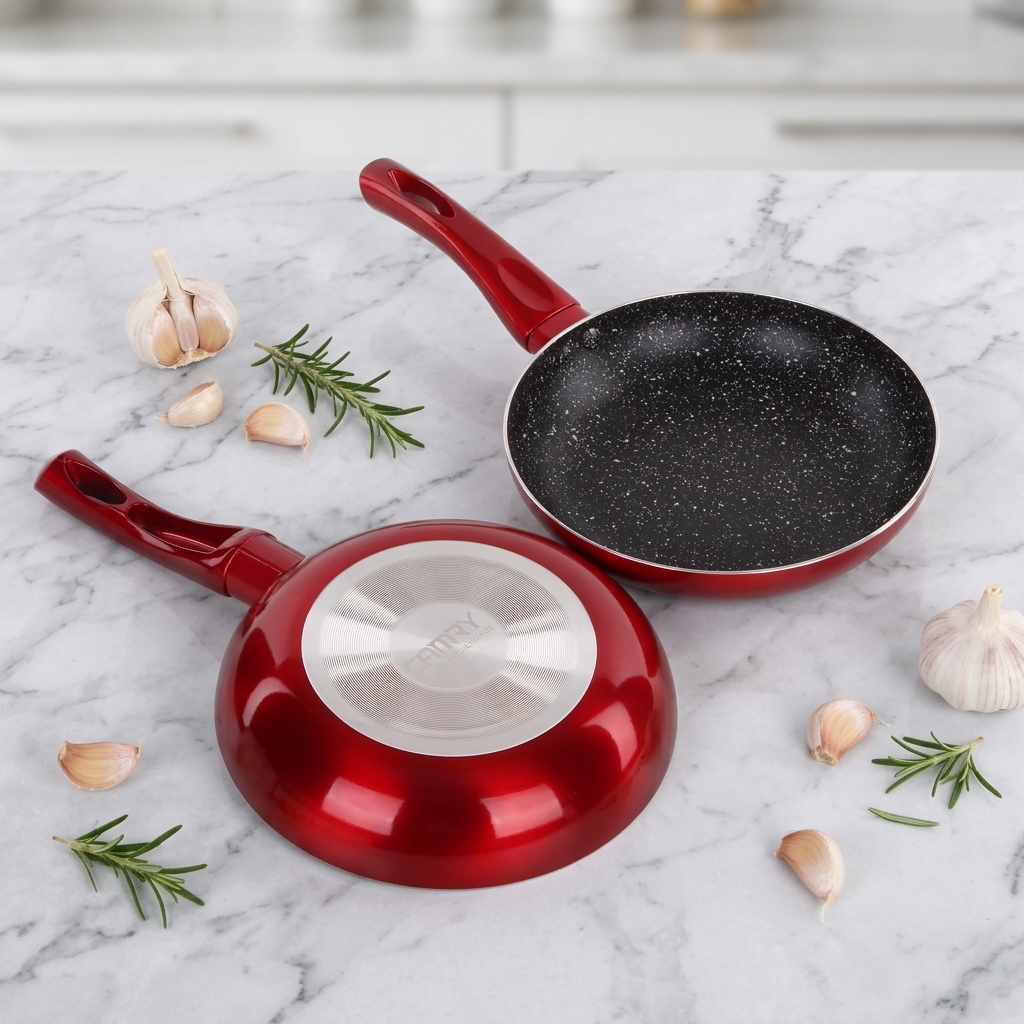
Hot Sale Durable 30 cm PFOA-free Non-Stick Pressed Frying Pan Glass Cover Heat-Resistant Handle for Household Restaurant Cooking
View Product Details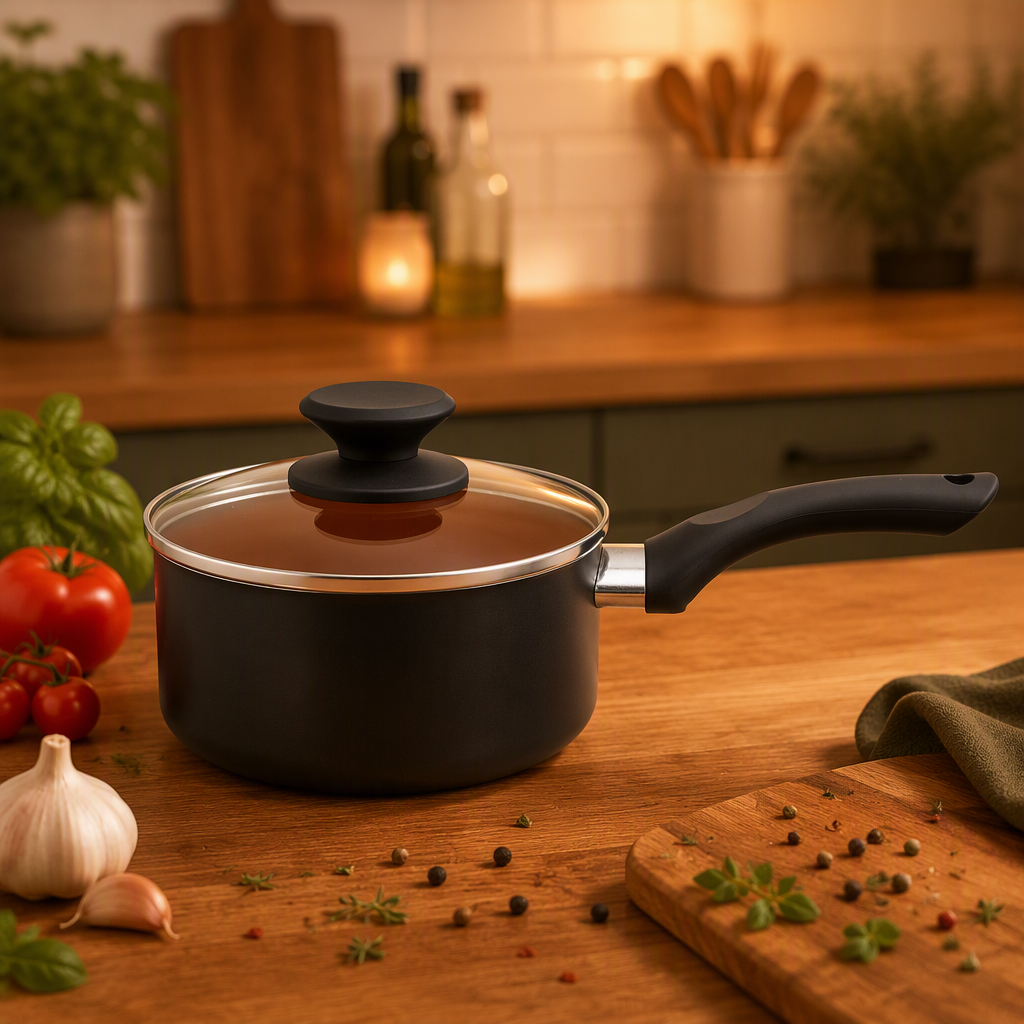
24 cm Non Stick Aluminum Saucepan with Glass Lid Multi Layer Coating Lightweight Cooking Pot for Gas and Induction
View Product Details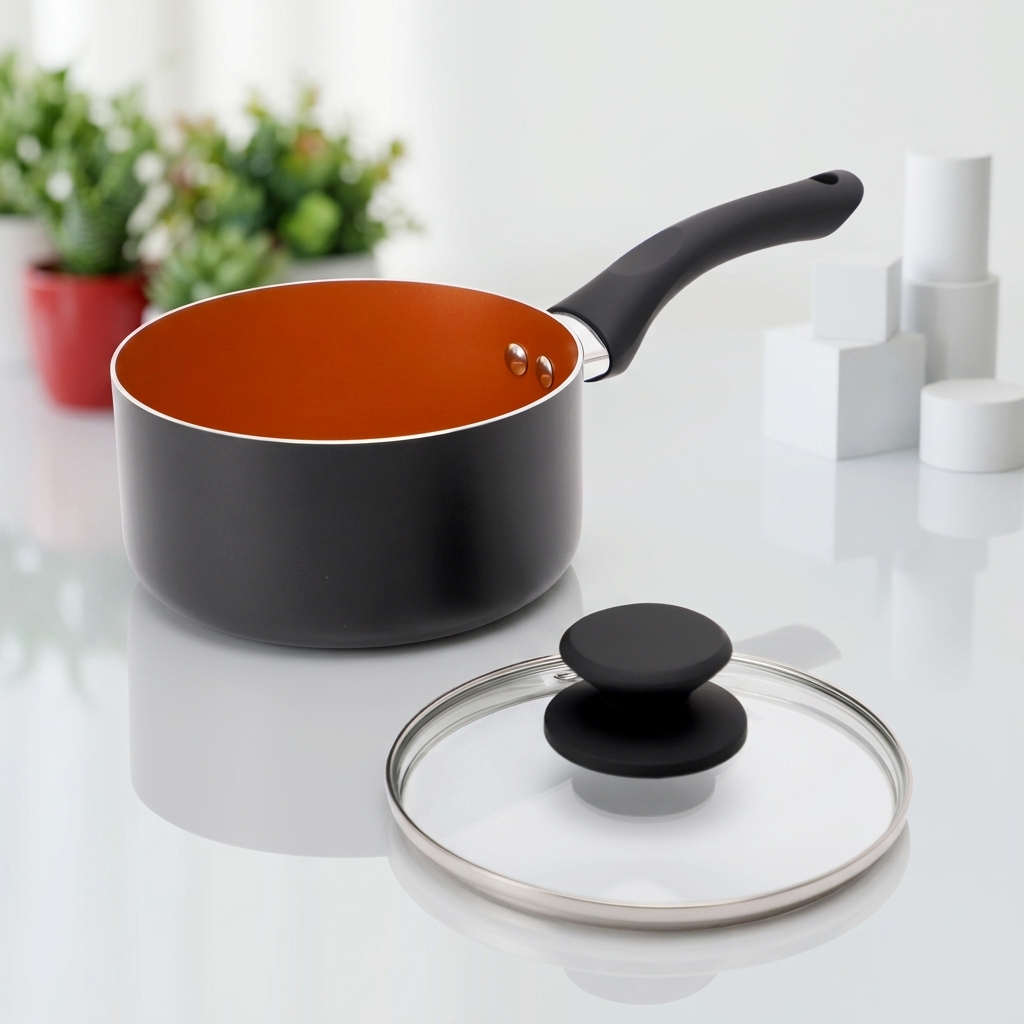
1.5QT Modern Metal Sauce Pan Glass Lid Non-Stick Coating 2-Layer Ceramic Interior Eco-Friendly Black Bakelite Soft Touch Handle
View Product Details20+
Years Industry Expertise
TÜV
On-Site Verified Audit
105
Specialized Skilled Workforce
10+
Years Global Tier-1 Exporting
Industry Technical Analysis: Material Selection & Substrate Dynamics
In global B2B cookware procurement, evaluating nonstick cookware requires a rigorous understanding of substrate metallurgy, structural density, thermal conductivity, and coating adhesion mechanics. As a premier OEM/ODM nonstick cooking pot supplier and exporter based in Jinhua, Zhejiang, Zhejiang MEIS Kitchenware Co., Ltd. integrates advanced physical metallurgy with automated spray coating processes to satisfy the demands of modern retail chains, brand owners, and commercial importers.
Selecting the optimal substrate material directly influences landed costs, cooking performance, warp resistance, and compatibility with modern stovetops, particularly induction cooking systems. Below is an engineering overview of the primary metals utilized in high-volume cookware production:
Pressed Aluminum Substrates
Cold-stamped from 99.5% pure aluminum sheets (1050/3003 alloys), pressed cookware offers exceptional thermal responsiveness and minimal weight. It provides maximum cost-efficiency for mass-market retail campaigns, promotional sets, and high-volume grocery programs. Typically produced in wall thicknesses ranging from 1.8mm to 3.0mm.
Forged Aluminum Substrates
Formed under heavy hydraulic pressure die-forging processes, forged aluminum enables variable wall thickness distribution—featuring a thick bottom plate (3.5mm–5.0mm) for superior heat retention and structural anti-warping integrity, alongside lighter rim walls. Ideal for mid-to-high-end private label collections.
Heavy-Gauge Carbon Steel
Carbon steel combines structural stiffness with rapid heat transfer. Due to its ferromagnetic profile, carbon steel cooking pots and frying pans achieve native 100% induction efficiency without needing secondary impact-bonded bottom plates. Excellent for high-durability kitchenware and budget-friendly induction ranges.
Technical Comparison Matrix: Cookware Material Performance
To assist procurement managers and brand buyers in tailoring their custom OEM/ODM sourcing strategies, our engineering department outlines key physical parameters across material classes below:
| Evaluation Parameter | Pressed Aluminum | Forged Aluminum | Heavy-Gauge Carbon Steel |
|---|---|---|---|
| Base Gauge Range | 1.8 mm – 3.0 mm | 3.2 mm – 5.0 mm | 1.0 mm – 2.0 mm |
| Thermal Distribution | Rapid / High Uniformity | Superior Retention & Stability | Ultra-Fast Response |
| Warp Resistance Rating | Standard (Ideal home use) | Heavy-Duty / Anti-Deformation | High Structural Rigidity |
| Induction Compatibility | Requires Spray/Punch Disc | Requires Stainless Bonded Disc | Native Ferromagnetic Base |
| Target Retail Positioning | Volume Supermarkets / Promos | Mid-to-Premium Department Stores | DTC Brands & Value Chains |
| Nonstick System Options | Ceramic, PTFE Multi-Layer | Marble, Granite Speckle, Hard-Anodized | Titanium-Reinforced, Ceramic |
Global Product & Procurement Trends
Analyzing key commercial shifts in consumer kitchenware preference, regulatory enforcement, and supply chain logistics shaping international contract manufacturing over the next decade.
1. PFAS/PFOA-Free Regulatory Compliance
Global regulatory bodies (US EPA, EU REACH, France PFAS Prohibition Laws) are driving an accelerated phase-out of fluorinated persistent chemicals. Modern procurement programs heavily prioritize eco-friendly Sol-Gel ceramic coatings, multi-layer stone/granite mineral matrices, and chemical-free hard-anodized surfaces that meet strict FDA, LFGB, and DGCCRF food-grade contact standards.
2. Space-Saving & Detachable Handle Modular Systems
With urbanization shrinking household kitchen footprints and international freight costs emphasizing volumetric efficiency, cookware sets featuring detachable and removable handles (such as 14-piece to 28-piece nestable sets) have seen explosive growth in DTC, e-commerce, and TV-shopping sales channels.
3. Universal Induction Base Innovations
As induction hob adoption climbs globally across Europe, North America, and East Asia, importers require high-efficiency induction bottom configurations. Innovations like full-bound impact diffusion plates and precision laser-perforated stainless steel bottom discs ensure distortion-free cooking across gas, electric, glass-ceramic, and induction cooktops.
4. Tactile Aesthetic & Aesthetic Color Palettes
Modern consumers view cookware as tableware and kitchen decor. Demand has shifted from monotone black finishes to warm neutral tones (cream white, sage green, blush pink) combined with textured granite/marble speckling and heat-resistant wood-effect Bakelite handles that remain cool to the touch.
5. Extended Coating Longevity & Abrasion Rigor
Commercial buyers are enforcing higher wear-test benchmarks, requiring minimum nonstick coating durability of 10,000+ abrasion cycles under standard ASTM and BS EN testing protocols. Reinforced multi-coat systems integrated with diamond or titanium nanoparticles lead modern long-life premium product lines.
6. Supply Chain Consolidation & Factory Auditing
B2B importers are consolidating vendor bases to direct, verified original equipment manufacturers (OEM) with fully integrated production facilities—reducing dependency on trading intermediaries and minimizing quality volatility through strict ISO-compliant quality systems.
Enterprise OEM & ODM Manufacturing Capabilities
Operating from our custom manufacturing complex in Dongnan Industrial Zone, Shuxi Street, Jinhua, Zhejiang, Zhejiang MEIS Kitchenware Co., Ltd. provides end-to-end original equipment and original design production for international private labels.
With 20 years of dedicated industry experience and 18 years serving global buyers through digital B2B export channels, our 105-person team oversees complete in-house manufacturing processes. By maintaining direct control over blank pressing, CNC machining, automated surface degreasing, multi-coat spray application, curing oven baking, structural riveting, and quality testing, we ensure consistent product quality, competitive factory pricing, and reliable lead times.
01
Engineering Consult & Tooling Design
Reviewing client technical drawings, 3D CAD models, or physical samples. In-house mold design and lathe machining streamline prototype development for custom pot shapes and lid fittings.
02
Hydraulic Pressing & CNC Trimming
Stamping pure aluminum discs or shaping forged blanks with heavy hydraulic presses. CNC lathes precision-trim pan rims and flatten bottom surfaces for balanced stove seating.
03
Surface Cleaning & Degreasing
Substrates undergo multi-stage automatic washing and chemical etching bath sequences to clear oils, metal dust, and oxide layers—insuring optimal nonstick coating mechanical keying.
04
Automated Nonstick Spray Coating
Multi-coat nonstick application (primer, mid-coat granite/marble speckling, topcoat protective shield) applied in cleanroom spray tunnels followed by high-temperature industrial oven curing.
05
Handle Fitting & Hardware Assembly
Precision riveting or heavy-duty welding of Bakelite, soft-touch silicone, or cast stainless steel handles. Fitting tempered glass lids with steam vents and protective silicone rims.
06
Rigorous In-House Quality Assurance
Every batch undergoes stringent testing: cross-hatch coating adhesion tests, handle fatigue resistance, salt spray corrosion checks, thermal shock resistance, and pre-shipment box drop tests.
Sourcing & Procurement FAQ
Clear, direct technical answers addressing critical questions asked by global cookware buyers, importers, and procurement directors during OEM supplier evaluation.
Is Zhejiang MEIS Kitchenware Co., Ltd. a direct manufacturer or a trading company?
Zhejiang MEIS Kitchenware Co., Ltd. is an on-site verified direct Manufacturer and Exporter operating fully-owned production workshops in Dongnan Industrial Zone, Shuxi Street, Jinhua, Zhejiang, China. Our facilities have been inspected on-site by TÜV Rheinland. We manage our own pressing, CNC, cleaning, coating spray, assembly, and testing lines, offering direct factory pricing without broker markups.
What is your Minimum Order Quantity (MOQ) requirement for custom OEM orders?
MOQ varies by product line, substrate material, and customization level. Generally, standard pressed or forged aluminum cookware sets start from 1,000 to 1,500 sets per model. Single fry pans or carbon steel cookware items typically range from 1,000 to 3,000 units. For trial market tests or select standard stock configurations, smaller trial quantities (from 50 to 500 units) can be accommodated upon request.
Which nonstick surface coating systems can be customized for private labels?
We offer comprehensive coating solutions based on buyer target market requirements. These include eco-friendly PTFE-free ceramic coatings, granite and marble multi-layer speckle coatings, hard-anodized oxidation finishes, titanium-reinforced long-life surfaces, and traditional multi-tier nonstick systems. All coating options can be customized with 100% PFOA-free, lead-free, and cadmium-free certifications.
How are cookware handles tested for structural safety and thermal resistance?
Handle hardware integrity is critical for consumer safety. In accordance with BS EN 12983-1 standards, our testing lab performs automated handle fatigue tests (repeated mechanical bending cycles under weight), thrust load tests, handle torque torsion resistance checks, and flame-resistance evaluations on Bakelite soft-touch components to ensure zero joint failure during long-term use.
Can MEIS supply full custom packaging and ODM private label branding?
Yes. We offer complete minor and major customization options. Minor customization includes laser-engraved bottom logos, custom color spray matching (Pantone system), personalized color sleeves, and branded retail gift boxes. For full ODM development, our technical engineering team creates custom mold tooling, body shapes, unique lid handles, and space-saving detachable handle locking mechanisms tailored to your brand's unique market position.
What is the typical production lead time for sample development and bulk orders?
Standard OEM sample production with existing tooling requires approximately 7 to 10 days. Customized ODM prototype samples involving new mold creation take approximately 20 to 30 days. Mass production lead times for container-load shipments generally range between 35 to 45 days following artwork approval and deposit receipt.
Partner with a Verified OEM/ODM Cooking Pot Manufacturer
Looking to launch a new nonstick cookware collection, scale private label retail inventory, or optimize factory sourcing costs? Contact our international export engineering team today for technical advice, competitive quotes, and fast sample delivery.