Industrial Infrastructure & Technical Capabilities: Zhejiang MEIS Kitchenware Co., Ltd.
Located in the heart of China’s premium hardware cluster—Dongnan Industrial Zone, Shuxi Street, Jinhua City, Zhejiang Province—Zhejiang MEIS Kitchenware Co., Ltd. stands as an authoritative force in technical cookware manufacturing. Operating as an integrated manufacturer and trading entity audited on-site by TÜV Rheinland, our enterprise bridges the gap between raw metallurgical engineering and consumer-grade kitchen equipment.
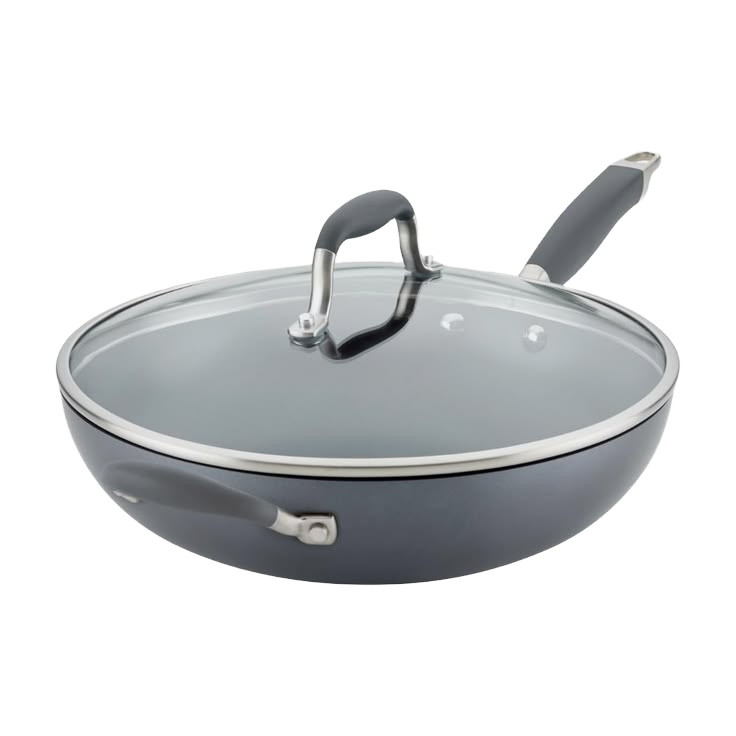
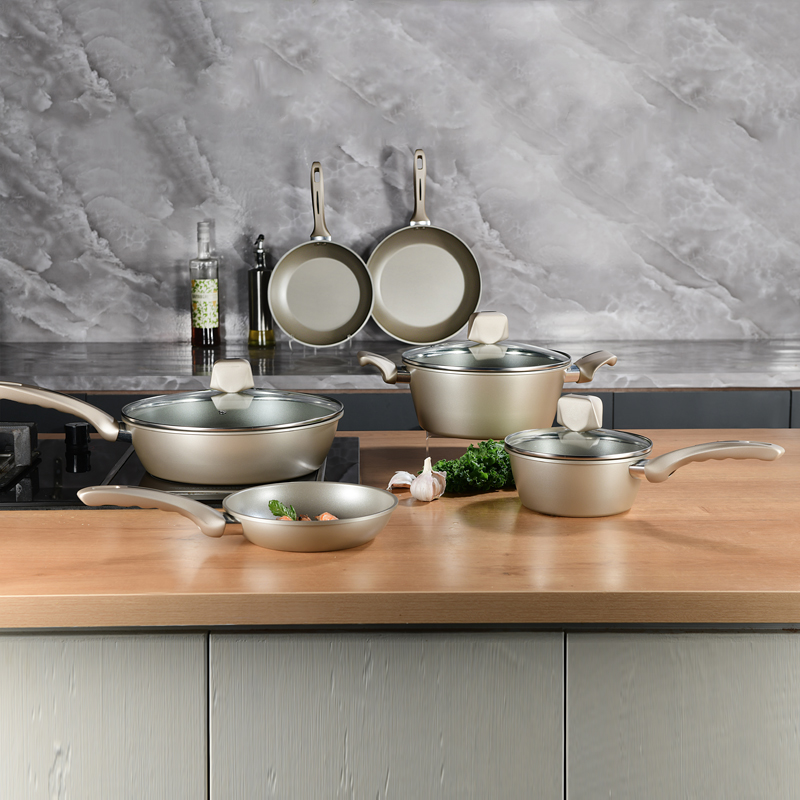
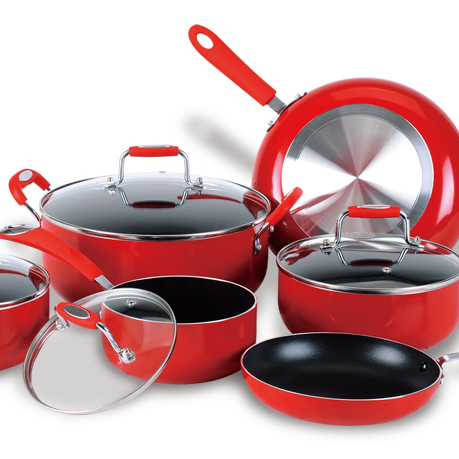
For over two decades, our factory has specialized in developing, engineering, and mass-producing high-caliber pressed aluminum cookware, forged aluminum frying pan sets, heavy-gauge carbon steel pots, roasting pans, and square griddles. We cater exclusively to global brand owners, commercial importers, kitchenware distributors, supermarket chains, and private-label e-commerce sellers across North America, Europe, the Middle East, and Southeast Asia.
Our complete operational matrix is unified under one roof across dedicated automated production floors. Our manufacturing lines include precision hydraulic pressing, multi-axis CNC base machining, chemical surface degreasing, robotic spray-coating lines, high-temperature sintering curing ovens, handle rivet/welding assembly stations, and comprehensive internal QA/QC laboratories. By controlling 100% of the production cycle, MEIS delivers strict batch-to-batch consistency, adherence to international food-contact safety standards (FDA, LFGB, REACH, RoHS), and optimized unit economics.
Substrate Metallurgical Engineering: Pressed Aluminum vs. Forged Aluminum vs. Carbon Steel
A critical consideration for B2B buyers when specifying OEM nonstick frying pan sets is selecting the optimal structural substrate. Thermal conductivity, mechanical stability under thermal stress, weight distribution, and induction bottom integration depend entirely on substrate dynamics.
Pressed Aluminum (3003 Alloy)
Formed via high-speed mechanical stamping from uniform 3003-series aluminum discs. Pressed aluminum provides exceptional thermal responsiveness, rapid heat propagation, and lightweight handling. Ideal for volume-driven retail promotions, entry-level cookware lines, and fast-heating cookware sets.
Forged Aluminum (Thick Rim & Base)
Manufactured using heavy hydraulic forging presses that re-align the alloy molecular structure. Forged pans feature engineered wall variations—a thick structural rim to resist warping, tapered walls for weight optimization, and a heavy base for thermal mass storage. Excellent choice for mid-to-premium commercial lines.
Heavy Gauge Carbon Steel (Q235 Grade)
Engineered from cold-rolled steel sheet stock. Carbon steel combines structural rigidity comparable to cast iron at a fraction of the weight. Carbon steel is inherently ferromagnetic, permitting full-surface induction compatibility without requiring bonded stainless steel base plates.
| Technical Parameter | Pressed Aluminum (3003-H14) | Forged Aluminum (A356/3004) | Carbon Steel (Cold Rolled) |
|---|---|---|---|
| Standard Wall Gauge | 1.8mm – 3.0mm Uniform | 2.5mm – 4.5mm (Thick Base/Rim) | 1.0mm – 2.0mm Heavy Gauge |
| Thermal Conductivity | Very High (~230 W/m·K) | High (~205 W/m·K) | Moderate (~50 W/m·K) |
| Warping Resistance | Standard (Thermal expansion controlled) | Superior (Die-forged mass stability) | High Structural Rigidity |
| Induction Integration | Impact Bonded SS430 Plate / Hole Plate | Friction Welded Plate / Full-Cover Disc | Native Ferromagnetic Base |
| Coating Compatibility | PTFE Multi-layer, Ceramic Sol-Gel | Granite, Marble, PTFE, Hard Anodized | Titanium PTFE, Enamel, Ceramic |
| Market Positioning | Mass Retail, Supermarkets, Fast Movers | Mid-to-High Retail, Department Stores | Commercial Kitchens, Value Sets |
Advanced Nonstick Coating Technology: Sol-Gel Ceramic, PTFE & Granite Systems
The operational lifespan of a nonstick frying pan depends primarily on coating adhesion strength, polymer integrity, particle reinforcement, and surface pretreatment. MEIS Kitchenware collaborates with world-leading coating chemical formulators (including Whitford, ILAG, Teflon, and Weilburger) to offer custom nonstick solutions engineered for longevity.
Before coating application, pan blanks undergo automated alkaline degreasing, acid etching, and shot-blasting with high-grade aluminum oxide media. This creates a micro-rough anchor profile (Ra 3.5–5.0 µm) essential for mechanical mechanical interlocking between the metal substrate and the nonstick primer layer.
Primary Coating Formulations Available for Customization:
- Ceramic Sol-Gel Systems (3rd Generation): Inorganic silicon dioxide (SiO2) network cured at 280°C–320°C. Completely free of PFOA, PFAS, PTFE, Lead, and Cadmium. Offers high scratch resistance (up to 9H hardness), heat resistance up to 450°C, and a high-gloss aesthetic. Ideal for eco-conscious retail brands.
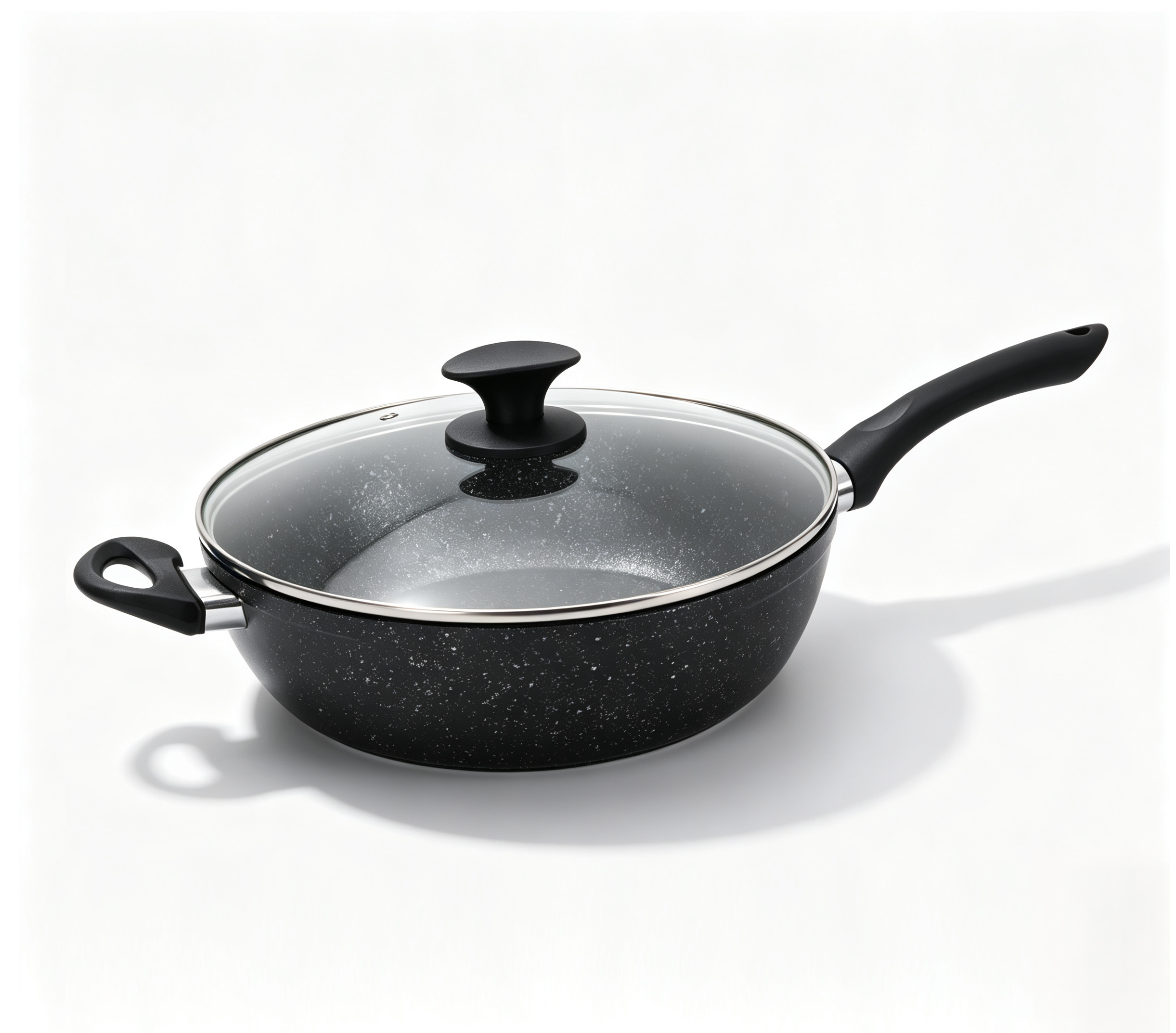
- Granite & Marble Speckle Systems: Multi-layer PTFE/Ceramic matrix reinforced with ceramic micro-particles or mineral crystals. Applied via sequential wet-on-wet spray coats (Primer, Mid-coat, Dot-Speckle Coat, Clear Top-coat). Provides superior abrasion resistance (resisting 20,000+ cycles under BS EN 12983-1 friction testing).
- Titanium-Reinforced Matrix: Engineered for extreme durability. Titanium micro-particles are plasma-sprayed into the primer layer to form a rock-hard composite barrier that resists degradation from abrasive cooking utensils and high thermal cycle stress.
- Hard-Anodized Aluminum Substrates: Electrochemical anodization converts the aluminum surface into aluminum oxide (Al2O3), yielding a surface twice as hard as stainless steel. PTFE or ceramic nonstick systems applied over hard-anodized aluminum deliver commercial-grade performance.
Global Procurement & Product Future Development Trends (2025–2030)
Strategic buyers sourcing nonstick cookware must stay aligned with evolving consumer expectations and regulatory mandates. Over the next decade, global procurement strategies are shifting significantly in response to environmental legislation, kitchen space optimization, and induction heating adoption.
1. Mandatory PFAS/PFOA Phase-Out Compliance
Regulatory bodies across the EU (REACH restrictions) and US states (Maine, Minnesota, California PFAS reporting acts) are enforcing strict limits on fluorinated compounds. Procurement channels are transitioning toward certified 100% PFOA/PFAS-free ceramic coatings and organic sol-gel technologies to satisfy global import compliance.
2. Space-Saving Detachable Handle Systems
Urban living and compact kitchens have driven massive demand for stackable cookware sets featuring click-lock detachable handles. Eliminating fixed handles reduces master carton shipping volume by up to 40%, significantly decreasing ocean freight costs while enabling seamless stove-to-oven-to-table functionality.
3. High-Efficiency Full-Bound Induction Bases
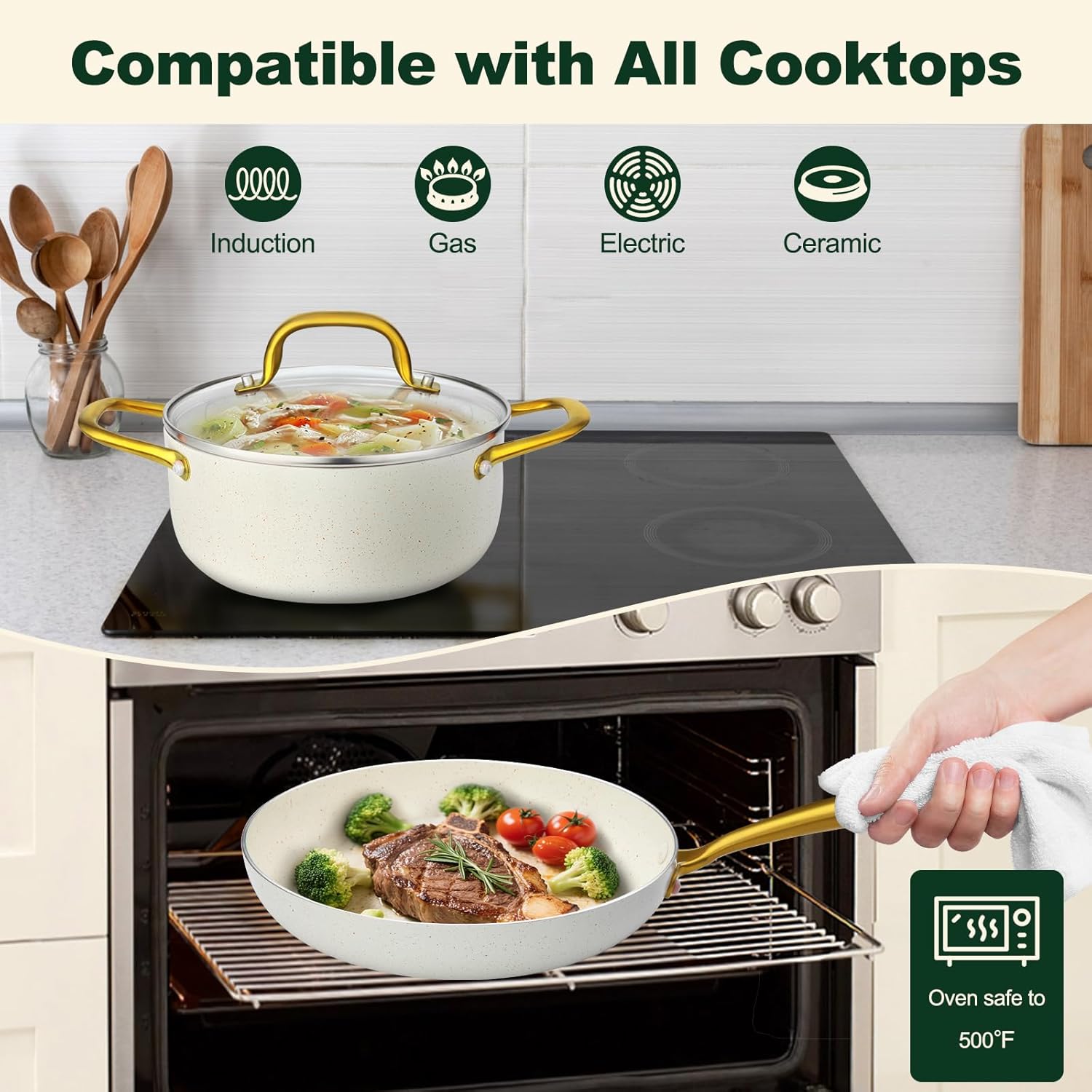
As electric and induction cooktops replace gas stoves in modern homes, nonstick frying pan designs are prioritizing full-cover magnetic base plates. Friction-welded stainless steel bases ensure rapid energy transfer, eliminate hot spots, and prevent thermal warping even during high-wattage induction operation.
Rigorously Verified Manufacturing: Why Partner with MEIS Kitchenware
Building a successful private-label cookware program requires a reliable manufacturing partner with robust technical capabilities and strict quality assurance protocols. At MEIS Kitchenware, our quality management system enforces multi-stage testing before any product leaves our factory floor.
In-House Quality Control Testing Protocols:
- Cross-Hatch Adhesion Tape Test (ASTM D3359): Coating surfaces are lattice-cut into 1mm grid squares using a precision multi-blade cutter. Permacel tape is firmly applied and rapidly pulled at 90 degrees to ensure zero coating detachment (Class 5B rating).
- Neutral Salt Spray Corrosion Testing (ASTM B117): Coated cookware samples undergo continuous salt fog exposure in our testing chambers for 72 to 120 hours, verifying base metal protection against salty foods and acidic sauces.
- Handle Load Fatigue & Impact Testing (BS EN 12983-1): Assembled handles are subjected to 15,000 continuous vertical lift cycles under 1.5x maximum food load weight, confirming structural joint integrity and rivet shear strength.
- Base Flatness & Thermal Shock Validation: Cookware bodies are heated to 250°C and instantly quenched in cold water over repeated cycles to verify bottom flatness tolerance (<0.5% of diameter) and prevent thermal deformation.
OEM / ODM Customization Options & Batch Production Workflow
MEIS Kitchenware offers comprehensive customization support for global retail programs and private-label brands. Supported by in-house mold development, CNC toolmaking, and dedicated design engineers, we take your cookware concept from initial 3D CAD drawings to mass production in accelerated lead times.
| Customization Category | Available Options & Specifications |
|---|---|
| Frying Pan Sizes | 14cm, 16cm, 18cm, 20cm, 22cm, 24cm, 26cm, 28cm, 30cm, 32cm (Deep & Standard Depth Profiles) |
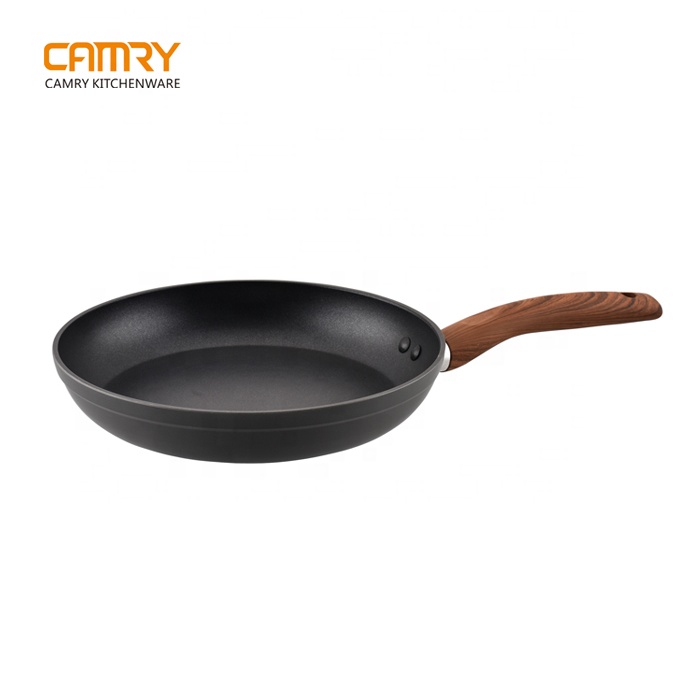
| Handle Metallurgy & Ergonomics | Stay-Cool Soft-Touch Bakelite, Stainless Steel Cast 202/304, Wood-Grain Silicone Transfer, Detachable Lock Handles |
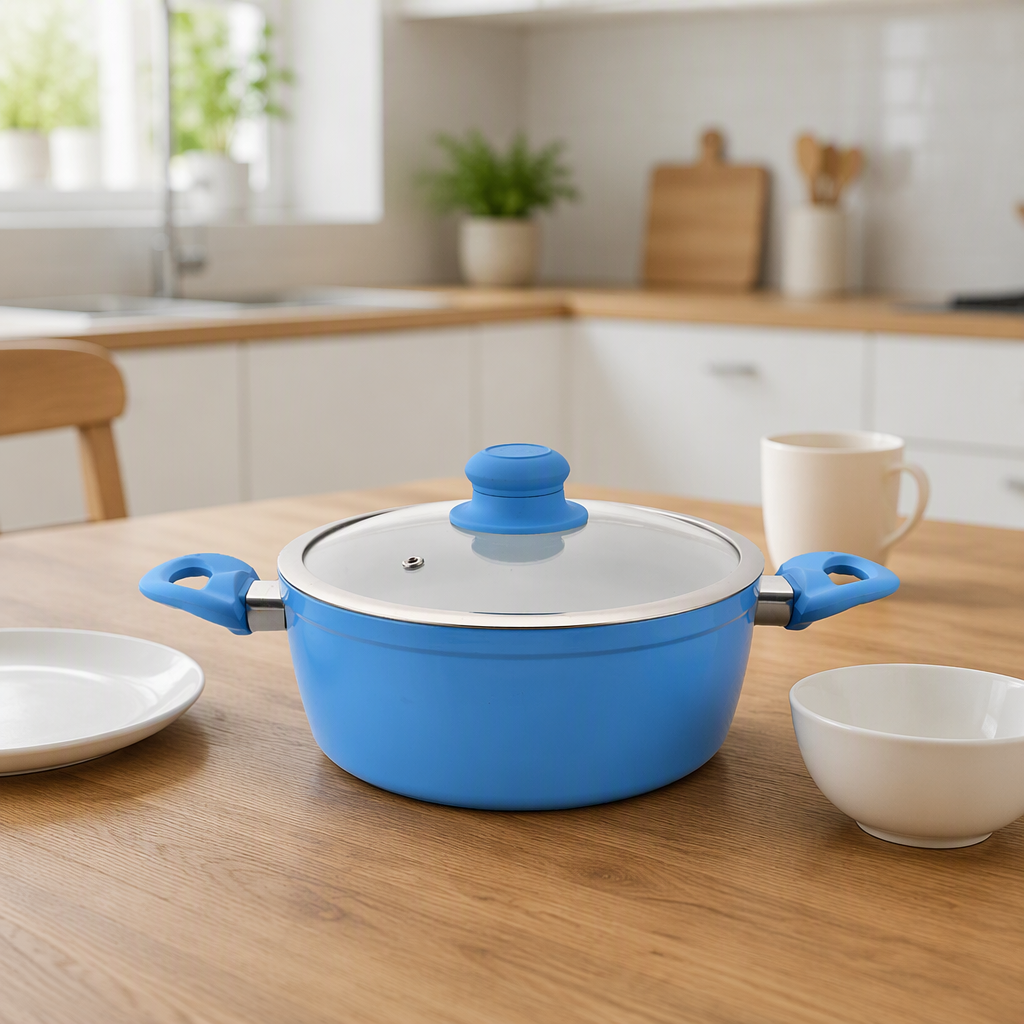
| Glass Cover Options | Flat Tempered Glass Lids, C-Type / G-Type Stainless Steel Rims, Silicone-Edged Lids with Steam Vent |
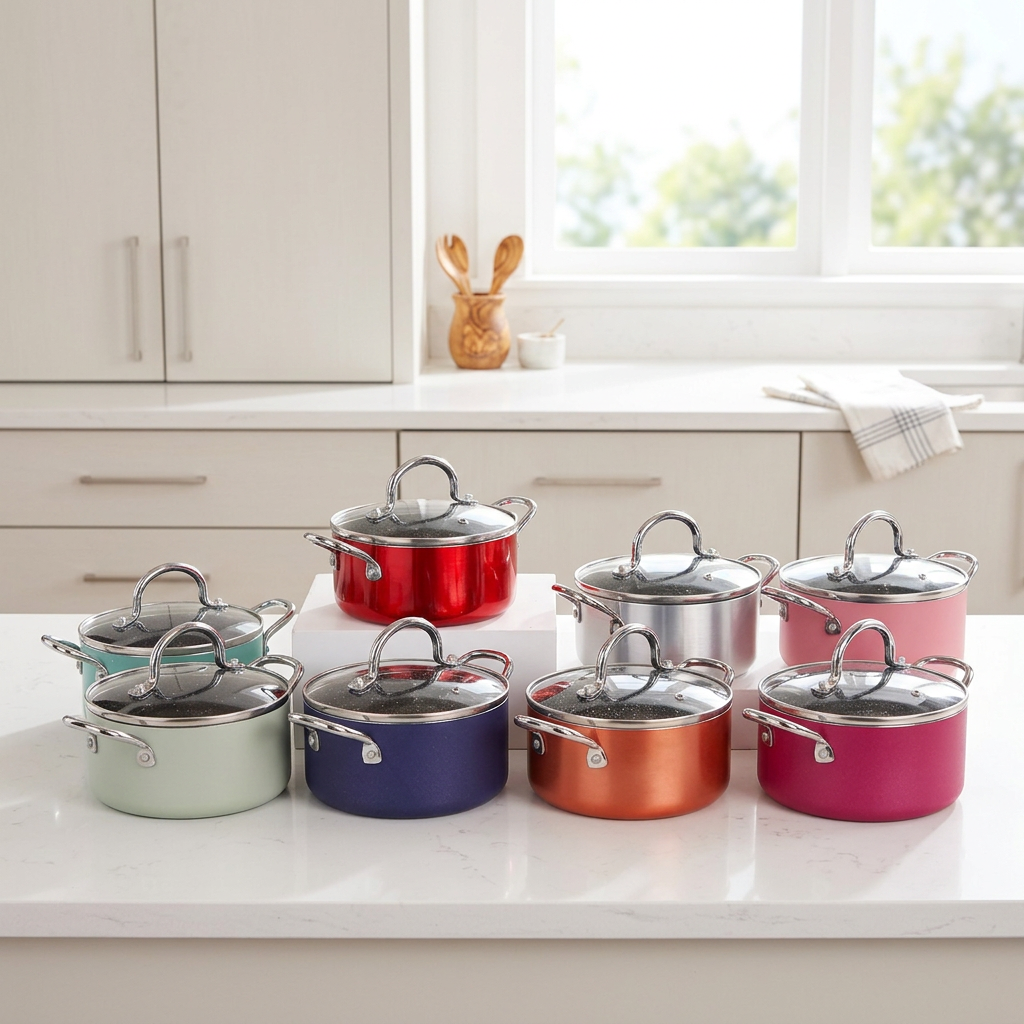
| Exterior Finishes | High-Temp Color Paint, Heat-Resistant Silicone Polyester, Metallic Powder Coating, Hard Anodized, Full Polish |
| Bottom Configuration | Spiral Sanded Gas Bottom, Hole-Pattern Induction Plate, Full Stainless Steel Friction Welded Disc, Embossed Logo Base |
| Branding & Packaging | Laser Engraved Bottom Logo, Custom Handle Badge, Color Sleeve, Display Gift Box, Mail-Order Drop-Test Box |