Verified OEM/ODM Cookware & Skillet Lines
Precision-engineered aluminum alloy & carbon steel cookware designed for international commercial & retail brands.
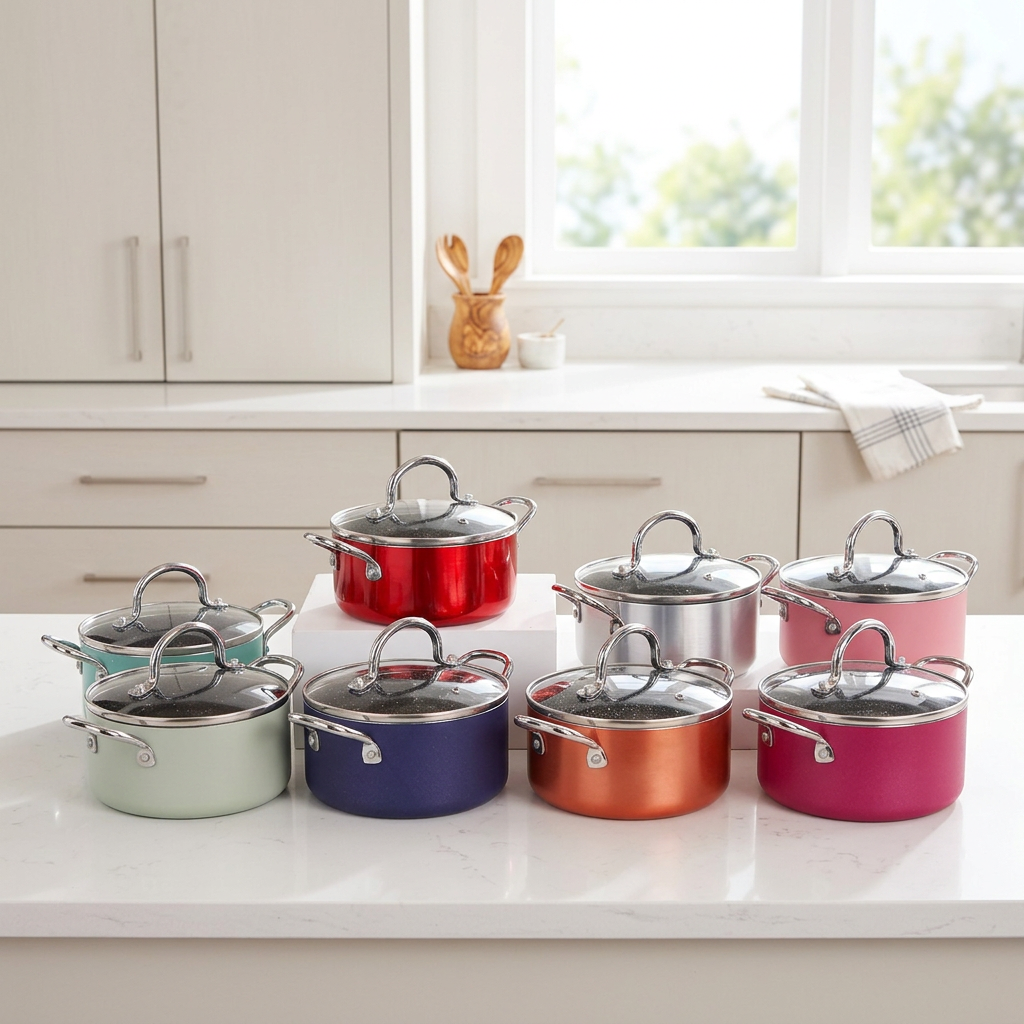
14cm Mini Sauce Pan with Glass Lid Colorful Non Stick Cookware for Induction and Gas Stoves
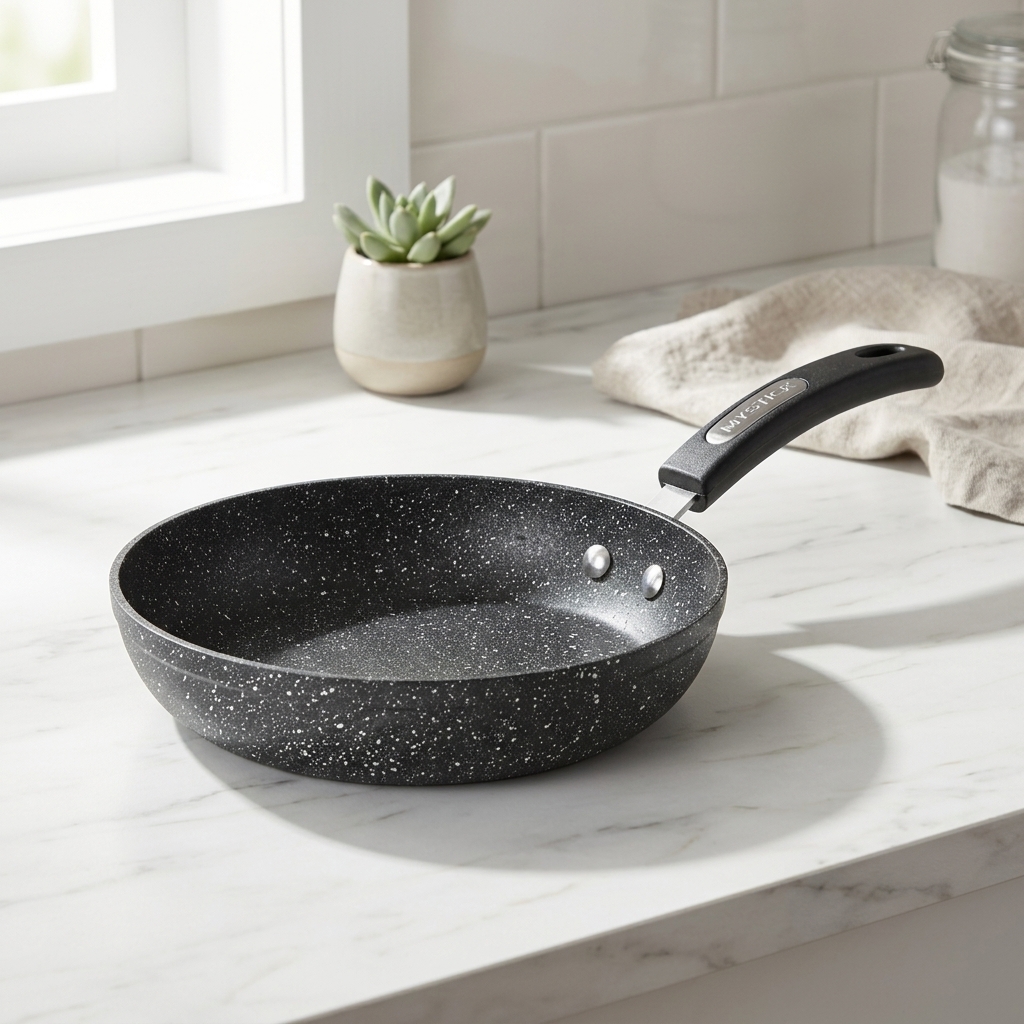
20cm Aluminium Shot Blast Frying Pan & Cooking Pot 1-2L Capacity Non-Stick Dishwasher Safe
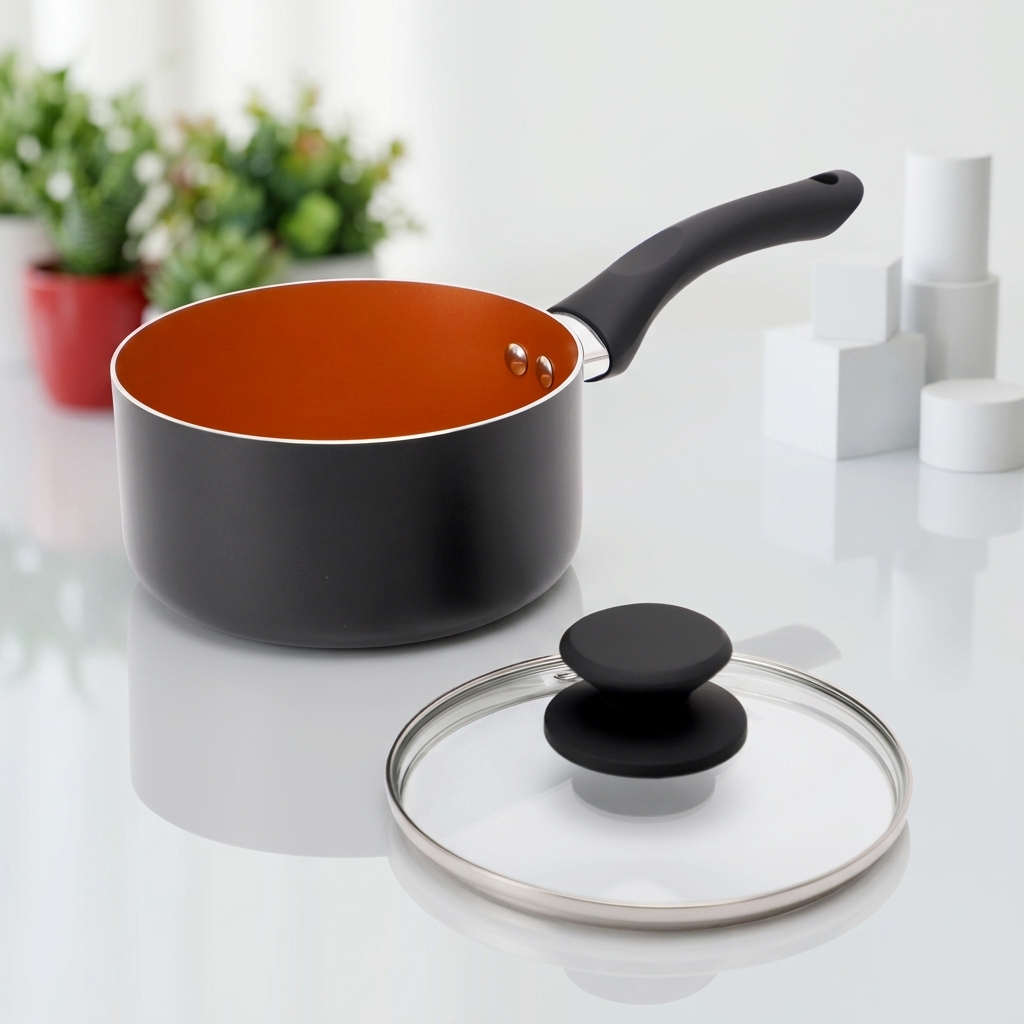
1.5QT Modern Metal Sauce Pan Glass Lid Non-Stick Coating 2-Layer Ceramic Interior Eco-Friendly
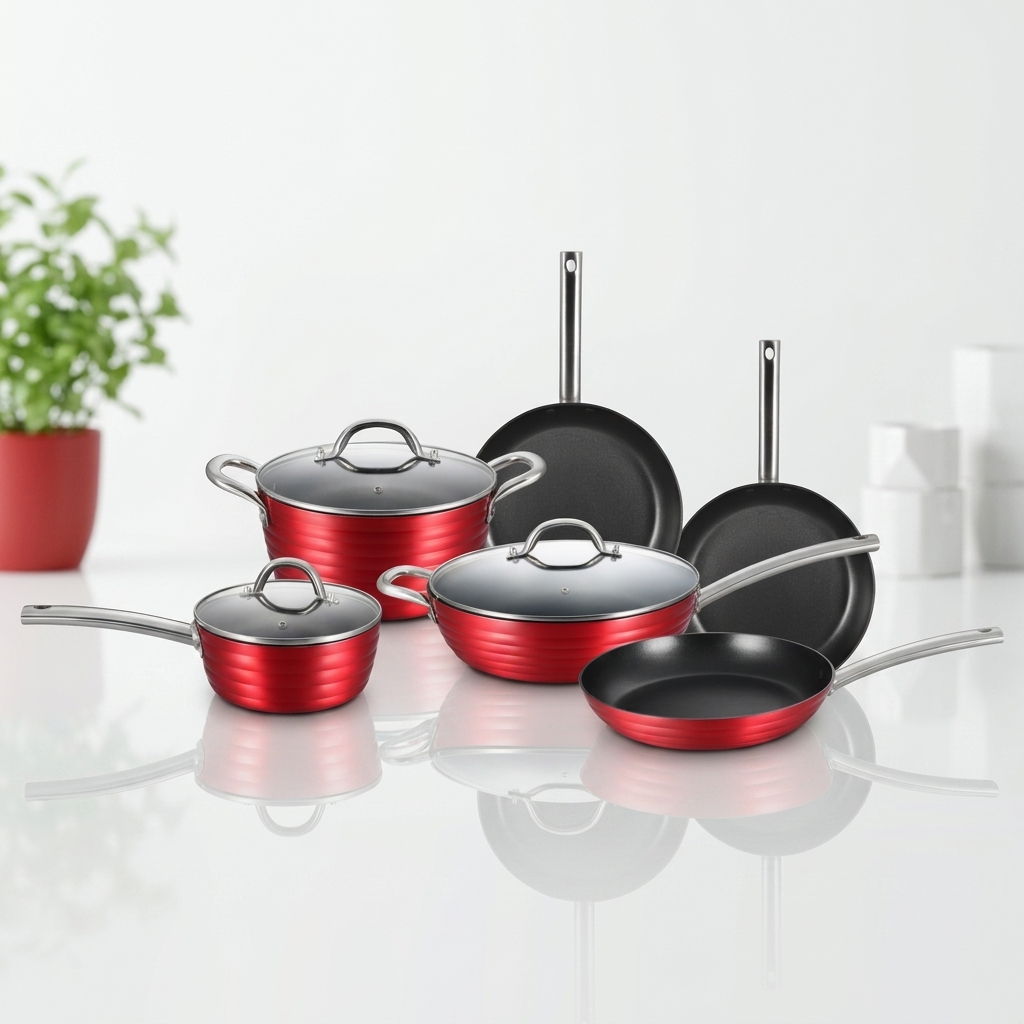
Kitchenware Set 9 Piece Non Stick Cookware Pot Set Metallic Red Outside S/S Handle Induction Bottom
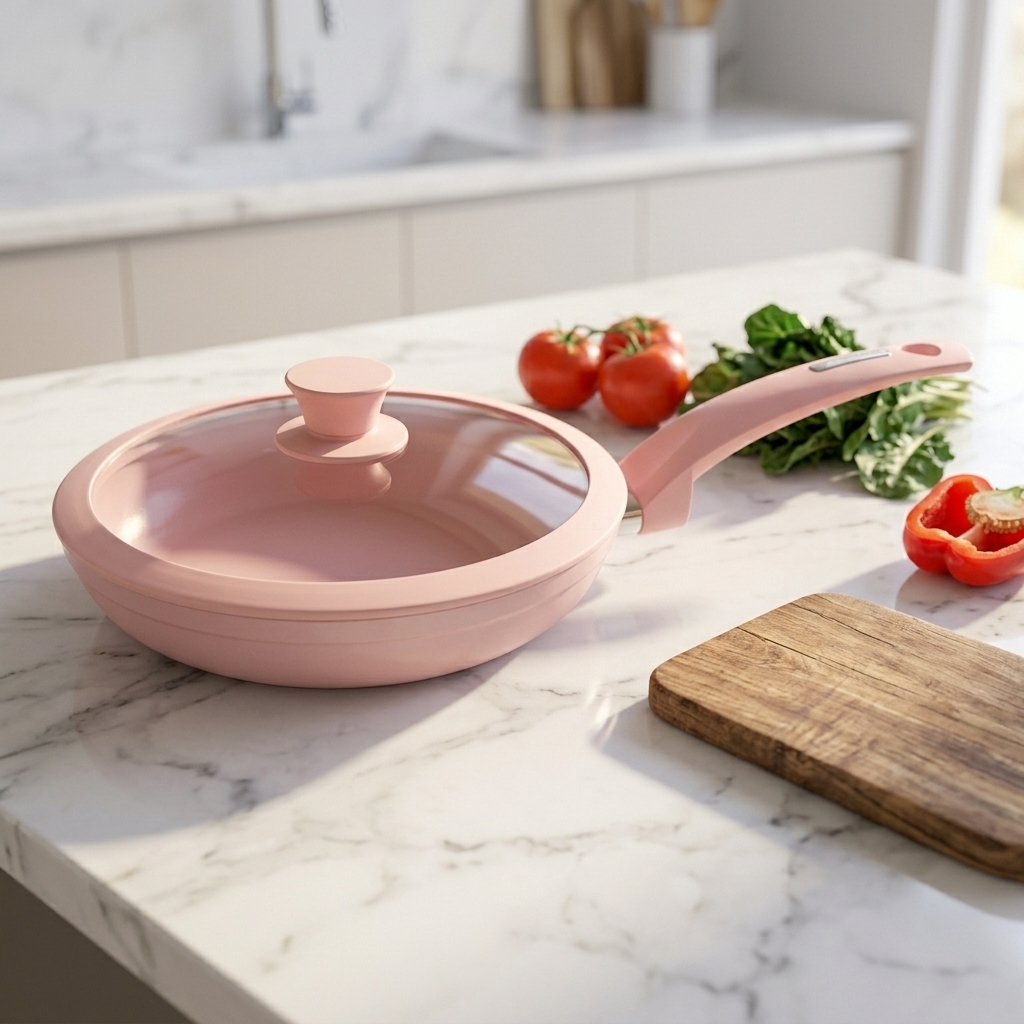
Factory Price Customized Colorful 22 cm Forged Aluminium Non-Stick Fry Pan with Glass Cover
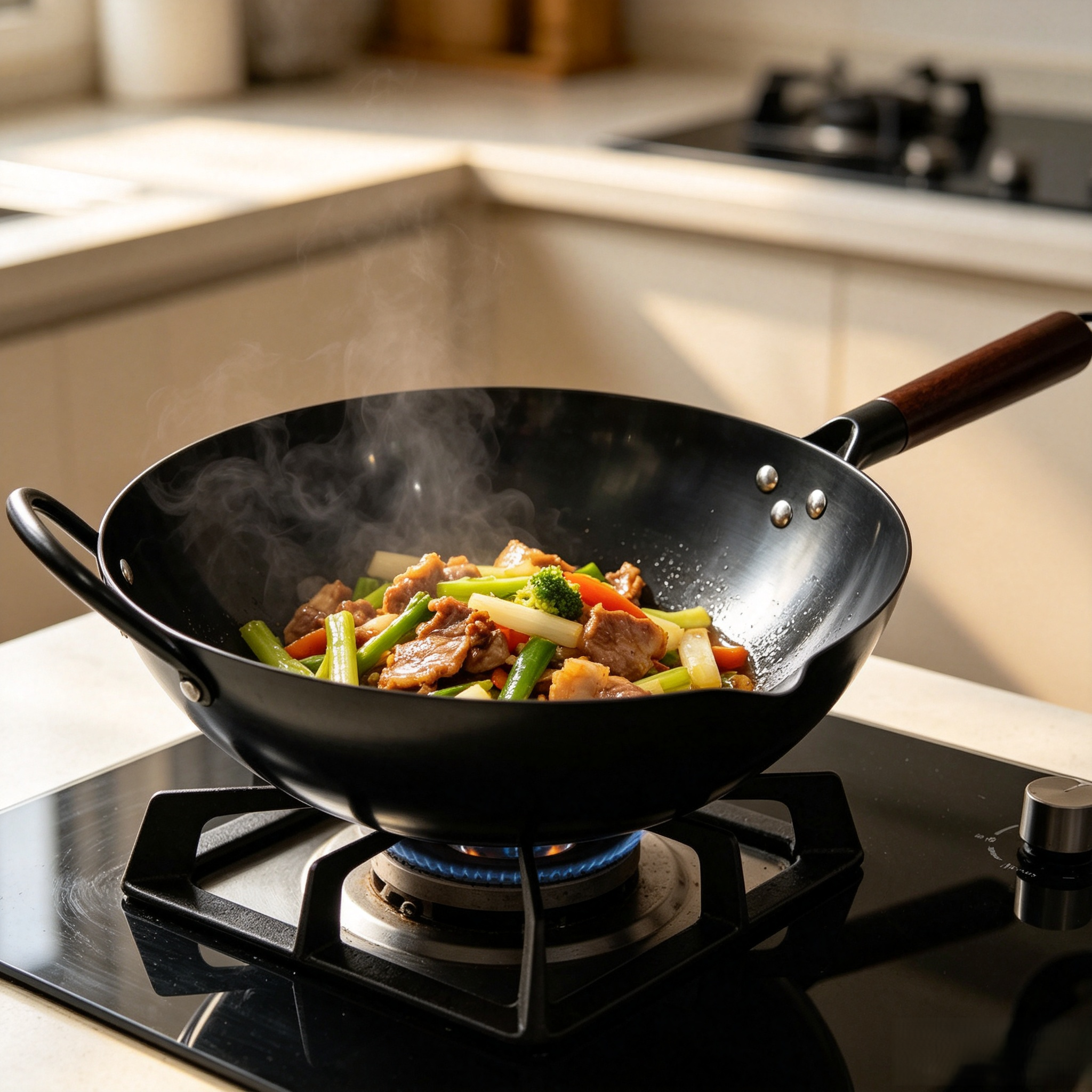
OEM/ODM 28/30/32/34cm Healthy Nitrided No Coating Carbon Steel Wok Gas & Induction Ready
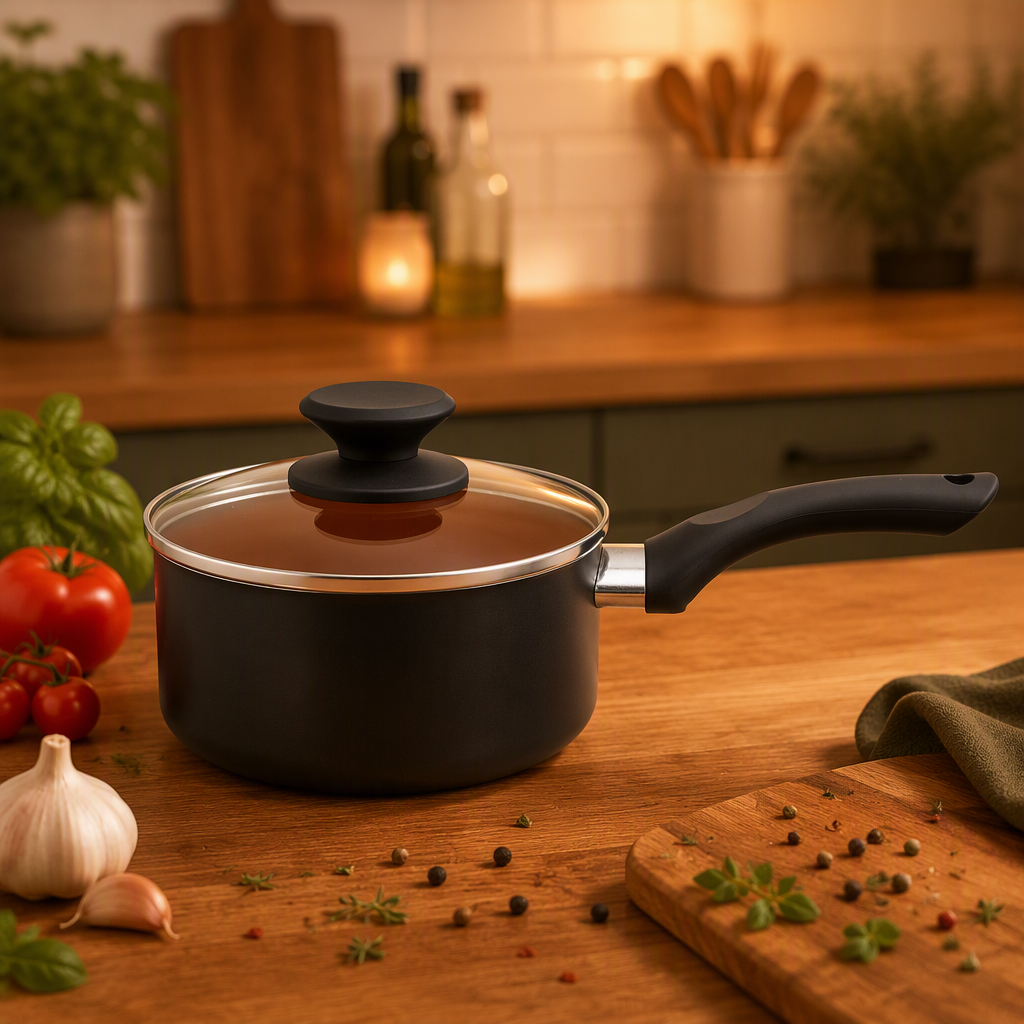
24 cm Non Stick Aluminum Saucepan with Glass Lid Multi Layer Coating Lightweight Cooking Pot
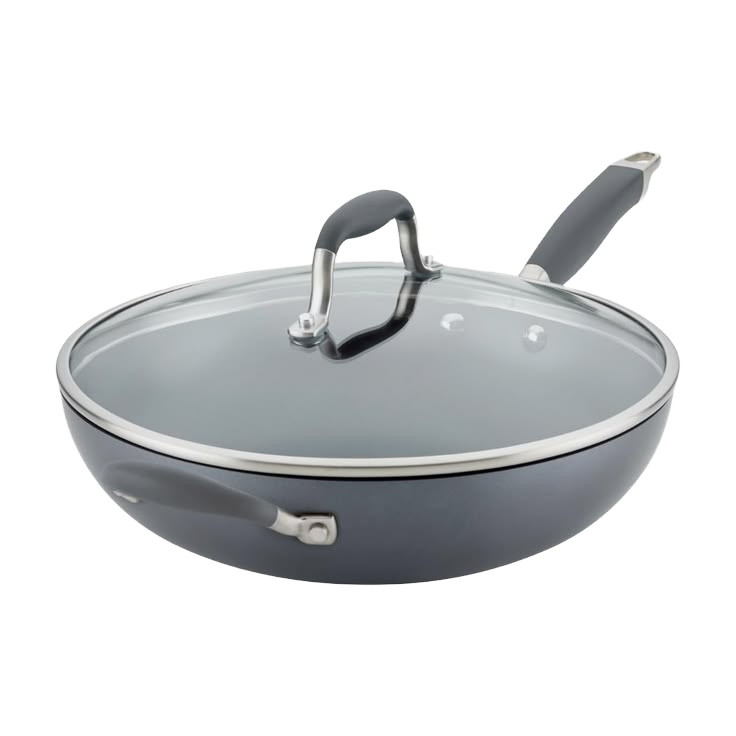
European-Style Frying Pan 26/28/30cm Pressed Aluminum Alloy Non-stick Ceramic Coating Lid
Industrial Overview: Zhejiang MEIS Kitchenware Co., Ltd.
Located in the Dongnan Industrial Zone, Shuxi Street, Jinhua, Zhejiang Province, Zhejiang MEIS Kitchenware Co., Ltd. stands as an audited OEM/ODM custom manufacturer specializing in nonstick cookware systems. Verified on-site by TÜV Rheinland, our modern manufacturing complex covers the end-to-end industrial cycle—from heavy hydraulic sheet pressing and cold-forge forming to multi-stage CNC rim profiling, automated chemical degreasing, robotic electrostatic spray coating, high-temperature sintering ovens, and structural assembly.
With over 20 years of dedicated industry experience and 18 years serving global buyers through international export frameworks, MEIS Kitchenware operates dedicated manufacturing lines staffed by 105 certified technicians. We maintain complete vertical integration over substrate processing (3003/4006 grade aluminum and SPCC carbon steel) and chemical surface modification, ensuring that private label cookware programs meet strict international food contact standards (FDA, LFGB, EU Regulation No 1935/2004, and REACH Annex XVII).
Metallurgical & Coating Technology Matrix
Evaluating OEM/ODM skillet suppliers requires a multi-dimensional assessment of raw substrate behavior, forming mechanics, thermal conductivity metrics, and nonstick coating polymer matrix stability. The table below delineates the structural parameters governing our main product lines:
| Substrate / Forming Method | Material Alloy Grade | Thermal Conductivity | Wall/Base Thickness Range | Primary Coating Systems | Target B2B Market Segment |
|---|---|---|---|---|---|
| Pressed Aluminum | AA3003-H14 / AA4006 | ~160–200 W/m·K | 1.8 mm – 3.0 mm uniform | PTFE 2-Layer / Sol-Gel Ceramic | Supermarket Volume, Promo Sets |
| Forged Aluminum | Heavy-Gauge 3003 Alloy | ~180–210 W/m·K | 2.5 mm wall / 4.0–5.5 mm base | Granite Speckle / Marble / Titanium | Mid-to-High Retail, Department Stores |
| Heavy Carbon Steel | SPCC Cold-Rolled Steel | ~50–60 W/m·K (High Magnetic) | 1.0 mm – 2.0 mm rigid | Nitrided / Ceramic / Titanium PTFE | E-commerce Brands, Value Lines, Woks |
| Hard-Anodized Aluminum | Electrolytic Oxidized 3003 | ~190 W/m·K (Vickers >400 HV) | 3.0 mm – 4.5 mm thick base | Fluoropolymer Topcoats / Reinforced PTFE | Commercial Foodservice, Premium Brands |
Substrate Dynamics: Pressed vs. Forged Aluminum
Pressed cookware is manufactured by cold-stamping pre-cut flat aluminum discs. This technique allows for rapid production cycles and precise uniform wall thickness, yielding a lightweight, highly responsive thermal pan at an optimized landed cost per unit. Conversely, die-forging utilizes multi-stage hydraulic presses (up to 1,000 tons of force) to redistribute aluminum mass—creating thick, structural heat-retaining base bottoms while keeping side rims refined. This thick-bottom architecture eliminates thermal warping ("bowing") under induction thermal shock and guarantees uniform heat dispersion across large-diameter skillets (28cm–32cm).
Future Sourcing & Procurement Trends (2025–2030)
Strategic forecasting for brand owners, purchasing directors, and global retail buyers.
1. Universal Regulatory Transition (PFAS-Free Mandates)
Global compliance standards are shifting rapidly. Regulatory frameworks across North America (US State-level bans in Minnesota, California, and Maine) and the EU (ECHA REACH PFAS restrictions) are accelerating the phase-out of traditional fluoropolymer coatings containing long-chain and short-chain perfluoroalkyl substances. Sourcing strategies are pivoting toward third-generation inorganic Sol-Gel Ceramic coatings (silica-based matrices) and advanced Nitrided Carbon Steel skillets that achieve high nonstick performance without fluorinated compounds.
2. Full-Bound Induction Compatibility & Energy Efficiency
With induction cooking expanding globally, nonstick skillets must support all heat sources (Gas, Electric, Ceramic, Induction). OEM procurement increasingly demands Full-Bound Impact-Bonded Stainless Steel (AISI 430) Bottom Plates or direct thermal arc spraying of magnetic alloys over aluminum bases. This prevents thermal separation, minimizes humming noise on high-frequency hobs, and ensures compliance with EU EN 60335 thermal diffusion benchmarks.
3. Smart Modular & Space-Saving Logistics Architecture
Skyrocketing global freight and warehousing costs have made packaging volumetric efficiency a top supply chain KPI. OEM trends favor Detachable Handle Systems (click-lock mechanical mechanisms tested over 10,000 insertion cycles) and nested skillet configurations. Removing fixed Bakelite handles reduces master carton volume by up to 55%, lowering container shipping costs per unit and optimizing e-commerce fulfillment (SIOC - Ships In Own Container).
4. Advanced Tribological Coating Reinforcements
Commercial and residential users demand longer nonstick lifespans. Future-proof manufacturing incorporates micro-structured plasma surface pre-treatments combined with mineral-reinforced topcoats (granite, marble, diamond particles, and titanium nitrides). These multi-layer composite matrices withstand harsh dishwasher cycles, metal utensil friction, and continuous daily thermal cycling up to 260°C.
Product Development & Engineering Innovations
Product development in the nonstick skillet sector is focused on hybrid manufacturing, ergonomic styling, and circular economy principles:
- High-Purity Recycled Aluminum Alloys (3003/4006 Series): Utilizing up to 95% post-industrial recycled aluminum cuts embodied carbon emissions by up to 80% per skillet while maintaining tensile strength and heat distribution capabilities.
- Thermal Color-Changing Indicators: Heat-sensitive silicone rings integrated into Bakelite handles or flame guards visually alert home cooks when the skillet reaches optimal cooking temperature (180°C), reducing thermal breakdown of coatings caused by empty pan overheating.
- Nitrided Uncoated Carbon Steel Woks & Skillets: Utilizing gas-nitriding surface treatments creates a rust-resistant iron nitride layer ($Fe_4N / Fe_2N$) that naturally absorbs seasoning oils, providing a chemical-free, nonstick alternative preferred by professional chefs.
- Soft-Touch Wood-Grain & Metallic PVD Finishes: Combining tactile ergonomically contoured Bakelite handles with heat-transfer wood patterns or Physical Vapor Deposition (PVD) gold/copper stainless steel cast handles elevates shelf appeal for omnichannel retail brands.
Frequently Asked Questions (Sourcing & Manufacturing FAQ)
Technical and commercial answers to guide B2B procurement, private-label branding, and factory audits.
Is Zhejiang MEIS Kitchenware Co., Ltd. a direct factory or a trading firm?
Zhejiang MEIS Kitchenware Co., Ltd. operates as a verified custom manufacturer with integrated trading capabilities. Our primary production base is located in Dongnan Industrial Zone, Shuxi Street, Jinhua, Zhejiang, China. The facility has undergone comprehensive on-site assessment by TÜV Rheinland. We own and operate dedicated disc-pressing machines, CNC edge-finishing lathes, automated washing lines, multi-coat spray booths, curing furnaces, and complete packaging lines.
What are the minimum order quantities (MOQ) for OEM/ODM skillet manufacturing?
MOQs depend on the substrate, tooling requirements, and coating customization. Standard OEM/ODM cookware sets and individual skillet lines typically start between 1,000 and 3,000 units per size/color. For trial market launches or stock color ways, selected pressed and forged aluminum fry pans can be supplied starting from lower quantities upon evaluation by our sales engineering team.
Which international food safety and chemical compliance standards do your nonstick pans meet?
All nonstick coating formulations—including Sol-Gel ceramic, marble/granite multi-layer, and PTFE systems—are strictly certified PFOA-free, Lead-free, and Cadmium-free. Our products comply with US FDA 21 CFR 175.300, European LFGB § 31, EU Regulation (EC) No 1935/2004, and REACH Annex XVII heavy metal migration limits. Test reports from accredited third-party labs (SGS, TÜV, Intertek) are available upon request for mass production batches.
What is the structural difference between Pressed vs. Forged Aluminum nonstick skillets?
Pressed aluminum skillets are stamped from uniform-thickness sheets, yielding a lightweight, cost-effective pan ideal for high-volume retail and promotional cookware sets. Forged aluminum skillets are formed under heavy die-forging presses, creating a heavy base (up to 5.5 mm) with thinner side walls. This variable geometry delivers superior heat retention, warp resistance under high heat, and premium hand-feel for mid-to-high-end cookware programs.
How does MEIS manage custom OEM mold tooling and private-label ODM development?
We provide complete custom engineering support. OEM customization covers logo laser engraving, handle color matching, custom packaging boxes, and specialized spray patterns. For complex ODM programs requiring unique skillet geometries, pour spouts, or proprietary handle designs, our in-house mold shop utilizes precision lathes and CNC tooling centers to produce initial 3D prototypes and mass production tooling within 25–35 days.
Are your nonstick skillets compatible with all cooktops, including induction?
Yes. Aluminum skillets can be fitted with perforated or full-bound induction stainless steel bottom plates, allowing them to function on induction, electric, glass, and gas hobs. Carbon steel skillets are naturally ferromagnetic and work natively on induction stoves without needing additional bonded base plates.
What quality assurance protocols are conducted prior to container loading?
Every production lot passes through a three-stage quality control matrix: Raw Material Chemical Verification -> In-Line Surface Coating Adhesion & Curing Inspection -> Final Assembly Performance Checks. Final inspections verify handle joint torque (BS EN 12983-1), rim diameter tolerances, base flatness, coating thickness (electronic gauge), cross-hatch tape adhesion (ASTM D3359), and drop-impact resistance.
Partner with a TÜV-Verified Nonstick Skillet Manufacturer
Contact our engineering sales team today to request product samples, factory audit documentation, or competitive price quotations for your upcoming OEM/ODM cookware program.