Featured Commercial & OEM Aluminum Cookware Solutions
Direct from TÜV Rheinland-verified manufacturing lines: High-efficiency, non-stick, and induction-compatible sauce pots, fry pans, and cookware sets engineered for global importers.
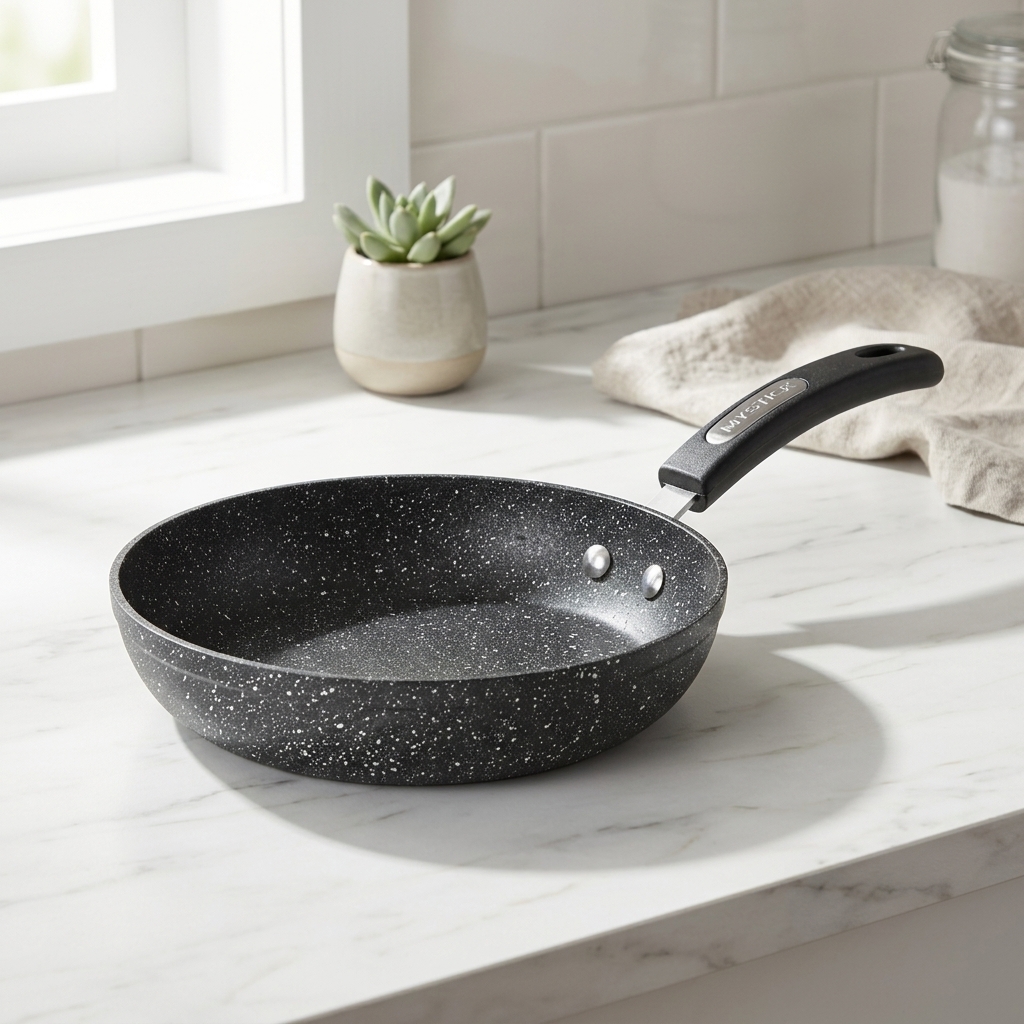
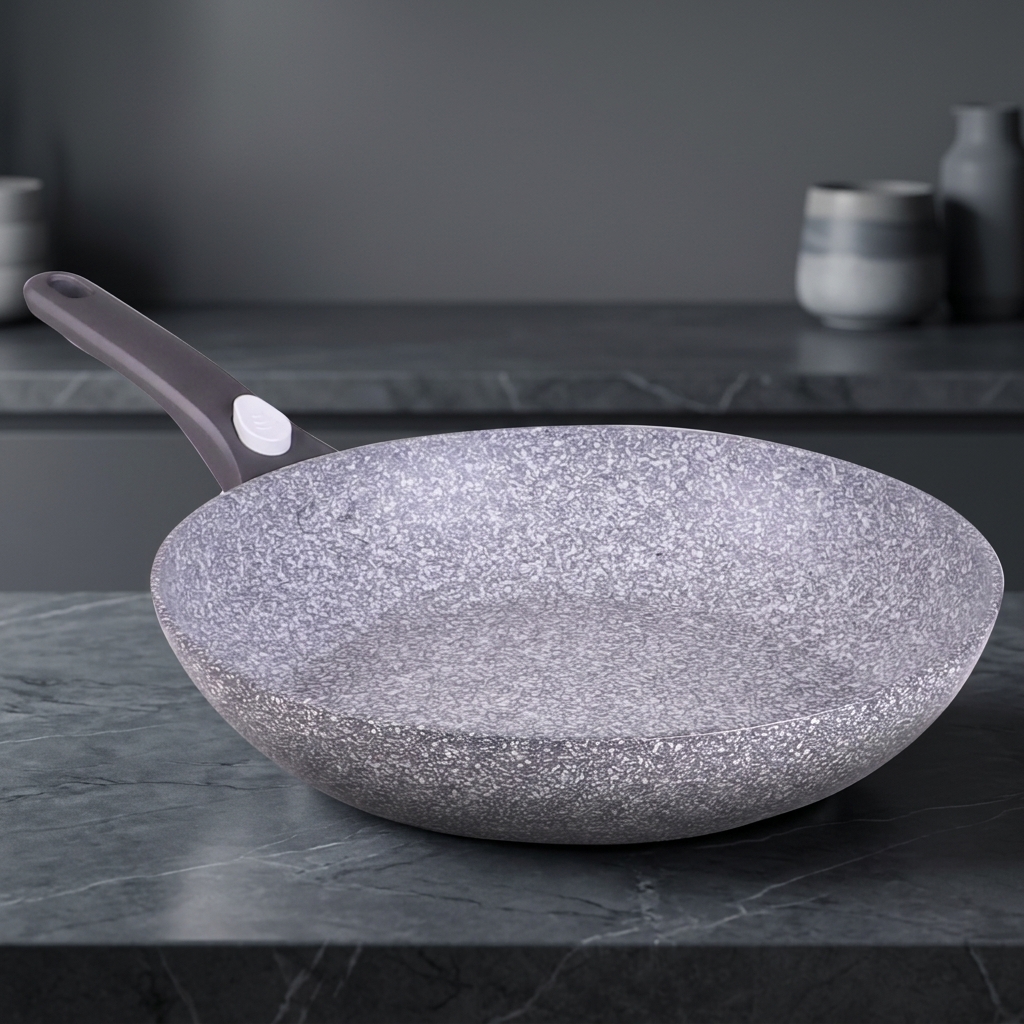
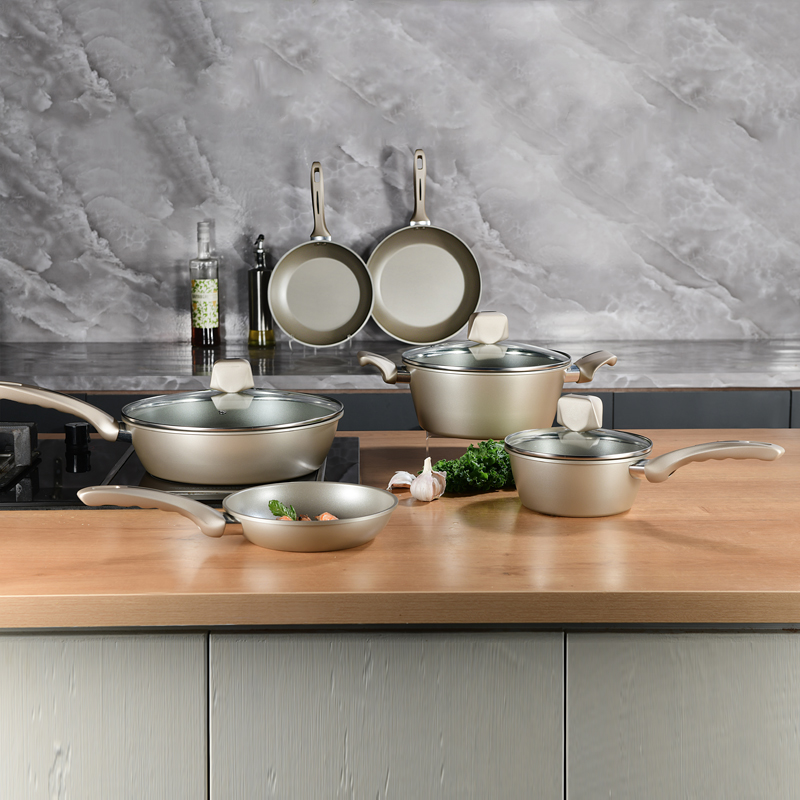
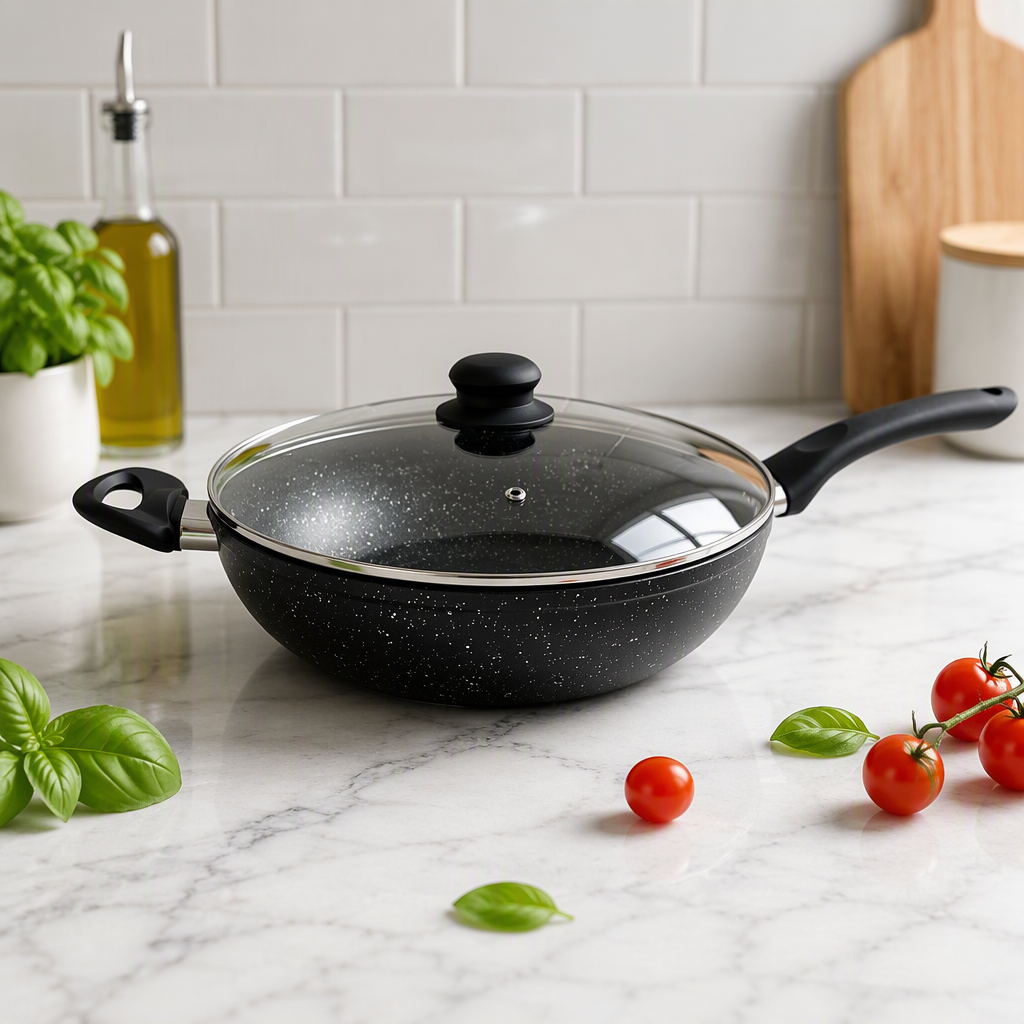
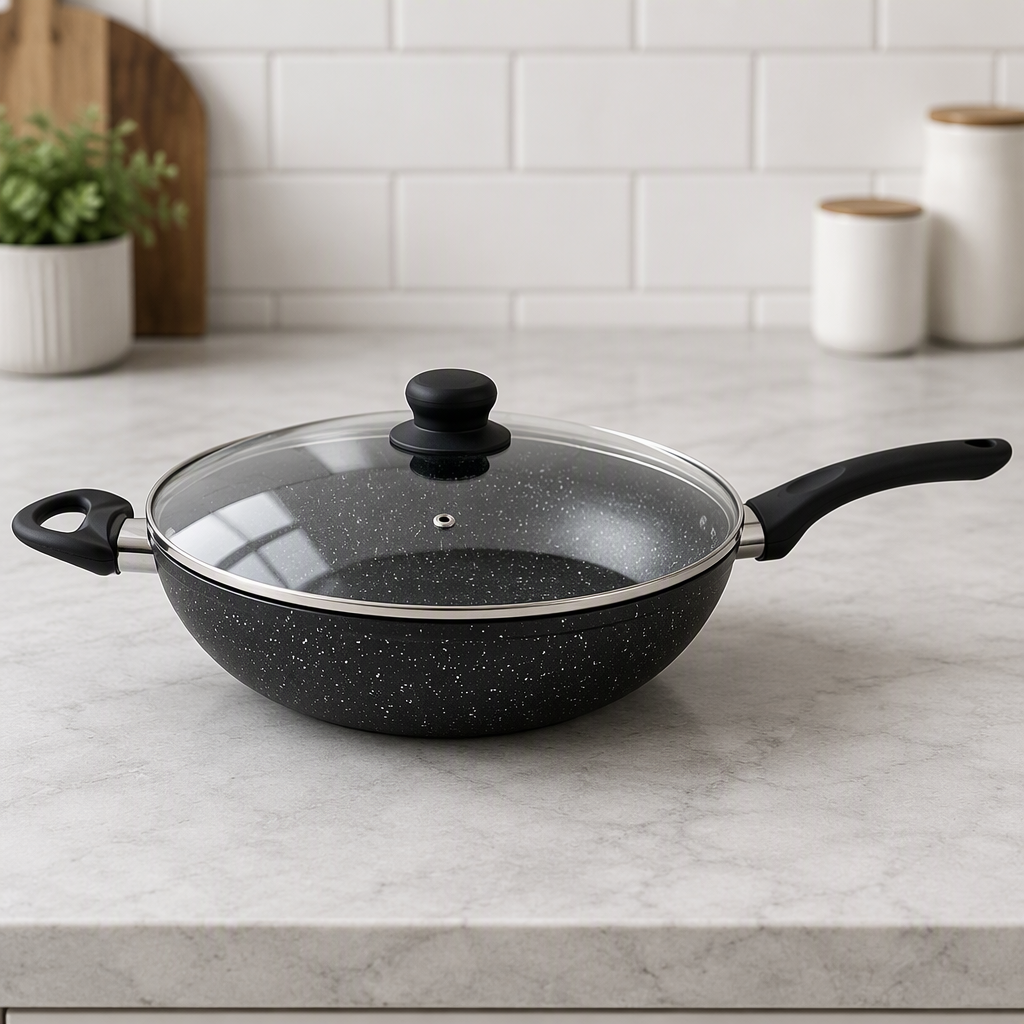
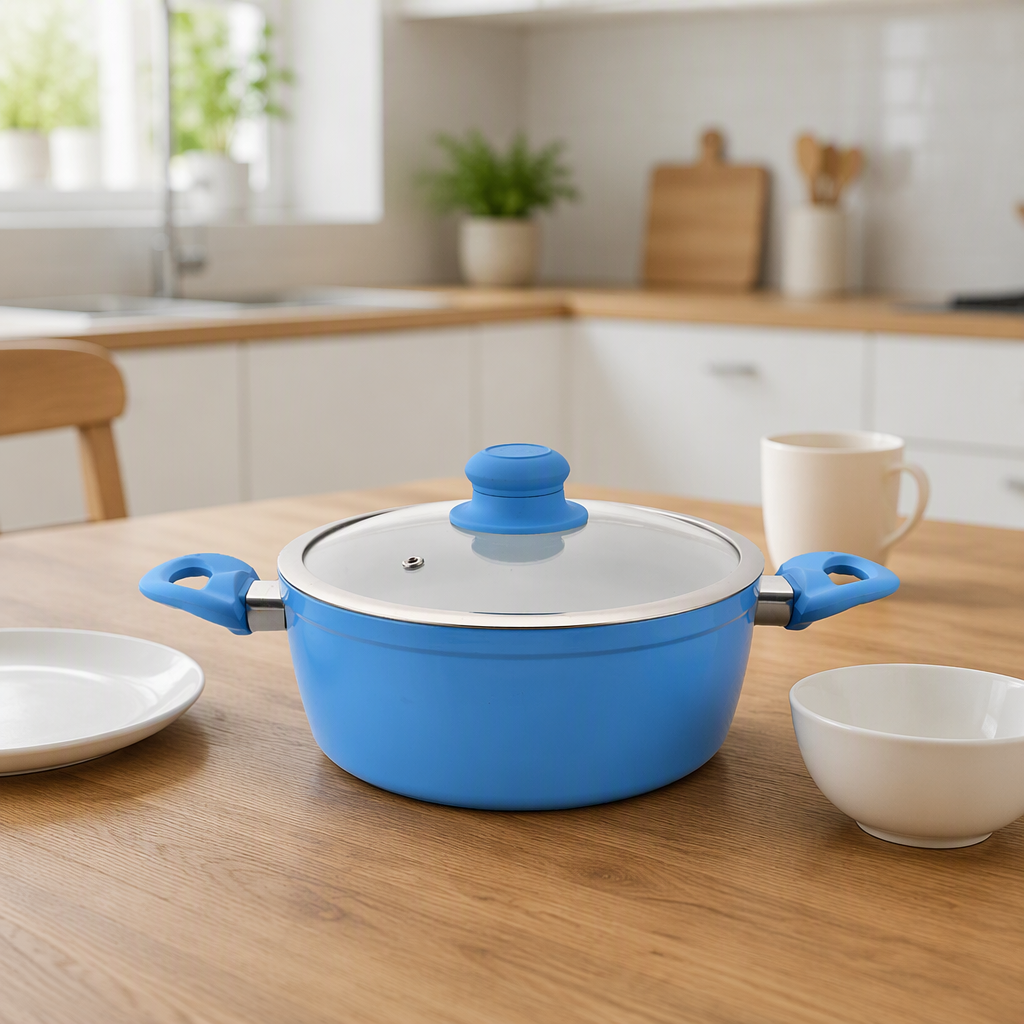
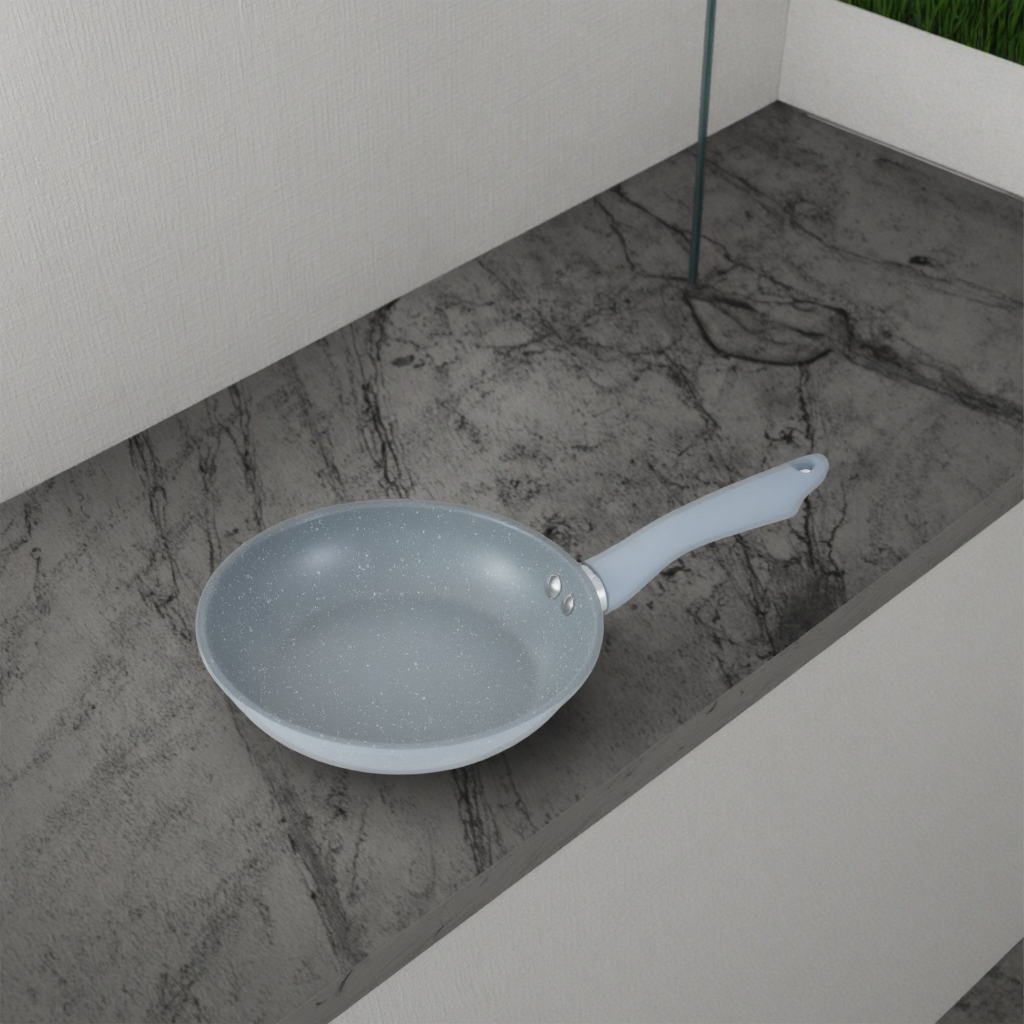
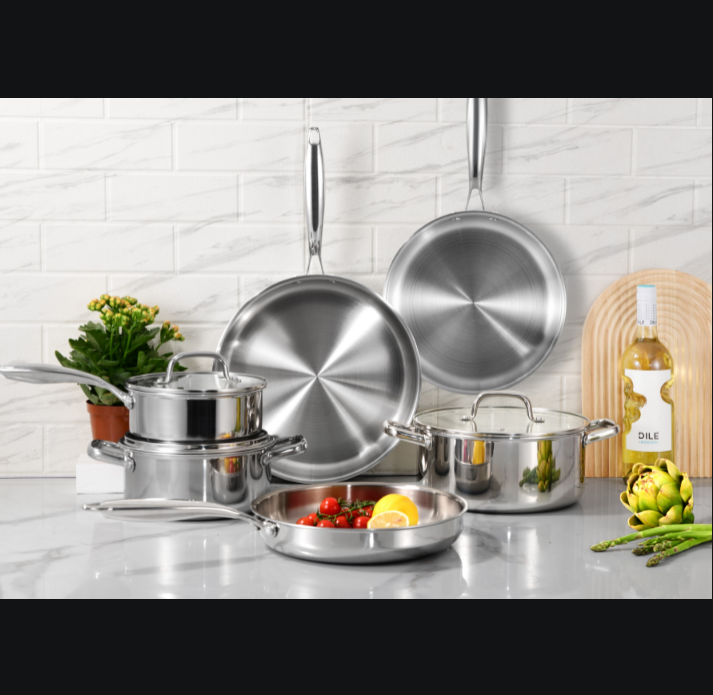
1. Executive Summary & Sourcing Intent Analysis
In the modern commercial kitchenware sector, the aluminum sauce pot serves as a foundational product line for corporate buyers, brand owners, supermarket chains, and restaurant equipment distributors. Aluminum's exceptional thermal conductivity—roughly 15 times faster than stainless steel—makes it the preferred core metal for precise liquid heating, sauce reduction, and energy-efficient food preparation.
However, global procurement managers face an increasingly complex vendor landscape. Evaluating aluminum sauce pot exporters requires examining factors beyond FOB price points. Today's strategic sourcing decisions must account for raw metallurgical purity, forming technique (pressed vs. die-forged), non-stick nanocomposite bonding integrity, regulatory compliance (such as EU Food Contact Regulation (EC) 1935/2004 and US FDA 21 CFR 175.300), and factory operational transparency.
This industry whitepaper breaks down the technical selection criteria for aluminum sauce pot sourcing, reviews global manufacturing capabilities, analyzes market trends, and presents a benchmark matrix of leading export partners.
Information Gain Key Takeaway: High-performance commercial aluminum sauce pots require a minimum aluminum alloy thickness of 3.0mm to 4.5mm combined with an encapsulated 430-grade stainless steel induction base plate. This construction prevents base warping under high heat while delivering fast, uniform heat transfer across induction, gas, and electric hobs.
2. Technical Evaluation: Material Metallurgy & Manufacturing Dynamics
To establish a reliable corporate supply chain, purchasing teams must evaluate the technical parameters that distinguish standard consumer cookware from professional-grade aluminum sauce pots.
A. Alloy Selection: 3003-H14 vs. 1050 Commercial Grade
The vast majority of export-grade aluminum cookware uses either 1000-series (pure aluminum) or 3000-series (manganese-alloyed) aluminum sheets. Understanding these differences directly impacts product durability and shelf-life expectations:
- 3003-H14 Aluminum Alloy: The industry benchmark for mid-to-high-end sauce pots. Containing roughly 1.0%–1.5% Manganese, 3003-H14 offers approximately 20% higher tensile strength than pure aluminum. It exhibits superior resistance to thermal deformation, rim denting, and acidic food pitting.
- 1050 / 1100 Pure Aluminum: Often used in entry-level pressed sauce pots. While offering excellent thermal speed, pure aluminum exhibits lower structural rigidity and is prone to floor bowing under heavy commercial usage or severe thermal shock.
B. Forming Processes: Cold Pressing vs. High-Tonnage Die Forging
The structural integrity and heat retention of an aluminum sauce pot are governed by how the metal body is shaped:
| Parameter | Pressed Aluminum Pots | Forged Aluminum Pots | Hard-Anodized Aluminum |
|---|---|---|---|
| Forming Method | High-speed hydraulic stamping from aluminum disc | High-tonnage die forging under hot/cold cycle | Electrochemical bath hardening post-forming |
| Wall-to-Base Ratio | Uniform wall and base thickness (1.8mm–3.0mm) | Thick base (4.0mm–5.5mm), thinner wall (2.5mm) | High density structural surface conversion |
| Warping Resistance | Moderate (Suitable for low-to-mid thermal loads) | Exceptional (Prevents thermal floor bowing) | Maximum structural hardness (Twice steel hardness) |
| Target Retail Segment | Mass retail, value sets, promotional lines | Premium cookware retail, specialty B2B brands | Professional culinary, heavy commercial use |
C. Surface Finishing and Non-Stick Coatings
Modern non-stick systems are multi-layer coatings applied via automated electrostatic or air-atomized spray systems. Standard configurations include:
- Sol-Gel Ceramic Nanocomposites: Inorganic, silicon-dioxide-based coatings cured at high temperatures. Intrinsically PFOA, PTFE, and PFAS-free. Excellent thermal resistance up to 450°C, highly desirable for green consumer brands.
- PTFE Multi-Layer Systems (Granite / Marble Speckle): Incorporate fluoropolymer topcoats reinforced with titanium or granite micro-particles. Provides exceptional food-release performance over thousands of abrasion cycles (e.g., BS 7069 or ISO 12947 abrasion test standards).
3. Global Exporter Matrix: Top 10 Aluminum Sauce Pot Exporters
Below is a comparative evaluation framework outlining ten prominent exporters and manufacturing regions servicing the global aluminum sauce pot trade. This matrix provides B2B buyers with an objective standard for supply chain risk assessment and vendor selection.
1. Zhejiang MEIS Kitchenware Co., Ltd.
Origin: Jinhua, Zhejiang, China
Core Strengths: TÜV Rheinland on-site verified manufacturer operating advanced pressed and forged aluminum sauce pot, wok, and casserole lines. Features in-house tooling CNC machining, automatic multi-layer coating tunnels, and rigorous QA labs (fatigue, salt spray, handle torsion).
Best For: OEM/ODM private label brands requiring flexible MOQs, custom lid/handle molds, and global export certification.
2. Guangdong Master Group Co., Ltd.
Origin: Yunfu, Guangdong, China
Core Strengths: Massive production scale specializing in high-volume stainless steel and hard-anodized aluminum cookware sets. Fully automated robotic polishing and stamping lines.
Best For: High-volume global retail chains needing multi-container monthly fulfillment.
3. Ballarini S.r.l. (Zwilling Group)
Origin: Rivarolo Mantovano, Italy
Core Strengths: Renowned for premium forged aluminum sauce pots with proprietary thermal-indicator handle systems and heavy multi-layer non-stick coatings.
Best For: High-end luxury cookware brands seeking European manufacturing heritage.
4. Neoflam Co., Ltd.
Origin: Wonju, South Korea
Core Strengths: Pioneers in colorful Ecolon ceramic-coated cast and forged aluminum cookware. Exceptional aesthetic design capability and eco-friendly positioning.
Best For: Trendy lifestyle cookware brands focused on ceramic non-stick marketing.
5. Seagull Cookware (Thai Stainless Steel)
Origin: Bangkok, Thailand
Core Strengths: Established regional manufacturer producing commercial-grade aluminum cookware and stock pots with high corrosion resistance.
Best For: Institutional buyers and food service catalog distributors in ASEAN and Australasia.
6. Elo Cookware (Elo Stahlwaren)
Origin: Spabrücken, Germany
Core Strengths: Engineering-driven cookware exporter focusing on energy-saving induction bottom designs and certified European safety compliance.
Best For: European department stores requiring strict REACH and LFGB standard compliance.
7. Zhejiang Sanhe Kitchenware Co., Ltd.
Origin: Cixi, Zhejiang, China
Core Strengths: Specialized in high-speed pressed aluminum production lines and multi-piece cookware sets with high daily output capacities.
Best For: Supermarket promotional programs and mass-market discount retail chains.
8. Meyer Corporation / Anolon
Origin: Vallejo, California / Hong Kong
Core Strengths: Global manufacturer with vast operations in Thailand and China, dominating the hard-anodized commercial cookware segment.
Best For: Premium North American department store programs and professional culinary accounts.
9. Winco Foods Inc.
Origin: Lodi, New Jersey, USA (Export Operations)
Core Strengths: Heavy-duty extra-thick 3003 aluminum sauce pots and stock pots with riveted metal handles designed for restaurant line use.
Best For: Commercial restaurant supply houses and hospitality procurement buyers.
10. Ningbo Chefmate Kitchenware Co., Ltd.
Origin: Ningbo, Zhejiang, China
Core Strengths: Solid exporter focusing on custom die-cast and forged aluminum cookware with wood-grain soft-touch handle applications.
Best For: E-commerce brands seeking modern, Instagram-ready aesthetics with private label packaging.
4. Corporate Capability Focus: Zhejiang MEIS Kitchenware Co., Ltd.
When evaluating Chinese manufacturing partners, Zhejiang MEIS Kitchenware Co., Ltd. exemplifies modern, quality-focused cookware production. Located in the Dongnan Industrial Zone, Shuxi Street, Jinhua, Zhejiang, MEIS Kitchenware operates as a verified manufacturer and trader backed by over 20 years of sector experience and 18 years serving B2B international buyers.
In-House Production Precision
Every critical process—including metal disc punching, hydraulic pressing, CNC base skimming, surface shot-blasting, automated non-stick spraying, curing ovens, and handle torque assembly—occurs inside the MEIS facility under strict ISO standards.
TÜV Rheinland Verified
MEIS Kitchenware has passed comprehensive on-site facility assessments by TÜV Rheinland. Raw material intake inspection, in-line visual checking, coating thickness measurement, and final pre-shipment auditing ensure consistent product quality.
Robust OEM & ODM Capabilities
Equipped with dedicated mold-making lathes and CNC equipment, MEIS supports deep customization—from developing unique vessel wall profiles and custom Bakelite handles to private label packaging, screen-printed bottom logos, and custom color boxes.
5. Future Sourcing & Market Trends for Aluminum Sauce Pots (2025–2030)
Procurement executives must align their inventory development with shifting regulatory environments, environmental policies, and consumer cooking habits. The global aluminum cookware market is moving through several structural shifts:
A. Transition to Fluorine-Free Non-Stick Technology
Regulatory bodies in Northern Europe and North America are accelerating restrictions on persistent organic pollutants (PFAS). Exporters are transitioning from traditional PTFE coatings toward 4th Generation Sol-Gel Ceramic Coatings and PEEK-reinforced mineral matrices. Sauce pots offering verifiably PFOA/PFAS-free credentials are gaining significant shelf placement advantages in tier-1 retail channels.
B. Circular Aluminum & Recycled Scrap Integration
Environmental, Social, and Governance (ESG) mandates are pushing buyers to source sauce pots made from 100% Post-Consumer Recycled (PCR) Aluminum. Smelting recycled aluminum consumes roughly 95% less energy than extracting primary aluminum from bauxite ore. Suppliers capable of providing certified recycled content (such as SCS or GRS certification) are securing long-term contracts with sustainability-minded brands.
C. Full-Bound High-Speed Induction Bases
With induction cooktop adoption expanding across Europe, Asia, and urban North America, sauce pots must feature reliable magnetic bases. Older impact-bonded localized steel discs are being replaced by Full-Bound Edge-to-Edge Induction Spray Bases or perforated stainless mesh plates. This technology improves thermal coupling efficiency, eliminates edge cold spots, and prevents thermal plate detachment during dishwasher cycles.
6. Strategic Buyer FAQ: B2B Procurement Query Mining
Below are clear, technical answers to common questions asked by corporate buyers, compliance officers, and sourcing agents during vendor evaluations.
Pressed aluminum pots are stamped from uniform metal sheets; they are lightweight, cost-effective, and ideal for entry-level retail programs. Forged aluminum uses high-pressure forging to create a thick base and thinner side walls, optimizing heat distribution while keeping weight manageable. Cast aluminum (die-casting) involves pouring molten aluminum into a mold, allowing for complex geometries, integrated handles, and thick vessel walls for maximum heat retention.
Regulatory compliance is verified through independent laboratory testing (such as SGS, TÜV, or Intertek). US FDA compliance focuses on extractable substances under 21 CFR 175.300. European LFGB testing is more stringent, evaluating overall migration, heavy metals (lead, cadmium), and sensory testing. Exporters must provide batch testing reports linked to the exact coating material brand (e.g., Whitford, Greblon, ILAG) used in production.
Standard factory MOQs for custom-colored or custom-branded aluminum sauce pots typically range between 1,000 and 3,000 units per size/color. However, manufacturers like Zhejiang MEIS Kitchenware offer flexible trial program MOQs starting as low as 50 to 500 units for standard stock body blanks, allowing buyers to test new market concepts with reduced initial capital investment.
Aluminum itself is non-magnetic. To work on induction hobs, a stainless steel plate (typically 430-grade) must be bonded to the bottom. Because stainless steel and aluminum expand at different rates when heated, a thin aluminum base (under 2.5mm) can flex and cause the bottom plate to bow or detach. A forged base of 4.0mm to 5.0mm ensures structural stability, flat contact with the hob, and efficient magnetic energy transfer.
For consumer retail, Bakelite soft-touch handles (sometimes with wood-grain water-transfer finishes) are popular due to their ergonomic grip and heat isolation on stovetops. For commercial foodservice lines, riveted stainless steel or cast aluminum handles are required to withstand high-temperature oven usage (over 220°C) and harsh commercial dishwashing environment cycles.
Sourcing from audited factories (e.g., TÜV Rheinland on-site verified, BSCI, ISO 9001) significantly reduces supply chain risk. Third-party audits confirm that the factory operates legally, maintains proper worker safety standards, possesses functional testing equipment, and adheres to repeatable Quality Management Systems (QMS) during mass production.
Request an Enterprise Quotation & Sample Kit
Partner with a verified aluminum cookware manufacturer. Submit your product specifications, target MOQs, or OEM engineering drawings for an direct factory price estimate within 24 business hours.