Recommended Export-Grade Carbon Steel & Nonstick Cookware
Engineered for high-volume B2B importers, commercial foodservice distributors, and private-label retail brands worldwide.
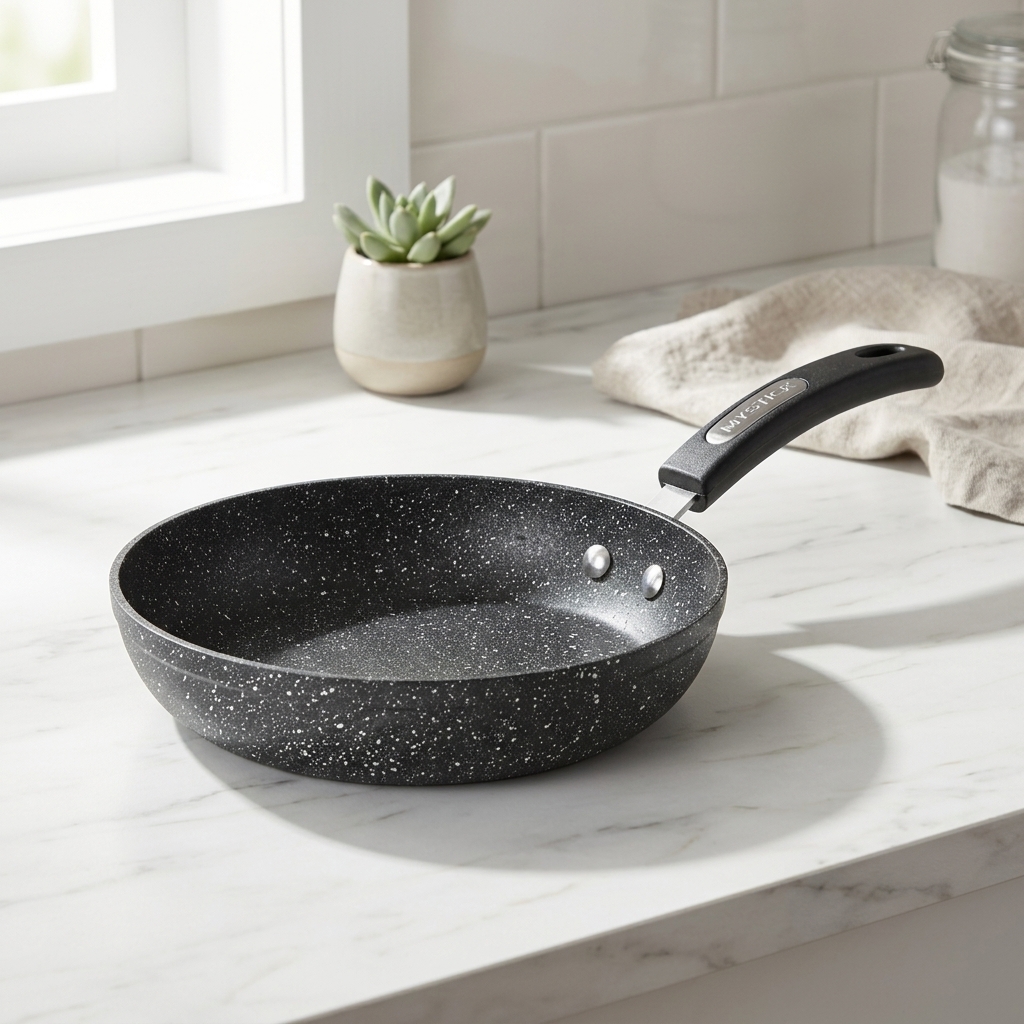
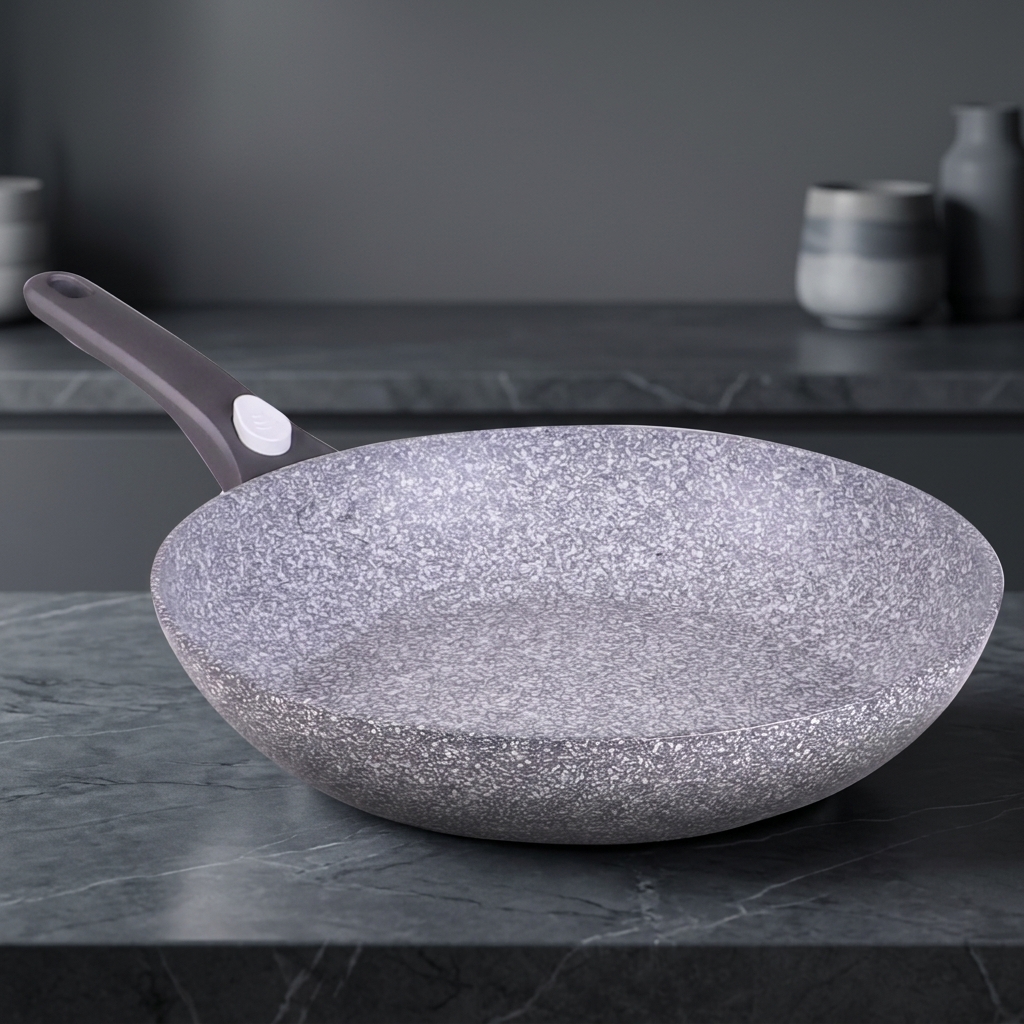
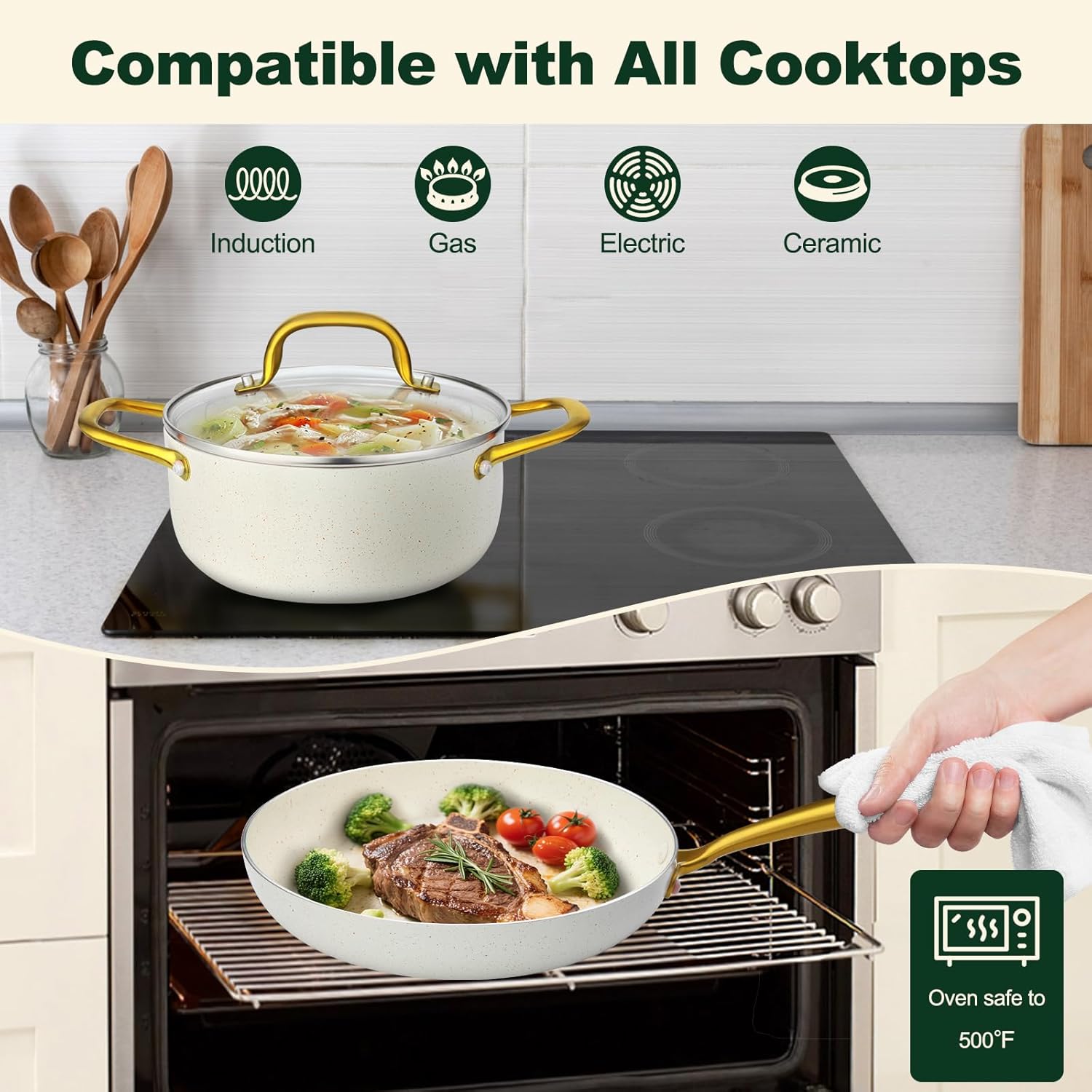
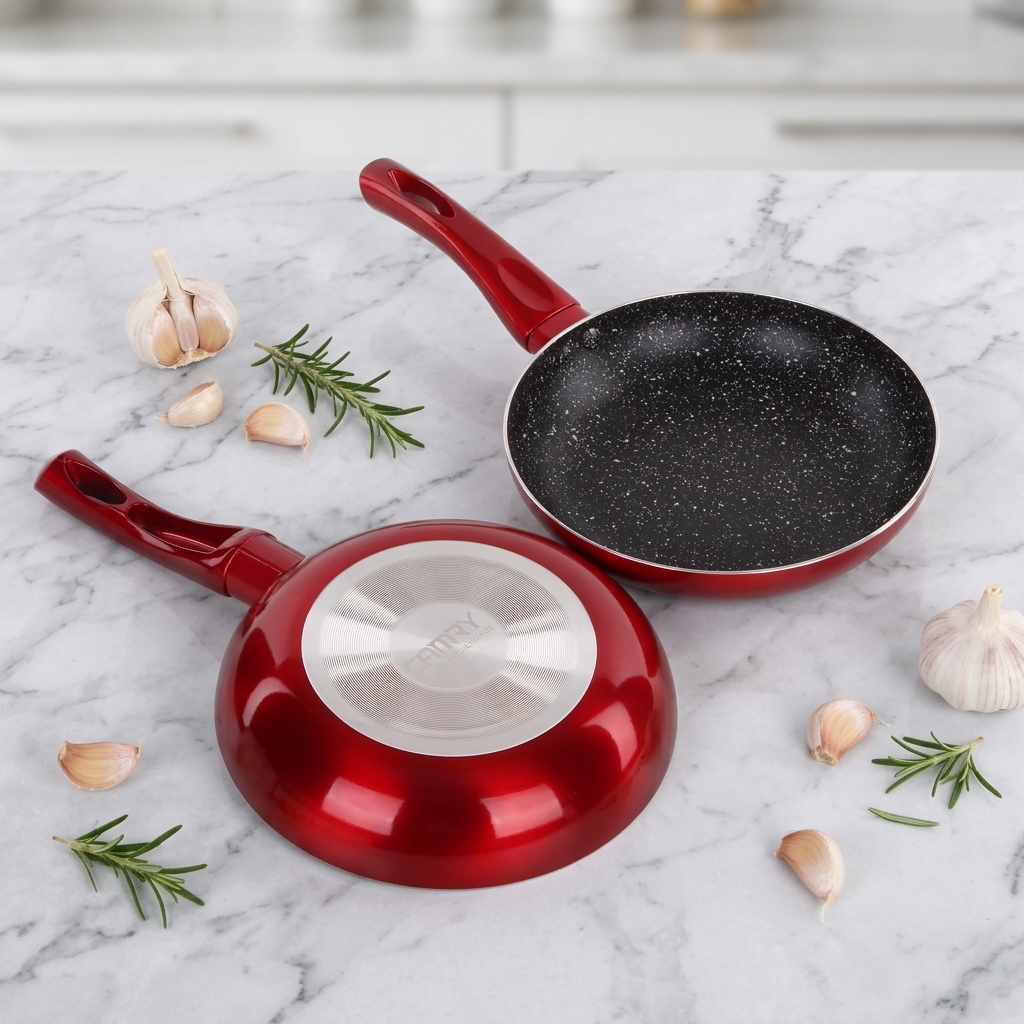
1. Strategic Executive Overview: The Carbon Steel Skillet Renaissance
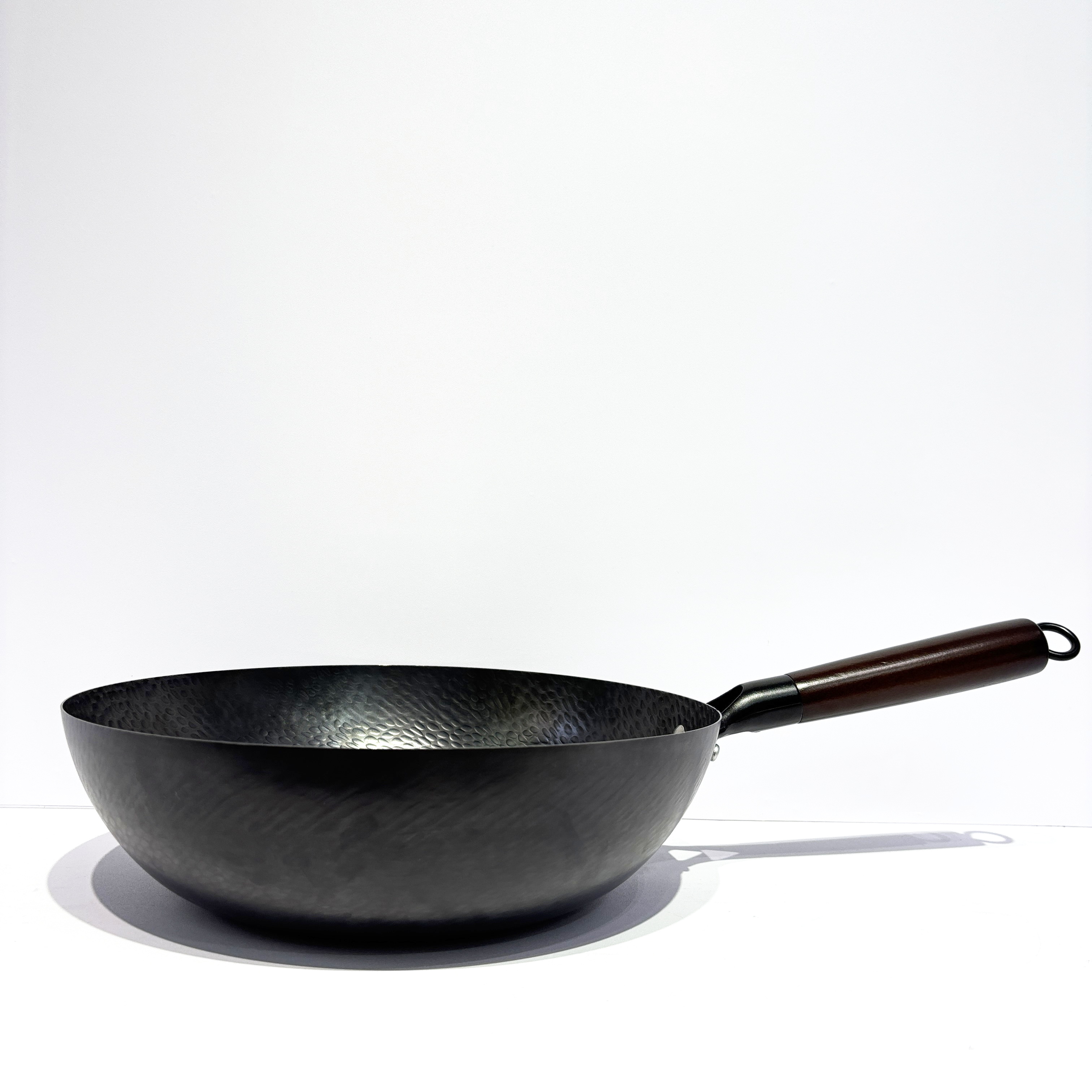
In the global cookware market, carbon steel skillets have transitioned from niche culinary equipment to one of the fastest-growing categories in professional foodservice and premium retail channels. Combining the thermal endurance and searing efficiency of heavy cast iron with the rapid thermal response and manageable weight of stainless steel, carbon steel represents the optimal metallurgical balance for modern culinary performance.
For international procurement managers, brand owners, and wholesale importers, sourcing high-grade carbon steel skillets requires an in-depth understanding of raw material grades, chemical surface treatments, stamping precision, and anti-corrosion technology. This whitepaper analyzes the manufacturing landscape, technical criteria for vendor evaluation, future trade trends, and structural manufacturing capabilities of leading factories, centered around top industrial hubs like Jinhua, Zhejiang.
Key Takeaway for B2B Procurement Officers
Unlike standard stamped aluminum cookware, carbon steel processing involves specific sheet metal drawing pressures (typically requiring 300T to 800T hydraulic presses), precise gauge control (1.5mm to 3.0mm), and high-temperature gas nitriding (Ferritic Nitrocarburizing at 570°C) to eliminate rust vulnerability while ensuring induction warp stability.
2. Metallurgical Science & Thermal Performance Benchmark
Carbon steel utilized in high-performance skillets is typically low-carbon steel (SPCC, ST12, or DC01 standards) containing approximately 0.05% to 0.20% carbon content. This material composition provides superior ductility for deep-drawing operations while retaining structural integrity under direct flame, high-wattage induction hobs, and commercial oven broilers up to 600°F (315°C).
| Material Type | Thermal Conductivity (W/m·K) | Tensile Strength (MPa) | Induction Efficiency | Warp Resistance Index |
|---|---|---|---|---|
| Heavy-Gauge Carbon Steel (2.5mm) | 54 – 67 | 270 – 410 | 98% (Naturally Magnetic) | High (Nitrided/Reinforced) |
| Cast Iron (4.0mm) | 45 – 52 | 150 – 250 | 90% | Very High (Brittle) |
| 304 Stainless Steel (Clad) | 16 – 20 | 520 – 620 | 75% - 85% (Requires Disc) | Moderate |
| Forged Aluminum (3.5mm) | 200 – 237 | 140 – 180 | 80% - 90% (Bonded Plate) | Moderate to High |
3. Advanced Manufacturing Processes in Top Carbon Steel Skillet Factories
Leading global OEM/ODM factories execute a rigorous multi-stage production protocol to convert cold-rolled steel coils into export-ready culinary skillets:
1. Precision Blanking & Deep Drawing
Automated hydraulic presses blank high-grade steel sheets and deep-draw pan profiles with controlled side-wall tapering and base thickness uniformity to prevent hot spots.
2. Surface Conditioning & Shot Blasting
High-velocity steel shot blasting strips mill scale and creates a micro-anchoring surface profile, ensuring 5B-class cross-hatch adhesion for ceramic, titanium, or non-stick sprays.
3. Gas Nitriding (Salt Bath / Gas Ferritic)
Thermo-chemical diffusion of nitrogen into the steel surface at 570°C creates an ultra-hard, corrosion-resistant iron-nitride (Fe4N) layer that naturally repels moisture and prevents rust.
Following surface preparation, skillets undergo customized coating applications. Options range from organic pre-seasoning with plant-based oils (flaxseed/sunflower) baked at 400°C, to high-durability PTFE/PFAS-free multi-layer titanium ceramic coatings tailored to specific market compliance regulations (US FDA, EU LFGB, REACH).
4. Criteria for Selecting Top 10 Carbon Steel Skillet Exporters
When evaluating China-based and global manufacturing partners, commercial procurement directors utilize a quantitative matrix focused on five core structural criteria:
- On-Site Verification & Regulatory Audits: Verified third-party factory assessments (such as TÜV Rheinland, SGS, or Bureau Veritas) certifying physical plant area, automated machinery, worker safety, and real production throughput.
- Tooling & CNC Precision Customization: In-house mold design and lathe facilities capable of rapid prototyping (7–14 days) for custom handle geometry, base embossing, and brand logos.
- Coating Line Automation: Enclosed, dust-free automatic spray coating systems equipped with infrared curing tunnels to guarantee uniform film thickness (25–35 microns) and scratch resistance.
- Testing Laboratory Equipment: In-house QA testing equipment including Salt Spray Corrosion Testers, Coating Adhesion Testers, Handle Fatigue Mechanics, and Thermal Shock Testers.
- Flexible Minimum Order Quantities (MOQs) & Packaging Logistics: Capability to support trial orders (from 1,000 units) with customized mail-order packaging (ISTD-1A drop test standard) for direct-to-consumer e-commerce channels.
Future Sourcing & Development Trends (2025–2030)
Market dynamics shaping global procurement, material innovations, and consumer demand in carbon steel cookware.
1. Shift Towards Non-Toxic Chemical-Free Nitriding
Global regulatory pressure against forever chemicals (PFAS/PFOA) is accelerating buyer demand for gas-nitrided carbon steel skillets. Nitriding provides permanent oxidation resistance without synthetic coatings, delivering a 100% non-toxic, chemical-free cooking surface preferred by modern health-conscious consumers.
2. Optimized Induction Base Geometry
High-wattage commercial induction cooktops subject cookware bases to rapid localized thermal expansion. Modern carbon steel skillet factories are integrating micro-concave anti-warp base stampings and stress-relief concentric grooves to maintain 100% surface contact stability across extreme temperature cycles.
3. Modular & Detachable Ergonomic Handles
Urban kitchen space constraints and multi-functional cooking habits are driving the adoption of detachable handle mechanisms and stay-cool cast stainless steel handles. Modern OEM exporters offer precision-engineered quick-release handles that transition seamlessly from induction cooktop to high-heat oven broilers.
4. E-Commerce Direct-to-Consumer Drop-Test Packaging
With cross-border e-commerce expanding, international buyers are requiring factories to supply pre-certified ISTA-1A drop-tested retail packaging. Top exporters offer complete private-label packaging solutions, including recyclable protective sleeves, anti-humidity VCI rust-inhibitor bags, and custom gift boxes.
5. Enterprise Benchmark: Zhejiang MEIS Kitchenware Co., Ltd.
Located in the heart of Zhejiang's manufacturing cluster—Dongnan Industrial Zone, Shuxi Street, Jinhua City—Zhejiang MEIS Kitchenware Co., Ltd. stands as a premier custom manufacturer of nonstick aluminum and heavy-gauge carbon steel cookware. Assessed and verified on-site by TÜV Rheinland, MEIS brings over 20 years of specialized manufacturing experience and 18 years of B2B export leadership to international buyers.
Integrated In-House Production Line
Operating dedicated hydraulic pressing, CNC base turning, surface shot blasting, automated spray coating, and assembly lines under a unified Quality Management System. Controlling the full process in-house ensures coating durability and structural consistency across mass production runs.
Rigorous Quality Assurance Testing
Every production batch undergoes strict internal QA testing before dispatch: Salt Spray Corrosion Resistance, Coating Cross-Hatch Adhesion (ASTM D3359), Handle Fatigue Mechanics, Handle Torsion/Thrust Testing, and Thermal Shock Cycling.
Whether developing custom deep-drawn carbon steel skillets, nitrided non-stick woks, forged aluminum cookware sets, or specialized roasting pans, MEIS provides end-to-end OEM/ODM services—including custom mold engineering, handle casting, surface texturing, private-label branding, and compliant international export packaging.
B2B Procurement Frequently Asked Questions (FAQ)
Expert guidance addressing common technical, operational, and commercial questions from professional cookware buyers.
Is MEIS Kitchenware a direct manufacturer or a trading intermediary?
Zhejiang MEIS Kitchenware Co., Ltd. is a verified Manufacturer and Exporter operating its own state-of-the-art production facility in Dongnan Industrial Zone, Jinhua, Zhejiang, China. Our factory premises, automated machinery, and quality management systems have been audited on-site by TÜV Rheinland. We handle all pressing, CNC machining, coating application, handle fitting, and final inspection directly under one roof.
What are the Minimum Order Quantity (MOQ) requirements for OEM orders?
Standard MOQ for custom OEM cookware sets and individual carbon steel skillets typically ranges from 1,000 to 3,000 pieces per model, depending on gauge thickness, coating type, and handle customization. However, for trial market testing or established e-commerce programs, we offer select standardized fry pan models starting from lower minimum order quantities.
What is the technical difference between Nitrided Carbon Steel and Pre-Seasoned Carbon Steel?
Pre-seasoned carbon steel relies on a baked layer of vegetable oil to form a temporary rust barrier and natural release surface, which requires continuous maintenance and re-seasoning by the end-user. Gas-Nitrided carbon steel undergoes high-temperature ferritic nitrocarburizing (570°C), altering the molecular iron structure of the metal surface to create a permanent, non-porous iron-nitride crust. Nitrided skillets are highly resistant to rust, scratch-proof, and chemical-free, eliminating the need for complex initial seasoning rituals.
Are your nonstick coatings certified compliant with US FDA and EU LFGB standards?
Yes. All coating materials utilized by MEIS Kitchenware—including ceramic, titanium-reinforced, granite/marble speckle, and traditional PTFE systems—are strictly certified free of PFOA, PFAS, Lead, and Cadmium. We routinely supply full food-contact compliance documentation (LFGB, FDA, REACH, RoHS) tested through independent laboratories like SGS and TÜV Rheinland for smooth customs clearance in Europe, North America, and Australia.
How does carbon steel cookware perform on induction cooktops compared to aluminum?
Carbon steel is naturally magnetic throughout its entire body structure, allowing it to achieve up to 98% magnetic induction efficiency without needing an external bonded stainless steel base plate. It heats up significantly faster than clad stainless steel and holds heat longer than aluminum, making it exceptional for high-temperature searing, stir-frying, and energy-efficient commercial cooking.
What OEM/ODM customization options are supported by MEIS?
We offer full end-to-end customization: metal gauge selection (1.2mm to 3.0mm), custom body deep-drawing molds, base pattern stamping, exterior coating color matching (Pantone system), handle materials (riveted stainless steel, soft-touch bakelite, real wood, or detachable designs), laser-engraved bottom logos, and custom-designed retail color boxes or mail-order packaging.
What is the standard production lead time for bulk export orders?
For standard OEM repeat orders, lead time is typically 30 to 45 days upon artwork approval and deposit confirmation. For new ODM projects requiring custom tooling and mold fabrication, prototype samples are delivered within 10 to 15 days, followed by mass production upon sample sign-off.
Partner with a Verified Cookware Factory Today
Whether you are expanding an existing retail cookware line, sourcing durable commercial kitchen equipment, or launching a premium private-label brand, MEIS Kitchenware delivers reliable engineering, verified compliance, and direct factory pricing.