Recommended Professional Ceramic & Nonstick Cookware Series
High-grade commercial skillets, woks, and multi-piece sets manufactured by verified OEM facilities.
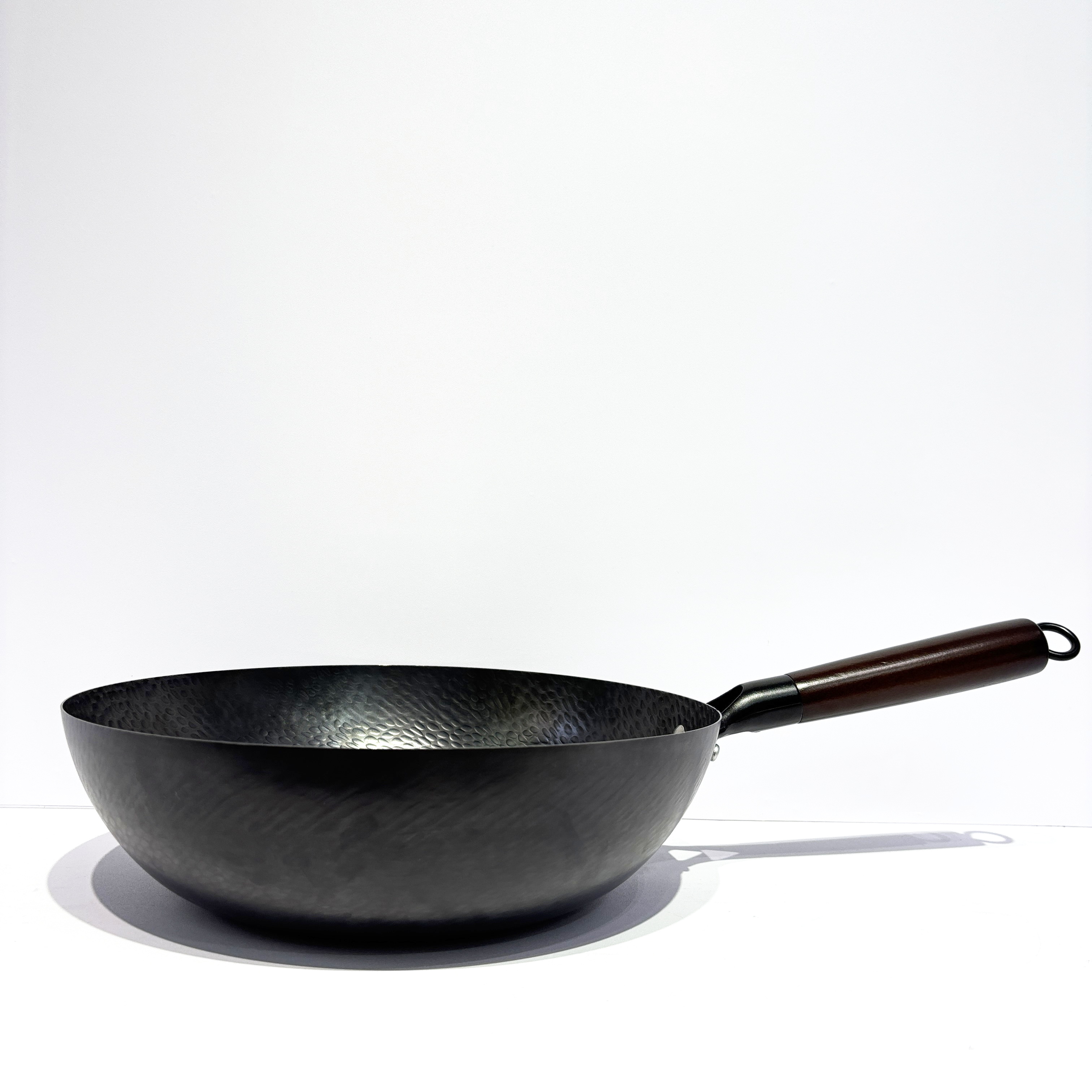
CAMRY Customized Logo No Coating Nitrided Nonstick Hammered Carbon Steel Wok Wooden Handle 2-3L Capacity Gas Induction
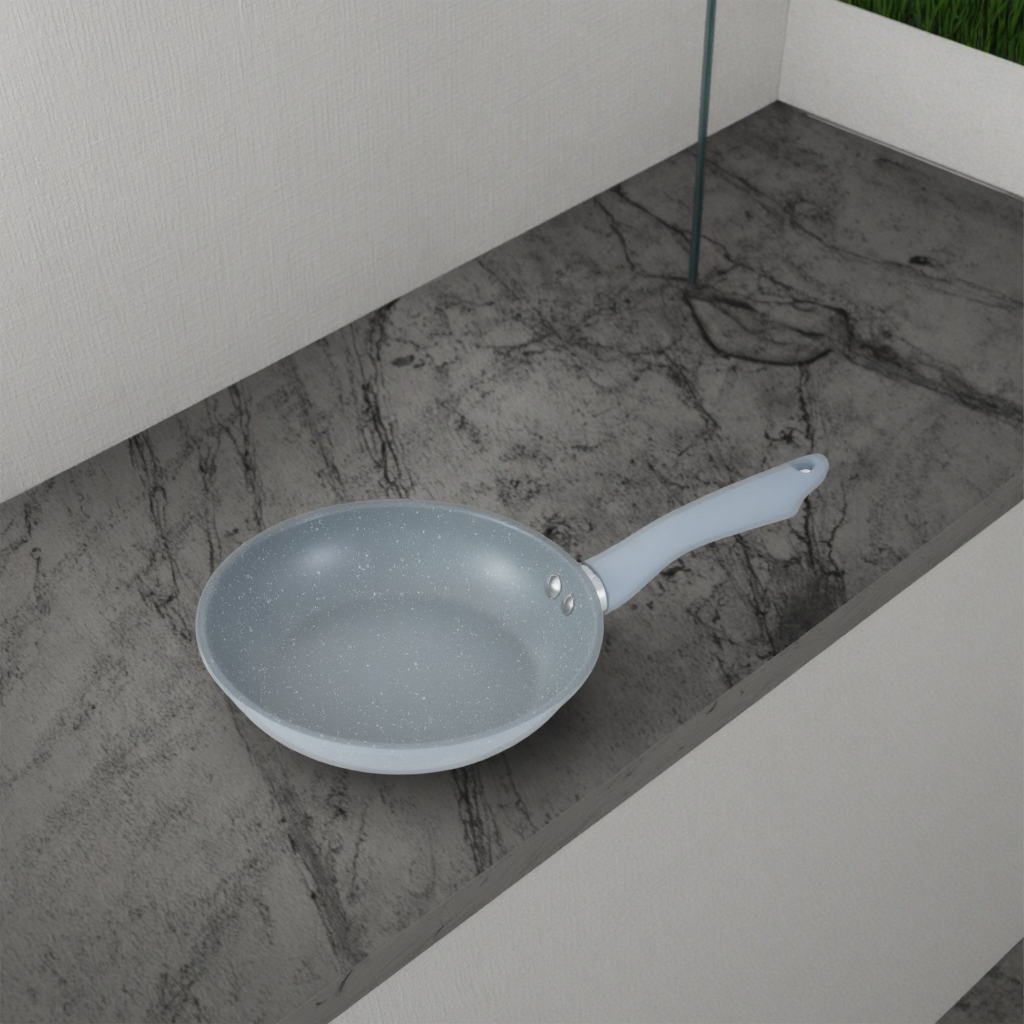
10-Inch Heavy Gauge Carbon Steel Fry Pan with Bakelite Soft Touch Handle Ceramic Non-Stick Eco-Friendly Pans
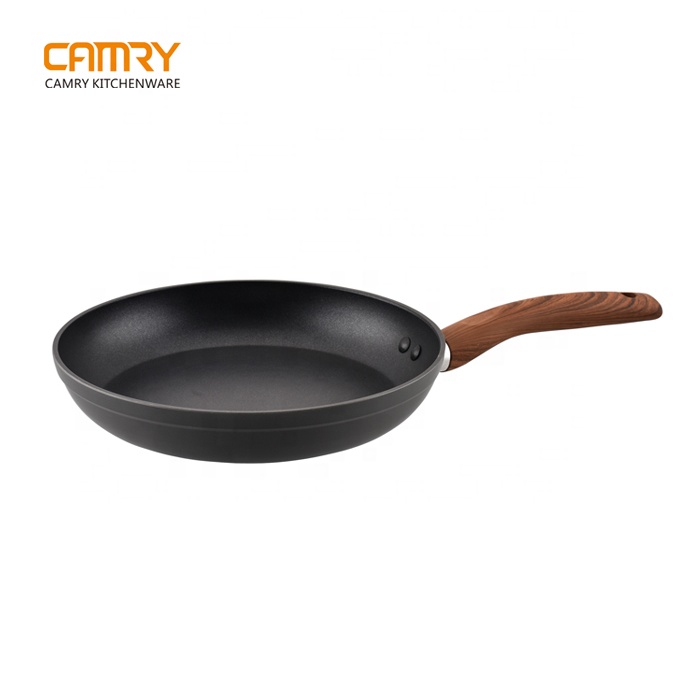
7PCS Dark Grey Forged Aluminum Megaware Cookware With Wooden Soft-touched Handle
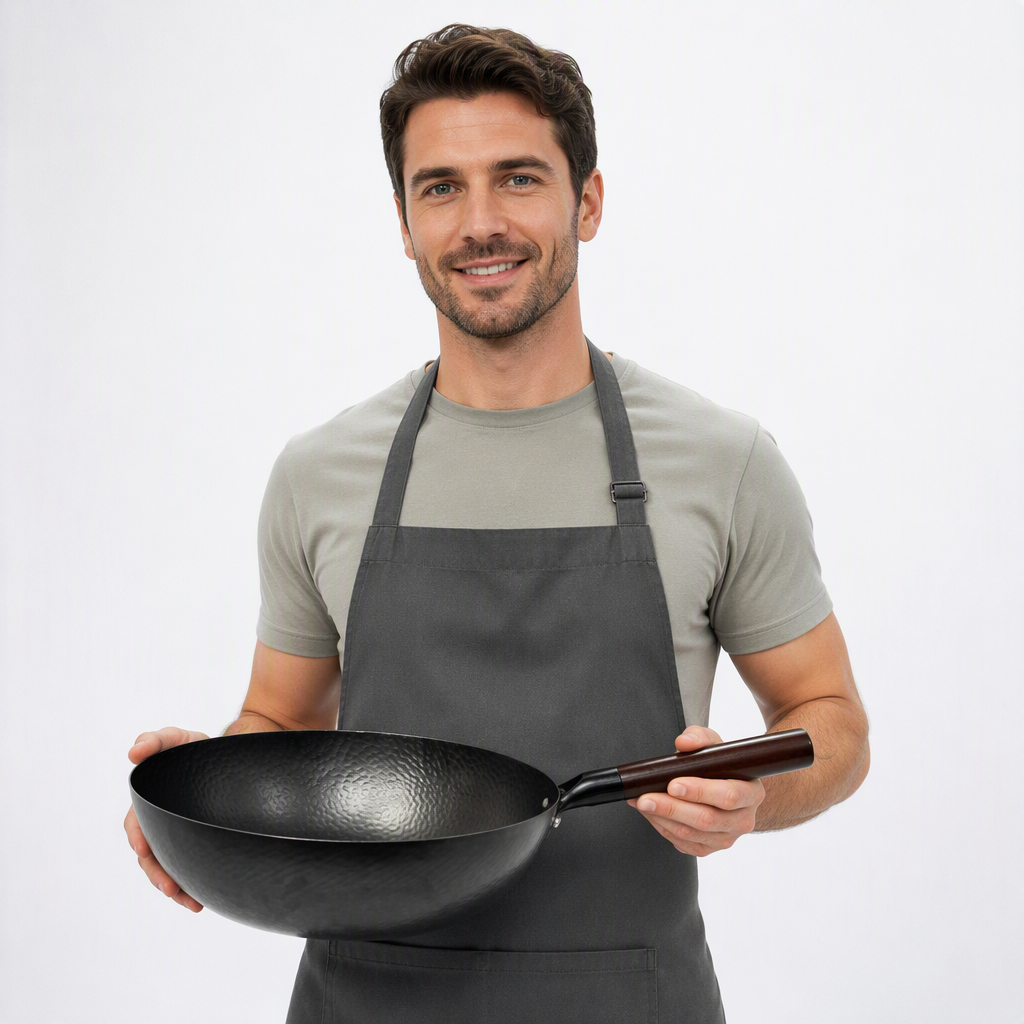
30cm Carbon Steel Round Wok Nitrided Surface Wood Handle Non Stick Stir Fry Pan for Gas and Induction Cookers
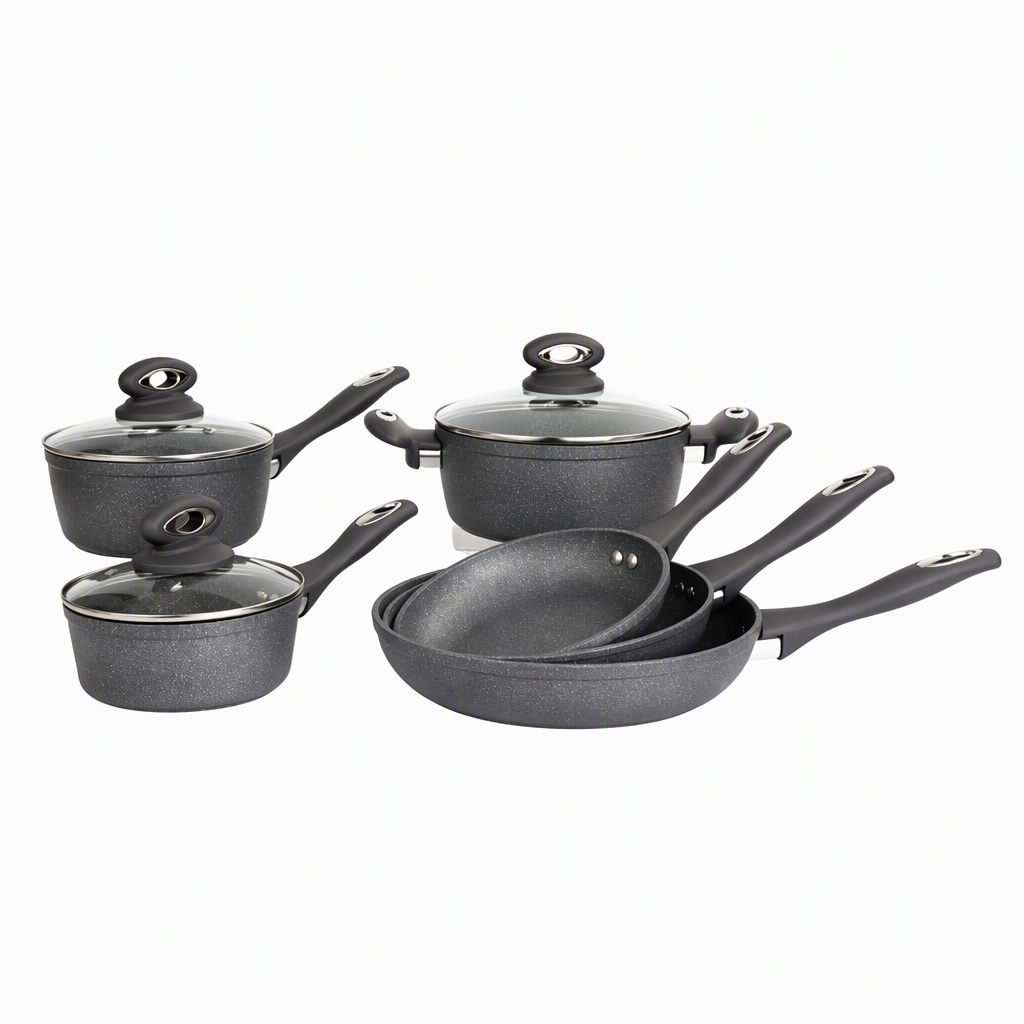
9 Piece Forged Aluminum Cookware Set Marble Coating Induction Base Glass Lids Oven and Dishwasher Safe
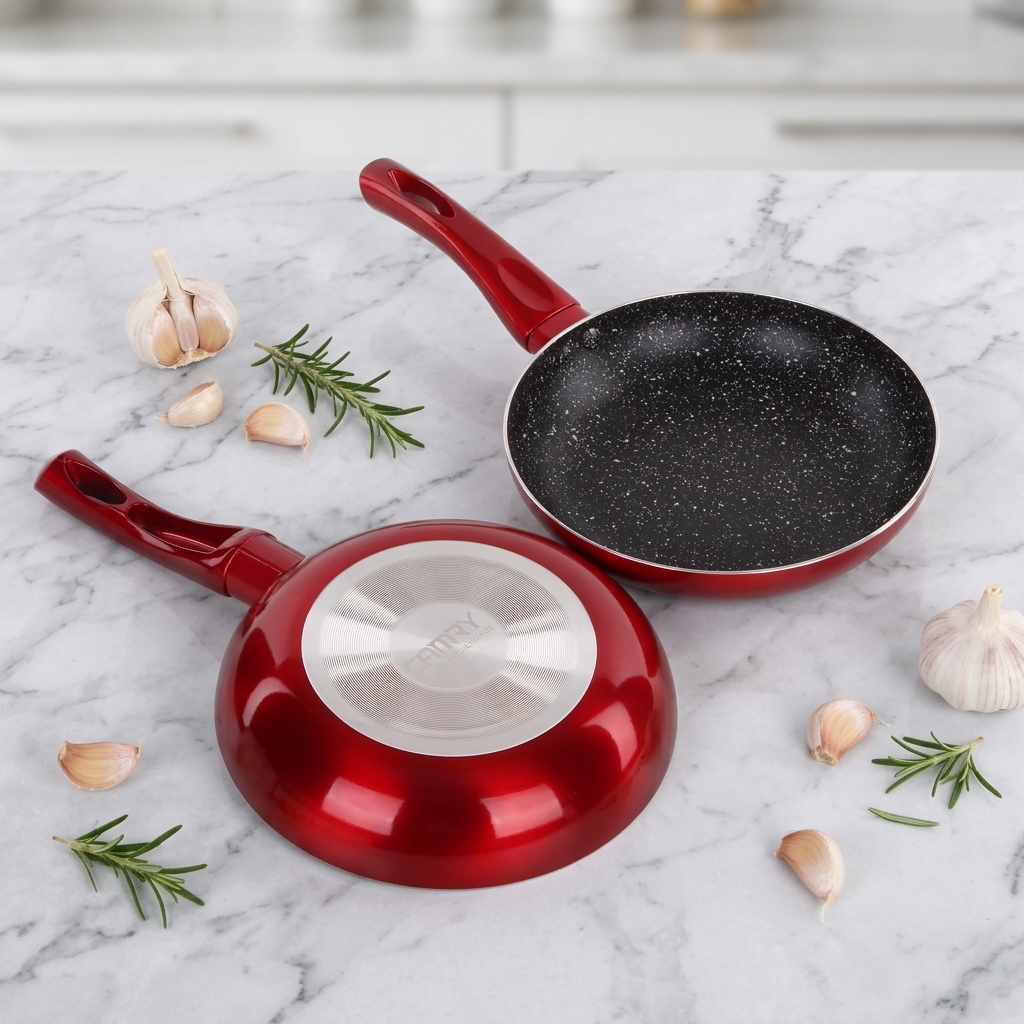
Hot Sale Durable 30 cm PFOA-free Non-Stick Pressed Frying Pan Glass Cover Heat-Resistant Handle for Household Restaurant Cooking
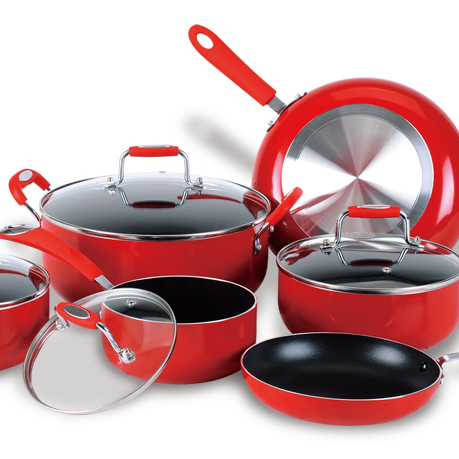
Fashion Kitchen Set of Nonstick Cookware
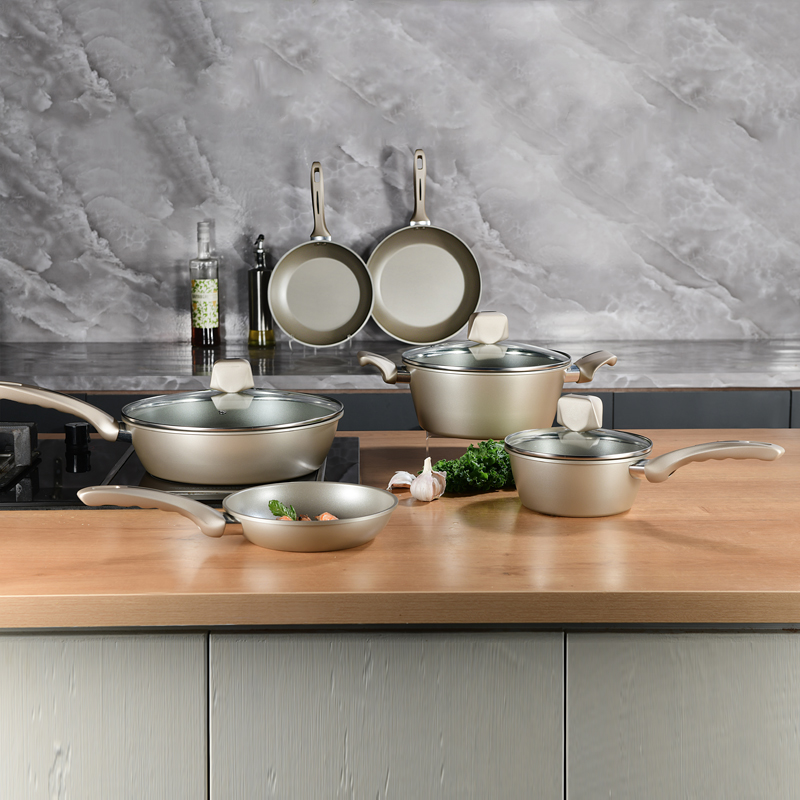
9 Piece Modern Design Titanium Non-Stick Coating Cookware Set Heavy Gauge Carbon Steel Pots Pans Soft Touch Handle Customizable
Executive Summary: The Evolution of Ceramic Skillets in B2B Procurement
The global cookware market is experiencing a profound paradigm shift. Driven by tightening environmental regulations across North America and the European Union—specifically regarding Per- and Polyfluoroalkyl Substances (PFAS), Perfluorooctanoic Acid (PFOA), and Cadmium—commercial buyers, retail category managers, and brand owners are aggressively transitioning from traditional fluoropolymer (PTFE) coatings toward advanced Sol-Gel inorganic ceramic nonstick technologies.
Finding a reliable ceramic skillet factory requires evaluating raw material integrity, automated thermal curing precision, and structural bonding processes. As consumer demand for "clean cooking" accelerates, top-tier manufacturers must integrate ceramic spray automation with rigorous quality control laboratories to prevent common defects like micro-chipping, thermal degradation, and early nonstick fatigue.
Enterprise Benchmarking: Zhejiang MEIS Kitchenware Co., Ltd. Capabilities
To evaluate a competitive manufacturing facility, buyers must inspect full-stack production control. Zhejiang MEIS Kitchenware Co., Ltd., operating in the Dongnan Industrial Zone, Shuxi Street, Jinhua, Zhejiang, stands out as a premier OEM/ODM manufacturer backed by an on-site audit certification from TÜV Rheinland.
MEIS Kitchenware integrates advanced forging, automatic lathe machinery, precision CNC processing, and automated nonstick spray lines under one roof. Unlike trading intermediaries, MEIS executes total control over the manufacturing lifecycle—from blanking aluminum discs to final robotic packaging.
In-House Tooling & Mold Workshop
Equipped with high-precision CNC equipment and metal lathes, allowing custom cookware geometry development, rapid prototype sampling, and shorter ODM development cycles.
Rigorous Quality Assurance Lab
On-site testing facilities conduct systematic batch evaluations: Salt Spray Corrosion Resistance, Handle Torsion/Fatigue Resistance, Thrust Testing, and Curing Oven verification.
Dual Material Line Mastery
Expertise spanning both Pressed/Forged Aluminum and Nitrided/Titanium-coated Carbon Steel, offering buyers complete substrate flexibility based on target price points.
Technical Breakdown: Ceramic Coating Substrates & Metallurgy
When custom manufacturing ceramic skillets, selecting the proper metal substrate directly impacts heat dispersion, warp resistance under thermal shock, and induction compatibility. Below is an engineering comparison matrix designed for wholesale buyers and private label procurement managers:
| Substrate Type | Manufacturing Method | Thermal Efficiency | Induction Compatibility | Market Positioning |
|---|---|---|---|---|
| Pressed Aluminum | Sheet stamped under high-tonnage hydraulic presses | Rapid heat transfer; lightweight design | Requires perforated or bonded stainless steel base plate | High-volume retail chains, budget-conscious promotional sets |
| Forged Aluminum | Heavy die-forging creating thick bases (3.5mm–5.0mm) & thin walls | Exceptional heat retention; high warp resistance | Full-bound magnetic steel bottom plate optional | Mid-to-premium cookware brands, specialty cookware retailers |
| Heavy Gauge Carbon Steel | High-precision metal drawing and surface nitriding | High heat tolerance; rapid sear capability | Naturally ferromagnetic (100% direct induction ready) | Eco-conscious buyers, commercial kitchens, multi-fuel range users |
Future Sourcing & Manufacturing Trends in Ceramic Cookware
As global supply chains adapt to geopolitical shifts, environmental mandates, and changing consumer habits, sourcing directors must align with suppliers capable of staying ahead of key industry trends:
- 1. Next-Generation Hybrid & Multi-Layer Ceramic Coatings: Early ceramic pans faced criticism over limited nonstick longevity compared to PTFE. Modern factories employ multi-coat ceramic matrix systems reinforced with micro-diamond or titanium particles, vastly increasing abrasion cycles in dry-rub testing (ASTM D3359 standards).
- 2. Modular & Space-Saving Detachable Handle Systems: Freight cost optimization remains paramount. Ceramic cookware sets designed with secure, removable handles allow compact stacking, reducing packaging volume by up to 45% and lowering landed container shipping costs per unit.
- 3. Natural Color Palettes & Eco-Aesthetic Finishes: Modern consumers favor earth-toned matte ceramics, marble speckle textures, and soft-touch faux-wood handles. Top factories offer extensive custom pantone matching for private-label brand differentiation.
- 4. Universal Induction Base Integration: Cookware must work across all heat sources—gas, electric coil, glass ceramic, and induction cooktops. Advanced full-disc induction technology welded via high-impact forging ensures long-term base stability without thermal delamination.
Frequently Asked Questions (FAQ) for B2B Buyers & Importers
Detailed answers to common technical, logistics, and quality assurance questions when sourcing ceramic skillets from Chinese manufacturers.
B2B Supplier Evaluation Checklist for Global Buyers
Before issuing a Purchase Order (PO) to any ceramic skillet factory, global sourcing managers should verify the following engineering prerequisites:
1. Coating Curing Setup
Ensure the facility operates precise temperature-controlled tunnel kilns (380°C–430°C) to guarantee complete ceramic polymerization without soft spots.
2. Base Flatness Tolerance
Verify CNC lathe tolerances for pan base concavity (less than 0.5% of rim diameter) to prevent oil pooling and maintain induction stability.
3. Handle Torque & Safety
Confirm handle connection structures (welded studs, heavy-duty rivets, or detachable mechanical latches) pass European EN 12983-1 mechanical safety benchmarks.
Partner with a Verified Ceramic Cookware Factory
Scale your brand with high-performance, non-toxic ceramic skillets, woks, and cookware sets engineered to international market standards. Request technical catalogs, pricing matrices, or custom prototype samples today.