TÜV Rheinland On-site Verified Custom Manufacturer · OEM / ODM Jinhua, Zhejiang, China
2025 B2B Industrial Sourcing Guide

Top 10 Stock Pot Factories & Exporters

An Executive Procurement Whitepaper on Commercial & Residential Stock Pot Manufacturing, Metallurgy, Quality Audits, and Global Supply Chain Dynamics.

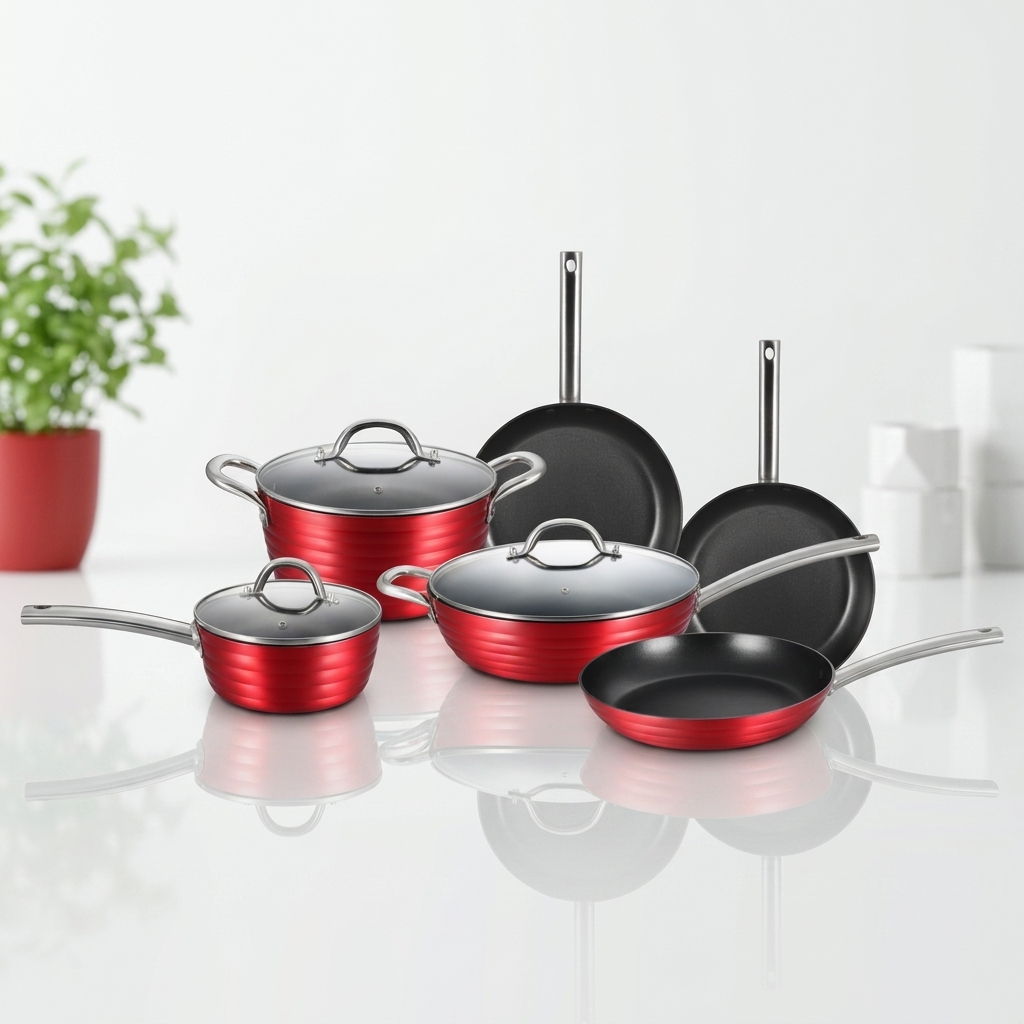
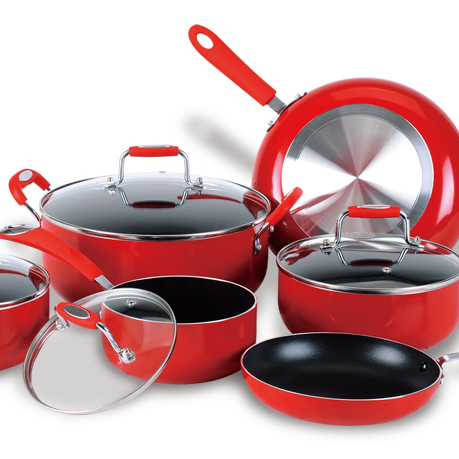
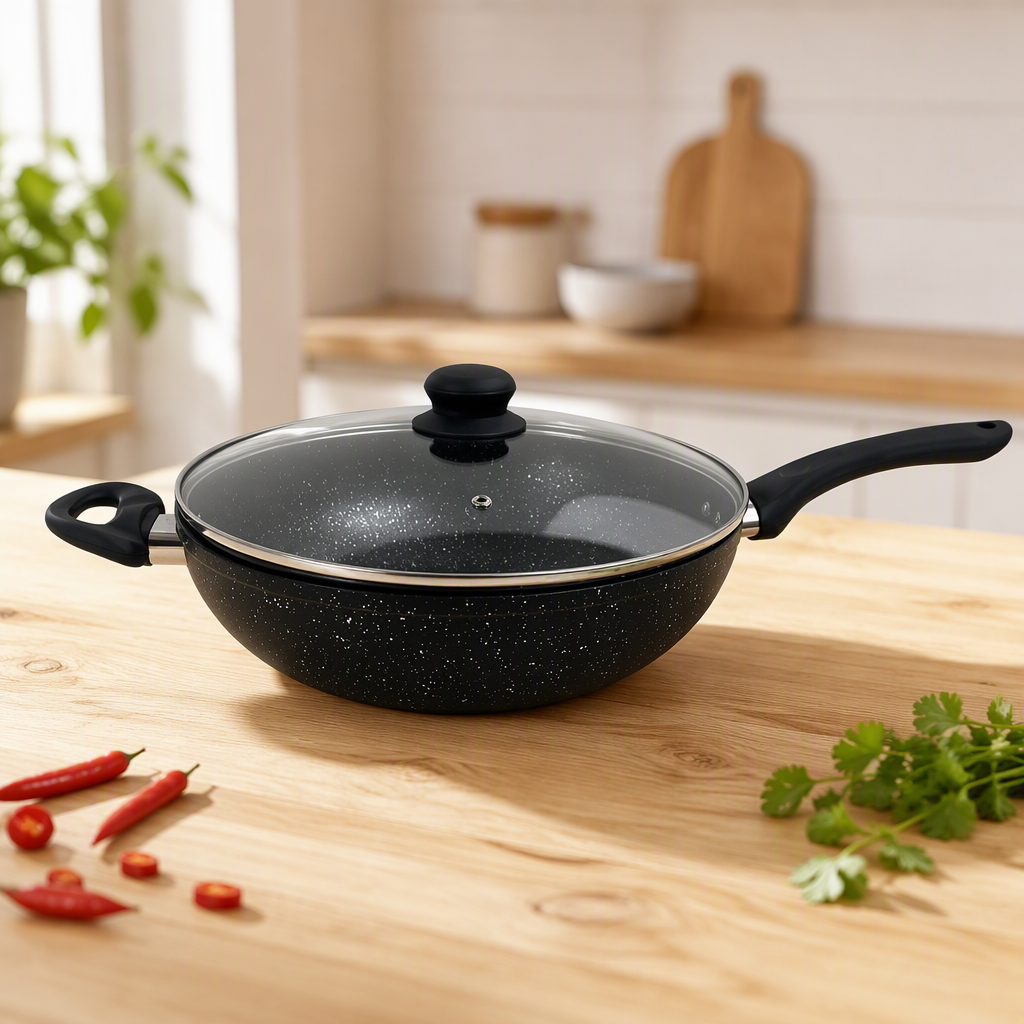
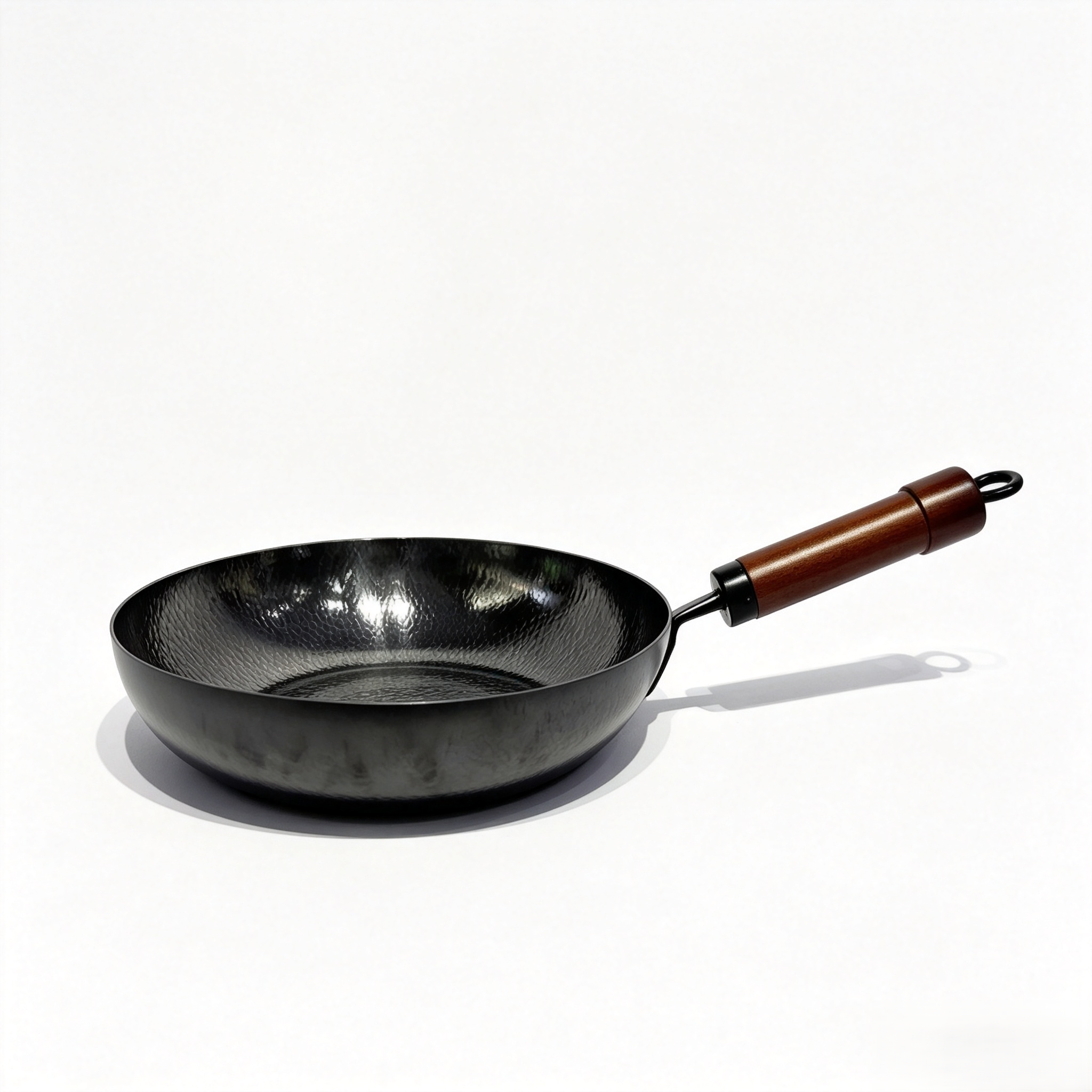
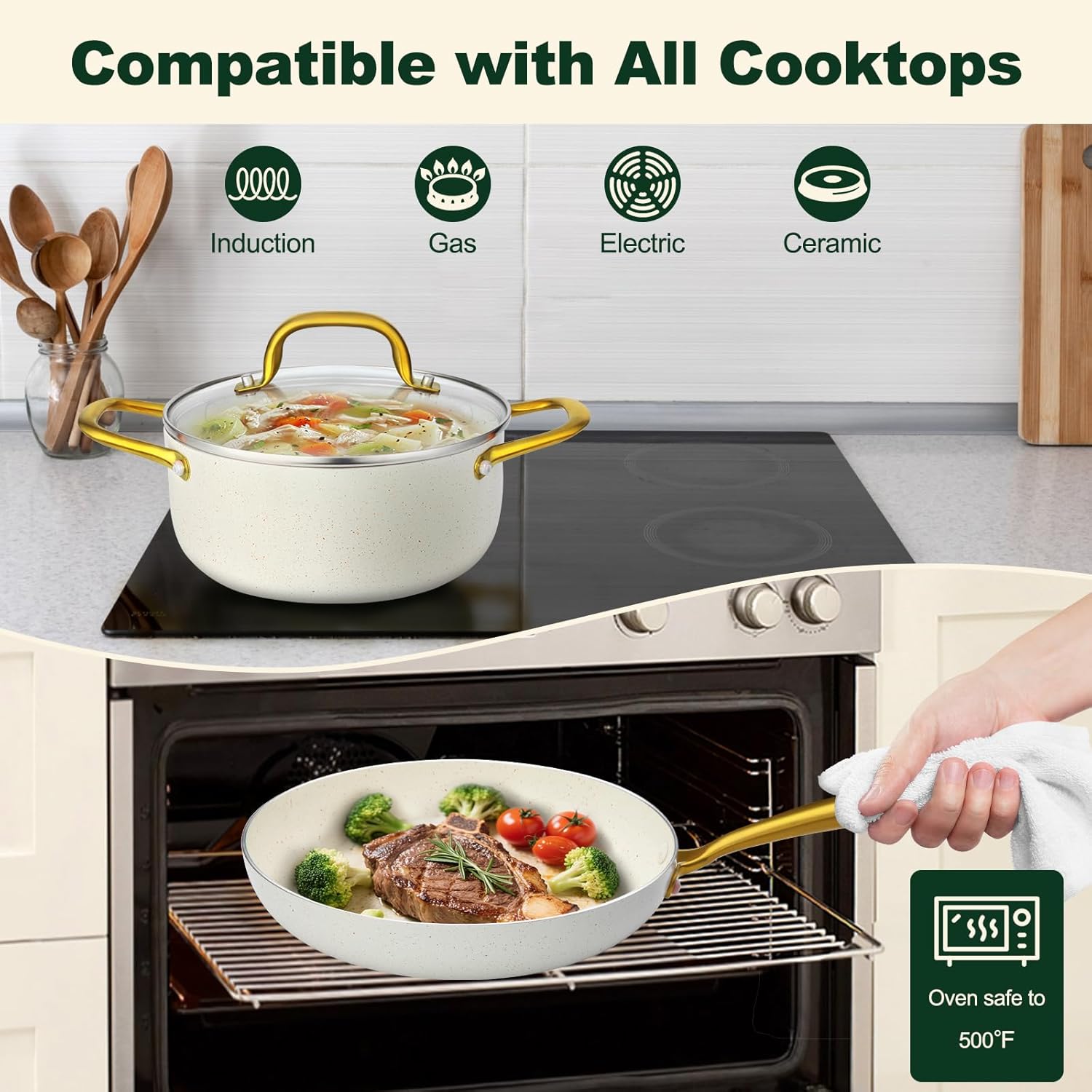
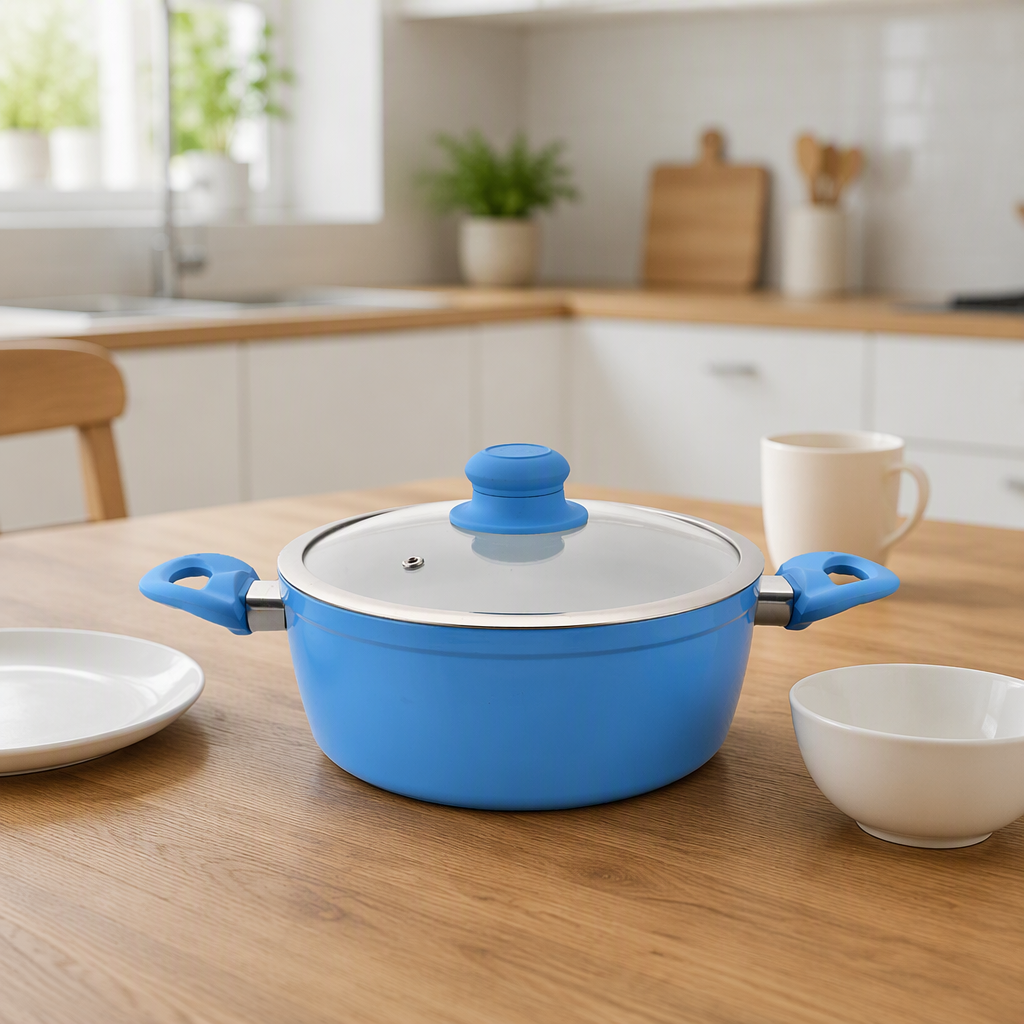
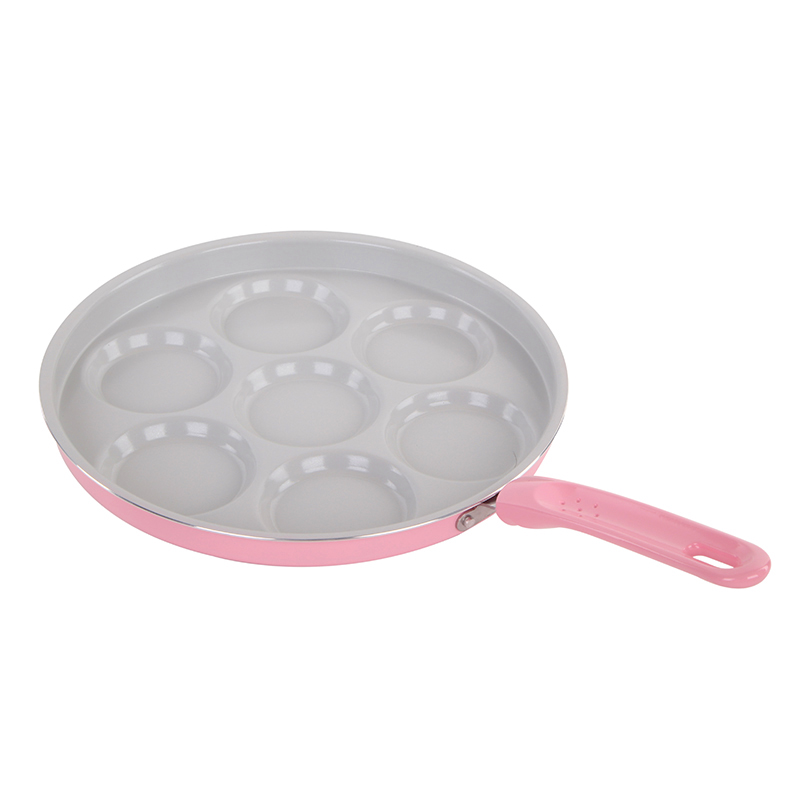
Featured Commercial Stock Pots & Premium Cookware Sets

Engineered for high-volume foodservice, institutional procurement, and retail brand programs. Produced by verified manufacturing lines in Jinhua, China.

20+
Years Industry Mastery
TÜV
Rheinland Verified
105+
Technical Experts
50+
Global Export Markets

Global Stock Pot Manufacturing & Sourcing Landscape (2025-2030)

Strategic Procurement Insights for Importers, Brand Owners, and Commercial Foodservice Distributors

Information Gain Summary: The global commercial stock pot market is undergoing a seismic shift toward multi-layer cladding, hybrid nitrided carbon steel, and GenX/PFAS-free inorganic ceramic matrices. Sourcing managers who fail to audit thermal stress threshold tolerances and base plate brazing integrity risk up to a 14% higher field return rate in induction-heavy commercial kitchens.

Stock pots represent the workhorse vector of both commercial kitchens and residential culinary setups. Characterized by high vertical side walls, deep volumetric capacity (typically ranging from 8 Liters to over 50 Liters), and dual loop handles capable of supporting heavy liquid loads, stock pots demand rigorous metallurgical integrity. Unlike standard frying pans, stock pots endure prolonged thermal exposure, continuous liquid convection forces, and substantial mechanical stresses from large-batch cooking operations.

As we navigate 2025 procurement cycles, global buyers are balancing three macro pressures: escalating regulatory restrictions on fluorinated surface treatments (PFAS/PFOA), rising operational energy costs driving demand for high-efficiency induction bases, and total-cost-of-ownership (TCO) optimization amidst shifting freight logistics. Key manufacturing clusters—primarily concentrated in Jinhua and Yongkang within Zhejiang Province, alongside specialty stainless steel centers in Guangdong—have heavily upgraded automated CNC forming, impact-bonding presses, and robotized spray lines to meet these exacting global standards.

Transition to Eco-Coatings

Global regulatory pressure (REACH EU, US EPA) is accelerating the shift from traditional 4-layer PTFE systems to inorganic sol-gel silica ceramic and nitrided carbon steel coatings, eliminating forever chemicals without sacrificing nonstick efficiency.

Induction Impact Bonding

Modern stock pots feature 4.5mm to 6.0mm magnetic stainless steel discs bonded under 2,500-ton hydraulic pressure. This eliminates air pockets, preventing base delamination under high thermal shocks.

Metallurgical Cladding

Tri-Ply (304 Stainless Steel + Aluminum Core + 430 Stainless Steel) and die-forged thick-wall aluminum alloys dominate mid-to-premium stock pot programs, delivering optimized heat distribution across massive vessel walls.

Top 10 Stock Pot Factories & Exporters Evaluation Benchmark

Comparative Matrix analyzing leading OEM/ODM cookware manufacturers across structural engineering, compliance standards, and production scale.

When selecting a primary tier-1 stock pot manufacturer, institutional procurement teams must evaluate beyond base FOB unit pricing. Operational stability, metallurgical quality control, internal toolmaking speeds, and international compliance audits (TÜV Rheinland, BSCI, ISO9001) dictate true supplier reliability.

Manufacturer / Rank Primary Material Focus Core Base Technology Monthly Output Quality Audits OEM Customization
1. Zhejiang MEIS Kitchenware Co., Ltd. Forged & Pressed Aluminum, Carbon Steel 2,500T Impact-Bonded & Nitrided Core 850,000+ Units TÜV Rheinland, ISO9001, BSCI Full OEM/ODM, In-House Mold Tooling
2. Guangdong Master Group Tri-Ply Stainless Steel, Heavy Steel Brazed Capsule Bottom 600,000 Units ISO14001, BSCI, LFGB Custom Handles & Laser Etching
3. Zhejiang Cooker King Co., Ltd. Nonstick Aluminum, Cast Aluminum Multi-Layer Induction Disc 750,000 Units ISO9001, FDA, RoHS Surface Color & Retail Packaging
4. Sanhe Kitchenware (Guangdong) Commercial Stainless Steel 304/430 Single-Piece Deep Drawn Base 450,000 Units NSF International, CE Commercial Size Scaling
5. Ningbo Ninghai Metalware Pressed Aluminum Stock Pots Spiral Cut Heat Base 500,000 Units BSCI, SQP Private Label Color Boxes
6. Wuhan Xiangxing Cookware Nitrided Carbon Steel, Woks & Stock Pots Thermal Diffusion Coated Base 400,000 Units ISO9001, LFGB Logo Stamping & Handle Modification
7. Jiangmen Stainless Steel Factory Heavy Commercial Stock Pots Impact Encapsulated Bottom 350,000 Units NSF, ISO9001 Industrial Size Gauges (20L-100L)
8. Yongkang City Hardware OEM Ltd. Die-Cast Aluminum Casseroles Integrated Cast Induction Mesh 380,000 Units BSCI, CE Custom Mold Engineering
9. Zhejiang Sanjie Kitchenware Forged Marble/Granite Stock Pots Dot-Induction Bottom Plate 420,000 Units TÜV, FDA Coating Pattern Customization
10. Tianjin Metalware Exporters Carbon Steel Enamel & Nonstick Direct Magnetic Base 300,000 Units ISO9001, LFGB Bulk Export & Promotional Kits

Metallurgical Engineering & Structural Architecture

A Deep Engineering Analysis of Stock Pot Construction Methods, Thermal Transfer Efficiency, and Stress Resistance

A high-performance stock pot must solve a fundamental thermodynamic challenge: efficiently transferring thermal energy from a localized burner base across tall vertical walls while maintaining thermal uniformness in litres of dense liquids. Failure to engineer correct wall-to-base thickness ratios results in localized "hot spots", scorching soups, and base distortion (warping).

Die-Forged Tapered Wall Geometry

Forged aluminum stock pots utilize a hydraulic die-forging process that creates a thick base (4.0mm - 5.5mm) tapering to thinner vertical walls (2.5mm - 3.2mm). This optimizes weight-to-strength ratios while storing heat at the bottom base where flame contact occurs.

Encapsulated Induction Discs

By applying high-frequency magnetic friction or high-tonnage hydraulic impact bonding, a 430-grade magnetic stainless steel plate is fused to aluminum body stock. This creates complete molecular cohesion, rendering non-ferrous aluminum fully induction-compatible without thermal conductivity loss.

Hydro-Formed Dual Riveting

Side handles on large capacity stock pots bear immense sheer torque (e.g., a 24-liter pot contains 24kg of mass). Solid stainless steel rivets are cold-formed in-place, passing through double-gauge body walls to achieve pull-out thresholds exceeding 2,200 Newtons per joint.

Factory Tip for B2B Buyers: Always verify if your manufacturer uses 3003 or 3004 alloy aluminum for pressed stock pots. Alloy 3004 contains manganese and magnesium, providing up to 20% higher tensile strength and superior warp resistance compared to standard commercial 1050 grade aluminum sheets.

Factory Quality Control & Testing Protocols

How Leading Manufacturers Audit Thermal Shock, Coating Adhesion, and Mechanical Wear Before Global Shipment

To comply with rigorous Western retail standards (such as EU Food Contact Regulation (EC) No 1935/2004, German LFGB, and US FDA 21 CFR), tier-1 stock pot factories execute strict in-house laboratory testing across every batch of raw metal and finished pots. Below is the standard inspection framework established by Zhejiang MEIS Kitchenware Co., Ltd.:

1. Salt Spray Corrosion Test

Finished pots undergo continuous 72-hour exposure to a 5% neutral NaCl salt fog at 35°C (ASTM B117 standard). This tests for micro-pinholes in the nonstick layer and verifies anti-corrosion resistance of exterior coatings and handle rivets.

2. Thermal Shock Quenching

Pots are heated continuously to 260°C (500°F) and immediately plunged into cold water at 15°C. This cycle is repeated 30 times. Zero base deformation, zero plate delamination, and zero nonstick micro-cracking must occur.

3. Cross-Hatch Adhesion Test

Using a precision lattice cutting tool, a 10x10 grid of 1mm cuts is made into the nonstick coating down to the metal substrate. Standard 3M 610 adhesive tape is applied firmly and ripped off at a 90° angle. Zero nonstick coating detachment (ASTM D3359 Class 5B) is required.

Enterprise Spotlight: Zhejiang MEIS Kitchenware Co., Ltd.

A TÜV Rheinland On-Site Verified Custom OEM/ODM Manufacturer in Jinhua, Zhejiang

Located in the heart of Dongnan Industrial Zone, Shuxi Street, Jinhua, Zhejiang, Zhejiang MEIS Kitchenware Co., Ltd. stands as an authoritative force in custom cookware manufacturing. Spanning two decades of technical evolution, the factory operates fully integrated pressing, CNC precision base finishing, automatic nonstick spray coating, and assembly lines operated by 105 verified skilled technicians.

MEIS specializes in pressed aluminum, die-forged aluminum, and heavy-gauge nitrided carbon steel stock pots, fry pans, and roasters tailored specifically to global importers, retail department stores, and brand owners seeking full private-label development.

In-House Mold & Tooling Lab

Equipped with high-speed CNC cavity milling machines, precision lathes, and hydraulic tooling stations. MEIS shortens new stock pot sample lead times from standard 45 days down to just 14 days for custom OEM shapes.

TÜV Rheinland Audited Quality

Third-party verified factory grounds, raw material verification routines, and rigorous batch tracing guarantee zero non-conforming shipments leave the factory floor. 100% full inspection available upon request.

Versatile OEM/ODM Customization

From minor custom logo laser etching, custom color box design, and soft-touch handle color matching to complete structural design from CAD drawings, MEIS accommodates flexible buyer requirements.

Stock Pot Procurement FAQ

Essential Operational Answers for Supply Chain Managers, Sourcing Agents, and Wholesale Importers

What is the minimum order quantity (MOQ) for custom OEM stock pots?

For standard production lines using existing factory molds, MOQ typically ranges between 1,000 to 1,500 sets/pieces per item. For full custom tooling, unique body shapes, or custom-formulated nonstick colors, standard MOQ is 2,000 to 3,000 pieces. Small trial orders starting from 50 to 500 pieces can be accommodated for selected hot-selling stock models in inventory.

What is the practical difference between pressed aluminum, forged aluminum, and carbon steel stock pots?

Pressed aluminum is stamped from uniform metal sheets, making it lightweight, fast-heating, and highly cost-effective for supermarket promotions. Forged aluminum is die-forged under heavy pressure, yielding a thicker rim and bottom base that delivers superior heat retention, structural rigidity, and warp resistance for premium retail lines. Carbon steel is naturally magnetic, extremely durable, cost-efficient, and inherently induction-ready without requiring an attached steel bottom disc plate.

Are the nonstick coatings PFOA-free and compliant with European REACH / US FDA standards?

Yes. All nonstick ceramic, granite speckle, and PTFE coatings utilized by MEIS Kitchenware strictly adhere to PFOA-free, PFOS-free, lead-free, and cadmium-free standards. Official testing certificates from SGS, TÜV Rheinland, or Intertek under German LFGB and US FDA 21 CFR regulations are provided with mass production runs upon buyer request.

How does impact bonding differ from brazed induction bases on aluminum stock pots?

Brazing uses flux materials melted under heat to glue an induction plate onto the pot base, which can form microscopic air pockets subject to corrosion or failure over time. Impact bonding uses extreme friction and 2,500+ tons of hydraulic force to mechanically fuse the stainless steel plate directly into the aluminum core. This guarantees 100% solid contact, faster thermal transfer, and zero risk of base separation under high heat.

Can MEIS manufacture stock pots compatible with magnetic induction cooktops?

Absolutely. Aluminum stock pots are fitted with 430-grade stainless steel magnetic induction bottom plates (either full-bound, hole-punched, or custom dot matrix patterns). Carbon steel stock pots are natively induction-compatible without needing additional bottom plates.

What is the lead time for mass production shipments and custom samples?

Standard prototype samples with existing color formulas take 3 to 7 days. Custom OEM mold creation and color samples take 12 to 18 days. Repeat mass production orders take approximately 30 to 45 days after formal deposit receipt and artwork approval, shipped directly via Ningbo or Shanghai ports.

Partner with a Verified Stock Pot Factory Today

Streamline your cookware procurement with direct-from-factory OEM pricing, rigorous TÜV-verified quality control, and rapid mold customization.