Verified Supply Portfolio
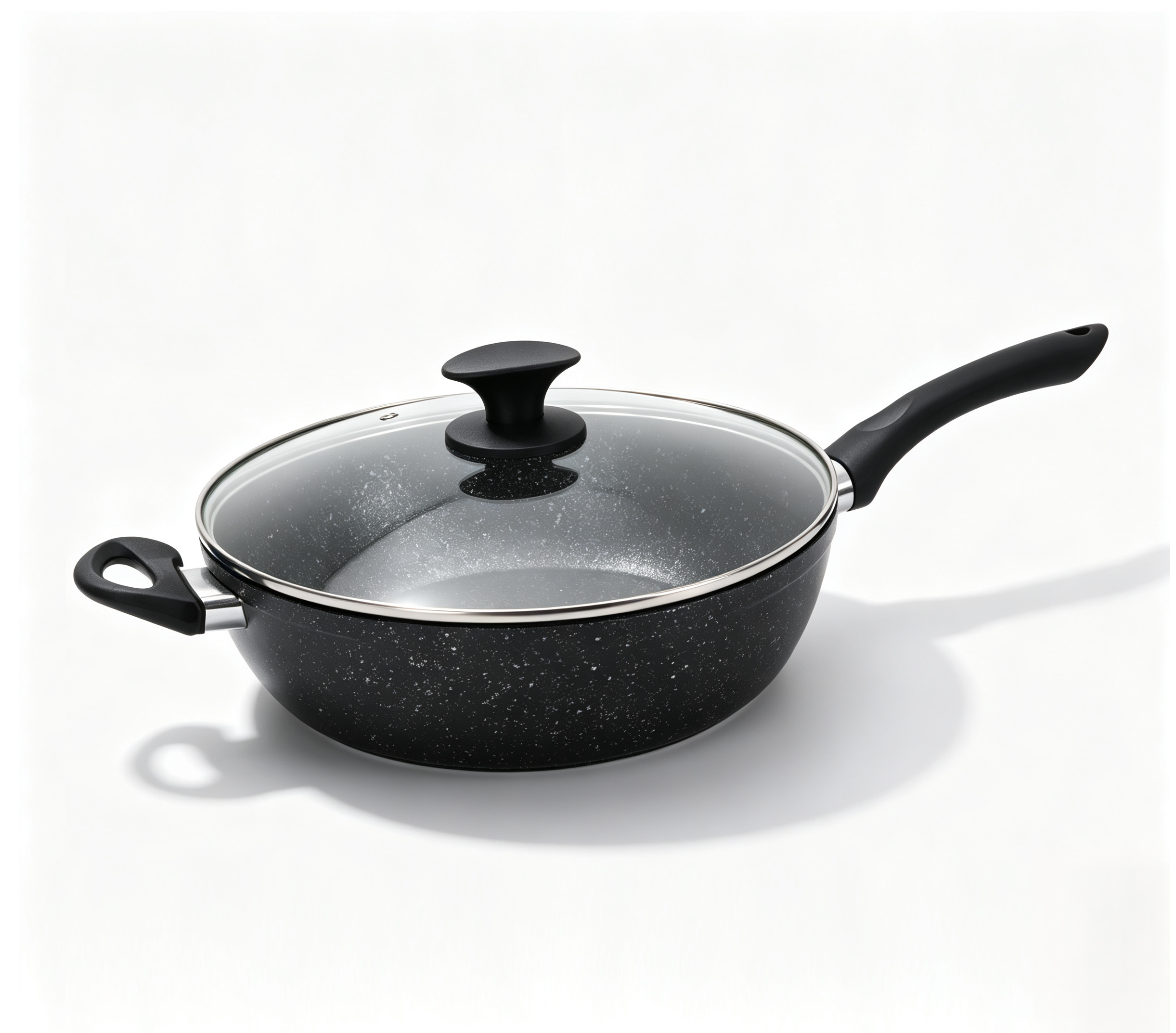
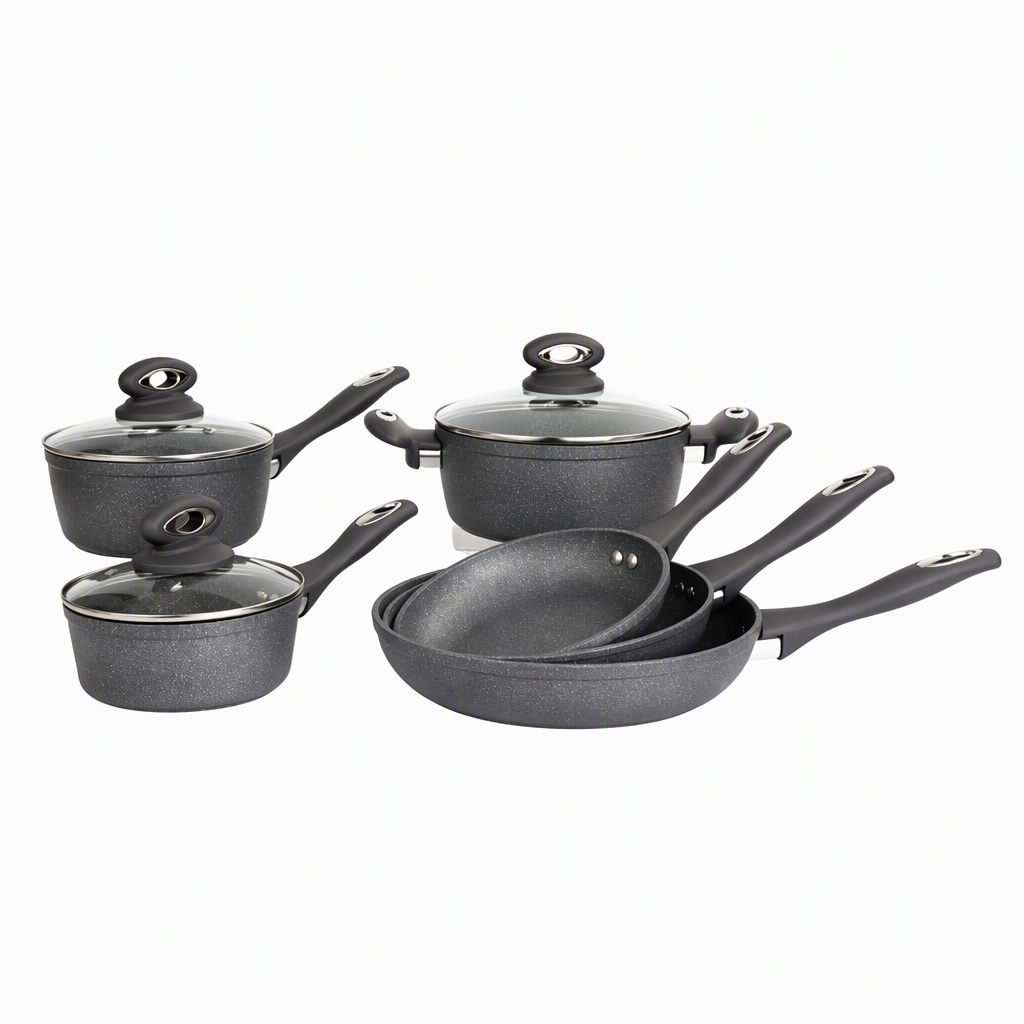
Featured Nonstick Aluminum & Carbon Steel Cookware
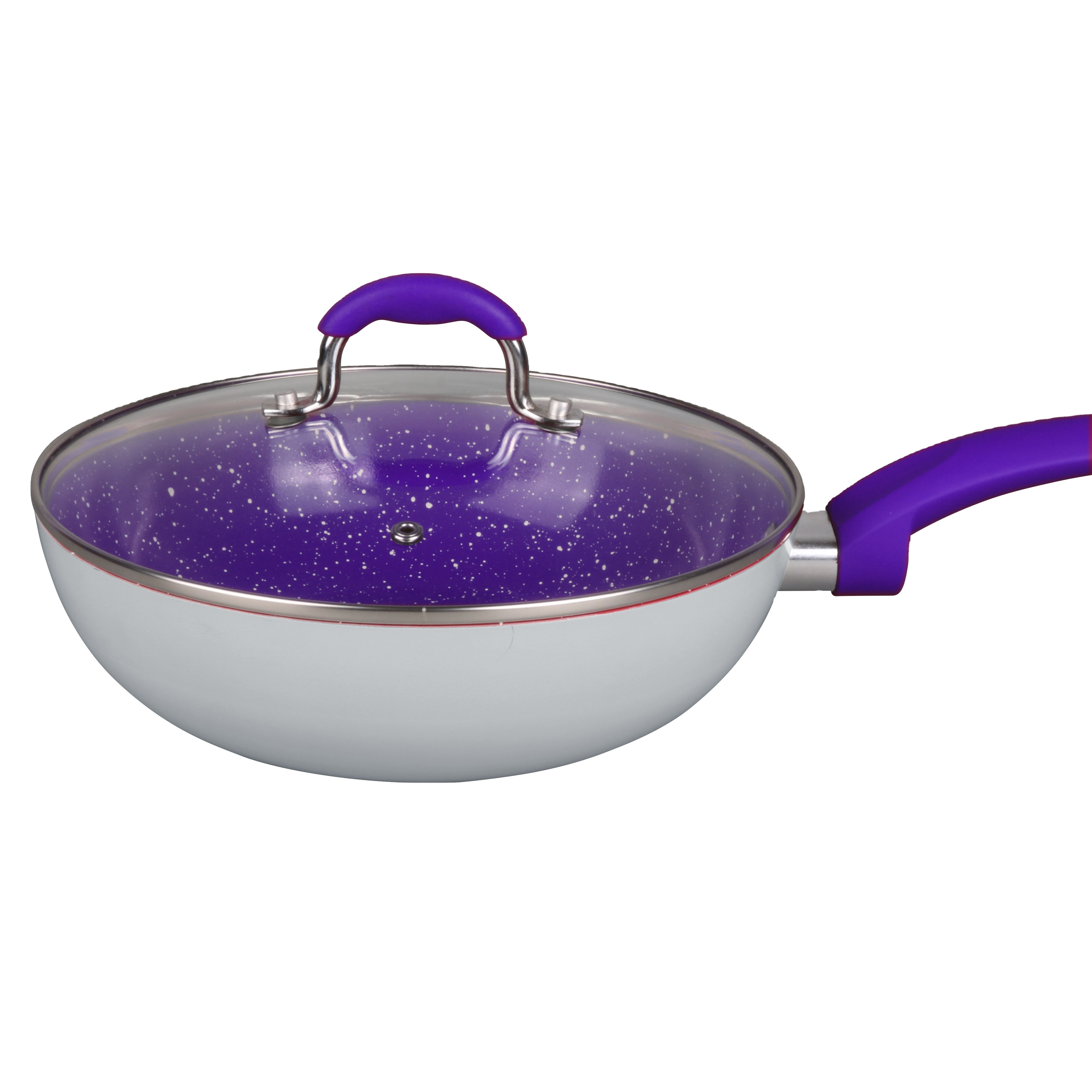
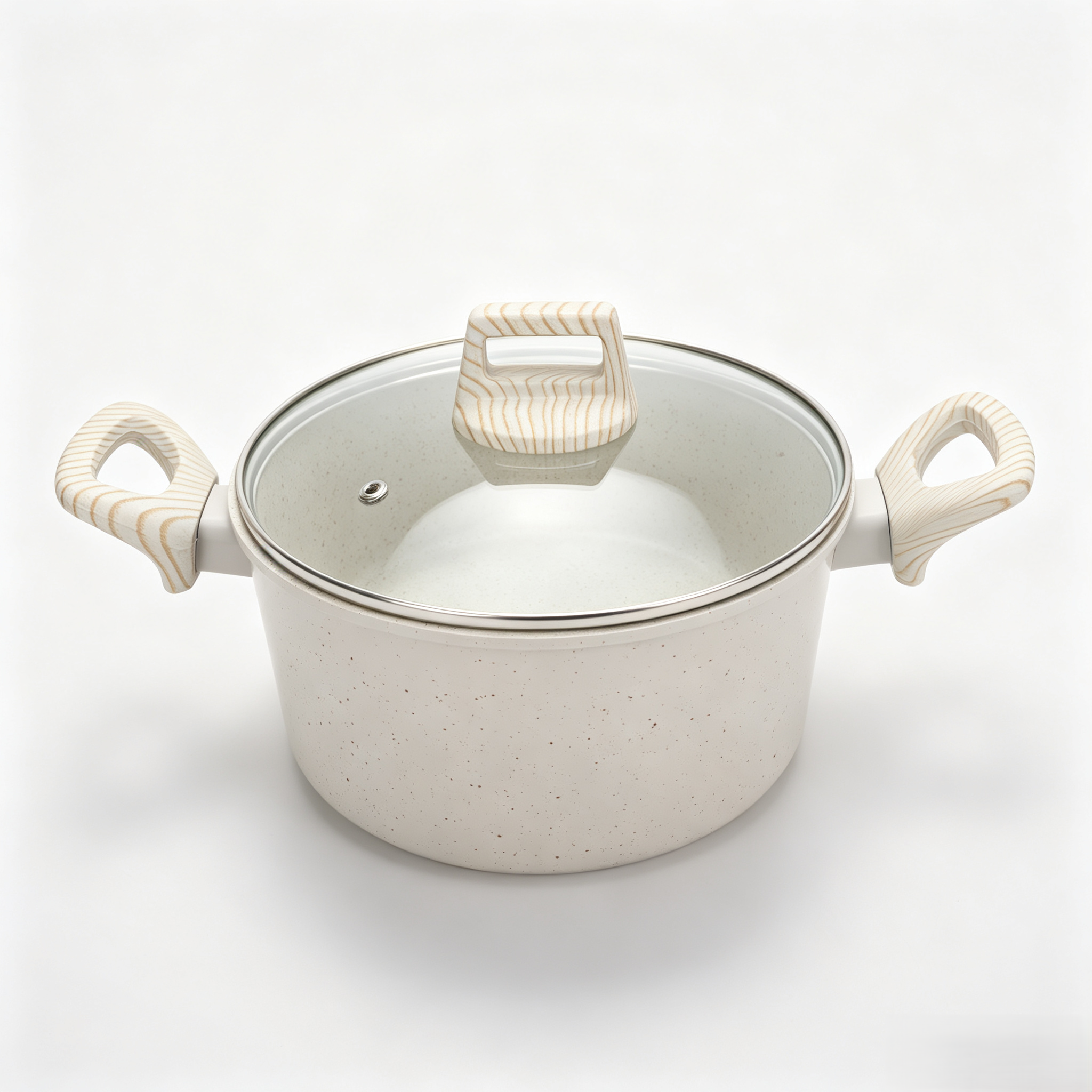
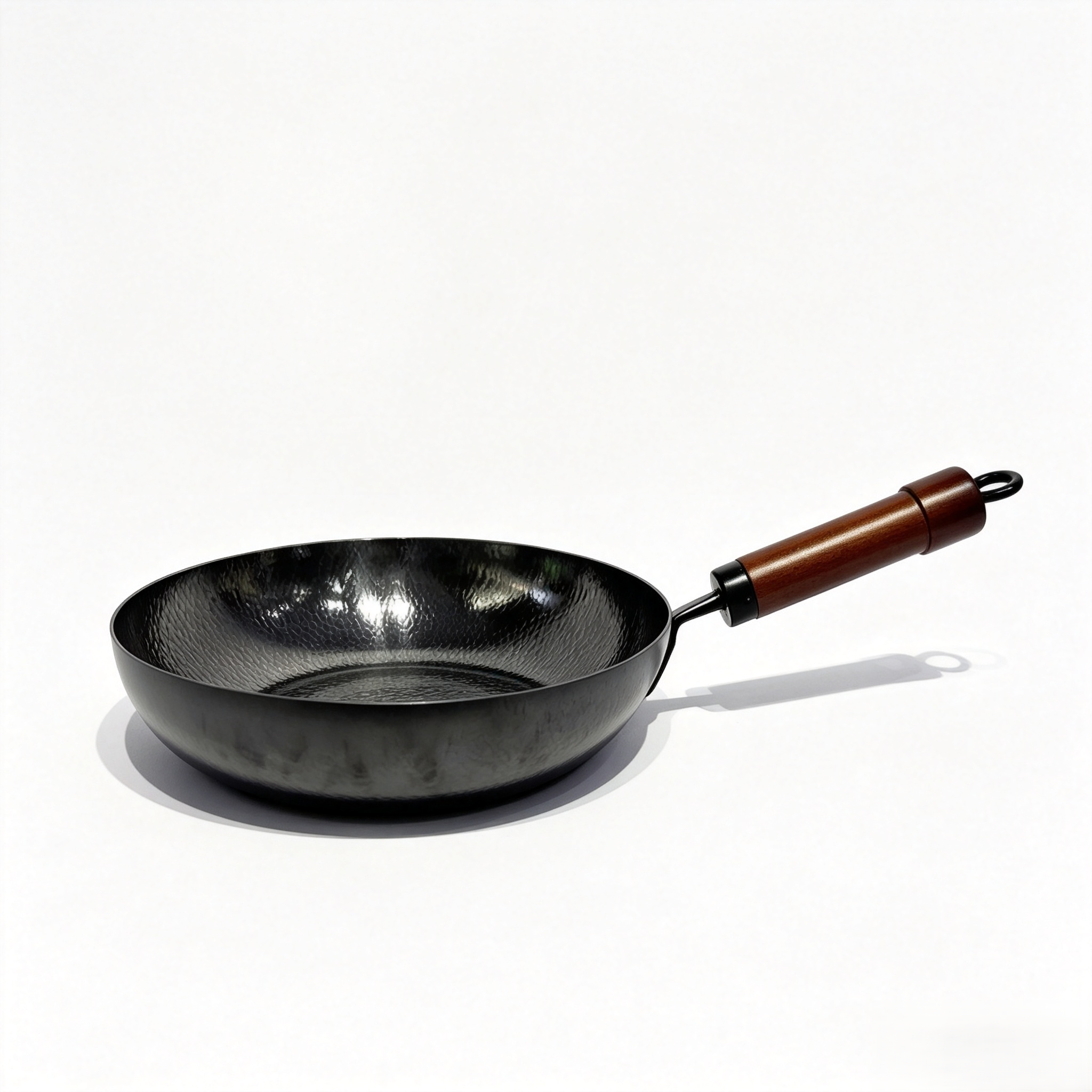
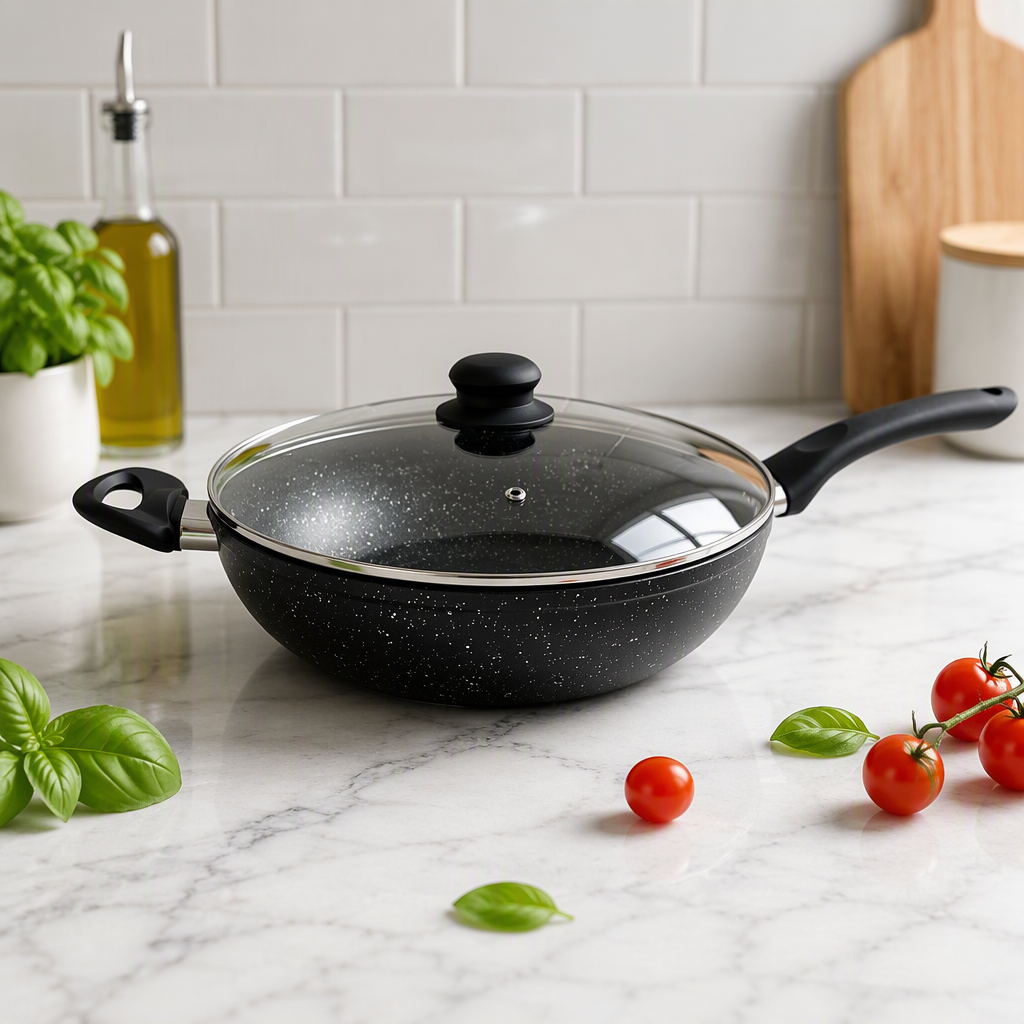
Direct factory export configurations engineered with high-density pressing, precision die-forging, advanced nonstick matrices, and full hob compatibility.
20+
Years Industry Expertise
105+
Verified Workforce
100%
In-House QC Inspection
TÜV
Rheinland On-Site Assessed
50+
Export Destinations
Enterprise Profile: Direct Cookware Manufacturing in Jinhua, Zhejiang
When selecting professional OEM or ODM partners in the global kitchenware ecosystem, evaluating verified manufacturing infrastructure is critical. Zhejiang MEIS Kitchenware Co., Ltd. operates as an integrated manufacturer and exporter situated within the Dongnan Industrial Zone, Shuxi Street, Jinhua City, Zhejiang Province—the core manufacturing cluster for hardware and cookware in East China.
Spanning multi-line automated facilities, MEIS operates specialized workshops for metal cold-pressing, heavy hydraulic forging, precision lathe turning, CNC machining, automated surface degreasing, multi-station PTFE/Ceramic spray coating, high-temperature tunnel curing, handle assembly, and rigid 6-point quality assurance testing. Unlike pure trading entities, MEIS controls every physical variable that directly dictates nonstick pan longevity, coating adhesion, mechanical stress tolerance, and thermal transfer stability.
TÜV Rheinland Third-Party Assessment Guarantee
Our plant facility undergoes annual, unannounced on-site audits conducted by TÜV Rheinland. Verification encompasses physical machine capacity, raw aluminum sheet certification, environmental compliance for waste treatment, worker safety protocols, and traceable B2B quality management procedures (ISO standards alignment).
In-House Tooling, Customization, & Private Label Services
Our engineering division supports total OEM/ODM workflows. Utilizing in-house mold design, high-precision lathe machines, and 5-axis CNC machining, we reduce prototype lead times from standard industry averages of 45 days down to 14–20 days. Procurement clients can customize:
Substrate & Wall Thickness
Selection from 1.8mm to 3.5mm pressed aluminum, 3.5mm to 5.0mm heavy forged aluminum, or 1.0mm to 2.0mm high-strength carbon steel.
Surface Coating Systems
Sol-gel eco ceramic nonstick, multi-layer PTFE (PFOA-free), granite speckle, marble textures, hard-anodized oxidation, or thermal nitriding for carbon steel.
Thermal Base Mechanics
Full-coverage magnetic stainless steel induction bottoms, perforated stamped friction plates, or traditional high-heat spiral turned bases.
B2B Procurement White Paper
Aluminum & Carbon Steel Cookware Manufacturing Analysis
An authoritative technical breakdown for global importers, retail buyers, and brand managers evaluating structural integrity, thermal dynamics, and coating chemistry.
1. Metallurgical Transformation: Cold Pressing vs. Heavy Die-Forging
Aluminum cookware performance hinges primarily on structural density achieved during body shaping. In China’s hardware export market, buyers must differentiate between standard cold-stamped (pressed) aluminum and die-forged aluminum to align with their retail pricing positioning.
| Technical Parameter | Pressed Aluminum Cookware | Forged Aluminum Cookware | Nitrided Carbon Steel |
|---|---|---|---|
| Manufacturing Process | Cold-stamped from flat 1050/3003 aluminum discs via mechanical press. | High-pressure hydraulic forging (1500–3500 tons) altering grain structure. | Cold-drawn sheet steel subjected to high-temp gas nitriding oxidation. |
| Wall-to-Base Ratio | Uniform thickness across base and sidewalls (e.g., constant 2.5mm). | Differentiated geometry: Heavy rim & thick base (4.5mm), light walls (2.2mm). | Consistent thin gauge (1.2mm–1.8mm) with high structural rigidity. |
| Warp Resistance | Moderate under extreme high heat shocks (T>260°C). | Exceptional; heavy base absorbs thermal expansion without flexing. | High resistance to deformation; prone to rapid thermal pickup. |
| Thermal Retention | Fast heating, low heat retention (rapid cool down). | Superior heat storage, steady heat release ideal for searing & simmering. | Rapid response to temperature changes; optimal stir-fry transfer. |
| Target Retail Segment | Mass supermarket chains, promotional programs, starter sets. | Mid-to-premium retail, boutique culinary brands, e-commerce hot sellers. | Professional Asian cooking, eco-conscious chemical-free lines. |
2. Coating Tribology: Fluoropolymer (PTFE) vs. Sol-Gel Ceramic vs. Nitriding
Evaluating nonstick longevity requires understanding surface chemistry and pretreatment standards. At MEIS Kitchenware, all aluminum cookware undergoes multi-stage continuous automatic cleaning, alkaline degreasing, and micro-sandblasting to reach an optimized surface roughness (Ra 3.5–4.5 µm). This physical keying mechanism guarantees absolute chemical and mechanical bond between the raw aluminum substrate and the nonstick coating primers.
Our facility applies three distinct nonstick matrix technologies:
- Multi-Layer Water-Based PTFE Coating (PFOA-Free): Formulated with titanium or diamond micro-particle reinforcement. Achieves over 20,000 cycles under standard dry-rub abrasion testing (BS EN 12983-1). Highly release-effective for sticky egg and sugar-based cooking.
- Sol-Gel Inorganic Ceramic Coating: A inorganic silica-based matrix sprayed and cured at 300°C. Completely free of PTFE, PFOA, PFOS, Lead, and Cadmium. It offers extreme surface hardness (up to 9H pencil hardness) and thermal stability up to 450°C without degassing risk.
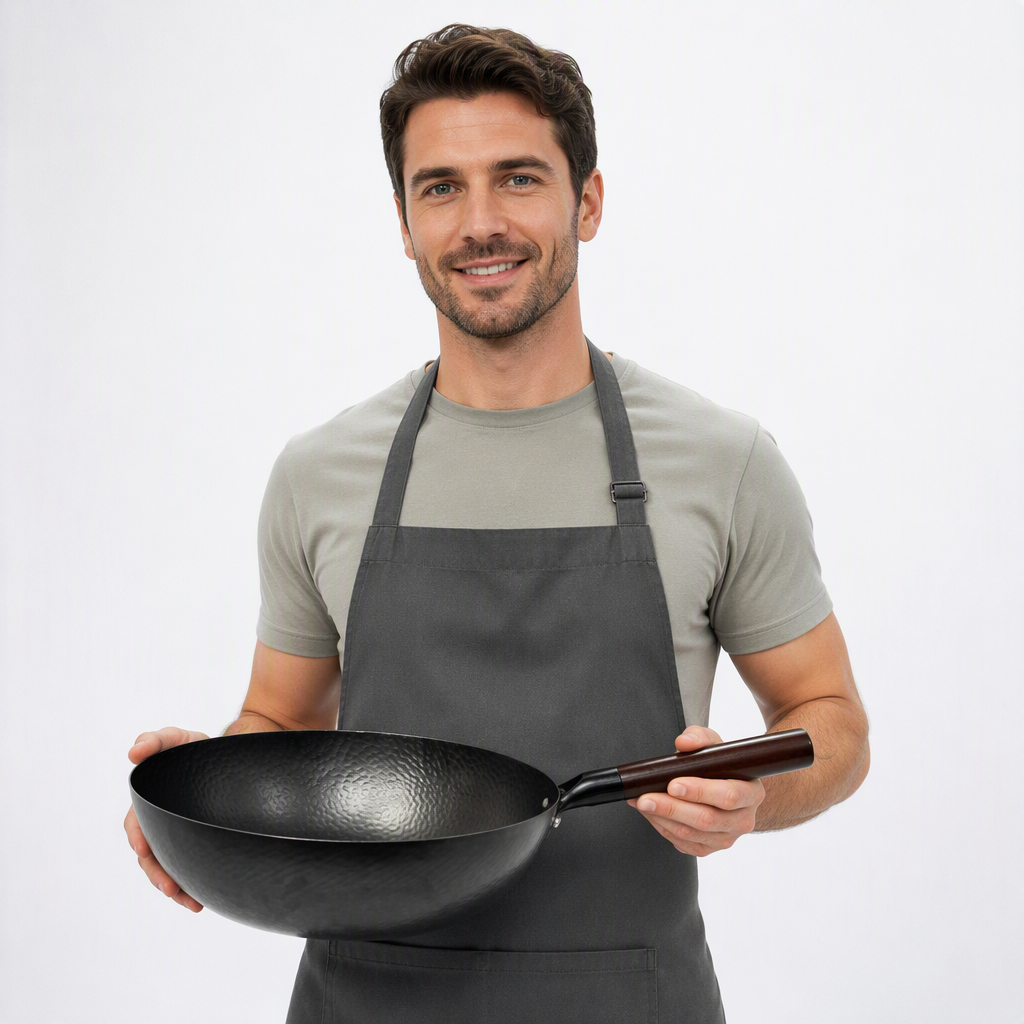
- Gas Nitriding Treatment (For Carbon Steel Woks): Nitrogen atoms diffuse into the steel crystal lattice at temperatures above 570°C, converting surface iron into a hard non-corrosive iron nitride layer ($Fe_2N / Fe_4N$). This provides continuous natural rust resistance without requiring synthetic nonstick sprays.
3. Base Plate Integration & Hob Magnetization Physics
Aluminum is naturally non-magnetic and cannot generate eddy currents on induction cooktops. To bridge this, MEIS integrates magnetic stainless steel plates (AISI 430 grade) via two industrial methods:
Impact-Bonding (Friction Welding): Under 1000+ tons of momentary hydraulic pressure, the aluminum base metal reaches plastic deformation phase, interlocking seamlessly with a perforated stainless steel disc. This eliminates air gaps, preventing thermal hot spots and plate detachment over thousands of thermal cycles.
Hole-Punch Stamping: Stainless steel plates are pressed onto the aluminum bottom with punch-lock dimples. This offers a highly cost-effective solution for retail promotional sets requiring basic induction capability.
Industry Insights
Future Procurement Trends in Global Aluminium Cookware
Strategic market forces shaping retail sourcing, importer compliance, and product engineering over the next decade.
1. Global Transition to Strict PFAS-Free Regulations
With legislative bans on "forever chemicals" tightening across the European Union (REACH amendments) and North America (US State-level PFAS prohibitions), major importers are accelerating the phase-out of traditional fluoropolymer coatings. Sourcing momentum is pivoting rapidly toward Sol-Gel inorganic ceramics and Nitrided eco carbon steel. Factory partners with certified fluoropolymer-free spraying lines like MEIS provide compliance certainty under EU (EC) No 1935/2004 and US FDA 21 CFR standards.
2. Modular Space-Saving & Detachable Handle Systems
Urban dwelling trends and rising international freight costs have driven demand for stackable cookware sets featuring quick-release detachable handles. Eliminating fixed bakelite handles reduces individual master carton volume by up to 40% to 55%, drastically lowering landed shipping costs per unit. MEIS’s patented double-lock detachable handle systems satisfy BS EN 12983-1 pull-load and torque safety thresholds while allowing seamless oven-to-table functionality.
3. High-Efficiency All-Hob Energy Transmission
As induction cooktop penetration rates soar globally, buyers require cookware that performs across gas, electric glass-ceramic, and high-frequency induction hobs alike. Future-proof cookware designs feature full-bound induction bottoms (100% surface coverage) rather than standard small stamped rings, ensuring faster heat dissipation, reduced energy consumption, and zero hot-spot scorching.
4. Custom Color Aesthetics & Textured Granite Finishes
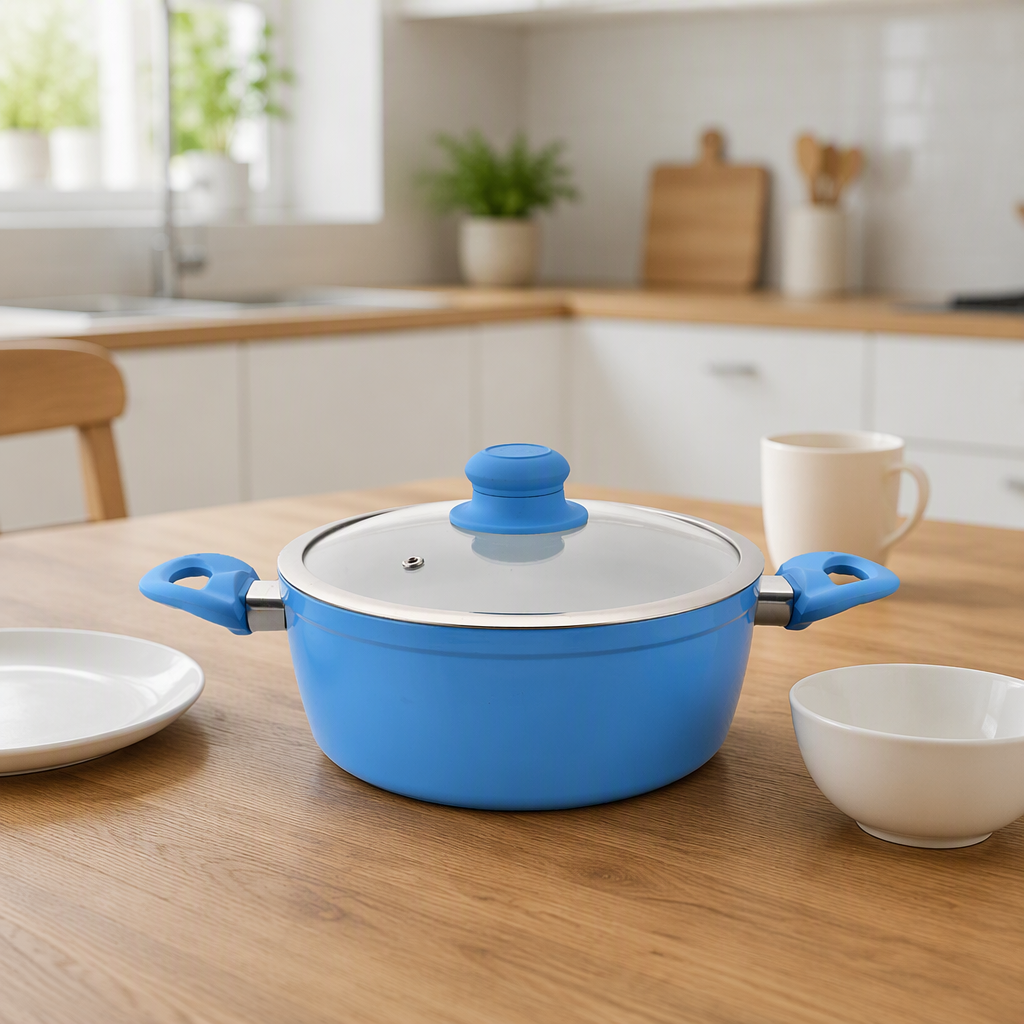
Consumer kitchen cookware is transitioning from purely functional utensils into aesthetic countertop decor. Demands for warm pastel ceramics, multi-tone granite speckles, and tactile marble coatings are outpacing solid black nonstick. Modern direct manufacturers must maintain flexible automated multi-color spray booths to handle low-MOQ color customization without compromising cure line speeds.
Quality Assurance Infrastructure
In-House Quality Control & Testing Protocol
Every production batch engineered by Zhejiang MEIS Kitchenware undergoes stringent physical testing prior to packaging release.
Corrosion & Salt Spray Chamber
Coating samples undergo continuous 5% NaCl salt fog atomization for 48–72 hours to verify corrosion resistance, ensuring zero blistering or coating lift on cookware edges.
Handle Fatigue & Torsion Tester
Pans are loaded with rated capacity weights and flexed thousands of times at the handle joint to guarantee rivet and weld safety under extreme lever stress.
Cross-Hatch Adhesion Test
Coating surfaces are lattice-scratched with precision blades, pressed with standard adhesive tape, and ripped to confirm 100% surface bond rating (Class 0 / ISO 2409).
Frequently Asked Questions
Technical Sourcing & Purchasing FAQ
Direct answers to crucial commercial and engineering questions asked by international buyers, importers, and procurement agents.
Is Zhejiang MEIS Kitchenware Co., Ltd. a direct factory or a trading company?
Zhejiang MEIS Kitchenware Co., Ltd. is verified as a direct Manufacturer and Trading Company located in Dongnan Industrial Zone, Shuxi Street, Jinhua, Zhejiang, China. We operate our own physical metal-pressing, heavy hydraulic forging, CNC base turning, automatic spray-coating, curing ovens, and final assembly lines. Our facilities are audited on-site by TÜV Rheinland to verify operational capability and production scale.
What are the standard Minimum Order Quantities (MOQ) for OEM/ODM orders?
Minimum order quantities depend on product complexity, gauge, and coating specifications. Standard OEM nonstick cookware sets and individual pans typically range from 1,000 to 3,000 pieces/sets per item. However, for initial market testing or select standard inventory items, lower trial order quantities starting from 50 to 500 pieces can be accommodated upon consultation.
What food-safety and international chemical compliance certifications are available?
All nonstick coatings applied by MEIS Kitchenware comply strictly with international food-contact safety standards. We offer formulations certified under US FDA 21 CFR 175.300, European Regulation (EC) No 1935/2004, and German LFGB testing. Complete test reports confirming 100% PFOA, Lead, Cadmium, and Heavy-Metal-Free status are provided with sample approvals.
How does pressed aluminum compare to forged aluminum cookware in unit cost and longevity?
Pressed aluminum is stamped from uniform metal sheets, resulting in lighter weight and lower unit cost—making it highly suited for budget retail, promotional sets, and large-scale supermarket programs. Forged aluminum is created under high hydraulic pressure, creating a thick base and thin walls. Forged pans offer superior thermal retention, enhanced warp resistance under thermal shock, and a premium weight feel, suited for mid-to-high-end retail cookware brands.
Can aluminum cookware be rendered 100% compatible with induction hobs?
Yes. By permanently bonding a magnetic AISI 430 stainless steel induction plate to the bottom of the aluminum pan body via high-tonnage friction welding (impact bonding) or punch stamping, aluminum cookware gains total induction magnetic responsiveness while retaining superior lateral heat conduction.
What is the typical lead time for prototype sampling and mass manufacturing?
Custom prototype samples utilizing existing molds are dispatched within 7–10 days. For custom OEM/ODM shapes requiring custom mold tooling, sample development takes approximately 20–25 days. Once samples and artwork are approved, mass production lead times generally range between 35 and 45 days, depending on batch volume and custom packaging specifications.