Explore our primary export-grade aluminum skillets, woks, saucepans, and casserole pots engineered for international brand owners, wholesale distributors, and retail importers. Manufactured under TÜV Rheinland verified protocols in Jinhua, Zhejiang.
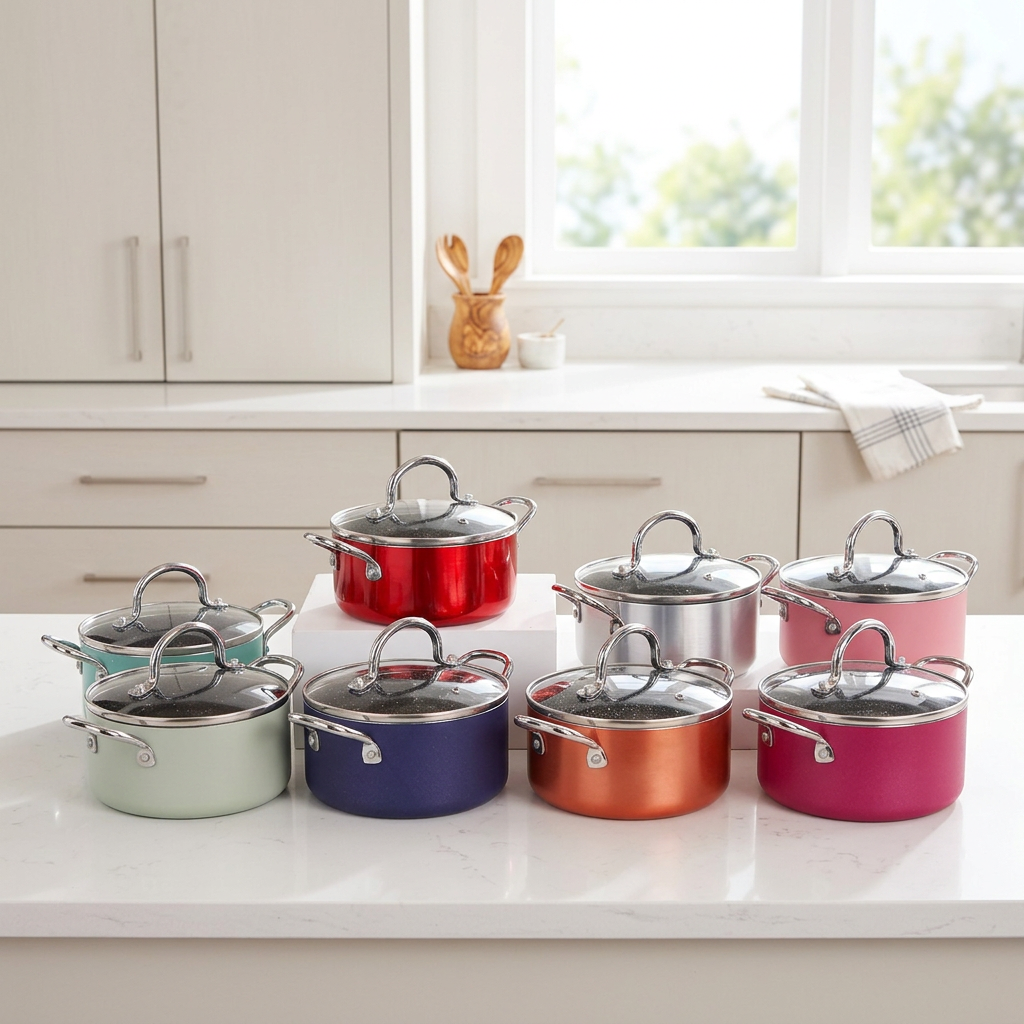
14cm Mini Sauce Pan with Glass Lid Colorful Non Stick Cookware for Induction and Gas Stoves Home Kitchen Use
View Details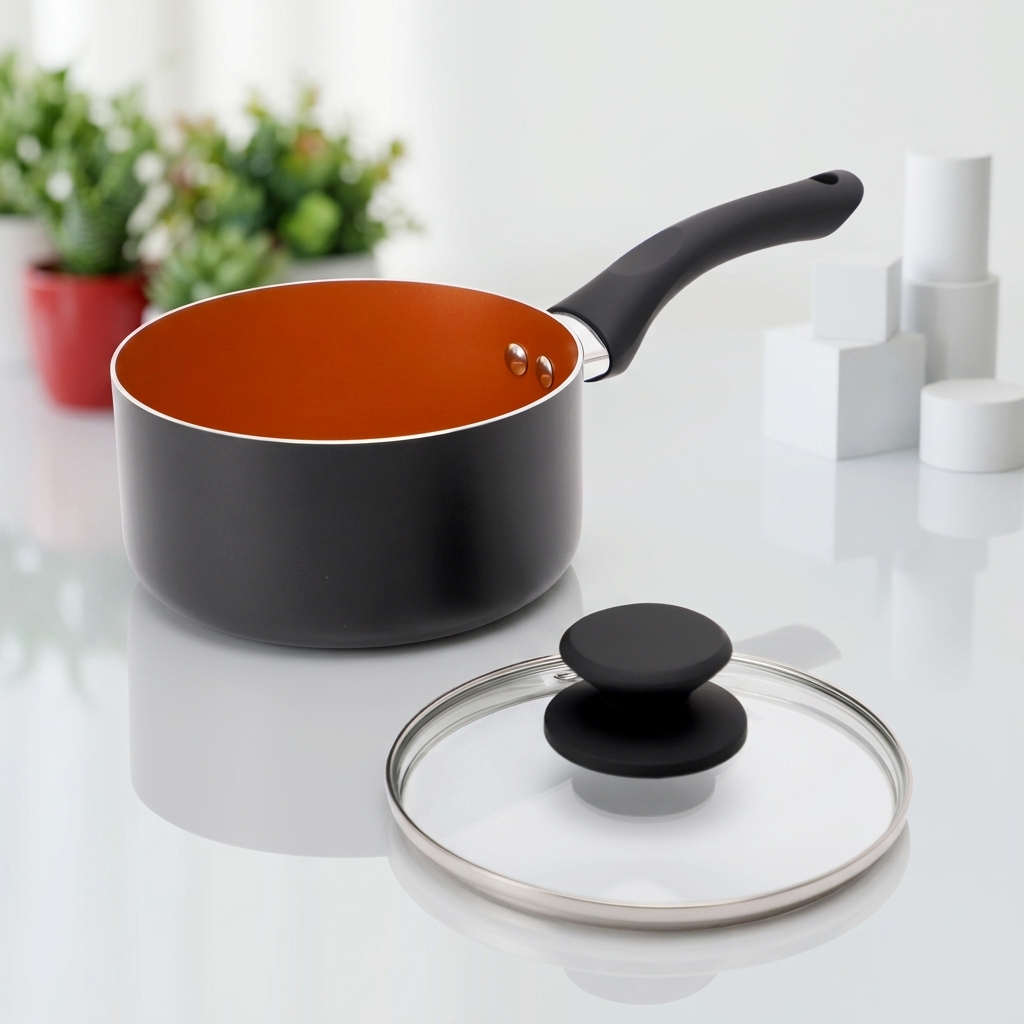
1.5QT Modern Metal Sauce Pan Glass Lid Non-Stick Coating 2-Layer Ceramic Interior Eco-Friendly Black Bakelite Soft Touch Handle
View Details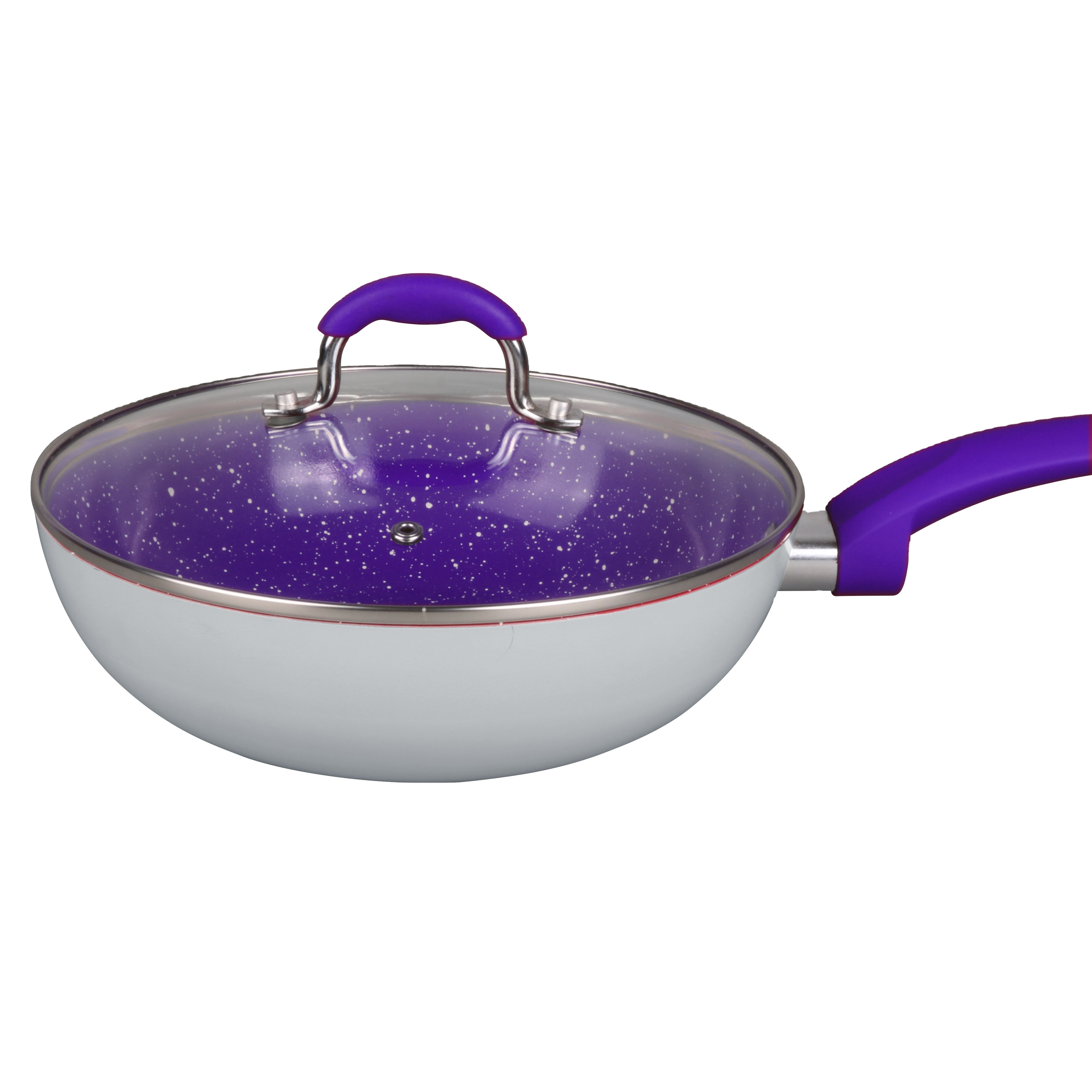
Low Price MOQ 30 cm Marble Coating Non Stick Pressed Wok Deep Fry Pan with Bakelite Cool-touch Handle for All Stoves
View Details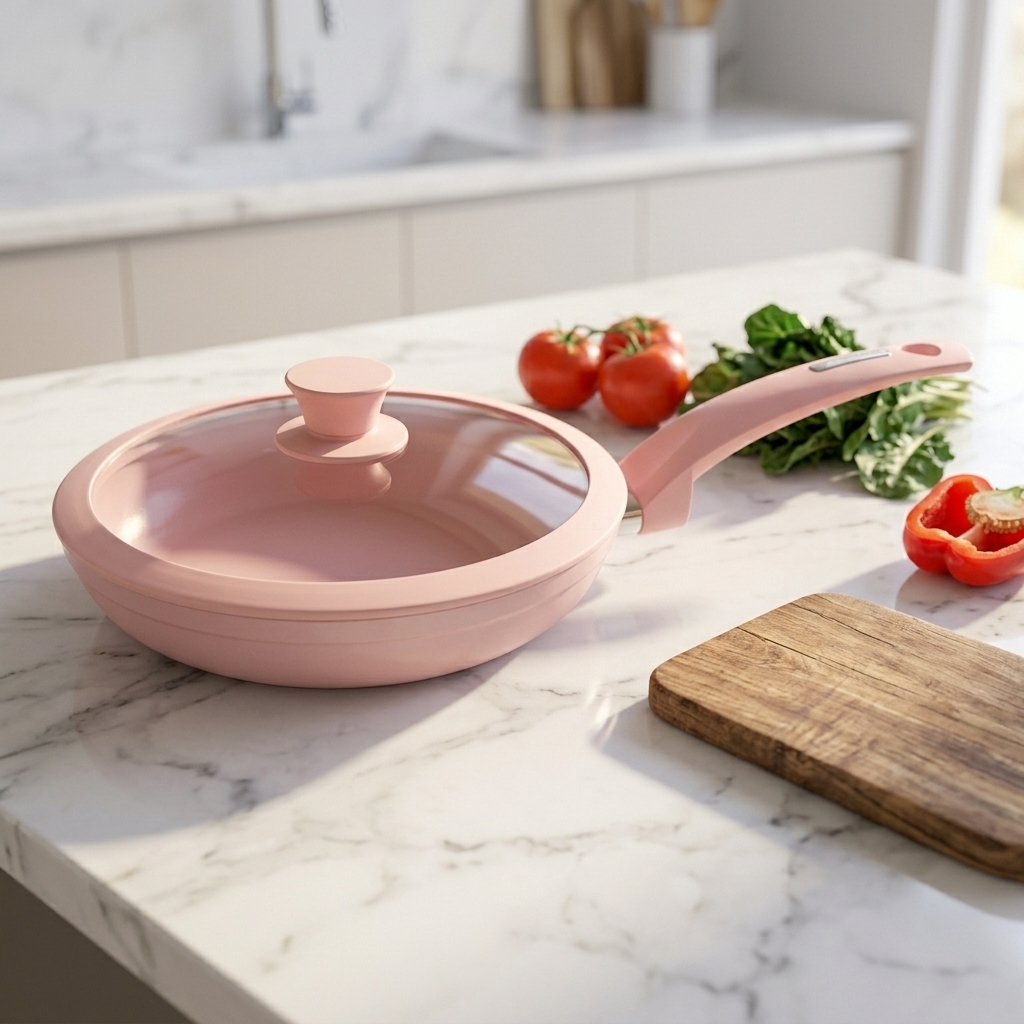
Factory Price Customized Colorful 22 cm Forged Aluminium Non-Stick Fry Pan with Glass Cover Durable for All Heat Sources
View Details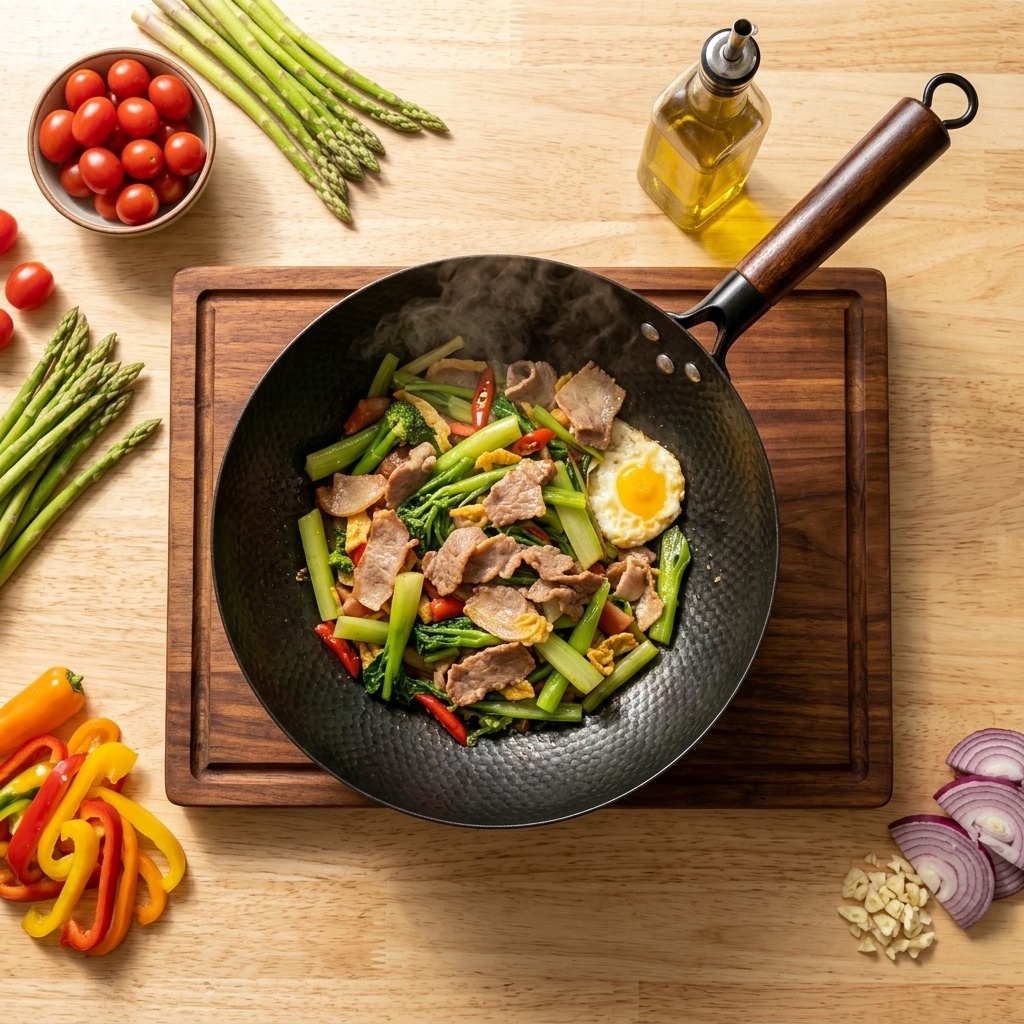
12 Inch 30cm Heavy Gauge Carbon Steel Chinese Wok Wooden Handle Nitrogen Coating Flat Base Gas Induction Ready No Coating
View Details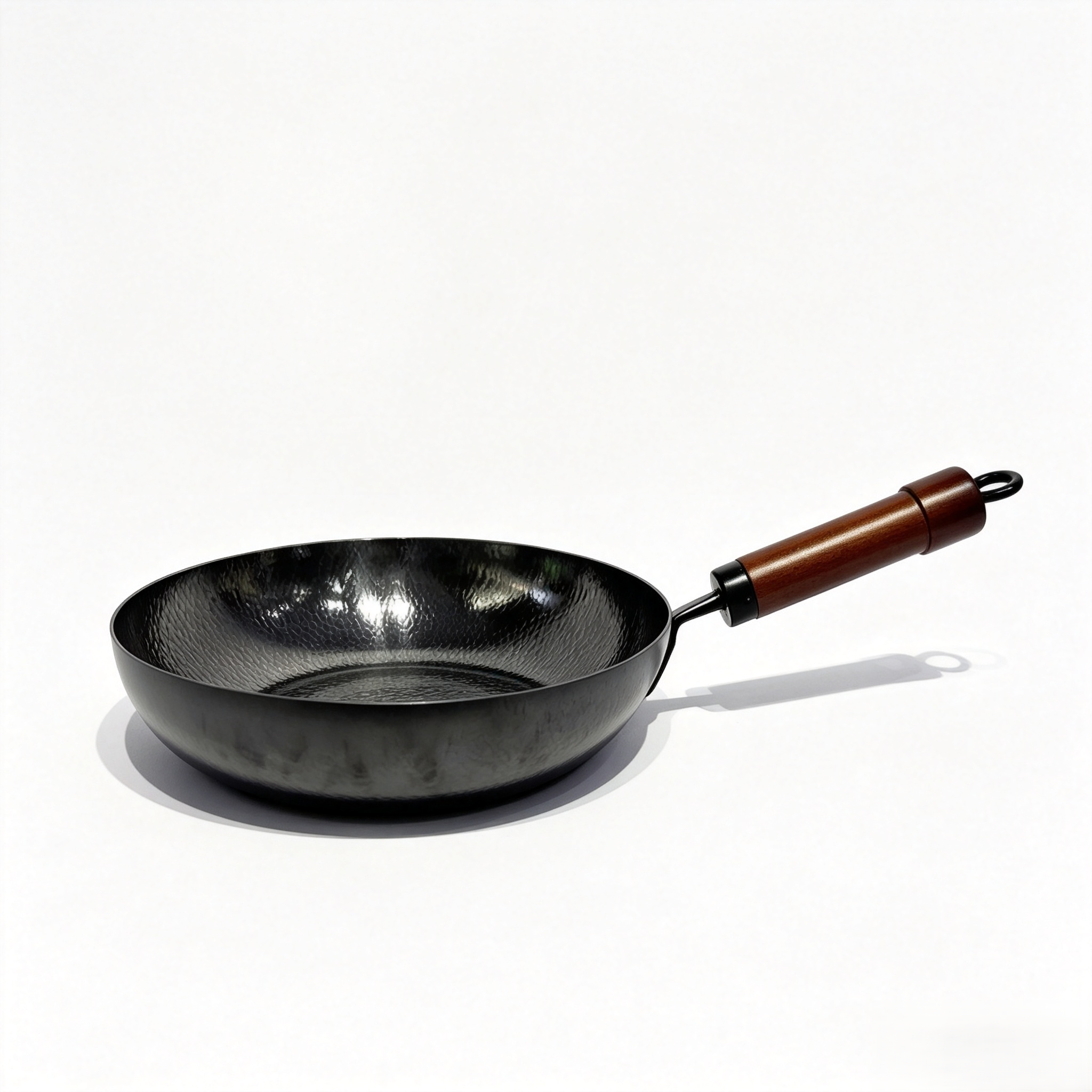
Modern CAMRY Eco-friendly No Coating Nitrided Hammered Carbon Steel Wok Cookware Wooden Handle 2-3L Capacity Gas Induction
View Details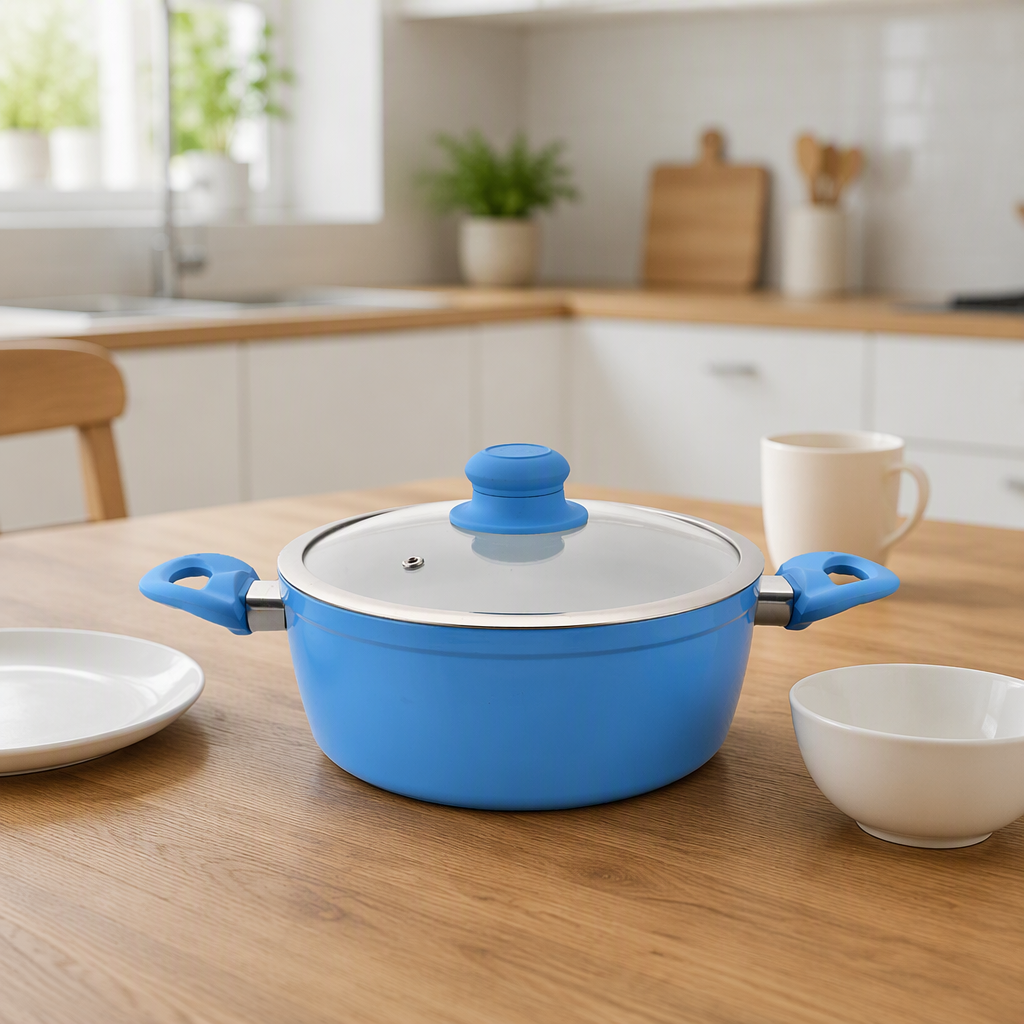
24 cm Durable and Lightweight Forged Non Stick Casserole Soup Pot with Bakelite Handle and Glass Lid for All Heat Sources
View Details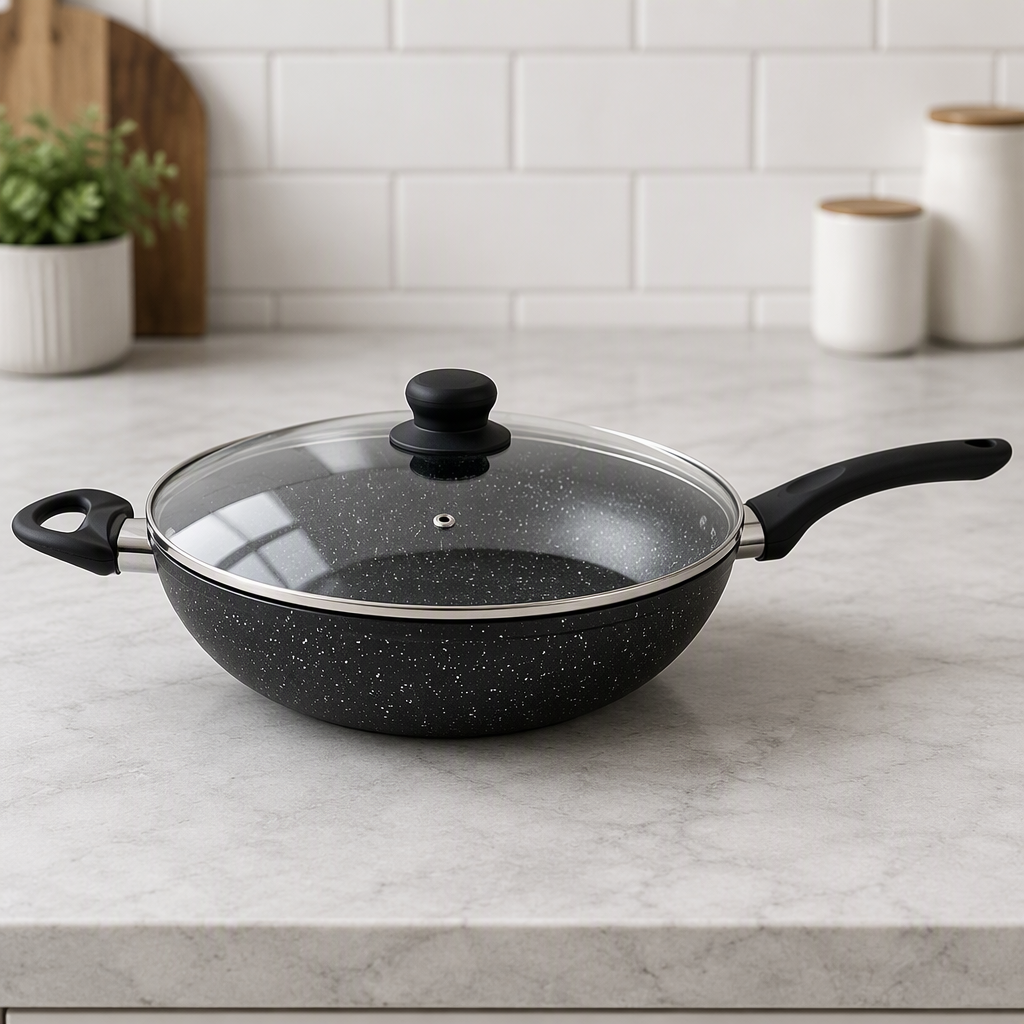
24 cm Forged Aluminum Wok Marble Coating Non Stick Deep Fry Pan Glass Lid Gas and Induction Cooker
View DetailsWhen evaluating top China aluminum skillet manufacturers, institutional buyers must look beyond initial unit pricing to examine core metallurgical expertise, quality control systems, and verified factory infrastructure. Operating from the Dongnan Industrial Zone, Shuxi Street, Jinhua, Zhejiang, Zhejiang MEIS Kitchenware Co., Ltd. stands out as an established industrial leader with 20 years of direct manufacturing experience.
Unlike pure export trading intermediaries, MEIS Kitchenware operates complete, integrated production lines spanning deep hydraulic pressing, high-precision CNC rim turning, automated surface sandblasting, ultrasonic degreasing, robotic multi-layer nonstick spray coating, continuous sintering tunnel baking, and ergonomic handle assembly.
Full-Cycle Customization
Complete OEM/ODM capability including mold engineering, custom pantone color matching, private label branding, and custom packaging design.
In-House Testing Protocol
Equipped with salt-spray corrosion chambers, handle fatigue testers, torque impact machines, and coating abrasion testing equipment.
Global Compliance Ready
All cookware products meet international food contact standards including FDA, LFGB, DGCCRF, and EU Regulation (EC) No 1935/2004.
In commercial nonstick cookware sourcing, understanding the mechanical structural differences between Pressed Aluminum, Forged Aluminum, and Carbon Steel is paramount to balancing target price points, thermal distribution profiles, and long-term warp resistance.
1. Pressed Aluminum Skillets (Stamped Alloys)
Pressed aluminum cookware is produced by stamping high-purity aluminum discs (typically Grade 3003 or 1050 alloy) through high-tonnage mechanical presses. This process yields uniform wall and base thickness (typically ranging from 1.8mm to 3.0mm). Pressed skillets offer exceptional thermal responsiveness—heating up rapidly with minimal thermal inertia. They represent the ultimate cost-efficiency for mass-market retail, promotional cookware sets, and high-turnover consumer programs.
2. Forged Aluminum Skillets (Die-Forged Heavy Gauge)
Forged aluminum skillets undergo high-pressure hydraulic die-forging, which rearranges the internal grain structure of the aluminum alloy. This allows precise material redistribution: creating a thick, heavy base (4.0mm to 5.5mm) for optimal heat retention and warp resistance, combined with thinner side walls (2.5mm to 3.2mm) to minimize overall handling weight. Forged skillets provide superior durability under thermal shock, making them ideal for mid-to-high-end retail cookware collections.
| Engineering Criterion | Pressed Aluminum | Forged Aluminum | Heavy-Gauge Carbon Steel |
|---|---|---|---|
| Manufacturing Process | Mechanical Cold Stamping | High-Pressure Hydraulic Die-Forging | Cold-Rolled Steel Stamping / Spin Forming |
| Base Gauge Thickness | 1.8mm – 3.0mm (Uniform) | 4.0mm – 5.5mm (Reinforced Base) | 1.2mm – 2.5mm (High Density) |
| Thermal Conductivity | Very High (~237 W/m·K) | High & Sustained Heat Mass | Moderate (~50 W/m·K) / High Heat Searing |
| Warp Resistance | Standard (Moderate Thermal Load) | Exceptional (High Thermal Load) | Superior Structural Rigidity |
| Induction Integration | Stamped Stainless Steel Disc | Impact-Bonded / Full-Cover Plate | Naturally Ferromagnetic (100% Native) |
| Target Retail Segment | Mass Retail, Supermarkets, Promos | Premium Brands, Specialty Stores | Commercial Kitchens, Traditional Asian Woks |
3. Nonstick Coating Systems & Polymer Matrix Science
The longevity of an aluminum skillet is governed by the adhesion strength and mechanical hardness of its nonstick coating system. MEIS Kitchenware utilizes advanced spray-coating technology to apply diverse surface chemistries tailored to target markets:
- Sol-Gel Ceramic Coatings: Inorganic silica-based networks providing 100% PTFE-free, PFOA-free, lead-free, and cadmium-free cooking surfaces. Capable of withstanding extreme temperatures up to 450°C without thermal degradation.
- Granite & Marble Speckle Systems: Reinforced multi-layer PTFE systems infused with mineral micro-particles. Offers enhanced abrasion resistance (passing 20,000+ cycle rub tests under BS 7087) and distinctive aesthetic appeal.
- Titanium-Reinforced Matrix: Engineered for heavy-duty kitchen environments, incorporating titanium plasma particles into the primer coat to prevent peeling and withstand metal utensil contact.
As the global kitchenware trade evolves under new sustainability mandates, shifting consumer habits, and supply chain realignments, global procurement managers must align with forward-looking manufacturing paradigms.
1. Low-Carbon Recycled Aluminum
Driven by European Carbon Border Adjustment Mechanisms (CBAM), top Chinese factories are transitioning to certified 100% recycled aluminum alloys (75% lower carbon footprint). Sourcing recycled aluminum skillets enhances brand ESG ratings without compromising structural metallurgy.
2. Space-Saving Detachable Handles
With international freight costs fluctuating and e-commerce shipping requiring compact packaging, stackable cookware sets featuring click-lock removable handles are surging. These designs reduce packaging volume by up to 45%, lowering landed logistics costs.
3. Full-Bound Induction Bases
Traditional small-disc induction bottoms are giving way to edge-to-edge full-bound magnetic induction spraying or enlarged impact-bonded plates, eliminating cold spots and preventing edge warpage on high-wattage induction cooktops.
Partner with China's Premier Cookware Manufacturer
Elevate your cookware product line with verified quality, metallurgical precision, and competitive direct-factory pricing. Contact our engineering and sales specialists today for custom OEM/ODM quotations.