Featured OEM/ODM Induction Cookware Solutions
High-performance pressed aluminum, forged aluminum, and heavy-gauge carbon steel cookware manufactured for global export standards.
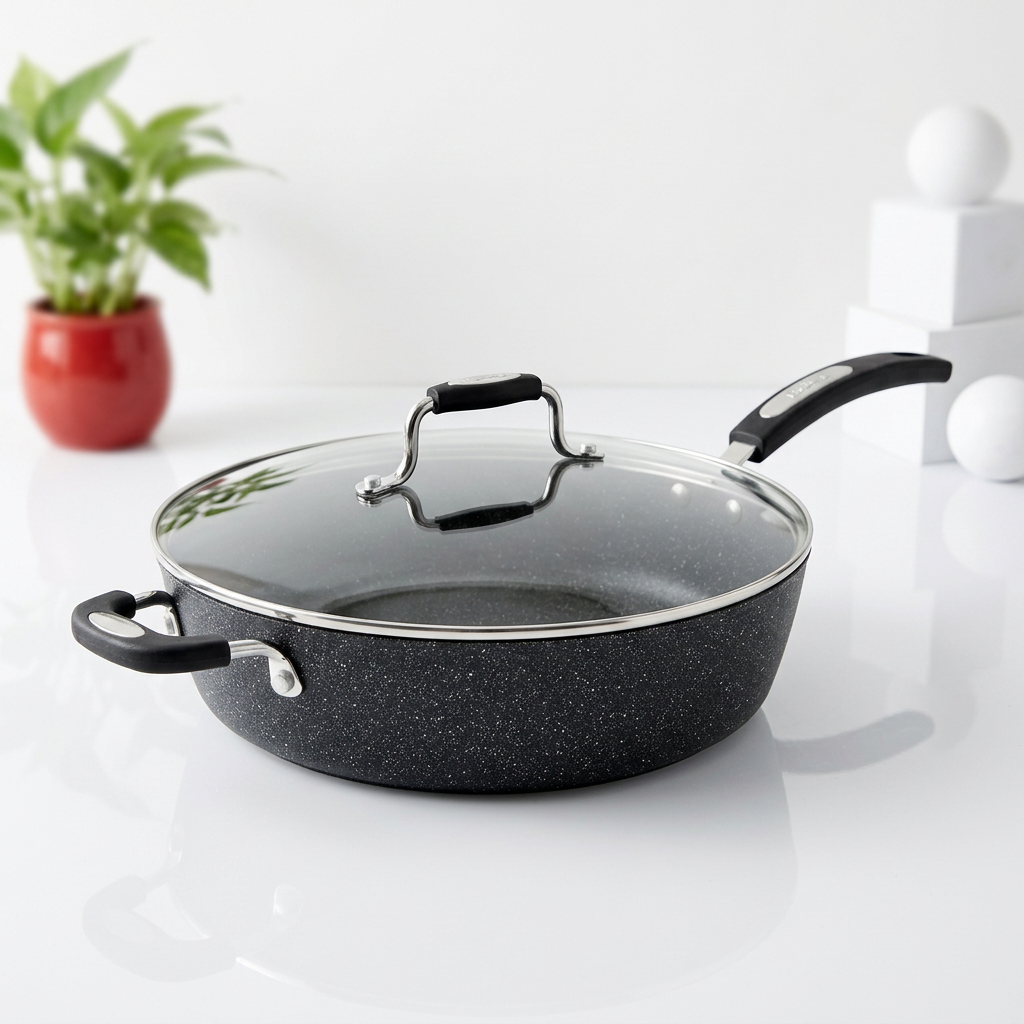
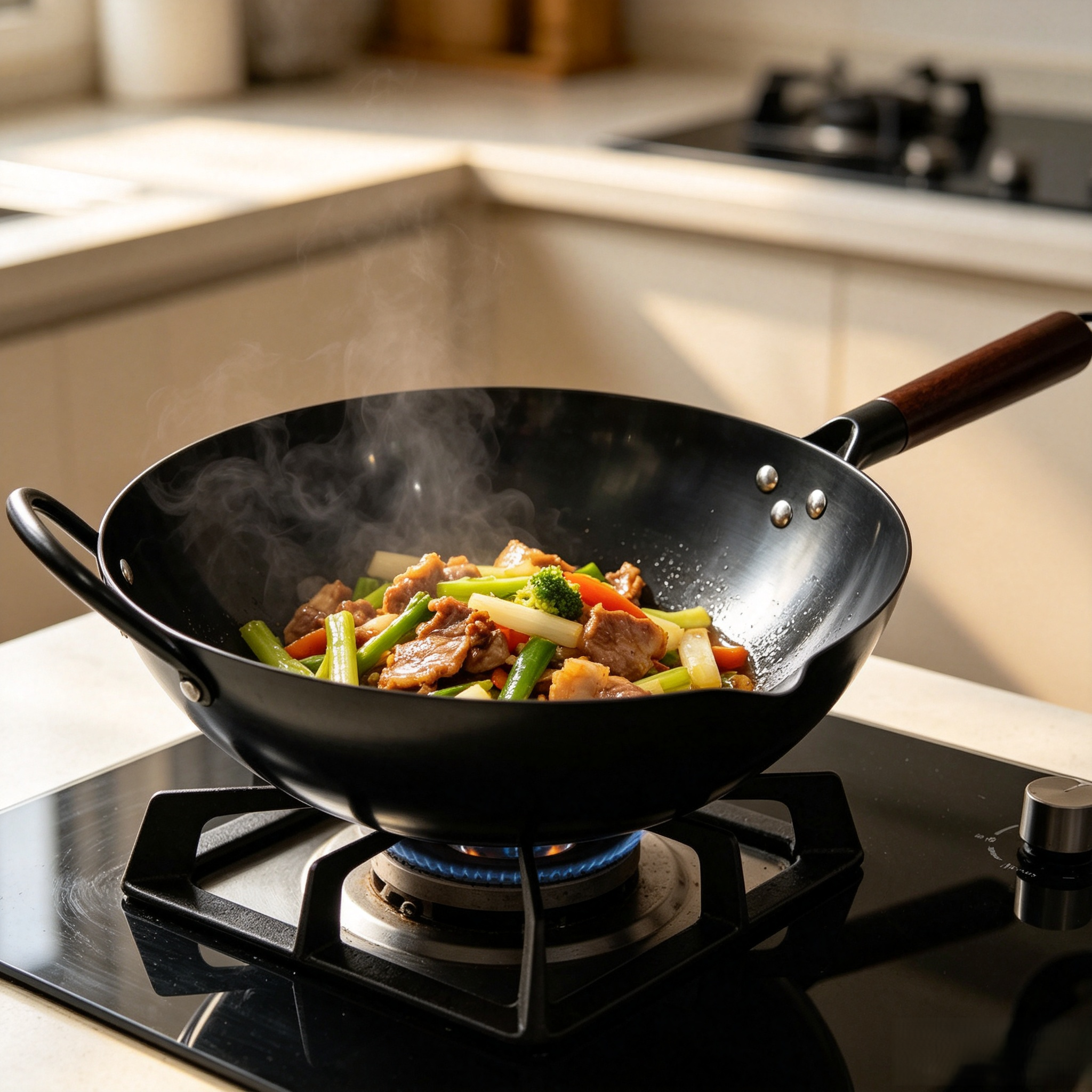
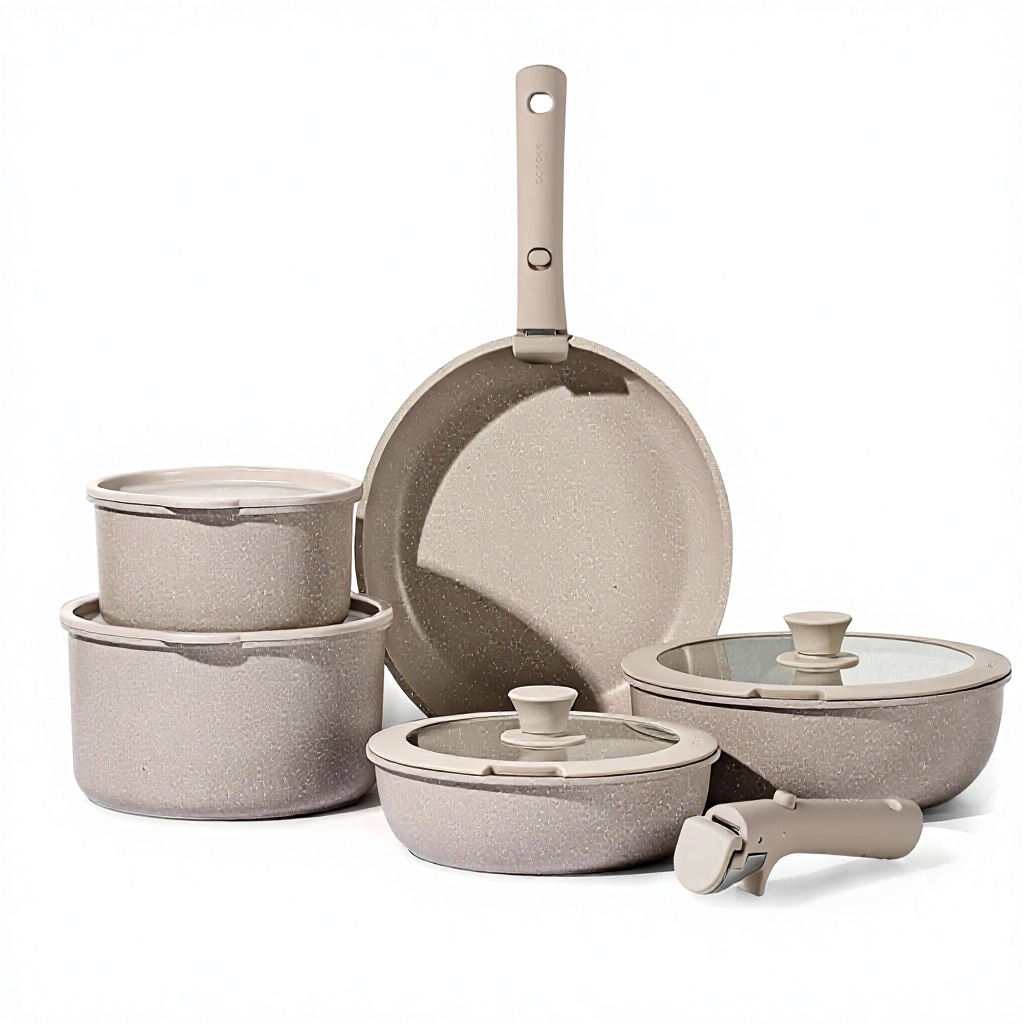
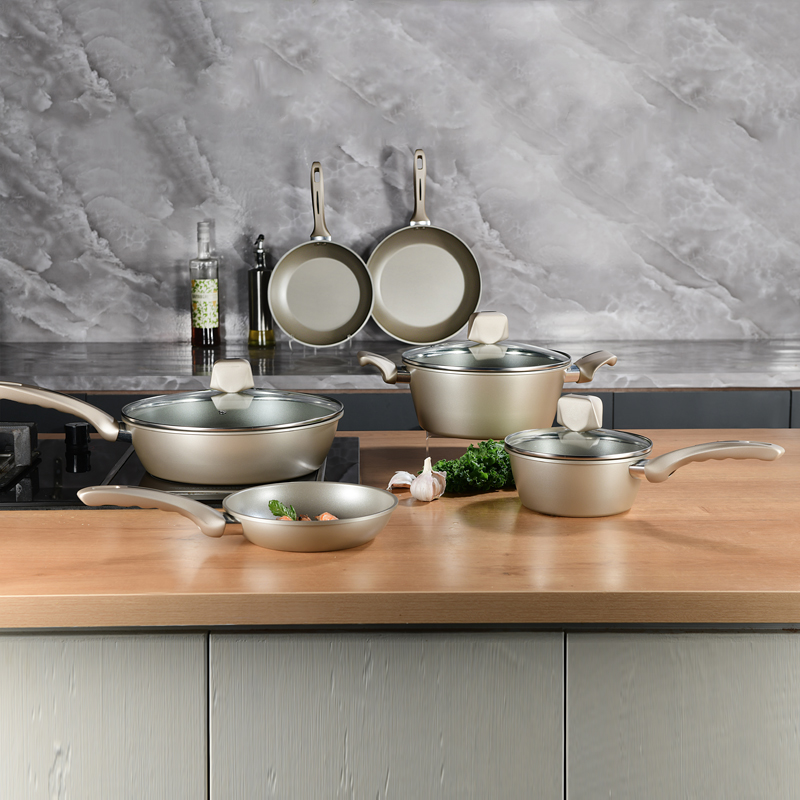
Top China Induction Cookware Factories: Industry Dynamics & Sourcing Landscape
An Executive Analysis of Production Capabilities, Base Bonding Technologies, and Global Regulatory Compliance in Modern Chinese Kitchenware Manufacturing.
The global shift toward high-efficiency induction cooking has fundamentally transformed kitchenware manufacturing paradigms. Today, B2B procurement professionals sourcing from Top China Induction Cookware Factories require more than simple OEM pricing metrics; they require a deep understanding of metallurgy, base plate bonding mechanics, surface coating safety regulations (including PFAS-free transitions), and automated factory capabilities.
China accounts for over 70% of global non-stick and induction-compatible cookware exports, with Zhejiang Province—specifically clusters around Jinhua—serving as the central hub for technological innovation and automated high-capacity manufacturing. Factories operating in this ecosystem have evolved from basic stamped assembly plants into fully integrated engineering units capable of multi-layer impact bonding, automated robotic spray coating, and rigorous metallurgical laboratory testing.
For brands and importers managing high-volume retail or private-label programs, selecting a tier-1 partner requires verifying on-site tooling, automated spray systems, base flatness tolerances (≤ 0.5% of bottom diameter), and strict compliance with EU LFGB, US FDA, and REACH chemical limits.
Core Technology & Manufacturing Benchmarks in China Induction Factories
Key Engineering Variables Shaping Thermal Distribution, Induction Efficiency, and Coating Longevity.
When evaluating leading induction cookware manufacturers, procurement teams must analyze three critical manufacturing pillars: Base Bonding Mechanics, Material Alloy Formulations, and Advanced Surface Coating Systems.
Full-Bound Impact Technology
High-tonnage friction forging (typically 2,000 to 3,000 tons) fuses magnetic stainless steel plates to aluminum cookware bodies without adhesives, eliminating heat voids and warping.
PFAS/PFOA-Free Sol-Gel Coatings
Next-generation inorganic ceramic coatings and titanium-reinforced multi-layer non-stick systems engineered to pass 50,000+ abrasion cycles while maintaining eco-friendly compliance.
Nitride Hardening for Carbon Steel
High-temperature thermal nitriding alters carbon steel surface crystalline structure, rendering it non-corrosive, highly magnetic, and rust-resistant without synthetic chemical treatments.
Material Comparison Matrix for Induction Cookware Sourcing
Selecting the optimal substrate depends on your target market's price positioning, weight preferences, and cooking performance demands. The matrix below highlights engineering tradeoffs across primary materials manufactured in Chinese facilities:
| Material Category | Induction Method | Thermal Efficiency | Warp Resistance | Target B2B Segment |
|---|---|---|---|---|
| Pressed Aluminum | Impact-Bonded SS Disc / Hole Base | Extremely Fast | Moderate (2.5mm - 3.0mm) | Mass Retail / Promotional Sets / Supermarkets |
| Forged Aluminum | Full-Induction Bottom / Spray Base | High & Even | Superior (Thick Base 4.0mm+) | Mid-to-High Retail / E-Commerce Brands |
| Heavy Gauge Carbon Steel | Direct Ferromagnetic Substrate | Rapid Direct Response | Excellent Structural Rigidity | Professional Kitchens / Value-Driven Induction Sets |
| Hard-Anodized Aluminum | Impact-Bonded Stainless Steel | High Uniformity | Maximum Scratch & Heat Strength | Premium Department Store & Gourmet Brands |
Future Procurement & Strategic Sourcing Trends in China's Cookware Sector
Key Insights for OEM/ODM Buyers Navigating Industry Shifts, Regulatory Tightening, and Supply Chain Modernization.
As global retail buyers and brand managers plan their 3-to-5-year procurement strategies, several macro shifts within China's manufacturing sector will shape sourcing decisions:
1. Accelerated Global Regulatory Transition to Fluorine-Free Non-Stick Coatings
With North America and European regulators (European Chemicals Agency - ECHA) enacting strict bans on PFAS compounds, major buyers are phasing out traditional PTFE non-stick treatments. China’s premier factories are investing heavily in Sol-Gel ceramic coatings, mineral-infused granite/marble finishes, and hard-anodized surfaces that guarantee complete PFOA, PFOS, and GenX freedom without compromising non-stick release metrics.
2. Modular & Space-Saving Design Frameworks
Urban lifestyle changes and e-commerce packaging requirements have surged demand for modular cookware with detachable handles and stackable nesting configurations. Leading OEM factories now incorporate patented multi-point safety latching mechanisms that pass rigorous load-fatigue testing (over 10,000 attachment cycles) to serve direct-to-consumer (DTC) e-commerce brands looking to optimize shipping container volumes.
3. Direct-Induction Carbon Steel Expansion
Unlike aluminum, carbon steel is naturally magnetic. Modern nitriding processing techniques have eliminated traditional carbon steel pain points such as rust and complex seasoning rituals. Consequently, global buyers are rapidly expanding carbon steel woks, saute pans, and roasting trays within their cookware catalogs to offer high-durability, highly responsive induction products at lower manufacturing unit costs.
4. Automation, Traceability, and TÜV On-Site Audits
Automated manufacturing lines featuring robotic spray application, automated lathe rim trimming, and inline optical inspection systems have replaced manual labor in top tier plants. B2B buyers now prioritize manufacturers verified by third-party auditors like TÜV Rheinland, ensuring verified workforce sizes, transparent raw material tracking, and rigorous internal laboratory testing standards.
Enterprise Advantage: Zhejiang MEIS Kitchenware Co., Ltd.
A Verified 20-Year Custom Non-Stick Cookware Manufacturer in Jinhua, Zhejiang, China.
Located in the Dongnan Industrial Zone, Shuxi Street, Jinhua, Zhejiang MEIS Kitchenware Co., Ltd. stands as an industry-leading custom manufacturer specializing in pressed aluminum, forged aluminum, and heavy-gauge carbon steel cookware. Operating under both manufacturer and direct export capabilities, MEIS Kitchenware brings over 20 years of manufacturing mastery and an 18-year proven track record on international B2B platforms.
TÜV Rheinland Verified
Assessed on-site by TÜV Rheinland for production line security, employee working conditions, quality control procedures, and enterprise legitimacy.
In-House Tooling & CNC
Equipped with internal mold-making workshops, precision lathes, and CNC centers to drastically compress ODM design-to-sample lead times.
In-House Quality Testing Lab
Facilities feature dedicated salt-spray corrosion testers, handle pull/thrust strength testing, handle torsion testers, and coating curing test ovens.
MEIS Kitchenware operates an end-to-end manufacturing process under one roof: from raw aluminum disc pressing and CNC edge finishing to automated degreasing, spray coating, curing, handle riveting, and individual box packaging. This internal integration guarantees complete control over base plate bonding strength, coating thickness uniformity, and delivery schedules for global importers, retail chains, and e-commerce brand owners.
Frequently Asked Questions (FAQ) for OEM/ODM Buyers
Expert Answers to Critical Procurement, Manufacturing, and Compliance Questions.
Is Zhejiang MEIS Kitchenware Co., Ltd. a direct factory or a trading entity?
Zhejiang MEIS Kitchenware Co., Ltd. is a TÜV Rheinland verified direct manufacturer and exporter located in Jinhua, Zhejiang, China. The company operates full-scale pressing, CNC, spray coating, assembly, and testing operations in its own factory facilities.
What minimum order quantities (MOQs) apply for custom OEM/ODM production?
Standard OEM production runs start between 1,000 to 3,000 units or sets per item depending on custom color, handle specification, and packaging requirements. Selected standard models or trial runs may be available from lower minimums upon inquiry.
How do China induction cookware factories ensure base plates do not delaminate?
Top factories utilize high-tonnage multi-station impact bonding machines (up to 3,000 tons of hydraulic pressure). This mechanical cold-welding process forces the aluminum body metal into perforated micro-cavities of the stainless steel magnetic disc, achieving a permanent mechanical bond capable of enduring thermal shock up to 400°C.
What non-stick coating options are available for private label programs?
Buyers can choose from multi-layer PTFE systems, Sol-Gel ceramic non-stick coatings, granite and marble speckle coatings, titanium-reinforced durable layers, as well as hard-anodized non-stick treatments. All coatings meet PFOA-free and food-contact compliance standards.
Can cookware be designed for full compatibility across all stovetop types?
Yes. By applying full-bound or hole-pattern induction bases to aluminum cookware—or by utilizing carbon steel substrates—cookware is rendered 100% compatible with induction, gas, electric glass-top, ceramic, and halogen cooking hobs.
What quality testing is performed prior to factory export shipment?
Standard inline and final quality protocols include coating adhesion cross-hatching tests, cross-cut tape testing, thermal shock endurance cycles, salt spray corrosion testing for exterior finishes, and mechanical fatigue/torsion tests on riveted or welded handles.