Enterprise Product Catalog & OEM Lineup
Commercial-grade nonstick saucepans, woks, deep fry pans, and cookware sets engineered for global retail and private-label programs.
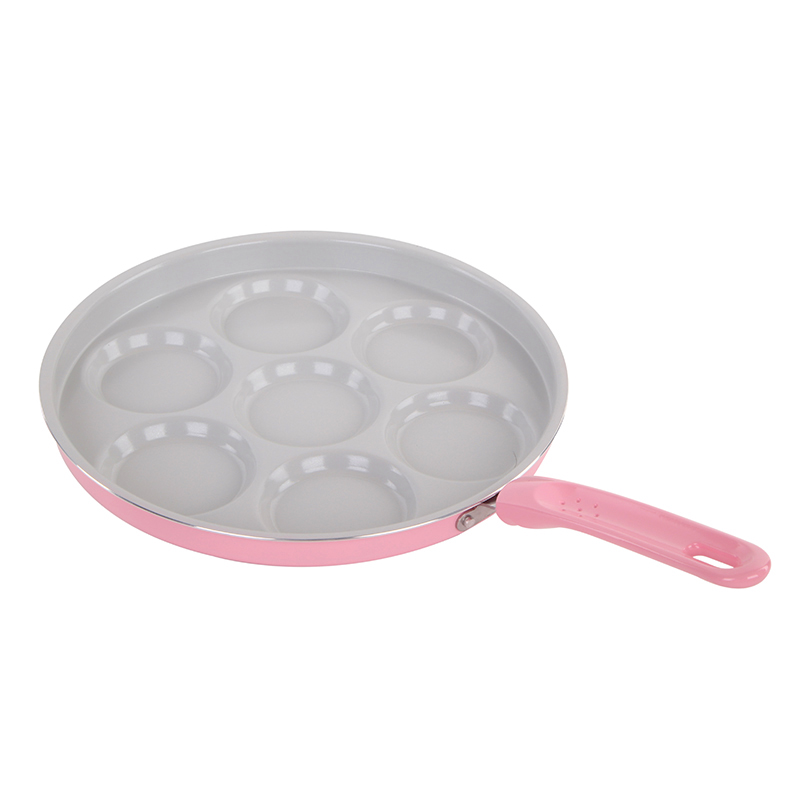
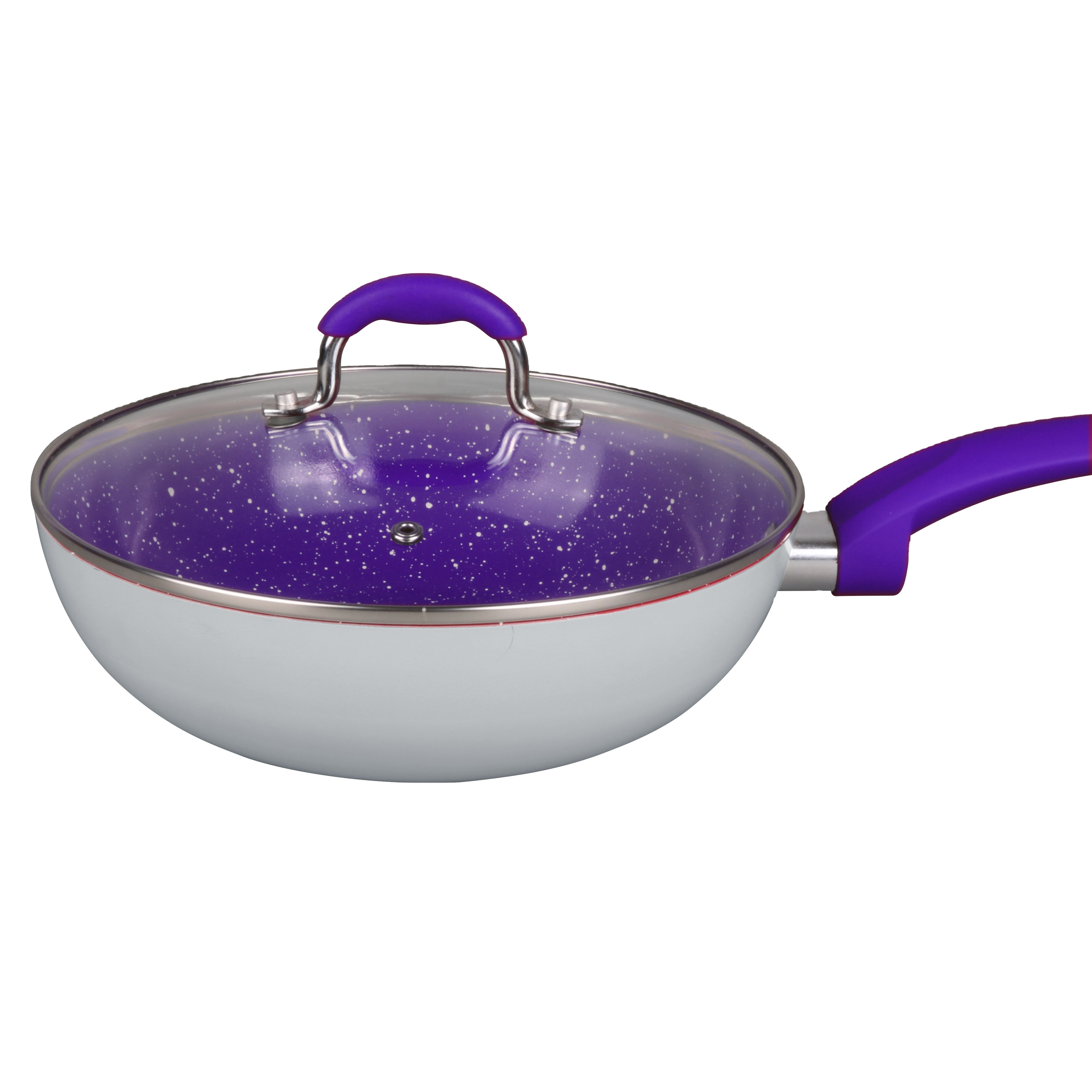
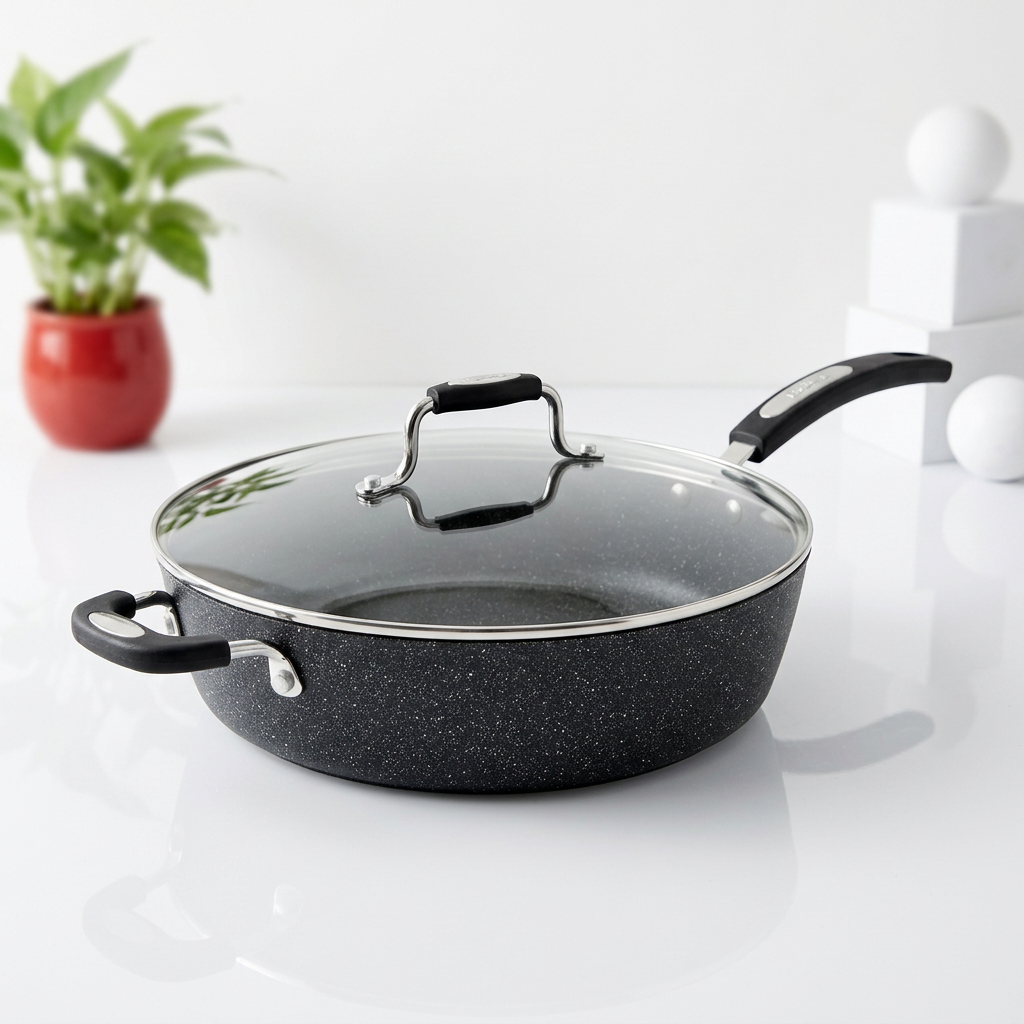
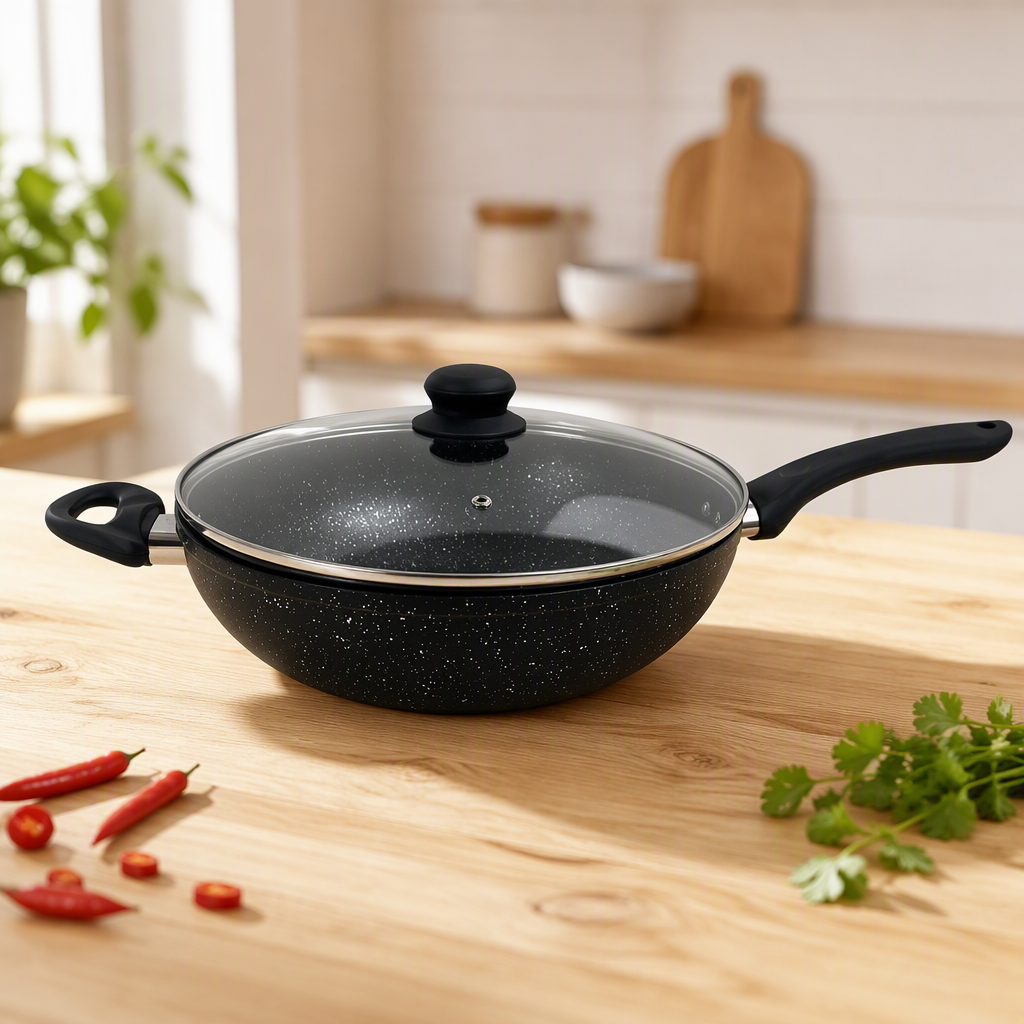
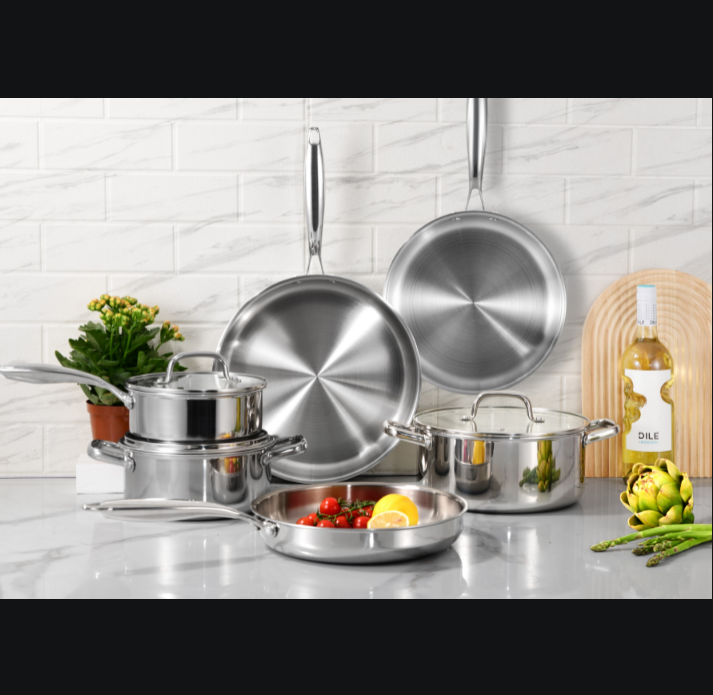
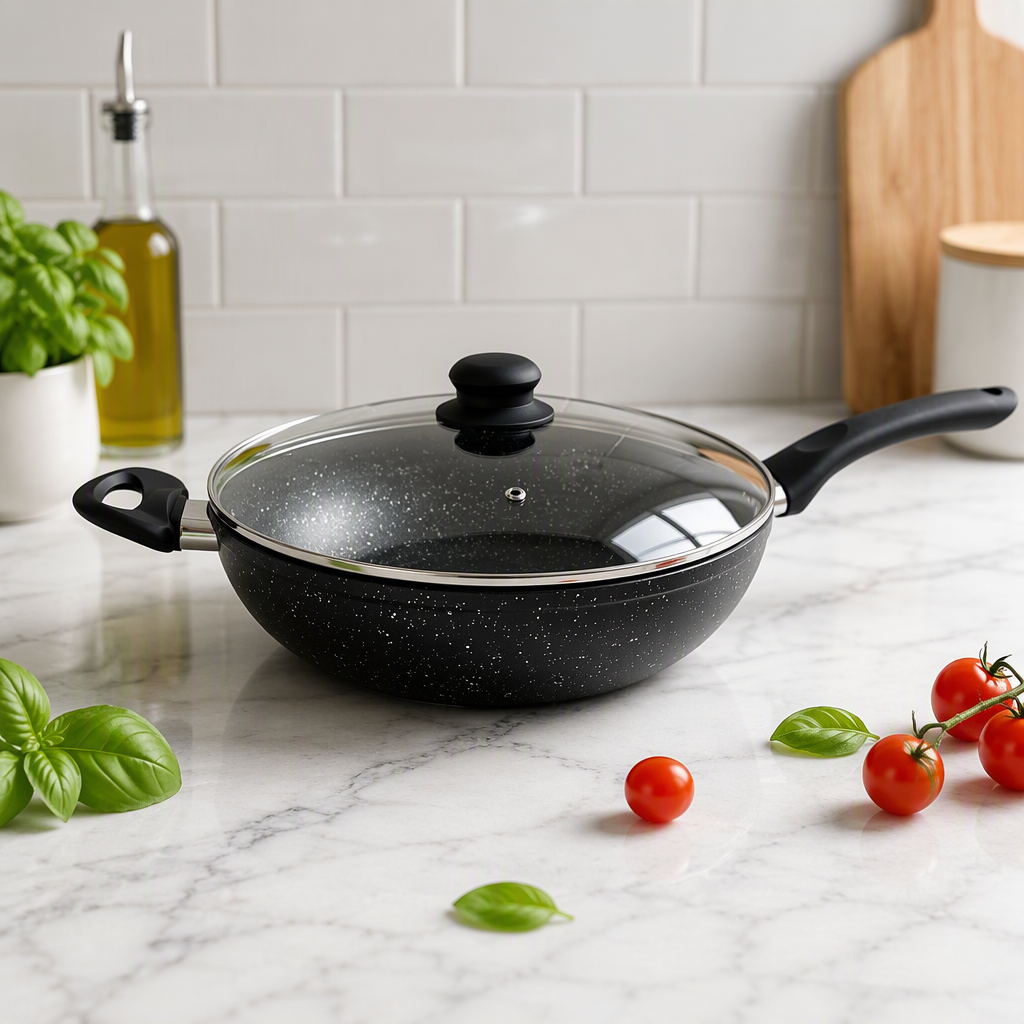
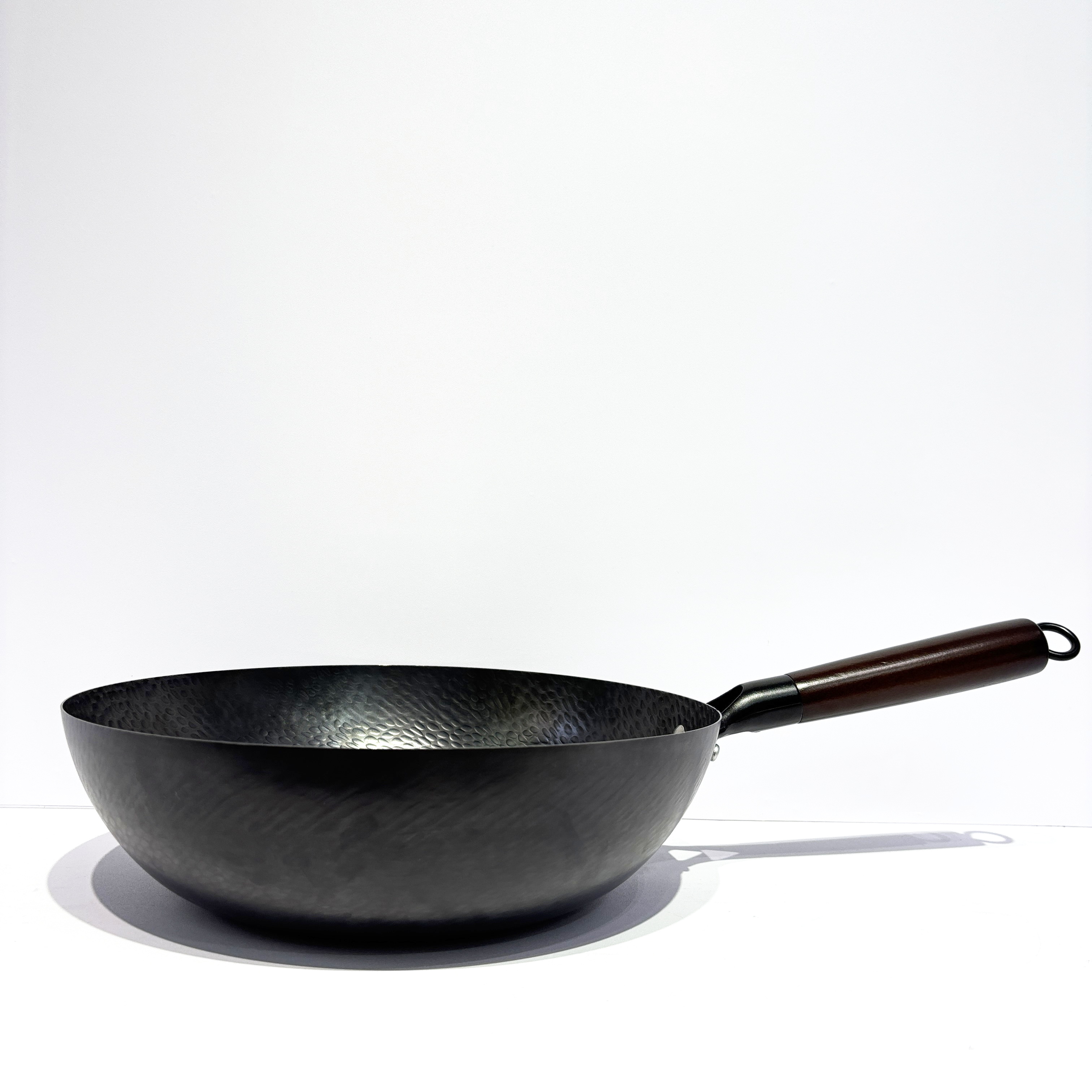
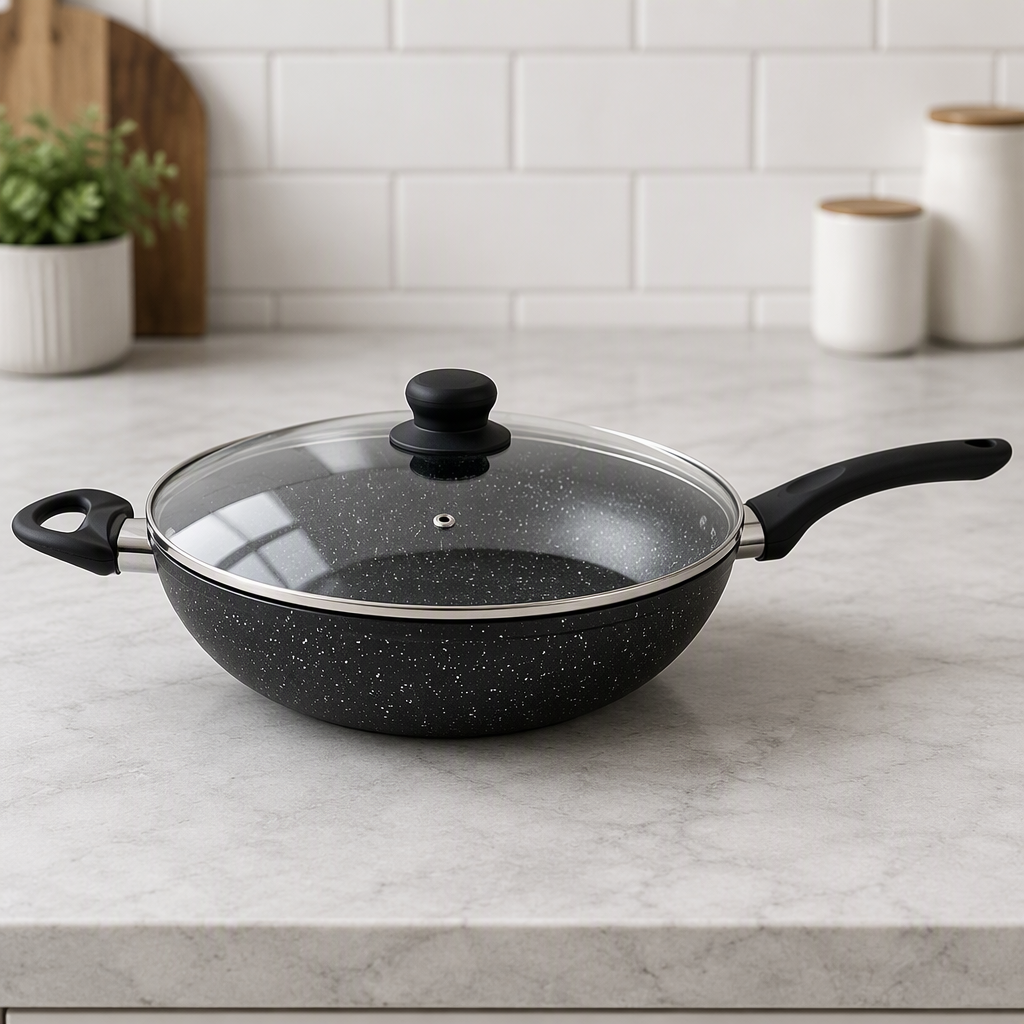
Industrial Leadership & Manufacturing Capabilities
Vertical Integration, Quality Assurance Protocols, and Advanced Metallurgical Tooling in Jinhua, Zhejiang
When sourcing nonstick saucepans, frypans, and cookware sets at scale, global brand owners, importers, and commercial distributors must evaluate factory infrastructure beyond simple surface aesthetics. Zhejiang MEIS Kitchenware Co., Ltd. stands as a premier custom manufacturer located in the Dongnan Industrial Zone, Shuxi Street, Jinhua, Zhejiang, China—a hub renowned for hardware manufacturing excellence.
Spanning two decades of technical evolution, our organization operates fully integrated pressing, high-pressure die-forging, CNC precision edge-trimming, automated spray coating, curing, and structural assembly lines. Independently assessed on-site by TÜV Rheinland, our manufacturing footprint guarantees rigorous adherence to ISO-certified production benchmarks and international food-contact safety standards.
Engineering Architecture: Saucepan Material Selection
A Technical Comparison of Base Metals, Thermal Distribution Coefficients, and Substrate Dynamics
Select cookware performance depends largely on substrate physics. Choosing between stamped pressed aluminum, heavy die-forged aluminum, tri-ply stainless steel cladding, and nitrided carbon steel requires balancing thermal diffusion rates, structural warp limits, weight ratios, and cost per unit.
| Substrate Type | Forming Process | Thermal Conductivity | Warp Resistance & Gauge | Coating Compatibility | Target Sourcing Segment |
|---|---|---|---|---|---|
| Pressed Aluminum | Stamped disc drawing (1.8mm – 3.0mm) | High (~205 W/m·K), ultra-fast heat transfer | Moderate; best for light/medium duty | PTFE, Ceramic Sol-Gel, Marble Speckle | Mass market retail, promotional sets, entry-level B2B |
| Forged Aluminum | High-pressure die forging (3.5mm – 5.0mm rim) | Excellent; thick base prevents hot spots | Superior; heavy bottom resists thermal shock warp | Granite, Reinforced Titanium, PTFE, Ceramic | Mid-to-high end retail brands, e-commerce flagship products |
| Tri-Ply Clad Steel | 3-Layer bonding (SS 304 + Al Core + SS 430) | Balanced thermal mass; edge-to-edge heating | Exceptional; lifetime structural stability | PFOA-free PTFE, Etched Laser Mesh, Uncoated | Commercial kitchens, professional culinary lines, premium OEM |
| Nitrided Carbon Steel | Deep-drawn sheet steel + Gas Nitriding heat treatment | Rapid surface conduction; high heat searing | High structural strength; lightweight alternative to cast iron | Natural hydrophobic oxidation layer (No synthetic film) | Traditional wok cooking, healthy chemical-free retail lines |
Product & Technology Development Trends (2025–2030)
Key Innovation Pillars Driving Next-Generation Nonstick Cookware Manufacturing
1. Gen-3 PFAS-Free Ceramic Sol-Gel Coatings
Global regulatory bodies (including US EPA and European REACH) are tightening restrictions on fluoropolymer coatings. The industry is rapidly shifting toward inorganic, silica-based Sol-Gel ceramic coatings that deliver nonstick functionality up to 450°C without emitting toxic fumes or organic pollutants.
2. Impact-Bonded Full-Induction Bases
Modern consumers demand seamless compatibility across gas, radiant electric, and high-efficiency induction cooktops. Advanced friction-welding and high-tonnage hydraulic impact bonding ensure stainless steel induction discs do not delaminate or bow after thousands of thermal cycles.
3. Plasma & Titanium Reinforcement Layers
To extend dry-wear nonstick longevity, advanced manufacturers utilize plasma-spraying techniques at 10,000°C to deposit sub-layers of titanium oxide or zirconium matrix prior to topcoat curing. This prevents metal utensils from gouging the primary nonstick film.
4. Modular Detachable Handle Ergonomics
Freight optimization is a critical supply chain lever. Cookware designed with quick-release, flame-shielded removable handles reduces master carton cubic volume by up to 40%, significantly cutting per-unit sea freight expenses while enabling table-to-oven versatility.
5. Chemical-Free Gas Nitriding Heat Treatment
As seen in our CAMRY carbon steel series, gas nitriding diffuses nitrogen into the surface steel at 570°C, converting iron into hard iron nitride (Fe4N). This imparts rust resistance, anti-scratch durability, and natural nonstick seasoning absorption without using synthetic polymers.
6. High-Precision Laser Etched Honeycomb Surfaces
Combining the durability of stainless steel with nonstick release performance, laser-etched raised hex-patterns protect nonstick valleys from spatula contact, dramatically prolonging the operational lifespan in heavy-use kitchens.
Future Procurement & Global Sourcing Dynamics
Strategic Best Practices for B2B Sourcing Managers, Private-Label Owners, and Importers
The global cookware import ecosystem is undergoing structural shifts driven by supply chain risk mitigation, environmental compliance regulations, and changing retail inventory strategies. Procurement directors negotiating OEM/ODM contracts with Chinese cookware factories must plan around four strategic pillars:
1. Strict Regulatory Compliance & Food-Contact Certification
Importing into key target markets like North America, the European Union, or Australia requires comprehensive lab test certifications. Buyers must ensure factories supply batch-specific test reports for compliance with FDA 21 CFR 175.300, EU Regulation (EC) No 1935/2004, German LFGB, and California Proposition 65 (heavy metal limits for Lead and Cadmium).
2. Audited Supply Chain Traceability & ESG Standards
Enterprise retailers now demand complete transparency into raw material origins—specifically recycled aluminum ingot ratios (such as 3003/1050 grade alloys) to support Carbon Border Adjustment Mechanism (CBAM) compliance. Working directly with TÜV Rheinland-inspected factories like Zhejiang MEIS ensures verified labor practices, safe spray-booth volatile organic compound (VOC) treatment systems, and transparent ESG metrics.
3. Agile MOQ Structures & Hybrid Inventory Stocking
To reduce capital lockup, modern procurement models combine baseline container-load ordering (1,000–3,000 sets per production run) with rapid-replenishment trial batches (50–200 pieces for standard sizes). Reliable OEM partners support flexible custom color mixing, customized retail box artwork, and private-label logo laser engraving across lower initial order volumes.
4. End-to-End OEM/ODM Prototyping Speed
Speed-to-market is crucial when responding to trending cookware aesthetics (such as soft pastel ceramics or Scandinavian wood-grain bakelite handles). A factory equipped with in-house mold making, CNC milling, and lathe operations can transition from 3D CAD design renderings to physical sample production within 10 to 15 business days.
Enterprise Sourcing & Procurement FAQ
Detailed Answers to Key Technical and Operational Sourcing Inquiries
Is Zhejiang MEIS Kitchenware a direct manufacturer or a trading export firm?
Zhejiang MEIS Kitchenware Co., Ltd. is a verified custom manufacturer operating its own factory infrastructure in Dongnan Industrial Zone, Shuxi Street, Jinhua, Zhejiang, China. Our facilities feature hydraulic pressing, high-pressure forging, CNC finishing, automated coating spray-booths, and assembly units. Our operational scale and manufacturing authenticity are independently verified on-site by TÜV Rheinland.
What is the standard Minimum Order Quantity (MOQ) for custom OEM orders?
Standard minimum order quantities generally range between 1,000 and 3,000 sets or individual units for full custom production (custom color coating, bespoke logo stamping, and retail box printing). For select standard inventory models or preliminary market testing, trial orders starting at lower volume thresholds (e.g., 50 to 500 units) can be accommodated depending on production schedule availability.
What nonstick coating formulas and chemical options are available for private label programs?
We offer a comprehensive selection of nonstick coating matrices tailored to target retail price points. These include Sol-Gel inorganic Ceramic coatings (100% PFOA, PTFE, Lead, and Cadmium-free), multi-layer PTFE fluoropolymer films, granite/marble speckled aesthetic finishes, titanium-reinforced ultra-durable topcoats, and chemical-free nitrided oxidation layers for carbon steel woks.
How does pressed aluminum differ from forged aluminum in production and performance?
Pressed aluminum is stamped from sheet discs (usually 1.8mm–3.0mm thickness), resulting in lightweight, highly cost-effective cookware ideal for entry-level retail and large promotional sets. Forged aluminum is produced under heavy hydraulic die pressure, creating a thick base (up to 4.5mm–5.0mm) with thinner side walls. This structure offers superior thermal retention, eliminates center hot spots, and provides maximum resistance to warping under extreme heat.
What quality testing procedures are conducted prior to container loading?
Every production batch undergoes structured testing within our internal lab. Key evaluation standards include cross-hatch adhesion testing (ASTM D3359), salt-spray corrosion resistance (ISO 9227), dry-film coating thickness measurements, handle fatigue tests (simulating 10,000 lifting cycles), handle torque/torsion resistance (BS EN 12983-1), and thermal shock resistance checks.
Can cookware be customized for full induction stove compatibility?
Yes. Aluminum cookware items can be equipped with impact-bonded stainless steel induction bases (AISI 430 grade magnetic stainless steel) or perforated flame-sprayed induction bottoms, ensuring seamless heating across gas, electric ceramic, halogen, and induction cooktops. Carbon steel and tri-ply stainless steel models are naturally magnetic and induction-ready out of the box.
Partner Direct with a Verified Cookware Factory
Connect with our engineering and export trade teams to request technical specifications, schedule virtual factory audits, or order customized sample kits.
Contact Us