High-Performance Nonstick Cookware & Commercial Stock Pots
Direct factory production models manufactured by Zhejiang MEIS Kitchenware Co., Ltd. Built with precision pressing, forging, and nitriding technologies.

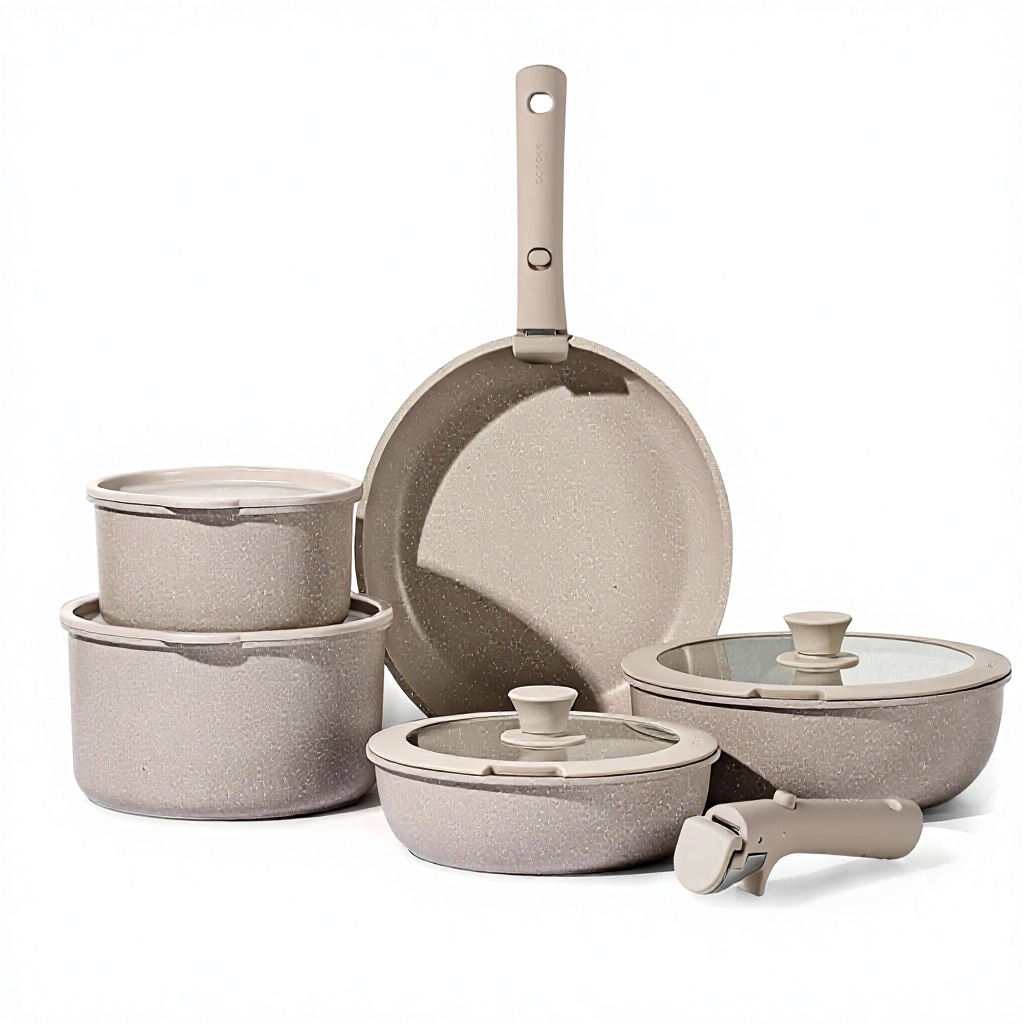
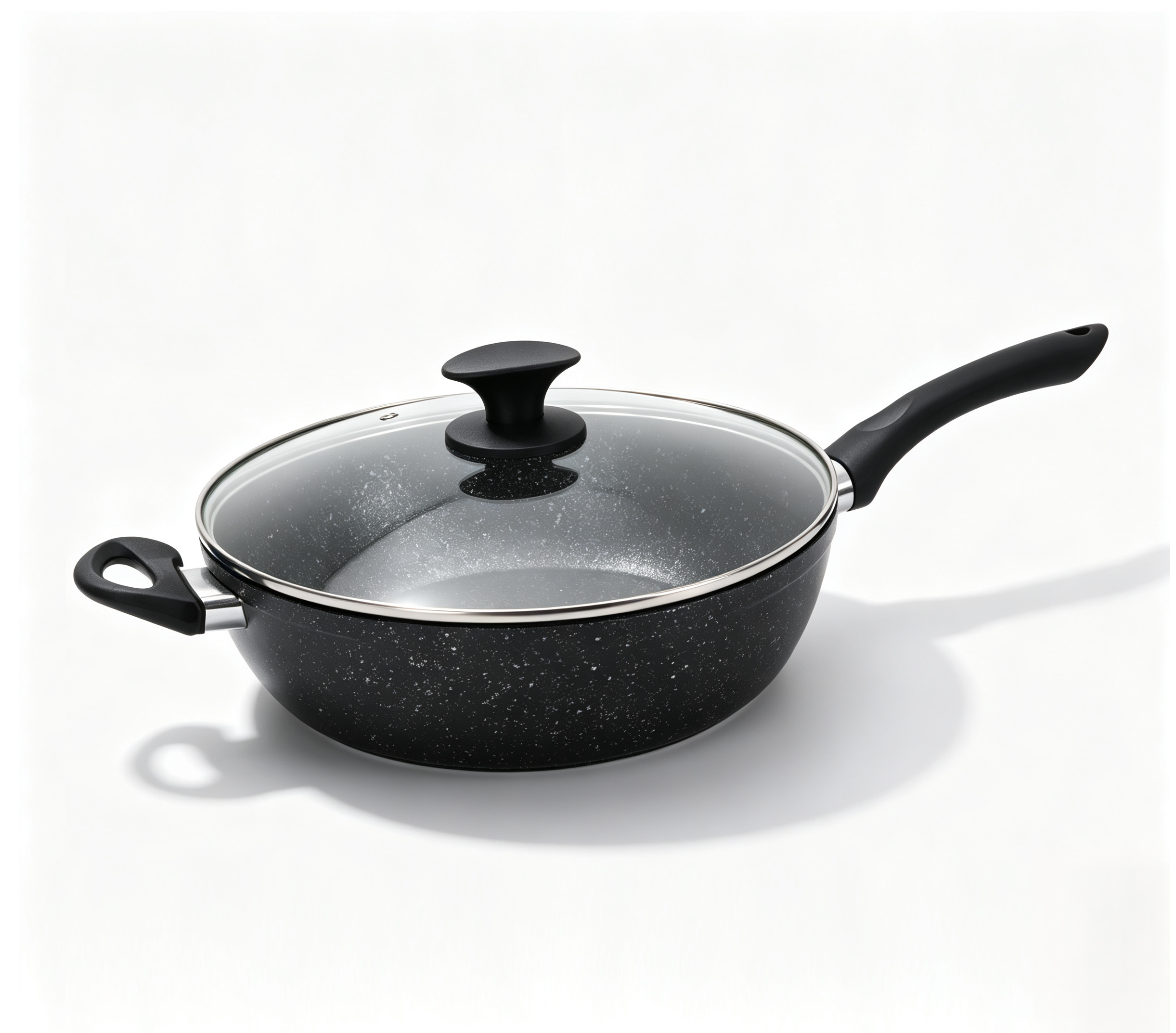
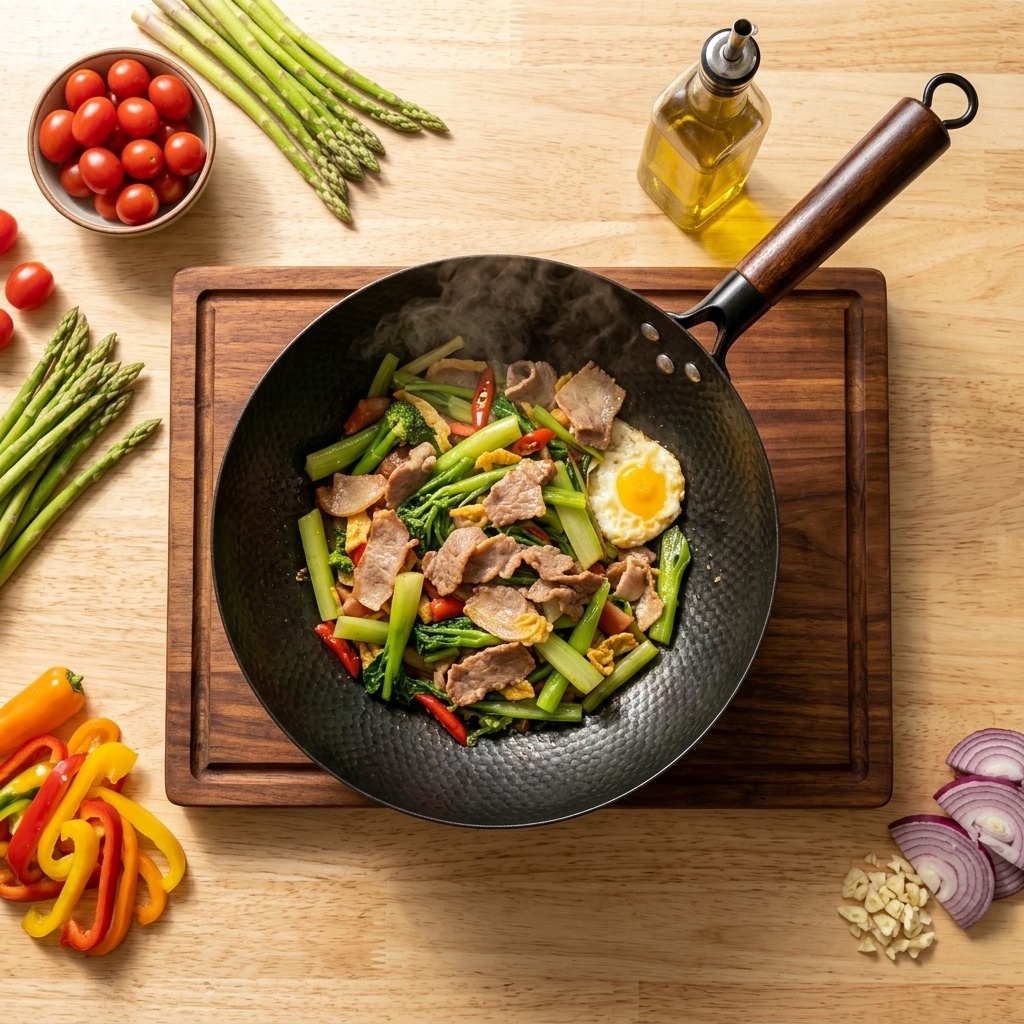
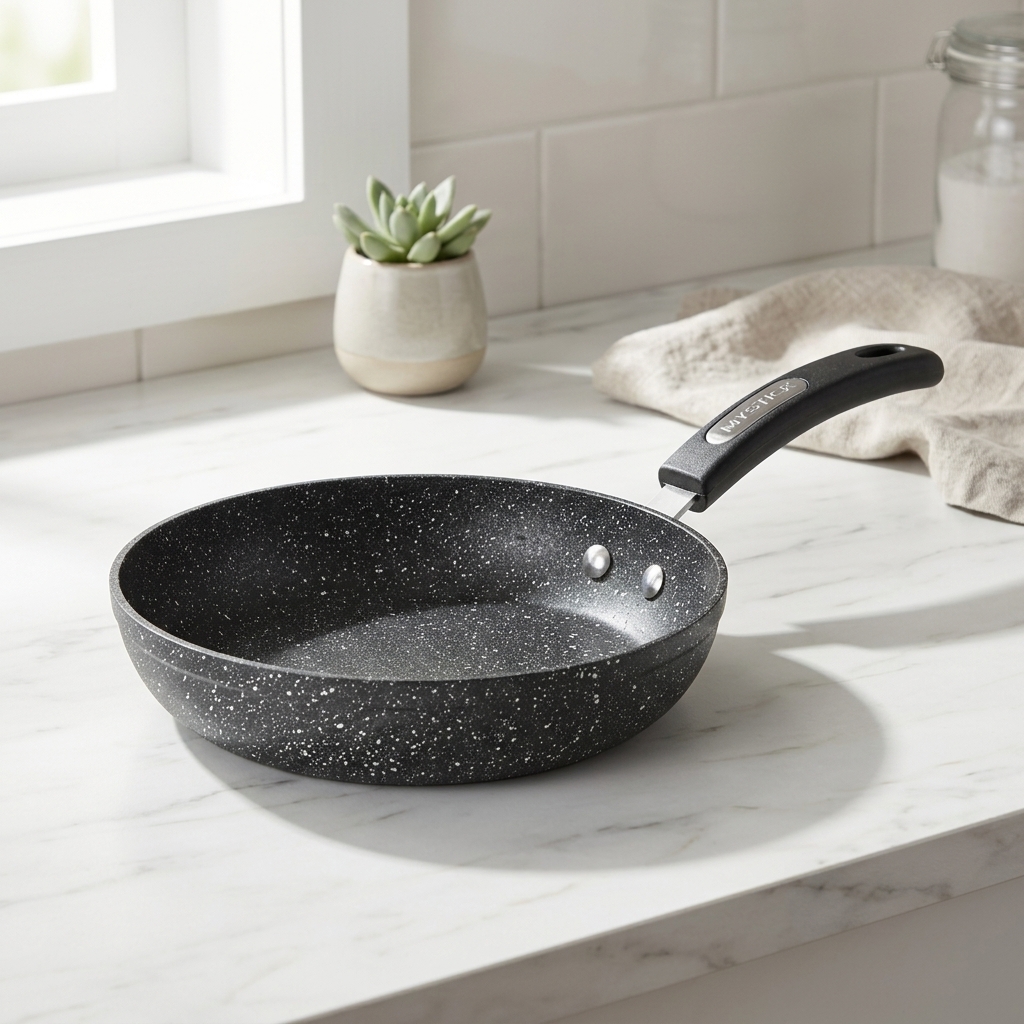
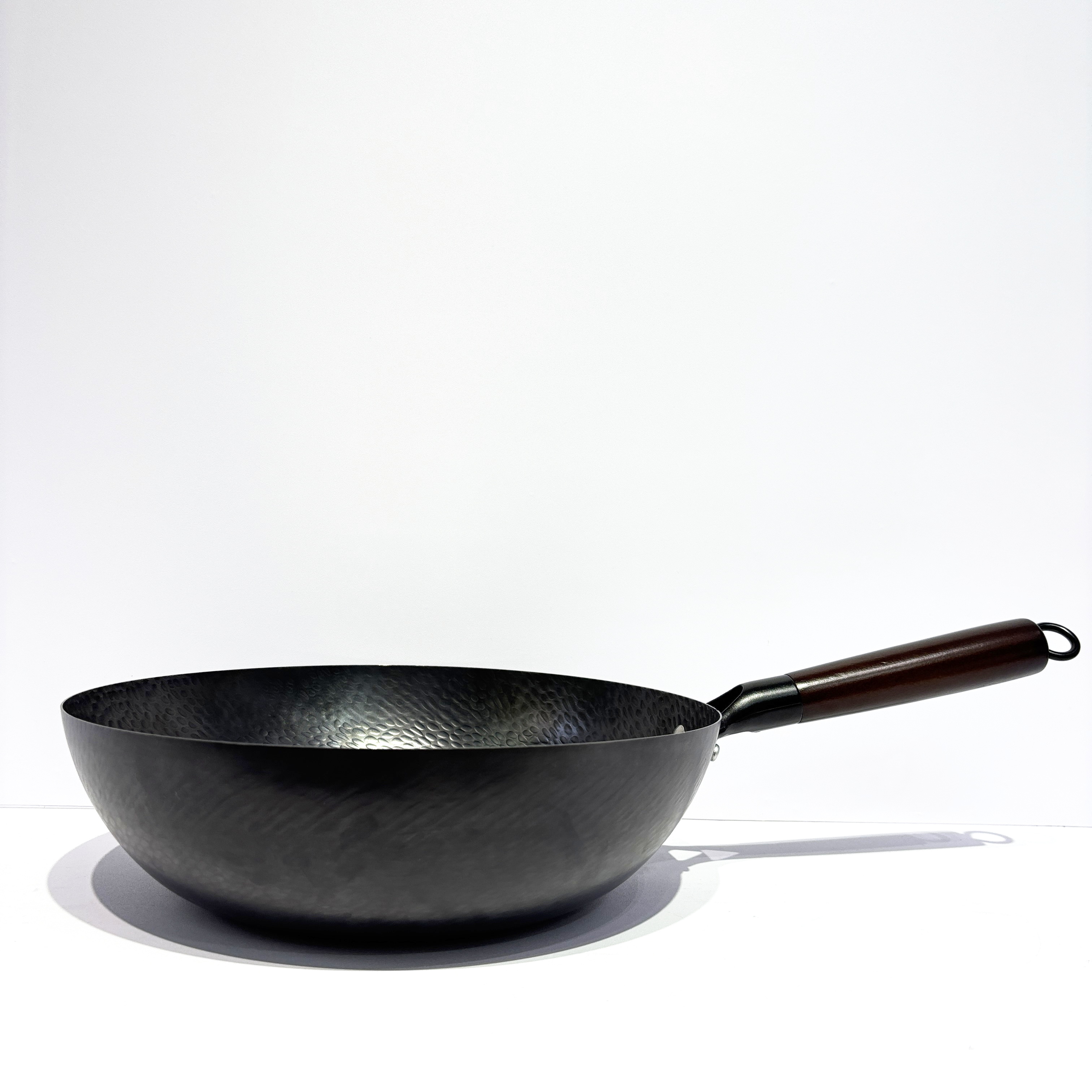
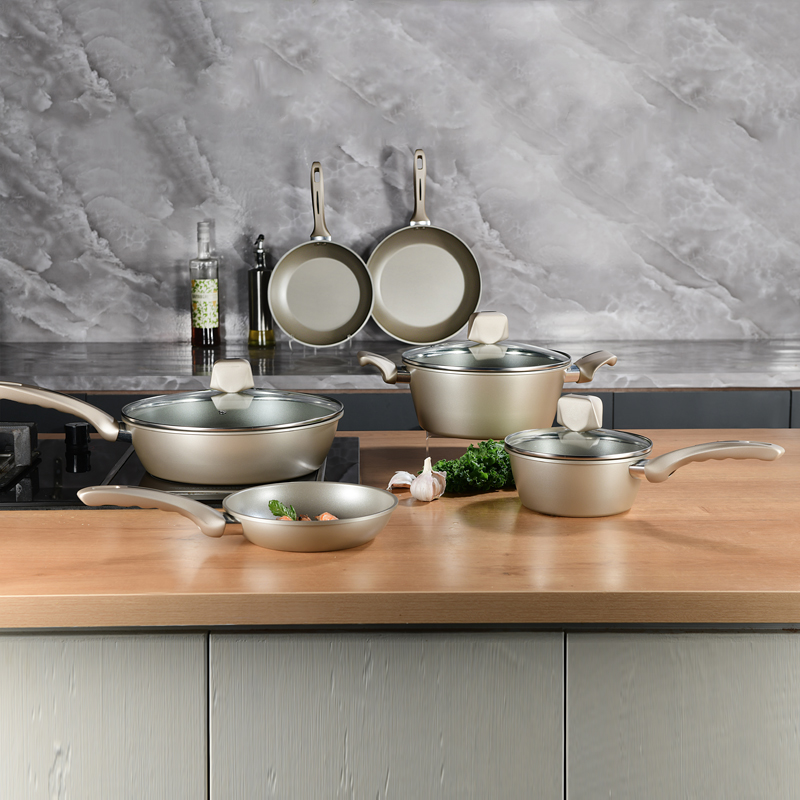
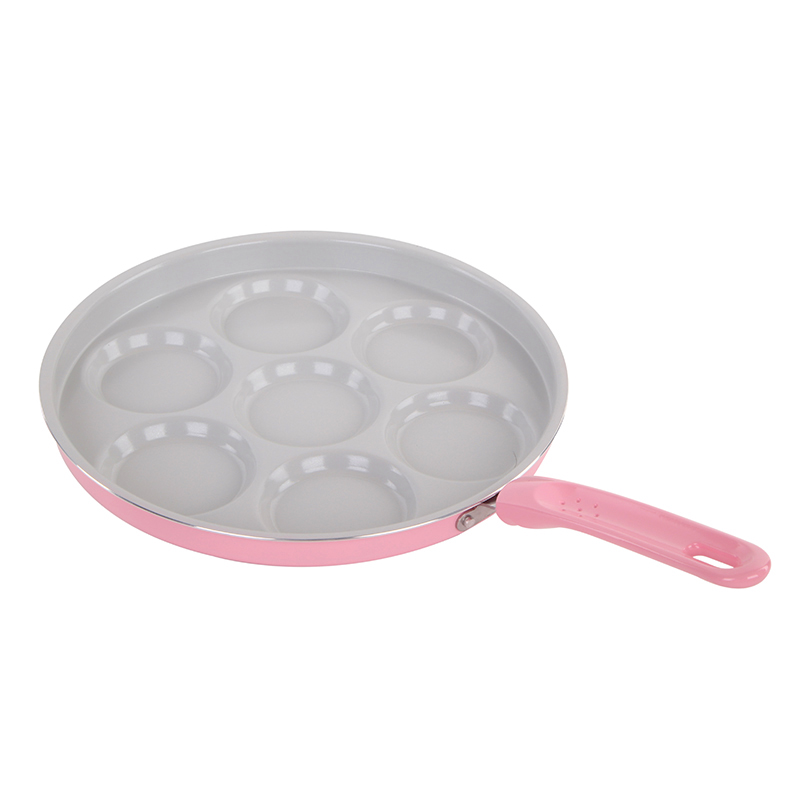
Verified OEM/ODM Capacity: Zhejiang MEIS Kitchenware Co., Ltd.
Headquartered in the Dongnan Industrial Zone, Shuxi Street, Jinhua, Zhejiang, MEIS Kitchenware operates as an audited B2B nonstick cookware manufacturer combining advanced metallurgical processing with automated coating technology.
TÜV Rheinland Audited Facility
On-site verified manufacturing plant equipped with automated pressing, CNC finishing, ultrasonic cleaning, multi-layer spray lines, and high-temperature curing ovens.
Comprehensive OEM/ODM Engineering
In-house tooling lathe, mold-making workshop, and rapid prototyping capabilities. Customization covers structural wall thickness, induction bottom stampings, custom handles, and branding.
Rigorous In-House Quality Control
Equipped with internal testing laboratories performing Salt Spray Corrosion Tests, Handle Torsion & Thrust Testers, Coating Cure Ovens, and CNC Dimensional Controls prior to packaging.
Engineering Nonstick Stock Pots & Deep Cookware for Global Markets
An authoritative technical analysis of thermal conductivity, substrate choices, nonstick chemistry, and mechanical stress dynamics in commercial stock pot procurement.
In global B2B procurement, sourcing high-performance nonstick stock pots and deep cooking vessels requires a rigorous evaluation of thermal physics, substrate metallurgy, and chemical coating performance. Stock pots are subject to long boiling cycles, high liquid pressure, and localized thermal stresses that differ significantly from shallow fry pans. Leading China nonstick stock pot manufacturers must balance high thermal transfer efficiency with warp resistance, coating longevity, and full food-contact safety compliance.
1. Substrate Metallurgy: Pressed Aluminum vs. Forged Aluminum vs. Carbon Steel
The choice of core metal dictates the structural integrity, heating speed, and unit landed cost of large-capacity stock pots:
- Pressed Aluminum (1.8mm – 3.0mm): Stamped directly from high-purity aluminum alloy sheets (typically 3003 or 1050 grade). Pressed aluminum offers rapid heat response, lower overall weight, and exceptionally high cost-efficiency. It serves as the backbone for mass-market retail and promotional cooking sets.
- Forged Aluminum (3.5mm – 5.0mm Base): Formed under high-tonnage hydraulic forging presses, creating a heavy, thick base with tapered side walls. Forging aligns the metal grain structure, virtually eliminating thermal warping under intense heat. The increased thermal mass ensures even heat distribution, eliminating cold spots during simmer cycles.
- Heavy-Gauge Carbon Steel (1.0mm – 2.0mm): Carbon steel possesses high tensile strength and natural magnetic properties. When treated with thermo-chemical nitriding or multi-layer nonstick coatings, carbon steel stock pots provide superior durability and native induction compatibility without requiring an attached stainless-steel base plate.
| Performance Parameter | Pressed Aluminum Stock Pot | Forged Aluminum Stock Pot | Nitrided Carbon Steel Stock Pot |
|---|---|---|---|
| Thermal Conductivity (W/m·K) | 205 – 225 (High) | 210 – 230 (Optimal Uniformity) | 50 – 60 (Moderate, Superior Searing) |
| Warp Resistance Rating | Standard (Ideal < 220°C) | Extreme (Resists Thermal Shock) | Very High (Structural Rigidity) |
| Induction Compatibility | Requires Impact-Bonded Plate | Requires Friction-Welded Plate | Native Magnetism (100% Direct) |
| Coating Adhesion Rating | ISO 2409 Class 0 (Post Shot-Blast) | ISO 2409 Class 0 (Post Shot-Blast) | Chemical Diffusion + Nonstick Layer |
| Target B2B Segment | Mass Supermarket / Volume OEM | Mid-to-High Retail / E-Commerce | Commercial / Heavy-Duty Culinary |
2. Surface Finishing & Nonstick Coating Formulations
Modern stock pots demand nonstick systems capable of withstanding prolonged exposure to acidic broths, water boiling, and abrasive kitchen utensils. Premium OEM/ODM manufacturers utilize three primary coating systems:
- PTFE Fluoropolymer Systems (Multi-Layer Dispersion): Comprising a primer coat for aluminum bonding, a mid-coat reinforced with silicon carbide or ceramic particles for scratch resistance, and a fluoropolymer topcoat for hydro- and oleophobic properties. Fully certified PFOA-free, complying with US FDA 21 CFR and EU REACH regulations.
- Sol-Gel Ceramic Coatings (PFAS-Free Inorganic Matrix): Derived from silica gel precursors through a liquid-to-solid hydrolysis network. Ceramic coatings cure into a hard, glass-like matrix with high surface hardness (up to 8H–9H Pencil Hardness) and heat tolerance exceeding 400°C, making them an ideal choice for health-focused cookware brands.
- Gas Nitriding & Plasma Surface Treatment: Used primarily on carbon steel woks and stock pots. Nitrogen atoms diffuse into the iron lattice at 500°C–600°C, forming a hard iron nitride layer (Fe4N/Fe2N). This process creates superior rust resistance and semi-nonstick oil retention without synthetic chemical films.
Future Sourcing Trends in Nonstick Cookware Procurement
Strategic directions shaping global kitchenware supply chains, consumer preferences, and environmental compliance over the next decade.
1. Global Transition to PFAS-Free Ceramic Formulations
With tightening environmental regulations across Europe (REACH restrictive proposals) and North America (State-level PFAS bans), international buyers are accelerating the adoption of Gen-3 Sol-Gel ceramic nonstick coatings. Advanced ceramic formulations now match traditional fluoropolymers in hydrophobic longevity while offering 100% PFAS-, PFOA-, Lead-, and Cadmium-free compliance.
2. Full-Bound Induction Bottom Technology
Energy efficiency is paramount for end users. Legacy cookware utilized small punched induction discs. Modern OEM manufacturing incorporates edge-to-edge full-bound induction bases applied via high-tonnage thermal friction bonding. This ensures 30% faster boiling times, prevents corner scorching, and optimizes performance on modern electromagnetic hobs.
3. Space-Saving & Removable Handle Architectures
Driven by urban living trends and container freight optimization, click-connect detachable handle systems (as featured in modular 5-to-19 piece sets) are growing rapidly. Removable handles transform stock pots directly into oven-safe baking dishes and table serving vessels, reducing retail packaging volume by up to 40%.
4. Sustainable Circular Materials & Recycled Alloys
Tier-1 global cookware brands require supply chain sustainability verification. Leading Chinese exporters are integrating 100% post-consumer recycled aluminum alloy ingots into their pressing and forging operations, reducing production carbon footprints by up to 75% without compromising mechanical yield strength.
Frequently Asked Questions for B2B Cookware Sourcing
Clear answers to operational, technical, and regulatory questions commonly raised by international buyers, brand owners, and importers.
Is Zhejiang MEIS Kitchenware Co., Ltd. a direct factory or a trading agent?
Zhejiang MEIS Kitchenware Co., Ltd. is an on-site verified OEM/ODM manufacturer located in Dongnan Industrial Zone, Shuxi Street, Jinhua, Zhejiang, China. The factory facility has been independently assessed on-site by TÜV Rheinland. MEIS operates full in-house production lines—including hydraulic pressing, CNC base machining, automated surface shot-blasting, multi-layer nonstick spray lines, curing ovens, and manual assembly lines.
What are the standard Minimum Order Quantities (MOQ) for custom nonstick stock pots?
Standard minimum order quantities for custom OEM stock pots and cookware sets generally start between 1,000 to 3,000 pieces (or sets) per model, depending on body material (pressed vs. forged aluminum vs. carbon steel) and custom color requirements. Small trial batches starting from 50 to 500 pieces may be available for standard running catalog items.
What compliance testing and food safety certifications are available?
All nonstick stock pots and cookware produced by MEIS are engineered to pass major international food contact compliance standards, including US FDA 21 CFR 175.300, European LFGB, DGCCRF, and EU Regulation (EC) No 1935/2004. Coatings are guaranteed free of PFOA, PFOS, Lead, and Cadmium. Third-party inspection through SGS, TÜV, or Intertek can be conducted prior to shipment.
Can stock pots be engineered for universal hob compatibility (Gas, Electric, Induction)?
Yes. Aluminum stock pots are equipped with high-density stainless-steel induction disc bases bonded under high thermal pressure, allowing efficient operation on gas, electric ceramic, and induction cooktops. Carbon steel stock pots possess native magnetic permeability and function seamlessly on all induction hobs without secondary base attachments.
What custom branding and packaging options are supported for OEM clients?
We offer end-to-end OEM customization: bottom laser-engraved or stamped logos, custom handle colors and silicone soft-touch grips, branded color gift boxes, mail-order drop-ship packaging (ISTA-3A passed), color sleeve labels, and customized master carton markings.
What is the lead time for tooling samples and mass production orders?
Standard sample dispatch for running catalog items takes 3 to 7 days. Custom color matching and logo-printed samples require 7 to 14 days. For complete new ODM mold development, in-house CNC lathe tooling requires 25 to 35 days. Mass production lead time is typically 30 to 45 days after deposit confirmation and artwork approval.
Accelerate Your OEM/ODM Cookware Program
Partner directly with Zhejiang MEIS Kitchenware Co., Ltd. Access engineered OEM stock pots, custom nonstick cookware sets, and certified factory-direct wholesale pricing.