Featured Commercial Cookware & Saucepans
Direct OEM & ODM wholesale collection built to international food contact safety standards.
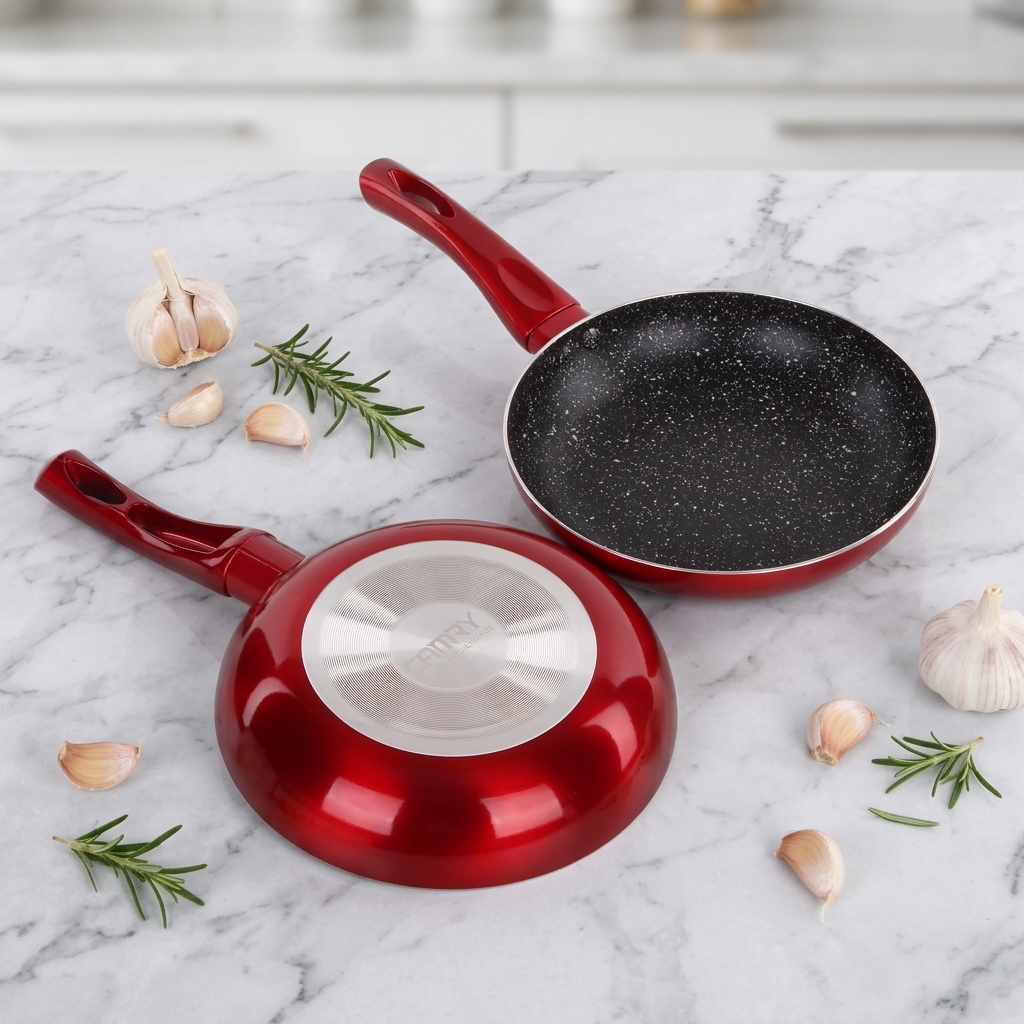
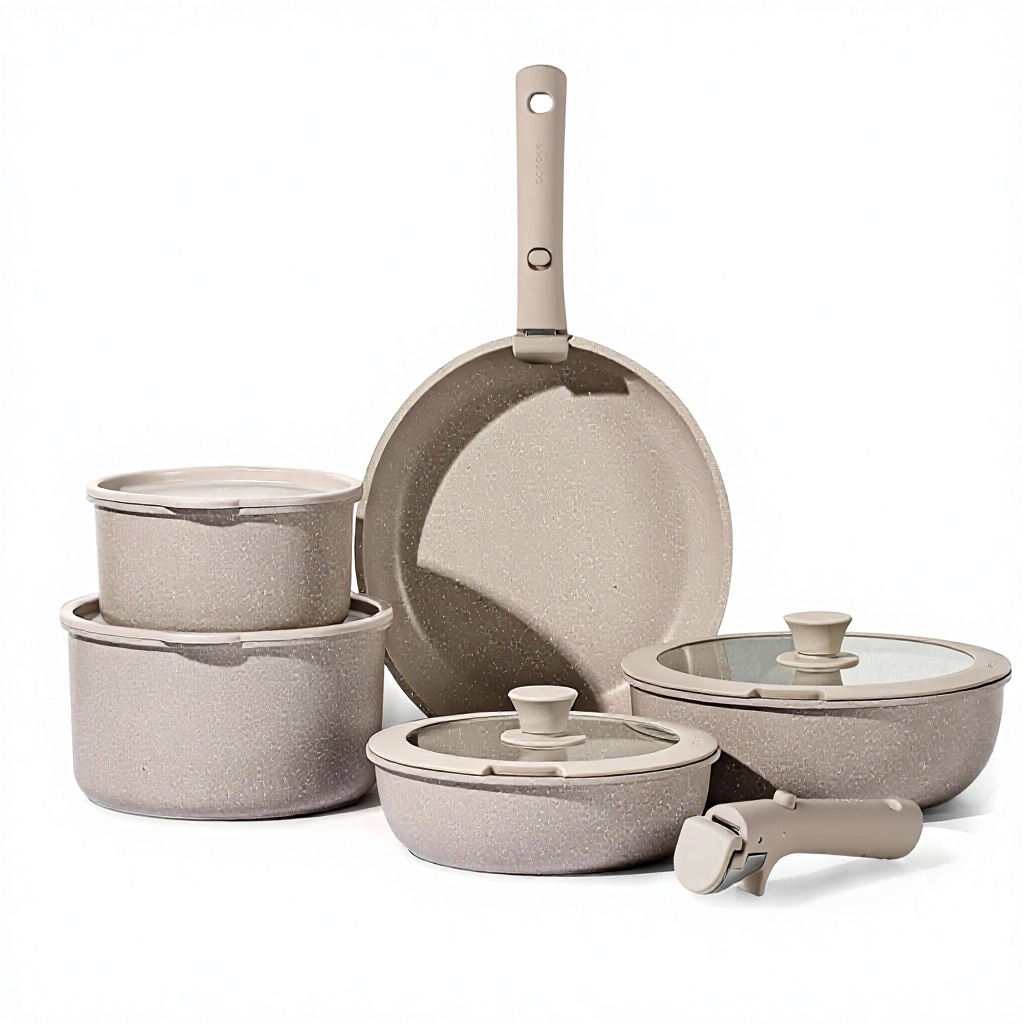
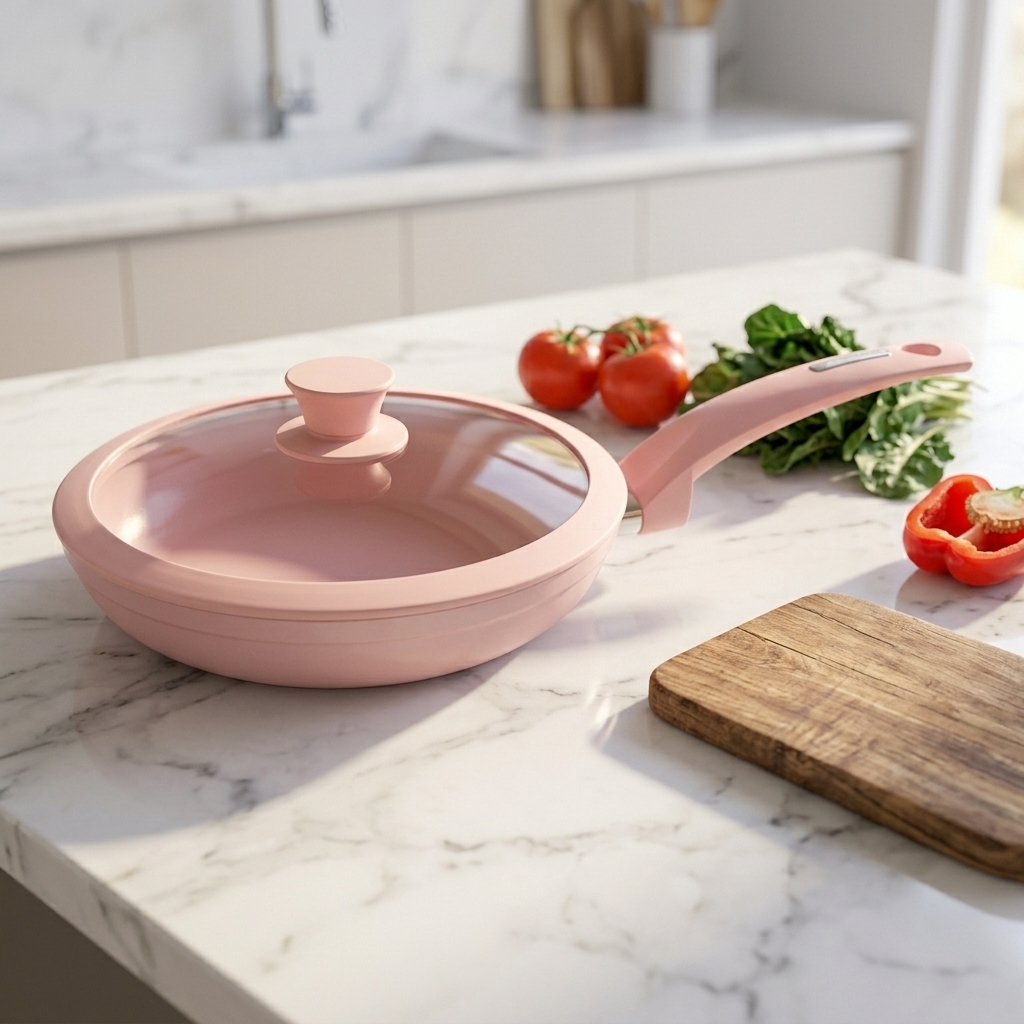
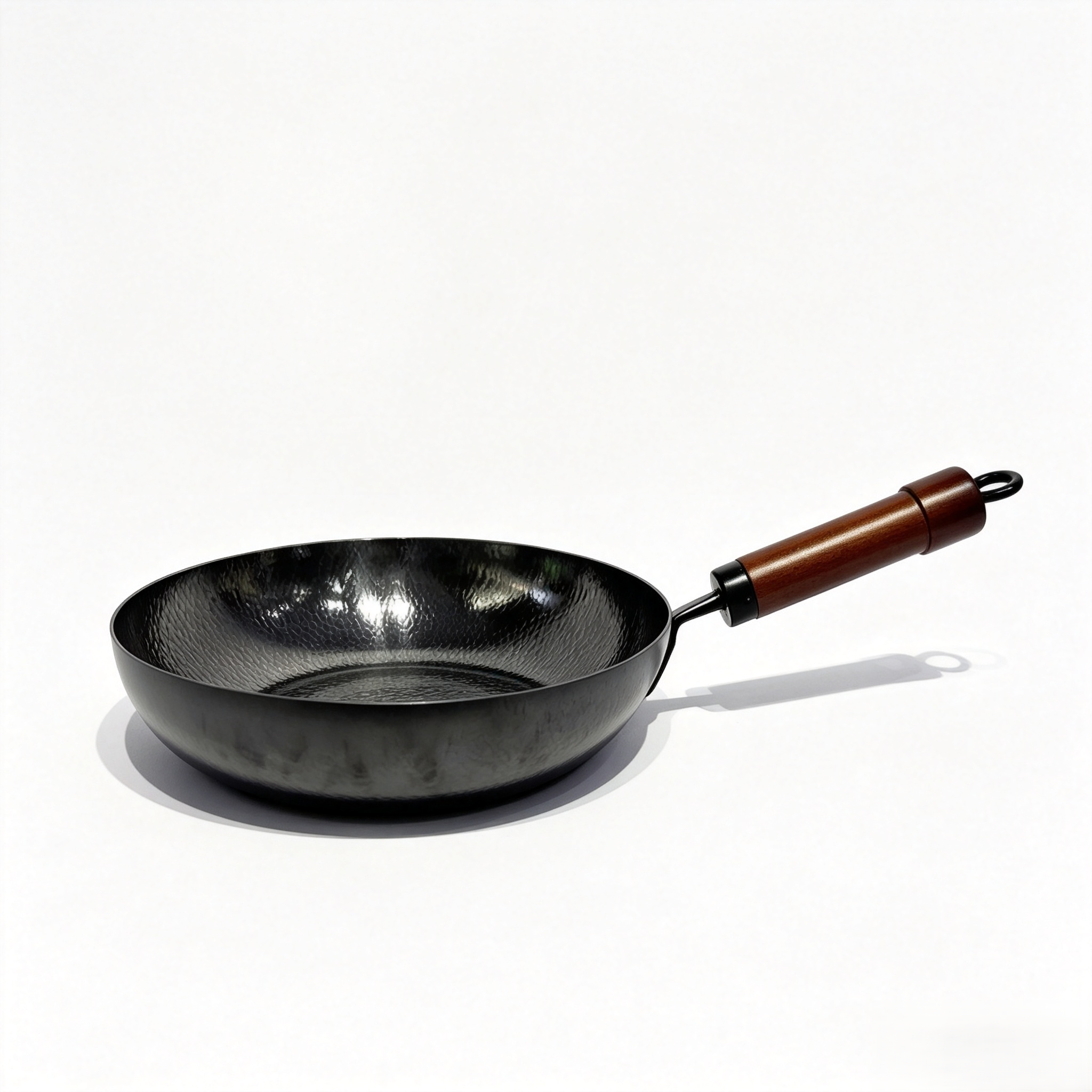
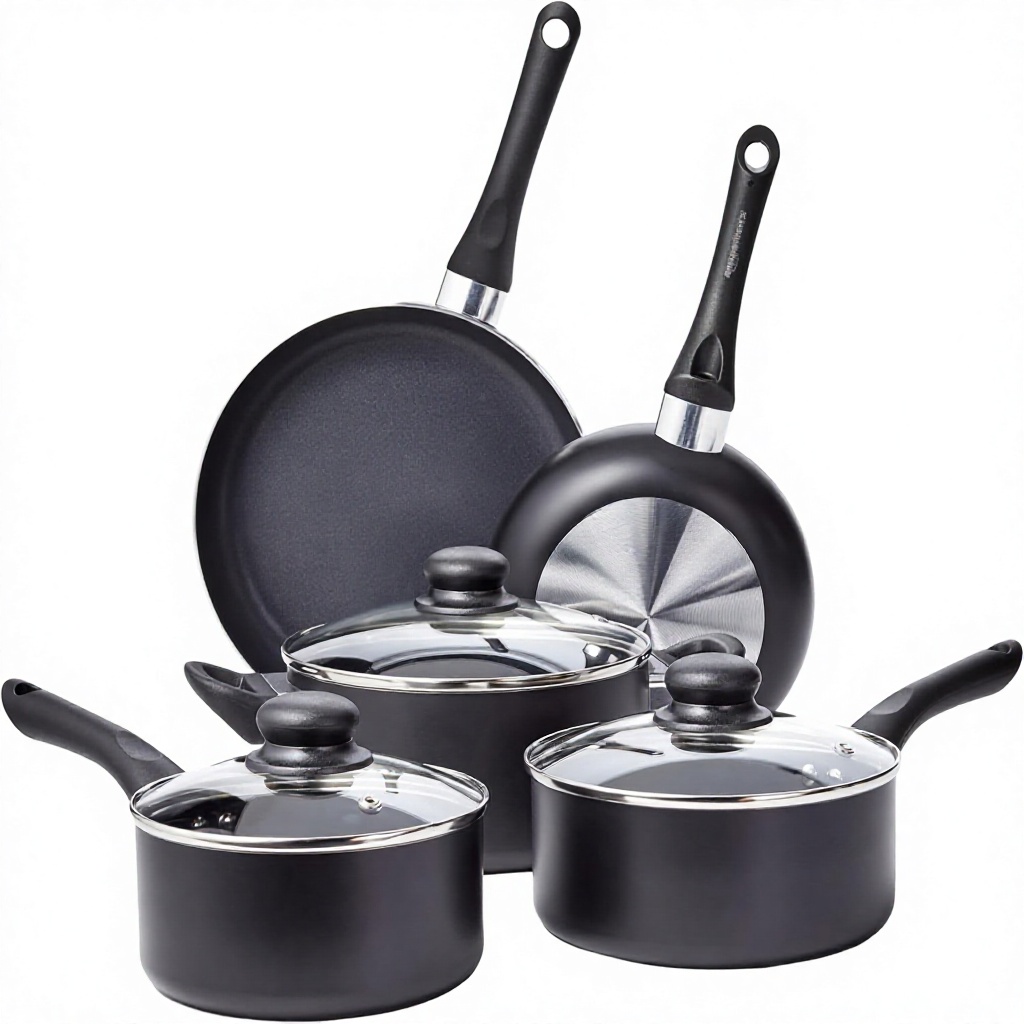
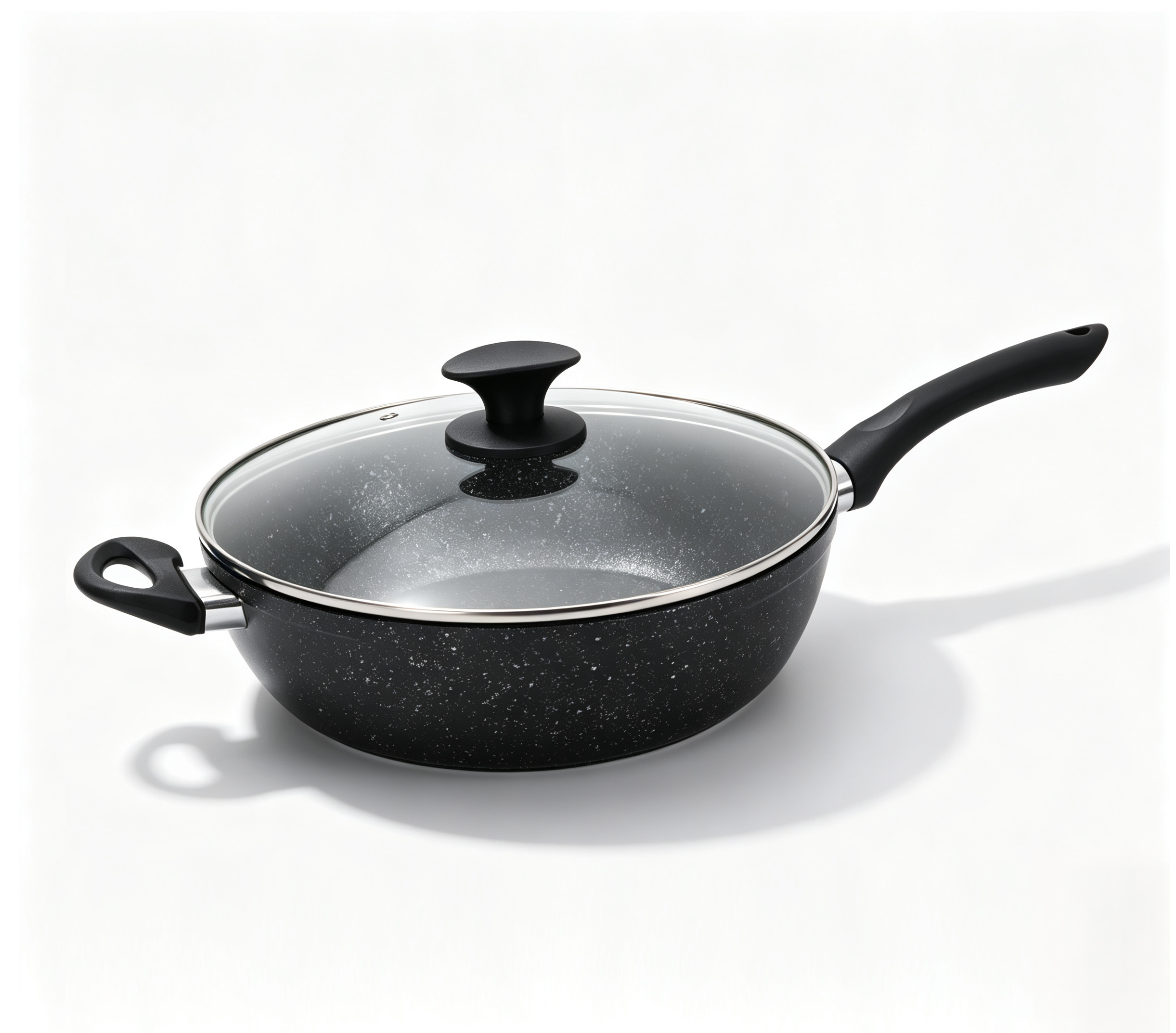
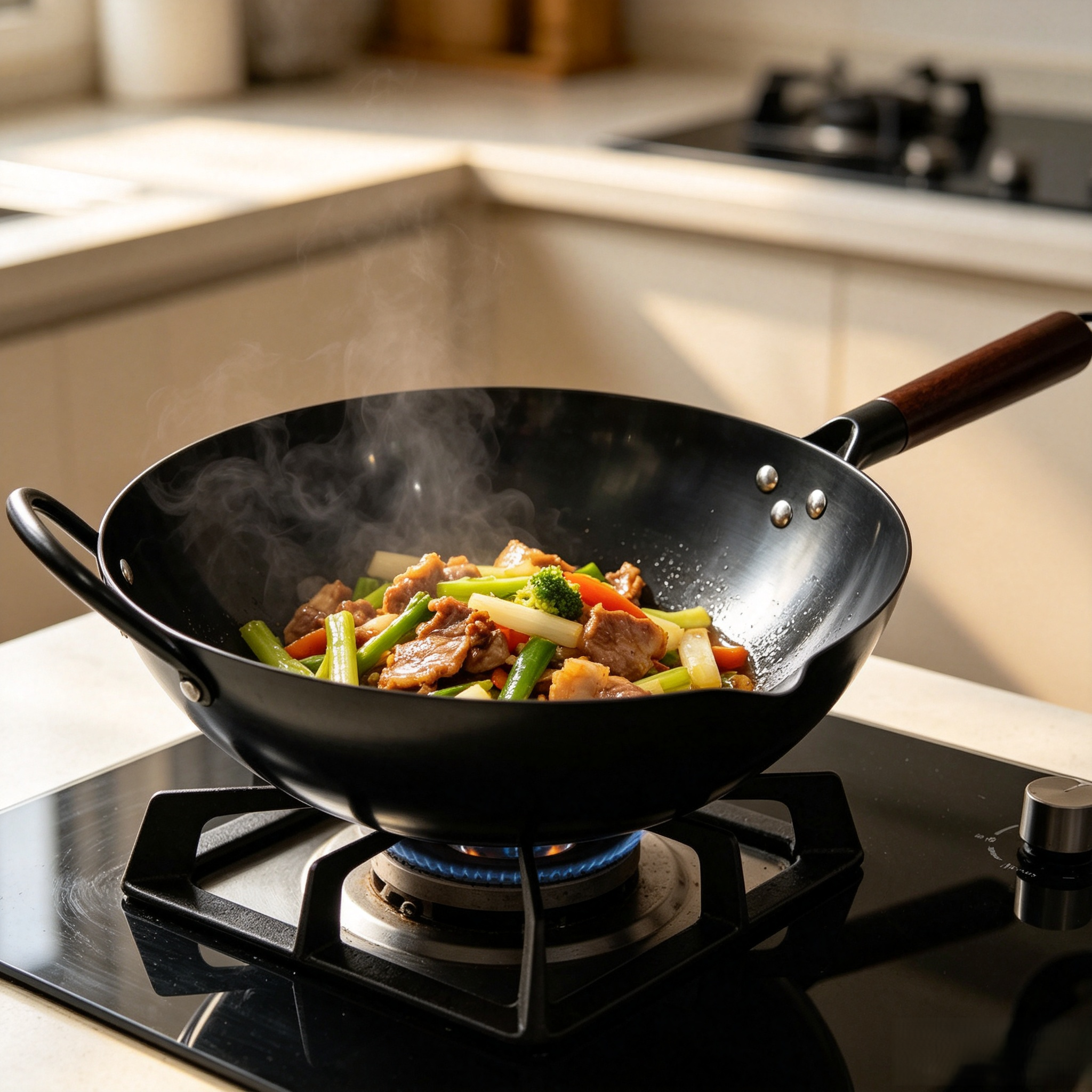
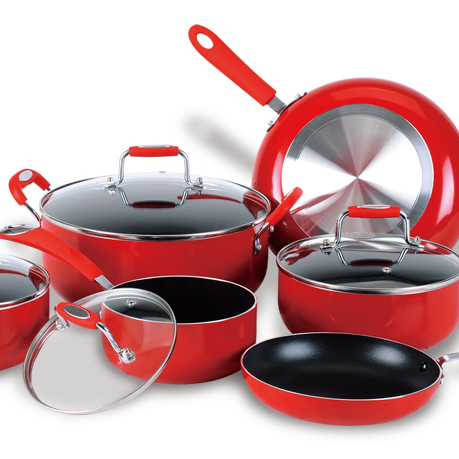
Enterprise Strengths & Technical Manufacturing Infrastructure
Positioned as a premiere global supplier, Zhejiang MEIS Kitchenware Co., Ltd. operates a state-of-the-art production complex situated within the Dongnan Industrial Zone, Shuxi Street, Jinhua City, Zhejiang Province, China. Serving international importers, retail chain giants, e-commerce brand builders, and B2B sourcing agents, MEIS combines over 20 years of manufacturing mastery with 18 years of continuous, verified enterprise export operations.
Our manufacturing plant is independently assessed and verified on-site by TÜV Rheinland, confirming our adherence to rigorous international production standards, complete quality management frameworks, and environmental compliance. Operating with a core team of over 105 highly specialized technicians, engineers, and quality assurance officers, MEIS manages the complete fabrication lifecycle under one centralized roof—eliminating reliance on unverified subcontractors and ensuring strict quality control from raw coil to packaged container.
Integrated Facility Equipment: Our factory floor houses high-precision hydraulic pressing lines, automatic punch machines, automated cleaning & degreasing tunnels, multi-layer spraying booths, CNC precision lathes, and dedicated handle riveting and assembly lines. OEM/ODM mold development is accelerated by our in-house tooling workshop.
Technical Whitepaper: Why Carbon Steel Saucepans Lead Commercial Kitchen Procurement
In modern culinary engineering and commercial foodservice procurement, the carbon steel saucepan represents an ideal synthesis between the rapid thermal response of copper and the rugged durability of cast iron. Fabricated from an alloy composed primarily of iron with a controlled carbon content (typically between 0.05% and 0.30%), carbon steel delivers exceptional structural integrity while remaining significantly lighter than traditional cast iron vessels.
For global commercial buyers, hotel chains, and retail cookware brands, carbon steel saucepans offer distinct technical advantages over stainless steel and aluminum counterparts:
Superior Thermal Responsiveness
Carbon steel reacts almost instantly to burner adjustments. When reducing heat for delicate emulsion sauces, reduction glazes, or dairy-based recipes, carbon steel sheds excess temperature rapidly, preventing scorching or curdling.
Natural Induction Ferromagnetism
Unlike standard aluminum which requires an encapsulated stainless steel impact bottom plate, carbon steel is naturally ferromagnetic. It draws electromagnetic energy directly from induction hobs with near-100% heat conversion efficiency.
Structural Tensile Resistance
Engineered via cold-rolled heavy gauge pressing (typically 1.5mm to 2.5mm thickness), carbon steel saucepans resist thermal shock, warping, and base deformation even when subjected to intense gas flame burners or thermal cycling.
Advanced Surface Engineering Options
At MEIS Kitchenware, we offer gas-nitrided thermo-chemical surface hardening (eliminating chemical coatings) as well as ceramic and multi-layer PFOA-free nonstick treatments tailored to market preferences.
Material Performance Matrix: Carbon Steel vs. Alternative Alloys
To assist wholesale buyers, retail category managers, and private label developers in selecting the appropriate substrate, the following matrix compares core performance parameters:
| Performance Metric | Heavy-Gauge Carbon Steel | Cast Iron | Tri-Ply Stainless Steel | Forged Aluminum |
|---|---|---|---|---|
| Thermal Conductivity Speed | High (Fast Response) | Low (Slow Heat Up) | Medium | Very High |
| Heat Retention Capacity | Medium-High | Maximum | Medium | Low-Medium |
| Induction Efficiency | Native 100% Ferromagnetic | Native 100% Ferromagnetic | Requires Magnetic Outer Layer | Requires Impact Base Plate |
| Vessel Weight Ratio | Moderate / Lightweight Handling | Very Heavy | Medium-Heavy | Ultralight |
| Warping & Shock Resistance | Exceptional | Brittle under extreme shock | High | Moderate (Thick Base Needed) |
| Surface Hardening Options | Gas Nitriding / Ceramic / PTFE-Free | Oil Pre-Seasoning | Uncoated Mirror / Satin Polish | Anodized / PTFE / Ceramic spray |
| Commercial Cost Efficiency | Optimal Landed Value | High Freight Cost | Premium Price Point | Economical to Mid-Range |
Future B2B Sourcing & Procurement Trends for Carbon Steel Cookware
The global cookware market is undergoing a significant paradigm shift driven by stringent regulatory landscapes, changing consumer health awareness, and supply chain logistics evolution. Professional importers and brand owners must align their product roadmaps with these key industry trends:
1. Global Transition to PFAS/PFOA-Free & Chemical-Free Cookware
European Union REACH updates, US state-level PFAS restrictions, and global food safety mandates are driving buyers toward nitrided non-coating carbon steel saucepans and inorganic ceramic formulations. Gas-nitriding creates an oxide protective layer that resists rust naturally without fluoropolymers.
2. Rise of Modular & Detachable Ergonomic Handles
E-commerce packaging volume and international shipping freight costs have highlighted the value of space-saving designs. Removable handle systems—engineered and tested for fatigue resistance—allow sets to nest tightly, reducing packaging cube volume by up to 45%.
3. Commercial-Home Hybrid Culinary Aesthetics
Consumers increasingly desire restaurant-grade performance paired with modern aesthetic finishes. Textured hammered finishes, soft-touch wood-grain bakelite handles, and custom color exterior heat-resistant lacquers are leading retail sales charts across North America and Western Europe.
4. Supply Chain Verification & Direct Factory Audits
Global retailers are bypassing trading intermediaries in favor of direct manufacturer partnerships. Verified production lines with audited quality testing (salt spray testing, handle fatigue testing, torsion testing) provide the technical documentation required for regulatory compliance and brand protection.
Frequently Asked Questions for B2B Sourcing
Expert answers regarding OEM manufacturing, material specs, minimum order quantities, and quality assurance.
Is Zhejiang MEIS Kitchenware a direct manufacturer or a trading company?
Zhejiang MEIS Kitchenware Co., Ltd. is a verified custom manufacturer and trading company operating its own 105+ employee production facility in the Dongnan Industrial Zone, Jinhua, Zhejiang, China. Our facilities include automated pressing, CNC finishing, surface cleaning, spray coating, handle assembly lines, and an integrated testing laboratory. Our factory has been independently assessed on-site by TÜV Rheinland.
What is Nitrided Carbon Steel, and why is it recommended for saucepans?
Nitriding is a high-temperature thermo-chemical process that diffuses nitrogen into the surface layer of the carbon steel. This creates a hardened, corrosion-resistant, nitrogen-enriched layer that naturally prevents rusting without requiring synthetic PTFE or chemical nonstick coatings. Nitrided carbon steel saucepans handle metal utensils well, tolerate high temperatures without degradation, and offer exceptional longevity in commercial kitchens.
What are your Minimum Order Quantities (MOQ) for custom saucepans and cookware sets?
Our minimum order quantity depends on the material, custom color finish, and packaging specs. Typically, standard carbon steel and pressed aluminum saucepan runs begin at 1,000 to 3,000 units per size/color, while full cookware sets start at 1,000 to 1,500 sets. For trial orders on select running fry pan items, lower MOQs starting from 50 to 500 units may be accommodated.
What food contact safety certifications do your cookware products meet?
All cookware manufactured by MEIS Kitchenware can be tailored to meet FDA (USA), LFGB (Germany), REACH (EU), and DGCCRF (France) chemical safety standards. Our ceramic, granite, and nitrided surface options are strictly 100% PFOA-free, lead-free, and cadmium-free. Third-party testing reports from SGS, TÜV, or Intertek can be arranged prior to mass shipment.
What customization options are available for OEM / ODM brand orders?
We provide comprehensive OEM/ODM customization options including: custom body dimensions and gauge thickness (1.2mm to 3.0mm), interior coatings (ceramic, marble/granite speckle, titanium, nitrided finish), exterior heat-resistant lacquer colors, custom laser-engraved bottom logos, specialized handle tooling (bakelite, stainless steel, soft-touch silicone, removable systems), and customized retail color box packaging.
Are carbon steel saucepans fully compatible with induction hobs?
Yes. Carbon steel is inherently magnetic due to its high iron content. Unlike aluminum which requires a secondary bonded stainless steel base plate, carbon steel saucepans heat up directly and evenly on all induction cooktops, gas ranges, electric coil hobs, and ceramic glass stoves.
What quality control procedures are implemented on the factory floor?
MEIS Kitchenware maintains a multi-stage Quality Assurance system: 1) Incoming Raw Material Inspection (disc gauge and alloy testing); 2) In-Line Process Controls during pressing, CNC trimming, and cleaning; 3) Coating Thickness and Adhesion Cross-Hatch Testing; 4) In-House Lab Testing including salt spray corrosion tests, handle fatigue tests, handle torsion tests, and thermal shock resistance; 5) Pre-shipment AQL 2.5 final inspection before cartoning.
What is the average production lead time for OEM bulk shipments?
Standard lead time for initial OEM orders ranges between 35 to 45 days after final sample approval and deposit confirmation. Repeat orders with finalized packaging artwork are typically completed within 30 days. Prototype sample creation supported by our in-house tooling workshop takes approximately 7 to 12 days.
Partner with China's Premier Carbon Steel Saucepan Factory
Looking for competitive factory-direct pricing, custom mold development, or reliable volume manufacturing for your cookware brand? Contact our engineering and export team today.