Export-Ready Ceramic & Non-Stick Cookware Systems
Engineered for global retail, private-label branding, and high-performance commercial kitchens. Explore our direct factory-supplied models below.
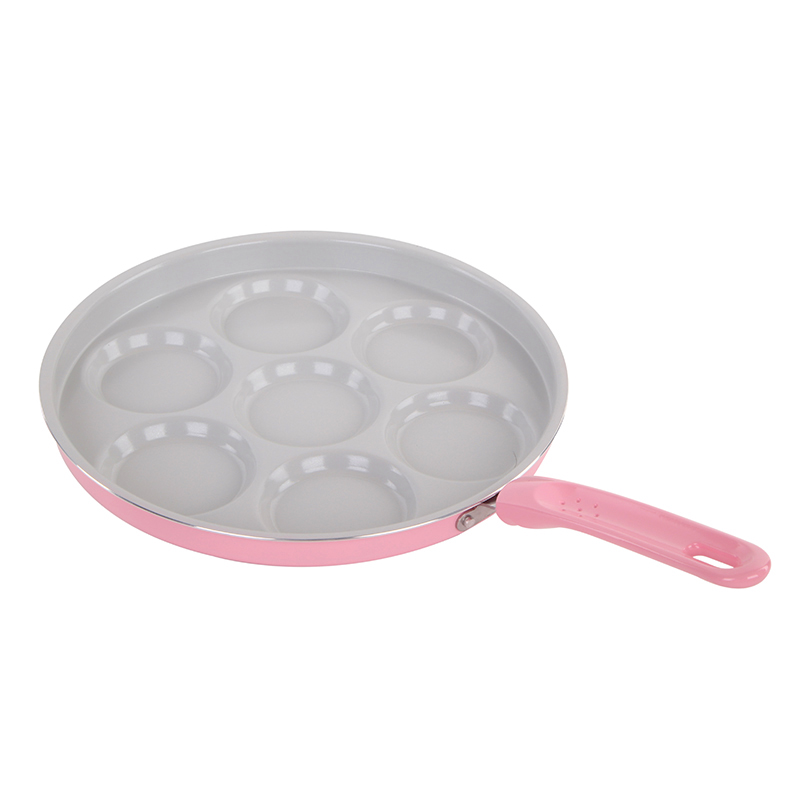
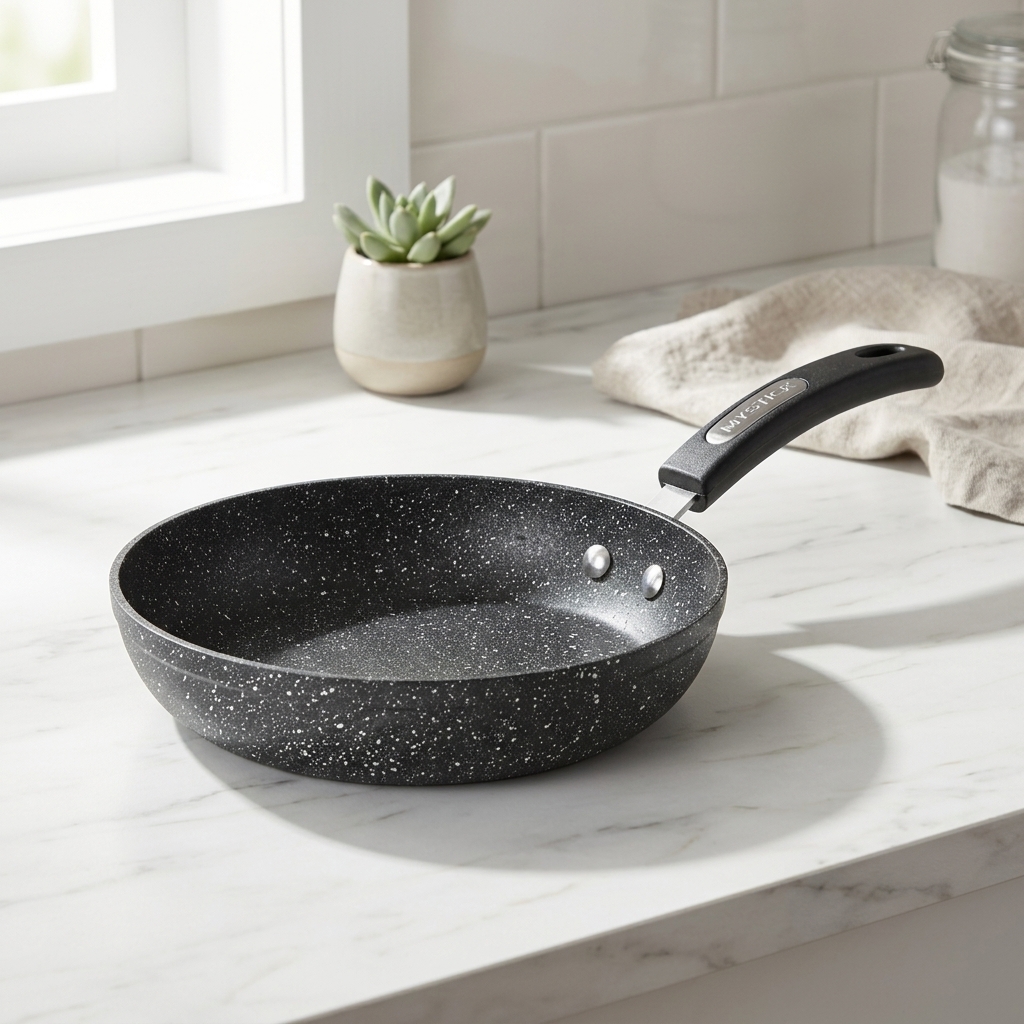
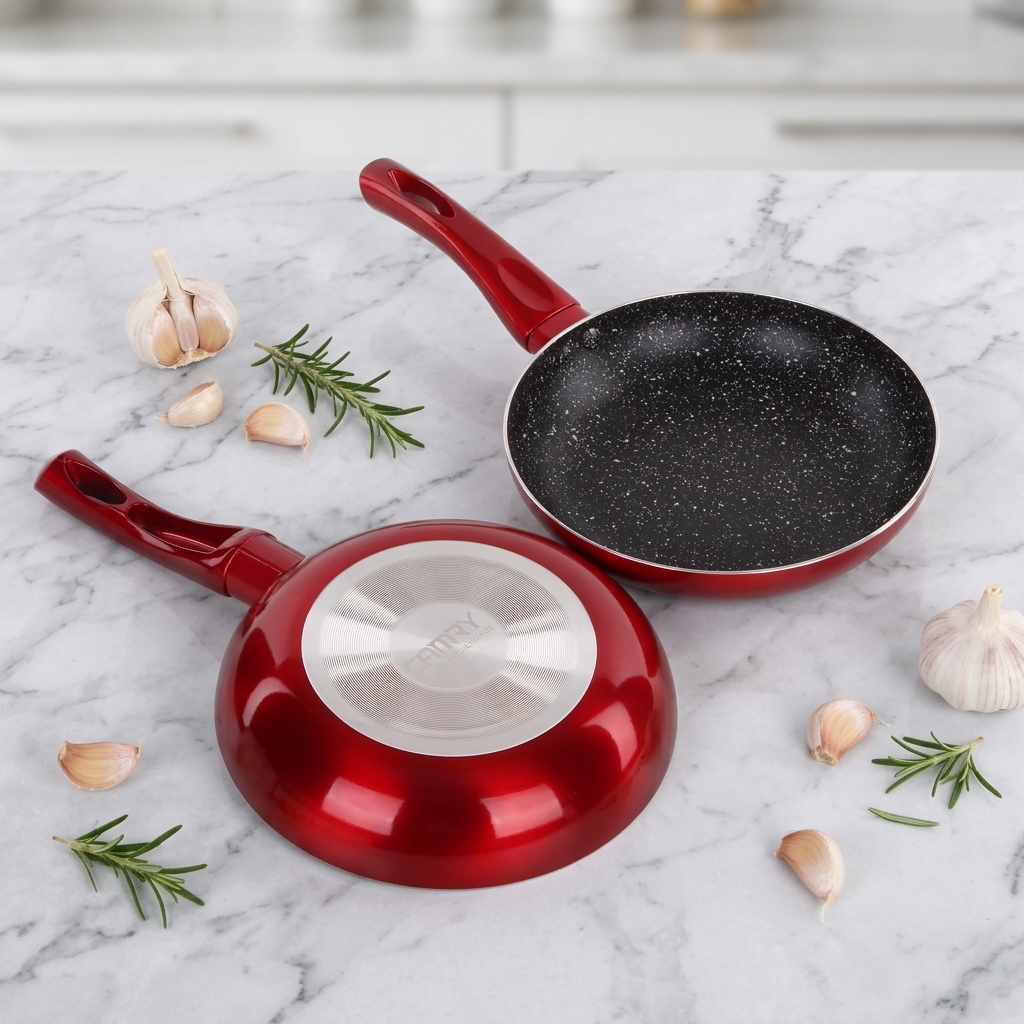
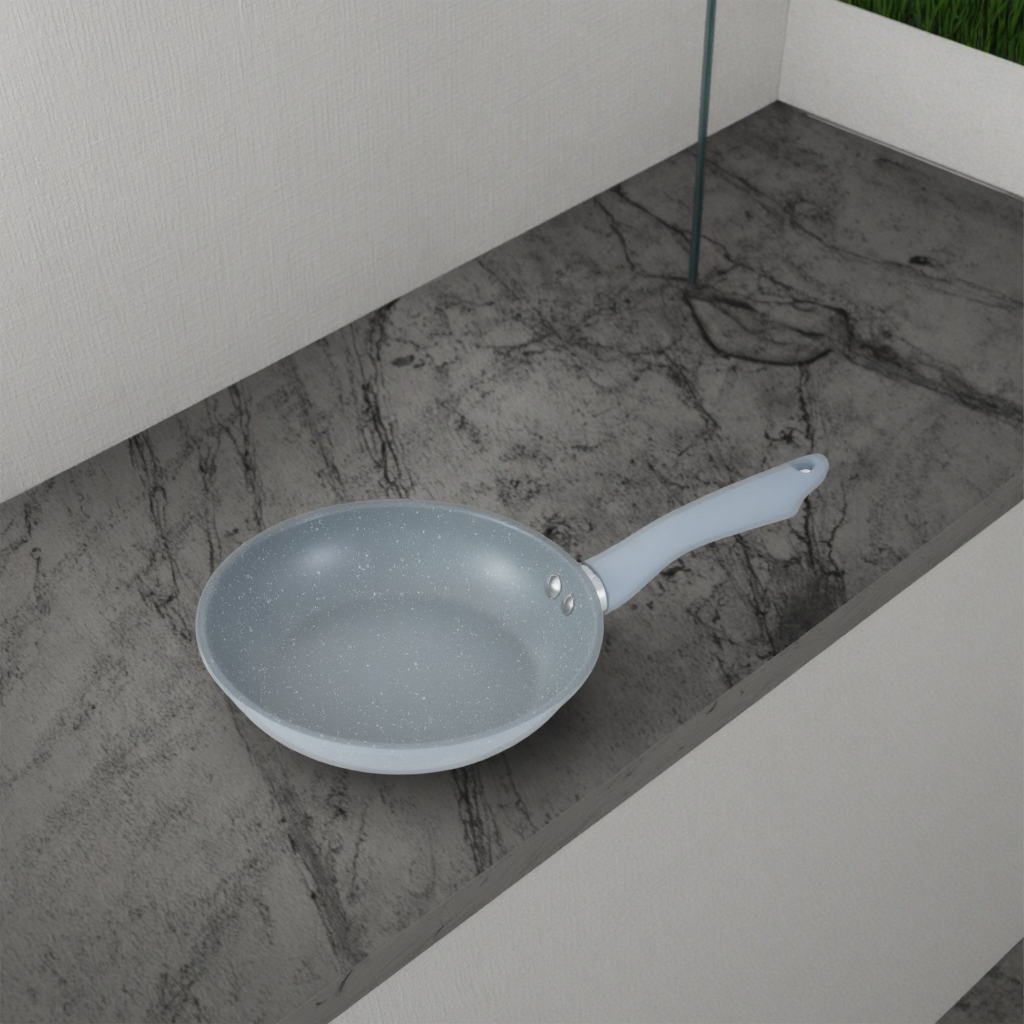
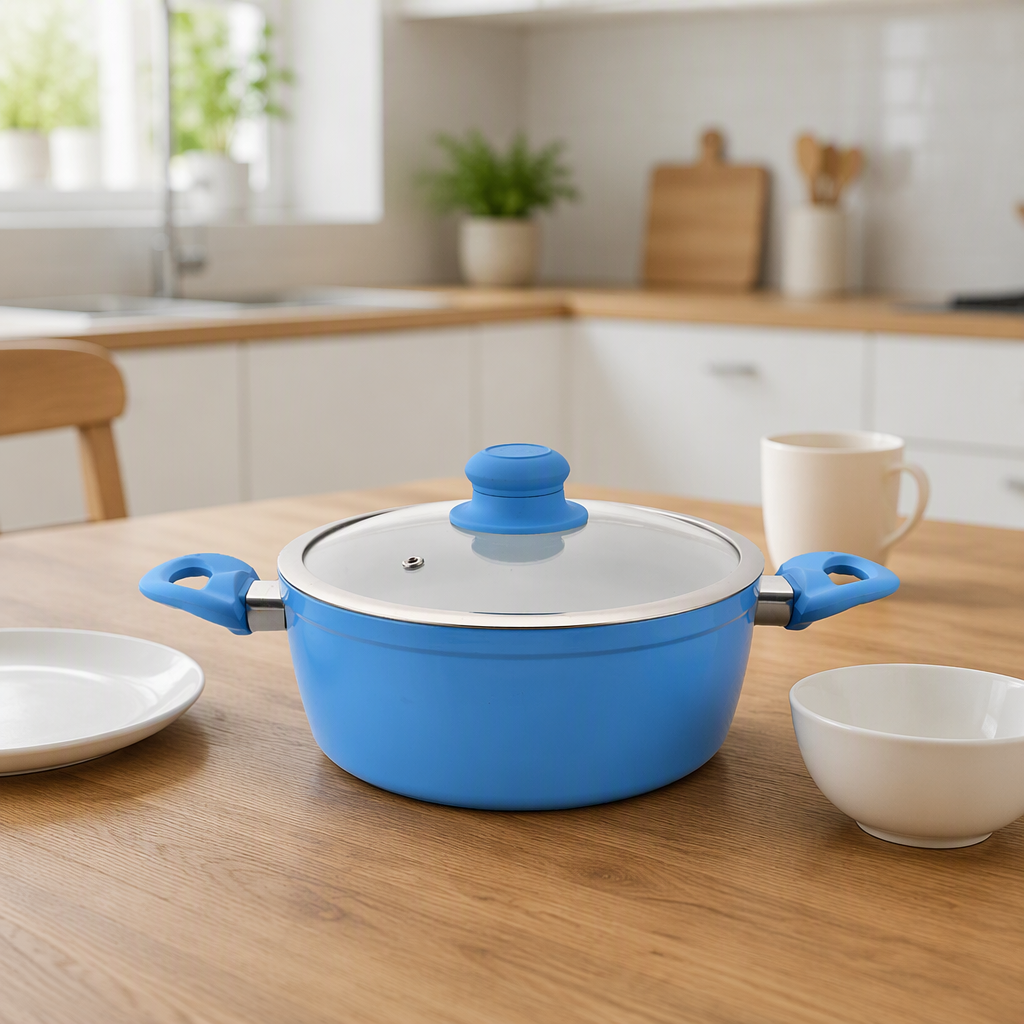
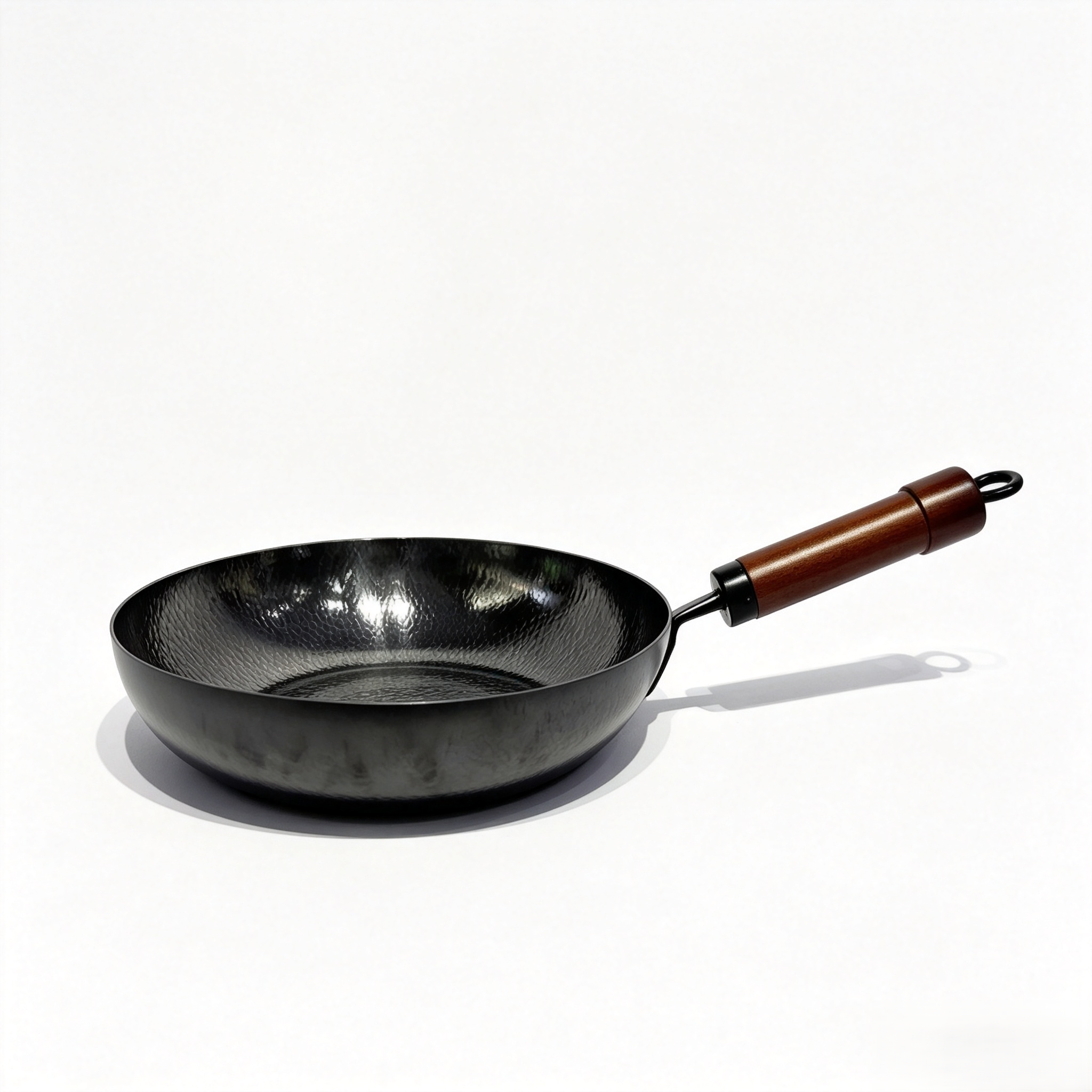
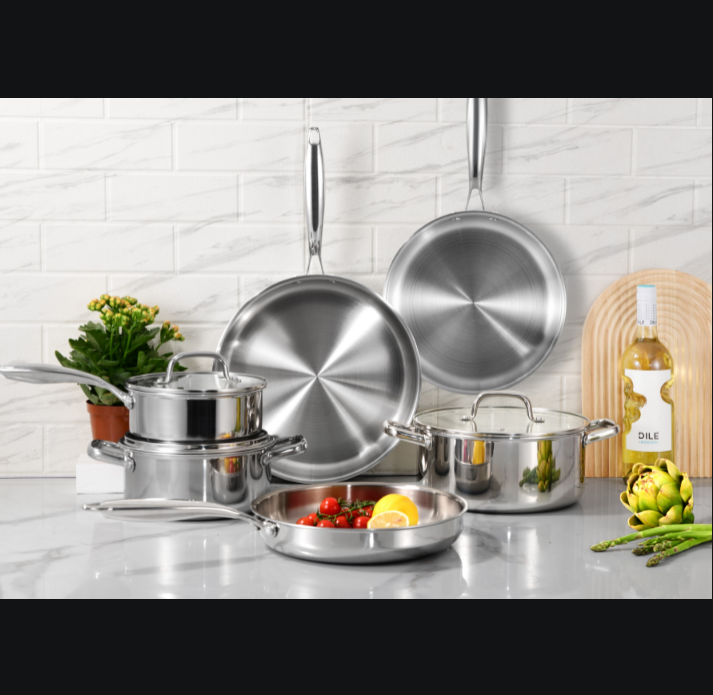
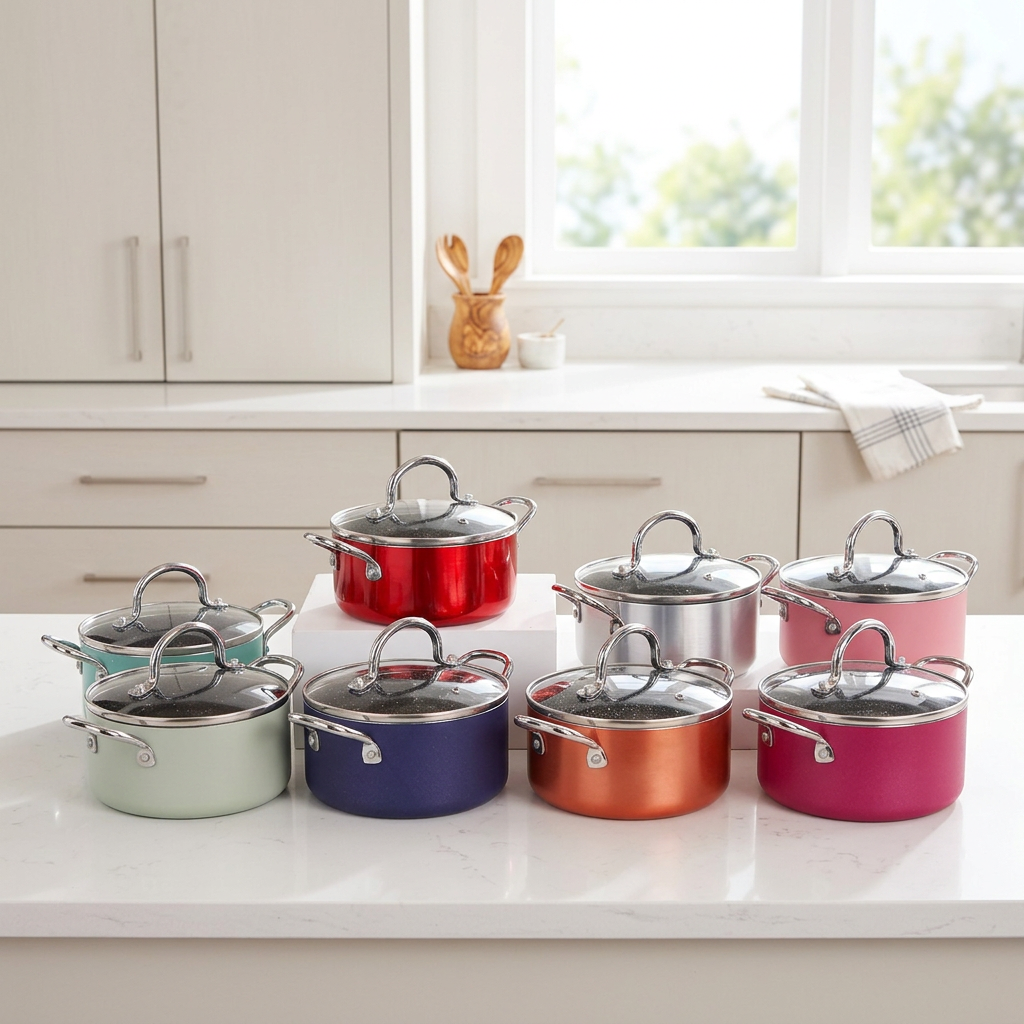
Engineering Superiority: Sol-Gel Ceramic Coating & Substrate Metallurgy
An exhaustive analysis of material chemistry, thermal dispersion, and manufacturing standards for global cookware procurement directors.
As consumer preferences globally pivot decisively away from legacy synthetic fluoropolymer coatings toward health-conscious, eco-friendly kitchenware, the international procurement landscape for frying pans has experienced a structural paradigm shift. Professional importers, distributors, and private-label brands are now challenged to source ceramic frying pans that achieve an intricate equilibrium: uncompromising, hydrophobic non-stick release properties combined with extreme thermal endurance, surface hardness, and strict global food-contact compliance.
1. The Chemistry of Sol-Gel Inorganic Ceramic Coatings
Unlike traditional PTFE (Polytetrafluoroethylene) coatings—which rely on fluorinated polymers applied via multi-layer liquid dispersions—modern inorganic ceramic non-stick coatings are synthesized utilizing Sol-Gel (Solution-Gelation) chemical processing. This advanced nanotechnology transforms liquid monomeric precursors (primarily silica alkoxides, $Si(OR)_4$) into an inorganic, dense, glass-like ceramic matrix ($SiO_2$) through continuous hydrolysis and condensation reactions at room temperature, followed by thermal curing.
This inorganic silica network offers extraordinary inherent benefits to commercial cookware buyers:
- Extreme Thermal Resistance: Sol-gel ceramic matrices remain molecularly stable at temperature spikes reaching up to 450°C (842°F) without blistering, peeling, or releasing toxic chemical fumes. In stark contrast, legacy PTFE begins degrading at 260°C and thermally decomposes above 350°C, releasing fluorinated pyrolysis byproducts.
- Total PFAS & PFOA Absence: Because sol-gel ceramic chemistry is inherently silicon-based, it is 100% free from Per- and Polyfluoroalkyl Substances (PFAS), Perfluorooctanoic Acid (PFOA), Lead, and Cadmium. This eliminates regulatory compliance risk under strict environmental legislation such as the EU REACH framework and US State-level chemical disclosure mandates (e.g., California AB 1200).
- Enhanced Surface Hardness: Cured sol-gel ceramic coatings exhibit an exceptional surface hardness rating (typically reaching up to 9H Pencil Hardness), providing superior scratch resistance against everyday culinary utensils compared to traditional soft elastomeric coatings.
2. Metallurgical Substrates: Pressed vs. Forged Aluminum vs. Carbon Steel
A non-stick coating is only as durable as the structural metal substrate beneath it. To prevent substrate warping under intense thermal shock—which causes uneven heating, oil pooling, and premature coating failure—our manufacturing lines employ three core structural metals tailored for specific market tiers:
Pressed Aluminum
Cold-stamped from high-purity 3003-series aluminum alloy sheets (thickness 2.0mm–3.0mm). Offers rapid thermal responsiveness and exceptional cost efficiency, making it ideal for high-volume retail promotions and entry-level cookware lines.
Forged Aluminum
Engineered via high-pressure hydraulic forging presses that shape pre-heated aluminum billets. This process creates a reinforced, ultra-thick rim (4.5mm–5.0mm) and base, retaining high structural density to completely eliminate high-heat thermal warping.
Heavy Carbon Steel
Cold-rolled carbon steel combining lightweight agility with high structural rigidity. Inherently magnetic, carbon steel provides seamless full-surface energy transfer on induction hobs without requiring an added bonded steel plate.
3. B2B Sourcing Engineering Comparison Matrix
To assist procurement managers in selecting the optimal product specifications for their target price point and market positioning, the following matrix outlines key technical attributes across our core product categories:
| Performance Indicator | Pressed Aluminum Series | Forged Ceramic Series | Carbon Steel Non-Stick | Tri-Ply Stainless Series |
|---|---|---|---|---|
| Base Gauge / Thickness | 2.0mm – 3.0mm | 4.0mm – 5.5mm | 1.0mm – 2.0mm | 2.5mm (SS304 + Al + SS430) |
| Thermal Shock Tolerance | Standard (Up to 220°C) | High (Up to 350°C) | Very High (Up to 400°C) | Maximum (Up to 450°C) |
| Induction Efficiency | Hole-punch Spray/Impact Disc | Full-Bound Induction Base | 100% Native Magnetic Base | 100% Native SS430 Base |
| Abrasion Endurance (Cycles) | > 8,000 Cycles (BS EN 12983) | > 25,000 Cycles (Reinforced) | > 15,000 Cycles | > 35,000 Cycles |
| Target Retail Segment | Mass Retail / Supermarkets | Premium Department Stores / E-Com | Value Chains / Specialty Stores | Commercial Catering / Luxury Brands |
Future Procurement Trends in Ceramic Cookware (2025–2030)
Anticipating global regulatory shifts, material science breakthroughs, and evolving consumer buying behaviors.
1. Regulatory Tightening on PFAS Chemicals
Global regulatory bodies are executing sweeping bans on all fluorinated substances. The European Chemicals Agency (ECHA) universal PFAS restriction proposal, along with state-level mandates across North America, is forcing retailers to replace legacy non-stick cookware with certified sol-gel ceramic solutions. Sourcing ceramic cookware now protects brands against imminent supply chain disruption and regulatory fines.
2. ESG Compliance & Recycled Aluminum Billets
Institutional buyers and major European retail conglomerates now require ESG auditing throughout the tier-1 supply chain. The future of ceramic frying pan manufacturing relies heavily on using 75% to 95% post-consumer recycled aluminum. Recycled aluminum consumes 95% less electrical energy during smelting compared to primary bauxite processing, dramatically reducing Scope 3 greenhouse gas emissions.
3. Space-Saving Modular & Detachable Handles
Skyrocketing ocean freight charges and urban apartment living have driven demand for modular, stackable cookware sets featuring click-lock detachable handles. Removing fixed handles allows nested packaging, increasing container loading density by up to 250% per FEU (Forty-Foot Equivalent Unit) and slashing shipping costs per unit.
4. Advanced Hybrid Nanocomposite Coatings
The next generation of ceramic non-stick coatings incorporates microscopic diamond particles, silicon carbide whiskers, or titanium plasma underlayers. These hybrid ceramic matrices significantly increase scratch resistance, bridging the historical durability gap between traditional PTFE and early-generation ceramics.
Factory Engineering Advantages: Zhejiang MEIS Kitchenware Co., Ltd.
Located in the heart of Zhejiang's hardware industrial cluster (Dongnan Industrial Zone, Shuxi Street, Jinhua), Zhejiang MEIS Kitchenware Co., Ltd. operates a premier, vertically integrated cookware manufacturing facility. Assessed on-site by TÜV Rheinland, our modern factory delivers end-to-end OEM and ODM capabilities for top-tier brand owners, importers, and e-commerce leaders worldwide.
- 20+ Years Sourcing & Production Excellence
- TÜV Rheinland On-Site Verified Facility
- In-House Mold Manufacturing & CNC Precision Tooling
- Fully Automated Dust-Free Spray Coating Lines
- 100% In-House Quality Assurance Laboratory
- Comprehensive LFGB, FDA, REACH & DGCCRF Compliance
Essential B2B Procurement Q&A
Technical, logistical, and commercial inquiries answered by our senior engineering and export management team.
Is Zhejiang MEIS Kitchenware a direct factory or a trading company?
Zhejiang MEIS Kitchenware Co., Ltd. is an on-site verified manufacturer and exporter with our own production campus in Dongnan Industrial Zone, Shuxi Street, Jinhua, Zhejiang, China. We operate complete hydraulic pressing, CNC machining, automated surface shot-blasting, dust-free ceramic spray coating, and assembly lines. Our facility is audited and verified by TÜV Rheinland.
What are the Minimum Order Quantity (MOQ) requirements for OEM orders?
For standard single-item ceramic frying pans or cookware items, our standard MOQ ranges from 1,000 to 3,000 pieces per size and color way. For complete multi-piece boxed cookware sets, the baseline MOQ is typically 1,000 to 1,500 sets. Trial orders for selected hot-selling catalog models can be accommodated at lower volumes upon request.
What international food safety and chemical compliance standards do your pans meet?
All ceramic coatings applied at our facility are rigorously tested and certified to comply with global food contact regulations, including FDA 21 CFR 175.300 (United States), German LFGB (Articles 30 & 31), EU Regulation No. 1935/2004, French DGCCRF, and California Proposition 65. Comprehensive chemical migration test reports are provided with every mass-production run.
How do you conduct quality control and durability testing in-house?
Our internal Quality Assurance laboratory performs strict batch testing according to BS EN 12983-1 standards. Key quality checks include:
- Cross-hatch coating adhesion testing (ASTM D3359).
- Salt-spray corrosion chamber testing for exterior durability.
- Handle fatigue resistance, torque torsion, and static load pull tests.
- Thermal shock endurance (repeated heating to 250°C followed by immediate cold water quenching).
Can you manufacture custom handle designs and private-label packaging?
Yes. We provide complete OEM/ODM solutions. Our in-house engineering team designs and manufactures custom tooling for unique pan silhouettes, soft-touch Bakelite handles, cast stainless steel handles, and wood-effect silicone finishes. Furthermore, our graphic design team develops custom color gift boxes, mail-order packaging, drop-test reinforced master cartons, and branded laser-engraved base logos.
What is the typical production lead time from order confirmation to shipment?
Initial OEM orders requiring customized mold making or custom color matching take approximately 35 to 45 days after sample approval and deposit receipt. Repeat orders for existing catalog items are generally completed within 30 to 35 days. Express sampling is available within 7 to 10 working days.
Request a Custom Factory Quote Today
Partner with Zhejiang MEIS Kitchenware Co., Ltd. for verified quality, competitive factory-direct pricing, and dependable global delivery. Contact our export specialists now.