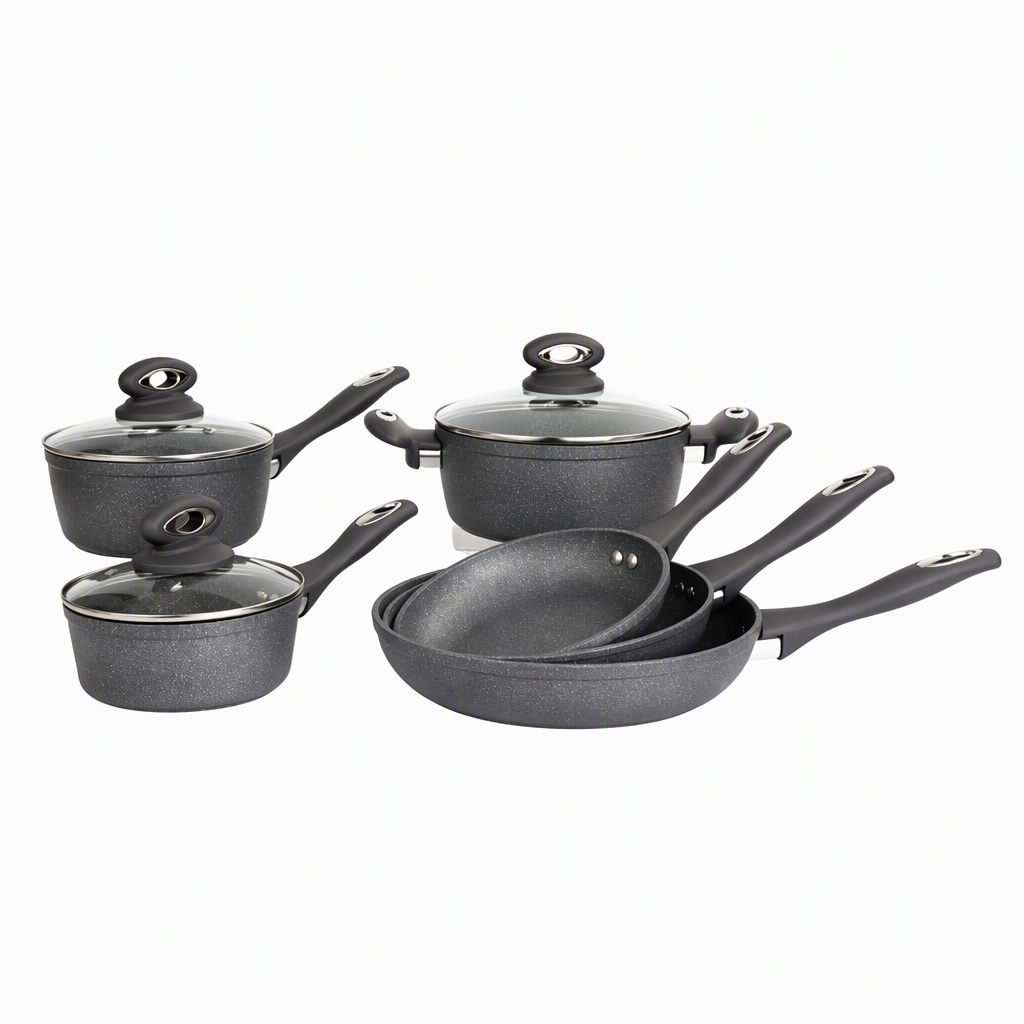
Catalog Showcase
Featured Ceramic & Non-Stick Cookware Systems
Direct-from-factory cookware solutions optimized for international distributors, brand owners, and retail chains.
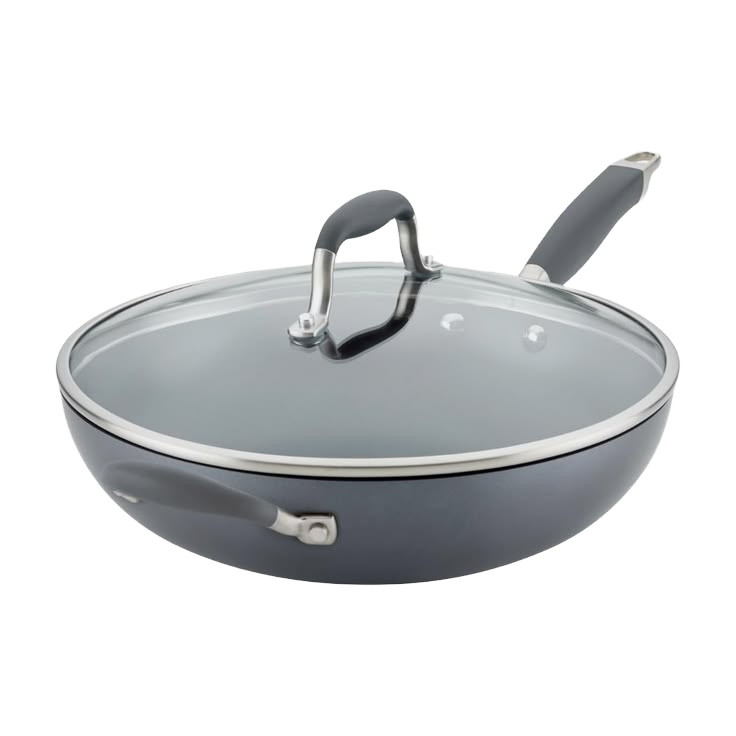
European-Style Frying Pan 26/28/30cm Pressed Aluminum Alloy Non-stick Ceramic Coating Induction Bottom Glass Cover Oven Safe
View Details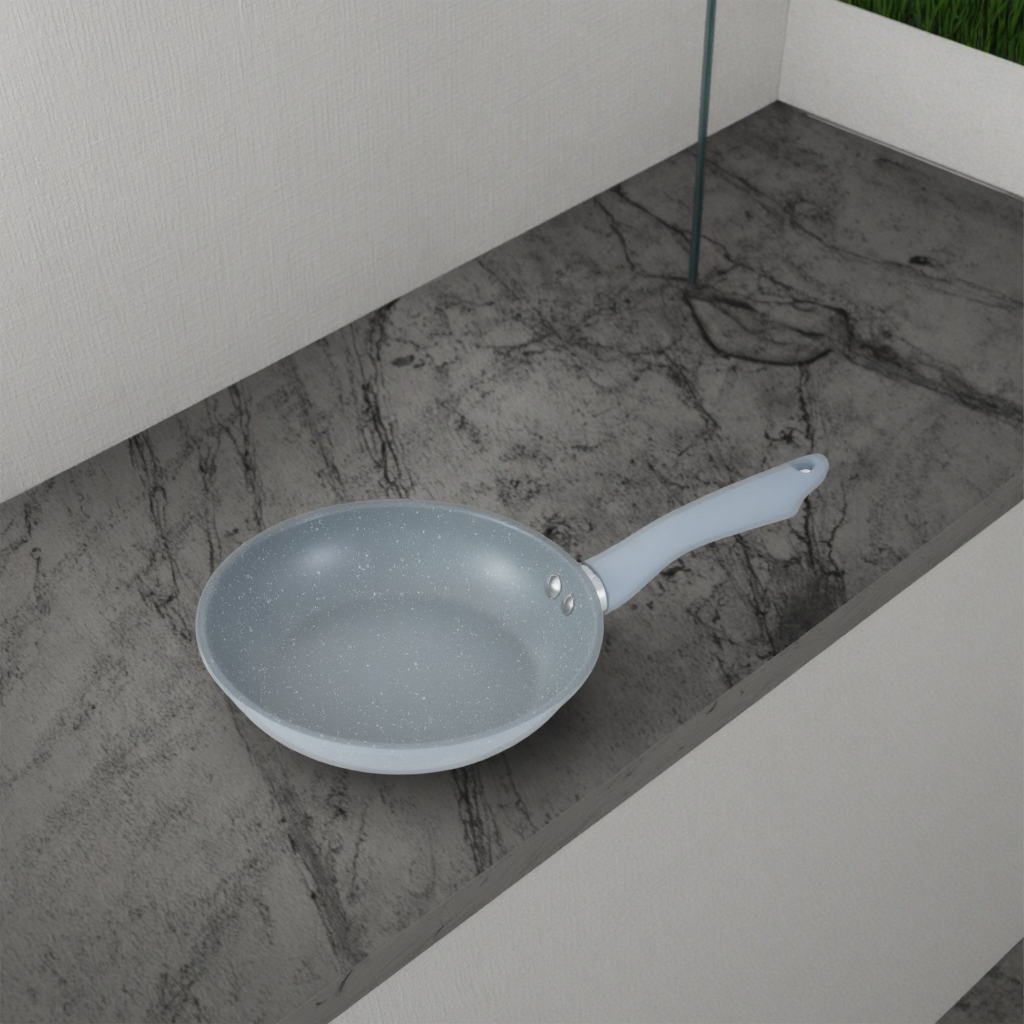
10-Inch Heavy Gauge Carbon Steel Fry Pan with Bakelite Soft Touch Handle Ceramic Non-Stick Eco-Friendly Pans
View Details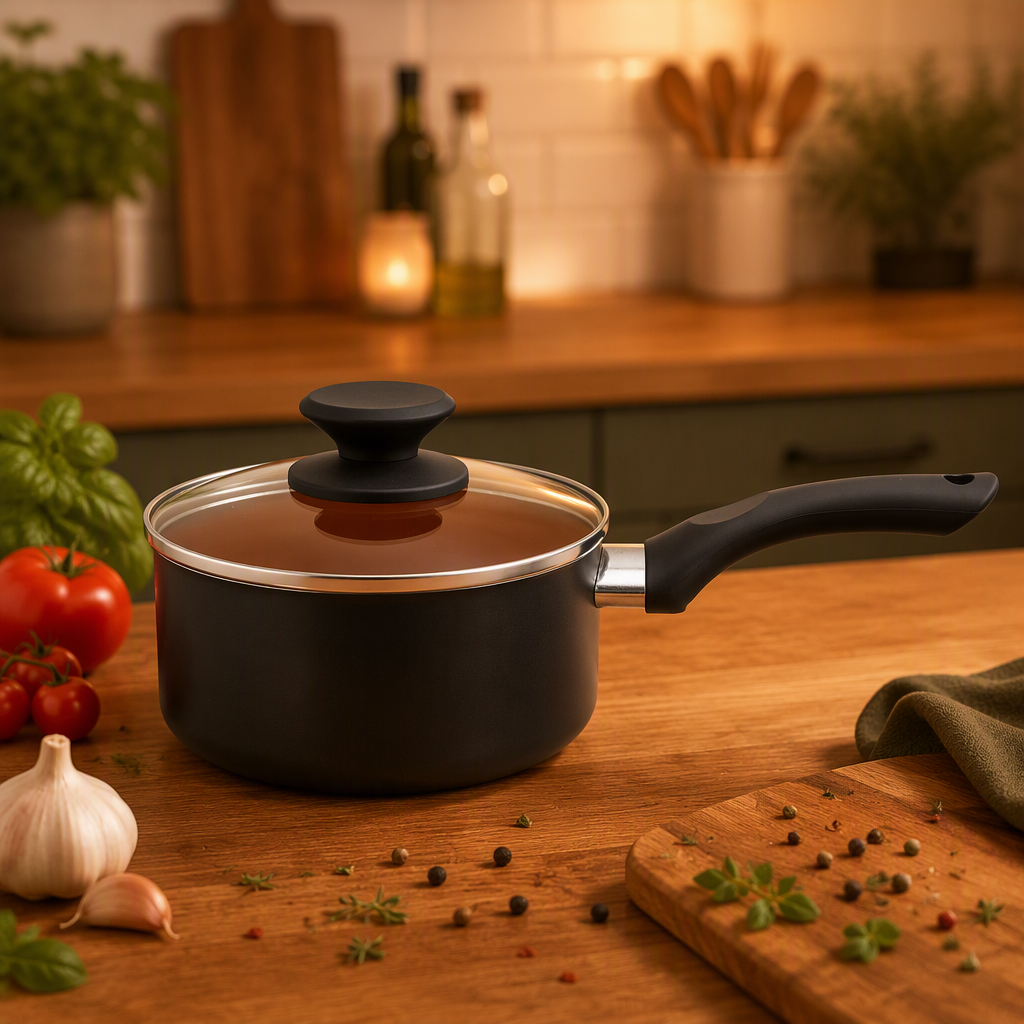
24 cm Non Stick Aluminum Saucepan with Glass Lid Multi Layer Coating Lightweight Cooking Pot for Gas and Induction
View Details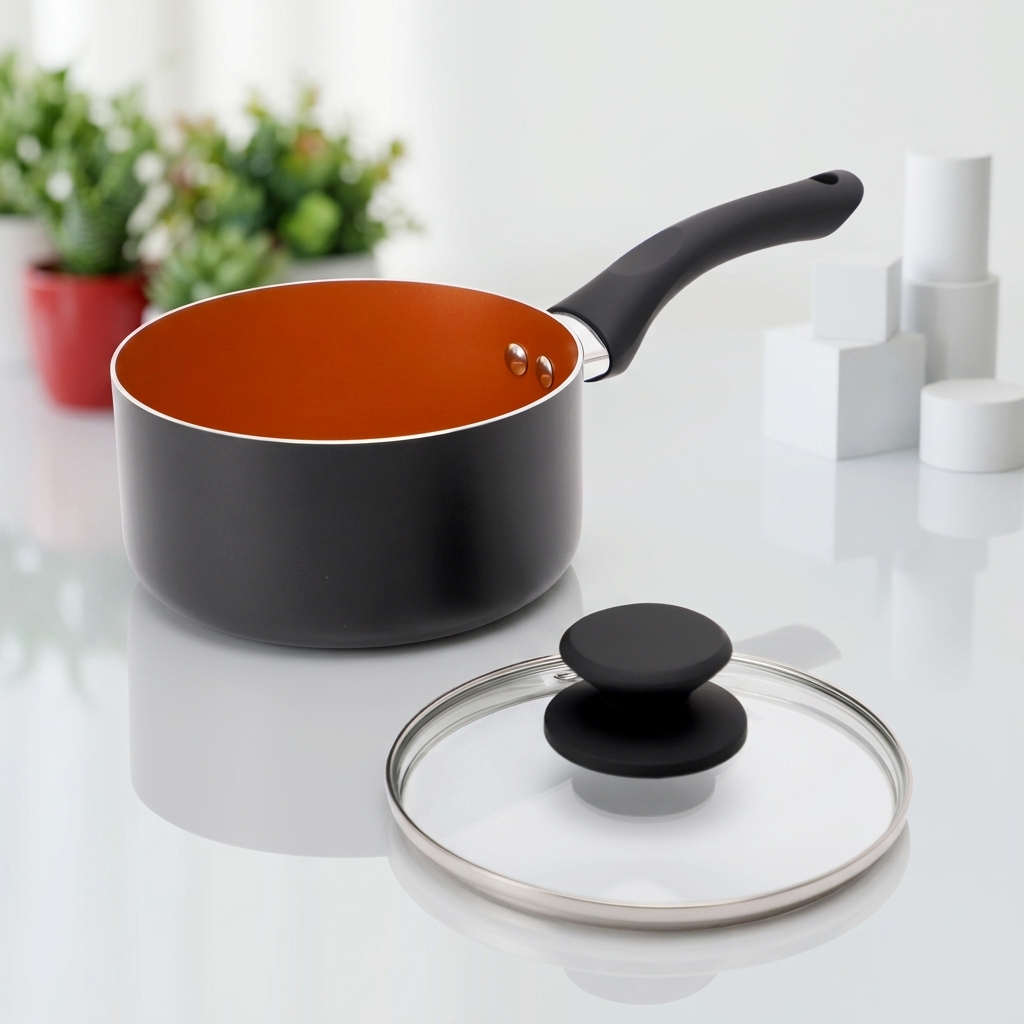
1.5QT Modern Metal Sauce Pan Glass Lid Non-Stick Coating 2-Layer Ceramic Interior Eco-Friendly Black Bakelite Soft Touch Handle
View Details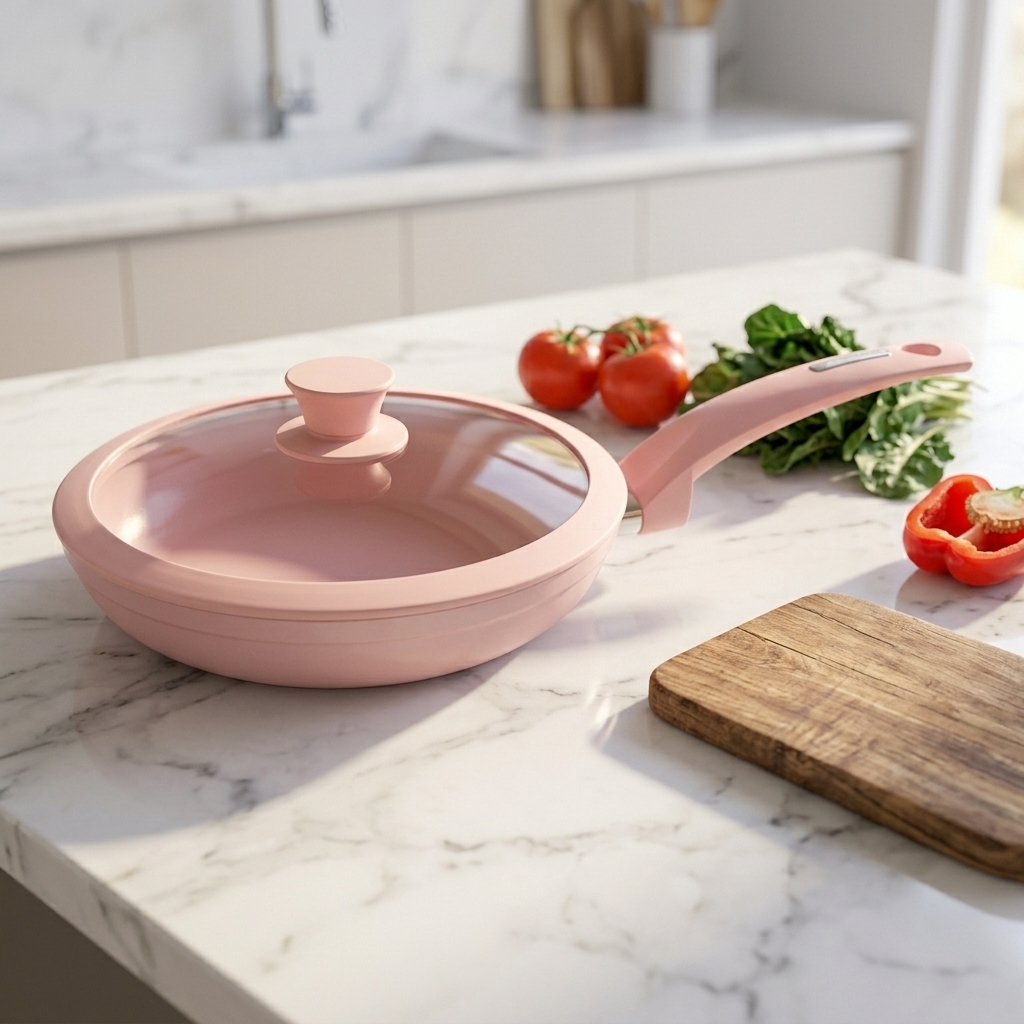
Factory Price Customized Colorful 22 cm Forged Aluminium Non-Stick Fry Pan with Glass Cover Durable for All Heat Sources
View Details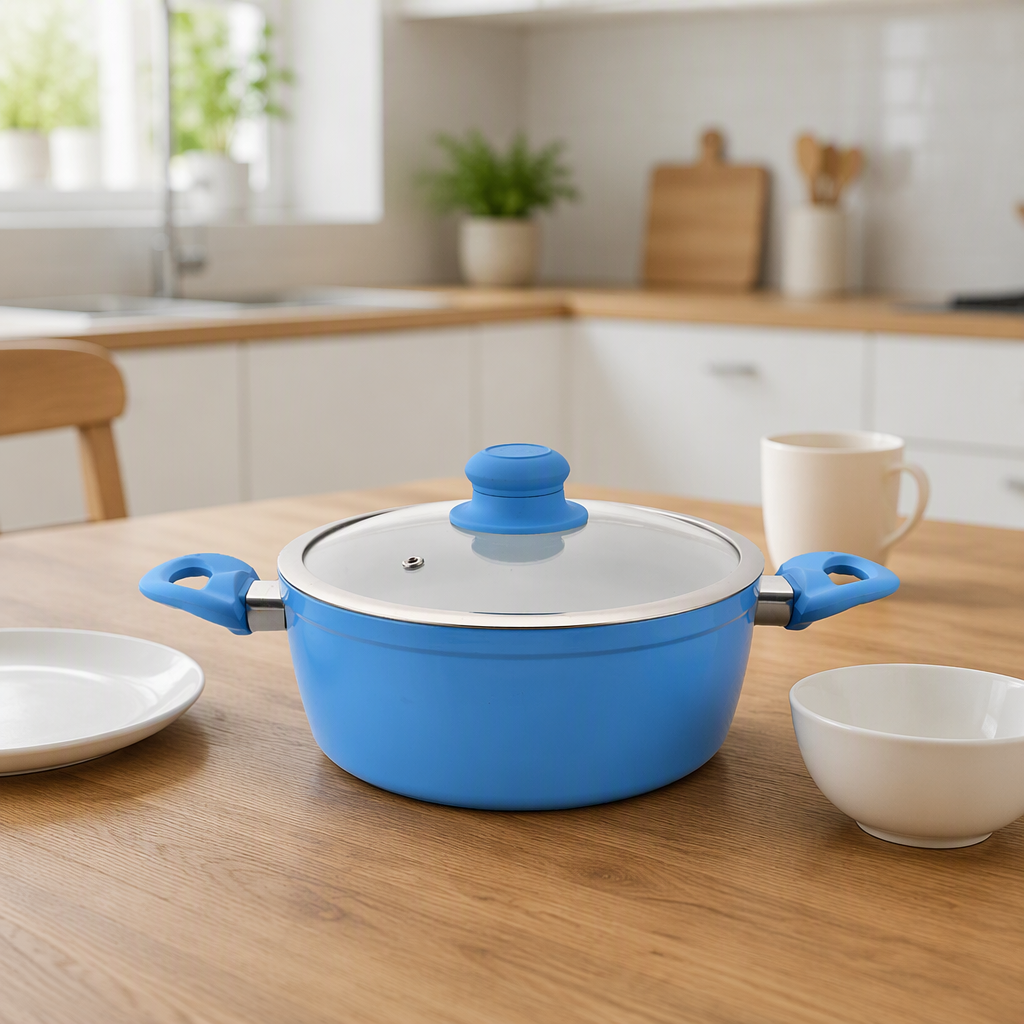
24 cm Durable and Lightweight Forged Non Stick Casserole Soup Pot with Bakelite Handle and Glass Lid for All Heat Sources
View Details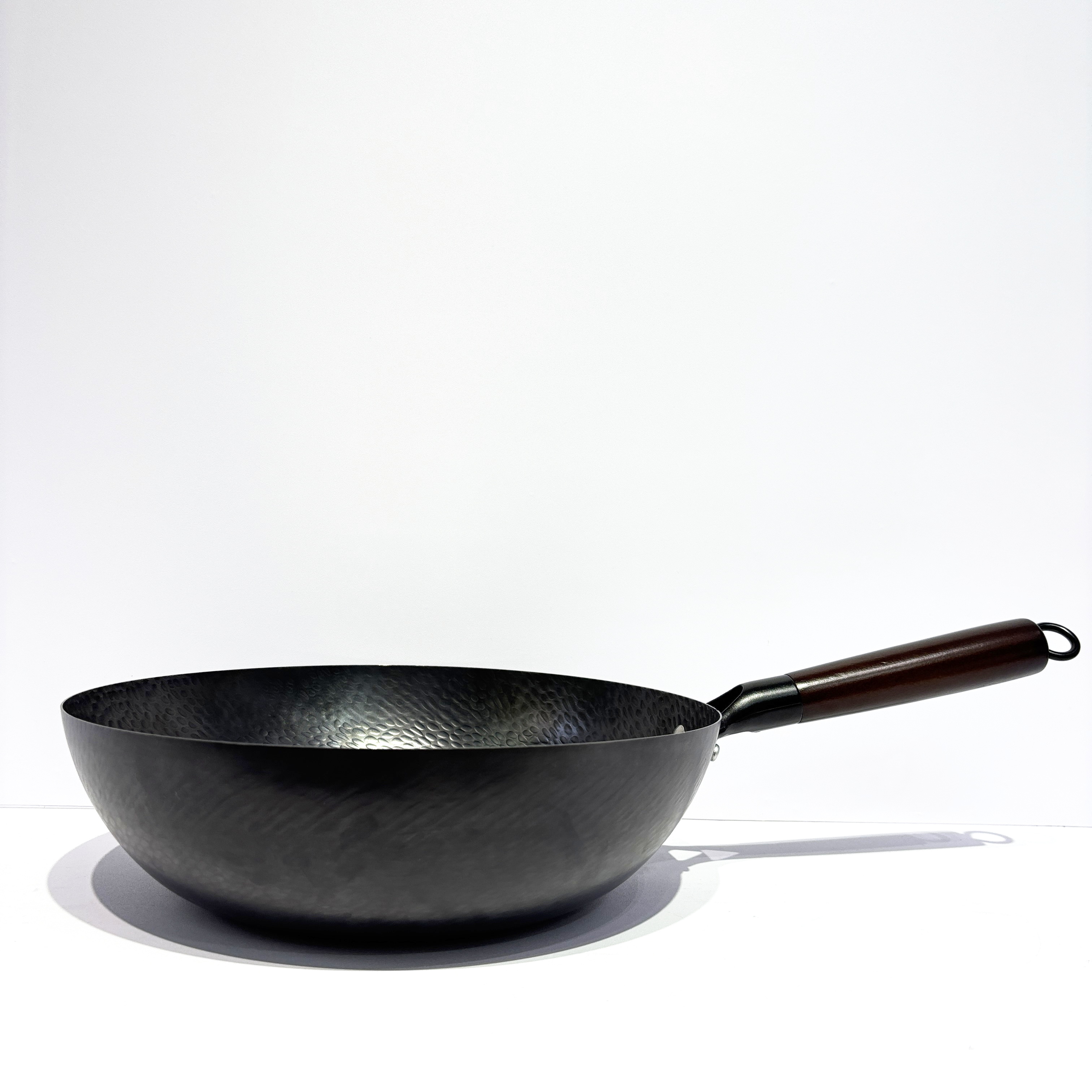
CAMRY Customized Logo No Coating Nitrided Nonstick Hammered Carbon Steel Wok Wooden Handle 2-3L Capacity Gas Induction
View DetailsExecutive Summary: Sourcing High-Performance Ceramic Cookware
In the rapidly evolving global kitchenware market, commercial buyers, brand importers, and large-scale retailers face a transformative shift driven by stringent consumer health requirements and tightening environmental regulations. The modern consumer demands non-toxic, eco-friendly cooking vessels that perform reliably without compromising on durability or aesthetic elegance. Ceramic cookware—specifically silicon-dioxide (SiO2) inorganic Sol-Gel ceramic matrix coatings—has emerged as the premier alternative to traditional fluoropolymer (PTFE/PFAS) coatings.
As a leading custom manufacturer headquartered in Jinhua, Zhejiang, China, Zhejiang MEIS Kitchenware Co., Ltd. presents this comprehensive technical whitepaper. Designed specifically for professional procurement managers, OEM brand directors, and supply chain executives, this document outlines the fundamental material science, structural engineering standards, production logistics, and future market trajectories required to select a top-trusted ceramic pots and pans supplier and exporter.
Key Strategic takeaway for Sourcing Directors: Sourcing high-grade ceramic cookware requires looking beyond surface aesthetics. Long-term commercial success relies on selecting a factory capable of precise substrate metallurgy, multi-layer automated Sol-Gel application, controlled high-temperature thermal curing (400°C+), and strict adherence to international safety standards (LFGB, FDA, DGCCRF, EU REACH).
Inorganic Sol-Gel Chemistry
Synthesized from natural silica sand, our ceramic coatings form a dense inorganic network that resists thermal degradation up to 450°C without emitting toxic fumes or breakdown products.
Advanced Metallurgy
Utilizing high-purity 3000-series aluminum alloy discs, precision forged or pressed to achieve optimal thickness distribution, preventing thermal warping and hot spots.
TÜV On-Site Audited QC
Every batch undergoes rigorous quality validation including salt-spray corrosion resistance, cross-hatch adhesion testing, handle torque/fatigue testing, and abrasion cycles.
1. The Science of Sol-Gel Ceramic Non-Stick Coatings
To evaluate a ceramic pots and pans supplier, supply chain professionals must understand the material engineering that distinguishes premium ceramic coatings from standard non-stick surfaces. Traditional non-stick cookware relies on polytetrafluoroethylene (PTFE), synthesized using synthetic polymers. Under elevated temperatures (exceeding 260°C/500°F), PTFE structures degrade, posing potential chemical emissions. Ceramic coatings, conversely, are formed through Sol-Gel technology.
The Sol-Gel process converts liquid chemical solutions ("sol") into an integrated solid network ("gel"). The primary constituent is silicon dioxide (SiO2), derived naturally from quartz and sand. The solution is sprayed onto pre-treated metal substrates and cured in specialized high-temperature tunnels at temperatures exceeding 400°C. This thermal cure fuses the silica particles into a glassy, diamond-hard inorganic ceramic coating that exhibits unique physical attributes:
- Thermal Tolerance: Sol-Gel ceramic coatings withstand extreme temperatures up to 450°C (842°F) without structural blistering, peeling, or hazardous off-gassing.
- Surface Hardness: Achieving 8H to 9H pencil hardness ratings, providing superior scratch resistance compared to organic polymer coatings.
- Chemical Inertness: Completely free from PFOA, PFOS, PTFE, Lead, Cadmium, and heavy metal additives, guaranteeing 100% compliance with food-contact regulations worldwide.
- Hydrophobic Surface Energy: Low surface energy prevents food particles from bonding, allowing effortless cooking with minimal fat and rapid cleaning.
Technical Benchmark: Sol-Gel Ceramic vs. Traditional Coating Technologies
| Evaluation Parameter | Sol-Gel Ceramic Coating | Multi-Layer PTFE Coating | Enamel-Coated Iron |
|---|---|---|---|
| Primary Base Material | Inorganic Silica (SiO2) Sol-Gel | Synthetic Fluoropolymer | Vitreous Glass Fused to Metal |
| Thermal Resistance Limit | 450°C / 842°F (No toxic fumes) | 260°C / 500°F (Degradation threshold) | 500°C / 932°F |
| Chemical Safety Profile | 100% PFAS, PFOA & Lead Free | Requires chemical additives | Heavy-metal free (certified) |
| Substrate Compatibility | Forged/Pressed Aluminum, Carbon Steel | Aluminum, Stainless Steel | Cast Iron, Heavy Carbon Steel |
| Thermal Conductivity | Excellent (Fast heat transfer) | Moderate | Slower, High retention |
| Abrasion Durability (BS EN 12983) | High (Reinforced ceramic matrices) | Moderate to High | Extremely High (Chip sensitive) |
2. Substrate Metallurgy & Precision Factory Engineering
A ceramic coating is only as reliable as the metal substrate upon which it is bonded. Inferior substrate preparation leads to delamination, localized warping, uneven thermal expansion, and premature coating failure. At Zhejiang MEIS Kitchenware Co., Ltd., our manufacturing methodology encompasses rigorous metallurgical control across three core material lines:
A. Forged Aluminum Cookware Systems
Forged cookware represents the pinnacle of thermal efficiency and mechanical durability for mid-to-premium retail programs. High-purity aluminum discs are subjected to multi-ton hydraulic forging presses, shaping the vessel with varying wall thicknesses—typically a thick bottom (4.0mm to 5.5mm) transitioning to lighter sidewalls (2.5mm to 3.5mm). This structural distribution ensures:
- Elimination of base warping during rapid temperature fluctuations (thermal shock resistance).
- Even heat distribution from center to rim, reducing hot spots that cause food burning.
- Lower overall weight compared to cast iron, maximizing operational ergonomics in kitchen environments.
B. Pressed Aluminum Cookware
Precision-stamped from high-grade aluminum sheets (ranging from 2.0mm to 3.5mm gauge), pressed aluminum cookware provides an optimal balance of swift heat response and cost-effective production logistics. It is the preferred substrate for high-volume retail promotions, supermarket programs, and entry-level cookware sets.
C. Heavy Gauge Carbon Steel
Combining the fast thermal response of aluminum with the structural rigidity and natural magnetic qualities of iron, heavy gauge carbon steel is naturally induction-ready without requiring an secondary bonded base plate. When coated with multi-layer Sol-Gel ceramic interior systems, carbon steel cookware yields extreme durability for high-heat frying, searing, and oven baking.
20+
Years Manufacturing
105
Verified Personnel
100%
TÜV On-Site Audited
50+
Export Destinations
3. Enterprise Strengths: Why Sourcing Directors Partner with MEIS
Operating out of the Dongnan Industrial Zone in Shuxi Street, Jinhua, Zhejiang, Zhejiang MEIS Kitchenware Co., Ltd. stands as an audited manufacturing landmark in China’s cookware industry. With over 20 years of dedicated OEM/ODM production experience and 18 years serving global trade networks, our factory integrates every phase of production under one standardized quality management system.
In-House Tooling & CNC Machining
We operate proprietary mold-making, lathe, and CNC processing workshops. This allows rapid prototyping of custom pan shapes, specialized handle geometries, and short development cycles for new ODM product launches.
Automated Spray & Curing Lines
Our fully enclosed, climate-controlled spray coating lines utilize multi-axis robotic spraying heads to maintain strict coating thickness uniformity (within ±2 microns), eliminating pinholes and thin spots.
Comprehensive Testing Laboratory
Before shipment, product samples undergo salt-spray testing for corrosion resistance, thermal shock cycles, handle fatigue tests, handle torsion testing, and coating adhesion cross-hatch tape checks.
By controlling raw material sourcing (inspecting aluminum ingot purity), controlling surface mechanical pre-treatment (shot-blasting and micro-etching for superior coating mechanical interlock), and maintaining rigorous final packing inspection protocols, MEIS guarantees consistent quality across mass shipments for global retailers and private-label brands.
4. Future Product Sourcing Trends in Ceramic Cookware (2025–2030)
Procurement directors must align their product development cycles with macro-level consumer behaviors, technological innovations, and legislative updates. Sourcing strategies for the coming decade are driven by four critical market trends:
1. Legislative Mandates Against PFAS/PFOA Chemicals
Governmental regulatory frameworks—such as the European Union’s REACH restrictions and various U.S. state legislations (including California AB 1200, Maine, and Minnesota PFAS prohibitions)—are actively phasing out fluorinated organic compounds. Importers are rapidly converting legacy PTFE catalogs to non-toxic ceramic Sol-Gel lines. Early adopters gain significant market share and avoid supply chain disruption.
2. Space-Saving Modular Designs (Detachable Handle Systems)
With urbanization driving smaller living spaces and e-commerce shipping costs prioritizing volumetric efficiency, detachable handle cookware sets (such as our forged aluminum stackable series) are experiencing explosive demand growth. Removing the handle allows a 10-piece set to nest inside a compact carton, reducing ocean freight volume by up to 60% and enabling seamless oven-to-table functionality.
3. Micro-Particle Ceramic Reinforcement Technologies
Next-generation ceramic coatings integrate natural mineral speckling, titanium micro-particles, or diamond dust matrix reinforcement into the Sol-Gel structure. These hybrid coatings—such as granite, marble, and titanium ceramic finishes—substantially increase scratch resistance and extend non-stick lifespan while serving consumer demand for natural stone aesthetics.
4. Universal Induction Base Optimization
Induction cooktop penetration continues to expand across North America, Europe, and Asia-Pacific. Sourcing managers must ensure that aluminum cookware features full-bound or hole-pattern induction base plates made from magnetic stainless steel (AISI 430). Proper base bonding prevents plate separation after thermal cycling and optimizes electromagnetic heating efficiency.
5. Sustainable Manufacturing Trends & Supply Chain Transparency
As corporate Environmental, Social, and Governance (ESG) mandates become mandatory criterion for international retail buyers, cookware manufacturing is undergoing a green transformation. Key industry developments include:
- Recycled Aluminum Substrates (R-Al): Utilizing high-purity post-industrial and post-consumer recycled aluminum billets significantly lowers the carbon footprint of manufacturing, reducing energy consumption by up to 95% compared to primary smelting.
- Energy-Efficient Thermal Curing: Modern ceramic curing ovens utilize heat-recovery recycling technology, burning cleaner natural gas while redirecting thermal energy to reduce overall facility carbon emissions.
- E-Commerce Packaging Optimization (ISTA 3A Standard): Replacing single-use plastics and expanded polystyrene (EPS) with 100% recyclable molded paper pulp, honeycomb cardboard internal dividers, and high-strength outer cartons designed to withstand drop-testing for direct-to-consumer delivery.
6. Comprehensive B2B Sourcing FAQ
Direct answers to critical operational questions asked by purchasing officers, quality compliance directors, and brand managers prior to contracting mass production:
Q:
Is Zhejiang MEIS Kitchenware Co., Ltd. a direct factory or a trading entity?
Zhejiang MEIS Kitchenware Co., Ltd. is an audited manufacturer and trading company operating its own physical production facility in Jinhua, Zhejiang, China. The factory spans dedicated pressing, CNC, spray coating, handle riveting, and assembly lines, and has been assessed on-site by TÜV Rheinland.
Q:
What food safety certifications do your ceramic coatings hold?
All ceramic coatings applied at our facility are fully certified compliant with global food contact directives, including European LFGB, U.S. FDA, French DGCCRF, and EU Regulation (EC) No 1935/2004. Comprehensive chemical migration test reports are provided per order batch.
Q:
What are the typical Minimum Order Quantities (MOQs) for OEM/ODM orders?
MOQs depend on the product specification and customization complexity. Standard cookware sets and individual forged/pressed aluminum items typically start at 1,000 to 3,000 units/sets per model. Selected standard items can be produced in smaller trial batches starting from 50 to 500 units upon agreement.
Q:
How do you prevent ceramic coating peeling and chipping over repeated usage?
Coating adhesion is achieved through automatic high-pressure shot blasting (sandblasting) of the bare aluminum substrate, creating micro-texture anchor points. We apply high-performance primer coats followed by Sol-Gel topcoats, cured in temperature-regulated tunnel ovens with strict dwell time controls.
Q:
Can your cookware be customized for private label branding?
Yes. We offer complete OEM/ODM private-label manufacturing, including custom exterior Pantone color matching, laser-engraved bottom logos, custom handle molds (bakelite, soft-touch silicone, or cast stainless steel), custom glass lid knobs, and retail gift-box packaging designs.
Q:
What is the lead time for tooling, prototyping, and mass production?
Custom mold development and prototype 3D sampling generally require 15 to 25 days depending on complexity. Once pre-production samples are approved, standard mass production lead times range between 35 and 45 days after deposit confirmation.
Q:
Are ceramic-coated pots and pans fully induction compatible?
Yes. For aluminum substrates, we apply impact-bonded or spray-soldered AISI 430 magnetic stainless steel bottom plates. Our carbon steel cookware lines are naturally magnetic and provide 100% full-surface induction efficiency without extra base attachment.
Q:
How does ceramic cookware perform in dishwasher and high-heat oven environments?
Sol-Gel ceramic coatings exhibit high heat tolerance up to 450°C, making the cookware body completely oven safe. While dishwashers are technically compatible, hand washing with mild detergents is recommended for all non-stick cookware to preserve maximum hydrophobic surface performance over time.
Q:
What quality assurance processes are executed before container loading?
Our QA protocol includes raw material aluminum purity checks, in-line coating dry-film thickness (DFT) verification, cross-hatch adhesion testing, handle fatigue/bending test, base flatness check, drop testing for packaging, and 100% visual inspection prior to cartoning. Third-party inspections (SGS, TÜV, BV) are routinely welcomed.
Q:
How does MEIS support e-commerce brand buyers (Amazon, Shopify, Mail Order)?
We provide specialized e-commerce support, including drop-test-certified mail-order packaging (ISTA 3A / 6-AMAZON.com), compact nesting cookware designs to reduce dimensional weight shipping charges, barcode labeling, and flexible product bundling customization.
7. Strategic Sourcing Checklist for Cookware Buyers
When issuing Requests for Quotation (RFQs) to potential Chinese cookware exporters, purchasing teams should verify the following engineering parameters to ensure supplier capability and avoid quality disputes:
B2B RFQ Verification Protocol:
- Verify aluminum alloy grade (e.g., A3003 or A1100) and exact base/rim thickness specs.
- Specify exact Sol-Gel ceramic coating brand or chemical formulation supplier.
- Define required non-stick abrasion test standards (e.g., BS EN 12983-1 or LGA tests).
- Confirm base flat-plate tolerance (max 0.6% concavity at ambient temperature).
- Confirm handle assembly torque limits (min 6 Nm force endurance) and fatigue test cycles.
Choosing a reliable manufacturing partner is the single most significant factor in maintaining product performance, brand reputation, and operational profitability. Zhejiang MEIS Kitchenware Co., Ltd. remains dedicated to advancing ceramic cookware engineering, offering transparent supply chain cooperation, competitive factory-direct pricing, and dependable global export support.
Partner with a Verified Ceramic Cookware Exporter
Looking to develop a custom ceramic pots and pans line, request OEM product samples, or obtain a competitive factory quote? Our engineering and international export sales team is ready to assist your procurement needs.