Commercial-Grade Skillet & Cookware Portfolio
Engineered for high-volume wholesale distributors, private label brands, and global retail chains. Certified food-safe, nonstick, and multi-heat-source ready.
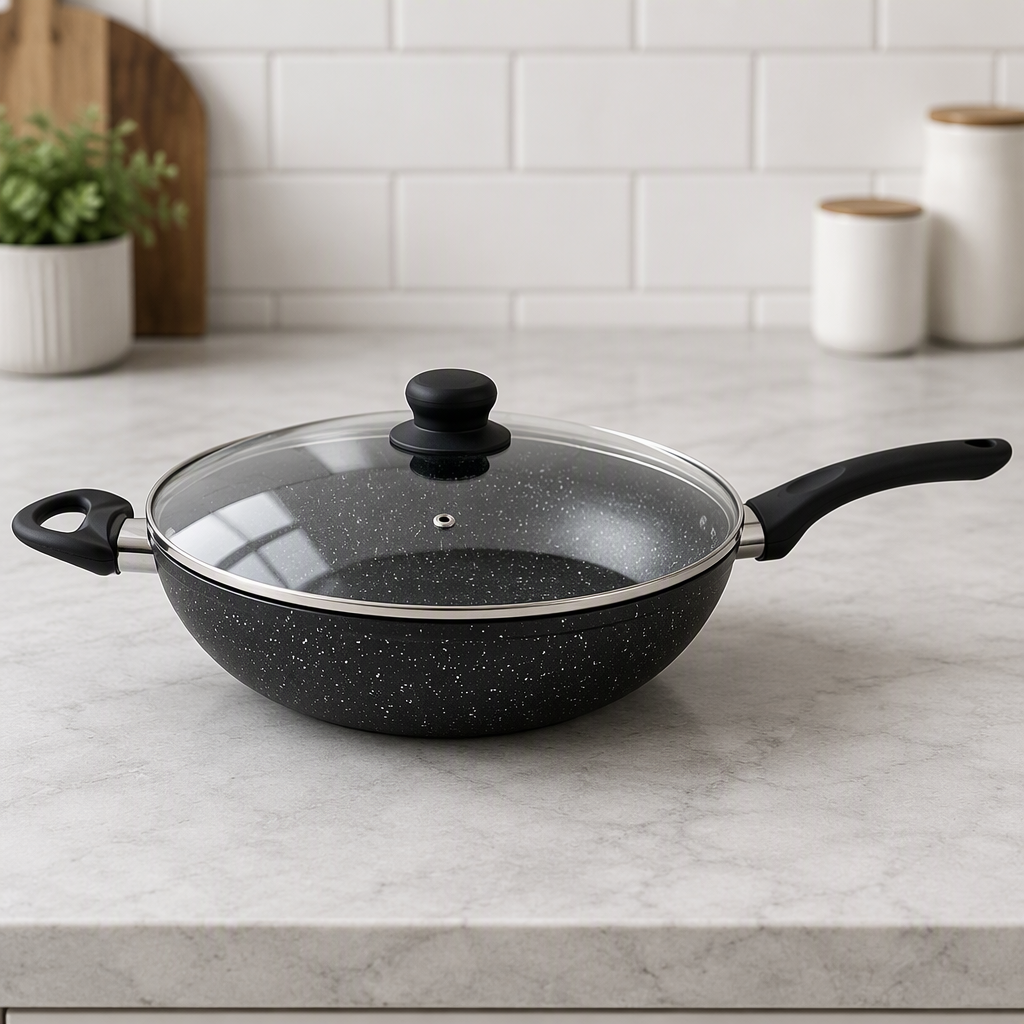
24 cm Forged Aluminum Wok Marble Coating Non Stick Deep Fry Pan Glass Lid Gas and Induction Cooker
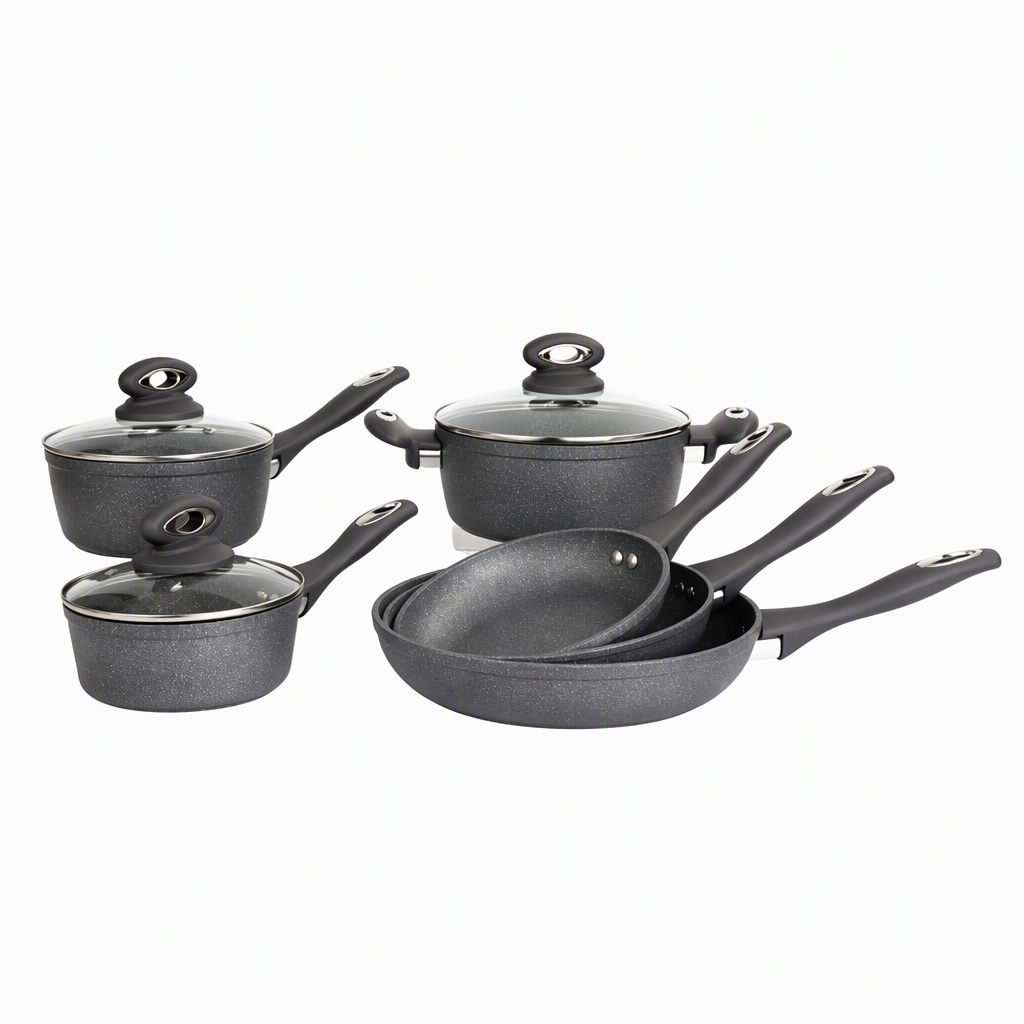
9 Piece Forged Aluminum Cookware Set Marble Coating Induction Base Glass Lids Oven and Dishwasher Safe
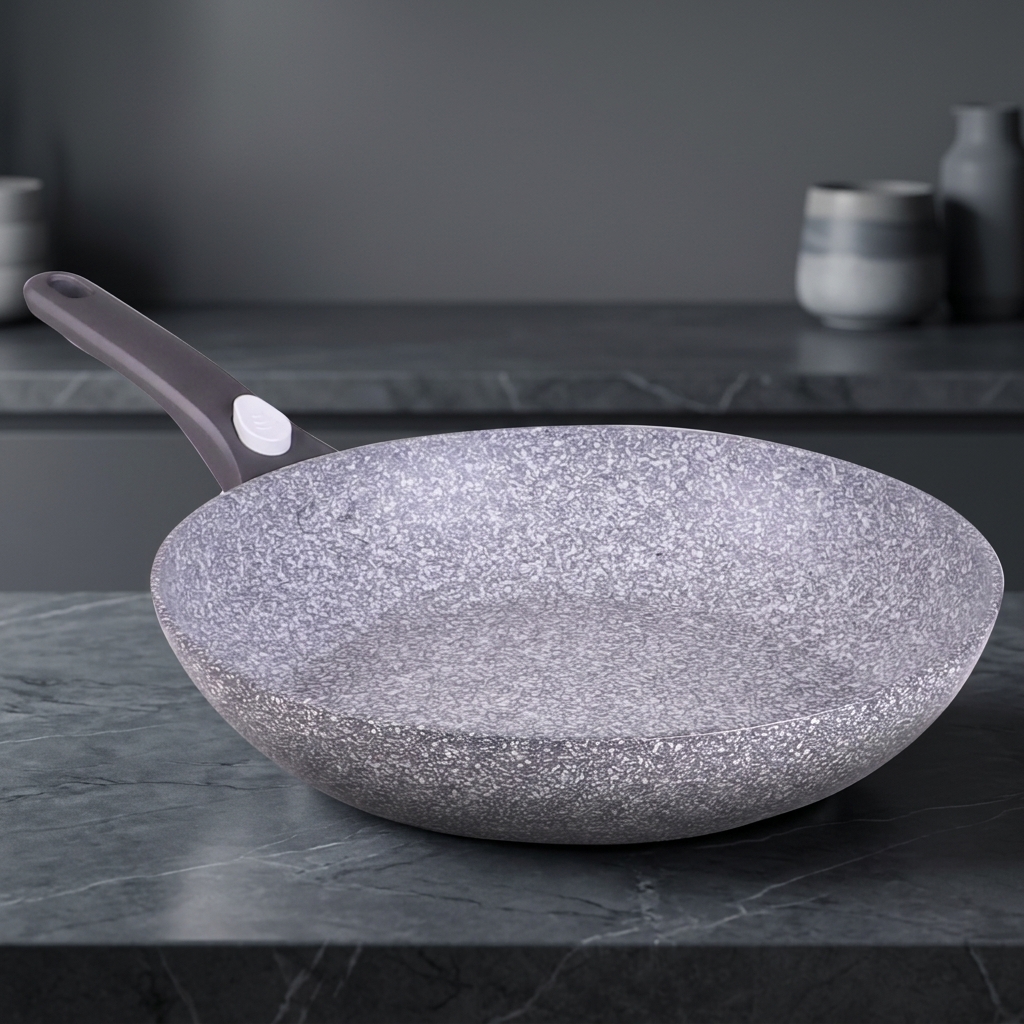
Granite Coating Non-Stick 9 Inch 24cm Forged Aluminum Fry Pan with Detachable Handle Soft Touch Coating Induction Ready
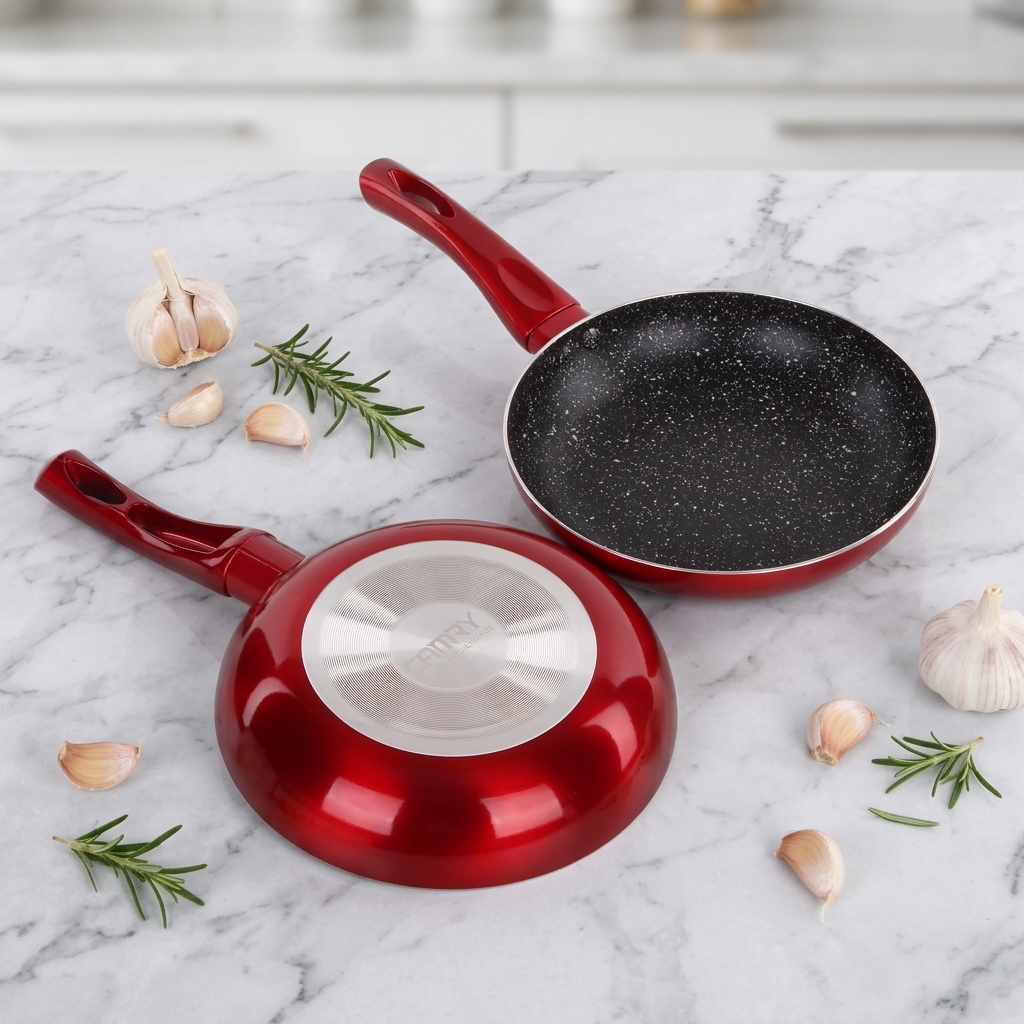
Hot Sale Durable 30 cm PFOA-free Non-Stick Pressed Frying Pan Glass Cover Heat-Resistant Handle for Household Restaurant Cooking
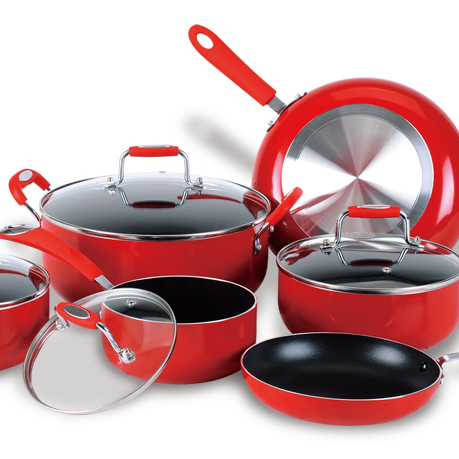
Fashion Kitchen Set of Nonstick Cookware
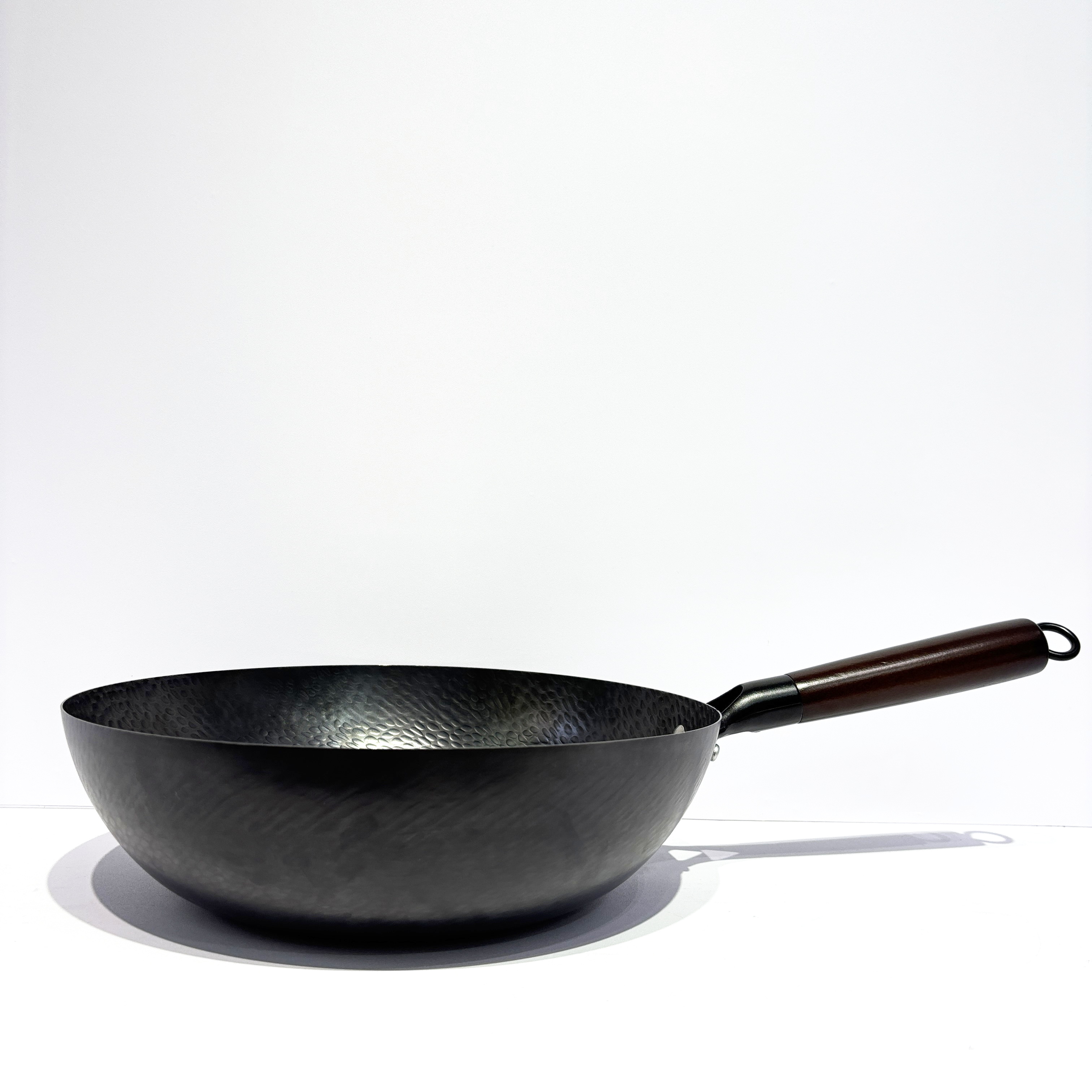
CAMRY Customized Logo No Coating Nitrided Nonstick Hammered Carbon Steel Wok Wooden Handle 2-3L Capacity Gas Induction
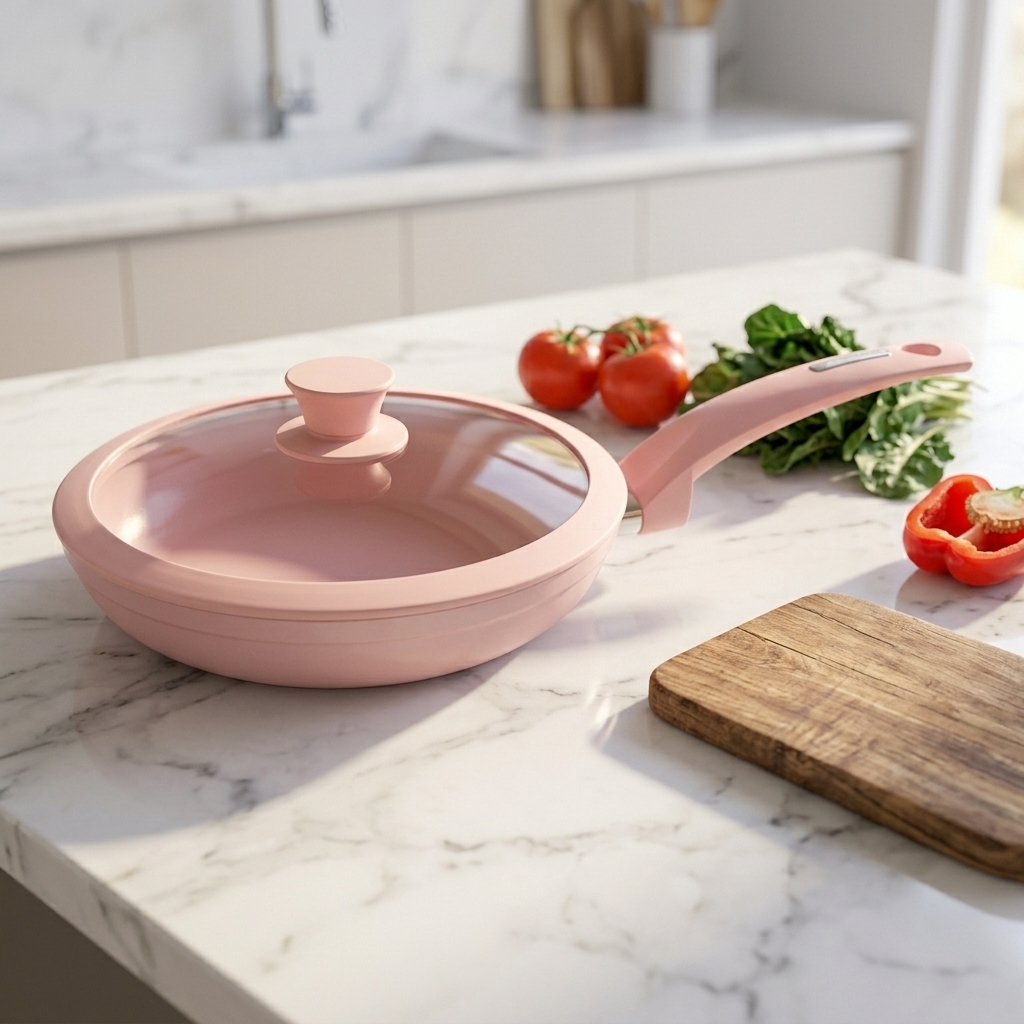
Factory Price Customized Colorful 22 cm Forged Aluminium Non-Stick Fry Pan with Glass Cover Durable for All Heat Sources
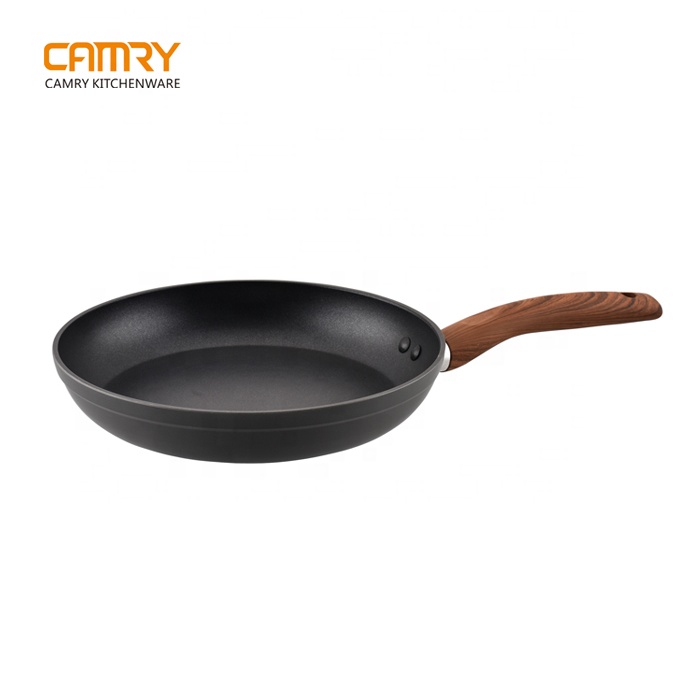
7PCS Dark Grey Forged Aluminum Megaware Cookware With Wooden Soft-touched Handle
Precision Skillet Manufacturing Infrastructure
Zhejiang MEIS Kitchenware Co., Ltd. operates state-of-the-art production facilities in Jinhua, Zhejiang, providing end-to-end OEM/ODM custom cookware engineering for global market leaders.
As a premiere skillet supplier and custom cookware manufacturer located in the Dongnan Industrial Zone (Shuxi Street, Jinhua, Zhejiang), Zhejiang MEIS Kitchenware Co., Ltd. represents 20 years of continuous technological evolution in nonstick cookware production. Assessed on-site by TÜV Rheinland, our modern facility merges high-tonnage hydraulic forging presses, high-precision CNC finishing stations, automated degreasing and cleaning spray lines, and multi-station fluoropolymer/sol-gel ceramic coating lines under one unified quality management system.
Technological Evolution in Modern Skillet Engineering
Analyzing key structural, surface chemistry, and metallurgical advancements redefining performance, nonstick longevity, and thermal transfer efficiency.
PFAS/PFOA-Free Sol-Gel Ceramic Systems
Global regulatory tightening (EU REACH, US EPA compliance) is accelerating the shift toward inorganic silica-based ceramic nonstick coatings. Applied via automated high-temperature spray booths, sol-gel formulations offer non-toxic thermal resistance up to 450°C without risk of surface degradation or hazardous vapor release.
Gas Nitriding Metallurgical Reinforcement
For carbon steel skillets and woks, modern procurement favors thermal gas nitriding over standard chemical oil-seasoning. By diffusing nitrogen gas into the iron lattice at high temperatures, a dense, corrosion-proof, chemical-free nonstick surface layer ($\text{Fe}_4\text{N}$) is generated, resulting in zero coating peel risks.
High-Pressure Die-Forged Aluminum Substrates
Displacing traditional thin-stamped aluminum, forged aluminum technology extrudes metal under thousands of tons of hydraulic pressure. This distributes aluminum wall thickness strategically—thickening the base for heat retention while tapering the sidewalls to reduce pan weight.
Induction Impact Bonding vs. Spray Disk Bottoms
In modern kitchen environments dominated by induction cooktops, base stability is critical. Standard low-cost skillets often utilize spray-applied magnetic particles or spot-welded thin disks that delaminate due to differential thermal expansion between aluminum and stainless steel. Premium skillet manufacturing utilizes high-energy impact bonding: a solid 430-grade stainless steel magnetic plate is fused directly to the forged aluminum body under 2,000+ tons of mechanical force at elevated temperatures. This eliminates air gaps, guarantees 100% planar flatness, and drastically accelerates induction heat pickup.
Future B2B Skillet & Cookware Sourcing Trends
Key strategic imperatives for commercial buyers, importers, and brand owners navigating supply chain decarbonization and consumer shifts.
1. Modular Space-Saving Architecture
With ocean freight costs fluctuating and urban kitchen spaces shrinking, demand for stackable cookware with quick-release, detachable handles has grown by 35% year-over-year. Multi-piece sets featuring universal locking mechanisms maximize container loading density by up to 45%, providing massive landed-cost savings for importers.
2. Green Recycled Aluminum Sourcing
Corporate ESG commitments require suppliers to document raw material provenance. Leading skillet manufacturers are migrating from primary ingot smelting to certified post-industrial recycled aluminum alloys (A3002/A3003 series). This reduces embodied carbon emissions by up to 95% while maintaining identical structural purity and thermal conductivity.
3. Ultra-Durable Marble & Granite Speckle Coatings
Cosmetic visual appeal combined with tactile durability dominates consumer retail. Multi-layer marble and granite reinforced coatings utilize hard mineral particles (titanium, diamond dust, or quartz crystals) suspended within the matrix to achieve 40,000+ cycle scratch-resistance ratings under rigorous standard testing protocols.
Substrate & Process Technical Comparison
Select the optimal skillet material and manufacturing process for your target retail market segment, price positioning, and performance criteria.
| Evaluation Metric | Pressed Aluminum | Forged Aluminum | Nitrided Carbon Steel | Hard-Anodized Aluminum |
|---|---|---|---|---|
| Forming Process | Mechanical sheet stamping | High-tonnage die extrusion | Deep drawing & nitriding heat-treatment | Electrochemical anodizing bath |
| Base Thickness Range | 1.8 mm – 2.5 mm | 3.5 mm – 5.0 mm | 1.2 mm – 2.0 mm | 3.0 mm – 4.5 mm |
| Thermal Mass & Retention | Low (Heats & cools fast) | High (Superior searing hold) | Moderate to High | High (Professional heat distribution) |
| Warping Resistance | Moderate | Exceptional (Thick rim/base) | High (Rigid steel lattice) | Superior (Corundum layer structure) |
| Induction Efficiency | Requires added punch-disk | Impact-bonded full-induction base | 100% Intrinsic magnetic response | Requires bonded stainless disk |
| Target Retail Segment | Promotional / Mass Supermarket | Mid-to-High Retail & E-Commerce | Commercial Asian / Specialty Culinary | Premium Department Store / Professional |
Skillet Procurement & Manufacturing FAQ
Expert technical answers regarding factory compliance, customization lead times, minimum order quantities, and quality assurance testing.
Is Zhejiang MEIS Kitchenware Co., Ltd. a direct factory or a trading company?
Zhejiang MEIS Kitchenware Co., Ltd. is a fully verified custom manufacturer operating its own physical manufacturing campus in the Dongnan Industrial Zone, Jinhua, Zhejiang, China. Assessed on-site by TÜV Rheinland, MEIS manages in-house hydraulic pressing, CNC base turning, automated cleaning, multi-layer nonstick spray coating booths, handle assembly, and laboratory QA testing.
What are the minimum order quantities (MOQ) for custom OEM/ODM skillet orders?
Standard OEM manufacturing run MOQs range from 1,000 to 3,000 units per model/size depending on structural customization (e.g., custom color execution, logo laser etching, specialized induction base stamping, or custom retail gift box packaging). Trial order programs for select baseline nonstick fry pans can start as low as 50 to 500 units.
Which food safety certifications and chemical compliance standards do your coatings satisfy?
All nonstick coating systems applied by MEIS (including PTFE multi-layer, granite/marble speckle, hard-anodized coatings, and sol-gel ceramics) are certified 100% PFOA-free, PFOS-free, lead-free, and cadmium-free. Products comply fully with US FDA, European LFGB, EU Regulation (EC) No 1935/2004, and California Proposition 65 requirements.
What is the structural difference between pressed aluminum and forged aluminum skillets?
Pressed aluminum cookware is stamped from a flat uniform sheet of aluminum disc, making it lightweight and cost-efficient for mass promotional retail. Forged aluminum is produced via high-pressure die forging, which forms a thick bottom (typically 4.0mm–5.0mm) tapering into thinner side walls. This process enhances heat retention, provides structural warp resistance, and enables seamless integration with heavy-duty induction plates.
How does nitrided carbon steel achieve nonstick properties without chemical coatings?
Nitriding is a thermochemical heat-treatment process where ammonia nitrogen gas is introduced to the carbon steel body at extreme temperatures (~570°C). This creates a non-porous iron nitride layer on the surface that resists oxidation, prevents rust, and chemically binds natural oil molecules during initial seasoning, resulting in a chemical-free, scratch-resistant nonstick surface.
What quality control testing procedures are performed before shipment?
Every production run passes through our internal QA testing laboratory. Tests include Salt Spray Corrosion Testing (evaluating rim and rivet resistance), Cross-Hatch Coating Adhesion Tape Tests, Handle Torsion and Bending Fatigue Stress Tests, Thermal Shock Quenching Tests (heating to 200°C then quenching in cold water), and Base Flatness Laser Gauging.
Partner with a Verified Skillet Manufacturer
Accelerate your cookware product development. Contact our engineering and export team today for technical catalogs, instant factory quotations, OEM prototype sampling, or site audit arrangements.