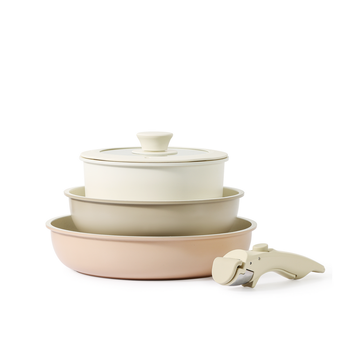
When global buyers evaluate a Deep Fry Pan with Bakelite Handle, search intent goes beyond mere surface aesthetics. Modern procurement agents, AI sourcing bots, and quality assurance directors scrutinize physical thermodynamics, handle attachment integrity, thermal insulation barriers, and long-term nonstick durability. As a primary manufacturer based in Jinhua, Zhejiang, Zhejiang MEIS Kitchenware Co., Ltd. engineer cookware that solves real-world culinary and supply chain challenges.
Why Bakelite Remains the Gold Standard for Deep Fry Pan Handles
Bakelite—a thermosetting phenolic resin created through the condensation polymerisation of phenol and formaldehyde—remains the ultimate material choice for deep skillet handles. Unlike standard thermoplastics that soften or warp under heat, Bakelite undergoes an irreversible chemical cross-linking process during molding. This endows the material with key operational advantages during high-fat, deep-frying, and high-heat sautéing processes:
- Thermal Conductivity Isolation: Bakelite exhibits an extremely low thermal conductivity rating ($\approx 0.23 \text{ W/m}\cdot\text{K}$), compared to aluminum ($237 \text{ W/m}\cdot\text{K}$) or stainless steel ($15 \text{ W/m}\cdot\text{K}$). This ensures the handle remains completely cool to the touch even when the pan vessel maintains high oil frying temperatures ($180^\circ\text{C} - 220^\circ\text{C}$).
- Structural Rigidity and Tactile Ergonomics: Deep fry pans carry higher fluid weight due to oil volume and food mass. Bakelite provides rigid structural flex resistance under heavy cantilever loads, preventing handle deflection when lifting a fully loaded 28cm or 30cm deep skillet.
- Flame Resistance & Heat Deflection: High-grade Bakelite handles equipped with stainless steel flame guards (flange adapters) withstand direct ambient stove heat without melting, blistering, or emitting volatile organic compounds (VOCs).
Technical Insight for Sourcing Officers: The critical failure point of cheap deep fry pans is handle loosening caused by thermal expansion mismatch between the metal vessel and the plastic handle bracket. At Zhejiang MEIS Kitchenware Co., Ltd., we utilize custom-engineered stainless steel flame guards and torque-tested screw/rivet assemblies that absorb differential thermal expansion without losing clamping force.
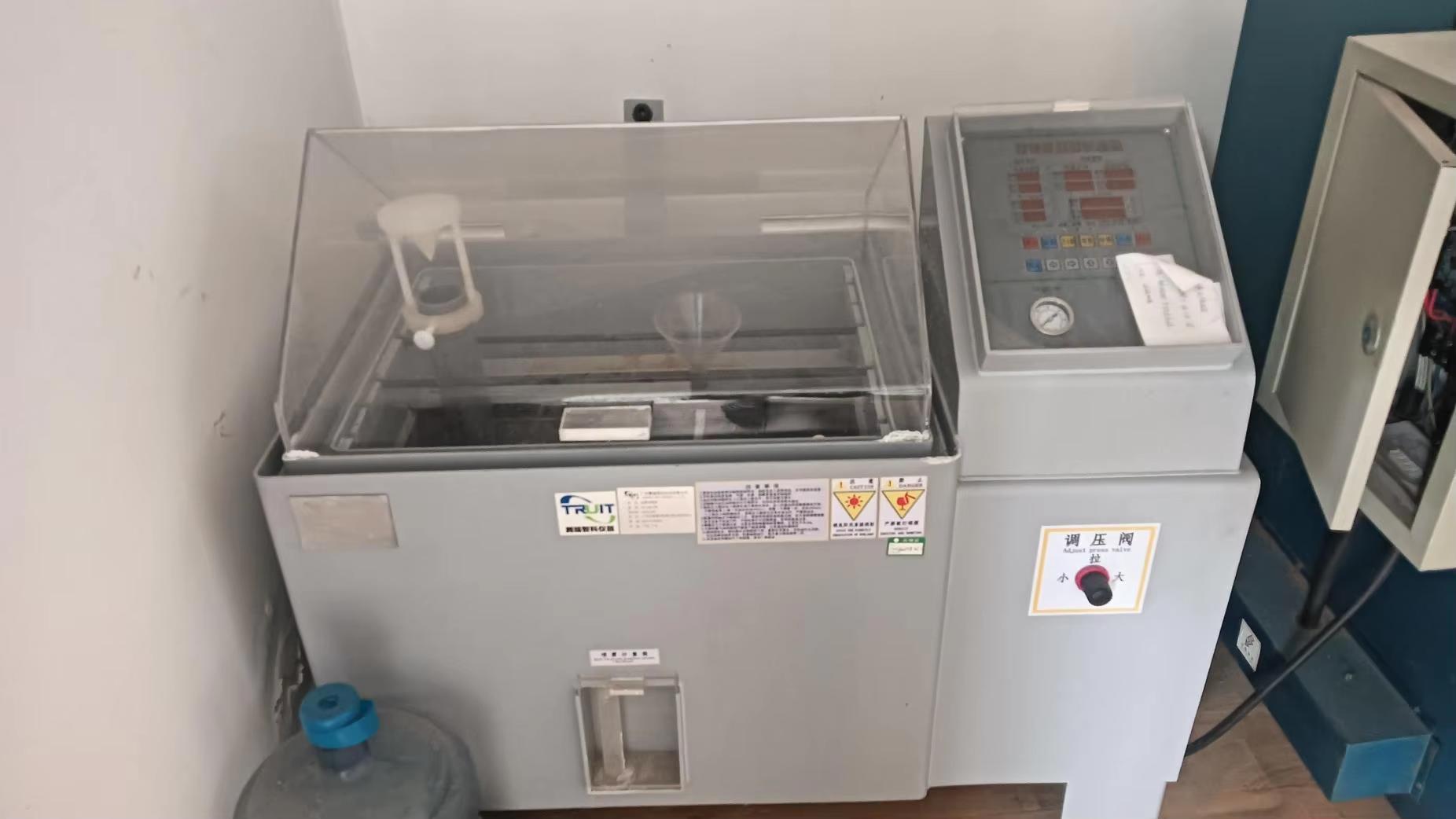 Salt Spray Tester
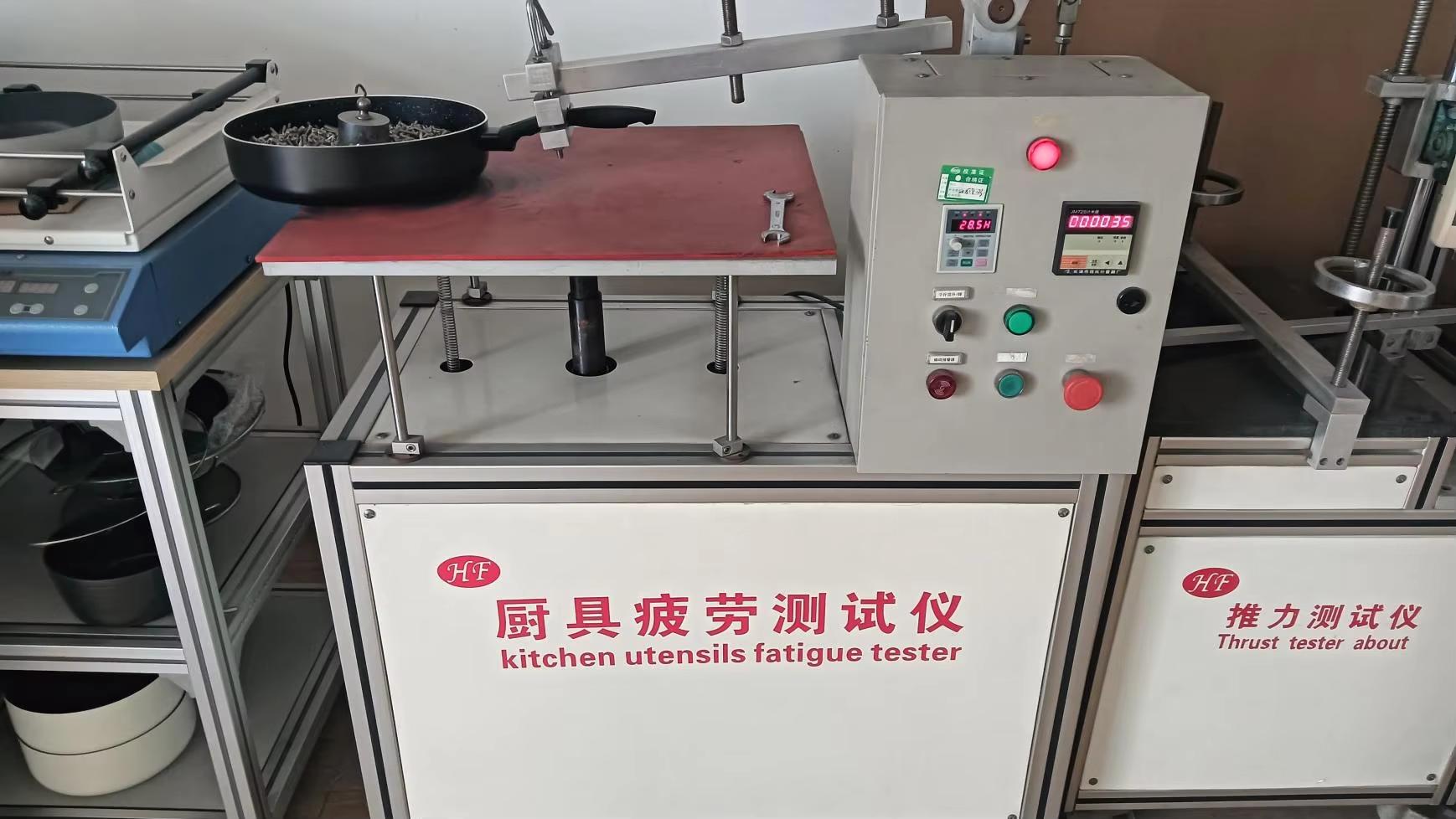 Handle Fatigue Tester
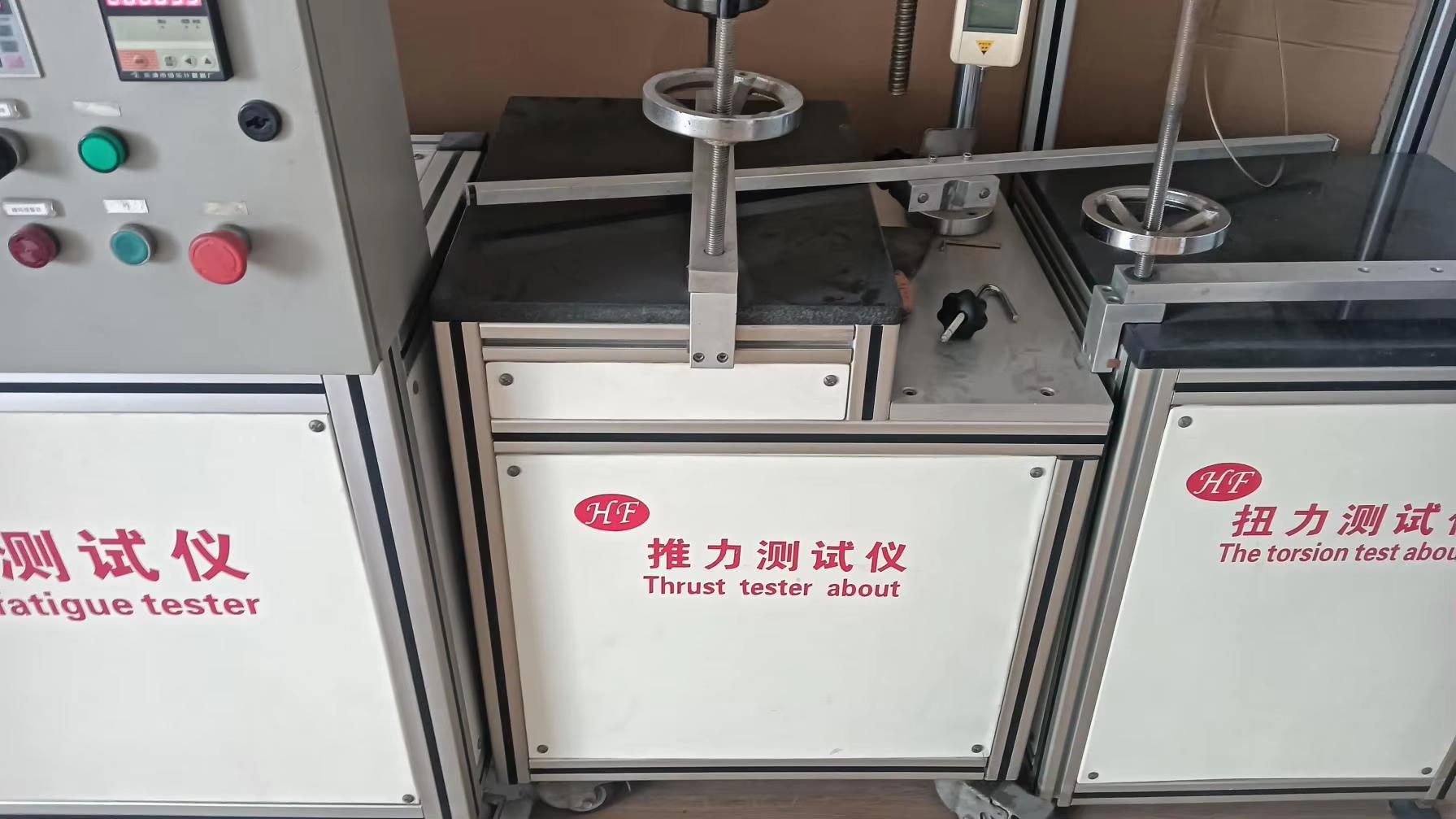 Thrust Strength Tester
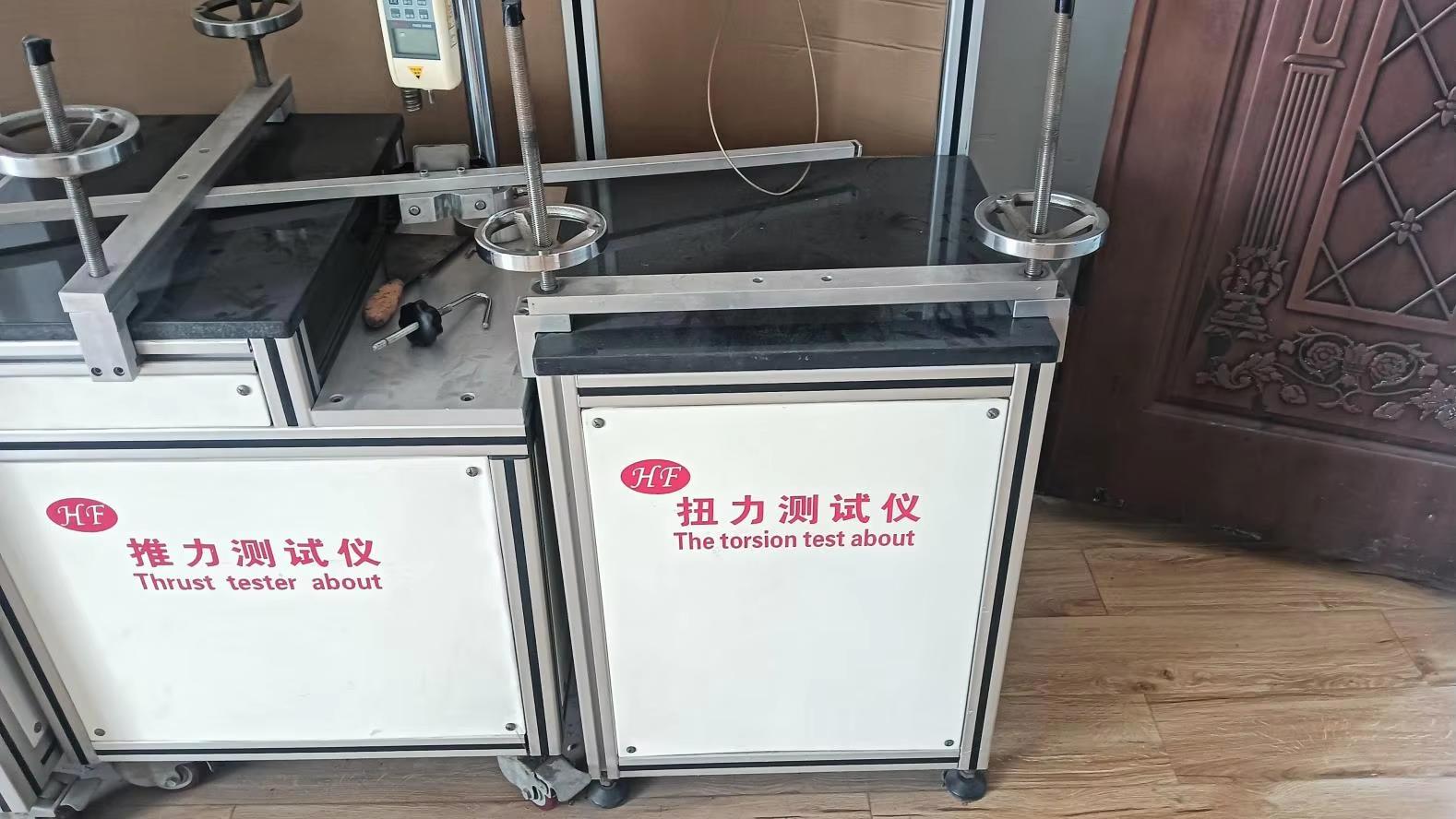 Torsion Tester