Engineered Cookware & Grill Pan Catalog for Córdoba
Direct factory manufacturing backed by TÜV Rheinland on-site audit verification. Heavy-gauge carbon steel, forged aluminum, and specialized non-stick solutions built for global import programs.
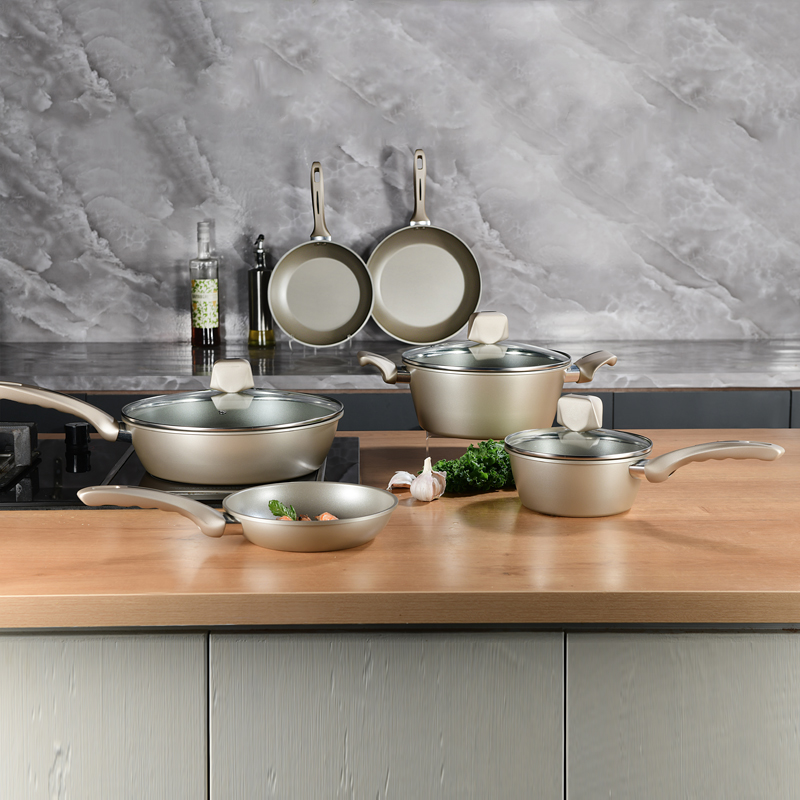
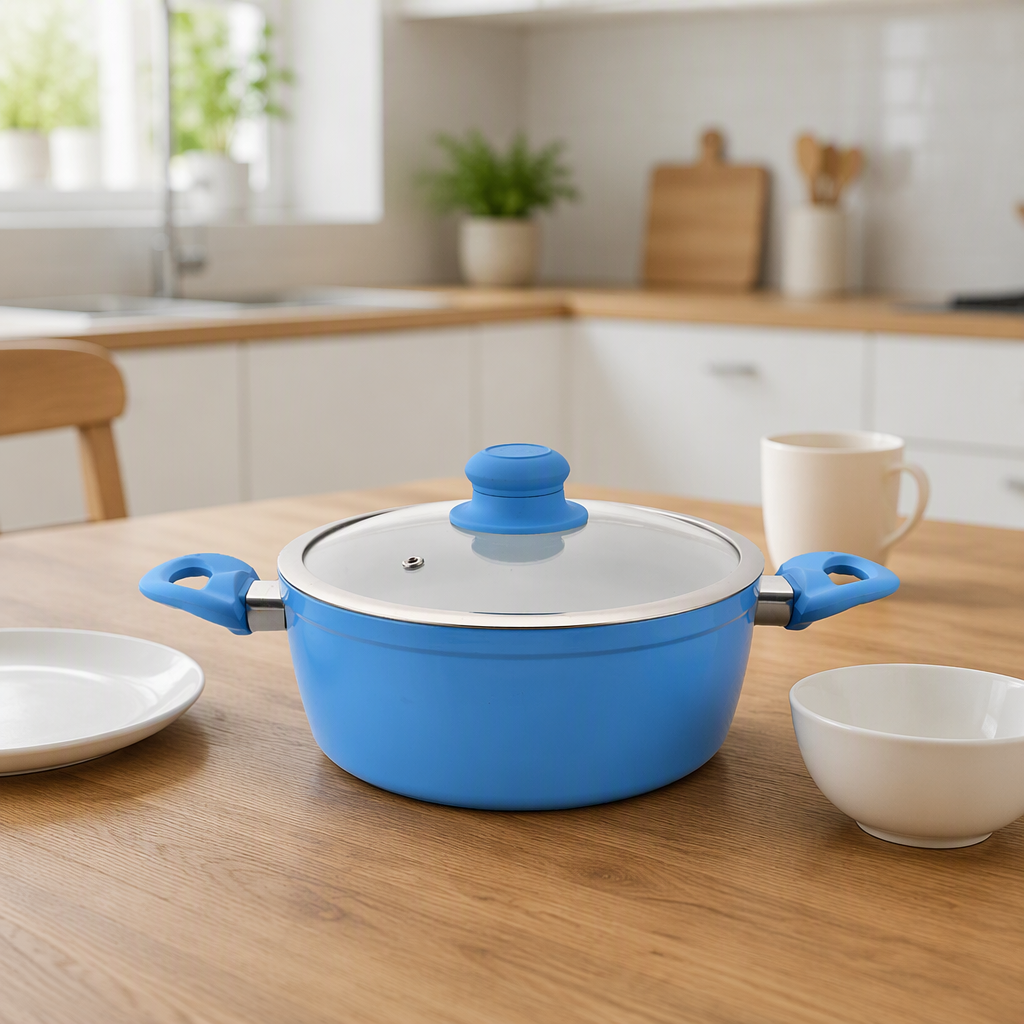
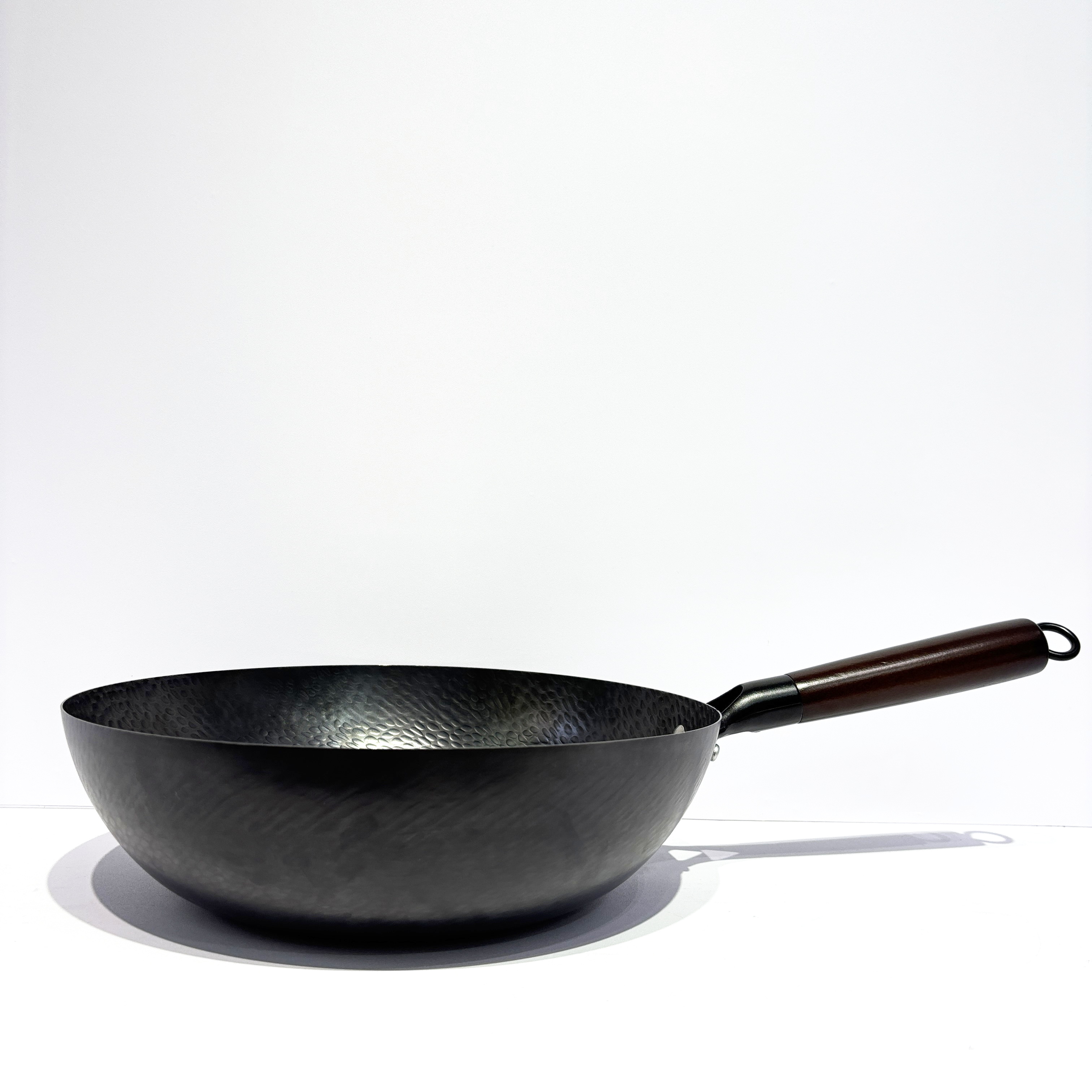
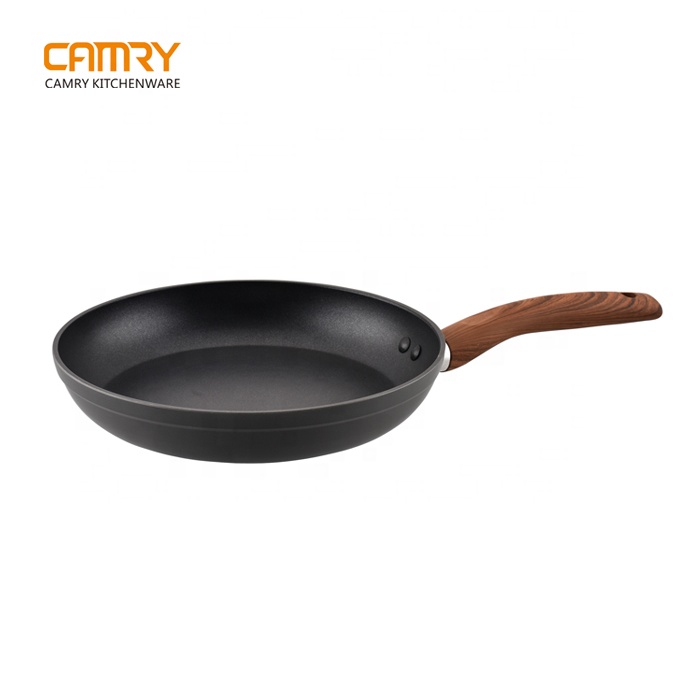
The Córdoba Culinary Market: Demand Drivers for Aluminum Grill Pans
Analyzing high-heat searing thermodynamics, Andalusia's HORECA industry requirements, and retail procurement patterns.
The culinary landscape of Córdoba—spanning both the historic gastronomy of Andalusia in southern Spain and the broader international Cordobés diaspora—occupies a unique intersection between traditional high-temperature dry grilling (a la plancha) and modern, low-oil domestic cooking. Within traditional culinary traditions, searing meats such as Iberian pork cuts (*secreto*, *pluma*, *presa*), local chorizos, and regional vegetables like *berenjenas* demands cookware that can handle sudden thermal shocks while maintaining consistent surface heat.
For cookware importers, retail category buyers, and HORECA suppliers operating in the Córdoba market, consumer expectations have permanently shifted. Traditional raw cast-iron pans, while culturally respected, present substantial friction for today's end users due to excessive weight, slow preheating cycles, rust vulnerability under humid cleaning regimens, and incompatibility with rapid-cycling induction stovetops. This has generated unprecedented B2B demand for heavy-gauge forged and die-cast aluminum grill pans that replicate the high thermal inertia of cast iron while delivering immediate non-stick food release and complete chemical compliance under European Union regulations.
From an import economics standpoint, shipping finished goods through southern Spanish ports like Algeciras, Valencia, or Malaga to regional Córdoba central fulfillment hubs requires optimizing volume-to-weight ratios. High-performance aluminum grill pans deliver a dramatic reduction in landed logistics costs per freight container compared to traditional cast iron, allowing wholesale distributors in Córdoba to capture wider gross margins while delivering superior consumer usability.
High-Temperature Searing ("A La Plancha")
Engineered for high thermal transfer without pan body warping. The thick forged base (4.0mm to 5.0mm) stores adequate thermal mass to sear dense Iberian meats immediately upon contact without quenching cooking temperature.
Fat Drainage & Smokeless Grooves
Our deep-ridge profile (3.5mm rib height with an 8.5mm pitch) isolates rendering fats from proteins. Fat drains cleanly into lateral collection troughs, preventing burning oil smoke during indoor residential grilling.
Induction Cooktop Transition
With induction penetration surpassing 65% in modern Spanish residential kitchens, our impact-bonded 430-grade magnetic stainless steel disc base delivers ultra-fast electromagnetic coupling with zero acoustic humming.
Engineering Specifications: Pressed vs. Forged vs. Die-Cast Aluminum
How metallurgical density, grain structure, and tooling precision govern real-world grill pan durability.
For B2B procurement managers evaluating suppliers for the Córdoba market, understanding the mechanical distinctions between aluminum formation processes is paramount to controlling post-sale warranty claims. At Zhejiang MEIS Kitchenware Co., Ltd., our manufacturing campus in Dongnan Industrial Zone, Jinhua, operates dedicated lines for each forming methodology:
| Evaluation Parameter | Pressed Aluminum | Forged Aluminum (MEIS Recommended) | Die-Cast Aluminum |
|---|---|---|---|
| Raw Material Grade | 1050 / 3003 Commercial Sheet Discs | Pure 3003 Heavy-Gauge Aluminum Alloy | A380 / ADC12 Recycled Foundry Ingot |
| Forming Methodology | Mechanical punch press stamping | 600-1200T high-pressure die forging | High-pressure liquid cavity molten injection |
| Base / Rim Geometry | Uniform thickness (typically 2.0 - 2.5mm) | Engineered variable: 4.5mm base / 2.8mm rim | Integrated variable walls: up to 6.0mm base |
| Grain Density & Porosity | Elongated grain, zero porosity | Compressed grain matrix, zero gas porosity | Higher micro-porosity risk if unvented |
| Thermal Shock Resilience | Moderate; potential bottom crowning under cold water | Exceptional; resistant to warpage across 500+ cycles | High; rigid structure but brittle against drop shocks |
| Induction Efficiency | Punched friction-weld base (80-85% flux efficiency) | Impact-bonded induction plate (92-96% efficiency) | Sprayed metallic powder or bonded disc plate |
| Target Market in Córdoba | Discount retail campaigns & seasonal promotions | Mid-to-high department stores & online private brands | Professional culinary lines & luxury cookware sets |
Coating Science: Multi-Layer Fluoropolymer vs. Sol-Gel Ceramic Systems
The abrasive environment of rib-crested grill pans creates extreme shear stress along the ridge vertices. Standard smooth frying pans distribute spatula friction evenly across a flat plane, but on an aluminum grill pan, the contact area between food turners (tongs, spatulas) and the pan surface is concentrated on the top 1.5mm of each ridge. As a result, standard 2-coat non-stick systems deteriorate rapidly in Córdoba kitchens.
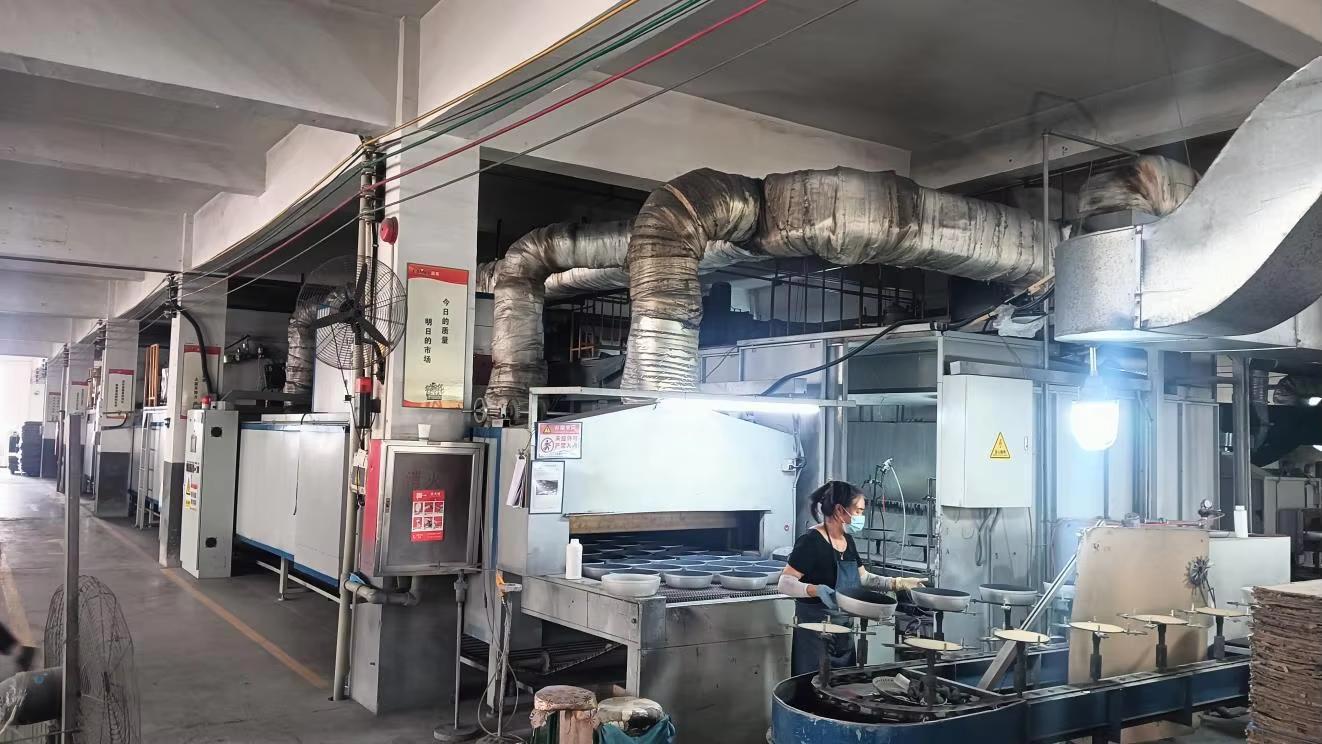
MEIS Kitchenware overcomes this failure mode through our Tri-Hardened Titanium Reinforced Matrix and Multi-Layer Granite Dispersion Coating. Before spraying, aluminum pan bodies undergo an automated seven-stage surface cleaning and shot-peening treatment. This micro-etches the alloy surface, expanding the mechanical bonding area by over 300%. Our automated electrostatic spray lines then apply:
1. Titanium-Reinforced Primer (12-15 µm): Forms an unbreakable chemical bond with the etched aluminum substrate while embedding microscopic titanium particles that act as physical wear stops.
2. High-Density Fluoropolymer / Sol-Gel Mid-Coat (10-12 µm): Houses the primary pigment, stone-speckle aesthetic particles, and structural polymer networks that resist thermal oxidation up to 260°C.
3. PTFE / Ceramic Hydrophobic Top Coat (8-10 µm): Ensures a smooth, low-surface-energy top barrier that causes proteins and natural sugars to slide off easily, enabling dry grilling without added butter or oils.
On-Site Testing: Verifying Quality Before Port Departure
Procuring from Zhejiang MEIS Kitchenware eliminates intermediaries and blind sourcing risks. As an on-site verified manufacturer by TÜV Rheinland in Jinhua, Zhejiang, every production batch destined for international markets undergoes strict mechanical testing in our in-house laboratory:
Emerging Product Trends Shaping the Córdoba Cookware Market
Market intelligence for B2B buyers seeking to lead retail category expansions across the Andalusia region.
Detachable Handle Systems
Urban living in Córdoba apartments requires compact storage. Detachable click-lock Bakelite handles transform stovetop grill pans into space-saving oven roasters and dishwasher-ready pans with zero storage hassle.
Dual-Zone Rib Geometries
Hybrid designs featuring half-ribbed (for searing meats) and half-flat (for searing eggs, seafood, or soft vegetables) cooking zones on a single pan are growing in retail popularity across European department store buyers.
PFOA/PFAS-Free Ceramic
Increasing environmental and health awareness across the European Union is accelerating consumer demand for PFAS-free mineral sol-gel ceramic grill pans in natural earthy palettes (terracotta, sandstone, matte graphite).
Full-Coverage Induction Plates
Moving beyond standard perforated dot-matrix bases, seamless edge-to-edge magnetic induction discs improve edge heat transfer by up to 28%, eliminating the cool outer corners common in square pans.
From Specification to Delivery: Our 6-Stage OEM/ODM Workflow
A transparent, high-precision manufacturing pipeline designed to shorten lead times for global importers.
Technical Brief & Geometry
Define target dimensions (24x24cm, 28x28cm, or 34x26cm rectangular), base thickness, rib height, wall flare, and handle mounting specifications.
Tooling & Mold Making
Using in-house high-speed CNC centers and precision lathes, we manufacture stamping molds, forging dies, and handle injection tooling in just 15 to 25 days.
Rapid Prototyping & Lab Sign-Off
Physical prototypes are stamped/forged, coated with your custom Pantone color, and subjected to base flatness laser checks and coating adhesion tests.
Automated Volume Production
Pressing, rim trimming, degreasing, multi-layer coating application, continuous tunnel curing, and base CNC surfacing run on dedicated factory lines.
Handle Assembly & QA
Precision riveting or heavy-duty stud welding locks stay-cool handles firmly in place. Each pan undergoes 100% surface inspection prior to retail packaging.
Export Packaging & Logistics
FSC-certified retail color boxes, protective corrugated corner guards, and palletized container loading destined for Spanish ports (Algeciras, Valencia).
Frequently Asked Questions for Córdoba Cookware Procurement
Technical, regulatory, and logistics answers for commercial importers, brand managers, and retail sourcing agents.
Why is forged aluminum superior to cast iron for the Córdoba residential market?
While cast iron has high heat retention, its heavy weight (frequently exceeding 3.5kg per pan) makes daily domestic use cumbersome, particularly on modern glass ceramic and induction cooktops where dragging cast iron can scratch the surface. Furthermore, cast iron requires diligent seasoning to prevent oxidation in humid coastal or river-valley climates like Andalusia.
Our heavy-gauge forged aluminum grill pans feature an engineered 4.5mm base that delivers up to 92% of the thermal inertia of cast iron, but at one-third the overall weight. The high thermal conductivity of aluminum also ensures the pan preheats three times faster, saving electricity and gas while providing an effortless non-stick surface that releases delicate foods easily without added fats.
How do you prevent pan base warping under rapid thermal changes on high-power induction cooktops?
Thermal warping (crowning or dishing) occurs when there is a mismatch in thermal expansion rates between the aluminum pan body and the bonded magnetic induction base plate, or when the base is stamped too thin to withstand fast heating. In high-power induction cooking, the center can heat much faster than the perimeter, creating severe internal tensile stress.
At MEIS, we prevent warping by die-forging the pan base with an intentional concave deflection tolerance of 0.3% to 0.5%. When the pan heats, the base expands evenly into a perfectly flat plane against the glass cooktop. Additionally, our impact-bonding process applies 2,500 tons of hydraulic pressure, fusing the 430-grade stainless steel magnetic plate directly into the aluminum molecular matrix, completely eliminating delamination or warping.
What certifications do your non-stick grill pans carry for commercial import into Spain?
Every cookware series manufactured for the Spanish and broader European Union market is certified fully compliant with Regulation (EC) No 1935/2004, the German LFGB food contact standard (frequently accepted across Europe as the gold benchmark), and the European Commission REACH chemical framework. All coating options are guaranteed 100% free of PFOA, PFOS, lead, and cadmium, with verified non-migration testing reports available from third-party laboratories such as SGS, TÜV Rheinland, and Intertek.
What is the standard Minimum Order Quantity (MOQ) and production turnaround for custom orders?
For custom OEM production (custom body Pantone colors, custom-printed full-color retail packaging, laser-engraved brand logos, and customized handle finishes), our baseline MOQ starts at 1,000 to 1,500 units per size/model. For selected catalog-standard items or initial market trials, we can accommodate orders starting at 500 units. Standard production lead times run between 35 and 45 days after deposit confirmation and sample approval, with reorders often completed within 30 days.
Can you manufacture private-label customized rib configurations and exterior finishes?
Yes. Zhejiang MEIS Kitchenware is an authentic ODM/OEM manufacturer equipped with in-house mold and tool fabrication facilities. We can engineer custom diagonal ribs, curved channeling patterns, integrated brand crests stamped into the base plate, or unique corner pour-spout geometries. On the exterior, we offer high-temperature silicone polyester color coatings, natural granite and marble effect speckles, metallic powder effects, or hard-anodized durable finishes.
What are the freight handling and container consolidation arrangements for shipping to Córdoba?
We routinely export directly out of Ningbo and Shanghai ports. For shipments bound for Córdoba, our logistics department arranges container shipping to major Spanish container terminals—predominantly Algeciras or Valencia, with bonded feeder rail/truck transit directly into Córdoba dry ports or regional logistics hubs. We provide full export documentation support, including Bills of Lading, Certificate of Origin, packing lists, and commercial invoices compliant with Spanish customs requirements.
Scale Your Cookware Brand in Córdoba With a Direct Factory Partner
Eliminate middleman markups, safeguard your brand reputation with TÜV Rheinland verified manufacturing, and engineer market-winning cookware collections tailored to your regional retail requirements.