Engineered for Munich: Bridging Chinese Production Power & Bavarian Norms
Direct manufacturing operations delivering high-efficiency thermal distribution, induction-responsive composite bases, and certified food-contact safety compliant with LFGB and European market criteria.
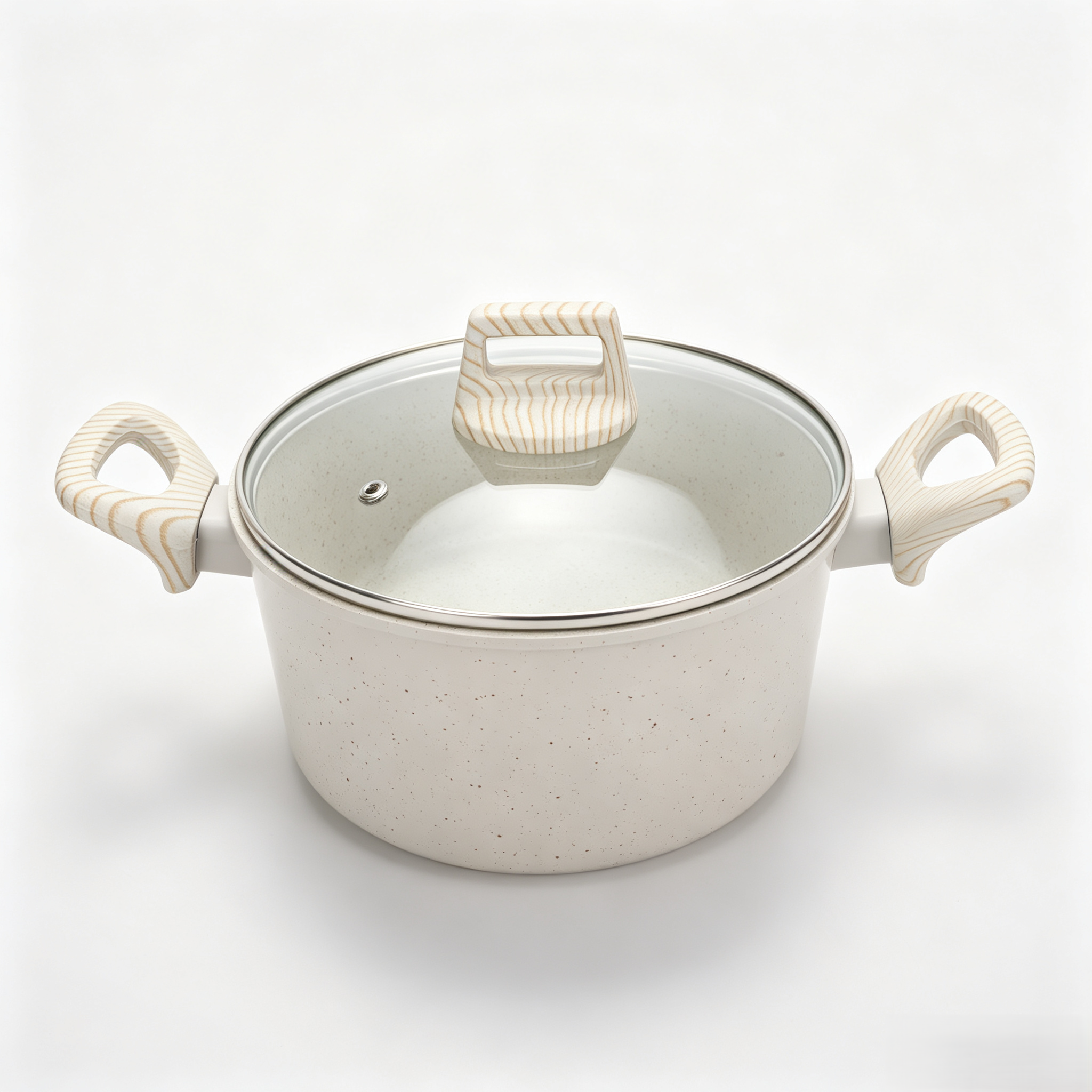
- ✓ Induction bottom with glass cover
- ✓ Ergonomic stay-cool Bakelite handle
- ✓ Heavy-duty capacity for braising
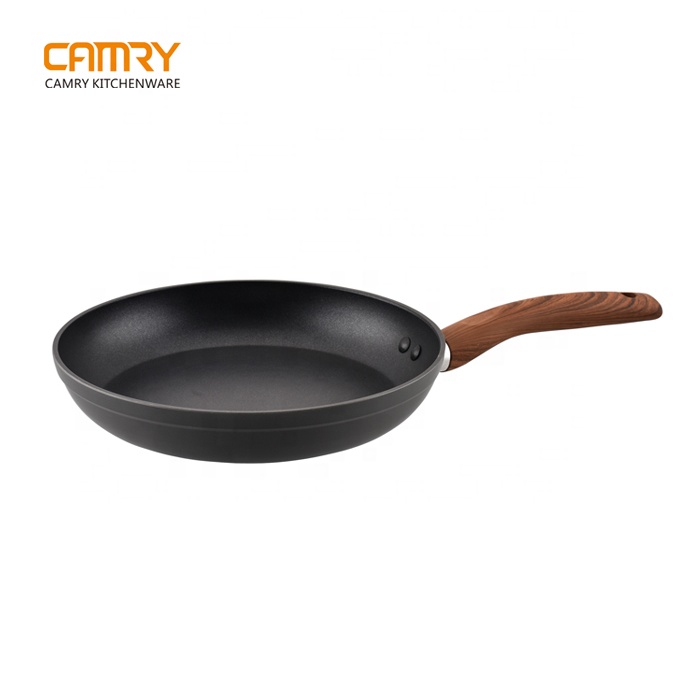
- ✓ Tactile wooden soft-touch handles
- ✓ High-density forged alloy substrate
- ✓ Multi-piece configuration for retail
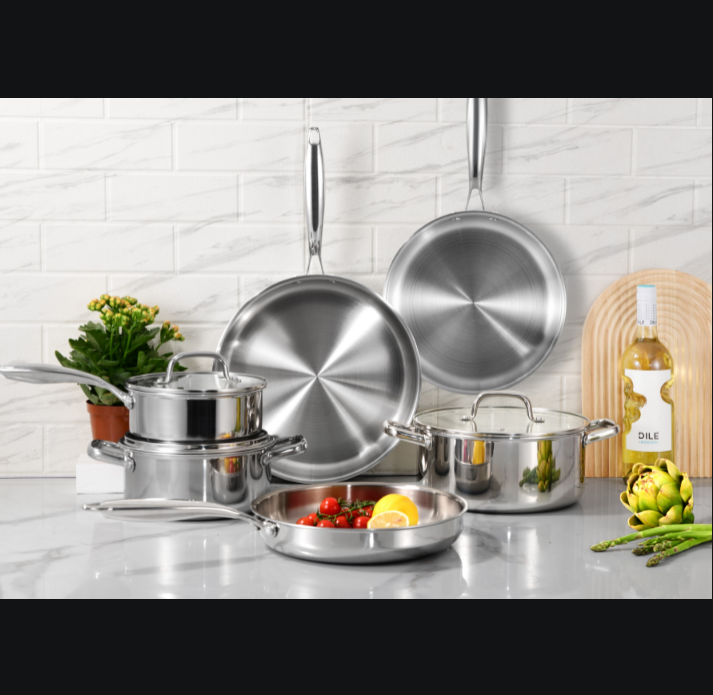
- ✓ Aluminum thermal core encapsulation
- ✓ Precision non-stick interior matrix
- ✓ Professional kitchen flat bottom
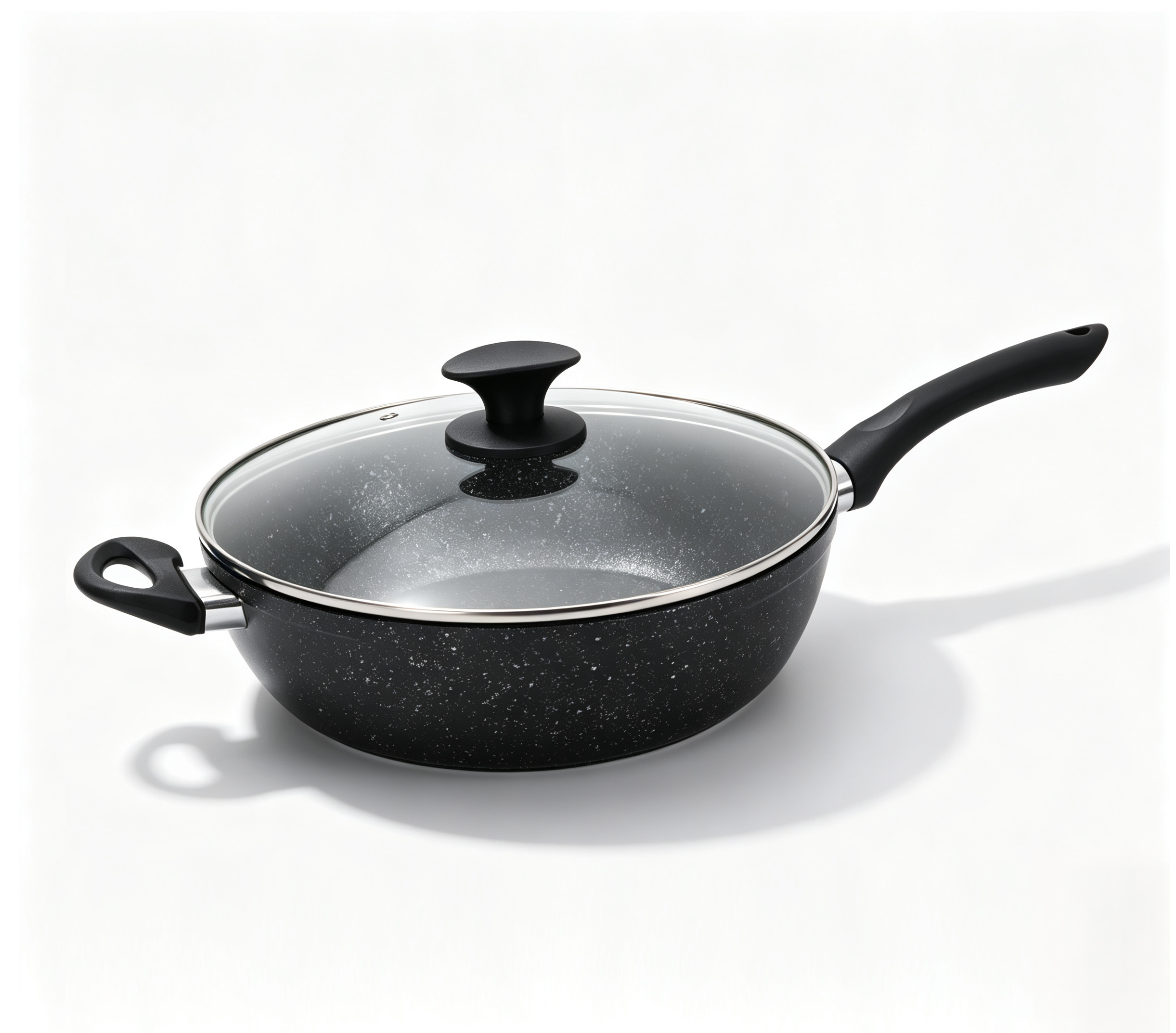
- ✓ Multi-functional deep-wall reduction pan
- ✓ High-abrasion mineral granite coat
- ✓ Instant thermal induction base
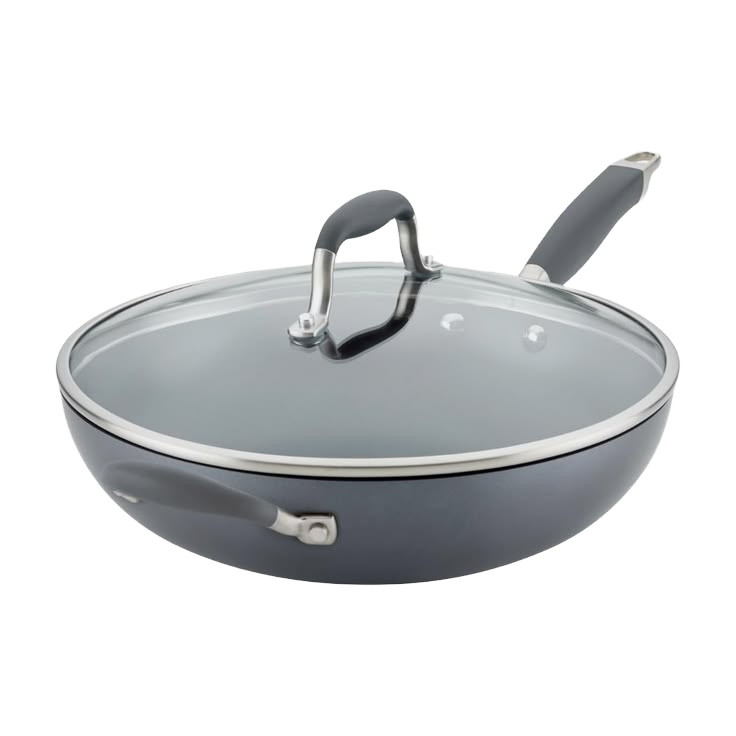
- ✓ LFGB-grade inert ceramic coating
- ✓ Calibration specs: 26 / 28 / 30cm
- ✓ Thermal shock resistant glass cover
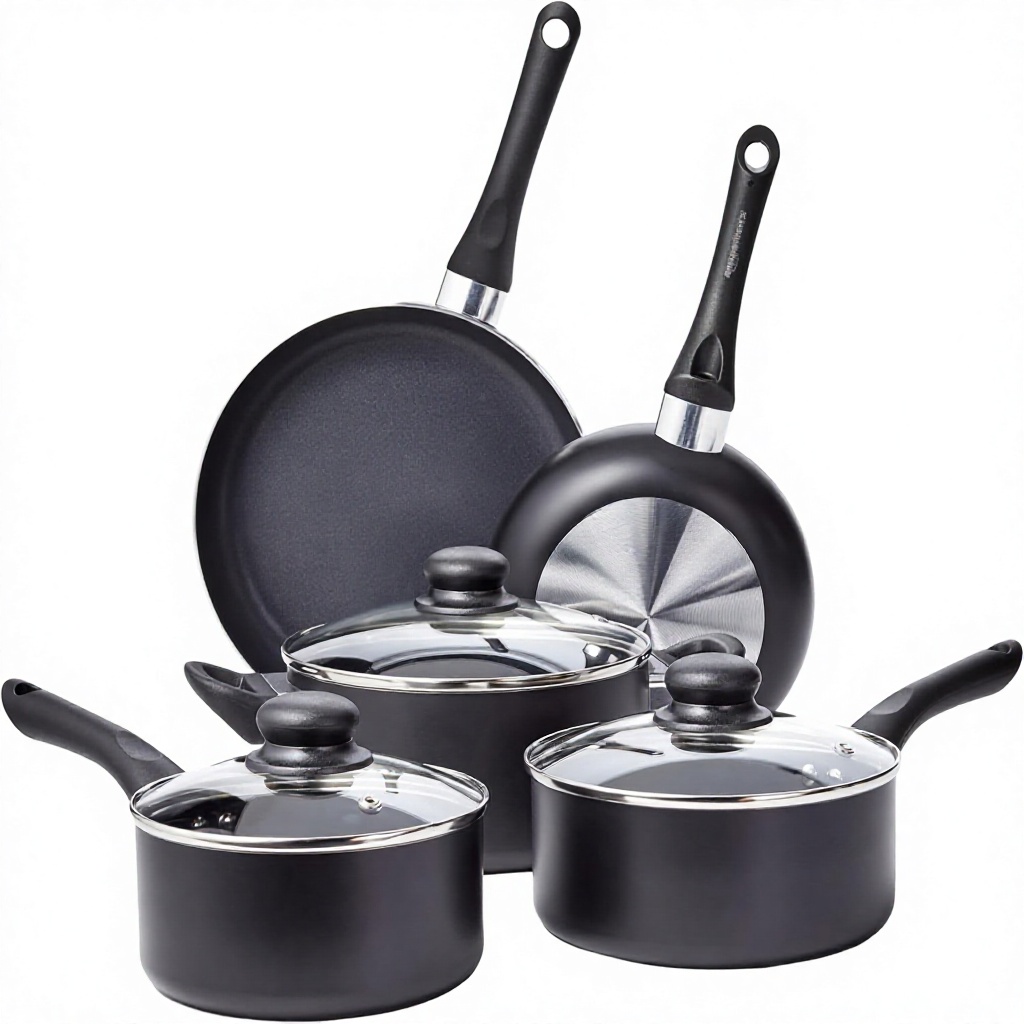
- ✓ Complete saucepot & pan assortment
- ✓ Rapid heat dissipation dynamics
- ✓ Standardized stackable footprint
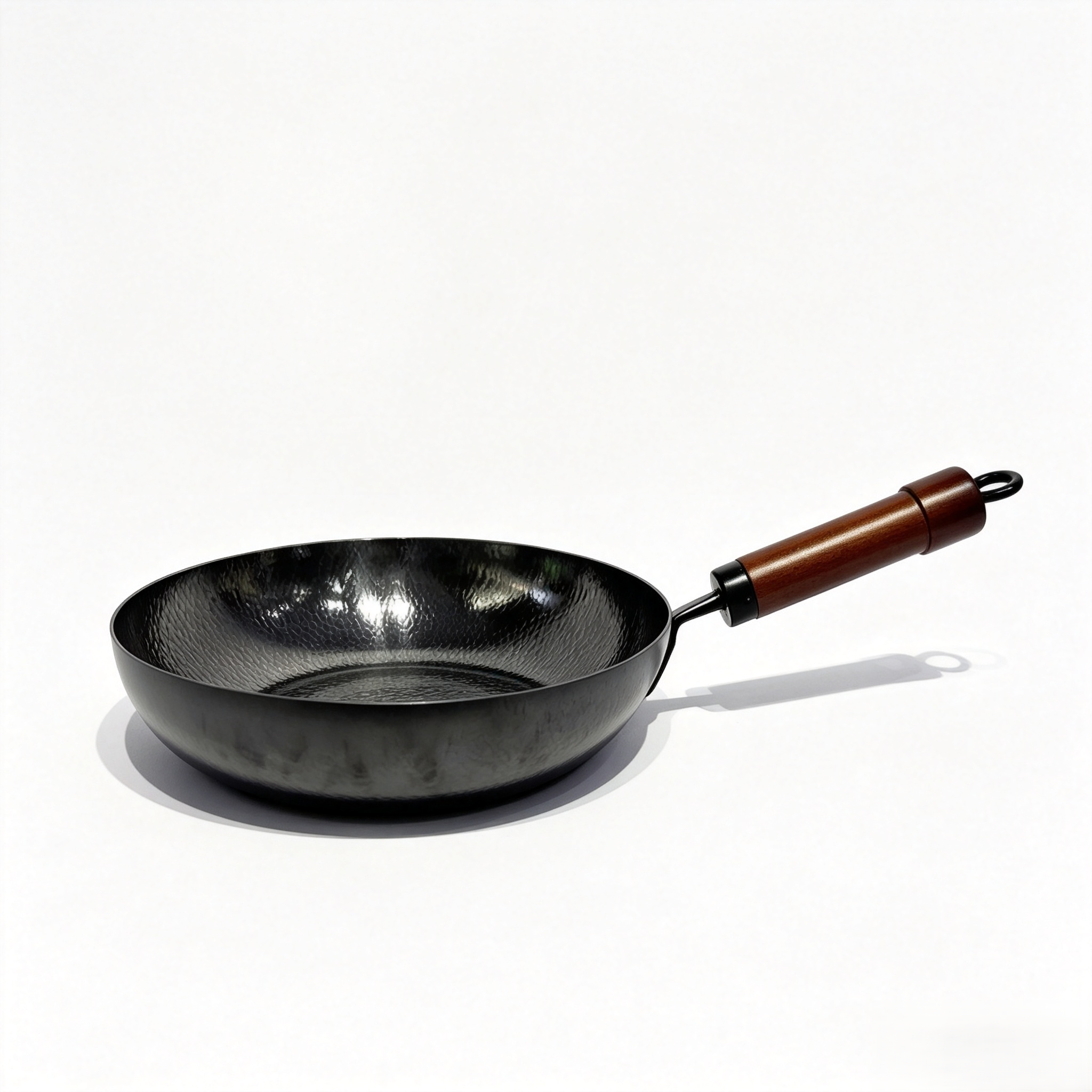
- ✓ Anti-corrosion nitrogen treatment
- ✓ Heavy-duty cast wooden handle
- ✓ Pure high-thermal searing output
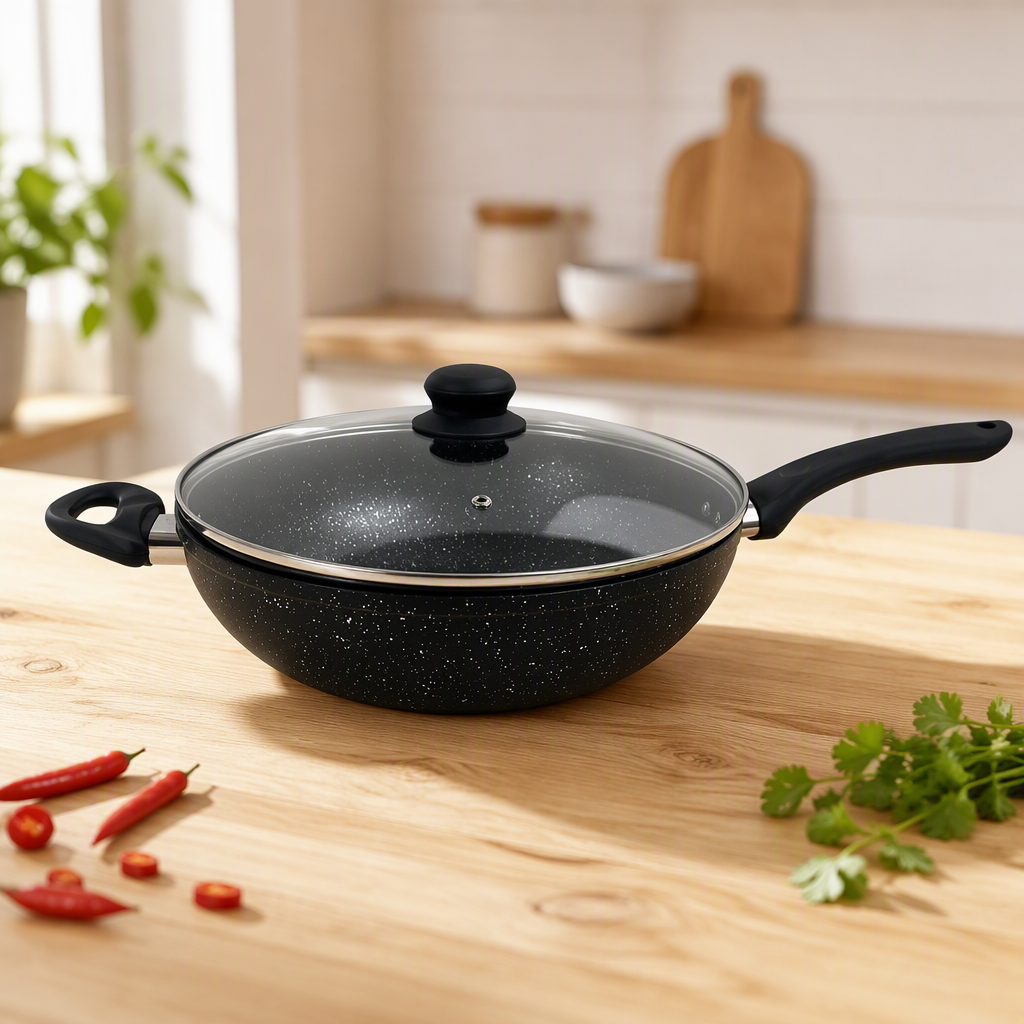
- ✓ Expanded 5.5L volumetric capacity
- ✓ Multi-layered anti-scratch particle layer
- ✓ Fully clad induction contact disc
Localized Thermal Applications in the Munich Market
How our forged and pressed aluminum saucepans solve precise operational problems across Munich’s commercial kitchens, beer gardens, and retail department stores.
Rapid Reduction of Heavy Bavarian Sauces
In Upper Bavarian commercial kitchens, sauces like Dunkelbiersoße (dark beer jus) and mushroom cream reductions require intense, warp-free heat conduction without localized hot-spots that scorch sugars. Our forged aluminum saucepans, engineered with a thick 4.0mm - 4.5mm base and graduated 2.8mm sidewalls, deliver immediate thermal diffusion, ensuring balanced simmering while reducing energy draw on commercial induction stovetops.
Strict German LFGB & PFAS-Free Conformity
Munich buyers—from upscale retail outlets around Marienplatz to professional gastronomic suppliers across Schwabing—maintain rigorous scrutiny over non-stick matrices. Our coatings completely eradicate PTFE, PFOA, lead, and cadmium, complying fully with § 30 and § 31 of the German Food, Commodities and Feed Code (LFGB) and EU Regulation (EC) No 1935/2004, offering mineral-reinforced durability against acidic ingredients.
Heavy-Cycle Automated Dishwashing Durability
High-turnover Munich dining venues subject saucepans to aggressive industrial dishwashers using high-alkaline detergents at 85°C. Our saucepans feature hard-anodized or high-temperature silicone-polyester exterior seals alongside sealed induction plates, mitigating the oxidation, pitting, and edge-corrosion typical of inferior grade aluminum pots.
Strategic Market Trends Across Southern Germany’s Cookware Pipeline
Procurement directors in Munich and the wider Bavarian region are operating amidst a monumental shift in culinary hardware standards. First, the transition to smart commercial induction cooking demands that aluminum cookware possess an exceptionally flat, spray-bonded or cold-pressed magnetic stainless steel disc (AISI 430 grade) that prevents base distortion under thermal cycling. Second, corporate sustainability objectives (Nachhaltigkeit) require manufacturers to supply closed-loop recycled aluminum alloys (up to 70% post-industrial secondary aluminum) that lower carbon tariffs under emerging EU supply chain tracing frameworks.
Finally, space-conscious urban living in Munich has amplified domestic demand for versatile cookware: saucepans configured with detachable soft-touch silicone handles, integrated measurement gauges etched into internal walls, and pour-spout lids designed for seamless fluid decanting without drippage.
Why Munich Procurement Leads Partner with Zhejiang MEIS
20 years of OEM/ODM cookware manufacturing expertise back every batch, audited and verified on-site by TÜV Rheinland.
Direct Manufacturer, Zero Trading Markups
Operating from our Dongnan Industrial Zone facility in Jinhua, Zhejiang, MEIS controls complete manufacturing: automatic aluminum disc feeding, deep-draw hydraulic pressing, precision CNC trimming, surface degreasing, sandblasting, electrostatic spray coating, and assembly. Bypassing commercial intermediaries ensures direct cost structures and unified engineering responsibility.
TÜV Rheinland Inspected Laboratory Rigor
Our in-house QC laboratory subjects production lots to comprehensive structural and surface stress tests: Salt Spray Testing for salt and acid resistance; continuous Handle Fatigue & Thrust Testing validating rivet and weld shear forces; and automated Torsion Testing guaranteeing that handles withstand repetitive lateral torque without loosening.
Flexible Tooling & Rapid ODM Prototyping
Featuring an internal tool-and-die workshop with CNC machinery and industrial lathes, we eliminate reliance on third-party mold houses. Whether creating custom European saucepan rim geometries, proprietary Bavarian ergonomic handles, or branded base stamping patterns, initial 3D prototypes and pilot toolings are realized swiftly.
Frequently Asked Questions by Munich Cookware Buyers
Direct technical answers covering compliance, production MOQs, logistics, and quality assurance workflows.
How does MEIS verify LFGB compliance for shipments destined for Bavaria?
What are your standard Minimum Order Quantities (MOQ) for custom private label orders?
How is base flatness managed to prevent hums or decoupling on German induction cooktops?
What shipping and logistics channels are supported for Munich delivery?
What is the technical difference between pressed and forged aluminum saucepans for retail positioning?
Start Your OEM/ODM Saucepan Production Project
Connect with Zhejiang MEIS Kitchenware's export engineering department. Request technical specifications, certified test reports, and factory-direct price quotations tailored to your Bavarian supply chain requirements.