Featured Commercial & Professional Cookware Lines
Engineered for intense daily commercial use, superior thermal distribution, and certified compliance with European food contact standards.
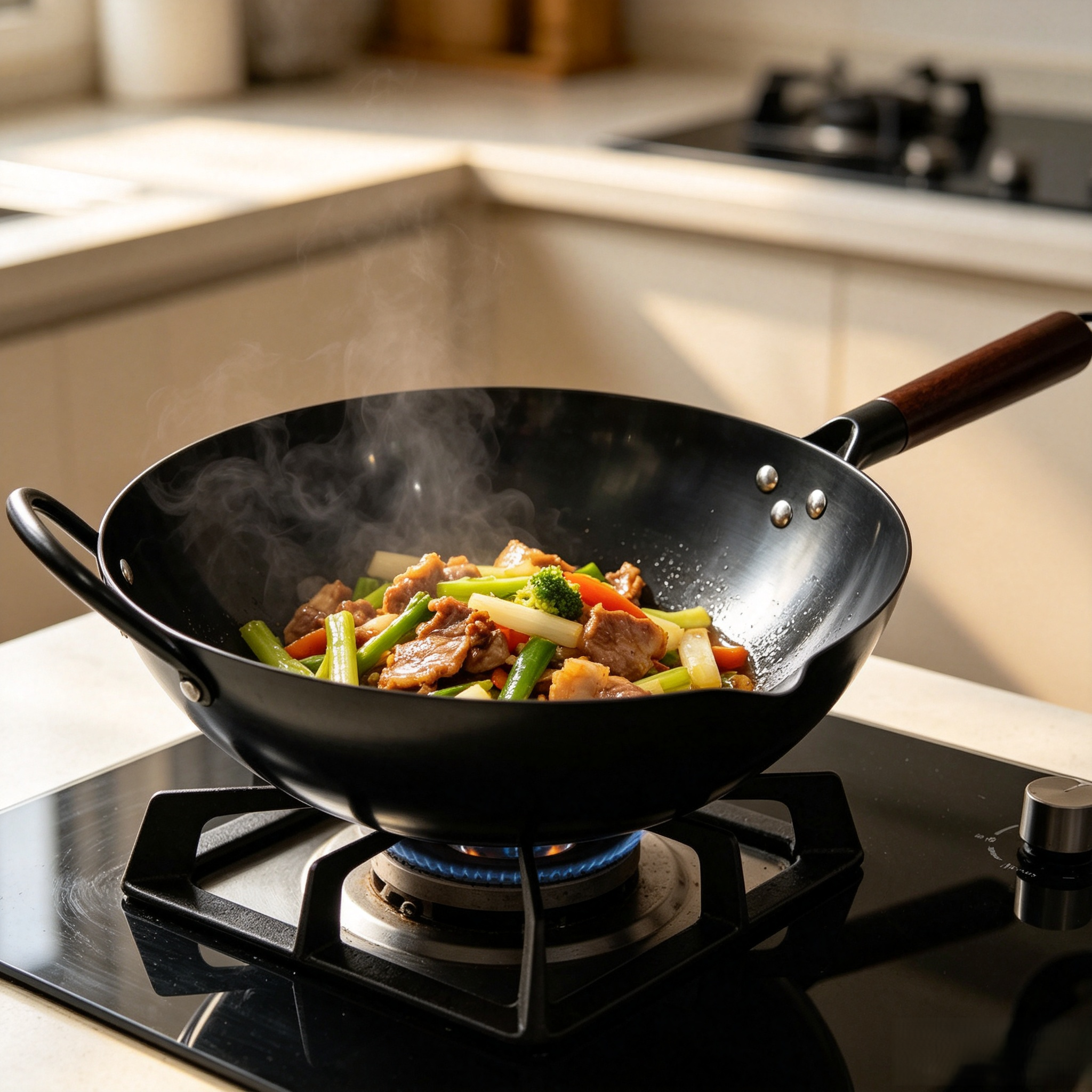
OEM/ODM 28/30/32/34cm Healthy Nitrided Carbon Steel Wok
View Details →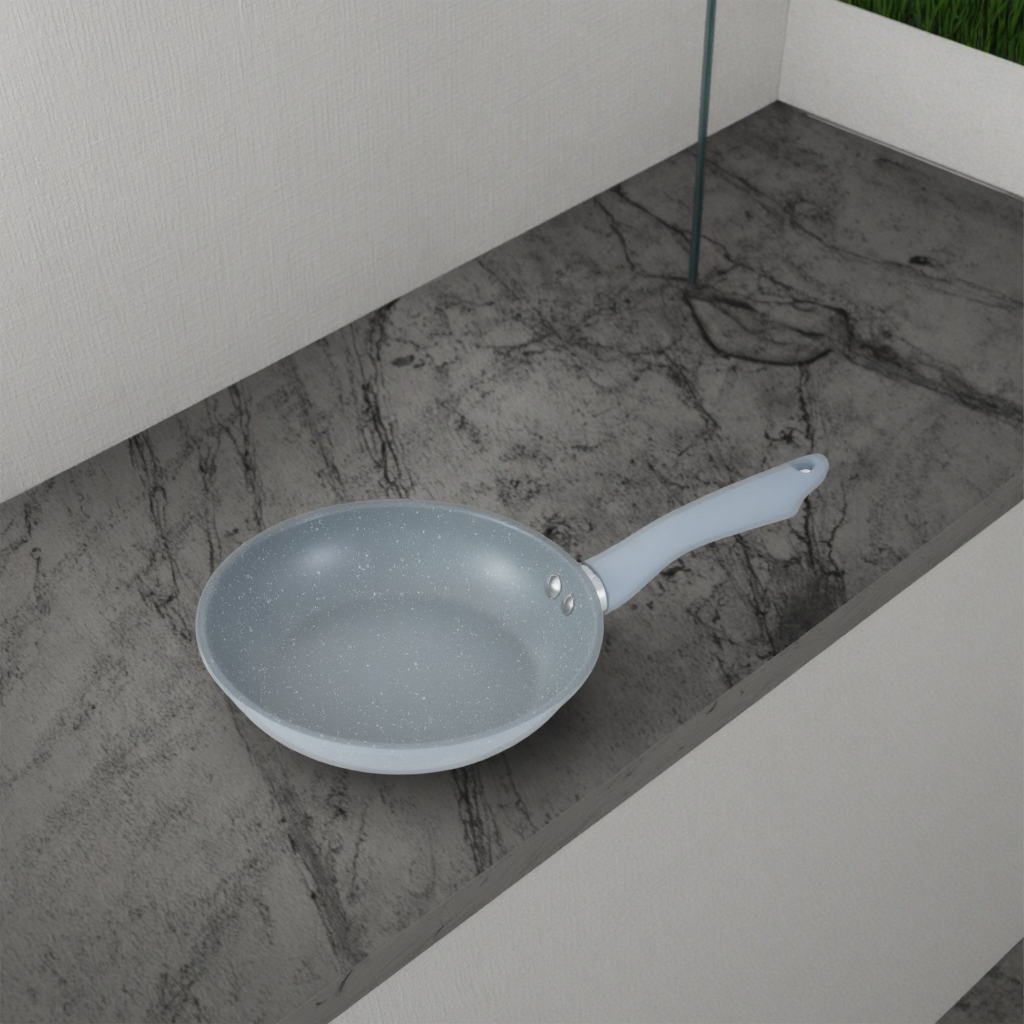
10-Inch Heavy Gauge Carbon Steel Fry Pan Non-Stick
View Details →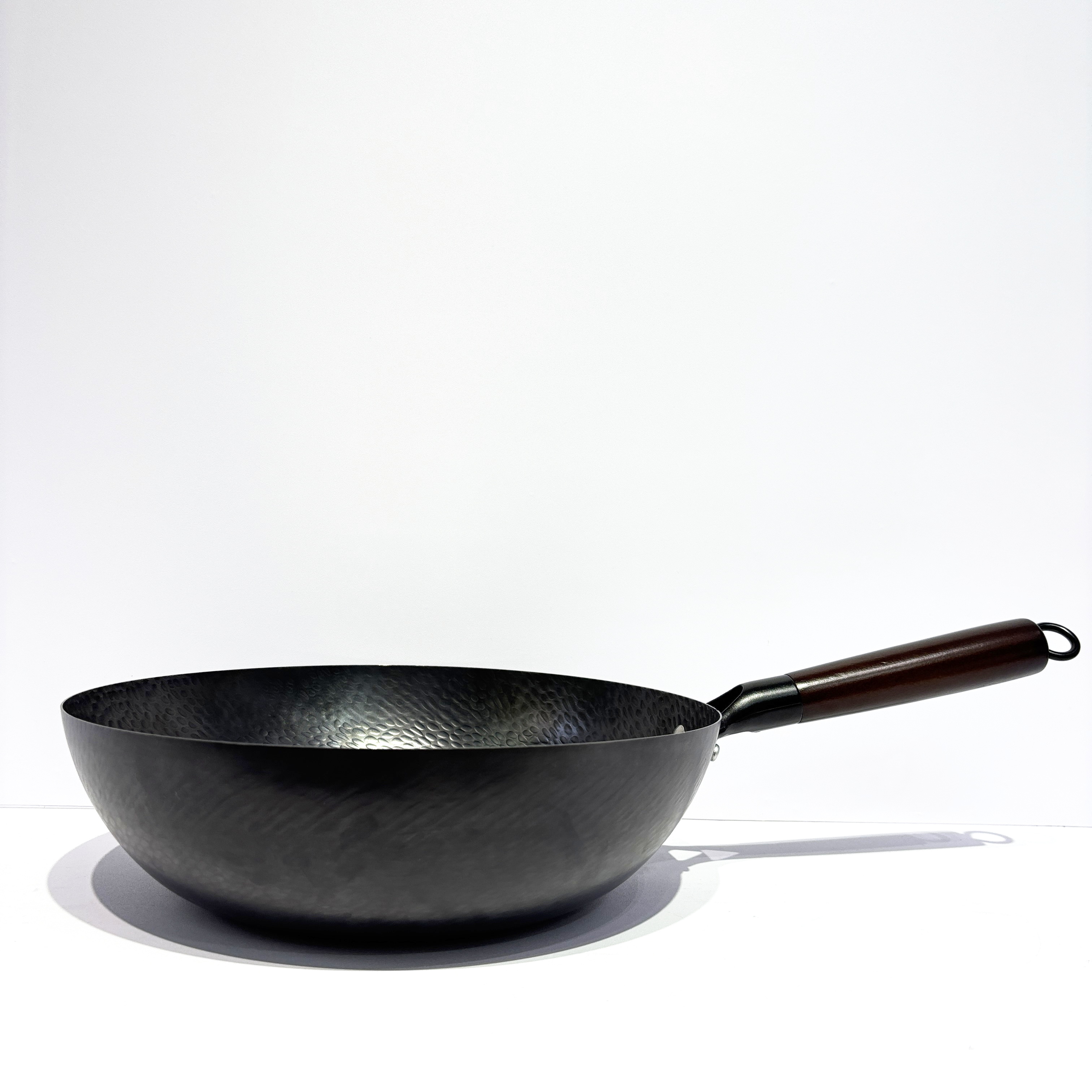
CAMRY Customized Logo Nitrided Hammered Carbon Steel Wok
View Details →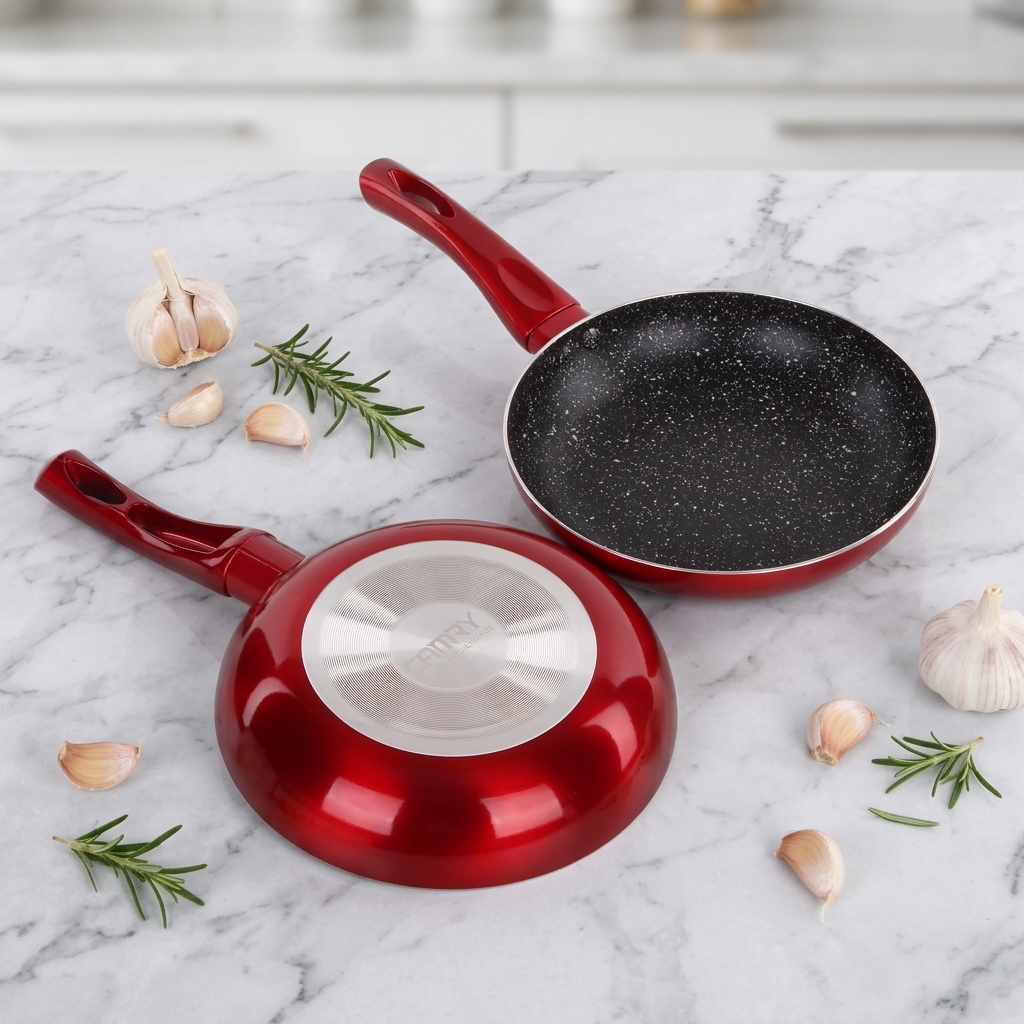
Durable 30 cm PFOA-Free Non-Stick Pressed Frying Pan
View Details →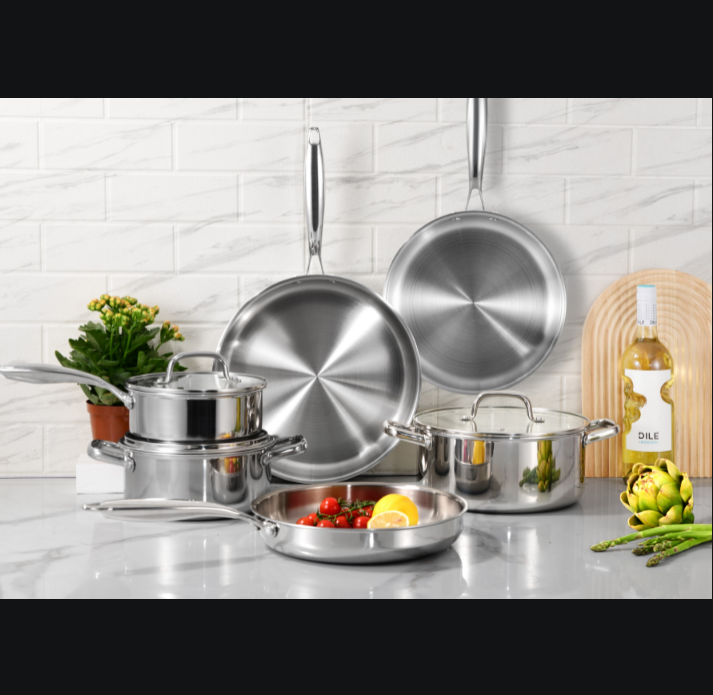
Factory Price Tri-Ply Stainless Steel Cookware Set
View Details →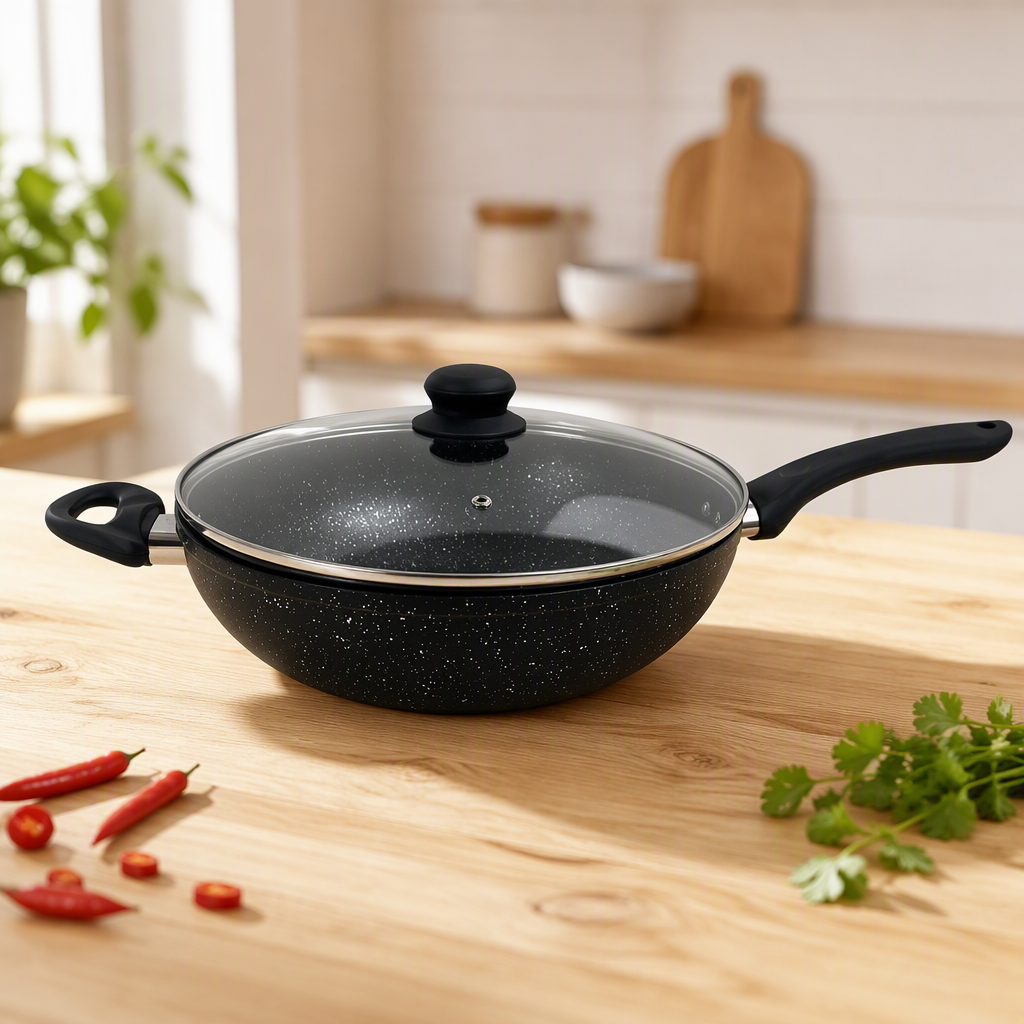
32 cm Granite Coating Non-Stick Forged Aluminum Wok Pan
View Details →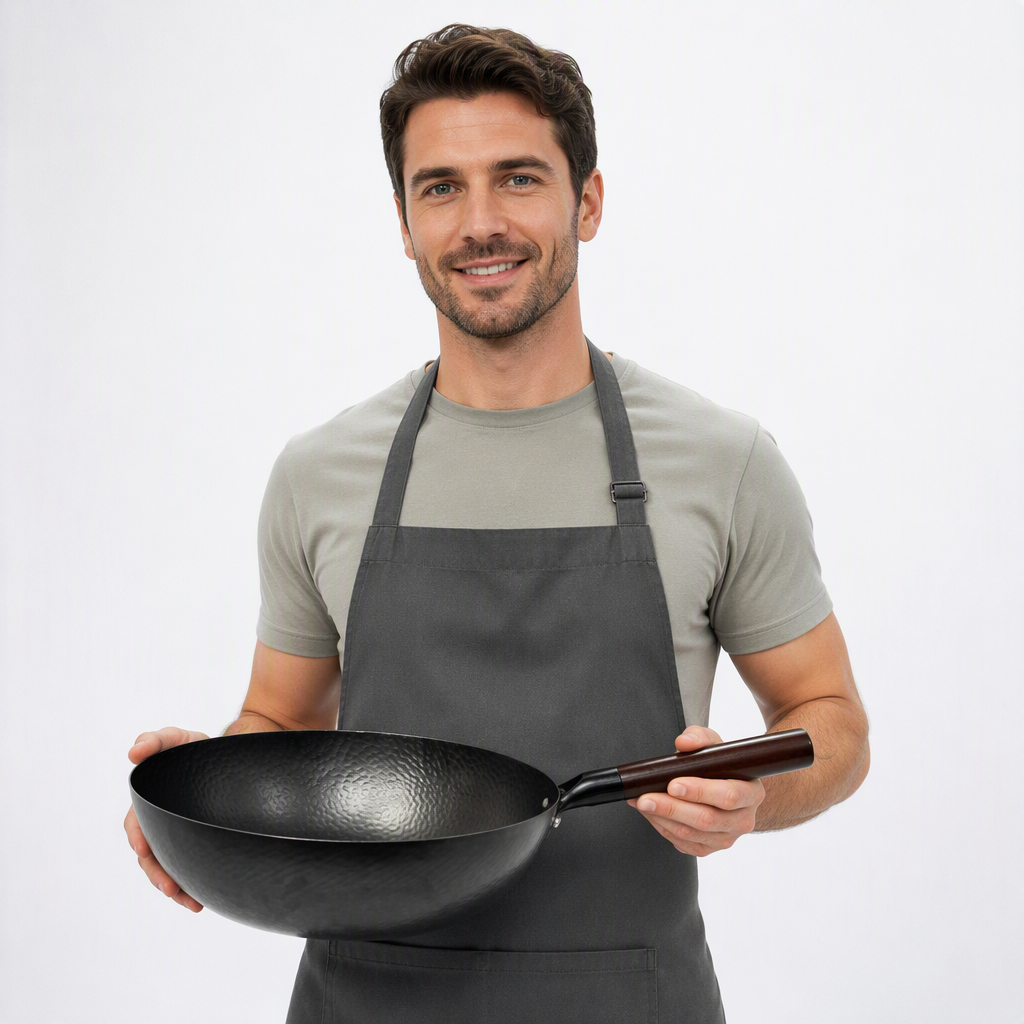
30cm Carbon Steel Round Wok Nitrided Non-Stick Surface
View Details →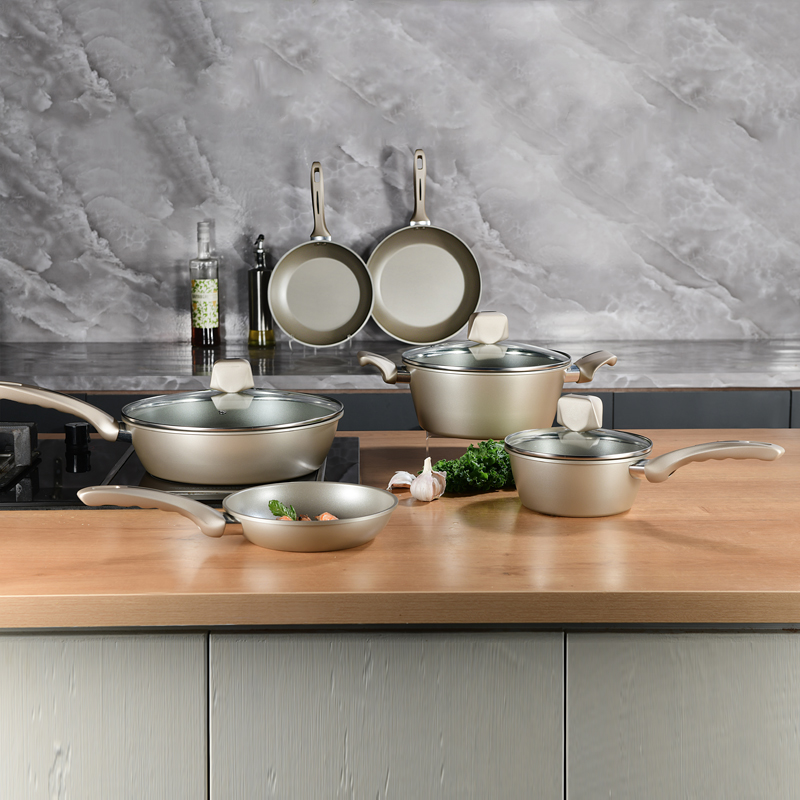
9-Piece Titanium Non-Stick Heavy Gauge Cookware Set
View Details →Executive Summary: Navigating Kraków’s Commercial Gastronomy & Hospitality Landscape
The historical city of Kraków, serving as the cultural epicenter and primary tourism hub of Southern Poland (Lesser Poland / Voivodeship Małopolska), represents one of Central Europe's most dynamic HoReCa (Hotel, Restaurant, Catering) markets. Welcoming over 10 million domestic and international visitors annually, Kraków’s food service infrastructure ranges from high-density tourist dining around Stare Miasto (Old Town) and Kazimierz to expansive institutional central kitchens, university canteens (such as Jagiellonian University), and regional catering networks ("catering diety pudełkowe").
For procurement directors, commercial kitchen equipment importers, and wholesale distributors operating within the Kraków market, selecting the optimal heavy-duty cookware is not merely an aesthetic choice—it is a critical economic variable. Operating under demanding European energy cost structures and stringent health regulations, commercial kitchens require stock pots that deliver rapid heat transmission, exceptional structural integrity under prolonged thermal stress, and total safety when processing acidic food matrices typical of traditional Polish cuisine.
As a leading custom manufacturer and global exporter of high-gauge commercial cookware—headquartered in the Dongnan Industrial Zone, Jinhua, Zhejiang—Zhejiang MEIS Kitchenware Co., Ltd. presents this comprehensive technical guide to assist procurement leaders in Kraków in evaluating heavy-gauge aluminum stock pots against modern operational, culinary, and regulatory demands.
Information Gain Key Insight: Pure commercial aluminum (Grade 1050/3003) exhibits a thermal conductivity rating of approximately 237 W/m·K, compared to just 16 W/m·K for 304 stainless steel. In high-volume stock boiling applications typical of Kraków gastronomy, heavy-gauge aluminum reduces liquid warm-up times by up to 38%, generating measurable reductions in commercial gas and electricity consumption per shift.
1. Thermal Thermodynamics & Material Engineering for Stock Pots
In high-capacity commercial boiling—ranging from 20-liter stock vessels to 60-liter heavy industrial pots—the physics of heat transfer governs kitchen output and utility overhead. Commercial stock pots manufactured by MEIS utilize cold-rolled heavy-gauge aluminum alloys specifically chosen for structural rigidity and thermodynamic performance.
1.1 Chemical Metallurgy: Alloy Selection for Heavy Vessels
Commercial cookware engineering balances tensile strength with thermal conductivity. Standard thin-gauge retail pots warp under intense commercial gas burners or high-output induction hobs. MEIS stock pots utilize two primary industrial aluminum alloys:
- 1050 Grade Commercial Pure Aluminum (99.5% Al): Yields maximum thermal diffusivity. Ideal for deep-drawn stock pots requiring seamless heat flow across the wall-to-base radius, eliminating localized hot spots that scorch complex broths.
- 3003 Grade Manganese-Aluminum Alloy (Al-Mn): Incorporates ~1.2% Manganese to increase mechanical tensile strength by 20% over pure aluminum. Provides superior warp resistance for thick-base stock pots subjected to thermal shock when ice-chilling stocks or washing hot pans.
1.2 Hard Anodization vs. Raw Heavy Gauge Aluminum
To resist the corrosive action of acidic food ingredients, MEIS offers advanced Electro-Chemical Hard Anodization. Hard anodization converts the outer surface of the aluminum vessel into an aluminum oxide matrix (Al₂O₃) that is twice as hard as stainless steel (up to 400 HV on the Vickers scale). This non-reactive barrier prevents aluminum ion leaching during long simmers of tomato pastes, fermented soups, or vinegar-infused braises, meeting strict European Food Contact standards without degrading heat transmission speed.
| Engineering Parameter | Commercial Heavy Aluminum | Hard-Anodized Aluminum | 304 Commercial Stainless Steel |
|---|---|---|---|
| Thermal Conductivity | ~237 W/m·K Superior | ~220 W/m·K High | ~16 W/m·K (Low) |
| Specific Heat Capacity | 0.900 J/g°C | 0.910 J/g°C | 0.500 J/g°C |
| Wall Thickness Range | 3.5 mm – 5.5 mm | 4.0 mm – 6.0 mm | 0.8 mm – 1.2 mm (Multi-ply base) |
| Acid Corrosion Resistance | Moderate (Requires care) | Excellent (Non-reactive) | High (Except chlorides) |
| Weight Efficiency Ratio | Optimal (Easy staff lifting) | Optimal (High hardness) | Heavy (Worker strain) |
2. Localized Gastronomy Application Scenarios in Kraków & Małopolska
Understanding user intent in the Kraków region requires evaluating how stock pots perform when preparing regional culinary specialties. Commercial kitchens in Małopolska operate under intense service rushes, requiring cookware built for specific culinary profiles:
Fermented Soups (Żurek & Barszcz Czerwony)
Traditional Polish sour rye soup (Żurek) and red beet soup (Barszcz Czerwony) rely on natural fermentation cultures containing lactic and acetic acids. MEIS hard-anodized stock pots provide an inert surface that prevents acid reaction, ensuring vibrant beet color and pure flavor profiles without metallic taste transfers.
Heavy Simmering Stews (Bigos & Flaki)
Hunter’s Stew (Bigos) requires multi-hour, low-heat reduction of sauerkraut, pork cuts, and dried mushrooms. Thin pots scorch dense cabbage at the bottom. Our 5mm ultra-thick aluminum base spreads heat uniformly across the entire vessel bottom, eliminating localized burn points during 8-hour simmers.
Mass Boiling (Pierogi & Gołąbki Lines)
Institutional canteens and central kitchens supplying Kraków's milk bars (Bars Mleczne) boil thousands of pierogi per shift. Dropping hundreds of cold dough pockets into a pot drops water temperature instantly. Heavy aluminum stock pots act as thermal flywheels, rapidly recovering rolling boils to keep dough textures firm.
3. Macro Localized Market Trends in Poland & CEE Region (2025–2030)
Procurement teams sourcing commercial kitchenware for Polish markets must align with strict regional trends and evolving European legislative frameworks:
3.1 Transition to High-Efficiency Induction Equipment
Commercial kitchen renovations across Małopolska are increasingly replacing atmospheric gas burners with high-efficiency commercial induction cooktops to improve working climate, satisfy fire safety codes in historical UNESCO heritage buildings, and lower energy footprints. MEIS addresses this shift by bonding AISI 430 Magnetic Stainless Steel Impact Base Plates directly onto the aluminum stock pot base under high-tonnage friction hydraulic presses. This delivers seamless induction responsiveness while retaining lightweight aluminum side walls for easy staff handling.
3.2 PFAS / PFOA / PTFE-Free Environmental Directives
In full alignment with the EU Chemical Strategy for Sustainability and pending ECHA restrictions on Per- and polyfluoroalkyl substances (PFAS), modern Polish buyers reject legacy chemical coatings. MEIS stock pots and cookware series utilize advanced Sol-Gel Ceramic nonstick coatings and hard-anodized mechanical surfaces that are 100% PFOA, PFOS, cadmium, and lead-free, ensuring complete safety compliance for food service operators.
3.3 Heavy-Duty Ergonomics and Occupational Safety
Workplace health and safety regulations in Poland emphasize reducing staff wrist strain and lifting injuries. Heavy stainless steel stock pots filled with 40 liters of liquid present significant safety hazards. MEIS engineered stock pots feature solid-riveted, cool-touch tubular stainless steel handles positioned with wide clearance, enabling comfortable two-person lifting even when wearers are outfitted with commercial silicone oven mitts.
4. Comprehensive Product Comparison Matrix for B2B Procurement
Below is a technical breakdown of MEIS commercial stock pot series designed to help procurement managers match vessel specifications to kitchen volume demands:
| Series Code | Capacity (L) | Base Gauge | Base Type | Surface Finish | Primary Application in Kraków Market |
|---|---|---|---|---|---|
| MEIS-SP-20L | 20 Liters | 4.0 mm | Impact Induction Base | Hard Anodized / Satin | Hotel Buffets, A-la-carte Restaurant Stocks |
| MEIS-SP-35L | 35 Liters | 5.0 mm | Impact Induction / Gas Spiral | Natural Commercial Grade | Regional Event Catering, Wedding Halls |
| MEIS-SP-50L | 50 Liters | 5.5 mm | Heavy Duty Gas Rim | Hard Anodized Acid-Shield | Central Kitchens, Box Diet Manufacturers |
| MEIS-SP-70L | 70 Liters | 6.0 mm | Reinforced Double Rim | High-Grade Ceramic / Natural | University Canteens, Industrial Processing |
5. Enterprise Profile & OEM Capabilities: Zhejiang MEIS Kitchenware Co., Ltd.
Located in the heart of Zhejiang’s world-renowned hardware manufacturing cluster in Jinhua, China, Zhejiang MEIS Kitchenware Co., Ltd. is a premier custom manufacturer of non-stick aluminum and carbon steel kitchenware. Operating with over 20 years of dedicated industry experience and 18 years as an audited B2B supplier, MEIS delivers end-to-end manufacturing solutions for global brand owners, regional wholesalers, and HoReCa equipment distributors.
Our 105-person specialized workforce manages integrated production facilities including disc blanking, heavy hydraulic pressing, CNC base machining, automated surface pre-treatment washing lines, multi-layer nonstick spray booths, induction plate bonding, and final assembly testing. Our factory facilities have been audited on-site by TÜV Rheinland, confirming our strict operational standards, environmental compliance, and quality control systems.
Factory Quality Control Rigor: Every production lot undergoes rigorous laboratory testing prior to shipment, including Salt Spray Corrosion Resistance testing, Handle Joint Fatigue/Torsion testing, Coating Abrasion Cross-Hatch testing, and Thermal Shock Resistance validation.
Frequently Asked Questions for Kraków Procurement Managers
Why choose heavy aluminum stock pots over stainless steel for high-volume cooking in Poland?
Aluminum offers nearly 15 times higher thermal conductivity than stainless steel. This ensures extremely fast boil times and eliminates hot spots that scorch thick broths and stews. Additionally, aluminum stock pots are significantly lighter, reducing physical strain on kitchen personnel during cleaning and transport.
How does MEIS ensure stock pots are safe for acidic soups like Żurek or Barszcz?
We supply hard-anodized aluminum stock pots and cookware featuring dense aluminum oxide interior layers, as well as ceramic-coated options. These surfaces are completely non-reactive and inert, preventing any metallic ion leaching or flavor alteration when boiling acidic or fermented Polish recipes for extended periods.
Can MEIS aluminum stock pots be used on induction cooktops in modern Kraków kitchens?
Yes. We apply an AISI 430 magnetic stainless steel impact plate to the bottom of our aluminum stock pots using high-pressure hydraulic bonding machines. This allows the pot to interact seamlessly with induction cooktops while retaining the superior thermal distribution of an aluminum core body.
What are the compliance certifications provided for EU and Polish imports?
Our products comply with European Regulation (EC) No 1935/2004 for materials intended to come into contact with food, German LFGB standards, and FDA guidelines. All coatings are certified PFOA-free, lead-free, and cadmium-free. Detailed laboratory test reports are provided with commercial orders.
What is the logistics route and typical lead time for shipping cookware from Jinhua to Kraków?
Orders ship via sea freight directly from Ningbo or Shanghai ports to Gdańsk or Hamburg, followed by rail/truck transport to logistics hubs in Kraków or Katowice (typical transit: 30-35 days). Alternatively, direct rail freight via the Silk Road rail network (terminating at Małaszewicze/Warsaw) offers expedited delivery in 16-20 days.
What is the Minimum Order Quantity (MOQ) and customization availability for private label distributors?
Standard production MOQs range from 1,000 to 3,000 units per size for full custom manufacturing. We offer complete OEM/ODM support including custom base stamping, laser-engraved brand logos, custom handle configurations, color-box packaging design, and tailored wall thickness options.
Request Full Commercial Stock Pot Catalog & Wholesale Pricing
Partner with a TÜV Rheinland verified manufacturer for your private label or HoReCa distribution network in Lesser Poland. Speak directly with our engineering and export team today.