High-Performance Carbon Steel & Cookware Solutions
Engineered for rigorous industrial thermal cycles, superior mechanical release, and high-energy-efficiency baking across Estonia and the wider Baltic region.
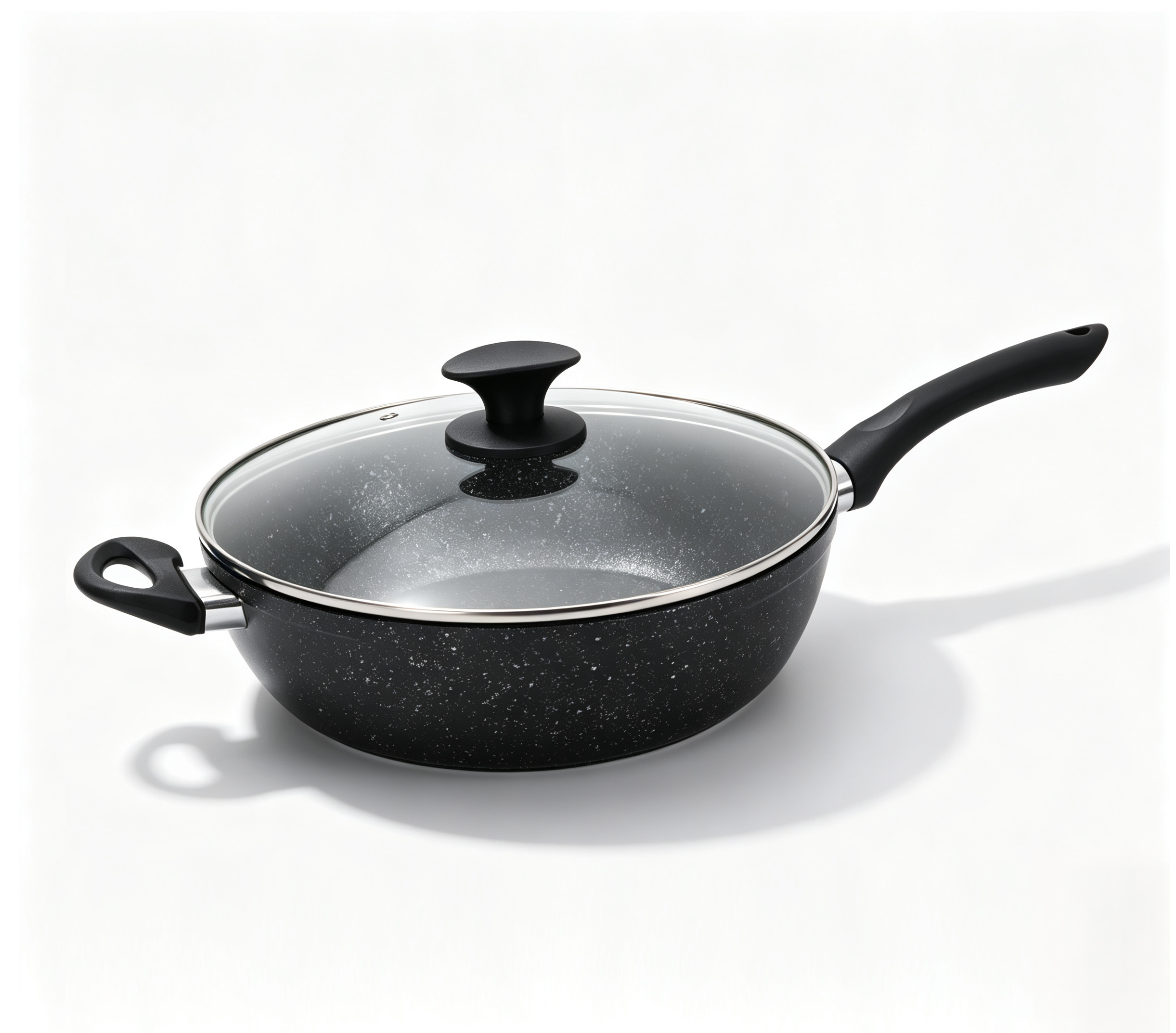
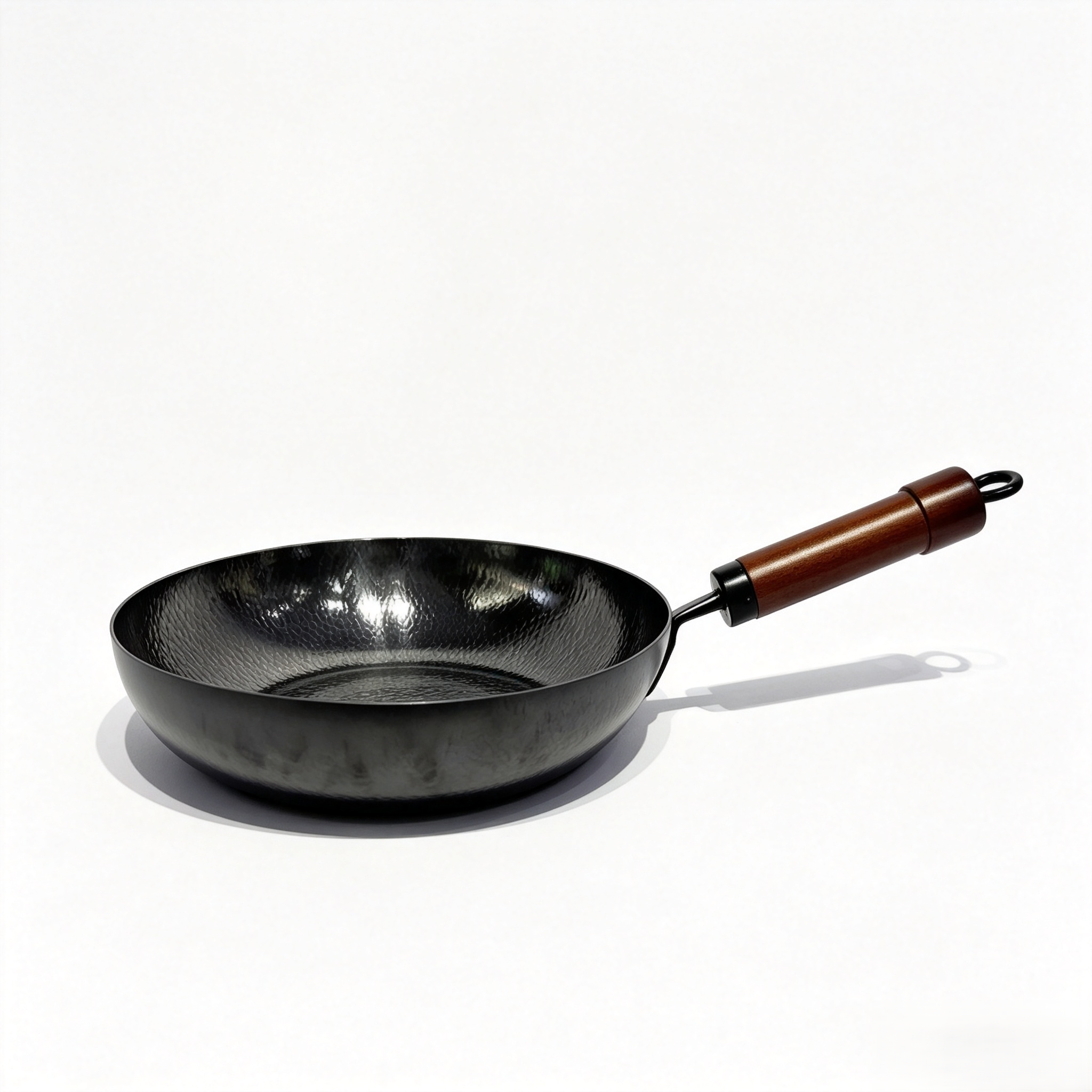
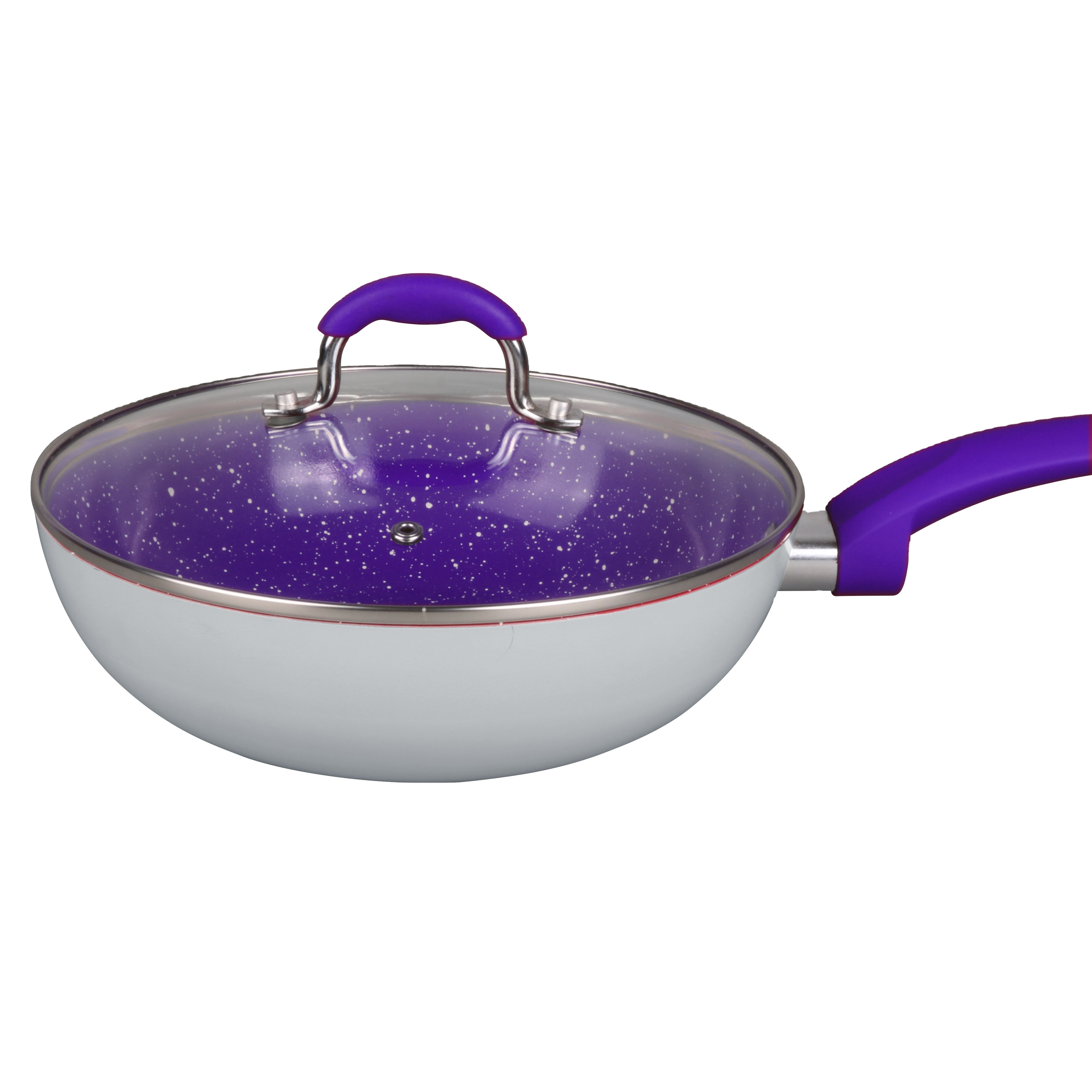
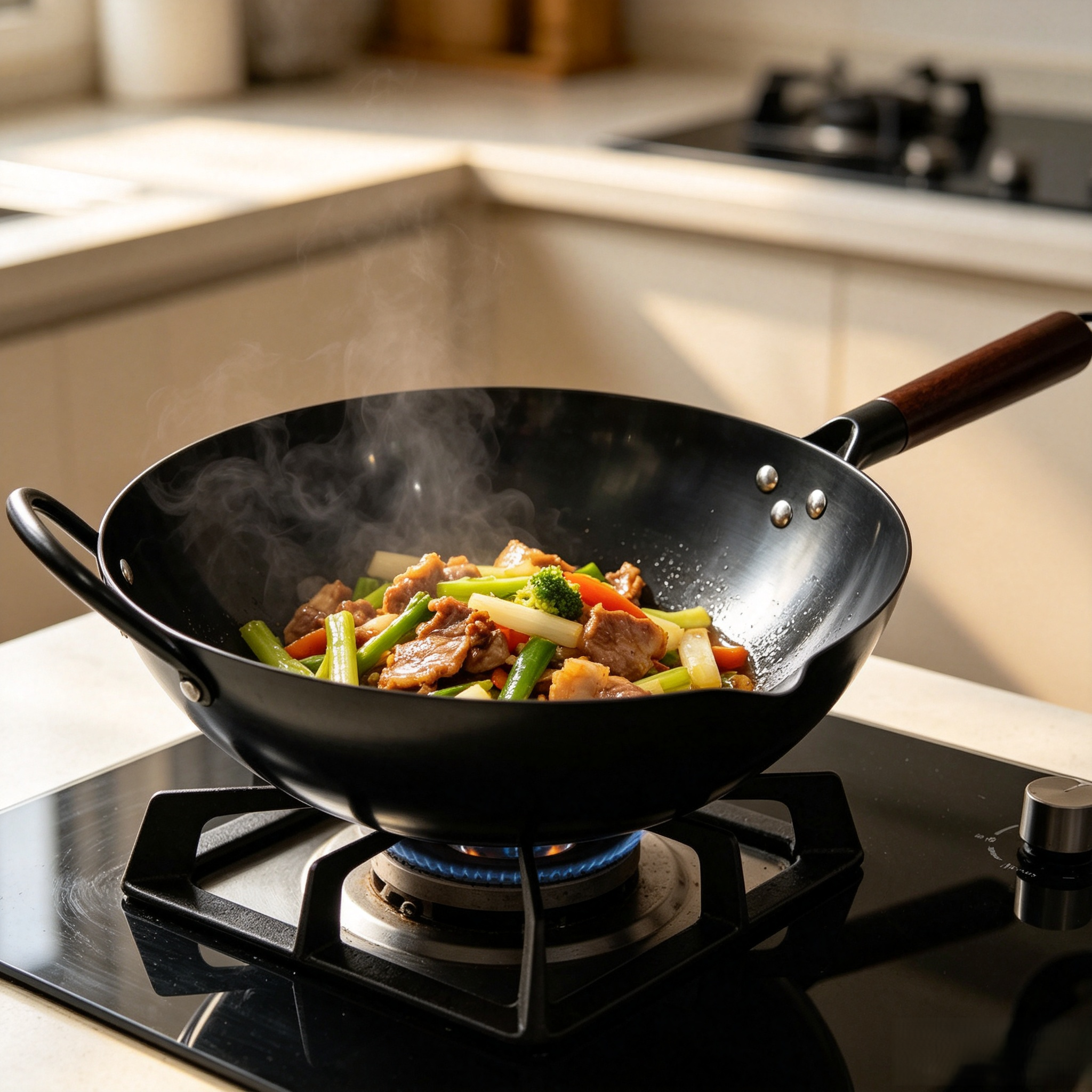
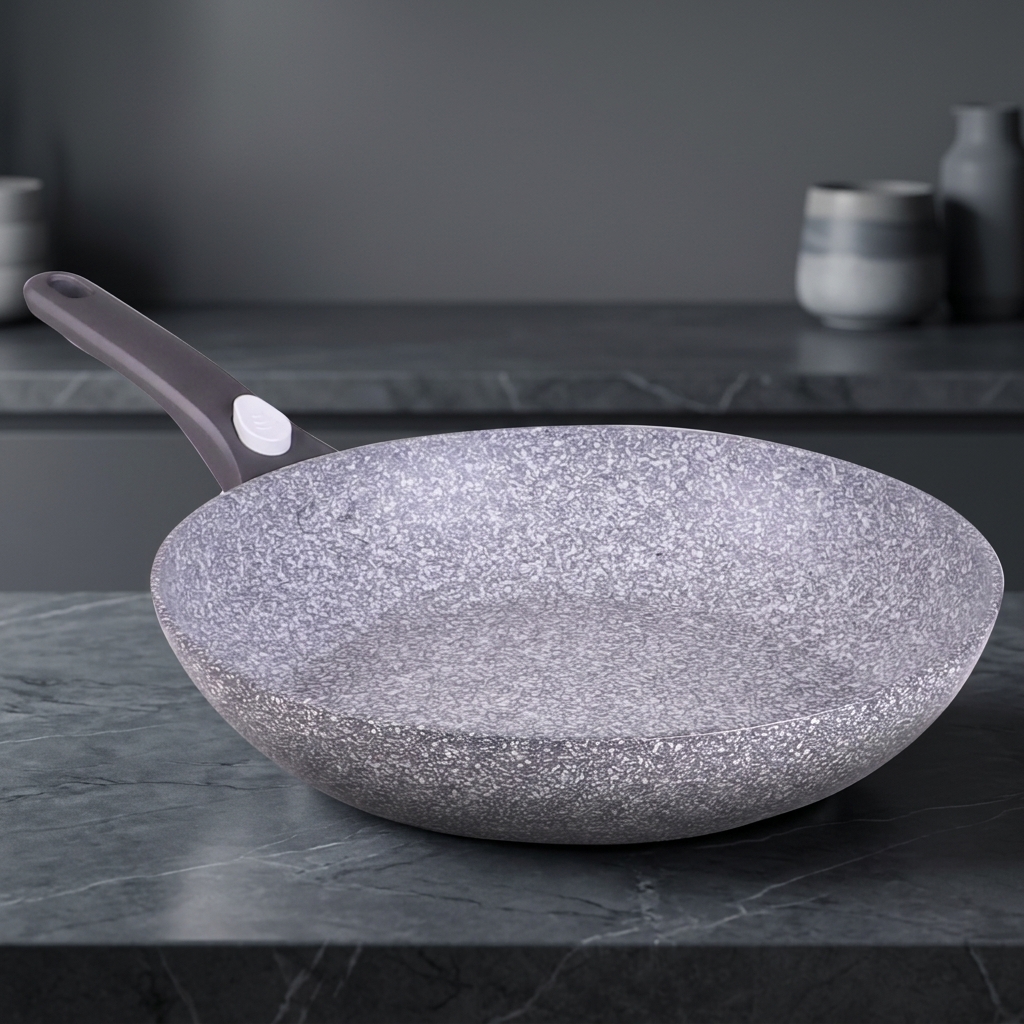
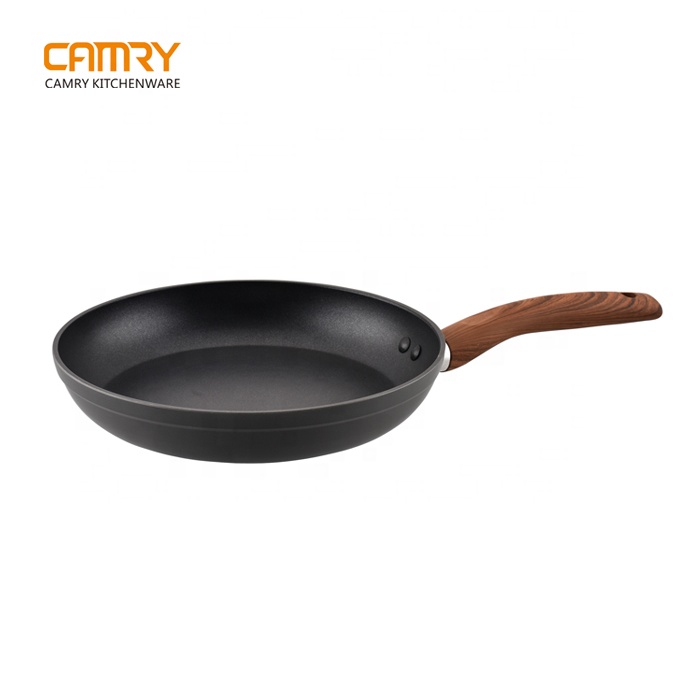
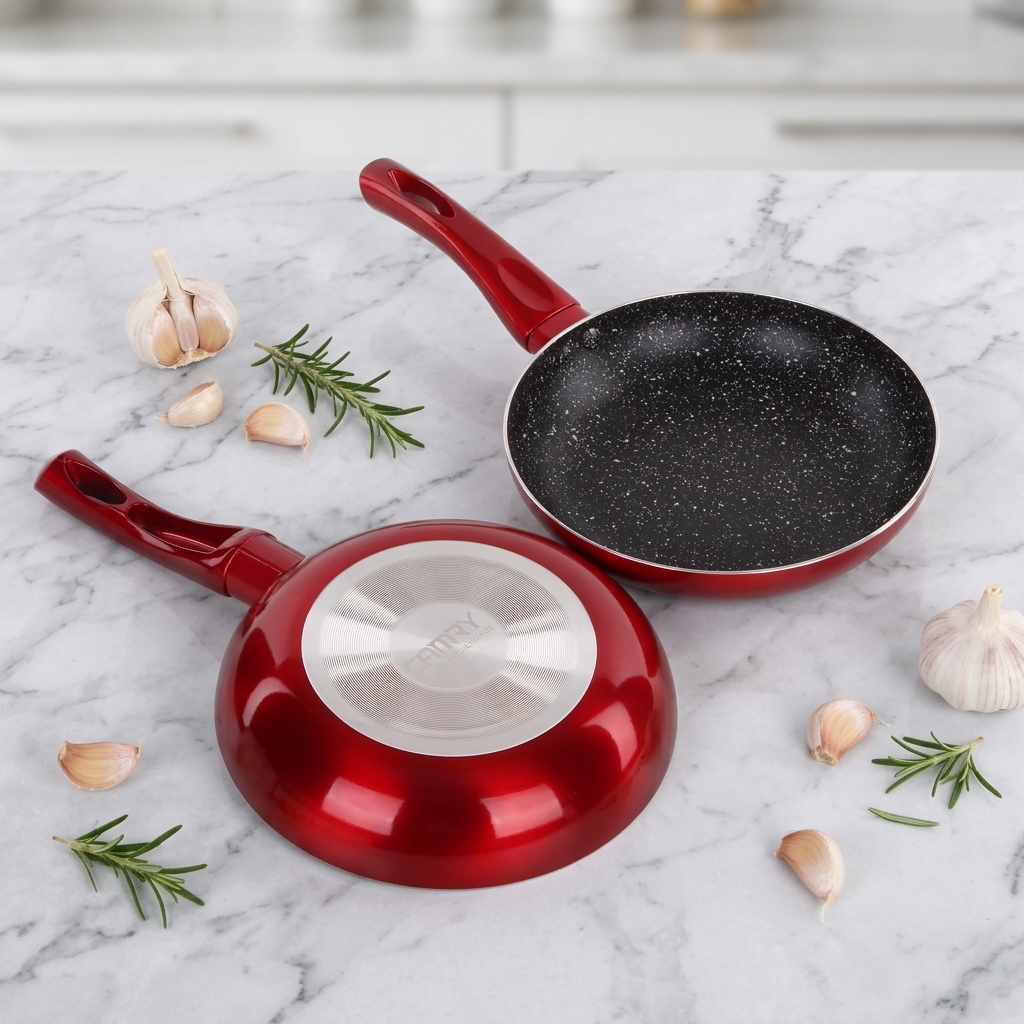
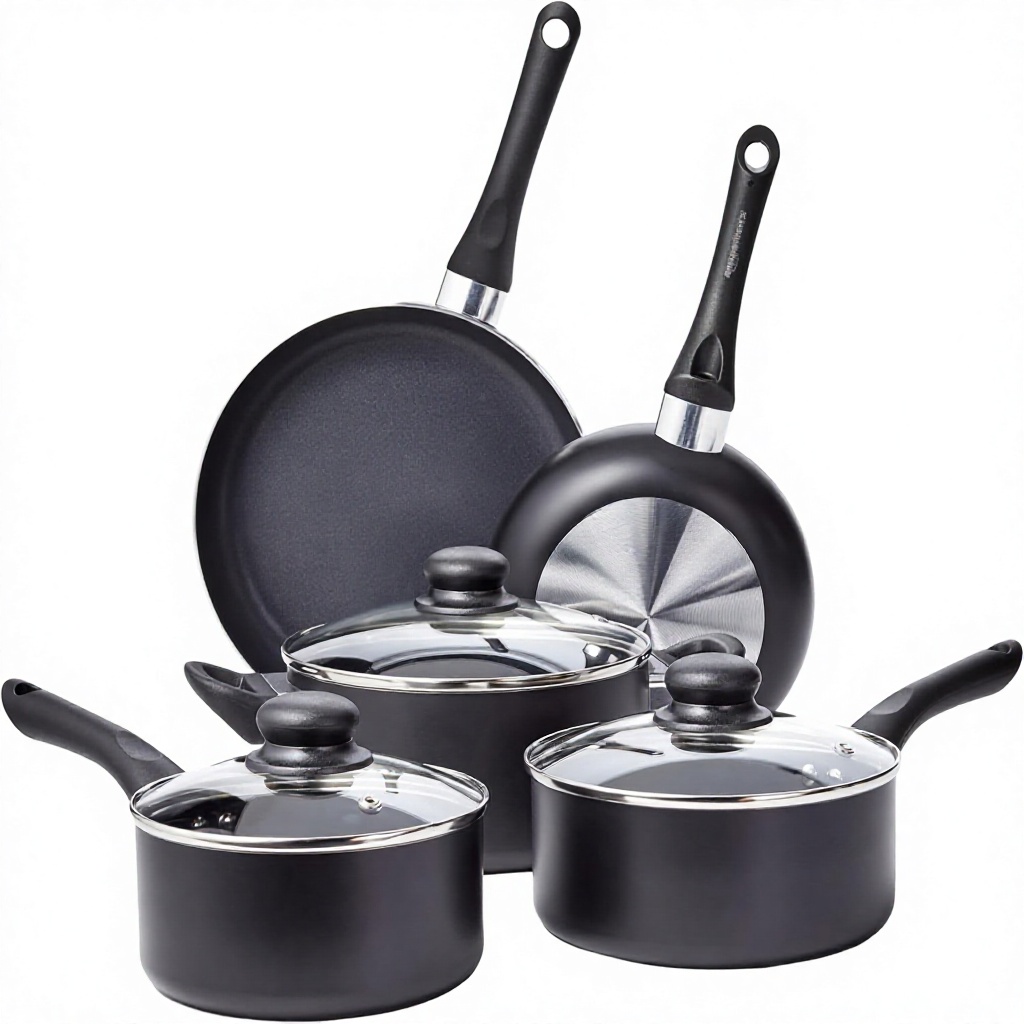
Engineering Carbon Steel Bakeware for Pärnu Commercial & Industrial Operations
An in-depth metallurgical and operational analysis for bakery chain procurement managers, commercial food processors, and kitchenware wholesalers in Southern Estonia.
1. Thermal Conductivity & Energy Efficiency in Northern European Baking Operations
In Pärnu County, where energy optimization in commercial food processing is critical to maintaining margins, the material physics of commercial bakeware plays a massive operational role. Carbon steel possesses a volumetric thermal capacity and thermal diffusivity coefficient ideally suited for high-throughput continuous bake cycles. Compared to standard stainless steel ($k \approx 15 \text{ W/m}\cdot\text{K}$), low-carbon SPCC/DC01 steel offers superior heat transfer ($k \approx 45\text{--}50 \text{ W/m}\cdot\text{K}$), allowing oven heat to radiate uniformly into dough matrices without creating localized hot spots or excessive edge browning.
When evaluated in large tunnel ovens or rotating rack ovens typical in Estonian industrial bakeries, heavy-gauge carbon steel bakeware (ranging from 0.6mm to 1.2mm thickness) reaches equilibrium thermal state up to 30% faster than cast iron, while resisting structural thermal shock during cold-dough loading. This reduction in pre-heating overhead directly translates to measurable lower kilowatt-hour consumption per batch of bread, rolls, or pastries.
2. Advanced Surface Nitriding vs. Fluoropolymer Non-Stick Systems
As EU REACH regulations and impending PFAS restrictions reshape the European kitchenware landscape, industrial buyers in Pärnu are transitioning toward alternative surface treatments. Modern OEM/ODM carbon steel bakeware manufacturing utilizes two high-performance finishing methodologies:
- Gas Nitriding Thermal Treatment: Submerging raw carbon steel into nitrogen-rich atmospheres at elevated temperatures (~570°C) forms an iron-nitride diffusion layer ($Fe_4N / Fe_2N$). This micro-thin ceramic-like skin increases surface hardness up to 500–600 HV, rendering the pan virtually immune to metal tool scratches while providing inherent rust-resistance without synthetic coatings. Ideal for high-temperature crusty rye breads (eesti rukkileib) and heavy baking applications.
- Reinforced Silicon & Ceramic Non-Stick Systems: For sugar-rich pastry baking, pie tins, and soft loaf pans, solvent-based organosilicon and titanium-reinforced ceramic non-stick coatings provide contact angles exceeding 105 degrees. Applied via multi-coat automated disc spraying and cured at precise temperature curves, these surfaces guarantee effortless mechanical release across thousands of continuous baking cycles.
3. Structural Integrity: Wire-Rolled Rims and Deep-Drawing Precision
Pan warping under localized thermal gradients is a primary failure mode in high-speed commercial baking lines. Zhejiang MEIS Kitchenware solves this through precision deep-drawing tooling combined with encapsulated steel wire-rolled rims. During cold stamping, progressive multi-stage dies distribute material tension evenly across corners, eliminating micro-fractures in the sheet steel. Encapsulating high-tensile carbon wire along the pan perimeter locks the geometry, preventing torsional twisting even when pans undergo rapid transfer from hot baking chambers to ambient cooling spirals.
Bakeware Applications Across Pärnu & Baltic Commercial Sectors
Custom-tailored solutions matching the regional culinary traditions, commercial scale, and climate demands of Southern Estonia.
Industrial Rye Bread Bakeries (Rukkileib)
Pärnu’s traditional dark rye bread production demands deep loaf pans capable of maintaining steady conductive heat through high-density, long-fermentation rye doughs. Heavy-gauge carbon steel loaf tins ensure crisp bottom crust development without scorching sugar complexes.
Centralized Bake-Off & Frozen Dough Facilities
Supplying regional grocery chains across Estonia and Finland requires flash-freezing pre-formed pastries on sheet pans, followed directly by oven baking. Nitrided carbon steel sheet pans withstand rapid $-20^\circ\text{C}$ to $+220^\circ\text{C}$ thermal shock cycles without coating delamination.
HoReCa & Resort Kitchens in Coastal Pärnu
As Estonia’s summer capital, Pärnu’s hospitality venues require versatile, quick-cleaning roasting trays, griddles, and cake tins that transfer seamlessly from kitchen prep to customer service counters during peak seasonal surges.
Private Label Supermarket Bakery Supply
Major Nordic and Baltic retailers sourcing branded consumer bakeware rely on our custom color coating options, custom retail box packaging, and complete barcoding compliance for direct distribution into store networks.
Artisanal Pastry & Muffin Production
Multi-cavity carbon steel muffin trays and tart pans equipped with premium silicone non-stick coatings allow clean releases for high-sugar, high-butter Estonian confections without butter greasing.
Maritime & Baltic Regional Export Logistics
Pärnu’s proximity to Tallinn port and Via Baltica highway network allows efficient palletized freight movements. Our sea-worthy anti-moisture export packaging protects carbon steel cargo during maritime transit.
Commercial Bakeware Material Performance Matrix
A technical guide for procurement directors deciding between carbon steel, aluminized steel, cast iron, and aluminum bakeware.
| Evaluation Parameter | Commercial Carbon Steel | Aluminized Steel | Cast Iron | Pressed / Forged Aluminum |
|---|---|---|---|---|
| Thermal Diffusivity | High (Fast, uniform response) | Moderate to High | Low (Slow heat up) | Very High |
| Structural Rigidity / Gauge | Excellent (0.6 - 1.2mm SPCC) | Good | Extreme (Heavy) | Moderate (Needs thicker walls) |
| Induction Compatibility | Native Magnetic (100%) | Native Magnetic | Native Magnetic | Requires Bonded Base Plate |
| Non-Stick Coating Adhesion | Superior (Pre-treated steel) | Moderate | Seasoning Oil Layer | High |
| Energy Cost Per Bake Cycle | Lowest (Optimal thermal mass) | Low | High (High heat retention loss) | Low |
| EU Food Contact Compliance | LFGB / DGCCRF / EU 1935/2004 | EU 1935/2004 | LFGB Approved | LFGB Approved |
Zhejiang MEIS Kitchenware Co., Ltd. Enterprise Strengths
Why leading European importers, regional brands, and commercial buyers trust our manufacturing infrastructure in Jinhua, Zhejiang.
TÜV Rheinland On-Site Verified Manufacturing Standards
Zhejiang MEIS Kitchenware Co., Ltd. operates state-of-the-art production lines in Dongnan Industrial Zone, Shuxi Street, Jinhua. Verified on-site by TÜV Rheinland, our facility integrates heavy hydraulic pressing, automated CNC trimming, robotic spray coating, and high-temperature curing tunnels under one quality management system. With over 20 years of dedicated cookware production and 18 years as an established global supplier, we eliminate middleman markups while ensuring total traceability from raw steel coil to finished shipping carton.
In-House Tooling, CNC Machining & Custom Mold Design
Unlike standard assembly plants, MEIS maintains an independent mold engineering workshop equipped with high-precision CNC lathes, vertical machining centers, and wire EDM machinery. This internal tooling capability dramatically shortens ODM development cycles for custom bakery pan dimensions, embossed brand logos, and specialized rib configurations—taking projects from 3D CAD modeling to physical pre-production sample testing in as little as 14 days.
Rigorous In-House Quality Assurance Laboratory
Every production batch undergoes comprehensive physical and chemical stress testing in our factory laboratory before authorization for packaging:
- Salt Spray Corrosion Testing: Validates edge seal and coating resistance against humidity and acidic ingredients.
- Thermal Cycle Shock Testing: Repeatedly heats pans to 260°C followed by immediate cold water immersion to verify zero coating blistering or substrate distortion.
- Handle Load Fatigue & Torque Resistance: Mechanical rig tests load handles under force and twisting torsion to guarantee total user safety in high-stress commercial kitchens.
- Cross-Hatch Adhesion & Scratch Resistance: Multi-blade hatch testing ensures coating layer bonding meets strict ISO/DIN quality thresholds.
Emerging Trends Shaping the Baltic Bakeware Market
How regulatory shifts, sustainability directives, and automated logistics are influencing commercial procurement strategies in Estonia.
1. Transition to Non-PFAS & Organic Silicone Coatings
Driven by strict European Green Deal objectives and Nordic Ecolabel directives, commercial bakeries across Pärnu and Northern Europe are rapidly phasing out classical PTFE chemistry. Demand for organic silicone releases and nitrided un-coated carbon steel is projected to grow by over 28% year-over-year.
2. Weight-Optimized Heavy-Gauge Sheet Engineering
Excessive pan weight increases worker fatigue and adds deadweight thermal mass in continuous ovens. Modern carbon steel engineering focuses on high-tensile SPCC formulations that reduce sheet thickness by 15% while matching the flexural rigidity of thicker standard steel through ribbed reinforcement embossing.
3. Supply Chain Resiliency & Direct OEM Partnering
Baltic importers are moving away from multi-tier European distributor networks in favor of direct, audited factory partnerships in Asia with verified OEM capabilities, custom private-label packaging, and guaranteed spare tooling availability.
Frequently Asked Questions for Pärnu & Baltic Buyers
Key technical, compliance, and logistical answers for commercial bakery operators, wholesalers, and private-label brand managers.
Does Zhejiang MEIS Kitchenware deliver directly to commercial clients in Pärnu, Estonia?
Yes. We regularly handle FOB, CIF, and DDP export shipments to Estonian destinations. Cargo can be routed via major Baltic maritime freight channels directly to Muuga/Tallinn ports or via feeder routes serving Western Estonia, fully supported with complete customs documentation, CE/EU compliance certificates, and seaworthy palletization.
Are your carbon steel bakeware coatings compliant with European food contact regulations?
Absolutely. All raw materials, silicone non-stick sprays, ceramic coatings, and nitriding processes used in our factory comply fully with EU Regulation (EC) No 1935/2004, German LFGB standards, French DGCCRF directives, and US FDA requirements. Heavy metal leaching and overall migration test reports from independent testing agencies like SGS and TÜV are provided with every order.
What is the minimum order quantity (MOQ) for custom private label bakeware?
For standard carbon steel bakeware and fry pans with minor branding modifications (logo stamping, custom color labels, custom retail box graphics), the MOQ typically starts from 1,000 to 2,000 sets per item. Selected high-volume production items are available from 500 pieces for initial market trial orders.
How does nitrided carbon steel compare to standard non-stick coated steel for bakery applications?
Nitrided carbon steel undergoes high-temperature nitrogen diffusion treatment, making the metal surface hydrophobic, rust-resistant, and scratch-resistant without using synthetic polymer layers. It is ideal for high-temperature crusty bread baking (up to 350°C) and heavy commercial use. Non-stick coated carbon steel is better suited for delicate, high-sugar baked goods (like cakes and muffins) requiring zero-stick release at lower temperatures (up to 230°C).
Can we request custom pan sizes or embossed brand logos on the carbon steel base?
Yes. Supported by our in-house CNC mold-making department, we can design custom deep-drawing stamping dies to match your exact dimensions, edge profiles, and bottom embossing requirements. Pre-production samples are supplied for dimensional and baking testing before full production begins.
What are the recommended care instructions to maximize coating life in commercial bakeries?
For coated carbon steel bakeware, avoid using sharp metal tools or abrasive washing pads. Washing with mild detergent and warm water, followed by immediate drying, ensures maximum coating life. For nitrided un-coated steel pans, light oil wiping after washing prevents surface oxidation and preserves natural release properties.
Partner with a Verified Carbon Steel Bakeware Manufacturer
Elevate your commercial bakery line or retail kitchenware catalog with factory-direct pricing, custom OEM tooling, and TÜV-certified quality from Zhejiang MEIS Kitchenware Co., Ltd.
Contact Us