Featured Commercial & Domestic Cookware Solutions
Engineered with heavy-gauge metals, precision nitriding, and advanced multi-layer nonstick surfaces, our cookware selection is tuned for high thermal efficiency and anti-corrosive durability in maritime commercial environments.
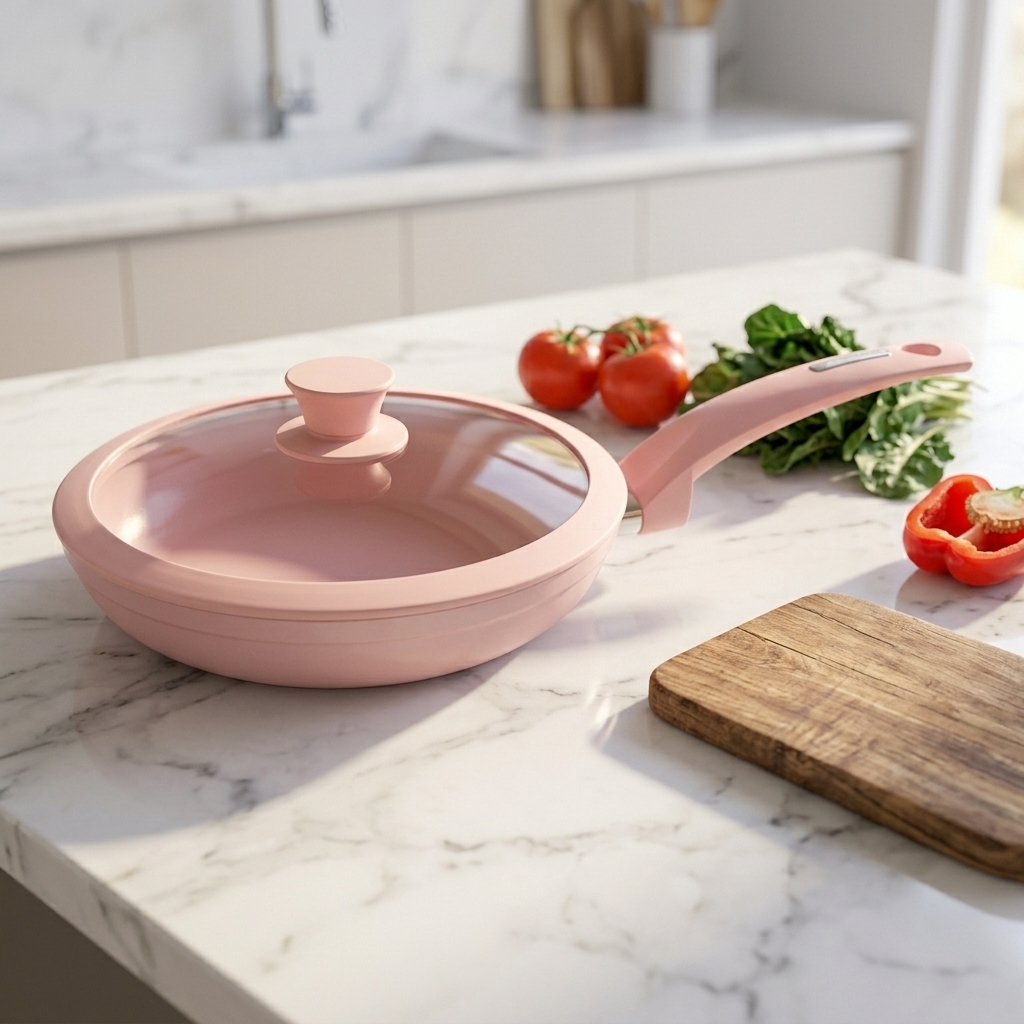
Factory Price Customized Colorful 22 cm Forged Aluminium Fry Pan
Durable forged construction suitable for all heat sources including induction hobs, equipped with glass lid.
View Product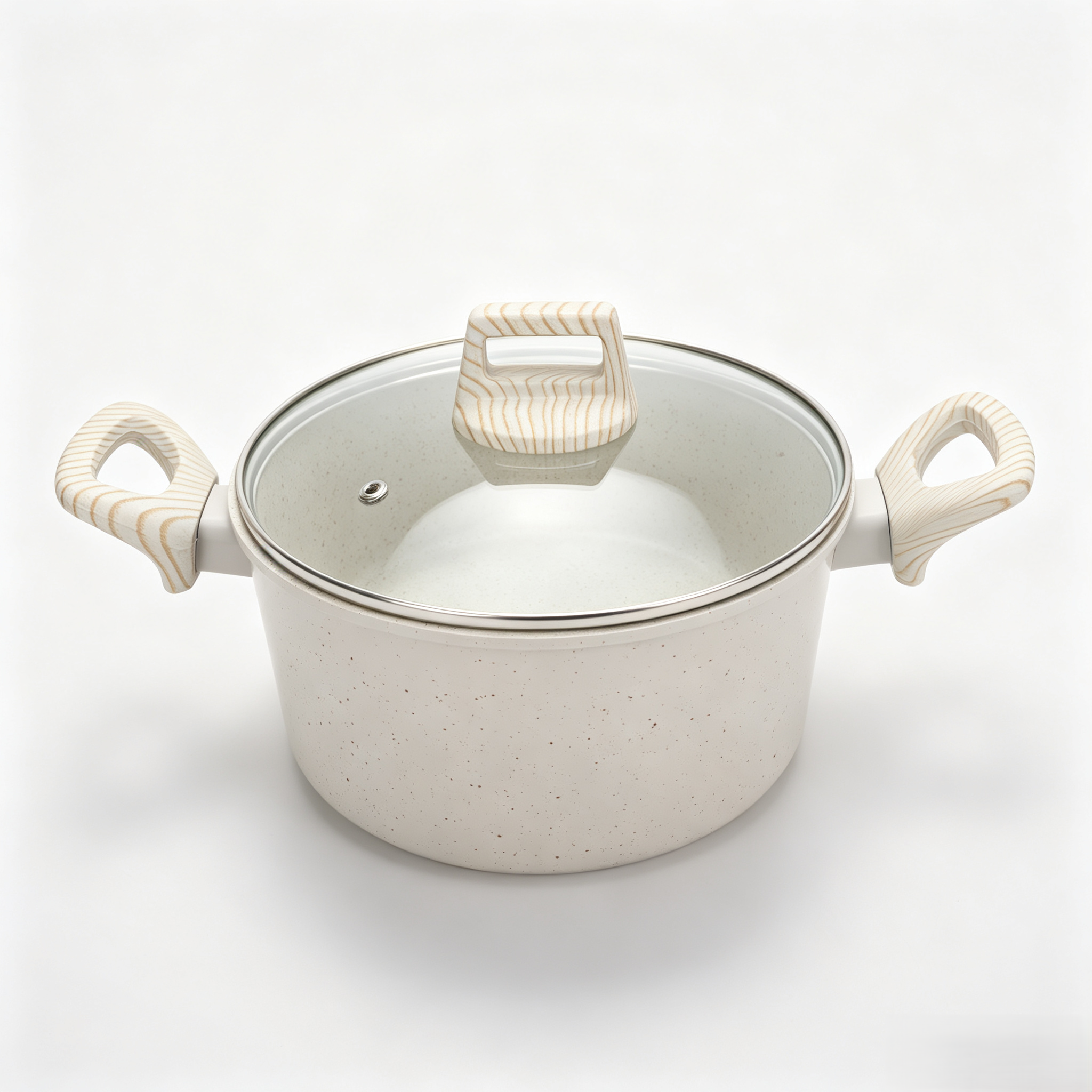
Large Capacity Nonstick Aluminum Induction Casserole Pot
Heavy-duty commercial casserole with Bakelite cool-touch handles, heat-resistant glass cover, and magnetic bottom.
View Product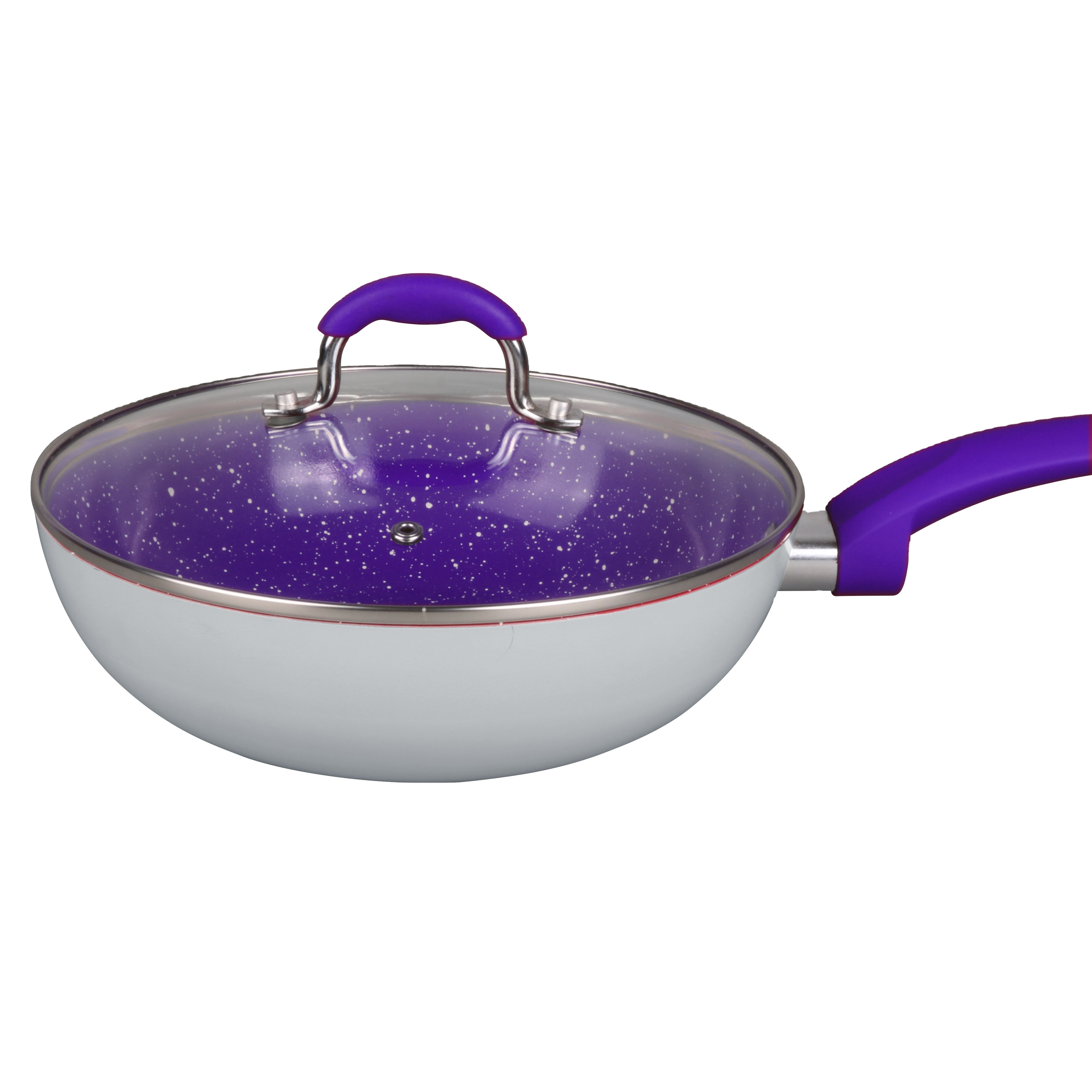
30 cm Marble Coating Non-Stick Pressed Wok Deep Fry Pan
Multi-layer marble nonstick surface designed for high-temperature sautéing and simmered stews in commercial kitchens.
View Product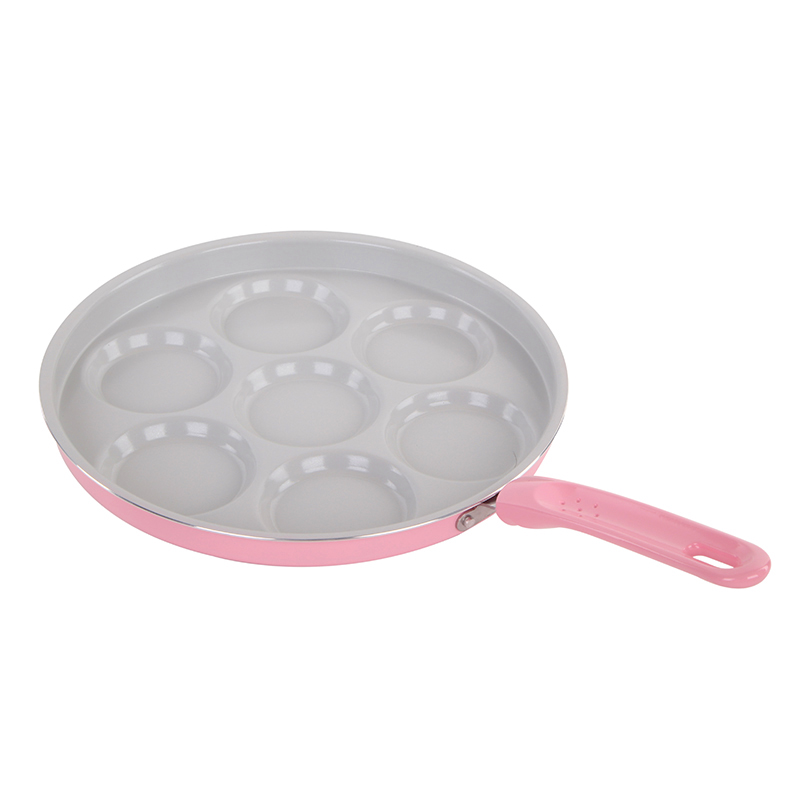
Home Kitchen Eco-Friendly Modern Aluminum Alloy Cookware Set
PFOA-free nonstick coating formulation engineered for low-smoke, eco-friendly residential and hospitality use.
View Product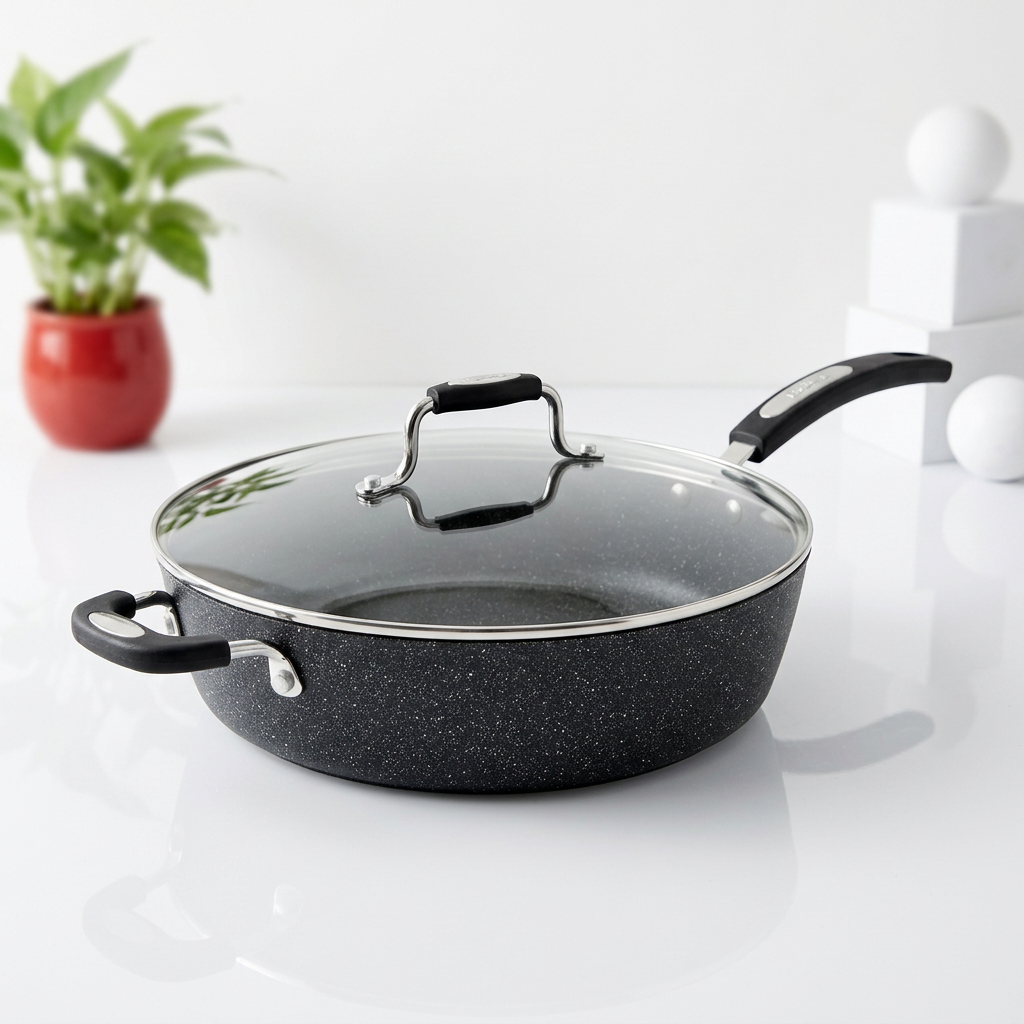
Classic 11 Inch (28cm) Deep Fry Pan Casserole with Helper Handle
Forged metal gauge with 4-quart capacity, helper handle, and induction bottom designed for continuous cooking.
View Product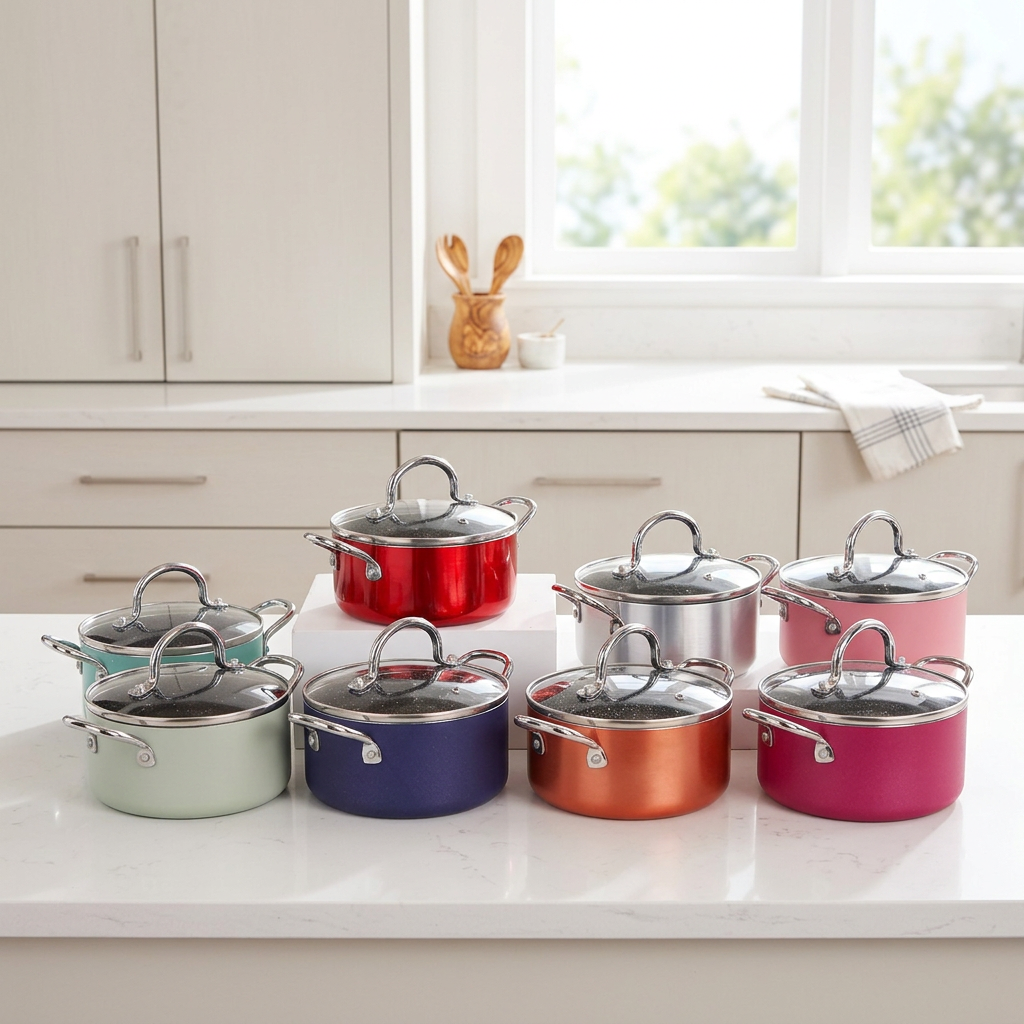
14cm Mini Non-Stick Saucepan with Tempered Glass Lid
Compact induction saucepan optimized for sauce preparation, quick heating, and hotel breakfast service.
View Product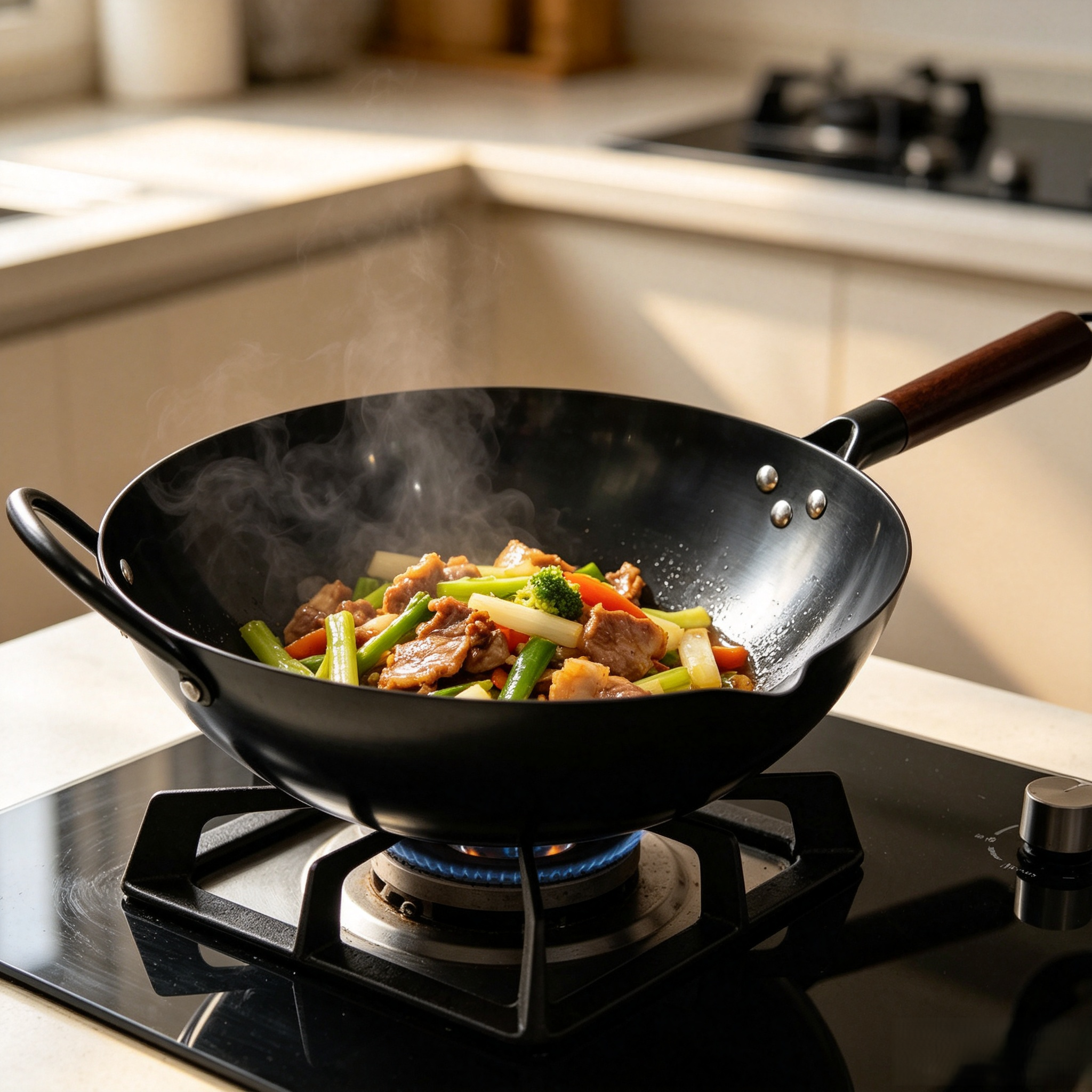
OEM/ODM Uncoated Nitrided Healthy Carbon Steel Casserole & Wok
Gas-nitrided surface treatment delivering chemical-free rust resistance, extreme hardness, and induction heat speed.
View Product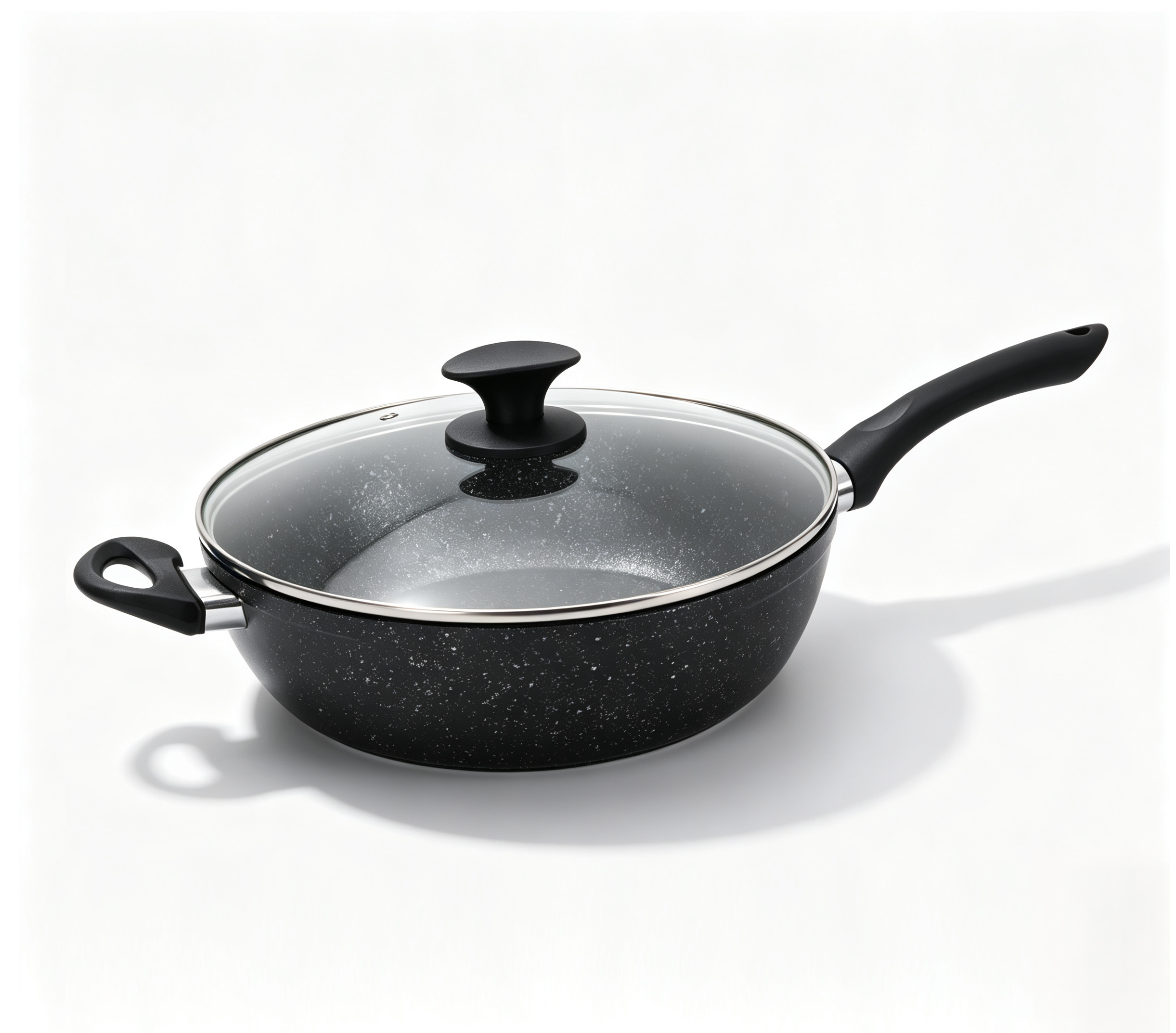
Easy Cleaning Modern Granite Nonstick Deep Casserole Pan
Multi-functional deep cooking pot with granite speckle reinforced matrix, glass lid, and soft-touch handle.
View ProductExecutive Overview: The Carbon Steel Casserole Shift in Burgas
The administrative and economic hub of South-Eastern Bulgaria, Burgas serves as the gateway to the Black Sea culinary and tourism corridor—stretching from Sunny Beach and Nessebar down to Sozopol and Tsarevo. Over the past decade, the rapid expansion of the regional hospitality (HORECA) sector, combined with rising commercial energy costs across the European Union, has forced commercial kitchens, hotel purchasing managers, and cookware wholesalers to re-evaluate their culinary hardware.
Traditionally, European culinary operations relied heavily on heavy enameled cast iron or standard aluminum casserole pots. However, carbon steel casseroles (manufactured from 1.5mm to 3.0mm low-carbon steel alloys) have emerged as the superior alternative across Burgas commercial establishments and consumer retail stores. Carbon steel delivers the rapid thermal diffusivity of copper alongside the high heat retention and induction responsiveness of iron, all while operating at less than half the structural weight of traditional cast iron vessels.
Metallurgical Properties & Manufacturing Engineering
To evaluate carbon steel casserole performance for high-volume B2B sourcing, procurement directors must understand the core metallurgical dynamics that separate commercial-grade carbon steel from consumer-grade stamped pans.
Gas Nitriding Technology
Our factory applies high-temperature gas nitriding ($570^\circ\text{C}$ nitrogen atmosphere diffusion). This process infuses nitrogen atoms directly into the iron crystal lattice, producing a super-hard iron nitride ($\text{Fe}_4\text{N}$) surface barrier layer. The result is an uncoated, chemical-free surface that inherently resists marine air oxidation and high-velocity scratching.
Thermal Diffusivity
With a thermal conductivity coefficient of approximately $54 \text{ W/m}\cdot\text{K}$ (compared to $15 \text{ W/m}\cdot\text{K}$ for stainless steel), carbon steel prevents localized heat hotspots. This ensures ultra-uniform heat distribution across the casserole base, critical for slow-simmering Bulgarian slow-cook delicacies like Gyuvech or Kavarma without scorched bottoms.
Black Sea Corrosion Defense
Burgas's ambient atmosphere exhibits high saline concentration due to Black Sea humidity. MEIS carbon steel vessels undergo automated 5-stage ultrasonic degreasing, sandblasting, and continuous salt-spray chamber testing (ASTM B117 standards) exceeding 72 hours without atmospheric pitting.
Material Performance Comparison Matrix
This comparative analysis provides quantitative metrics for commercial procurement officers in Burgas selecting cookware stock for retail distribution or hospitality usage:
| Performance Metric | MEIS Nitrided Carbon Steel | Enameled Cast Iron | Commercial Stainless Steel (304) | Pressed Aluminum (Nonstick) |
|---|---|---|---|---|
| Specific Mass (Density) | Medium (~2.2 - 2.8 kg per casserole) | Very Heavy (~5.5 - 7.0 kg) | Medium (~2.5 - 3.2 kg) | Ultra-Light (~1.1 - 1.6 kg) |
| Thermal Conductivity | High ($54 \text{ W/m}\cdot\text{K}$) | Moderate ($45 \text{ W/m}\cdot\text{K}$) | Low ($15 \text{ W/m}\cdot\text{K}$) | Very High ($205 \text{ W/m}\cdot\text{K}$) |
| Induction Heating Speed | Instantaneous (100% Ferromagnetic) | Moderate Warm-up Time | Requires Encapsulated Base | Requires Clad Stainless Plate |
| Thermal Shock Resistance | Extreme (No surface cracking) | Poor (Enamel micro-chipping) | High (Base warp risk) | Moderate (Warp risk under cold water) |
| Commercial Life Cycle | 10+ Years (Restorable surface) | 3-5 Years (Enamel wear out) | 10+ Years (Food sticks easily) | 1-3 Years (Coating fatigue) |
Localized Application Scenarios in the Burgas Region
The regional economy of Burgas possesses distinct micro-climatic and operational requirements. Understanding these localized operational contexts enables wholesalers and importers to stock high-margin, purpose-built cookware SKUs.
Black Sea Coastal Resort Kitchens
In large-scale hotel buffets and seasonal beachfront seafood restaurants across Sunny Beach, Pomorie, and Sozopol, kitchen staff process thousands of covers daily. Executive chefs require heavy-duty casseroles that transition seamlessly from induction cooktops to high-temperature convection ovens. Carbon steel casseroles offer fast pan-searing of fresh Black Sea turbot or mussels, followed by slow-braising, without taxing kitchen staff with unwieldy cast iron weight.
Traditional Bulgarian Mehana Dining
Bulgarian traditional cuisine relies deeply on slow-cooked stews served directly to communal tables. While clay gyuveche pots are traditional, their fragility leads to high breakage replacement costs in commercial dining establishments. Black nitrided or granite-coated carbon steel casserole pans provide an authentic rustic aesthetic with zero breakage risk, retaining stew temperatures at the table throughout long dining hours.
Commercial Shipping & Port Catering
As Bulgaria's primary deep-water port, Burgas hosts extensive maritime, naval, and cargo vessel operations. Galley kitchens aboard cargo ships and port facility canteens demand cookware that withstands high impact, violent motion, constant marine salt exposure, and intense magnetic induction hobs. Nitrided carbon steel casseroles remain completely warp-proof and indestructible under marine conditions.
Localized Market Trends Driving Procurement in Burgas
When analyzing user intent and consumer purchasing habits in South-Eastern Bulgaria, several macro-economic and regulatory trends emerge:
1. Strict EU Food Contact Compliance (LFGB & DGCCRF)
As an EU member state, Bulgarian customs authorities enforces stringent regulations regarding chemical leaching. Modern Bulgarian retail chains (e.g., Kaufland, Lidl, Metro Cash & Carry Bulgaria) strict require PFOA-free, PFOS-free, heavy metal-free (Lead/Cadmium) certification under Regulation (EC) No 1935/2004. Certified ceramic coatings and mechanical gas-nitrided carbon steel meet these compliance standards without trade friction.
2. Direct Logistics via Port of Burgas Terminal
Importers in Burgas benefit from direct maritime shipping container routes from major Chinese export hubs (such as Shanghai and Ningbo Ports) directly into Port of Burgas Terminal West / Terminal East. Sourcing directly from verified Jinhua factories reduces overland transit overhead from Western European hubs, lowering landed unit cost by 15% to 22%.
3. Growth of Private-Label Retail & E-Commerce
The Bulgarian e-commerce sector (serving platforms across Bulgaria, Romania, and Greece) has seen an influx of private-label cookware brands. Local retailers require flexible OEM suppliers capable of laser-engraving logos, producing customized color-box packaging in Bulgarian/English, and offering low MOQ trial runs for high-volume cookware sets.
Enterprise Advantage: Zhejiang MEIS Kitchenware Co., Ltd.
Located in the Dongnan Industrial Zone, Shuxi Street, Jinhua City, Zhejiang Province, Zhejiang MEIS Kitchenware Co., Ltd. stands as a premier direct manufacturer of nonstick aluminum and carbon steel cookware in China. Operating across comprehensive internal production facilities, MEIS integrates raw sheet pressing, CNC precision trimming, high-pressure washing, robotic spray coating, thermal curing ovens, handle assembly, and strict multi-point quality assurance under one roof.
In-House Tooling & Mold Workshop
Featuring advanced CNC metal lathes and precision mold-making equipment, our engineering team converts customer design concepts into physical samples in as little as 10-14 days. Whether designing a custom-sized casserole depth or specialized helper handles, our rapid prototyping shortens your time-to-market in Burgas.
Rigorous QA Testing Laboratory
Every production batch destined for European ports undergoes strict laboratory validation, including handle fatigue testing (repeated vertical stress loading), handle thrust/torsion testing (ensuring zero rivet loosening under torque), coating grid adhesion cross-hatch testing, and salt-spray corrosion analysis.
TÜV Rheinland Verified Transparency
Unlike trading intermediaries, MEIS Kitchenware is fully verified on-site by TÜV Rheinland. B2B buyers in Burgas can inspect factory audits, video tours, and certification documentation, ensuring total supply chain security and direct factory pricing.
Burgas B2B Procurement FAQ
Clear answers to common questions asked by Bulgarian importers, HORECA suppliers, and retail purchasing directors.
Upgrade Your Burgas Cookware Supply Chain Today
Partner directly with Zhejiang MEIS Kitchenware Co., Ltd.—a verified Chinese cookware factory with 20+ years of manufacturing mastership. Access competitive factory pricing, custom tooling, and full EU compliance.