Commercial-Grade Cookware Solutions for Importers & Wholesalers
Explore our TÜV Rheinland-verified range of heavy-gauge nonstick cookware, die-forged aluminum pots, and nitrided carbon steel casseroles tailored for retail and commercial distribution.
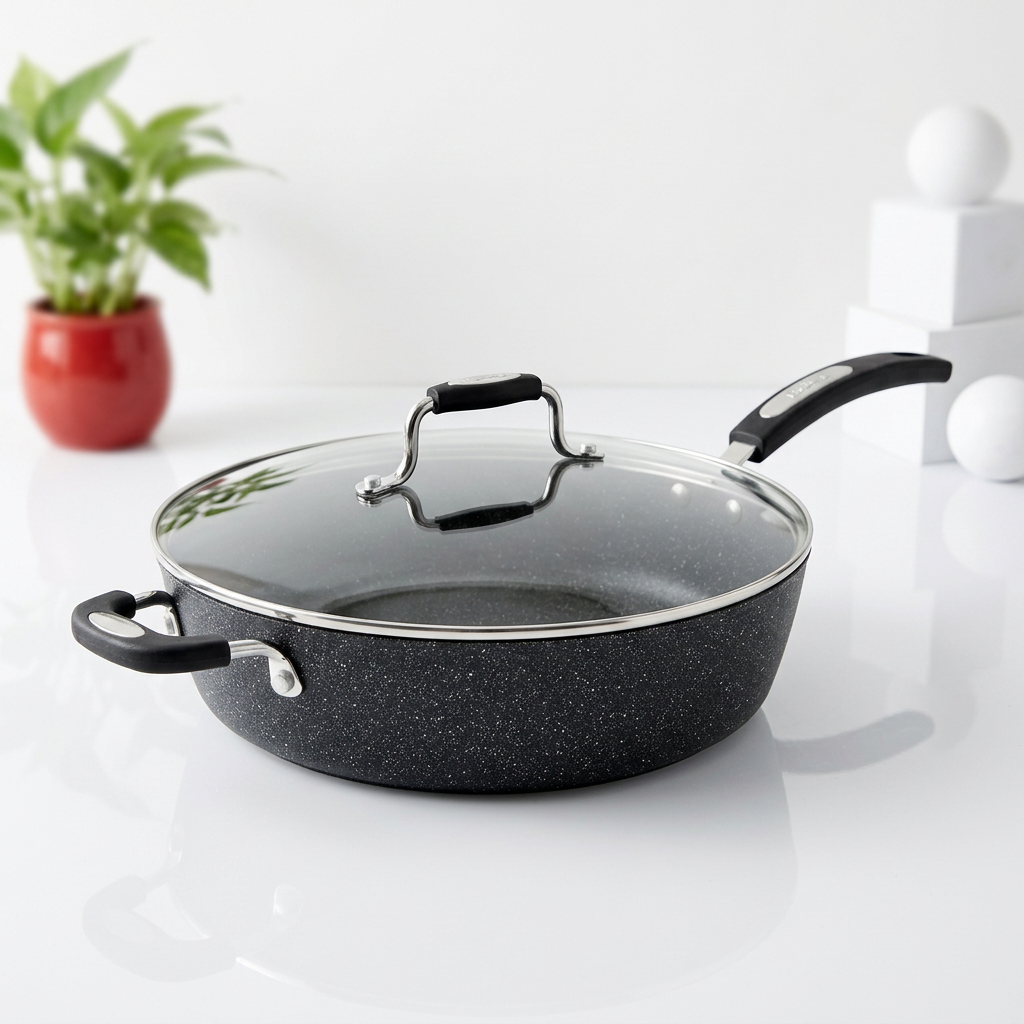
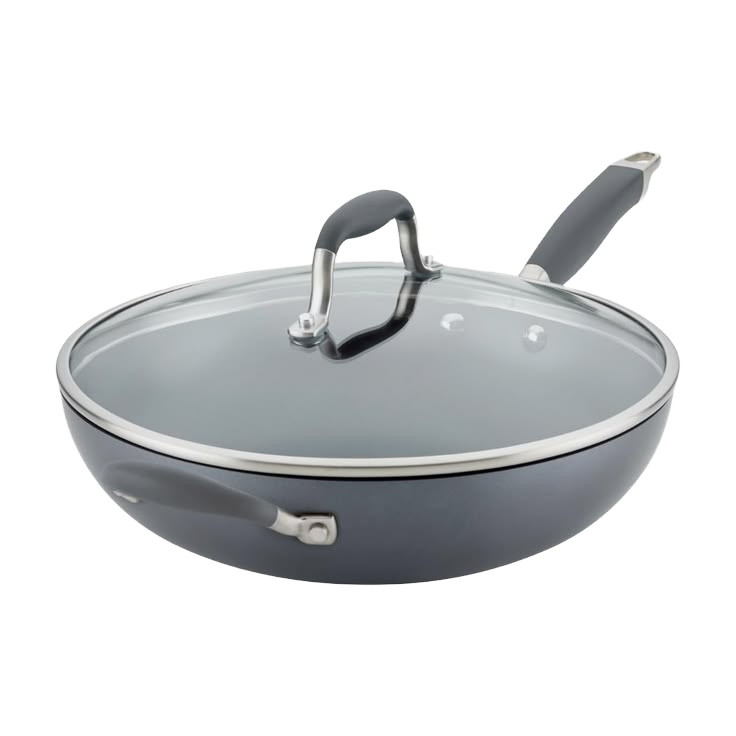
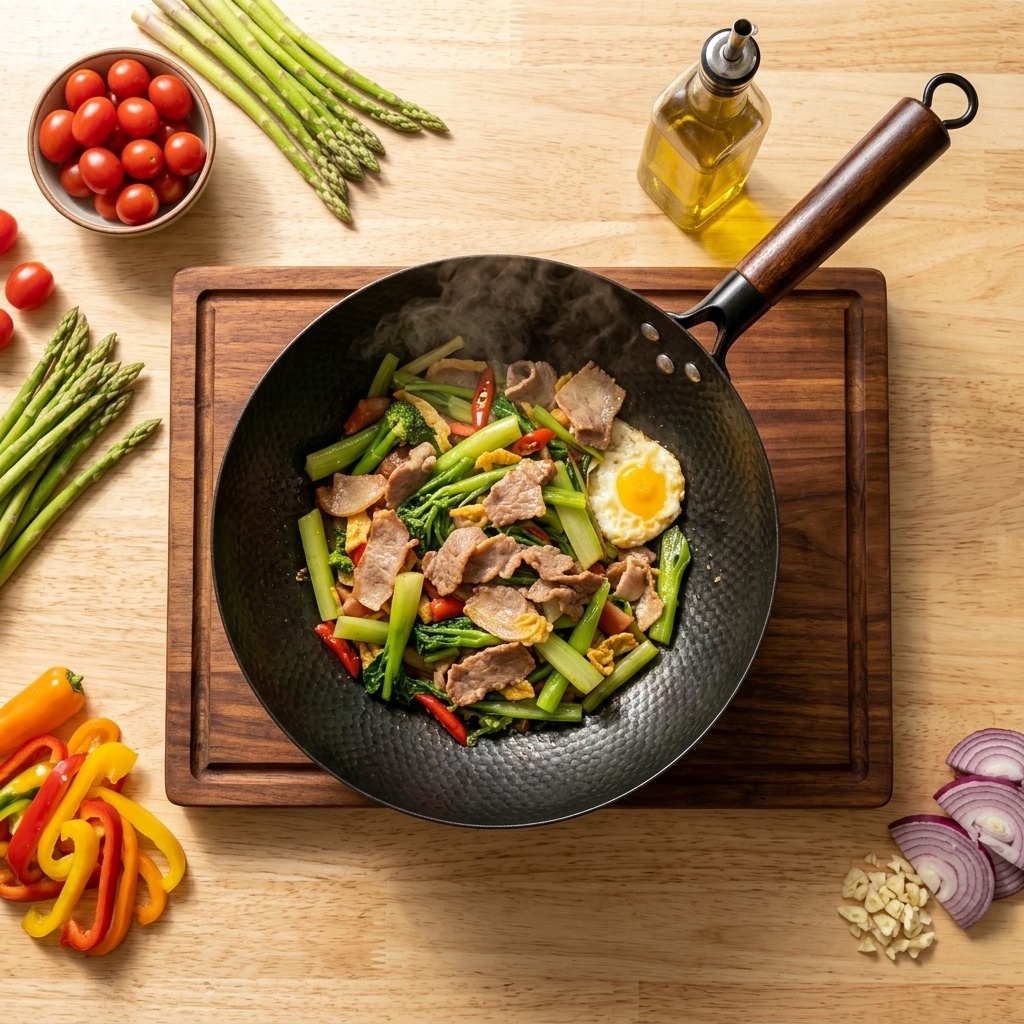
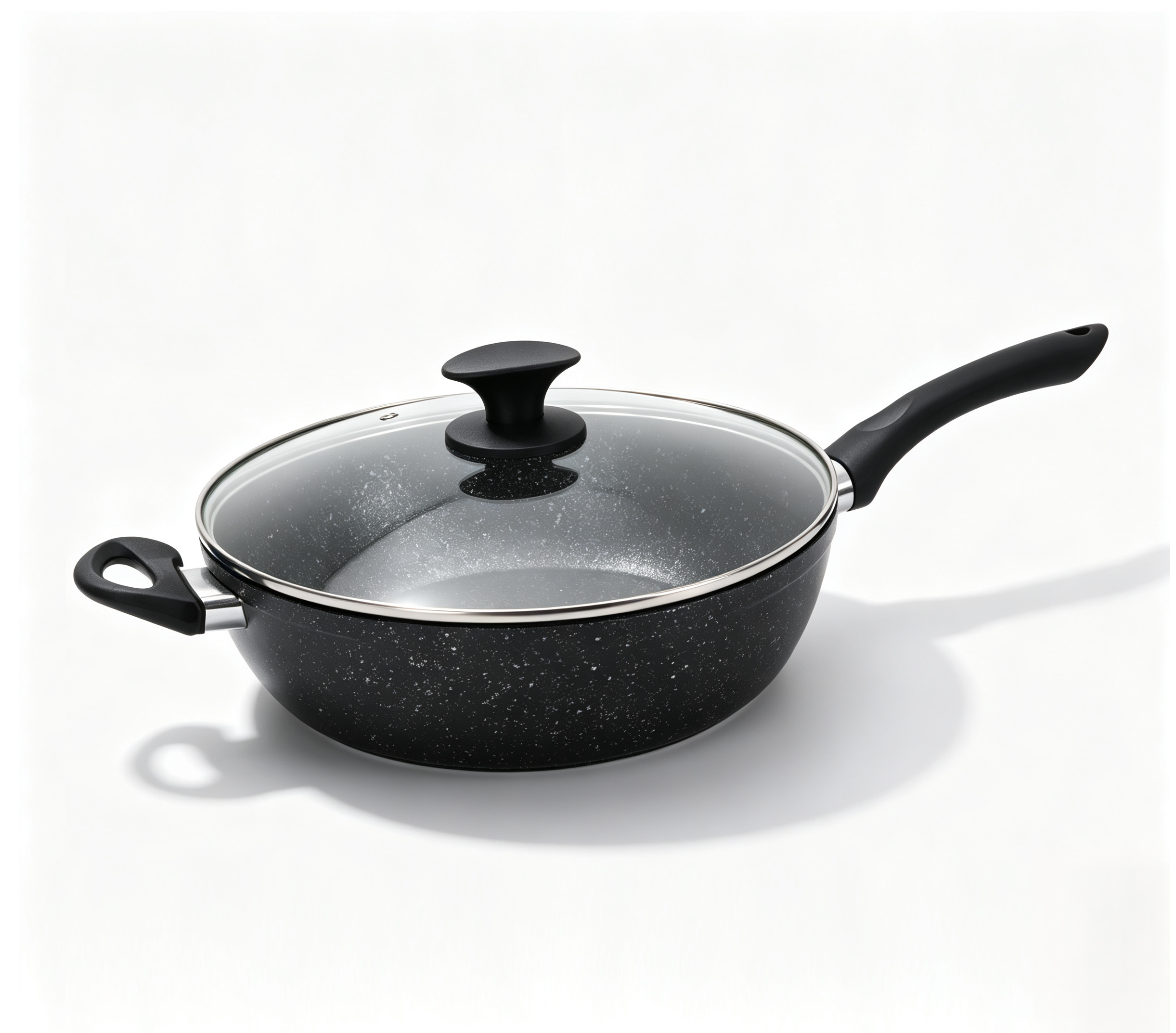
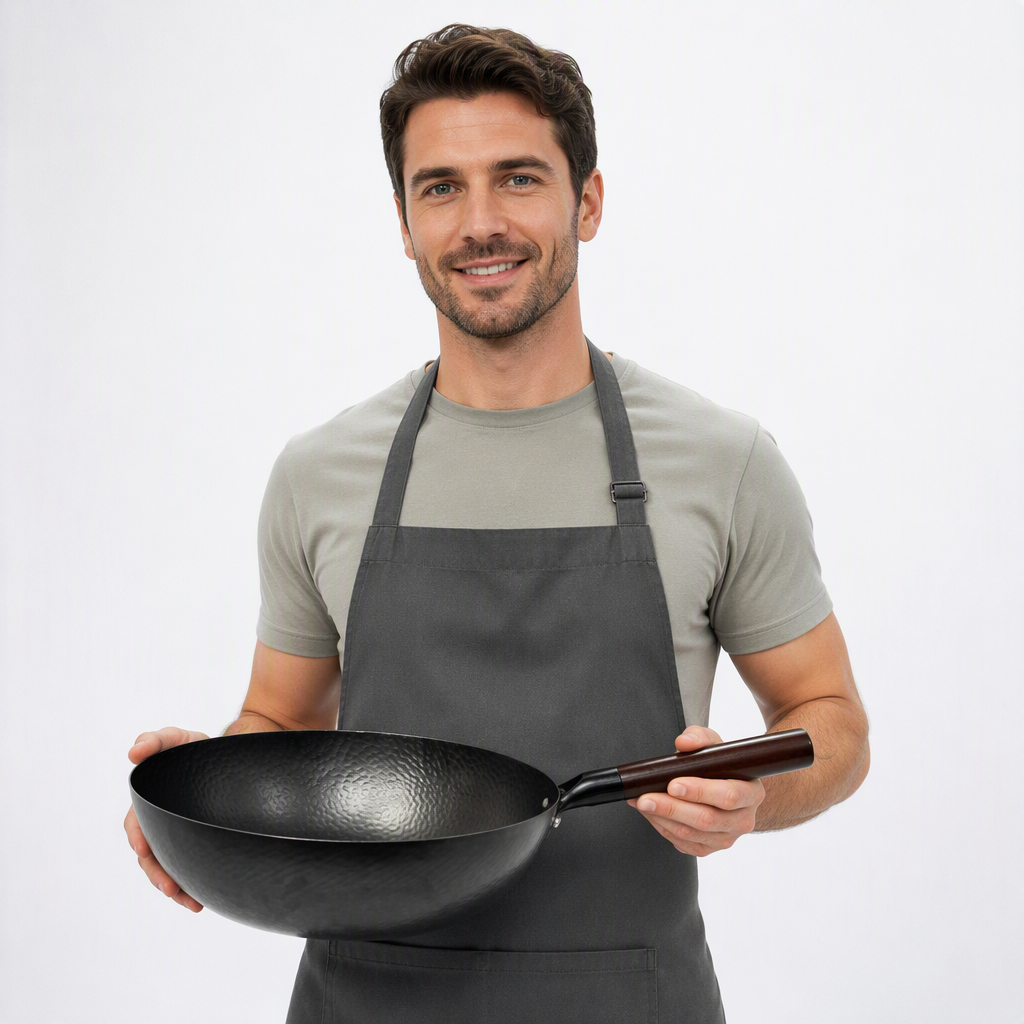
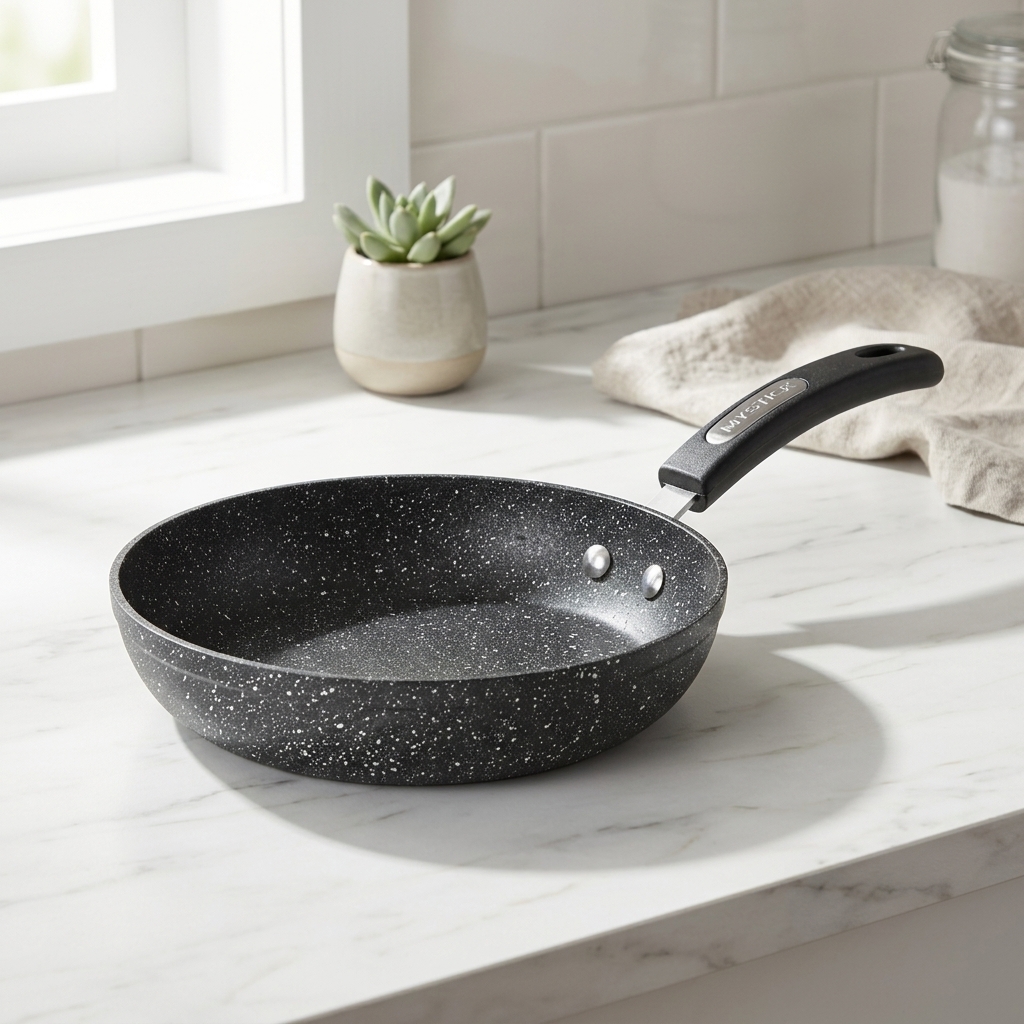
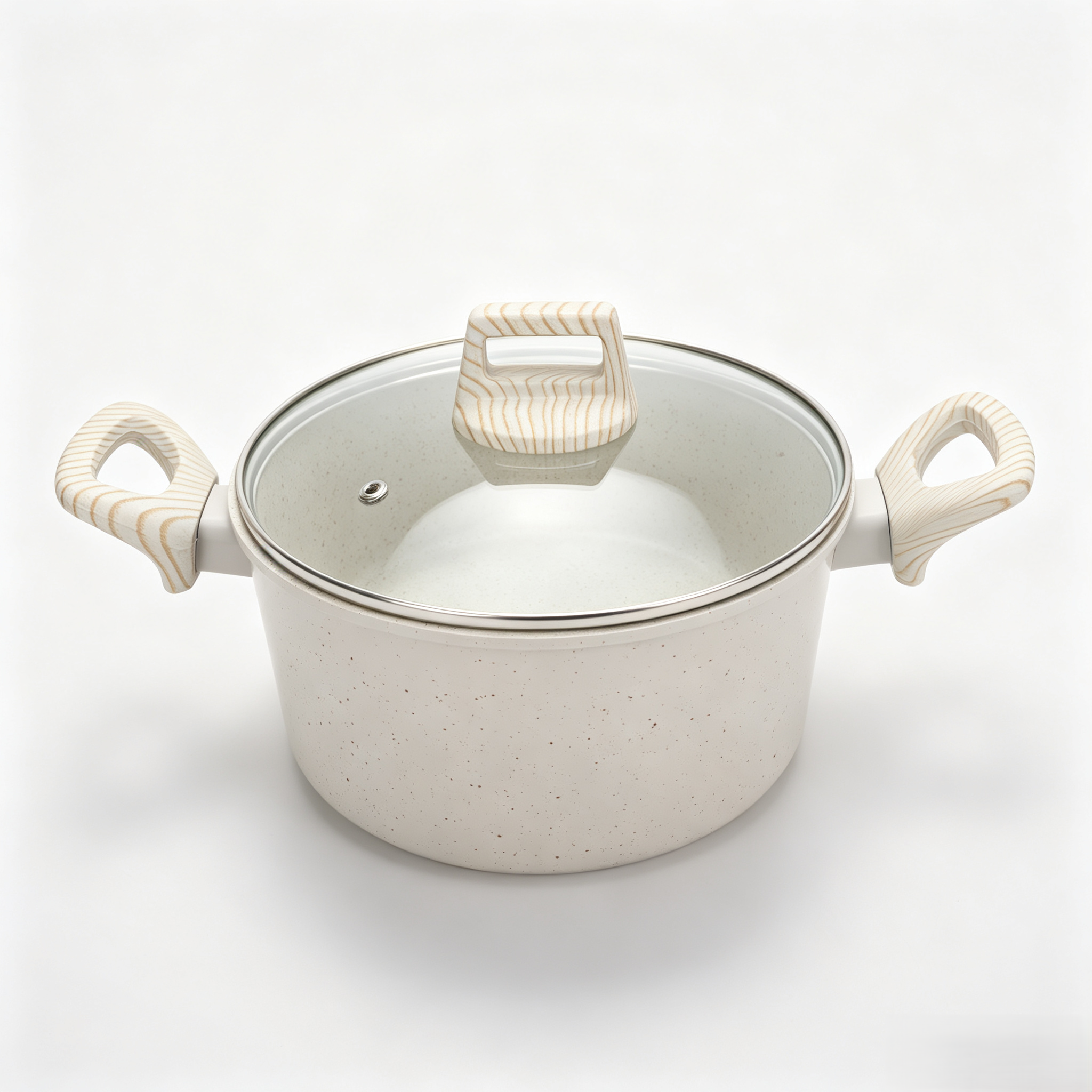
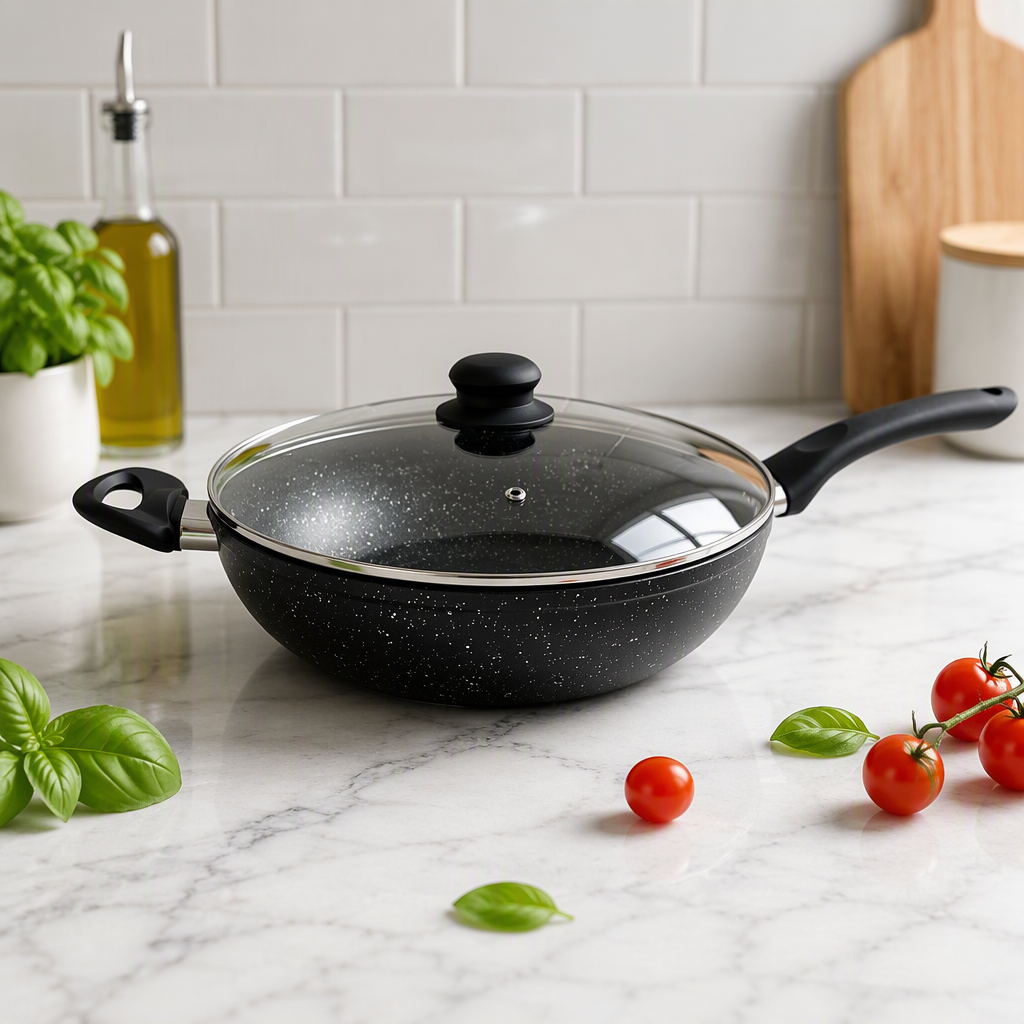
Analyzing Carbon Steel Casserole Manufacturing for the Ecuadorian Market
The consumer goods market in Ecuador is undergoing a structural shift driven by modern culinary habits, energy transition policies, and high demand for durable hardware. For commercial cookware importers, department store distributors, and private-label brands operating in cities like Guayaquil, Quito, Cuenca, and Ambato, sourcing high-performance carbon steel casseroles presents a strategic growth opportunity. As a primary alternative to heavy cast iron and lightweight aluminum, heavy-gauge carbon steel delivers exceptional thermal response, lower landed shipping weights, and native electromagnetic induction responsiveness.
Carbon steel casseroles engineered with nitrided or multi-layer nonstick surfaces bridge the gap between traditional slow-simmering stewing pans and modern fast-heating induction vessels. Because carbon steel possesses a higher thermal conductivity than cast iron ($K \approx 54 \text{ W/m}\cdot\text{K}$ compared to cast iron’s $K \approx 45 \text{ W/m}\cdot\text{K}$), food service operators and home cooks across Ecuador benefit from reduced pre-heating times and precise temperature control—a vital consideration given regional energy tariffs and varied cooking gas availability across the Sierra and Coastal zones.
Localized Application Scenarios: Thermodynamics in Ecuadorian Culinary Environments
To successfully capture consumer loyalty in Ecuador, cookware must adapt to diverse microclimates and traditional cooking methods. The geographical variance between the high-altitude Andean highlands (Sierra) and the tropical coastal plains (Costa) introduces specific physical requirements for thermal retention and moisture control during cooking.
High-Altitude Sierra Simmering (Quito & Cuenca)
At elevations exceeding 2,800 meters, atmospheric pressure drops, causing water to boil at approximately 90°C instead of 100°C. Traditional stews such as Locro de Papa and Seco de Chivo require prolonged simmering to tenderize proteins and break down starches. Heavy-gauge carbon steel casseroles retain ambient heat steadily, while precision-fitted tempered glass or heavy lids minimize moisture evaporation, drastically reducing total gas consumption.
High-Humidity Coastal Searing & Broths (Guayaquil & Manta)
In coastal provinces where acidic seafood broths like Encebollado and Sancocho de Pescado dominate daily meal preparation, cookware must withstand quick transitions from high-heat vegetable searing to heavy liquid boiling. Nitrided carbon steel and high-durability marble nonstick treatments offer superior resistance against thermal shock and corrosion induced by salt-heavy coastal environments.
Commercial Foodservice & Industrial Kitchens
Ecuadorian catering businesses, hotel chains, and local picanterías demand cookware that handles continuous daily operations without structural warping. Unlike thin stamped aluminum pans that flex under extreme heat, 2.0mm to 3.0mm carbon steel casseroles possess immense tensile strength, ensuring flat burner contact over millions of thermal cycles.
Metallurgical & Performance Benchmark: Cookware Alloys in South America
For B2B buyers evaluating import catalogs, selecting the correct material base determines freight economics, retail price positioning, and warranty defect rates. The comparison matrix below outlines why carbon steel has emerged as a premier category growth engine for South American retailers:
| Performance Metric | Heavy-Gauge Carbon Steel | Traditional Cast Iron | Pressed / Forged Aluminum |
|---|---|---|---|
| Thermal Conductivity & Response | High ($K \approx 54 \text{ W/mK}$) | Moderate ($K \approx 45 \text{ W/mK}$) | Very High ($K \approx 200 \text{ W/mK}$) |
| Weight & Shipping Freight Cost | Optimal (50% lighter than Cast Iron) | Extremely Heavy (High Maritime Freight) | Lightweight |
| Induction Compatibility | 100% Native Magnetic Base | 100% Native Magnetic Base | Requires Bonded Stainless Plate |
| Warp Resistance under High Heat | Exceptional (High Tensile Yield) | High (Brittle under thermal shock) | Moderate to Low in thin gauges |
| Corrosion & Surface Treatment | Gas Nitriding / Ceramic / PTFE | Seasoned Oil / Enamel | Anodized / Nonstick Coating |
Ecuadorian Market Trends: Policy Drives, Supply Chain & Import Dynamics
To capitalize on market shifts, international buyers must align product development with macroeconomic factors shaping Ecuadorian commerce:
1. Acceleration of Induction Cooktop Adoption: Supported by nationwide energy infrastructure investments and domestic appliance replacement campaigns, induction cooktop penetration in urban Ecuadorian households has surged. Carbon steel’s natural ferromagnetism allows importers to distribute casseroles without paying additional manufacturing surcharges for encapsulated stainless steel induction bottoms required on standard aluminum pans.
2. Preference for PFOA-Free & Mineral Nonstick Systems: Modern consumers in Ecuador are increasingly eco-conscious. Retail chains are replacing standard single-layer PTFE pans with multi-layer ceramic coatings, granite speckle textures, and chemical-free nitrided carbon steel finishes that appeal to health-focused shoppers.
3. Optimization of Freight & Import Margins: Transporting container loads from Asian ports (such as Ningbo or Shanghai) to Puerto de Guayaquil requires maximum cube utilization. Carbon steel casseroles provide structural rigidity at wall thicknesses of 1.5mm to 2.5mm, permitting nestable handle designs and compact export master-carton packaging that cuts freight expenditure per unit.
Zhejiang MEIS Kitchenware Co., Ltd.
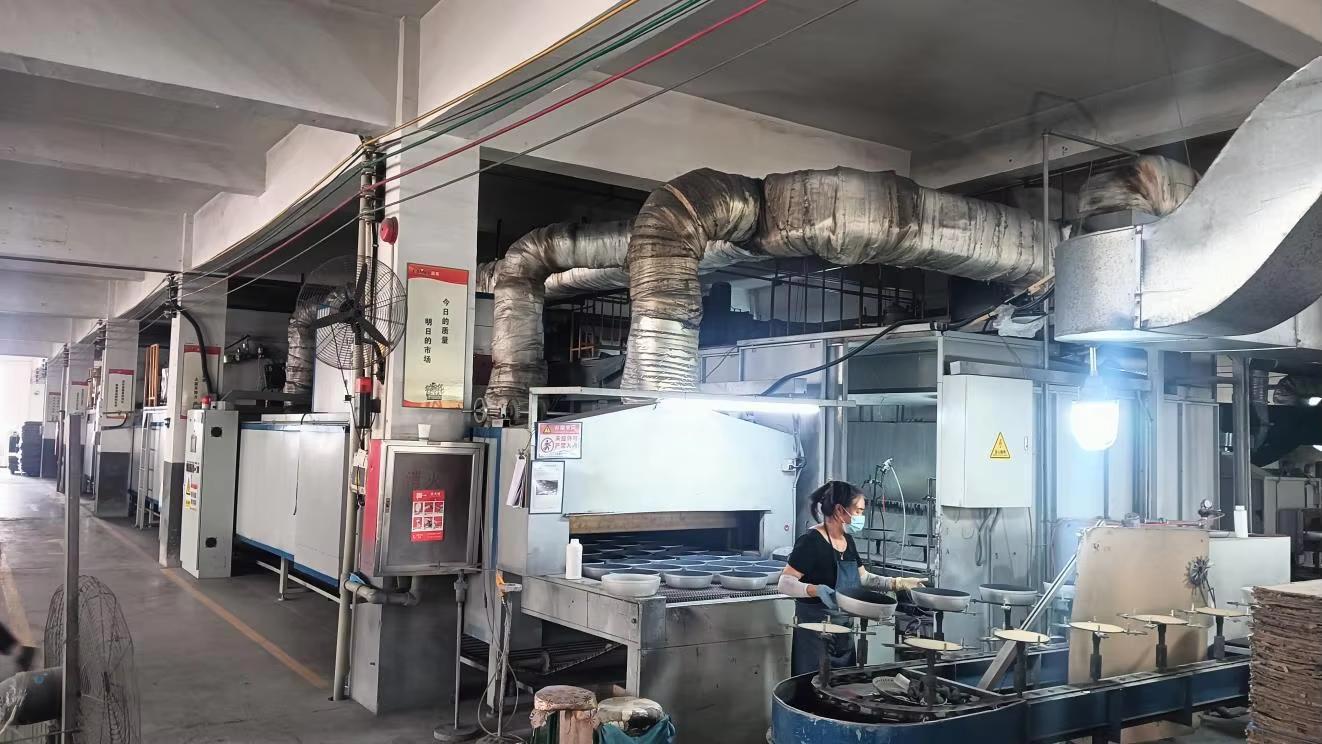
Located in the Dongnan Industrial Zone, Shuxi Street, Jinhua, Zhejiang, Zhejiang MEIS Kitchenware Co., Ltd. is an established custom manufacturer specializing in nonstick aluminum and heavy-gauge carbon steel kitchenware. With 20 years of manufacturing experience and over 18 years serving global B2B clients, our integrated 105-person facility houses pressing, CNC turning, surface treatment, multi-layer coating spray lines, and precision assembly under one audited roof.
- TÜV Rheinland On-Site Verified: Complete transparency across production lines, safety standards, and labor compliance.
- Comprehensive Quality Inspection: In-house testing laboratory featuring salt spray corrosion testers, coating curing ovens, handle thrust testers, and torsion fatigue rigs.
- Flexible OEM/ODM Customization: In-house mold tooling, lathe precision, and private-label artwork engineering tailored for South American retail brand specifications.
Frequently Asked Questions for Ecuador Importers & Wholesalers
Get immediate answers regarding logistics, material compliance, customization options, and volume manufacturing.
Partner with a Verified Cookware Manufacturer Today
Request comprehensive product specs, factory direct FOB quotes, and physical sample shipments for your market program in Ecuador.