OEM/ODM Export Catalog & Featured Cookware
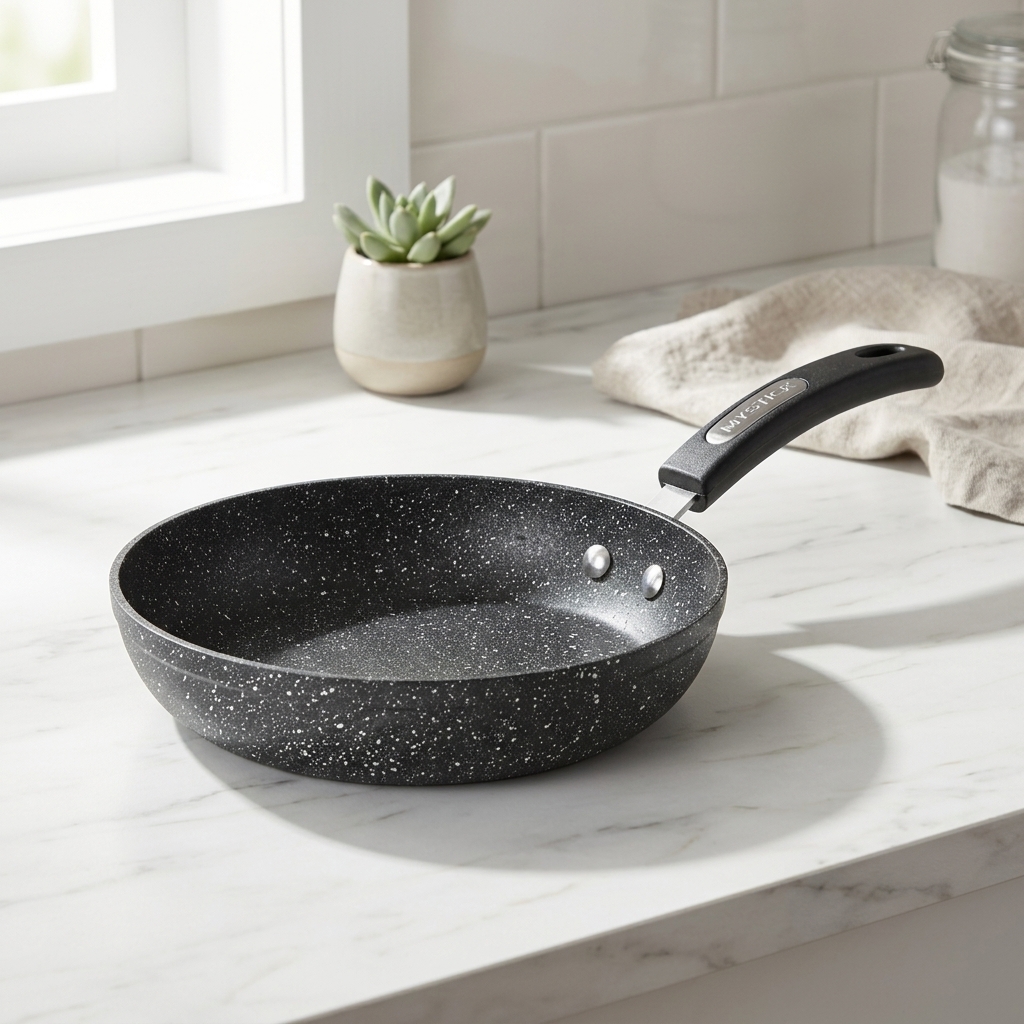
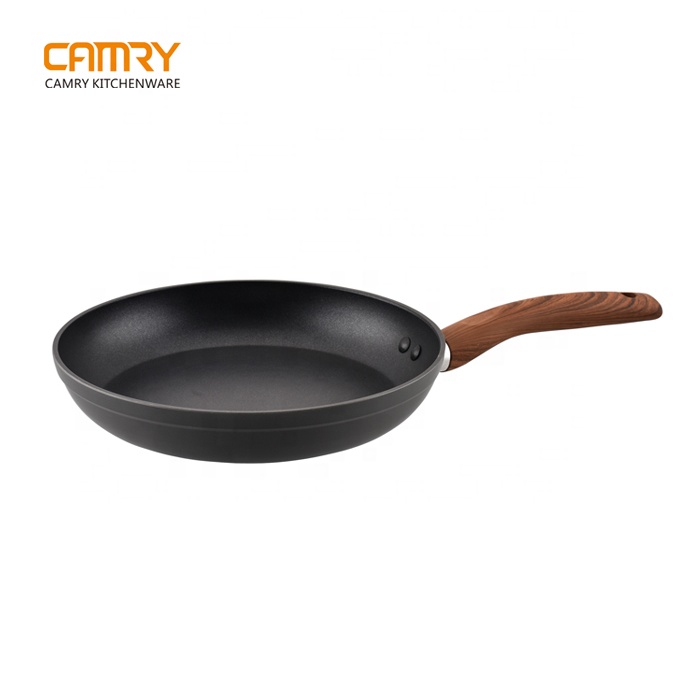
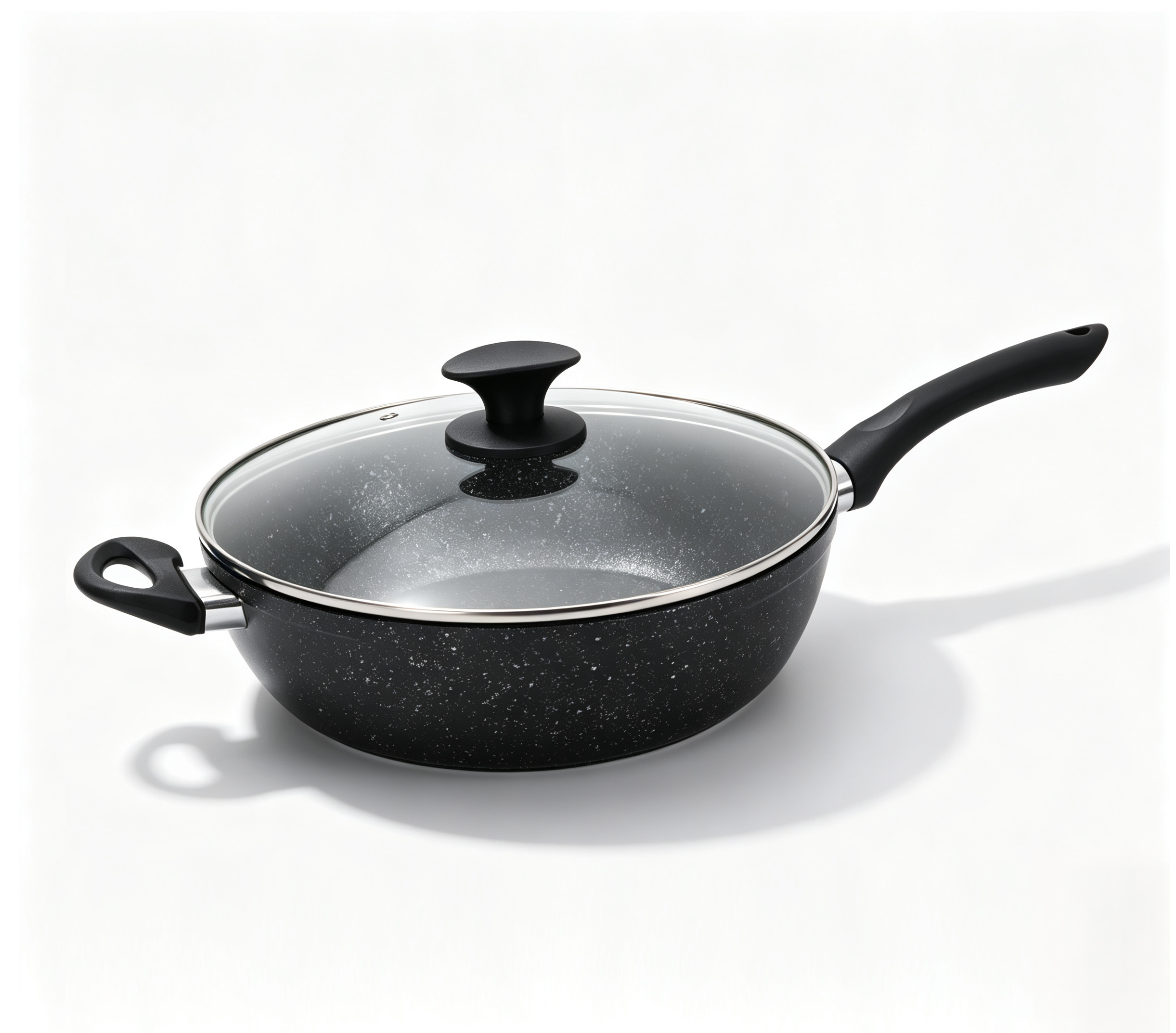
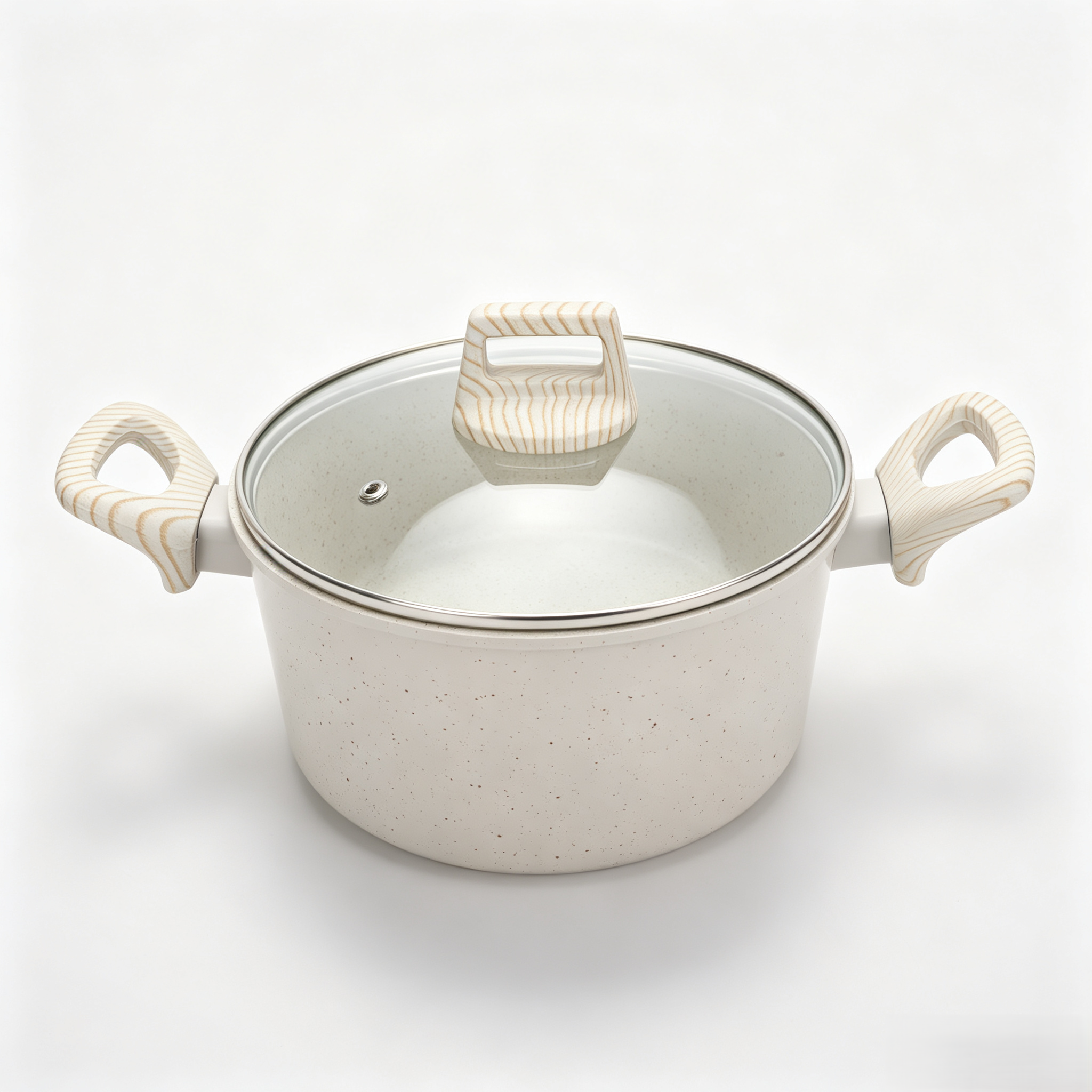
Precision-stamped aluminum and gas-nitrided carbon steel cookware engineered for commercial importers and retail supply chains.
Macro Market Analysis: Carbon Steel Sourcing Demands in Cuenca
Understanding high-altitude thermodynamic requirements, regional distribution pathways, and kitchen modernization trends in Azuay Province.
High-Altitude Thermal Transfer Dynamics
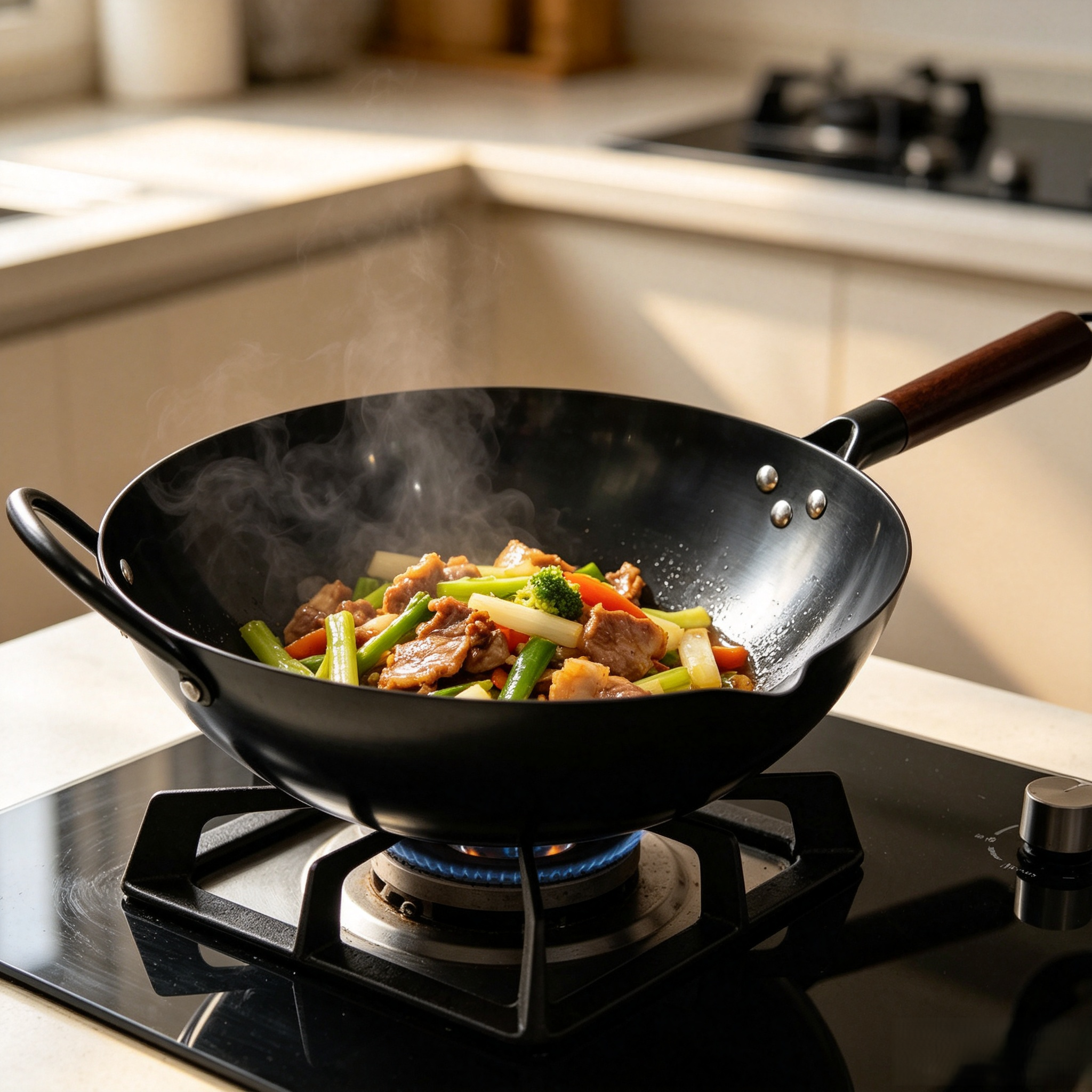
Situated in the Ecuadorian Andes at an elevation of approximately 2,560 meters (8,400 feet), Cuenca presents unique atmospheric dynamics for culinary heat distribution. Atmospheric pressure drops to approximately 74 kPa, lowering the boiling point of water to 91.5°C. To achieve proper Maillard reactions and rapid caramelization without boiling meat juices, commercial and household kitchens require cookware with high thermal diffusivity. Our heavy-gauge carbon steel ($k \approx 54 \text{ W/m}\cdot\text{K}$) delivers 300% faster heat responsiveness than cast iron, overcoming altitude-induced temperature drop-offs during high-heat searing.
Ecuadorian National Energy Transition (PEC)
Ecuador’s ongoing transition from subsidized Liquefied Petroleum Gas (LPG) canisters toward domestic electric induction cooktops—driven by national energy infrastructure initiatives—has altered retail demand across Azuay. Carbon steel is naturally ferromagnetic throughout its entire atomic lattice. Unlike aluminum cookware requiring secondary magnetic stainless steel impact-bonded bases, carbon steel pans offer instant 90%+ energy efficiency on induction hobs, making them the primary replacement choice for hardware wholesalers in Cuenca's Centro Histórico and El Arenal commercial hubs.
Shifting Consumer & Commercial Procurement
Importers supplying Cuenca’s expanding hospitality sector—catering to both native culinary traditions and an international community—are shifting orders away from heavy, breakable cast iron cookware. Modern carbon steel provides identical high-heat thermal mass with 40% reduced tare weight. This reduction cuts maritime freight costs per unit through the Port of Guayaquil and inland transport up the E58 highway corridor, allowing distributors to achieve superior gross margins while delivering commercial-grade cookware durability.
Localized Application Scenarios: Traditional & Modern Cuencano Cuisine
Engineered to sustain prolonged braising, intense searing, and delicate starch reduction in high-altitude mountain environments.
Seco de Chivo & High-Acid Braising Resilience
Preparing regional dishes like Seco de Chivo or Seco de Pollo involves hours of slow simmering with acidic bases like chicha de jora, beer, or passion fruit pulp. Standard seasoned cookware can strip raw iron oxide layers, leaving metallic off-flavors. Zhejiang MEIS utilizes high-temperature Gas Nitriding (Ferritic Nitrocarburizing at 570°C), converting the iron surface into an inert, non-reactive $\epsilon$-iron nitride phase ($Fe_2-Fe_3N$). This chemical barrier withstands acidic degradation while retaining deep thermal capacity for tender meat braising.
Fritada Azuaya & High-Heat Lard Render Searing
Authentic Fritada requires rendering pork in seasoned fat at extreme thermal peaks until all water evaporates and the meat crisps in its own oil. Aluminum cookware often softens or warps under prolonged lard-frying temperatures exceeding 230°C. MEIS high-density pressed carbon steel pans retain dimensional stability up to 400°C without mechanical deflection. The micro-textured nitrided pore matrix locks in seasoning oil, facilitating ultra-clean fat release without sticking or thermal hot-spot scorching.
Mote Pillo & Rapid Starch Gelatinization Control
Cooked hominy corn sauteed with eggs, green onions, and fresh cheese (Mote Pillo) requires delicate, immediate temperature modulation. Carbon steel’s fast thermal relaxation rate allows chefs to drop heat rapidly on induction hobs, preventing the delicate egg protein from curdling while keeping corn kernels crispy. This thermal precision makes our carbon steel woks and saute pans a staple in both traditional fondas and modern gastronomy establishments in Cuenca.
Technical Specification & Metallurgy Matrix
A comparative structural breakdown comparing Zhejiang MEIS gas-nitrided carbon steel against traditional alternative cookware alloys.
| Performance Metrics | MEIS Gas-Nitrided Carbon Steel | Traditional Cast Iron | Standard Non-Stick Aluminum | 304 Stainless Steel |
|---|---|---|---|---|
| Thermal Conductivity ($W/m\cdot K$) | 54 W/m·K (Fast Response) | 52 W/m·K (Slow Heat-Up) | 205 W/m·K (Overheats Easily) | 16 W/m·K (Poor Uniformity) |
| Induction Efficiency Factor | 95% (Natural Magnetic Lattice) | 90% (Heavy Thermal Lag) | 70-80% (Requires Bonded Plate) | 60-75% (Varies by Grade) |
| Vickers Surface Hardness (HV) | HV > 550 (Scratch Resistant) | HV ~180-220 (Brittle) | HV ~40-60 (Soft Metal Base) | HV ~200 (Scratches Easily) |
| Corrosion & Acid Resistance | Superior ($\epsilon$-Phase Iron Nitride) | Low (Requires Constant Oil) | Medium (Degrades if Scratched) | High (Non-Reactive) |
| PFOA/PFAS/PTFE Chemical Status | 100% Chemical-Free / Inert | 100% Chemical-Free | Coating Dependent | 100% Chemical-Free |
| Logistics & Freight Efficiency | High (Optimized Weight-to-Strength) | Low (Heavy Weight Tariffs) | High (Lightweight) | Medium (Moderate Tare) |
Frequently Asked Questions for Importers in Cuenca & Ecuador
Direct technical answers regarding customs clearance, material compliance, packaging, and commercial ordering protocols.
What shipping routes and lead times apply for carbon steel shipments to Cuenca, Ecuador? +
Shipments depart from Ningbo or Shanghai ports directly to the Port of Guayaquil (Contecon / TPM), which serves as the primary maritime gateway for Azuay Province. Transit times by sea typically range from 28 to 35 days. Inland container haulage from Guayaquil up to Cuenca via the E58 highway takes approximately 4 to 6 hours. Our export documentation team manages Bill of Lading (B/L), Commercial Invoice, Packing List, and Certificate of Origin (Form F/CO) to streamline Customs clearance through SENAE (Servicio Nacional de Aduana del Ecuador).
Do Zhejiang MEIS carbon steel products comply with INEN standards in Ecuador? +
Yes. Our carbon steel and aluminum cookware manufacturing lines operate under ISO 9001 quality systems verified on-site by TÜV Rheinland. All exported lines satisfy international food-contact safety standards (FDA 21 CFR 175.300, EU Regulation No 1935/2004, and LFGB). We provide complete heavy metal migration test reports (lead, cadmium, arsenic) required by the Servicio Ecuatoriano de Normalización (INEN) for smooth market authorization.
What is the technical difference between raw seasoned steel and MEIS nitrided carbon steel? +
Raw carbon steel requires immediate home seasoning and rusts rapidly under humid atmospheric conditions. Zhejiang MEIS subjects cookware to high-heat gas nitriding, diffusing nitrogen atoms directly into the iron metal surface. This process forms a non-porous micro-hardened outer crust (HV > 550) that is inherently rust-proof, scratch-resistant, and non-reactive with acidic foods—eliminating the risk of stock degradation during ocean shipping and long-term warehouse storage in South America.
Can we request OEM private-label packaging and branding for the Cuenca retail market? +
Absolutely. We specialize in full OEM/ODM customization. We offer laser-etched brand logos on wooden or stainless steel handles, custom stamped bottom brand marks, Spanish-language color box packaging with localized barcode printing (EAN/UPC), and protective eco-friendly inner wrapping tailored for supermarket chains or hardware franchise retail shelves throughout Ecuador.
What is the Minimum Order Quantity (MOQ) for custom carbon steel cookware orders? +
For standard single items (such as nitrided carbon steel woks or fry pans), our baseline MOQ starts at 1,000 to 2,000 pieces per size. For multi-piece boxed cookware sets, MOQ is typically 1,000 sets. We also accommodate consolidated mixed-container orders (20GP or 40HQ) containing multiple product lines to assist regional distributors in balancing stock diversity and shipping efficiency.
How does carbon steel hold up against high-altitude thermal stress compared to pressed aluminum? +
In high-altitude regions like Cuenca, heat loss due to rapid evaporation requires consistent pan thermal mass. Carbon steel possesses a higher structural tensile strength than aluminum, preventing structural warping during rapid heating cycles on high-wattage induction hobs or open-flame propane burners. This makes carbon steel significantly more durable for heavy commercial kitchen usage.
Zhejiang MEIS Kitchenware: Verified Factory Advantage
A direct look into our integrated manufacturing infrastructure in Jinhua, Zhejiang, China.
In-House Tooling & Precision CNC
Our Jinhua facility houses independent mold-making workshops equipped with heavy hydraulic stamping presses, lathe precision machinery, and automated CNC tooling equipment. This setup allows fast prototype development, rapid modification cycles, and custom geometry creation within 15 days of design sign-off.
Automated Surface Cleaning & Spraying
Coating adhesion depends on raw surface preparation. MEIS uses automated multi-stage degreasing and shot-blasting lines before applying ceramic, granite marble, or non-stick spray layers. Curing ovens ensure durable cross-linking for long service life on induction and gas ranges.
Rigorous Quality Control Laboratory
Every batch undergoes strict in-house laboratory testing prior to release, including salt spray corrosion chambers, handle fatigue cycle load testing, handle torsion stress analysis, and coating hardness scratch testing. We guarantee zero defective shipments to our global trade partners.
Partner with a Trusted Carbon Steel Cookware Factory
Expand your product line in Cuenca and South America with high-margin, nitrided carbon steel cookware direct from our TÜV-verified factory. Contact our engineering team for technical datasheets, sample kits, and factory-direct pricing.